
How Do I Know if My Plumbing System Is Outdated or Needs Replacing?
Discolored water, low pressure, and frequent leaks are often more than isolated annoyances – they’re common signs of failing plumbing that can mean your home’s plumbing system is aging out and heading toward a bigger failure. Here’s how to recognize an outdated plumbing system, what pipe materials matter most, and when to replace plumbing pipes versus simply repairing them – so homeowners in Townsend and New Castle County can decide with confidence.
Key Takeaways
A home’s age and original pipe material are two of the biggest predictors of how much longer its plumbing will last.
Discolored water, low pressure, frequent leaks, and noisy pipes are the most common warning signs of aging plumbing.
Galvanized steel, polybutylene, and Kitec pipes are all materials known to fail prematurely and are worth identifying in an older home.
Copper and PEX are generally considered more durable, longer-lasting options compared to older materials.
Frequent, recurring leaks are usually a sign the underlying pipe material is failing system-wide, not just in one spot.
A professional inspection is the most reliable way to determine whether repair or full replacement makes sense for your home.
A home’s age and original pipe material are two of the biggest predictors of how much longer its plumbing will last.
Discolored water, low pressure, frequent leaks, and noisy pipes are the most common warning signs of aging plumbing.
Galvanized steel, polybutylene, and Kitec pipes are all materials known to fail prematurely and are worth identifying in an older home.
Copper and PEX are generally considered more durable, longer-lasting options compared to older materials.
Frequent, recurring leaks are usually a sign the underlying pipe material is failing system-wide, not just in one spot.
A professional inspection is the most reliable way to determine whether repair or full replacement makes sense for your home.
How Does the Age of Your Home Affect Your Plumbing System?
Which Pipe Materials Are Common in Different Home Building Eras?
Homes built before the 1960s often used galvanized steel supply pipes, while homes from the late 1970s through the mid-1990s sometimes used polybutylene, a plastic pipe material later linked to widespread early failures. Newer homes typically use copper or PEX, both considered more reliable options by today’s standards.
How Does Home Age Correlate With Plumbing Lifespan and Risks?
Older pipe materials naturally reach the end of their useful life sooner, and a home’s plumbing risk generally rises the longer it’s gone without inspection or partial replacement. Knowing roughly when your home was built – and what pipe material was standard at the time – is a useful starting point for understanding your own risk.
What Are the Most Common Signs That Your Plumbing System Is Aging or Failing?
What Does Discolored or Rusty Water Indicate About Your Pipes?
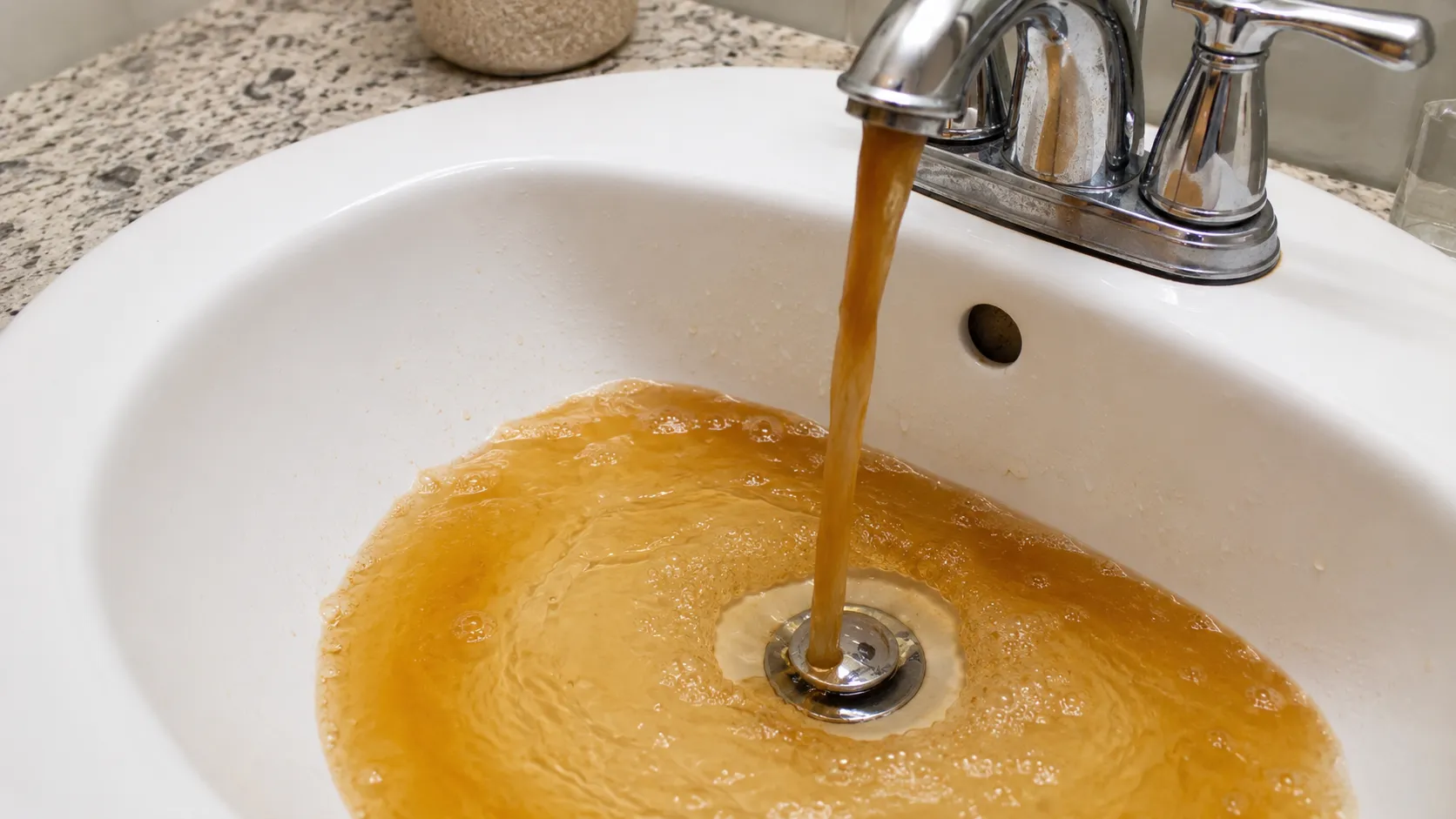
Rust-colored or discolored water is one of the clearest signs of internal pipe corrosion, most commonly associated with aging galvanized steel. It’s worth having a plumber inspect the pipes rather than assuming it will resolve on its own.
How Can Low Water Pressure Signal Plumbing Problems?
Corrosion and mineral buildup gradually narrow the inside of a pipe, which restricts water flow and shows up as lower pressure throughout the house. A sudden, house-wide pressure drop – rather than a slow decline – is worth a prompt inspection.
When Do Frequent Leaks Mean You Should Replace Pipes Instead of Repairing?
When leaks keep recurring in different spots rather than staying isolated to one area, it’s usually a sign that the pipe material itself is failing rather than one specific section. At that point, patching each new leak individually tends to cost more over time than addressing the system as a whole.
What Causes Noisy Pipes, and How Does That Relate to System Age?
Banging, knocking, or rattling pipes can be caused by loose fittings, water hammer, or mineral buildup restricting flow – all of which become more common as a plumbing system ages. Persistent noise is worth having checked, especially alongside other warning signs on this list.
How to Identify Visible Corrosion or Staining on Your Plumbing Fixtures?
Rust, pitting, or flaking on any exposed pipe, and staining around fittings or valves, are visible indicators that a pipe’s structural integrity may already be compromised. If you can see corrosion on an exposed section, it’s reasonable to assume similar wear exists on pipes you can’t see.
How Do Different Pipe Materials Affect Plumbing Longevity and Replacement Needs?
What Are the Lifespans and Common Problems of Galvanized Steel Pipes, and When Does Galvanized Steel Pipe Replacement Make Sense?
Galvanized steel pipes generally last several decades before internal corrosion becomes a serious problem, and by the time discolored water or low pressure shows up, the corrosion is often already well advanced throughout the system. Once galvanized pipe starts failing, replacement is usually the more practical long-term fix.
Why Are Polybutylene Pipes Prone to Early Failure, and Is Polybutylene Pipe Replacement Worth Doing Proactively?
Polybutylene pipe, widely installed from the late 1970s through the mid-1990s, became known for failing well before its expected lifespan due to reactions with chemicals commonly found in municipal water supplies. Homeowners with a house from that era should have their pipe material confirmed, since polybutylene is generally considered worth replacing proactively rather than waiting for a failure.
Copper vs PEX Pipes: How Do They Compare in Durability and Maintenance?
Copper is a long-standing, durable option, though it can develop pinhole leaks over time in homes with more acidic water. PEX is a flexible plastic piping that resists corrosion and scale buildup, and it’s become a common modern choice for both new construction and repiping projects.
What Are the Risks of Cast Iron, Kitec, and Lead Pipes?
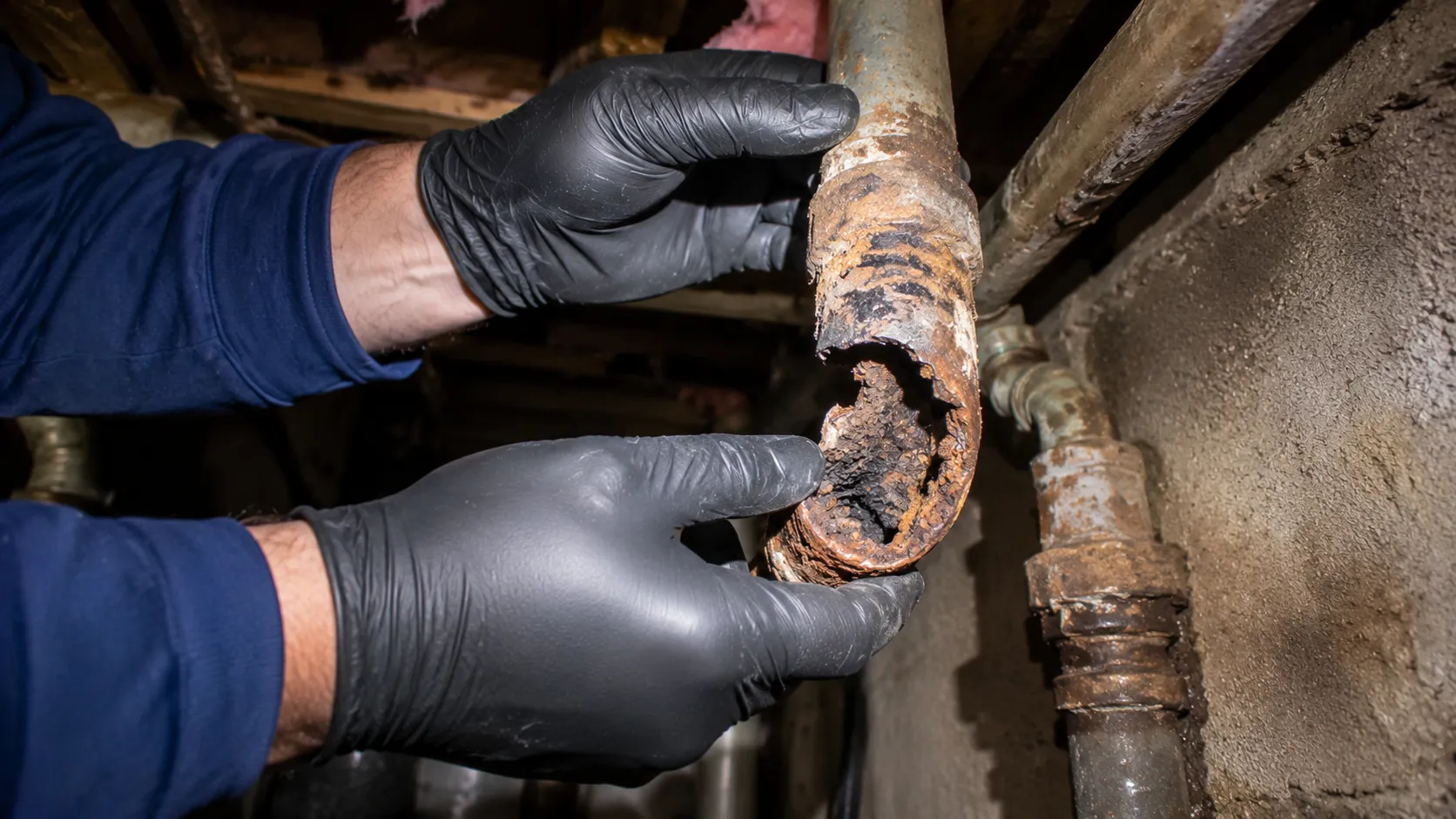
Cast iron, typically used for drain lines in older homes, can crack or corrode from the inside over decades of use. Kitec pipe, an aluminum-and-plastic composite installed roughly between 1995 and 2007, has been linked to fitting failures and is generally recommended for replacement where identified. Lead pipes, found in some older homes, pose a health risk and are a priority for replacement regardless of their current condition.
When Should You Consider Repiping Your Home’s Plumbing System?
What Benefits Does Whole-House Repiping Provide?
Replacing an aging or failing pipe system generally improves water pressure and water quality, and it eliminates the pattern of recurring leaks that come with patching individual failures in an already-deteriorating system. It also removes the ongoing uncertainty of not knowing where or when the next leak will show up.
When to Replace Plumbing Pipes vs. Repair Them?
An isolated leak in a single section of otherwise sound pipe is usually a reasonable candidate for a standard repair. Recurring leaks across multiple areas, known problem materials like polybutylene or Kitec, or consistent discoloration and pressure issues throughout the home generally point toward considering full replacement instead.
What Does the Repiping Process Involve and How Can You Prepare?
What Steps Are Included in a Professional Plumbing Inspection?
A thorough inspection typically includes identifying the existing pipe material, checking for visible corrosion or staining, testing water pressure, and in some cases using camera inspection equipment to check sections that aren’t visible. That inspection is what determines whether a repair or a larger replacement project makes sense for your specific home.
How Is a Whole-House Repiping Project Completed?
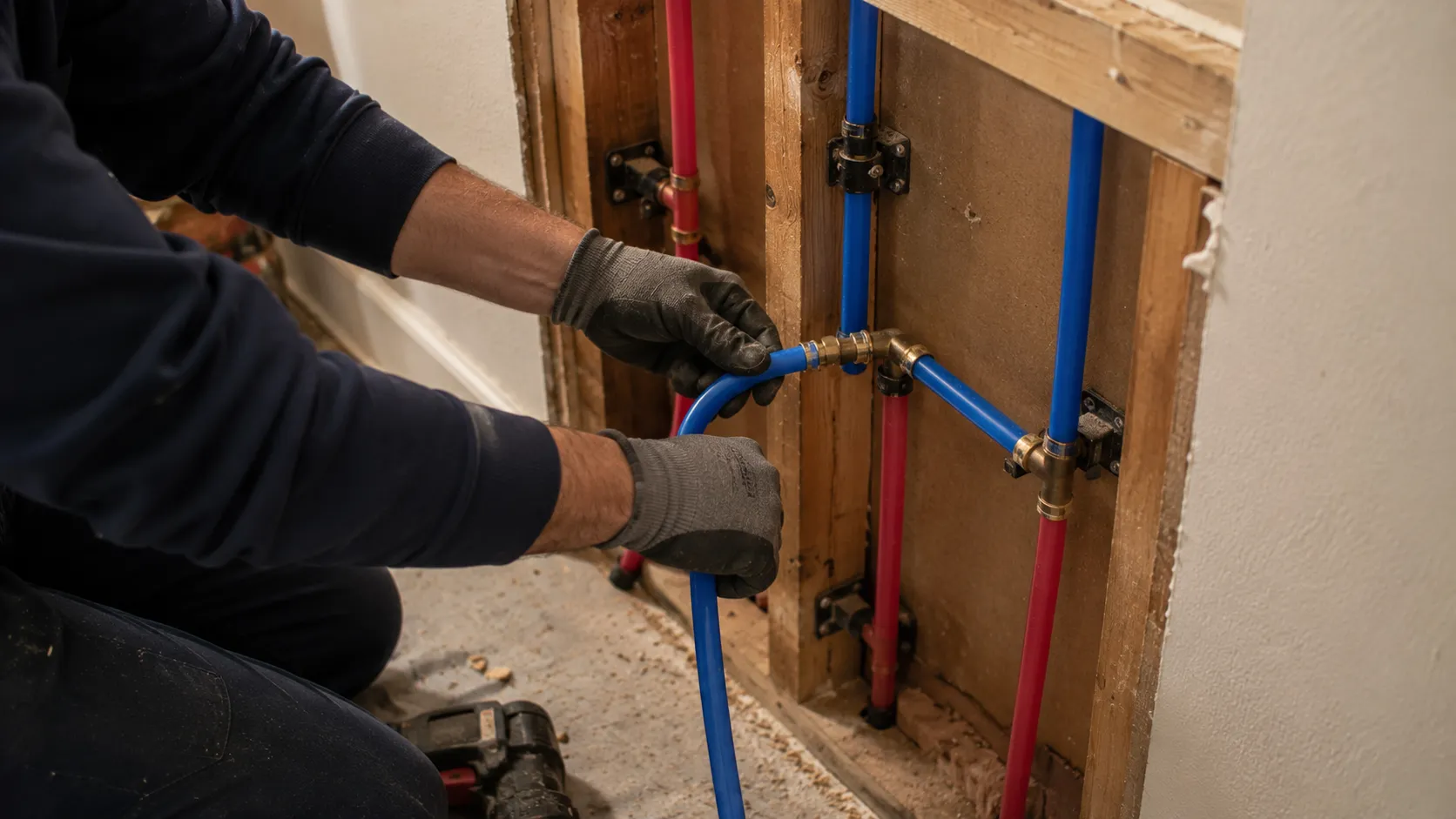
A repiping project generally involves opening limited access points in walls or ceilings to run new supply lines, then closing and restoring those areas once the new pipe is in place. Most residential projects can be completed within a few days, depending on the home’s size and layout.
What Building Permits and Code Requirements Apply to Repiping?
Pipe replacement work generally requires a permit and must meet current local plumbing code, which is one more reason to work with a licensed contractor rather than attempting significant pipe replacement without one. Permit requirements and processing can vary by municipality, so it’s worth confirming what applies to your specific address.
What Are the Costs and Long-Term Savings of Replacing an Outdated Plumbing System?
How Much Does Whole-House Repiping Cost by Home Size and Material?
Whole-house repiping costs vary significantly by home size, the number of fixtures, and the material chosen, generally landing somewhere in the range of $4,000 to $15,000 or more for a typical single-family home. These are general industry figures – an accurate number depends on a professional inspection of your specific home.
What Are the Financial Risks of Delaying Plumbing Replacement?
Continuing to patch individual leaks in a failing system often costs more cumulatively than addressing it as a whole, before factoring in the risk of water damage from a leak that isn’t caught right away. Delaying replacement on a known problem material like polybutylene or Kitec also means living with ongoing uncertainty about when and where the next failure will happen.
Frequently Asked Questions
How do I find out what pipe material my home has? A plumber can typically identify the pipe material during an inspection, either visually where pipes are exposed or through further investigation where they aren’t.
Is it safe to keep using polybutylene or Kitec pipe if it hasn’t failed yet? Both materials are known for premature failure even when they appear fine, so many plumbers recommend proactive replacement rather than waiting for a leak to appear.
Does homeowners insurance cover repiping if pipes haven’t failed yet? Coverage generally applies to sudden, accidental damage rather than preventive replacement of aging materials – check with your insurance provider for specifics on your policy.
Can I repipe just part of my home instead of the whole system? In some cases a partial repipe makes sense, but if the same problem material runs throughout the house, a professional inspection will help determine whether a partial or whole-house approach is more practical.
Does Noble Home Services inspect older homes for outdated or failing plumbing? Yes, Noble Home Services can inspect a home’s plumbing throughout Townsend and New Castle County and advise on whether repair or replacement makes more sense for your situation.
Tired of rusty water, weak pressure, or a leak that keeps coming back in a new spot? Noble Home Services can inspect your home’s plumbing and give you an honest recommendation on repair versus replacement – so you can stop patching problems and start trusting your water again. Call (302) 218-2943 to schedule an inspection throughout Townsend and New Castle County.