
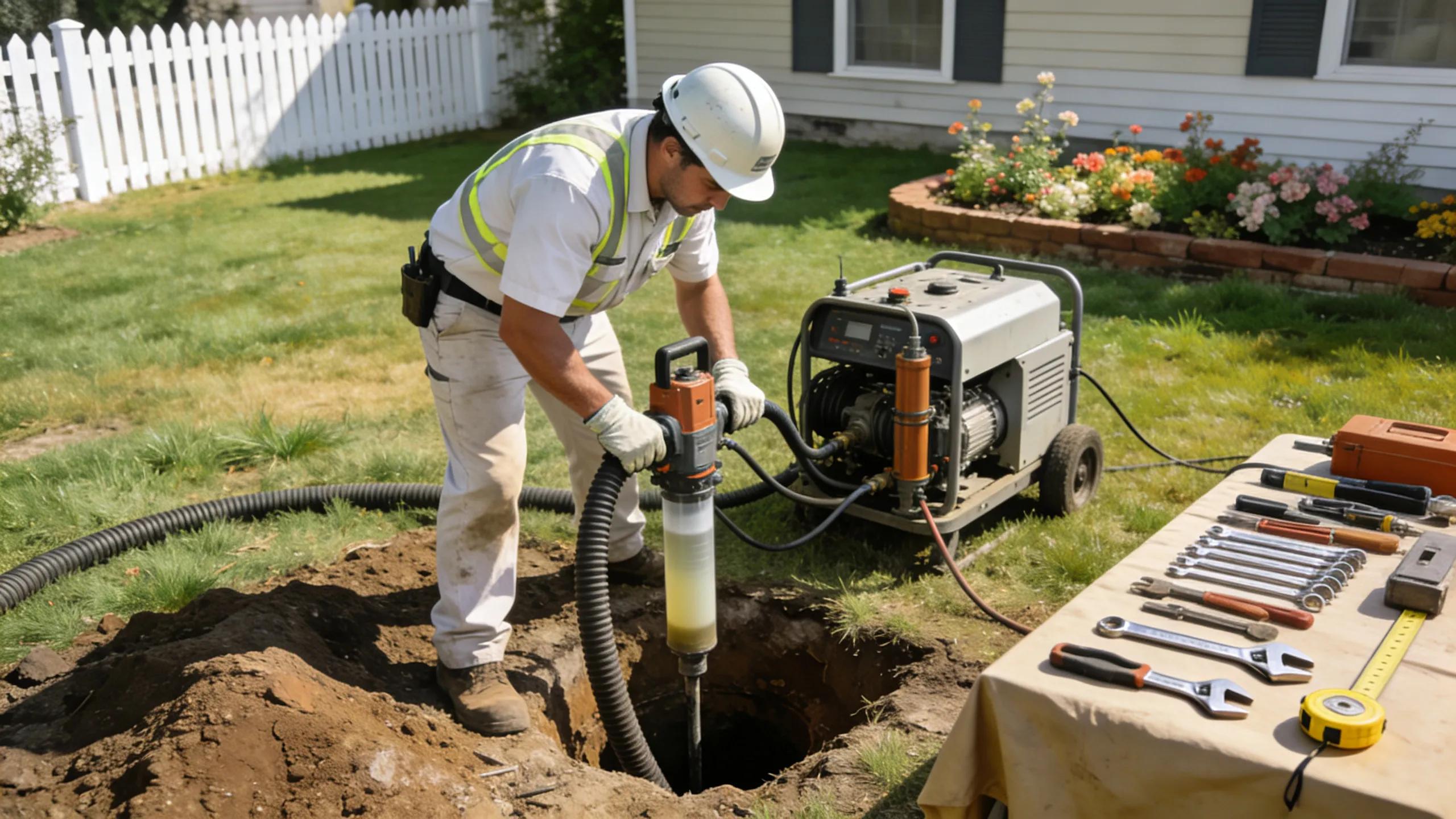
7 Warning Signs Your Sewer Line Needs Trenchless Repair Today in Townsend, DE
By Noble Home Services, Noble Home Services LLC
A fully functional sewer line is essential to a safe, comfortable home. Trenchless repair offers a low-disruption option for addressing pipe issues, but timely recognition of problems is necessary to avoid escalation. This article identifies seven warning signs—including slow drains, recurring clogs, and unusual odours—that indicate a sewer line may require trenchless repair. Understanding these indicators helps homeowners prevent costly work and maintain plumbing safety and performance.
This guide explains each warning sign, describes likely symptoms of sewer pipe damage, and outlines the consequences of inaction. It also emphasises the value of professional assessment and explains how trenchless methods resolve issues efficiently. Homeowners in Townsend, DE will find information on local service providers, including Noble Home Services LLC.
Key Takeaways
- Slow drains and recurring clogs are early signs indicating potential sewer line damage requiring trenchless repair.
- Unpleasant odors and wet spots in the yard often signal sewer gas leaks or underground sewage leaks.
- Strange sounds like gurgling from drains can indicate blockages needing professional sewer line assessment.
- Increased water bills may reflect hidden leaks or deteriorating sewer pipes requiring timely intervention.
- Sewage backups pose serious health risks and demand immediate trenchless sewer line repair.
- Trenchless repair methods minimize disruption, offering faster, cost-effective, and long-lasting sewer line solutions.
- Common causes of sewer damage include blockages, root intrusion, and pipe corrosion over time.
- Early detection through inspections and sewer camera assessments helps prevent costly sewer line emergencies.
- Professional services like Noble Home Services LLC provide expert trenchless sewer repair and emergency response in Townsend, DE.
The seven warning signs that indicate a sewer line needs trenchless repair immediately in Townsend, DE, include:
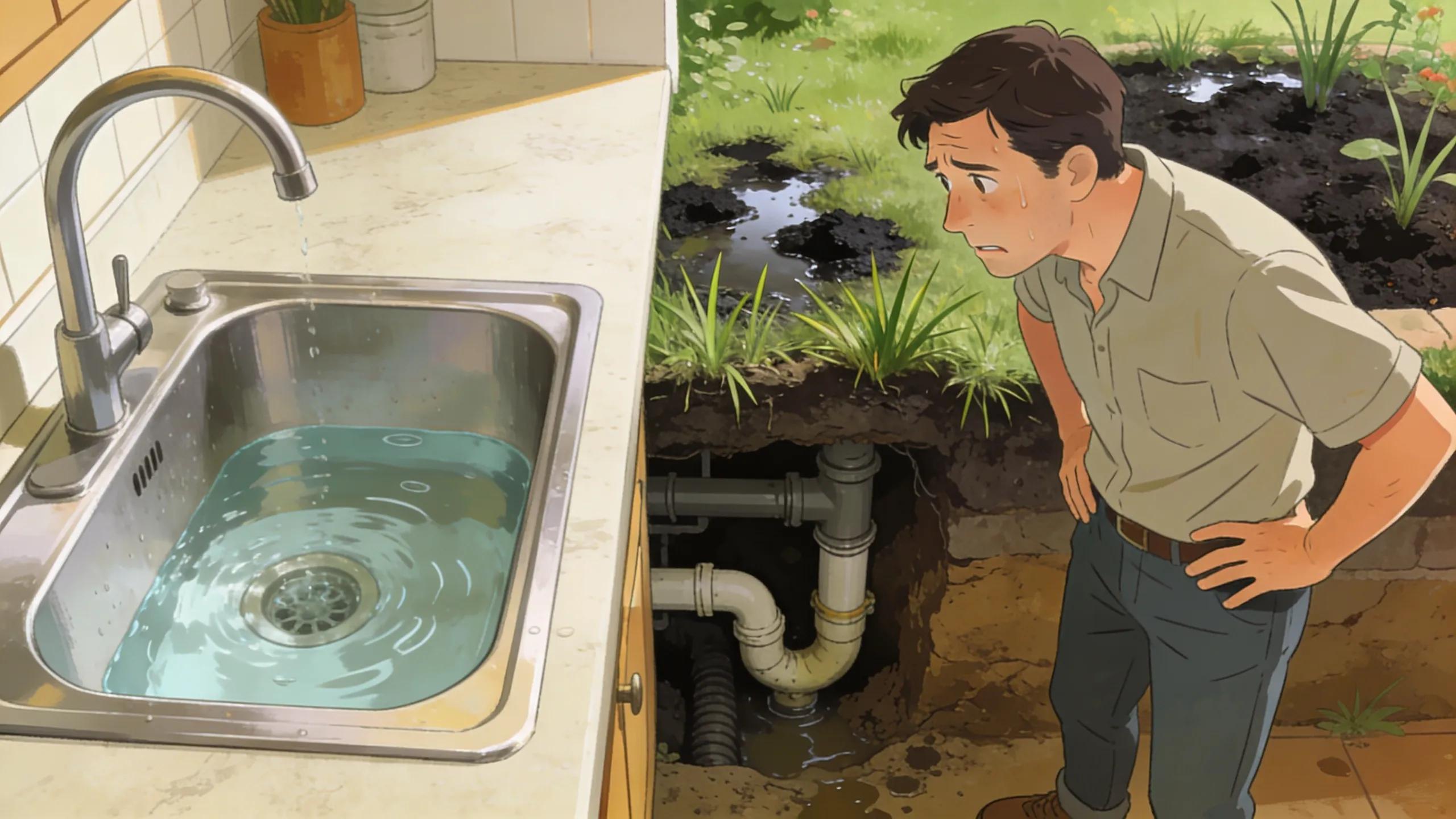
Recognising sewer line warning signs early enables prompt, targeted repairs. The items below outline the most common indicators that warrant professional evaluation.
- Slow Drains: When water drains slowly across multiple fixtures in your home, it can be an early sign of a sewer line issue. Slow drainage often indicates blockages in the system, which may be caused by debris or buildup within the pipes, requiring immediate attention to prevent further complications.
1. Slow Drains
Slow drainage across several fixtures commonly signals a blockage in the sewer line. This restriction prevents wastewater from flowing normally and can progress to backups and more extensive plumbing damage if not addressed promptly.
2. Recurring Clogs
Frequent clogs that return after cleaning suggest an underlying sewer issue rather than isolated obstructions. Recurrent blockages often indicate pipe damage or intrusion and require professional diagnosis and repair to avoid system failure.
3. Unpleasant Odors
Persistent foul odours near drains or in the yard can indicate sewer gas leaks or sewage escaping the system. These conditions present health risks and should be investigated and remediated without delay.
4. Wet Spots in the Yard
Unexplained wet patches in the yard, particularly during dry weather, commonly signal an underground sewage leak. These areas may appear more verdant and may be accompanied by odours; identifying the source promptly reduces the risk of contamination and further damage.
5. Strange Sounds
Gurgling or bubbling noises from drains are symptomatic of trapped air or partial blockages in the sewer line. Such sounds indicate flow disruption and warrant a professional assessment to diagnose and correct the issue before it worsens.
6. Increased Water Bills
An unexpected rise in water charges can point to hidden leaks or deteriorating sewer infrastructure. If water use has not increased, investigate for leaks promptly to limit repair costs and wasted resources.
7. Sewage Backups
Sewage backflow into fixtures or living areas is a critical emergency that requires immediate attention. Backups present severe health and property risks and should prompt urgent contact with qualified plumbing professionals.
What Are the Common Symptoms Indicating Sewer Pipe Damage?
Typical signs of sewer pipe damage include slow drainage, frequent clogs, unpleasant odours, and sewage backups. Homeowners should act on these indicators early and seek professional assessment, especially when multiple symptoms occur together.
Causes of Damage:
Various factors can contribute to damage in sewer lines:
- Blockages: Over time, substances such as grease, hair, and other debris accumulate and create significant backups.
- Root Intrusion: Tree roots may invade sewer lines, leading to clogs and damage to the pipes.
- Corrosion: Older pipes, especially those made from less durable materials, may corrode over time, leading to leaks and structural failures.
Addressing these causes early through inspection and maintenance helps homeowners preserve system function and avoid more significant repair expenses.
Potential Consequences if Not Addressed:
Ignoring early warning signs can lead to escalated damage, increased health risks, and harm to landscaping or property foundations. Timely intervention limits these outcomes and reduces overall repair costs.
How Do Slow Drains and Frequent Clogs Signal Sewer Line Issues?
Slow drains and repeated clogs are often early-stage symptoms of sewer line deterioration or obstructions. Identifying and remedying these problems promptly maintains safe, efficient plumbing performance and prevents costly emergencies.
What Odor and Backup Signs Suggest Sewer Line Problems?
Persistent foul odours or visible sewage backups indicate serious compromise of the sewer line. These symptoms typically reflect leaks or breaks that require immediate professional remediation to protect household health and property.
How Does Trenchless Sewer Pipe Repair Address These Sewer Line Repair Signs?
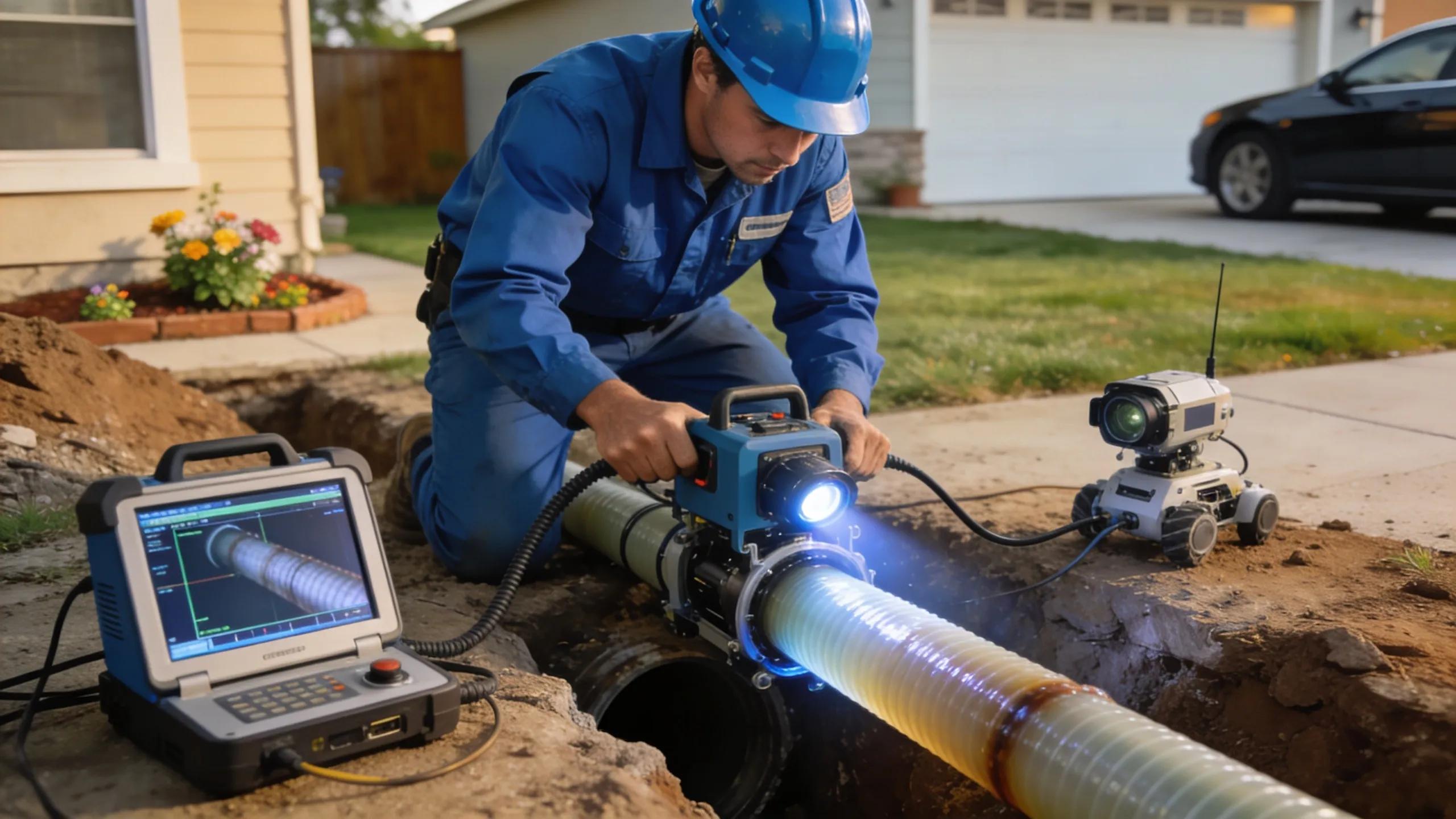
Trenchless sewer repair reduces disruption to landscaping and structures by minimising excavation while restoring pipe integrity. Technicians access problem sections with limited digging and apply targeted repair methods. Common techniques include:
- Pipe Bursting: This technique expands the existing, damaged pipe by bursting it while replacing it with a new one.
- Cured-in-Place Piping (CIPP): This method involves coating the interior of the pipe with resin, effectively sealing cracks and repairing damage without the need for extensive digging.
These approaches repair leaks and structural faults efficiently while preserving property and reducing restoration costs.
When applied correctly, trenchless techniques address the underlying causes of sewer issues and limit disturbance to the property, reducing the likelihood of recurrent problems.
What Are the Advantages of Trenchless Repair Over Traditional Excavation?
Trenchless repair offers several advantages compared to traditional excavation methods:
- Minimal Disruption: Since minimal digging is required, the surrounding landscape and structures are largely unaffected, saving homeowners from extensive restoration costs.
- Speed of Installation: Trenchless methods can often be completed in a day, compared to longer traditional repair methods.
- Long-lasting Repairs: The materials and techniques used in trenchless repair can lead to longer-lasting solutions, reducing the need for future repairs.
These benefits make trenchless repair an efficient, cost-effective option for homeowners seeking durable solutions with minimal inconvenience.
Cost-Effective Trenchless Methods for Sewer Pipe Repair
The study found trenchless methods to be cost-effective for installing deep pipe networks, with infiltration and inflow identified as major wastewater network issues (North American trenchless technology survey and an approach to explore the I&I problems in sewer lines, 2017)
The evidence supports trenchless approaches as a cost-effective option for addressing deep-pipe installations and common wastewater network challenges such as infiltration and inflow.
Can Trenchless Repair Handle All Types of Sewer Pipe Damage?
Trenchless techniques are effective for many cases of pipe damage but are not universal solutions. Severe collapses or complex external conditions may still require traditional excavation. For most minor to moderate defects, however, trenchless methods provide a reliable repair pathway.
How Can Homeowners in Townsend DE Monitor and Detect Sewer Pipe Damage Symptoms Early?
Homeowners should perform regular checks and schedule periodic inspections to detect sewer pipe issues early. Proactive monitoring enables timely repairs and reduces the risk of emergency situations.
What Diagnostic Techniques Help Identify Sewer Line Issues Before Emergencies?
Diagnostic options that reveal sewer line problems before they become emergencies include visual inspections, sewer camera assessments, and maintenance procedures such as hydro jetting. Each technique provides useful data to guide repair decisions.
Using these diagnostic tools allows homeowners to address issues before they escalate into costly or hazardous failures.
When Should You Contact Townsend DE Plumbing Services for Sewer Repairs?
Homeowners in Townsend, DE should contact plumbing professionals when they observe recurring clogs, persistent slow drainage, foul odours, or unexplained moist areas in the yard. Prompt engagement with local experts can prevent further deterioration.
Contacting providers such as Noble Home Services LLC ensures timely evaluation and intervention to protect home systems and limit repair scope.
What Is the Typical Cost Range for Trenchless Sewer Repair in Townsend, DE?
Trenchless sewer repair costs vary with site conditions and repair scope. Homeowners should expect an approximate range of $100 to $300 per foot, depending on factors such as pipe length, type of damage, and site accessibility.
These estimates assist with budgeting and planning for necessary repairs while avoiding the larger expenses associated with emergency replacements.
Which Factors Influence Trenchless Sewer Repair Costs?
Cost drivers for trenchless repair include pipe material, the length of the affected run, and the extent or type of damage. Each factor influences the required method and thus the overall expense.
Understanding these variables helps homeowners make informed choices and obtain accurate estimates from service providers.
Are Financing and Emergency Sewer Repair Services Available Locally?
Many local plumbing firms, including Noble Home Services LLC, provide financing options and emergency response services. These arrangements allow homeowners to address urgent sewer issues without undue financial delay while restoring safe operation.
What Steps Should You Take Immediately If You Notice Sewer Line Repair Signs?
If you observe potential sewer line problems, do not delay. Document the symptoms, avoid further use of affected fixtures where practical, and contact a licensed plumbing professional to inspect and advise on remedial action.
Prompt, proactive steps minimise property impact and improve the effectiveness of subsequent repairs.
How Does Noble Home Services LLC Support Townsend Residents with Emergency Sewer Repairs?
Noble Home Services LLC provides rapid, expert plumbing responses for sewer emergencies. The team applies modern trenchless technologies and established procedures to diagnose and restore sewer systems with minimal disruption.
What Are the Benefits of Choosing Professional Sewer Line Repair Services?
Choosing professional sewer line repair services delivers several advantages:
- Expert Assessment: Professionals have the knowledge and tools to accurately diagnose sewer issues.
- Quality Repairs: Utilizing trenchless technology leads to efficient and long-lasting repairs.
- Peace of Mind: Knowing that a capable team is handling necessary repairs contributes to homeowner comfort and safety.
Engaging qualified technicians ensures accurate diagnosis, durable repairs, and greater confidence in the long-term performance of home plumbing systems.
Frequently Asked Questions
1. How often should I have my sewer lines inspected?
Inspect sewer lines at least once every two years, particularly for older properties. Regular inspections detect early signs of blockages or deterioration and help avoid costly emergency repairs. If slow drains or unusual odours appear, schedule a camera assessment without delay.
2. What should I do if I experience a sewage backup?
In the event of a sewage backup, minimise exposure and damage: stop using affected plumbing fixtures, evacuate the contaminated area with household members and pets, and contact a professional plumbing service immediately. Rapid professional response is critical for safe cleanup and repair.
3. Can tree roots damage my sewer lines?
Tree roots frequently infiltrate sewer lines in search of moisture, leading to blockages, fractures, and complete obstruction. Regular inspections can identify early root intrusion so that remediation may occur before extensive pipe damage develops.
4. What are the differences between trenchless and traditional sewer repair?
Trenchless repair minimises excavation and disruption by repairing or replacing pipes from access points, while traditional repair requires extensive digging. Trenchless methods typically reduce restoration time and landscape impact, often resulting in lower overall disruption and faster completion.
5. What maintenance steps can I take to prevent sewer line issues?
Preventative measures include scheduling routine inspections, avoiding flushing non-degradable items and grease, and monitoring drains for slow flow or noises. Periodic hydro jetting can clear accumulated debris and help preserve pipe function.
6. How can I identify if my sewer line needs urgent repair?
Urgent repair indicators include repeated sewage backups, persistent foul odours, visible wet areas in the yard after dry periods, and audible gurgling in plumbing fixtures. If any of these signs appear, contact a professional immediately for assessment.
7. Are trenchless repairs covered by homeowners insurance?
Insurance coverage for trenchless repairs varies by policy. Some homeowners policies cover damage from sewer backups, while others may exclude sewer line issues or require additional riders. Consult your insurance provider to clarify coverage and avoid unexpected expense during repairs.
Conclusion
Early recognition of sewer line warning signs preserves plumbing longevity and household safety. Trenchless solutions such as pipe bursting and cured-in-place piping restore pipe function with minimal disruption and durable results. Contact a qualified professional, such as Noble Home Services LLC, to evaluate options and protect your home’s plumbing integrity.