
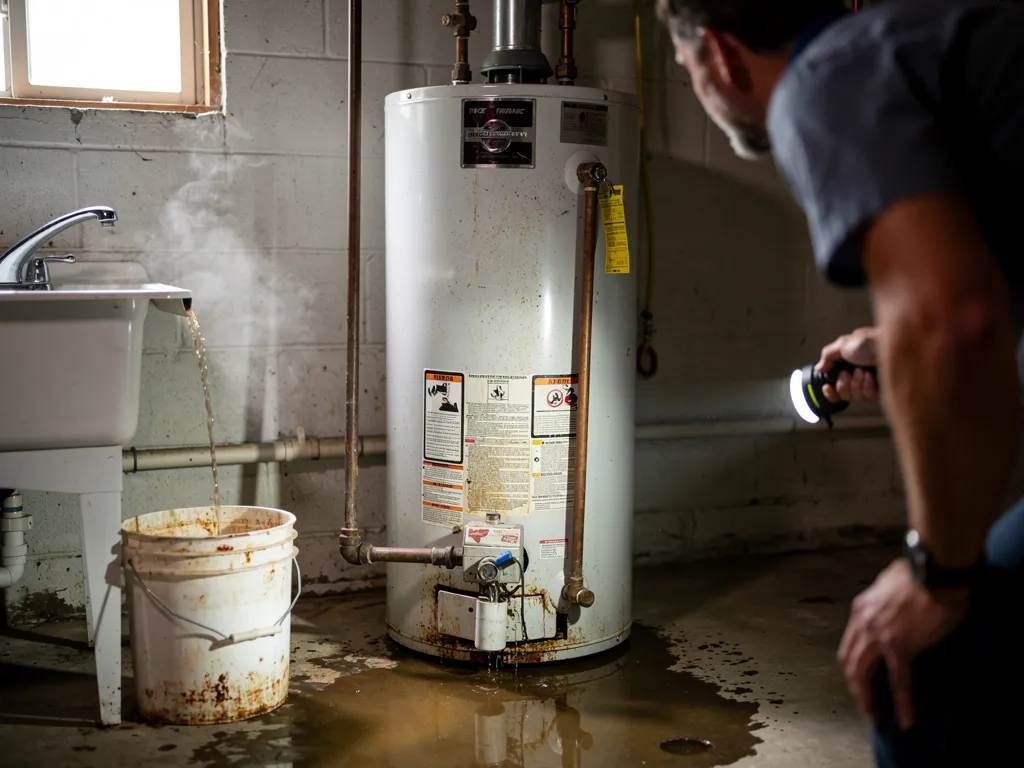
What Are the Common Signs That My Water Heater Needs Repair in Townsend, DE and New Castle County?
Key Takeaways
A water heater rarely fails without warning – leaks, strange noises, discolored water, and inconsistent hot water are all common water heater signs of failure worth paying attention to before a small problem becomes a complete breakdown. Here’s how homeowners in Townsend and New Castle County can recognize these warning signs early and know when it’s time to call a New Castle County water heater repair professional.
Key Takeaways
- Any visible leak around a water heater is worth investigating right away, since a tank leak often means the unit is failing.
- No hot water or inconsistent temperatures usually point to a heating element, thermostat, or gas control issue.
- Popping, rumbling, or banging noises are commonly caused by sediment buildup inside the tank.
- Rusty or smelly water can indicate a deteriorating anode rod or, in some cases, a failing tank.
- A water heater’s age matters as much as its symptoms – most tank units last 8 to 12 years before problems become more frequent.
- Noble Home Services offers water heater repair and diagnostics, along with 24/7 emergency service, throughout Townsend and New Castle County.
How Can I Tell if My Water Heater Is Leaking?
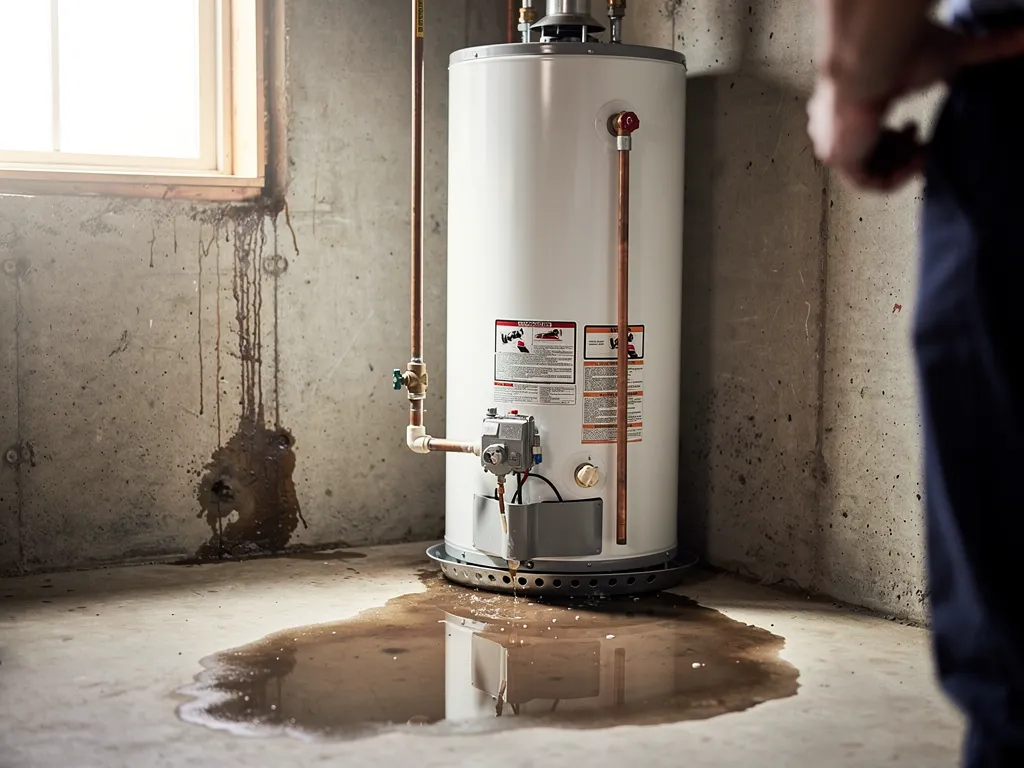
Where Do Water Heater Leaks Commonly Occur and What Do They Mean?
Leaks from fittings, valves, or the connections at the top of the unit are often repairable, while a leak coming from the tank itself usually means the tank has corroded through and the unit is failing. Standing water or dampness at the base of the water heater is the clearest sign something needs attention.
What Immediate Actions Should I Take if My Water Heater Is Leaking?
Shut off the water supply to the unit and, if it’s an electric water heater, switch off power at the breaker; for a gas unit, turn the gas control to the “off” position. Once the immediate leak is contained, it’s worth having a technician inspect the source before deciding between a repair and a full replacement – our guide on water heater repair estimates covers what that process and cost generally look like.
Why Is My Water Heater Not Producing Enough Hot Water or Any Hot Water?
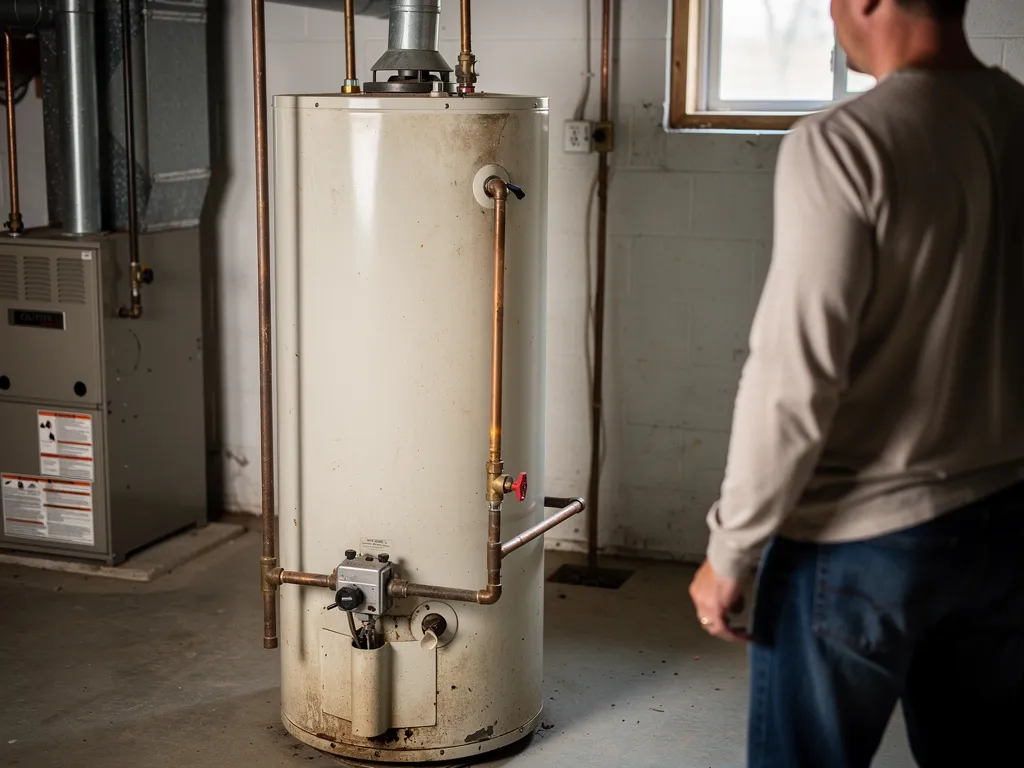
What Are the Common Causes of No or Insufficient Hot Water in Gas and Electric Heaters?
On electric units, a failed heating element or a tripped thermostat is the most common cause of no hot water. On gas units, a pilot light that’s gone out or a failing gas control valve are common culprits, along with sediment buildup reducing the tank’s heating efficiency over time.
How Can I Troubleshoot Lack of Hot Water Before Calling a Professional?
Check that the circuit breaker for an electric unit hasn’t tripped, and confirm the thermostat is set to your usual temperature. For a gas unit, avoid attempting to relight or service the pilot assembly yourself – if it’s gone out repeatedly or you smell gas, that’s a sign to call a professional rather than continue troubleshooting.
What Do Strange Noises From My Water Heater Indicate?
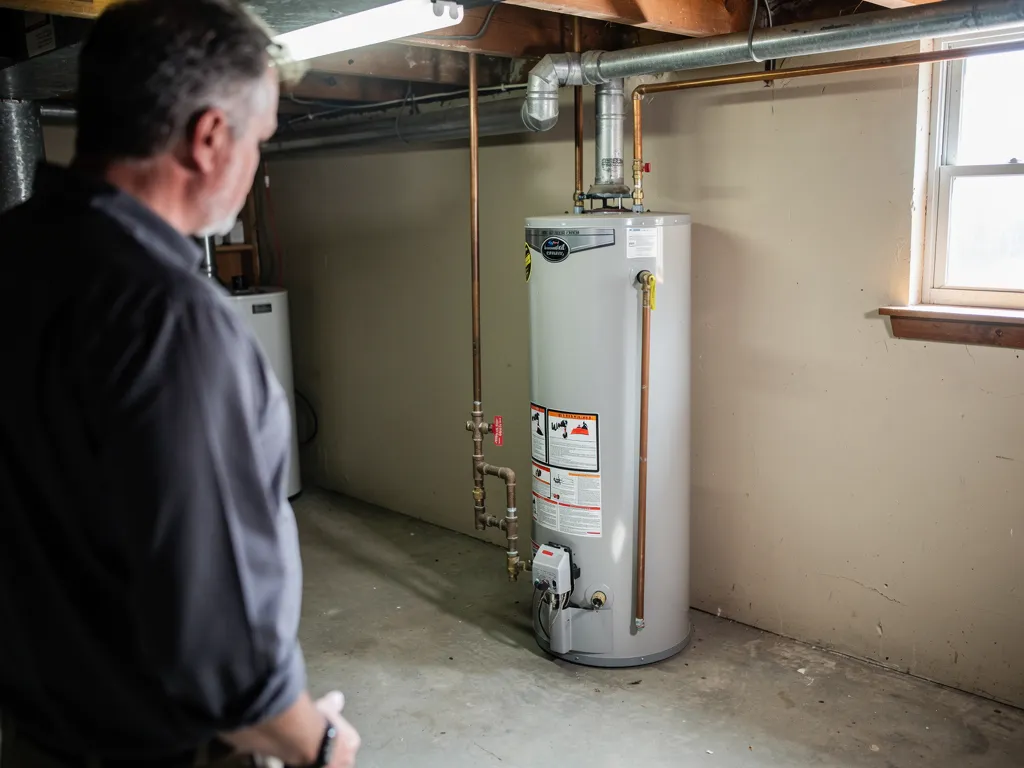
What Do Popping, Rumbling, and Banging Noises Mean?
Popping, rumbling, or banging sounds are most commonly caused by sediment that’s built up at the bottom of the tank, where it hardens and traps water underneath, which then boils and creates the noise. This is common in older units that haven’t been flushed regularly and is often something a technician can address before it leads to bigger efficiency problems.
How Do Whining and Humming Sounds Signal Electrical or Water Flow Problems?
A whining or humming sound can point to high water pressure, a partially closed valve restricting flow, or in some cases a failing electrical component on an electric unit. Persistent noise beyond a onetime occurrence is worth having checked.
How Can I Identify Problems From Discolored or Smelly Water Coming From My Heater?
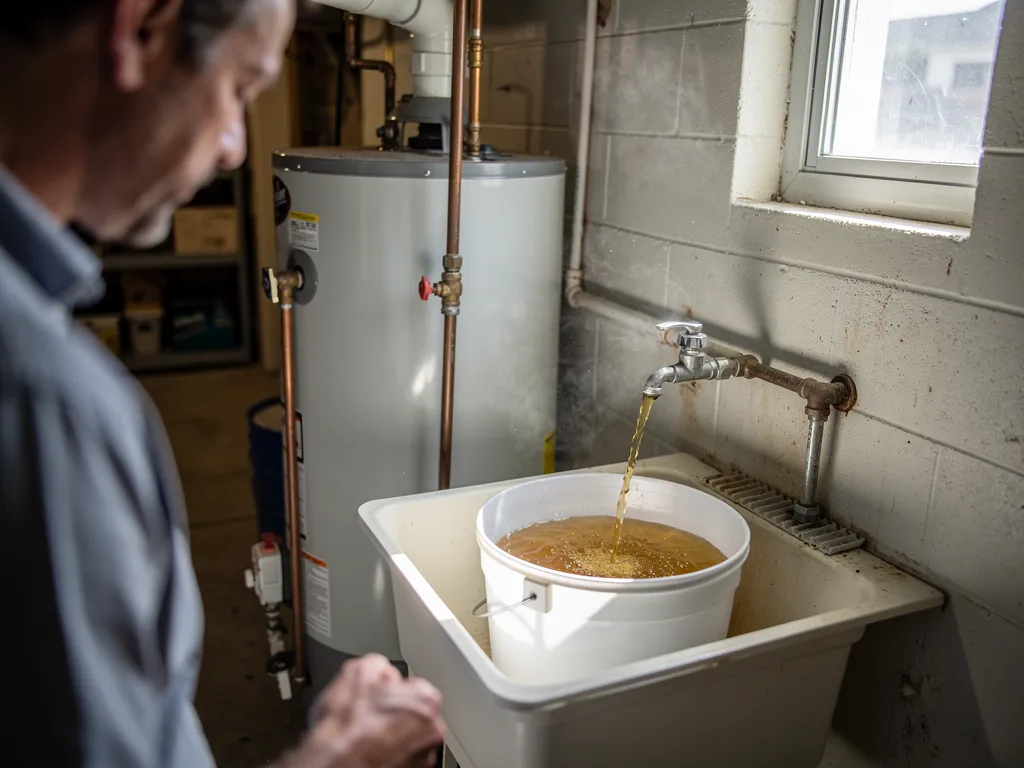
What Does Rusty or Brown Water Reveal About My Water Heater’s Condition?
Rusty or brown water from the hot tap specifically – not from cold water lines throughout the house – usually points to internal corrosion of the tank or a deteriorating anode rod. If the discoloration is isolated to hot water, it’s a stronger signal that the water heater itself is the source rather than the home’s broader plumbing.
What Causes Smelly Water and How Serious Is It?
A rotten-egg smell in hot water is commonly caused by bacteria reacting with the water heater’s anode rod, and it’s more common in homes on well water. It’s generally not an emergency, but it’s worth having a technician inspect and potentially replace the anode rod before the smell worsens.
How Does the Age and Physical Condition of My Water Heater Affect Its Performance?
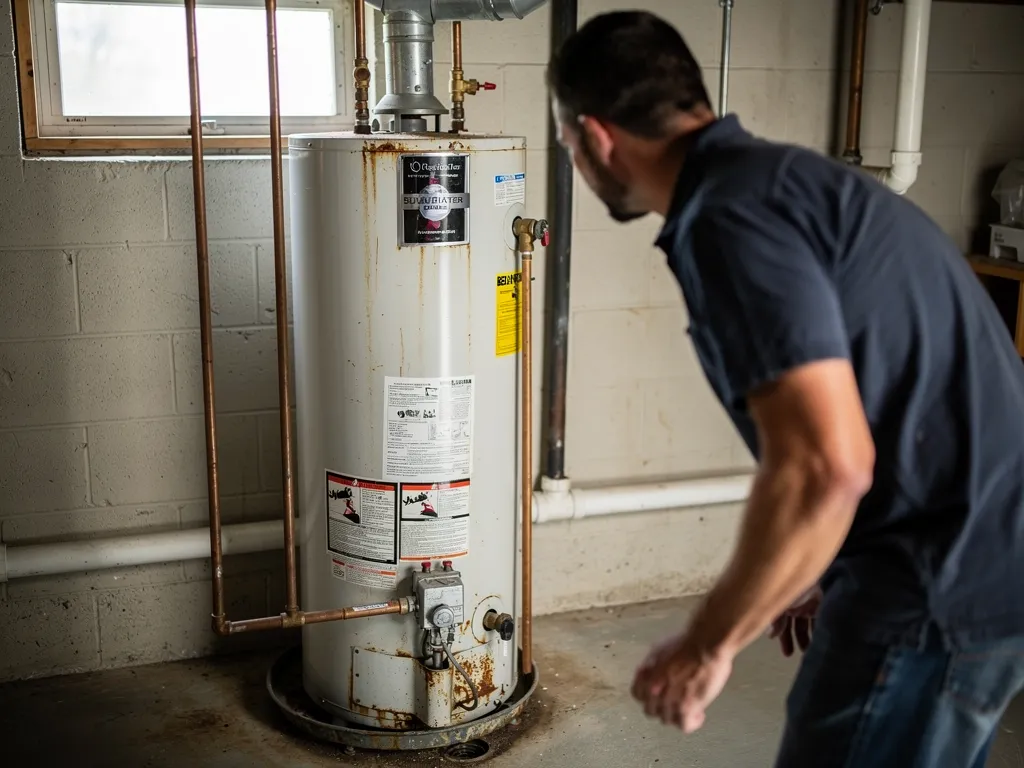
What Is the Typical Lifespan of a Water Heater and When Should I Be Concerned?
Most tank-style water heaters last about 8 to 12 years, while tankless units often last considerably longer with proper maintenance. As a water heater approaches or passes that range, it’s worth paying closer attention to any of the warning signs on this list, since the likelihood of a bigger failure increases with age.
What Visible Signs Like Rust or Pressure Issues Indicate Imminent Failure?
Visible rust around the base or fittings, a pressure relief valve that’s frequently releasing water, or a tank that appears to be bulging are all signs that failure could be imminent rather than a future concern. Any of these warrant a prompt inspection rather than waiting for a scheduled visit.
When Should I Repair My Water Heater and When Is Replacement Recommended?
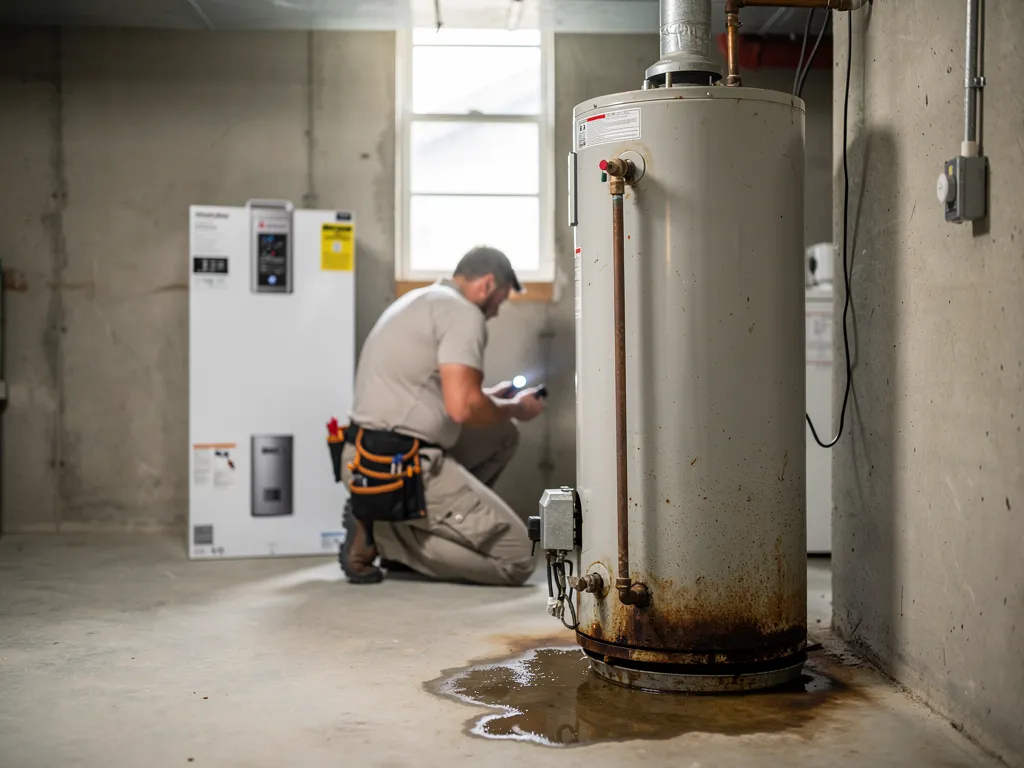
What Repairable Issues Should I Look for Before Choosing Replacement?
Failed heating elements, thermostats, pressure relief valves, and anode rods are generally repairable issues that don’t require replacing the entire unit. Catching these early, before they lead to bigger problems, is usually the more cost-effective path.
What Are the Key Indicators That My Water Heater Needs Full Replacement?
Beyond the physical warning signs, the decision often comes down to economics: if a repair quote approaches half the cost of a new unit, or the water heater has already needed more than one repair in the past year, replacement typically delivers better long-term value than continuing to patch an aging unit. Newer units also tend to run more efficiently, so factoring in energy savings alongside the repair bill can tip the decision toward replacement even when the current problem is technically fixable. Our guide on water heater repair estimates walks through general cost ranges for both options in more detail.
Frequently Asked Questions
Is a popping or rumbling water heater dangerous? It’s usually a sign of sediment buildup rather than an immediate danger, but it’s worth having it checked, since ignoring it can reduce efficiency and shorten the unit’s lifespan.
Can I fix a leaking water heater myself? Minor fitting leaks are sometimes a simple tightening fix, but a leak from the tank itself isn’t repairable and calling a professional to assess the source is the safer first step.
How much does it cost to repair vs. replace a water heater? Costs vary depending on the specific issue – our full guide on water heater repair estimates breaks down general industry ranges for both repair and replacement.
Does well water affect how quickly a water heater shows warning signs? Well water can accelerate sediment buildup and anode rod deterioration compared to municipal water, which is why smelly or discolored water shows up more often in well water households.
Does Noble Home Services offer emergency water heater repair for these issues? Yes, Noble Home Services provides water heater repair and diagnostics, along with 24/7 emergency service, throughout Townsend and New Castle County.
Noticing any of these signs from your water heater? Don’t wait for a complete breakdown – call Noble Home Services at (302) 218-2943 for an honest inspection and repair or replacement recommendation throughout Townsend and New Castle County.