
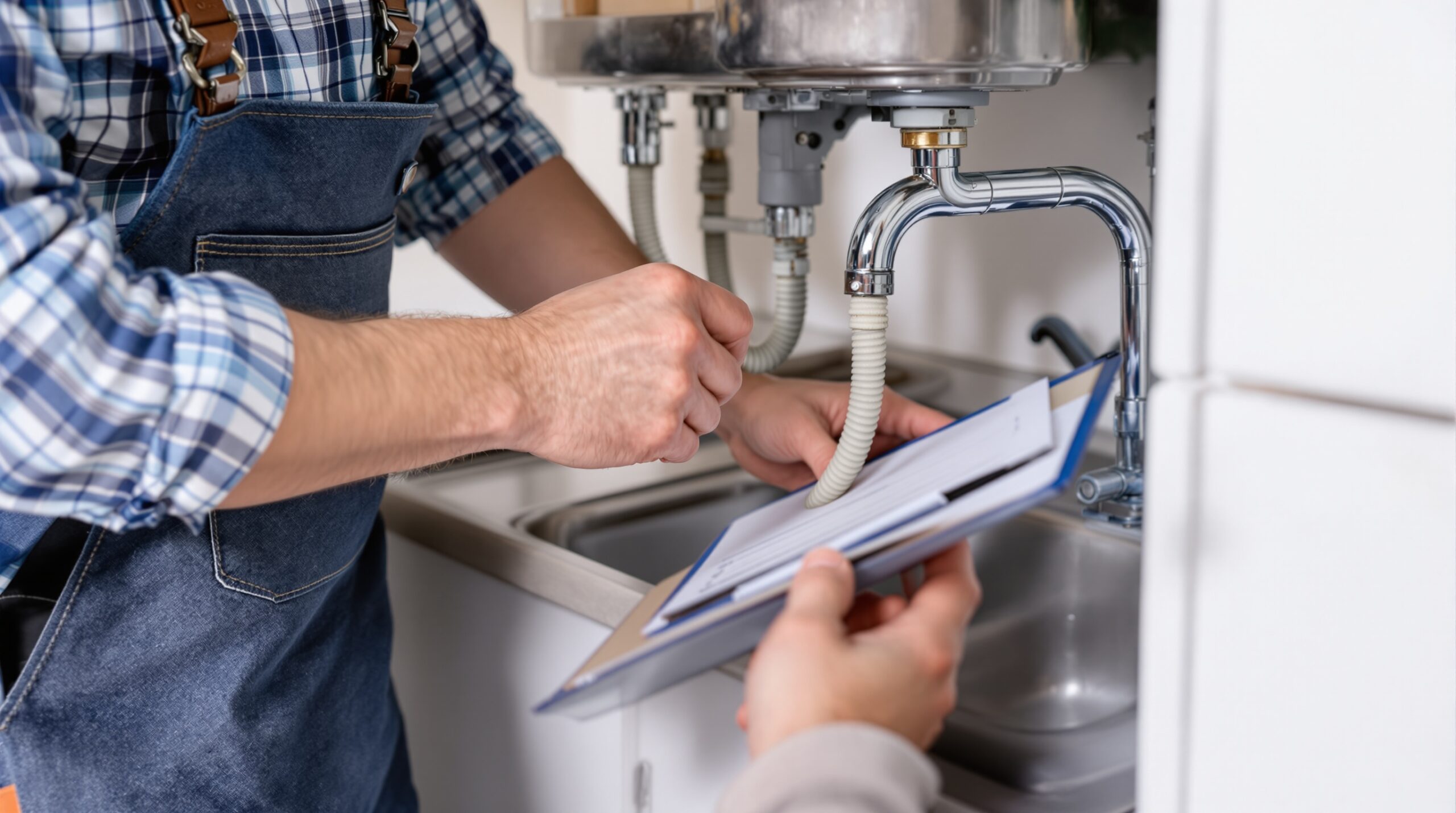
Unveiling the Professional Plumbing Inspection
When was the last time you thought about the pipes running behind your walls or the hidden fixtures underneath your sinks? Many of us might take our home’s plumbing for granted, believing that as long as water flows freely, everything is just fine. But, what if I told you that hidden issues could be lurking, waiting to turn your dream home into a watery nightmare?
This is where a professional plumbing inspection comes into play. It’s more than just a quick look at your faucets and toilets; it’s an in-depth exploration into the heart of your home’s plumbing system. Imagine this process as a health check-up for your home’s water infrastructure. Just like a doctor examines your body for any signs of trouble, a skilled plumber meticulously inspects every inch of your plumbing to ensure that everything is working smoothly.
Why Dive Deeper?
You might be wondering why a plumbing inspection is so essential. Well, just like you wouldn’t ignore a funny noise coming from your car, you shouldn’t overlook the signs of potential problems in your plumbing system. A professional inspection can reveal issues such as hidden leaks, outdated pipes, and even low water pressure. These aren’t just minor inconveniences—they can lead to significant damage down the road if not addressed.
So, grab your favorite drink, settle in, and let’s dive deep into what really happens during a professional plumbing inspection. You’ll discover why this crucial service is not just a routine check, but the key to ensuring your home’s plumbing remains healthy and efficient.
Initial Walkthrough: Setting the Scene
As the inspection begins, the professional plumber embarks on an initial walkthrough, akin to a detective surveying a crime scene. This crucial first step sets the foundation for the entire assessment. Experienced plumbers know that the visible plumbing elements—the sinks, toilets, and exposed pipes—tell a story that goes beyond their mere functionality. With a keen eye, they assess the general condition of these fixtures, looking for signs of wear, corrosion, or negligence.
Imagine entering a home where the sinks gleam and the toilets flush smoothly; it’s easy to assume all is well. But during this initial walkthrough, the plumber isn’t just admiring the aesthetics—each fixture is a potential clue in the ongoing saga of your home’s plumbing health. From the subtle drips beneath a sink to the minute discoloration on a toilet tank, these small indicators can signal larger, often hidden issues. A moment’s inspection can save homeowners from costly repairs down the line.
During this walkthrough, the plumber physically checks the following key elements:
| Element | What to Look For | Common Issues |
|---|---|---|
| Sinks | Condition of drains, faucets, and visible pipes | Leaks, clogs, and deterioration |
| Toilets | Flush performance and visible plumbing connections | Running toilets, slow leaks, and cracks |
| Exposed Pipes | Rust, corrosion, and insulation quality | Leaks, weak joints, and cold weather exposure |
| Water Heater | Signs of leaks, rust, or sediment buildup | Reduced efficiency and potential failures |
Armed with a checklist in mind, the plumber doesn’t rush through this phase; instead, it’s a thoughtful assessment. They’ll also inquire about the homeowner’s experiences—have there been any strange noises, unusual smells, or recurring clogs? Each detail shared becomes a vital piece to the puzzle. This probing approach ensures that potential troubles are not just identified but understood in their broader context within the plumbing system.
As this initial walkthrough concludes, the professional plumber gains not just insight but also a strategic direction for the next steps of inspection. It’s a critical juncture in the experience that transforms routine maintenance into a proactive strategy for long-term plumbing health. Stay tuned, for next, we’ll explore the impressive array of diagnostic tools that equip these experts in their quest to uncover hidden plumbing mysteries.
Diagnostic Tools: The Plumber’s Arsenal
With the initial walkthrough complete, the plumber transitions into the heart of the inspection—the realm of diagnostic tools and technology that help them unearth the unseen troubles lurking within your plumbing system. These professional-grade instruments are akin to the high-tech gadgets of an ace detective, allowing them to delve deeper and reveal issues that are often invisible to the naked eye. Armed with these tools, plumbers can pinpoint problems quickly and accurately, ensuring that every plumbing mystery is solved efficiently.
Among their arsenal is the revolutionary video camera inspection system. Picture this: a small, flexible camera head is snaked into the depths of your pipes, capturing live footage of their interior as it travels through bends and turns. This state-of-the-art technology grants plumbers a firsthand view of potential blockages, cracks, or buildup of sediment that could compromise the integrity of your plumbing. Homeowners can witness this high-definition tour in real-time, enabling them to grasp the gravity of situations that would otherwise remain hidden.
Next on the list is the indispensable moisture meter. When a plumber suspects hidden leaks—perhaps evident by water-stained walls or damp patches—they’ll use this handheld device to measure the moisture levels within materials like drywall or wood. The readings on the moisture meter help pinpoint the exact source of the problem, allowing for more targeted interventions rather than generic fixes. This tool can detect water intrusion before it spirals into mold growth or structural damage, showcasing its critical role in preventive maintenance.
The toolbox doesn’t stop there. Plumbers also utilize electronic leak detection devices. These intelligent gadgets employ innovative technologies to locate leaks that are buried behind walls or hidden under floors. Using acoustics or electromagnetic signals, these devices can pick up the sound or signal generated by escaping water, leading plumbers right to the source. This means less invasive exploratory work and a quicker resolution for homeowners, transforming the dreaded process of leak detection into a streamlined and efficient task.
In cases where pipe condition is a concern, plumbers rely on pipe inspection drones. While still an emerging technology, these drones equipped with cameras and sensors can navigate the toughest environments, allowing for comprehensive inspections of large or complex plumbing systems without the need for extensive excavation. This futuristic method provides unprecedented access and helps professionals make informed decisions regarding repairs and replacements.
As the plumbing inspection unfolds, each diagnostic tool plays a pivotal role in unraveling the intricate web of issues that might plague your home. This tech-savvy approach not only enables plumbers to address existing problems but also equips them to anticipate future complications, fostering an environment of proactive care rather than reactive treatments.
In a world where technology influences every aspect of our lives, the evolution of diagnostic tools in plumbing heralds a new era—one that bridges the gap between traditional craftsmanship and modern innovation. These devices empower plumbers to diagnose issues with pinpoint accuracy and deliver effective solutions that ensure your plumbing system remains in optimal condition.
Now that we’ve inspected the tools that support the plumber’s craft, let’s turn our attention to common issues that frequently arise in plumbing systems, how they’re detected, and the clever techniques plumbers employ to keep your home running smoothly.
Common Issues and How They’re Detected
As we delve into the intricacies of plumbing systems, it’s critical to understand the common issues that can crop up, leading to potential headaches for homeowners. Among these, hidden leaks, water pressure anomalies, and pipe corrosion are among the most prevalent concerns that can go unnoticed until they escalate into major problems.
First and foremost, hidden leaks can often elude even the most vigilant homeowner. These leaks might occur behind walls or under floors, quietly causing damage over time. Professional plumbers, equipped with their diagnostic tools, will deploy moisture meters to detect these stealthy invaders. The subtle yet telling fluctuations in moisture readings can reveal wet spots that indicate a leak’s presence, allowing plumbers to target their repairs effectively. In many cases, conducting a thorough camera inspection can unearth specific locations of these hidden leaks, ensuring that repairs can be made swiftly before they lead to more serious structural issues or mold growth.
Water pressure anomalies are another frequent problem that can signal deeper underlying issues within your plumbing system. Variations in water pressure can manifest as either surges or drops, which may indicate pipe blockages, leaks, or even valve problems. To diagnose these issues, plumbers often utilize pressure gauges as part of their inspection toolkit. By measuring the water pressure at various points in the system, they can identify irregularities and determine the root cause of the problem. Whether it’s an obstruction in the pipes or a faulty pressure regulator, early detection is key to maintaining a consistent and healthy water flow throughout your home.
Pipe corrosion, often a silent menace, can significantly impact the lifespan and efficiency of your plumbing system. Over time, pipes—especially those made from certain metals—can corrode due to the chemical composition of the water flowing through them or electrochemical reactions. Plumbers can detect signs of corrosion during their inspections by visually examining the pipes for any rust or flaking and through the use of specialized ultrasonic thickness gauges that measure the integrity of the pipe wall. Catching these signs early allows for preventative action, like pipe lining or replacement, helping to avert system failures that could otherwise disrupt your daily life.
Each of these issues—hidden leaks, water pressure anomalies, and pipe corrosion—can significantly affect the functionality of your plumbing system, but the advancements in diagnostic technology have empowered plumbers to detect them early and accurately. Through a combination of their expert knowledge and cutting-edge tools, they can assess the health of your plumbing system, ensuring your home remains a sanctuary free from the stress of plumbing crises.
As we continue to explore the vital role of proactive plumbing management, let’s transition into the essential preventive measures that can help catch these issues early on, potentially safeguarding against future complications.
Preventive Measures: Taking Action Early
When it comes to maintaining a healthy plumbing system, early detection of signs can make a world of difference. Often, minor indicators such as persistent drips, unusual water discoloration, or even unpleasant odors can signal deeper issues lurking within your plumbing network. Plumbers have become adept at interpreting these early signals, allowing them to suggest proactive measures that can save homeowners considerable headaches down the road.
A drippy faucet or a leaky pipe may seem trivial at first glance, but it’s these small, persistent nuisances that can escalate into full-blown crises if left unattended. For instance, a steady drip may not only increase your water bill but can also contribute to moisture buildup and, eventually, mold growth within walls and under floors. By addressing these issues proactively, plumbers can not only fix current problems but can also recommend potential upgrades to your fixtures to prevent future leaks.
Similarly, the appearance of discolored water—whether it’s tinged with a rust hue, has a cloudy appearance, or exhibits any kind of strange color—should never be ignored. Often, this can indicate the presence of sediment buildup, pipe corrosion, or even contamination in your water supply. Professional plumbers are trained to investigate these anomalies, performing thorough checks of water quality and plumbing system integrity. Their assessments can lead to recommendations for cleaning pipes, installing water filtration systems, or other interventions designed to safeguard your home’s water quality and overall plumbing health.
To visualize how early detection can lead to effective action, consider the following table that outlines common plumbing indicators and the preventive measures recommended by professionals:
| Indicator | Potential Issue | Recommended Preventive Measure |
|---|---|---|
| Persistent Drips | Hidden leaks causing moisture buildup | Regular inspections and prompt repairs of fixtures |
| Discolored Water | Pipe corrosion or contamination | Installing filtration systems and periodic pipe cleaning |
| Unusual Odors | Clogged drains or sewer line issues | Regular maintenance and cleaning of drains |
| Low Water Pressure | Clogged pipes or leaks | Inspection of pressure regulators and cleaning or repairing pipes |
By addressing these indicators early on, homeowners not only protect their property from potential damage but also contribute to the longevity and efficiency of their plumbing systems. It’s a win-win situation where preventative measures taken today can lead to a worry-free home environment for years to come.
As we transition from proactive plumbing management into the day-to-day realities of those who handle these essential tasks, let’s delve into what a typical day looks like for a professional plumber, particularly during inspections in Middletown, DE. This insight will unravel the challenges they face and the pivotal role they play in safeguarding our homes.
A day in the life of a professional plumber is far from mundane; it is a blend of meticulous inspection, client interaction, and problem-solving that quintessentially embodies the hands-on spirit of tradeswork. When the sun rises over Middletown, DE, the city awakens to the sounds of the daily hustle, but in the world of plumbing, the day begins with purpose. Our plumber, let’s call him Alex, sets out to tackle a series of scheduled inspections, each marked by its own unique challenges and stories.
As Alex arrives at his first job, he’s greeted by the familiar sight of a cozy suburban home—a structure that, like so many others, hides complexities beneath its surface. His first task? A routine inspection of the homeowner’s heating and plumbing systems. As he steps inside, he takes a moment to engage the homeowner in conversation, discussing their concerns and any recent changes they may have noticed.
“We’ve been hearing some strange gurgling sounds from the sink,” the homeowner mentions sheepishly. With years of experience, Alex knows this could indicate a minor clog or something as serious as a venting issue. “Let’s take a look,” he replies, signaling the start of a detailed exploration.
The inspection involves an array of tools, from a trusty camera to assess the inner workings of pipes to advanced pressure gauges. As he navigates the tight spaces under the kitchen sink, Alex is reminded of the physical strains plumbers endure daily—crouching, bending, and maneuvering without the luxury of space. Yet, it’s this very labor that often yields the most rewarding moments, especially when he spots an early sign of moisture around a fitting. This could easily transform into a leak if left unchecked. “It’s a good thing we caught this,” he informs the homeowner, reflecting the preventative spirit of modern plumbing practices.
Next, it’s off to an older home where the plumbing history is as rich as the architecture. Here, Alex encounters an unexpected complication: a root intrusion threatening to block the sewer lines. “It’s not uncommon for homes with mature landscaping,” he explains, adjusting his knee pads for the work ahead. The roots are not just a nuisance; they can lead to significant drainage issues if neglected. The way Alex tackles this challenge—which includes recommending proactive measures like regular rooter services—illustrates not only his technical skill but also his commitment to customer education.
Throughout the day, each inspection is a dance of logistics, communication, and problem-solving. Alex learns to navigate the personal elements too—families with pets who might be anxious when a stranger enters their domain, or homeowners who hold deep-seated concerns due to past plumbing nightmares. He listens carefully, understanding that trust is a vital part of his trade. This rapport forms the backbone of his work; it’s not just about fixing pipes, but about instilling confidence in the homeowners he serves.
As the afternoon winds down, Alex reflects on how each job, while unique, carries common threads—an emphasis on preventive care, a commitment to transparency, and a keen eye for detail. His day provides a vital service that not only ensures a leak-free home but also protects broader environmental interests. Each completed inspection contributes to a greater tapestry of community health and safety, an outcome that often remains invisible until it goes horribly wrong.
As Alex wraps up his last job of the day, he notes the importance of following up with homeowners after repairs and inspections. Sharing tips and strategies for maintaining their plumbing systems fosters an ongoing partnership, empowering them to be proactive rather than reactive. “With the right mindset, homeowners can extend the life of their plumbing,” he muses before heading home, satisfied in knowing that his work has made a real difference.
Just as Alex’s day comes to an end, our journey into the world of professional plumbing transitions into its next phase—ensuring a leak-free home. As we’ve uncovered, a professional plumbing inspection is a meticulous process that safeguards not just our plumbing systems but our homes. Connect with an experienced plumber today to ensure your home’s pipes are in top condition.
### Frequently Asked Questions
As we delve deeper into the world of plumbing, it’s crucial to address some common questions that homeowners may have regarding inspections and their significance. Getting informed can not only prevent emergencies but also empower you in maintaining your home. Here are some frequently asked questions that will provide clarity on what to expect from a plumbing inspection:
What elements are checked during a plumbing inspection?
During a plumbing inspection, a variety of elements are meticulously examined to ensure the integrity of your system. Plumbers typically check for visible leaks, assess the condition of pipes and fittings, evaluate water pressure, inspect fixtures like faucets and toilets, and review drain systems. Additionally, they may also ensure that all plumbing meets current codes and regulations, focusing on safety and potential future needs.
How frequently should I have my home’s plumbing inspected?
Experts recommend having a plumbing inspection at least once every two years. However, homes over a decade old or those experiencing problems like slow drains or inconsistent water pressure should consider a more frequent check—perhaps once a year. The aim here is to catch potential issues before they escalate into costly repairs, ensuring that your home remains a safe haven.
What happens if issues are found during the inspection?
If a plumbing inspection unveils issues, the next steps will depend on the severity of the findings. Minor problems may be resolved right then and there, while significant issues might necessitate a follow-up visit for repairs. Your plumber will discuss recommended actions, which may include repairs, upgrades, or preventive measures. Keeping an open line of communication with your plumber can help you make informed decisions regarding your plumbing system.
Are internal pipes evaluated during a standard inspection?
Yes, internal pipes are a crucial part of any standard plumbing inspection. Plumbers use various tools, including cameras, to inspect the condition of these pipes for signs of corrosion, leaks, or blockages. This internal assessment ensures that the plumbing system functions properly, safeguarding your home from hidden leaks that could cause extensive damage.
By familiarizing yourself with these frequently asked questions, you’re not just reacting to plumbing issues but proactively engaging in maintaining the health of your home’s plumbing system. This proactive approach can save you from unforeseen problems down the line and keep your home running smoothly.
Ensuring a leak-free home is not merely about repairing pipes when disaster strikes—it’s about adopting a proactive approach that prioritizes preventative maintenance and timely interventions. A well-maintained plumbing system is akin to a well-oiled machine; it operates smoothly and efficiently when cared for with attention and diligence. So what are some essential steps every homeowner can take to minimize leaks and safeguard their living space?
First and foremost, regular plumbing inspections are invaluable. Much like a check-up at the doctor, these inspections allow professionals like Alex to spot issues before they escalate. A seasoned plumber can conduct a thorough examination of not just faucets and toilets, but also less visible areas such as under sinks and inside crawl spaces. During the inspection, they look for signs of moisture, corrosion, and any irregularities that might indicate a leak. In homes with old plumbing systems, the need for these inspections becomes even more critical. Over time, wear and tear can lead to unexpected failures, but an adept plumber can often identify warning signs long before a major problem occurs.
Another crucial element is the seasonal maintenance of plumbing systems. As autumn leaves fall and winter snow begins to blanket the region, homeowners need to pay particular attention to outdoor plumbing and pipes. Proper insulation of exposed pipes can prevent freezing and bursting during cold weather, a common yet avoidable predicament. By diligently preparing for seasonal changes, homeowners can thwart potential plumbing catastrophes.
Homeowners should also be vigilant about monitoring water usage and listening for those ominous signs of potential leaks: running toilets, dripping faucets, or unnatural gurgling sounds rising from the depths of drains. These might seem like minor inconveniences at first, but they can quickly develop into larger issues, leading to costly water bills and extensive damage. Encouragingly, many plumbing pros now employ advanced leak detection technology that enables them to identify leaks promptly and accurately. Innovative tools such as acoustic sensors, thermal imaging, and moisture meters help locate leaks without unnecessary damage to walls or flooring. This modern approach can greatly reduce the stress and disruption often associated with plumbing repairs.
Furthermore, it’s essential for homeowners to foster a relationship with their plumbing service provider. Just as Alex emphasizes the importance of communication, homeowners should feel comfortable discussing any observations or concerns regarding their plumbing systems. This open dialogue not only helps in effective repairs but also fosters a culture of proactive care. Regular check-ins and updates from a trusted plumber can educate homeowners about their specific systems and encourage a mindset of preventive maintenance that is indispensable.
Lastly, understanding the role of the home’s drainage system is crucial in maintaining a leak-free environment. Homeowners should keep gutters and downspouts clear to avoid water pooling around the foundation of their homes, which can lead to significant structural issues and leakages inside. Proper grading around the property ensures that water flows away from the building, further protecting the plumbing system from undue strain.
Navigating plumbing maintenance may seem daunting, but engaging with a professional plumber can make the experience manageable and even empowering. By embracing a proactive approach and leveraging expert insights, every homeowner can rest easy knowing their pipes are in optimal condition. It’s not just about fixing problems; it’s about creating a safeguarding layer that ensures the welfare of your home—where every drop counts, and every leak is a story successfully avoided.