
Welcome to Your Plumbing Maintenance Guide!
Hello there, Odessa residents! If you’re a new homeowner or someone who runs a business, then you know how important it is to keep everything running smoothly. Just like your car needs regular oil changes and your garden needs occasional weeding, your plumbing system needs some TLC too! Today, we’re diving into the essential tips that will help you maintain your plumbing and keep things flowing without a hitch.
Why Plumbing Maintenance Matters
Imagine waking up early in the morning, ready to tackle your day, only to find that your sink is clogged or worse—the bathroom is flooding! Plumbing problems can happen at any time, but with a little bit of knowledge and some handy tips, you can prevent these headaches before they even start. Ensuring your plumbing stays in tip-top shape isn’t just about fixing issues; it’s about creating a comfortable living environment and protecting your investment.
Get Ready to Roll Up Your Sleeves!
In this article, we’ll arm you with valuable insights, easy maintenance strategies, and some DIY fixes to keep your plumbing system in great shape. From simple inspections to preventative measures, we want to make sure you feel confident in taking care of your home. Whether it’s learning how to clear a simple drain clog or understanding the importance of regular check-ups, we’ve got you covered!
So grab your toolbox, get comfy, and let’s dive into our top plumbing maintenance tips that every Odessa homeowner should know!
Understanding Your Plumbing System
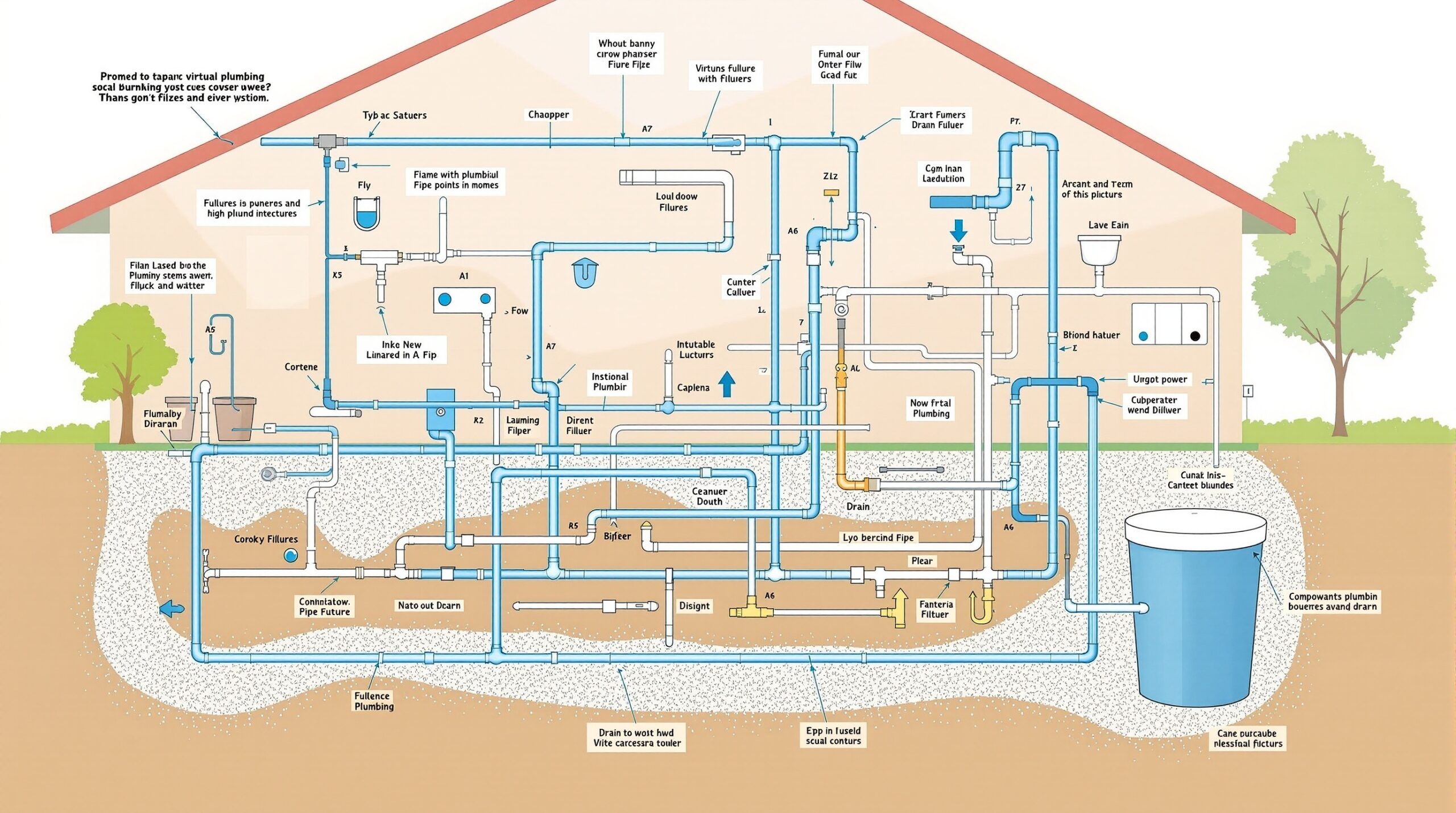
Before you grab that wrench and embark on your DIY plumbing journey, it’s critical to understand the components of your plumbing system. Think of your plumbing as a carefully orchestrated symphony where each part plays its role to produce a melodious flow of water throughout your home.
Your plumbing system is made up of several key elements, including pipes, drains, faucets, fixtures, and appliances like your water heater and dishwasher. Each element is designed to work in concert, ensuring that water travels where it needs to be—whether that’s flowing into your kitchen sink or draining away from your shower.
| Component | Function | Common Issues |
|---|---|---|
| Pipes | Transport water from the main supply to various points in your home. | Leaks, corrosion, or blockages. |
| Drains | Carry wastewater away from your fixtures and appliances. | Clogs, slow drainage, or odors. |
| Faucets | Control the flow of water for sinks, baths, and showers. | Dripping, low water pressure, or difficult operation. |
| Fixtures | Devices that utilize water, such as toilets, bathtubs, and sinks. | Leaks, improper flushing, or malfunctioning components. |
| Appliances | Use water for various household tasks like laundry and dishwashing. | Leaks, malfunctions, or backup issues. |
The Importance of Maintenance
Once you’re familiar with these components, maintenance becomes an intuitive process. Ensuring that your plumbing system flows seamlessly requires regular checks and preventive care. Why is this so crucial? First, understanding how your plumbing works gives you the power to identify symptoms of potential problems before they escalate. Small issues like a leaky faucet or a slow drain can often be resolved easily if they are caught in their early stages, saving you time and stress.
Moreover, regular maintenance contributes to the longevity of your plumbing system. Just as with any other system in your home, neglect can lead to larger problems such as burst pipes or severe drainage issues that might require professional intervention. With consistent checks, you can ensure that your plumbing stays efficient and functional, protecting both your immediate comfort and your investment in your property.
So, aside from merely knowing how things work, take the next step: establish a maintenance routine tailored to your plumbing system. In the upcoming section, we’ll dive into essential plumbing maintenance tips that will empower you to keep everything running smoothly. From identifying leaks to ensuring proper drainage, keeping your pipes squeaky clean, you’ll soon feel like a plumbing pro!
Essential Plumbing Maintenance Tips
Now that you’re equipped with a foundational understanding of your plumbing system, let’s delve into some essential plumbing maintenance tips that can help you keep your system healthy and running smoothly. A little prevention goes a long way, and knowing what to look for can save you from potential mishaps down the line.
1. Regularly Check for Leaks
Leaky pipes can lead to significant water waste and increase your utility bill, but they often go unnoticed until they cause major damage. Make it a habit to inspect exposed pipes in your home, including those under sinks and in basements or crawl spaces. Look for signs of moisture, water stains, or corrosion. If you notice any dripping or pooling water, address it promptly. A simple tightening of fittings may do the trick, while more serious leaks may require replacement parts or professional assistance.
2. Understand the Importance of Proper Drainage
Your drains play a vital role in your plumbing system’s efficiency. Without them functioning correctly, wastewater can back up, leading to unsanitary conditions and potential plumbing disasters. Regularly clean your drains by flushing them with hot water or using a mixture of baking soda and vinegar to break down any buildup. Avoid pouring grease or food scraps down the sink, as these can contribute to clogs. Also, consider installing drain screens to catch debris and prevent blockage before it starts.
3. Keep Your Pipes Clean
Just as your car needs regular oil changes, your plumbing system requires periodic cleanings to maintain optimal flow. Scheduling a routine pipe inspection can help catch any potential blockages before they become severe. Additionally, be proactive in using pipe cleaners or enzyme-based solutions to keep your pipes clear. Remember to check your washing machine and dishwasher hoses, as these can accumulate lint and debris over time, leading to restricted water flow.
4. Insulate Your Pipes
In colder climates, it’s essential to insulate pipes that are vulnerable to freezing. Frozen pipes can burst and lead to extensive water damage. Consider wrapping pipes in foam insulation, particularly those in unheated areas like basements or crawl spaces. This simple step can save you from costly repairs and keep your water flowing freely even in the coldest months.
5. Know Your Shut-Off Valves
In the event of a plumbing emergency, knowing how to quickly locate and operate your main shut-off valve can prevent substantial damage. Familiarize yourself with where it’s located—typically near the water meter—and ensure it’s functioning properly. Make a point to periodically check all shut-off valves in your home, including those for individual fixtures and appliances. This knowledge empowers you to act swiftly, should a pipe burst or another emergency occur.
By implementing these essential maintenance tips, you’ll not only extend the life of your plumbing system but also enhance its overall performance. Think of it as a tune-up for your home. Just a small commitment to regular checks can yield significant rewards, ensuring a comfortable and functional living space for you and your family.
As you step deeper into the realm of plumbing care, the next section will provide you with simple DIY solutions to tackle common plumbing issues. From unclogging stubborn drains to addressing leaky faucets and dealing with running toilets, get ready to arm yourself with the knowledge you need to become your very own plumbing hero!
DIY Plumbing Solutions: Quick Fixes for Common Problems
When it comes to plumbing, being prepared with a few DIY solutions can save you time and hassle. Whether you’re dealing with a slow drain, an annoying drip, or a toilet that just won’t stop running, these quick fixes are designed to empower you to tackle these common issues confidently. Let’s explore some straightforward techniques you can utilize right away.
1. Unclogging Drains
We’ve all been there: the dreaded slow drain. Before you resort to harsh chemicals, try a simple approach using a plunger. For kitchen sinks, ensure there’s enough water in the basin to cover the plunger’s suction cup. Create a strong seal and plunge vigorously for 15-20 seconds. If that doesn’t do the trick, reach for a plumbers’ snake. Feed the snake into the drain, turning it as it goes to break through clogs made of hair, grease, or food particles. A mixture of baking soda and vinegar can also work wonders—pour about half a cup of each down the drain, let it fizz for a few minutes, and then follow up with hot water to flush away debris.
2. Fixing Leaky Faucets
Drip, drip, drip—nothing is more frustrating than a leaky faucet. Start by turning off the water supply and covering the drain to avoid losing any small parts. Next, remove the faucet handle using a screwdriver, accounting for any screws that may be hidden under decorative caps. Inspect the O-ring or washer; if they’re worn or damaged, replace them with new ones. Reassemble the faucet, turn the water back on, and marvel at your handiwork as the leak disappears!
3. Addressing Running Toilets
A running toilet can waste gallons of water a day, but troubleshooting the issue is easier than you might think. Start by lifting the tank lid and checking for any visible problems—an improperly seated flapper or a stuck float can often be the culprit. If the flapper isn’t sealing tightly, consider replacing it. Adjusting the float height can also help; simply bend the float arm to ensure the tank fills to the correct level. For persistent issues, check the fill valve, as it may need to be cleaned or replaced.
4. Emergency Shut-Off Techniques
Imagine this: water starts gushing from a burst pipe, and panic sets in. Knowing how to take swift action can make all the difference. Familiarize yourself with the location of your shut-off valves long before any emergency arises. If a leak occurs, quickly turn off the main water supply to stop the flow. For individual fixtures, locate the undersink shut-offs and ensure they can be turned easily. This preparedness turns a potential disaster into a manageable situation.
5. Regular Maintenance to Prevent Problems
Finally, preventative measures can save you from future plumbing hassles. Routinely inspect your home for signs of plumbing issues—things like small water stains or damp spots on your walls can indicate a lurking problem. Keep an eye on pipe fittings and hose connections, and tighten them whenever necessary. Establishing a routine of checking your plumbing system allows you to catch small issues before they become more significant repairs.
With these DIY plumbing solutions at your fingertips, you’ll be well-equipped to handle some of the most common plumbing dilemmas that arise in any household. Not only will you save time and effort, but you’ll also feel empowered to maintain your home with confidence. As you master these simple fixes, let’s turn our attention to a crucial aspect of being a successful DIYer: the essential tools every homeowner should have!
Tools Every Homeowner Should Have
Every homeowner should be armed with the right tools to tackle basic plumbing tasks confidently and effectively. From minor repairs to routine maintenance, having a well-stocked toolbox can make the difference between a minor inconvenience and a major issue. Below, we’ll break down essential plumbing tools that every homeowner should consider keeping on hand, along with their uses and tips for proper maintenance.
Essential Plumbing Tools
| Tool | Description | Common Use |
|---|---|---|
| Plunger | A simple yet effective device designed to clear clogs. | Unclogging toilets and sinks. |
| Plumber’s Snake | A flexible auger capable of reaching deep into pipes to break up clogs. | Unclogging difficult blockages in drains. |
| Adjustable Wrench | A versatile tool that can fit various nut and bolt sizes. | Tightening or loosening nuts on faucets and pipes. |
| Screwdriver Set | A collection of various screwdrivers, both flathead and Phillips. | Removing and securing faucet handles and other components. |
| PVC Cutting Tool | A specialized tool for cutting through PVC piping cleanly. | Replacing or modifying plumbing lines. |
| Pipe Wrench | A heavy-duty wrench designed for gripping round objects like pipes. | Loosening or tightening fittings on pipes. |
| Bucket | A versatile container for catching spills or transporting water. | Managing water during repairs and clean-ups. |
| Flashlight | A portable light source to help you see in dark areas. | Illuminating under sinks or in crawl spaces during repairs. |
Quick Tips for Using Tools
- Keep Your Tools Clean: Regularly wipe down your tools to prevent corrosion and ensure they function properly.
- Organize Your Toolbox: Store your tools in a dedicated toolbox or organizer. Group similar tools together for easy access.
- Know Your Tools: Familiarize yourself with each tool and its specific use to ensure you are well-prepared for any plumbing task.
Equipped with these essential tools and knowledge of their applications, homeowners will find themselves better prepared for DIY plumbing tasks. Whether it’s a simple leak or a stubborn clog, having the right tools on hand empowers you to take on minor plumbing challenges efficiently.
Yet, while DIY solutions can be incredibly effective, it’s equally important to know your limits. As we progress to the next section, we’ll discuss recognizing when it might be a better choice to call in a professional. After all, understanding when to seek help can prevent complications and ensure the safety and longevity of your home’s plumbing system.
Knowing When to Call a Professional
As a savvy homeowner, it’s easy to feel a sense of accomplishment when you successfully navigate a DIY plumbing issue. However, there’s a fine line between self-sufficiency and biting off more than you can chew when it comes to plumbing repairs. Acknowledging the limits of DIY fixes is crucial not only for your safety but also for the integrity of your home’s plumbing system. Here’s how to discern when it’s time to pick up the phone and call in a professional.
Recognizing the Signs
Some plumbing problems may appear straightforward but can quickly escalate into complex issues if not handled properly. Common indicators that it’s time to consult a professional include:
- Persistent Drips or Leaks: A small leak that doesn’t seem to resolve, despite your best efforts, could indicate a more significant underlying issue, such as corroded pipes or faulty seals.
- Persistent Clogs: If your trusty plunger and plumber’s snake fail to clear a clog after multiple attempts, this could suggest a blockage deep within the plumbing system that might require expert equipment and intervention.
- Unusual Sounds: Noises like gurgling or banging within your pipes can signal air trapped in the plumbing lines or even a pressure imbalance that needs professional assessment.
- Water Pressure Changes: Sudden drops or increases in water pressure might indicate a problem with your main water line or other serious issues that necessitate a plumber’s expertise.
- Frequent Backups: A recurring theme of sewage backups in your fixtures is not only inconvenient but can pose health risks, demanding immediate professional attention.
Safety First
Safety should always be your top priority, especially when dealing with plumbing systems that can involve water and electrical components. If you encounter any situation that risks your personal safety—such as flooding that could lead to electrical hazards or exposure to potential toxic substances—don’t hesitate to call a professional.
In addition to personal safety, consider the long-term health of your home’s plumbing system. Some plumbing mistakes—like improper pipe installation or failure to adhere to local plumbing codes—can lead to substantial damage and costly repairs down the line. By recognizing when a job exceeds your expertise, you can avoid these pitfalls and ensure your plumbing system remains resilient and efficient.
Seeking Professional Help
When you decide it’s time to call in a professional, look for qualified plumbers who have the necessary skills and licenses. Reading reviews, asking for referrals, and checking for proper certifications can help you find a trustworthy expert. A reputable plumber will not only resolve the immediate issue but also offer insights to help you manage your plumbing system more effectively in the future.
In summary, while being equipped with tools and DIY knowledge is invaluable, understanding the limits of what you can tackle alone is equally important. Empower yourself by knowing when to reach out for professional assistance to ensure the safety and longevity of your plumbing systems.
Frequently Asked Questions About Plumbing in Odessa
As homeowners in Odessa strive to maintain their plumbing systems efficiently, a common set of questions often arises. Understanding how to tackle these issues can make a world of difference. Here, we address some frequently asked questions that can help mitigate plumbing concerns.
How Can I Deal With Low Water Pressure?
Low water pressure can be incredibly frustrating, especially during those busy mornings. If you notice a decrease in water flow, several factors could be at play. Begin by checking for aerator clogs; sometimes, mineral deposits from hard water accumulate in faucets. Cleaning or replacing aerators can restore your water pressure quickly. If that doesn’t help, test the pressure at multiple faucets. Should the problem persist, a more systemic issue like a leak or a problem with the main water supply may be to blame. Get in touch with a local plumber who can investigate further and ensure your water flow is consistent.
How Should I Maintain My Water Heater?
Your water heater is a critical appliance that often goes unnoticed until it fails. Regular maintenance can prolong its lifespan and improve efficiency. Make a habit of flushing your water heater once a year to remove sediment buildup, which can impair performance. Check the anode rod—this component helps prevent tank corrosion and should be replaced every few years. Additionally, keep the temperature set at the recommended 120 degrees Fahrenheit to save energy and prevent scalding. If you notice strange sounds or discolored water, it’s time to call a professional. Quick intervention can save you from a sudden breakdown.
What Are Some Seasonal Plumbing Tips?
Seasonal changes can have a significant impact on your plumbing systems, especially in Odessa’s varied climate. In summer, ensure your sprinkler system is functioning efficiently to conserve water. Additionally, regularly inspect hoses and outdoor faucets for leaks. As temperatures drop in winter, disconnect exterior hoses to prevent frozen pipes—a leading cause of costly plumbing repairs. Insulate pipes in unheated areas to protect them from extreme cold. Lastly, fall is the perfect time to check your gutters; clogged gutters can lead to roof leaks and water damage. By staying ahead of seasonal changes, you can keep your plumbing worry-free all year round.
Are There Easy Fixes for Common Plumbing Issues?
Absolutely! Many plumbing issues can be managed with simple DIY fixes. For instance, minor clogs may respond well to a mixture of baking soda and vinegar followed by hot water. Additionally, if you have faucets or showerheads that drip, a quick replacement of washers or O-rings can often resolve the issue. For toilets that run continuously, adjust the flapper valve or check the chain for tangles. Familiarizing yourself with these straightforward solutions can empower you and help address minor plumbing concerns before they escalate.
By equipping yourself with knowledge about common plumbing dilemmas and actionable solutions, you can take a proactive stance on maintaining your home’s plumbing system. With a bit of preparation and understanding, many plumbing issues can be swiftly resolved, ensuring peace of mind in your Odessa home.
Final Thoughts: Embrace Proactive Plumbing Maintenance
As we conclude this deep dive into the world of plumbing maintenance, it’s important to circle back to a pivotal truth: being proactive can be your greatest ally in ensuring the seamless functionality of your plumbing system. The journey of maintaining your plumbing isn’t just about addressing issues as they arise; it’s about cultivating a mindset that prioritizes prevention and routine care. By nurturing this approach, you set the stage for a stress-free home and business experience in Odessa.
Implementing the tips we’ve discussed—from regular inspections to promptly addressing minor leaks—pays dividends in the long run. Every action you take today to ensure that your plumbing system is running smoothly will not only save you from future headaches but will also grant you the invaluable peace of mind that comes from knowing your home environment is secure and well-maintained.
Creating a Scheduled Maintenance Routine
One of the most effective ways to stay ahead of plumbing issues is to develop a scheduled maintenance routine. Think of it as the health check-up your plumbing system deserves. Set reminders every few months to perform essential tasks such as checking for leaks under sinks, inspecting the water heater, and keeping an eye on your drains for any signs of clogging. Consider creating a checklist that you can refer to each time you inspect your plumbing—this will help ensure that you’re thorough and consistent in your maintenance efforts.
Engaging with Professional Plumbers Regularly
While DIY knowledge is crucial, it’s equally beneficial to build rapport with professional plumbers in your area. A trustworthy plumber can provide valuable insights tailored to your specific plumbing setup. Regular check-ups by professionals can catch potential issues before they escalate, and they may even notice things that may not be on your radar. Think of this relationship as an investment in the ongoing health of your plumbing system, fostering an environment where problems are solved before they can disrupt your life.
Educational Opportunities are Key
Lastly, embracing a proactive approach means continuously educating yourself about plumbing systems. There are countless resources available—whether online tutorials, home improvement classes, or community workshops—that can expand your understanding of plumbing. The more informed you are, the more empowered you will feel about managing your home’s plumbing effectively. Knowledge is a powerful tool that enables you to distinguish between minor issues that you can handle yourself and serious problems that require professional expertise.
In essence, fostering a proactive plumbing maintenance strategy—coupled with a willingness to call in the experts when needed—is the key to safeguarding the infrastructure of your Odessa home or business. By implementing these tips today, you will not only enhance the functionality of your plumbing but also cultivate a lifestyle characterized by peace of mind and readiness for whatever challenges may arise. So, take that first step, start your maintenance journey, and enjoy the benefits that come with a well-maintained plumbing system.