
Welcome to Your Septic System Top Priority!
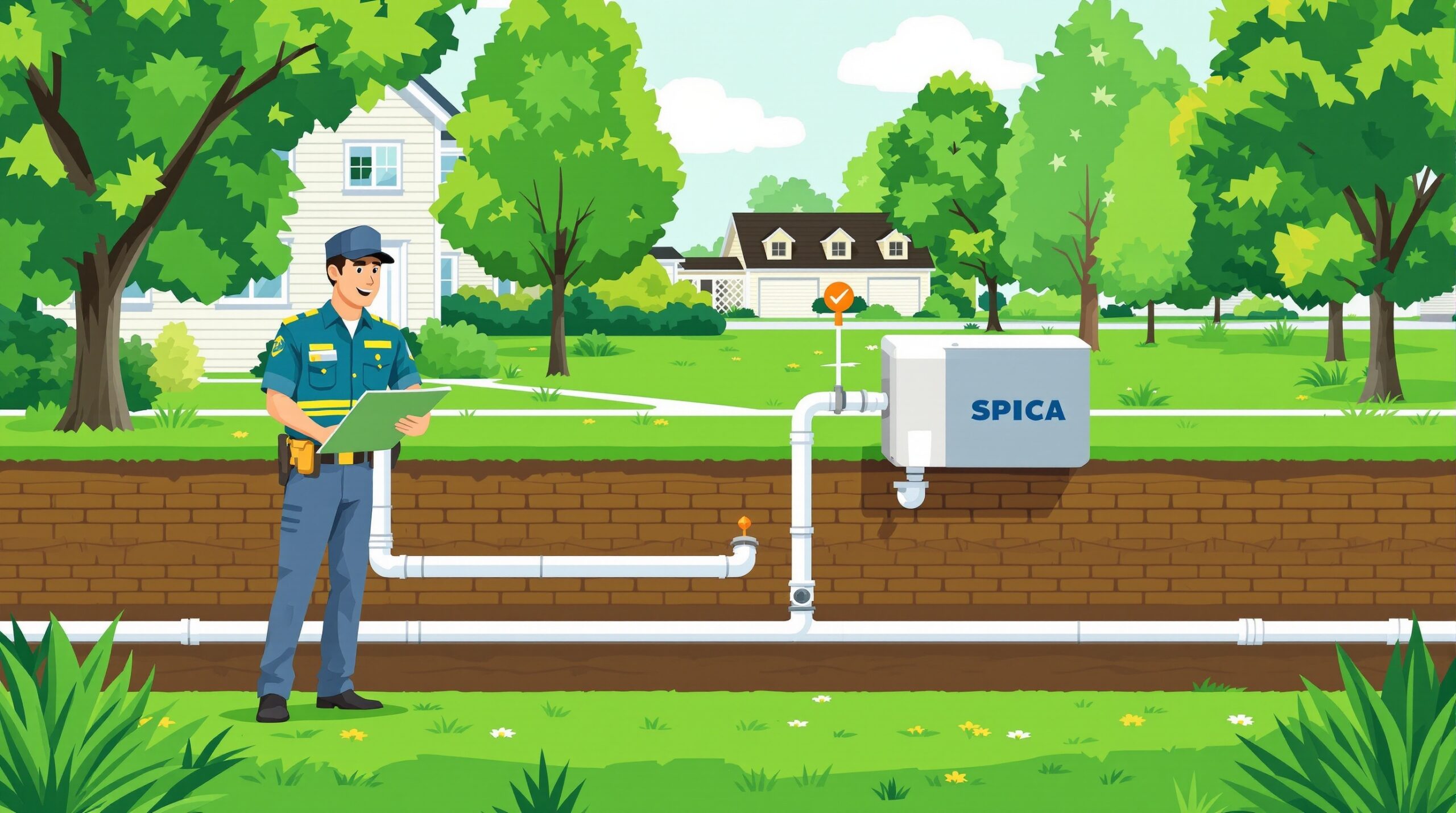
Living in Townsend, DE, means enjoying the beautiful outdoors and the unique sense of community that our town offers. But there’s something lurking just beneath the surface that we often overlook: our septic systems! These hidden heroes work day and night to ensure that our homes and businesses can dispose of wastewater safely and effectively.
Why Your Septic System Matters
Imagine the mess if wastewater didn’t have a place to go! Our septic systems are crucial for keeping our local environment clean and safe. They collect, treat, and break down the waste from our sinks, toilets, and showers before it returns to the ground. When properly maintained, your septic system helps protect our groundwater and keeps our community healthy.
But here’s the catch: to ensure that your septic system continues to function smoothly, you need to understand how to take care of it. By learning a few maintenance tips, you can avoid unpleasant problems down the road and keep your system in tip-top shape.
Let’s Get Started!
In this ultimate guide, we’ll dive into everything you need to know about septic system maintenance in Townsend. From understanding the components of your system to recognizing when things might be going wrong, we’re here to help you every step of the way. By the end of this journey, you’ll have the knowledge and tools to keep your septic system running efficiently while protecting our beautiful environment. Are you ready? Let’s tackle septic system maintenance together!
Importance of Regular Inspections
As we navigate the journey of maintaining our septic systems, one crucial step cannot be overlooked: scheduling regular inspections. Just like a routine check-up at the doctor keeps you in good health, enlisting the help of a licensed professional for annual inspections is essential for the well-being of your septic system. These experts bring a wealth of knowledge and experience to the table, allowing them to spot potential problems before they escalate into costly repairs or environmental hazards.
Regular inspections provide peace of mind and uncover hidden issues like leaks, backflow, or blockages that are often invisible to the untrained eye. A certified specialist can not only analyze the overall performance of your system but also offer tailored recommendations that suit your specific needs. This proactive approach ensures that your septic system operates efficiently, reducing the likelihood of unpleasant surprises that can disrupt your daily life.
Here’s a quick look at what licensed professionals typically examine during a routine inspection:
| Inspection Focus | Description |
|---|---|
| System Components | Examine the tank, drain field, and distribution boxes for any signs of damage or wear. |
| Leak Detection | Identify any leaks within the system that could lead to groundwater contamination. |
| Backflow Issues | Check for any signs of wastewater returning to the home or property, indicating a serious malfunction. |
| Sludge and Scum Levels | Measure the accumulation of sludge and scum in the tank to determine when pumping is necessary. |
| Soil Absorption | Assess the functionality of the drain field and its ability to absorb treated wastewater. |
| Overall System Efficiency | Evaluate how well the septic system is performing and if there are any operational changes needed. |
These inspections are more than just routine check-ups; they are vital to preventing your septic system from turning into a costly headache. By maintaining an open line of communication with your septic service provider, you can ensure that your system remains in prime condition year after year.
In our next section, we’ll explore effective strategies for proper wastewater management by controlling the type and amount of waste entering the septic system. Trust us, your system will thank you for it!
Proper Wastewater Management
To ensure the longevity and efficiency of your septic system, understanding proper wastewater management is key. Just as the health of our bodies relies on what we consume, septic systems thrive when we carefully control the amount and type of waste that enters them. It’s vital to educate ourselves on what our systems can handle and how to minimize the risk of overload and damage.
One of the most significant contributors to septic system malfunctions comes from improper waste disposal. Fats, oils, and grease (often referred to as FOG) might seem harmless going down the drain, but they can accumulate in the tank and pipes, creating serious blockages. This buildup doesn’t just impede the flow of wastewater; it can also lead to wastewater surfacing in your yard, which is not only an unpleasant sight but poses health risks as well. Therefore, it’s advisable to refrain from pouring these substances down your sinks or toilets. Instead, consider disposing of them in a designated container that can be discarded with regular household waste.
Similarly, non-biodegradable products such as wipes, plastic, and feminine hygiene products are notorious for wreaking havoc in septic systems. Unlike toilet paper, which is designed to break down, these items can clog pipes and cause significant damage. Encouraging your household to adopt a “flushable only” mantra is a simple yet effective way to preserve your system’s integrity. Implementing a disposal bin in your bathrooms can help ensure that non-biodegradables find their way to a waste facility instead of your septic system.
It’s also essential to be mindful of the chemical products you introduce into your household. Many household cleaners, during their breakdown process, can disrupt the balance of beneficial bacteria in your septic tank that play a crucial role in breaking down waste. Opt for biodegradable or septic-safe products whenever possible. This small change can have a significant positive impact on the health of your system.
Finally, consider the total load of wastewater your system encounters daily. Heavy water usage all at once can overwhelm the system, leading to backups and inefficiency. Spreading out water-intensive tasks—like laundry and dishwashing—over the week is a smart strategy. Not only does this reduce strain on your septic system, but it also helps conserve water, making your household more sustainable.
By being conscious of what goes into your septic system, you take a significant step in ensuring its long-term functionality and health. Proper wastewater management is not merely about following rules; it’s about fostering a responsible mindset that keeps both your home and the environment thriving. In our next section, we will delve into water conservation tips that further promote a healthy septic system, pointing out habits that can make a world of difference!
Water Conservation Tips
As we strive to maintain our septic systems, incorporating water conservation practices proves to be a win-win situation. Not only do these habits lessen the burden on our septic systems, but they also promote a more sustainable lifestyle that benefits both the environment and your household. Below are some actionable tips for conserving water while ensuring your septic system remains healthy.
1. Stagger Laundry Days: Laundry day can be a hefty chore, but collapsing all your loads into one day can lead to disaster for your septic system. Instead, consider spreading out your laundry throughout the week. By staggering your washing loads, you significantly reduce the volume of water entering the septic tank at any given time. This simple change helps keep your system from becoming overwhelmed, ensuring that wastewater is processed more effectively.
2. Opt for Low-Flow Fixtures: Upgrading your home with low-flow fixtures can drastically lessen water consumption without sacrificing performance. Low-flow toilets, showerheads, and faucets are designed to minimize water use while maintaining a high level of efficiency. By replacing older fixtures with their modern counterparts, you’ll not only conserve water but also help your septic system manage waste more smoothly. This strategic enhancement contributes to a balanced eco-system, taking pressure off your septic tank.
3. Take Shorter Showers: One of the largest water guzzlers in the home is the shower. Setting a timer to keep your shower to a reasonable length can conserve gallons of water daily, relieving stress on your septic system. Challenge yourself and your family to embrace shorter shower times while still enjoying the refreshing experience—consider it as an invigorating challenge to save water and protect your home!
4. Use Full Loads in Dishwashers: Dishwashers are fantastic appliances designed to save time, but they can waste a significant amount of water if not used correctly. Always run your dishwasher with a full load and opt for eco-friendly settings whenever possible. This not only helps conserve water but also enables your septic system to process a more substantial but manageable load of wastewater efficiently.
5. Regularly Check for Leaks: A small leak might seem insignificant, but over time it adds up to a considerable waste of water. Regularly inspect your plumbing fixtures, including faucets and toilets, for leaks. Swiftly addressing these issues not only saves water but also alleviates additional stress on your septic system. Establishing a routine of checks can make a world of difference in both water conservation and system health.
By adopting these water conservation habits, you can safeguard your septic system while promoting a more sustainable lifestyle. Understanding the interplay between water usage and wastewater management empowers us to care for our homes and the environment efficiently. In our next section, we will explore safe landscaping practices to ensure that your drain fields remain healthy and unobstructed, a vital component of a well-functioning septic system!
Safe Landscaping Practices
When it comes to maintaining a healthy septic system, the landscape surrounding your drain field plays a vital role in ensuring its optimal functioning. A well-planned garden can not only enhance the aesthetic appeal of your home but also protect the integrity of your septic system. One important aspect of this is the types of plants you choose to cultivate over and around your drain field. While we may be tempted to plant majestic trees for their shade and beauty, deep-rooted species can pose a significant threat to the delicate balance of your septic system. Instead, consider the benefits of opting for grasses and small shrubs that are less invasive, making them the perfect choice for a safe and sustainable landscape.
Choosing the Right Plants: Grasses and small shrubs boast shallow root systems that are less likely to invade and disrupt the pipes and drain field below the surface. Their less aggressive growth patterns make them ideal companions for septic systems, minimizing the risk of damage and the potential for costly repairs. Below is a table outlining some recommended plants for safe septic landscaping:
| Plant Type | Examples | Benefits |
|---|---|---|
| Grasses | Bluegrass, Fescue, Ryegrass | Shallow root systems, excellent erosion control, low maintenance |
| Shrubs | Lavender, Dwarf Boxwood, Sumac | Non-invasive roots, attractive foliage, pollinator-friendly |
| Ground Covers | Creeping Thyme, Sedum, Violets | Low-growing, minimal root interference, beautiful blooms |
Why Avoid Deep-Rooted Trees: While trees can enhance the environment in many ways, deep-rooted varieties (like oaks, maples, or willows) often seek water and nutrients below ground. This behavior can lead to roots sprawling into drain fields and directly invading septic pipes, causing blockages and severe damage. By choosing shallower-rooted plants, you can create a thriving landscape that works harmoniously with your septic system.
Additional Landscaping Tips: Aside from the right plant selection, there are other landscaping practices you can adopt to protect your septic system:
- Avoid Mulching Too Close: While mulch can conserve moisture and suppress weeds, be mindful of placing it too close to your drain field. Too much moisture can disrupt the wastewater processing.
- Slope for Drainage: Ensure the ground slopes away from your septic system, facilitating natural runoff and preventing excess water from pooling in the area.
- Limit Heavy Equipment Use: Avoid parking vehicles or placing heavy structures over your drain field to prevent soil compaction and damage to the septic components.
By implementing safe landscaping practices centered on planting the right types of plants, we can protect our septic systems and promote a healthy environment. In our next section, we’ll guide you through routine pumping schedules to maintain your septic system’s functionality and encourage its longevity.
Routine Pumping: Keeping Your Septic System Healthy
As we delve into the crucial topic of routine pumping, it’s essential to understand how this maintenance practice intersects with the overall performance and longevity of your septic system. A well-functioning septic system relies heavily on a consistent pumping schedule tailored to accommodate specific tank sizes and usage levels. Ignoring this can lead to unpleasant consequences, including system backups and costly replacements.
Understanding the Importance of Routine Pumping: Your septic tank is designed to collect and break down household wastewater. Over time, solids settle at the bottom, and if these solids aren’t removed regularly, they can accumulate and disrupt the balance of your system. Routine pumping is your safeguard against this buildup, ensuring that your tank operates efficiently while prolonging its lifespan.
Determining the Right Pumping Schedule: The frequency of pumping your septic tank generally depends on its size, the number of occupants in your household, and your wastewater output. Below is a simple guide to help Townsend residents establish a reliable pumping regimen:
| Tank Size | Occupants | Recommended Pumping Frequency |
|---|---|---|
| 1,000 gallons | 1-2 | Every 3-5 years |
| 1,500 gallons | 3-4 | Every 4-6 years |
| 2,000 gallons | 5-6 | Every 5-7 years |
As you assess your specific needs, consider your household habits. For example, if you frequently have guests or your family size fluctuates, you may want to adjust your pumping schedule accordingly. Be proactive and keep track of your last pumping date to ensure timely maintenance.
The Role of Usage Levels: Besides tank size and household occupancy, various factors can impact pumping frequency. High water usage from excessive laundry, prolonged showers, or running a garbage disposal can lead to a faster accumulation of solids. If your household practices lean towards higher water use, consider scheduling more frequent pumping to maintain optimal system function.
Signs Your System Needs Attention: While a regular pumping schedule is essential, recognize the signs that may indicate your septic system needs immediate attention. Look out for:
- Slow drains or multiple backups in your home
- Unpleasant odors emanating from the drain field
- Pooling water or lush grass over the septic area
- Gurgling sounds in plumbing fixtures
Addressing these issues quickly can help prevent costly damages and ensure the ongoing health of your system.
By implementing these proactive steps, Townsend residents can enjoy a worry-free septic system, contributing to environmental safety and community health. Everyone plays a role in protecting our groundwater and ensuring that our beautiful landscapes remain pristine. Stay informed and proactive for a sustainable future.
Your Top Questions Answered: Septic System Maintenance Demystified
As a septic system owner, it’s natural to have questions about its maintenance and how to ensure its longevity. Let’s tackle some of the most common queries that homeowners often have, helping you to navigate the ins and outs of septic care.
How often should I pump my septic tank? As highlighted earlier, the frequency of pumping your septic tank can vary based on several factors including tank size, household occupancy, and water usage habits. Generally, a good rule of thumb is to pump every 3 to 7 years. However, be attentive to specific signs that your system might need service sooner, such as slow drains and unpleasant odors. Regular checks are essential to adapt to changing household dynamics.
Can I use bacterial additives? The use of bacterial additives is a topic of debate among septic system experts. Many believe that a healthy septic system already contains the necessary bacteria to break down waste effectively. However, if you find yourself in situations where your system is struggling due to heavy usage or after chemical exposure, adding bacterial products can help restore balance. Always select products that are specifically designed for septic systems and follow the manufacturer’s guidelines to prevent any adverse effects.
Is it safe to build over a drain field? This is a critical consideration for homeowners planning landscaping or construction projects. The simple answer is: it is generally not advisable to build over a drain field. The soil in this area plays a pivotal role in treating wastewater, and placing structures on top can severely disrupt this process. Additionally, heavy machinery and tools used in construction can compact the soil, making it less effective for waste absorption. If you’re considering any projects in this area, consult with a local septic professional to better understand your options and maintain the integrity of your system.
By staying informed about these aspects of septic system maintenance, you’ll not only enhance the functionality of your system but also contribute to the overall health of your property and the surrounding environment. Taking the time to address these common queries ensures that you are well-equipped to make educated decisions for the care of your septic system.
As a part of maintaining a sustainable future, being proactive about these concerns strengthens our commitment to preserving nature and fostering community well-being. As we wrap up this exploration on septic system maintenance, let’s continue to cultivate knowledge and responsibility together, ensuring our homes remain harmonious with the beautiful landscapes we inhabit. Your diligence today will pave the way for a healthier tomorrow.
“`
Creating a Sustainable Septic Culture in Townsend
As we look toward the future of Townsend, it becomes increasingly clear that fostering a culture of awareness and responsibility regarding our septic systems is paramount. A well-maintained septic system does more than just benefit individual households; it plays a crucial role in sustaining the environment and enhancing community health. By taking proactive measures, residents can not only prevent personal inconveniences but also contribute positively to our shared ecosystem.
Engaging the Community: One of the most effective ways to strengthen our commitment to responsible septic maintenance is through community engagement. Hosting workshops and informational sessions can equip residents with the knowledge needed to manage their systems effectively. Local outreach initiatives can cover best practices, from understanding pumping schedules to recognizing warning signs of system failure. Building a network of informed homeowners fosters a community where everyone understands the importance of their septic systems.
Emphasizing Environmental Impact: Subscribers to a solid environmental ethos often overlook the implications of neglecting septic systems. Leaking systems do not just pose risks to individual properties; they can allow harmful contaminants to seep into the groundwater, affecting local water supplies and harming aquatic ecosystems. Through proactive maintenance, Townsend residents can safeguard not only their homes but also preserve the natural beauty and resources that define our beloved town. Each step taken to ensure a well-functioning system translates into a commitment to environmental stewardship.
Adopting Sustainable Practices: In addition to routine pumping, embracing eco-friendly disposal methods can greatly enhance the health of septic systems. For instance, encouraging reduced use of harsh chemicals and non-biodegradable products can ease the load on systems. Composting organic waste and utilizing natural cleaning agents can minimize the impact on septic health, allowing homeowners to integrate sustainable practices into their daily lives. Educating families about proper disposal techniques helps maintain a balance between convenience and environmental responsibility.
Fostering Open Communication: Neighbors should not hesitate to share experiences and tips when it comes to septic care. Building a community dialogue not only enhances knowledge but also strengthens relationships. Consider forming a neighborhood group focused on environmental health, where residents can exchange ideas and support each other in maintaining their septic systems. This collaborative approach fosters a sense of accountability and collective pride in preserving Townsend’s natural landscape.
The Path Forward: Ensuring a worry-free septic system is a collective effort that requires awareness, proactive behavior, and commitment from all residents. By prioritizing routine maintenance, engaging in community education, and adopting sustainable practices, Townsend can build a healthier ecosystem for generations to come. The future of our community rests on the small actions we take today—each household playing its part to ensure the safety and sustainability of our environment. Stay informed, stay proactive, and let’s work together for a thriving future.
“`