
Embracing Delaware’s Charm
Delaware, with its rich history, friendly communities, and stunning coastlines, is truly a gem of the Mid-Atlantic. The state is known for its charming small towns and vast outdoor spaces where families can enjoy nature and spend quality time together. But one thing that often goes unnoticed is Delaware’s unique climate, which plays a big role in daily life—especially the humidity!
The Beauty and the Burden
High humidity may help our gardens thrive and our flowers blossom, but it also comes with some hidden challenges, particularly when it comes to plumbing systems. As the sticky summer air settles in, many homeowners might not realize how it affects their pipes and fixtures.
Picture this: You’re enjoying a sunny day at the beach, feeling the perfect ocean breeze, but when you step inside your house, you’re met with the uncomfortable wrap of moist air. That’s right—while you appreciate the lush greenery surrounding your home, it’s essential to also consider the impact of all that humidity on your plumbing. Just as you make adjustments to stay cool, your plumbing deserves some extra attention too!
Awareness is Key
While it might feel like the most pressing task is to keep up with yard work or plan the perfect summer BBQ, plumbing maintenance is equally important. Humidity can contribute to pesky issues like corrosion, leaks, and even mold growth. Contrary to common belief, plumbing systems aren’t just a set-it-and-forget-it feature of your home. They need care and regular check-ups to keep running smoothly.
So, let’s dive deeper into why those higher humidity levels demand our attention and how a little plumbing maintenance can go a long way in keeping your home a cozy and safe haven.
Understanding Humidity’s Effect on Plumbing
Humidity isn’t just about uncomfortable perspiration; it plays a critical role in how moisture interacts with metal and other components in your plumbing system. This unseen aggressor can cause an assortment of unexpected challenges, particularly when we consider the physics behind moisture’s influence on plumbing.
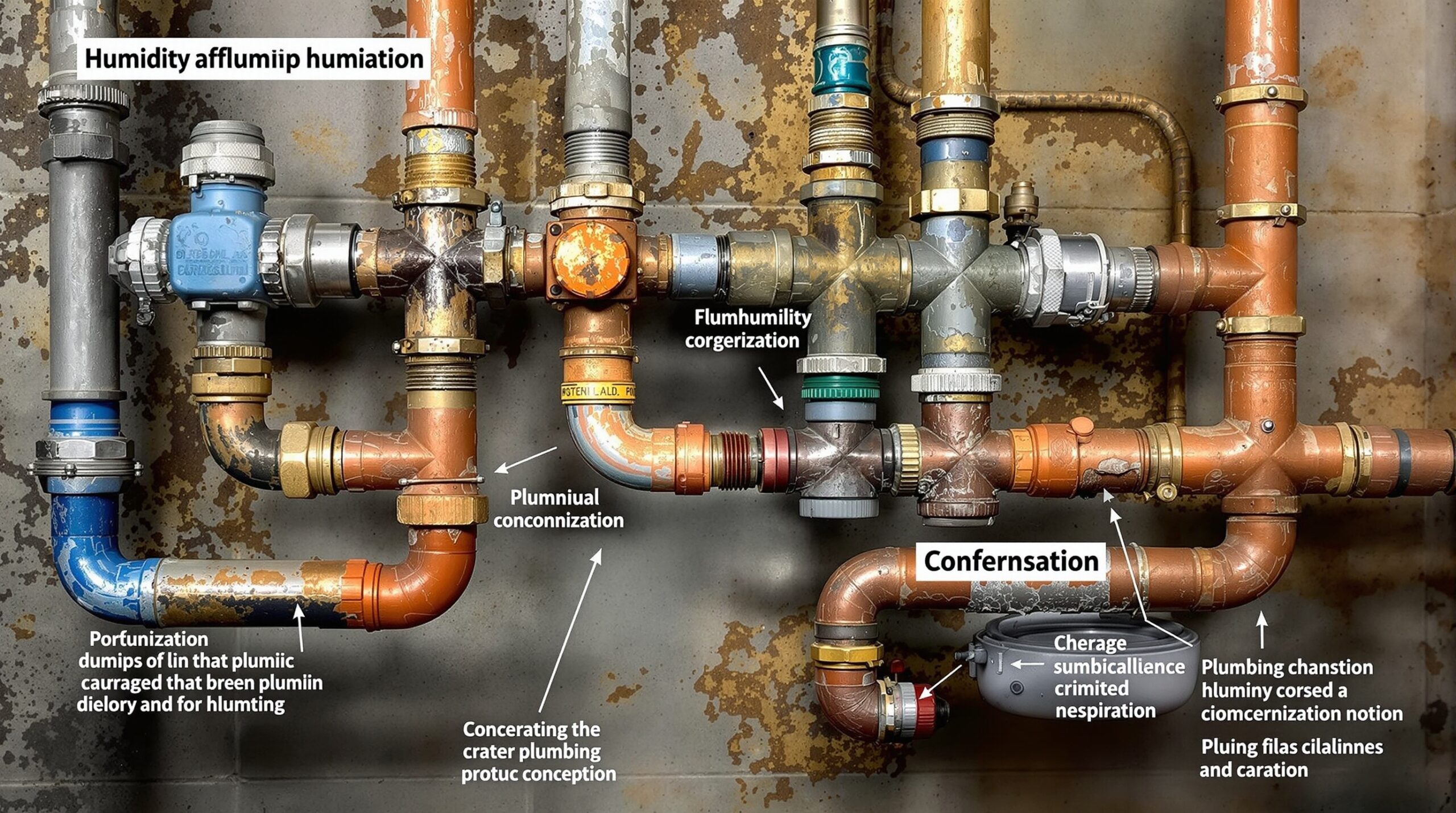
To understand the risks posed by humidity, we first need to grasp the relationship between moisture levels and the materials found within plumbing systems. High humidity conditions can lead to a phenomenon known as condensation, whereby air containing high amounts of moisture comes into contact with colder surfaces, like metal pipes. This interaction often results in water pooling on those surfaces, creating an environment ripe for trouble.
The lingering moisture not only accelerates the rusting process but can also have cascading effects throughout your plumbing. To illustrate the impact, let’s break down some key factors that highlight how humidity wreaks havoc on plumbing:
| Factor | Impact on Plumbing |
|---|---|
| Condensation | Leads to pooling water, increasing the risk of rust and corrosion. |
| Temperature Fluctuations | Causes expansion and contraction in pipes, further straining joints and seals. |
| Mold Growth | Creates potential health hazards and can damage piping and fixtures. |
| High Vapor Pressure | Pressurizes systems, potentially leading to leaks at joints and connections. |
These factors paint a clearer picture of how humidity can lead to serious challenges within your plumbing system. The requirement for continuous monitoring becomes evident—neglecting these moisture-related complications could easily turn a minor issue into a major concern.
Moreover, when we consider Delaware’s journey through its humid summers and the transition to cooler autumns, the wear and tear on plumbing systems may not be immediately apparent but it is undeniably present. The key takeaway? Understanding the physics of humidity’s effect on your plumbing can empower you to take the necessary steps for preventive maintenance—whether that’s regular inspections, ensuring proper ventilation in high-moisture areas, or simply being mindful of how daily activities like showering or cooking might affect humidity levels.
In essence, humidity isn’t just a weather statistic; it’s a dynamic element that requires vigilance. Understanding its intricacies can enable you to protect your home’s plumbing—and by extension, enhance your family’s comfort and safety throughout the seasons.
The Corrosion Conundrum: Unraveling the Threat of Humidity on Plumbing
As we’ve established, humidity poses a significant risk to your plumbing, with corrosion being one of the most pressing concerns. This form of deterioration occurs as moisture interacts with metals, leading to visible signs like rust, leaks, and structural weaknesses that can compromise your entire system. Understanding the nature of corrosion and the factors that contribute to it is crucial for homeowners aiming to safeguard their plumbing.
Corrosion begins as moisture from the humid air seeps into tiny fissures and joints within pipes and fittings. As this moisture condenses, it fosters an environment conducive to rust formation, which slowly eats away at these metal components. What starts as an innocuous droplet can escalate into a significant problem, as corroded pipes can leak, leading to water damage and even mold growth if not addressed promptly. A seemingly minor issue can snowball into a major repair project, one that disrupts your daily life and threatens the health of your home.
The challenge lies not just in high humidity levels themselves, but in the unpredictable nature of Delaware’s climate. Sudden changes in temperature can exacerbate the situation, causing pipes to expand and contract. This constant movement can weaken joints, amplify rusting, and result in alarming leaks. Therefore, a proactive approach to monitoring your plumbing is essential.
Without consistent checks and maintenance, homeowners may find themselves caught off-guard by the corrosive effects of humidity. Regular inspections allow you to spot early signs of rust and wear, offering a chance to address these issues before they spiral out of control. Simple actions like monitoring water pressure and checking joints for moisture can go a long way. It’s not just about dealing with the immediate concerns; it’s about preserving the integrity of your plumbing system in the long run.
In the context of Delaware’s unique humidity challenges, employing effective preventive strategies is not just wise—it’s an essential aspect of home ownership. As we prepare to explore the array of proactive measures available to reinforce your plumbing against corrosion, remember: knowledge is your ultimate ally. When you understand the threats posed by humidity and corrosion, you can take decisive action to protect your home, ensuring its plumbing remains resilient against the forces of nature.
Preventative Measures for Delaware Homes: Empowering Homeowners Against Humidity
In the face of Delaware’s unpredictable climate and the ever-present threat of humidity, homeowners must arm themselves with knowledge and effective strategies to protect their plumbing systems. The first step is understanding that prevention is not just a task—it’s an ongoing commitment to the health of your home. By embracing a proactive approach, you can effectively combat the corrosive effects of humidity and fortify your plumbing against potential disasters.
Regular inspections are a cornerstone of plumbing maintenance. Schedule routine checks of your pipes, faucets, and appliances to catch early signs of wear, like discoloration or rust. These visual inspections, combined with monitoring your water pressure, can signal underlying issues before they escalate into major repairs. Remember that areas often overlooked within basement corners, under sinks, or behind appliances can harbor moisture and rust buildup. Make it a habit to physically check these hidden spaces and look for any signs of dampness.
Beyond visual inspections, homeowners can effectively utilize innovative tools designed to detect moisture intrusion. Consider investing in a humidity monitor to keep tabs on the humidity levels within your home. Ideal humidity levels should hover around 30-50%. If your readings consistently exceed this range, it’s time to take action, be it through dehumidifiers or enhancing ventilation in particularly humid areas like bathrooms and kitchens. This proactive step can significantly diminish moisture levels and reduce the potential for corrosion build-up in your plumbing system.
Another impact of Delaware’s humidity is its effect on the air quality within the home. High humidity can contribute to mold growth, which not only poses risks to your plumbing but also to the overall health of your household. Implementing air filtration systems and ensuring proper ventilation in areas prone to moisture can reduce the chances of mold proliferating and simultaneously protect your plumbing from moisture-related damage.
Moreover, it’s essential to be mindful of seasonal transitions in Delaware, where temperatures can fluctuate dramatically. When the weather changes, so too should your plumbing strategies. Winterizing your plumbing—insulating pipes, disconnecting hoses, and ensuring your home is well-sealed against drafts—can mitigate the risk of corrosion caused by moisture formation from condensation. This step is particularly vital in preventing freezing pipes that can burst and create chaos come spring, when humidity levels rise.
It’s clear that knowledge alone is powerful; when paired with consistent preventive measures, homeowners transform their approach to plumbing maintenance. This mindset nurtures a safer environment for both your plumbing and your household. By vigilantly monitoring your home and employing preventative tactics, you lay a vacuum of resistance against the negative impacts of unwanted humidity. As we proceed to explore the role of professional assurances, remember that while DIY measures play a significant part, expert insights and evaluations can elevate your preventative strategy even higher. Ensuring your plumbing is resilient begins with informed action, setting the foundation for a well-maintained home.
The Role of Professional Assurances
In the realm of home maintenance, particularly in a climate as varied as that of Delaware, the value of professional plumbing inspections cannot be overstated. While DIY measures provide critical support in managing humidity-related challenges, there comes a time when the expertise of a professional not only becomes beneficial but essential. Professional plumbers are equipped with the training and tools necessary to identify early warning signs of humidity damage that may elude the untrained eye. They can spot things like minute leaks, condensation issues, and hidden moisture pockets that, if left unchecked, could escalate into significant problems.
Understanding the nuances of plumbing systems within the context of humidity requires more than just basic knowledge; it demands a nuanced comprehension of how humidity interacts with various materials and structures. A professional plumber’s experience is invaluable when assessing older homes or unique architectural designs, ensuring every aspect is accounted for. They utilize advanced tools such as thermal imaging cameras and moisture meters, which allow them to pinpoint issues with precision and recommend suitable remedies tailored to your home’s specific needs.
More importantly, professional plumbers develop a comprehensive strategy to mitigate long-term issues associated with humidity. These assessments do not solely focus on immediate repairs; rather, they encompass a holistic view of your plumbing system’s health. From recommending site-specific dehumidification systems to suggesting changes in water usage behaviors, they pave the path to sustained plumbing health, ensuring that every potential threat posed by humidity is effectively countered.
Consider the implications of neglecting professional insights when managing your home’s plumbing. Early intervention can save homeowners not only preventable damages but also the headwinds associated with more extensive restoration efforts. Below is a comparison table that outlines the benefits of professional plumbing inspections versus DIY efforts:
| Aspect | DIY Efforts | Professional Inspections |
|---|---|---|
| Identification of Issues | Basic visual checks, reliant on homeowner knowledge | Comprehensive assessments using advanced diagnostic tools |
| Problem Resolution | Often limited to immediate fixes | Long-term strategies and integrated solutions |
| Frequency of Checks | Inconsistent, often neglected | Scheduled routine inspections to proactively manage issues |
| Expert Knowledge | Homeowner experience varying widely | Specialized training and extensive field experience |
| Peace of Mind | Variable, dependent on homeowner confidence | Enhanced confidence with the assurance of professional evaluation |
The investment in professional plumbing assurances will pay dividends in safeguarding your home’s infrastructure against the insidious effects of humidity. Armed with your DIY knowledge and supplemented by the insights of experts, you will create a formidable defense for your plumbing systems. Before we delve into moisture management solutions like installing dehumidifiers and ensuring proper ventilation, remember that embracing a blend of DIY tactics and professional expertise lays the groundwork for a comprehensive strategy that shields your home from the oppressive grip of humidity.
Moisture Management Solutions
With the understanding that professional insights are key to safeguarding your home, let’s explore practical moisture management solutions that ensure a weatherproof environment while protecting your plumbing system and other crucial home structures from the ravages of humidity. High humidity may seem like a natural part of life in Delaware, but proactive steps like installing dehumidifiers and enhancing ventilation can dramatically improve your home’s resilience against moisture-related issues.
Installing a dehumidifier is one of the most effective solutions to combat excess moisture. These devices are specifically designed to reduce humidity levels in the air, helping to create a more comfortable living environment. By pulling moisture out of the air, dehumidifiers can prevent the growth of mold and mildew, which are often the precursor to extensive plumbing issues. Consider placing portable units in strategic places like basements, bathrooms, and laundry rooms—areas typically prone to high humidity. Moreover, whole-home dehumidifiers work in tandem with your HVAC system, offering comprehensive moisture control throughout your entire house.
Ventilation, too, plays a crucial role in moisture management. Proper airflow is a key factor in reducing humidity levels and promoting a healthy indoor environment. Installing exhaust fans in areas prone to moisture buildup—such as kitchens, bathrooms, and attics—can help expel humid air, allowing fresh air to circulate. Additionally, ensuring that your home’s ventilation systems are unobstructed and functioning correctly is fundamental. Regularly checking and cleaning vents can prevent the accumulation of dust and debris that could hinder airflow and trap moisture within your home’s structures.
Natural ventilation is another effective strategy, especially in the milder months. Simply opening windows and doors can allow humid air to escape, while fresh air flows in, especially if placed strategically to create a cross-breeze. Installing operable windows or vents in attics and crawl spaces can further aid in regulating internal humidity levels. Also, consider lightweight window treatments that can be adjusted to maximize airflow during hot, muggy days while still maintaining privacy and aesthetic appeal.
In addition to these individual strategies, it’s essential to develop a comprehensive moisture management plan tailored to your home’s specific needs. This can include conducting periodic checks on your plumbing fixtures and seals, inspecting for leaks, and considering moisture barriers in crawl spaces or basements. Engaging with professionals can help identify any underlying issues and set up a maintenance schedule that incorporates these essential steps.
By harmonizing advanced moisture management solutions like dehumidifiers and specialized ventilation techniques, you can create a resilient environment that protects your plumbing system and extends the life of your home. Remember, moisture management is not just about reacting to problems but about proactively establishing a solid foundation for your home’s health and longevity. No matter how minor these improvements may appear, collectively they form a formidable barrier against humidity’s insidious effects, ensuring that your plumbing and overall home structure remain fortified against any moisture-related challenges.
As we wrap up our exploration of moisture management strategies, it is clear that while neglecting these aspects can lead to significant issues, enhancing your home’s defense is entirely within your control. Protect your home—because a stitch in time saves nine. Schedule your plumbing maintenance check-up today, and take a proactive approach toward maintaining your plumbing system’s integrity amidst Delaware’s challenging humidity levels!
Signs of Corrosion in Plumbing Systems
Corrosion in plumbing systems can be a sneaky culprit, quietly sneaking up on homeowners without immediate notice. The first signs of trouble often emerge as subtle changes that can escalate into significant issues if left unattended. One of the most common indicators of corrosion is discoloration in your water supply. If you notice a brownish or rusty tint, it’s time to investigate further—this could signal that pipes are deteriorating from the inside out. Stains on your sinks, tubs, or toilets can also indicate corrosion, as mineral deposits and metals leach into your water and settle on these surfaces.
Another telltale sign of corrosion is a change in water quality or pressure. If you begin to experience intermittent drops in pressure, combined with a rusty water supply, it may point to corroded pipes restricting flow. Strange noises, like banging or rattling, can also be a sign of debris building up in your plumbing due to corrosion. Additionally, an unexpected increase in water bills could signal hidden leaks from corroded pipes, as damage can lead to lost water over time. Any of these warning signs should prompt homeowners to take immediate action to assess their plumbing systems.
How Often Should You Schedule Plumbing Maintenance?
Routine maintenance is vital for ensuring the longevity and reliability of your plumbing system, particularly in an environment susceptible to high humidity. As a general rule, homeowners should target scheduling plumbing maintenance at least once a year. This annual check-up allows for early detection of potential issues and provides an opportunity for a thorough inspection of all plumbing components. Seasonal assessments can also be beneficial, especially after heavy rains or storms, as these conditions can exacerbate moisture issues and affect your plumbing systems.
For those new to homeownership or residing in older homes, consider implementing a more frequent maintenance schedule initially. Since high corrosion risks and humidity challenges are prevalent in Delaware, having semi-annual assessments in the first year can help establish a baseline for your plumbing’s condition. Engaging a qualified plumber for these evaluations can assist in identifying signs of wear and tear, ultimately safeguarding your home against potential emergency plumbing repairs.
DIY vs. Professional Help
Homeowners often wonder which plumbing tasks they can tackle themselves and when it’s best to call in the professionals. For minor issues such as unclogging drains or fixing leaky faucets, many homeowners feel comfortable addressing these problems with DIY tools and techniques. Regularly checking fixtures for visible leaks, tightening loose connections, and replacing showerheads are all manageable tasks that can save on repair costs.
However, when it comes to dealing with signs of corrosion or plumbing maintenance that requires a more in-depth understanding of the system, it is prudent to reach out to professional plumbers. Tasks such as inspecting the condition of pipes, identifying hidden leaks, or assessing overall water quality demand expertise and experience. Professionals possess the right tools and knowledge to diagnose corrosion issues and provide solutions, ensuring your plumbing remains in optimal condition.
In addition, comprehensive services like water main inspections or replacing damaged pipes should always be left to licensed professionals. Attempting to manage complex plumbing issues without adequate experience can lead to further damage and significantly higher repair costs in the long run. Embrace a balanced approach—be proactive in your maintenance efforts, perform manageable DIY tasks, but don’t hesitate to call in the experts when your plumbing needs a professional touch.
The Unsung Hero of Your Home
In every Delaware home, plumbing works tirelessly behind the scenes, often regarded as an unsung hero. It provides the essential services that enable smooth daily operations—from refreshing showers to effortless dishwashing and everything in between. However, this vital system, while operating quietly, is challenged by the high humidity levels that characterize the state. It’s crucial to recognize that the plumbing system requires your attention to ensure reliable performance over time. Every high-performing component, every seamlessly flowing faucet, and every tranquil drain depends on consistent upkeep and preventive measures. Neglecting these responsibilities can lead to a cascade of unforeseen problems that jeopardize both comfort and functionality.
Consider the havoc humidity can wreak inside your home. The dampness in the air invites corrosion and deterioration, especially on pipes that might already be vulnerable due to age or wear. And yet, addressing these issues does not necessarily require a grand overhaul. A periodic plumbing maintenance check-up can illuminate hidden vulnerabilities, diagnose minor issues before they escalate, and safeguard your home from the detrimental effects of humidity. It’s about sustaining the very core of your home’s comfort.
When you schedule a maintenance check with a professional plumber, you’re not just getting a routine inspection—you’re investing in the longevity and reliability of your plumbing infrastructure. These experts can conduct thorough assessments of your plumbing system, identifying areas prone to leaks, corrosion, or inefficiencies that you might overlook. They can help you replace aging fixtures, tighten connections, and ensure that your drainage system can effectively handle moisture. The goal here is preventative—catching problems early can save you from the complexity of major repairs down the line.
Moreover, by being proactive, you also foster a deeper awareness of how your plumbing interacts with the humidity levels of your environment. This heightened vigilance allows you to adapt to changing conditions in your Delaware home, maintaining not only your plumbing but also overall air quality and comfort. Regularly changing filters, addressing ventilation needs, and keeping piping and drains clear can make all the difference. This is not just about functionality; it’s about fostering a safe haven for your family.
Ultimately, the performance of your plumbing is a reflection of how you respect and maintain your home’s hidden systems. Just as you would schedule routine check-ups for a vehicle to ensure safe operation on the road, treating your plumbing system with the same regard and attention can lead to a lifetime of benefits. So why wait for a problem to arise? Take the initiative to exceed basic maintenance and elevate your home’s efficiency.
In a world where conveniences can easily be taken for granted, don’t let the backbone of your home suffer in silence. Protect your home because a stitch in time saves nine. Schedule your plumbing maintenance check-up today, and empower yourself with the knowledge that your home’s plumbing, already an unsung hero, is working at peak performance to serve your family for years to come.