
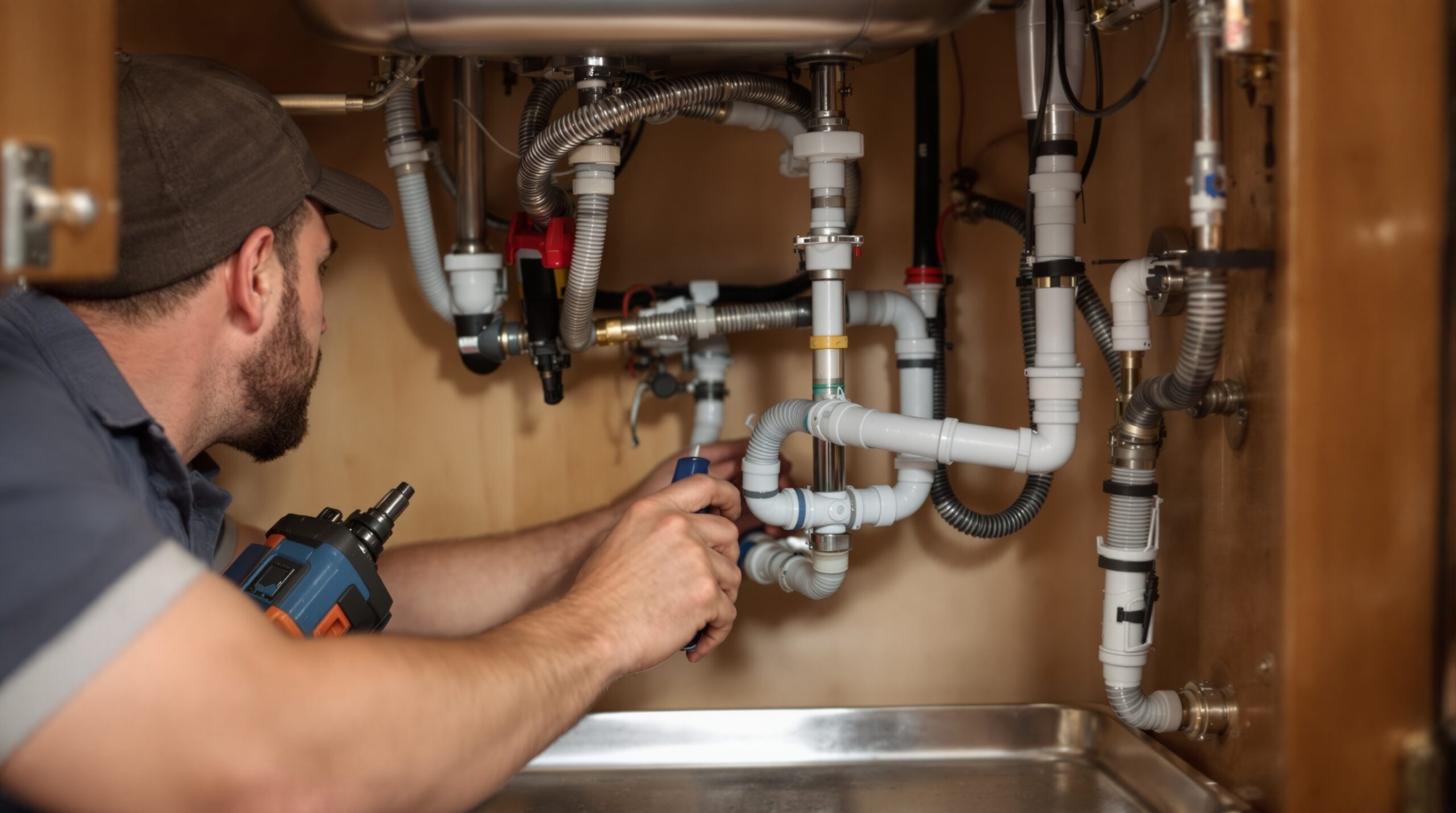
Welcome to Your Ultimate Guide!
Have you ever wondered how to connect your dishwasher and washing machine without worrying about leaks? You’re not alone! Many people want to streamline their kitchen and laundry spaces by fitting these essential machines together, but improper installations can lead to some serious headaches. Imagine coming home to a flooded kitchen or laundry room! Not only is that a nightmare to clean up, but it can also damage your floors and walls.
Your Appliances, Your Convenience
Dishwashers and washing machines are fantastic time-saving appliances that keep our lives running smoothly. They help us tackle our daily chores with ease, but getting them set up correctly is super important. That’s where this guide comes in!
In this article, we’ll walk you through the common pitfalls to avoid when connecting these appliances. You don’t have to be a plumbing expert to do this right; with our expert tips, you’ll be on your way to a leak-free setup in no time. So grab your tools, roll up your sleeves, and let’s dive into the world of proper appliance installation!
Understanding Appliance Plumbing Basics – How Connection Works
Connecting your dishwasher and washing machine isn’t just a matter of plugging them in; it’s an intricate dance of plumbing that ensures water flows where it’s supposed to and nowhere else! Let’s break down the fundamentals of appliance plumbing, so you can approach your installation with confidence.
Flow of Water: The Heart of the Connection
At the core of every plumbing setup is the flow of water, divided into two main categories: supply lines and drain lines. Each appliance has specific connections tailored to manage water input and output, and understanding these lines will help you avoid major headaches.
Supply Lines
Supply lines carry water from your main plumbing into appliances. In both dishwashers and washing machines, these lines connect to your home’s water supply and are usually made of flexible hose material. Here’s what you need to know:
- Angle Stops: These valves control the flow of water to each appliance. Ensure that they are fully open and free from corrosion or buildup.
- Hose Connections: Look for proper washers during installation, as they create a tight seal. Never overtighten, since that can lead to cracks.
Drain Lines
Drain lines do the hard work of channeling waste water away from your appliances. Understanding their role is key to avoiding problems:
- Slope: Drain lines should have a downward slope to promote effective drainage. A flat or upward slope can cause backups, leading to leaks.
- Air Gaps: For dishwashers, utilizing an air gap prevents backflow, ensuring that dirty water from the sink doesn’t mix with clean dishwater.
Connection Requirements
Every appliance has specific requirements for connection, so it’s important to check your manufacturer’s guidelines. Here’s a quick reference table to keep handy:
| Appliance | Supply Line Size | Drain Line Size | Air Gap Required? |
|---|---|---|---|
| Dishwasher | 3/8″ to 1/2″ | 5/8″ to 1″ | Yes |
| Washing Machine | 3/4″ | 2″ (minimum) | No |
Final Tips for a Foolproof Connection
1. Inspections: Before connecting your appliances, inspect all hoses for kinks or damage. This ensures a smooth operation.
2. Test Runs: After installation, conduct test runs for both appliances. Watch for leaks at all connection points, and check your floor for any signs of water pooling.
3. Leveling: Make sure your appliances are level; this can significantly affect performance and prevent drainage issues.
With solid knowledge of appliance plumbing basics, you’re one step closer to a successful installation. So, keep those connections in check, and get ready to tackle the common installation mistakes that lead to leaks—our next topic!
Common Installation Mistakes That Lead to Leaks
Even the most seasoned DIYers can fall victim to the pitfalls of appliance installation, particularly when it comes to plumbing connections. It only takes one misstep to transform your new dishwasher or washing machine into a source of frustration and potential water damage. To help you sidestep these common traps, we’ve compiled the critical mistakes that can lead to leaks and how to avoid them.
1. Ignoring Manufacturer Instructions
Every appliance comes with its own set of guidelines that are tailored to ensure optimal performance and prevent issues. Skipping these instructions in favor of “common sense” can set you up for failure. Whether it’s neglecting to use specific connectors or bypassing essential steps in the installation process, always refer to the manual provided. Failure to adhere to these recommendations is a leading cause of leaks, as particular requirements are crucial for maintaining an effective seal.
2. Overlooking Proper Slope for Drain Lines
A common blunder involves mismanaging the direction of drain lines. As mentioned, drain lines should carry waste water away at a downward slope. Failing to achieve this can create standing water, which eventually leads to leaks or even complete drainage failure. To promote proper flow, take a moment to adjust any installed drain hoses and ensure they descend uniformly toward the outlet.
3. Misaligned Connections
The angles of connection are critical in preventing leaks. If hoses and pipes are not aligned correctly, the pressure can change and lead to premature wear or breaks. Always ensure that supply and drain lines fit snugly into their respective connectors without twists or bends that could stress the connection. A well-aligned hose is your first line of defense against leaks!
4. Neglecting to Check for Kinks or Damage
Before you complete your installation, perform a thorough inspection of all hoses—look for kinks, cracks, or wear. A seemingly minor kink can limit water flow and cause burst hoses over time. If you find any signs of damage, replace the hose prior to installation to prevent leaks that could lead to major hassle later on.
5. Overtightening Connections
While it might seem intuitive to tighten connections as much as possible to prevent leaks, overtightening can actually have the opposite effect by cracking fittings and damaging washers. Use a gentle, confident hand when securing connections. Ensure everything is snug but never go overboard; a properly fitted connection is designed to remain water-tight without excessive force.
6. Skipping the Final Leak Test
After you have installed the appliance, performing a leak test is often an overlooked, but essential step. Running through a test cycle for both your dishwasher and washing machine allows you to check all connection points for leaks during use. Make sure to observe the areas immediately around your supply and drain lines for any signs of moisture. It’s far easier to correct issues right away than to discover them after the fact!
By steering clear of these common installation mistakes, you can enhance your chances of a leak-free setup. Understanding the potential pitfalls today equips you with the knowledge necessary for a successful appliance plumbing experience. Next, let’s explore the best practices for leak prevention that every Delaware homeowner should know!
Best Practices for Leak Prevention Delaware Homeowners Should Know
While avoiding installation mistakes is a significant step toward ensuring your appliances function properly, ongoing leak prevention is equally paramount. Especially in Delaware, where fluctuating weather conditions can exacerbate plumbing issues, adopting best practices for leak prevention can protect your home from costly repairs and safeguard the integrity of your appliances. Here are some essential strategies to keep in mind:
1. Regular Inspection of Hoses and Connections
Just as routine maintenance is critical for your car, regular inspection of your washing machine and dishwasher hoses is vital for leak prevention. Schedule a monthly check to assess the condition of your hoses for any signs of wear, bulging, or discoloration. Addressing minor issues before they escalate into major problems will not only help maintain your appliances but also contribute to the overall health of your plumbing system.
2. Install a Leak Detection System
With technological advancements, leak detection systems are now more accessible and affordable for homeowners. These devices can detect moisture or changes in water flow, alerting you to potential leaks even before they become noticeable. By investing in such systems, you add an extra layer of protection, allowing you to act promptly and mitigate damage.
3. Understand Water Pressure Levels
High water pressure within your home’s plumbing can stress connections and lead to leaks over time. It’s wise to invest in a pressure gauge to monitor your water pressure regularly. If you notice it exceeding recommended levels, consider installing a pressure regulator to ensure your plumbing components remain intact and functional.
4. Ensure Proper Ventilation
Moisture buildup in laundry rooms and appliance areas can encourage mold growth and promote leaks. Proper ventilation is necessary to combat excess humidity. Consider installing exhaust fans or opening windows while using these appliances to maintain an optimal environment, reducing the risk of hidden leaks and promoting air circulation.
5. Maintain Drainage Systems
Ensure that nearby drain systems are functioning correctly and free from obstructions. Clear away debris and clogs in drain lines, as these can lead to overflow and leaks. Regularly checking and maintaining these systems will help prevent unfortunate issues resulting from slow drainage, ensuring that appliances operate smoothly.
6. Be Cautious with Chemicals
Avoid using harsh chemicals or drain cleaners in your plumbing system, as these can corrode or damage pipes, leading to leaks. Instead, opt for natural methods or consult a professional for serious blockages. Keeping your plumbing safe from chemical wear and tear will prolong its lifespan and minimize leak risks.
By implementing these best practices for leak prevention, you can create a proactive approach to protecting your home from water intrusion. Although no system is entirely leak-proof, the right measures can significantly reduce the chances of unexpected issues arising. Armed with these preventative strategies, you’ll be ready to dive into a step-by-step guide to secure washing machine connections effectively.
Step-by-Step Guide to Secure Washing Machine Connections
Ensuring that your washing machine connections are secure is pivotal in maintaining a leak-free home. While it may seem like a daunting task, you can achieve peace of mind by following a systematic approach. Below is a step-by-step guide to help you secure your washing machine connections effectively:
Step 1: Gather Your Tools
Before you begin, make sure you have the following tools handy:
- Adjustable wrench
- Flat-head screwdriver
- Plumber’s tape (Teflon tape)
- Bucket or towel (for any spills)
Step 2: Turn Off the Water Supply
Safety first! Locate the shut-off valves for your washing machine’s hot and cold water supply lines, usually situated behind the machine. Turn both valves clockwise until they are fully closed to stop the water flow.
Step 3: Inspect Existing Connections
Carefully inspect the existing connections at both ends—where the hoses connect to the faucet and the washing machine. Look for any signs of wear, fraying, or corrosion. If you notice any damage, it’s essential to replace the hoses before proceeding.
Step 4: Remove and Clean Hoses
Using your adjustable wrench, carefully unscrew the hoses from the faucet and the washing machine. Once removed, use a cloth or sponge to clean any sediment or debris from the threads on both the hoses and the connections. This will ensure a tight seal later on.
Step 5: Apply Plumber’s Tape
Wrap plumber’s tape around the threads of each connection point. This tape acts as a seal and helps prevent leaks. Make sure to wrap it clockwise for a secure fit. A single layer is typically sufficient, but be sure not to overdo it as too much tape can hinder a proper connection.
Step 6: Reattach Hoses
Reconnect the hot and cold water hoses, ensuring each one is tightened securely. Use your adjustable wrench to snug them but be cautious not to overtighten, as this may cause damage to the fittings.
Step 7: Check for Kinks and Proper Positioning
Before turning the water supply back on, ensure that the hoses are straight and free from kinks, which could restrict water flow and increase pressure in the lines. Position the hoses so that they have sufficient slack and are not under stress.
Step 8: Turn on the Water Supply
Slowly turn the water supply valves counterclockwise to reopen them. Watch carefully for any signs of leakage around the connections as the water flows through.
| Step | Action | Notes |
|---|---|---|
| 1 | Gather Your Tools | Adjustable wrench, plumber’s tape, etc. |
| 2 | Turn Off Water Supply | Close hot and cold valves. |
| 3 | Inspect Existing Connections | Look for wear and damage. |
| 4 | Remove and Clean Hoses | Clean threads for optimal sealing. |
| 5 | Apply Plumber’s Tape | Wrap clockwise on threads. |
| 6 | Reattach Hoses | Tighten securely, but not too tight. |
| 7 | Check for Kinks | Ensure hoses are straight. |
| 8 | Turn on Water Supply | Observe for any leaks. |
By following these steps, you can significantly reduce the risk of leaks caused by improper connections and ensure your washing machine runs smoothly. With everything in place, you can feel confident that you’ve taken the necessary precautions to protect your home. Next, we will discuss a final checklist on how to test your appliances for leaks.
Final Checklist: How to Test Appliances for Leaks
After you’ve gone through the steps to secure your washing machine connections, it’s vital to ensure the entire system is leak-free. Testing for leaks is an essential practice that ensures your appliances function optimally while protecting your home from potential water damage. Follow this final checklist to test your appliances for leaks effectively:
1. Visual Inspection
Start with a thorough visual inspection of your washing machine and dishwasher. Look for any signs of moisture or water pooling around the base and under the appliances. Pay special attention to the hoses and connection points. Any dampness or discoloration might indicate a leak.
2. Conduct a Dry Run
With everything reconnected, run your washing machine or dishwasher through a short cycle. Keep an eye out for any leaks during operation. The best practice is to observe both the inlet and outlet connections. Make sure there are no water escapes at any point.
3. Check for Water Pressure Balance
If you notice that water is not dispersing evenly during the wash or rinse cycle, it might signal an issue with pressure that could lead to leaks. Listen for any unusual sounds during operation, like hissing or dripping, which can be a red flag that there’s an underlying problem needing immediate attention.
4. Monitor for Odors
Sometimes, leaks can lead to standing water in places you can’t see, causing unpleasant odors. After running your appliances, check for musty or mildew-like smells around the base or in cabinets below the sink. These odors can indicate hidden leaks that need to be addressed.
5. Use a Towel Test
Try the classic towel test: place a towel on the ground near the connection points of your washing machine and dishwasher. After a short cycle, check the towel for moisture. If it’s damp, it’s time to revisit your connections and breathe new life into your sealing practices.
6. Wait and Observe
After completing a cycle, don’t forget to step away and let the appliances settle. Observe them over the next 30 minutes to an hour. Sometimes, leaks may not appear instantaneously; they can develop after pressure has built up and the appliance has run for a while.
7. Schedule Regular Maintenance
Once you’ve completed your checks, establish a routine for regularly testing your appliances. Make it a habit to inspect for leaks every six months to a year, as proactive measures can save you from unexpected mishaps down the line.
8. Keep Documentation
Finally, maintain a log of inspections and any repairs performed. This documentation can prove invaluable if you ever encounter issues with your appliances, providing a clear history of their condition and maintenance.
By remaining diligent and incorporating these testing strategies into your home maintenance routine, you can enjoy a leak-free environment and maximize the longevity and efficiency of your washing machine and dishwasher. In conclusion, taking the time to properly connect your dishwasher and washing machine can save you from unexpected leaks and water damage. Remember these guidelines and conduct regular checks to enjoy reliable, efficient appliance performance.
As you continue your journey toward ensuring a leak-free home, you might encounter a series of common uncertainties that could arise regarding your plumbing connections. Let’s clarify some of these points to bolster your confidence in maintaining your appliances.
What is Siphoning?
Siphoning is a phenomenon that can occur when water moves from one place to another due to differences in pressure, often leading to inefficient drainage. In the context of your appliances, this can happen if your dishwasher or washing machine’s drain hose is too low, creating a situation where wastewater can flow back into the appliance. To prevent siphoning, always ensure that your drain hose is installed at the appropriate height, securely fastened, and free of kinks or bends that might obstruct water flow.
How Often Should I Check Connections?
The frequency of checking your connections largely depends on your home’s usage patterns, but as a general rule, it’s wise to inspect them at least every six months. Regular checks can help identify issues before they escalate into bigger problems, saving you from emergency repairs in the future. Additionally, any time you complete significant appliance use or experience plumbing changes in your home, it might be prudent to perform a quick inspection to ensure everything remains secure and leak-free.
What’s the Difference Between Direct and Indirect Connections?
Understanding the distinction between direct and indirect connections can be crucial for appliance maintenance. A direct connection involves a straight, immediate link between the water supply and the appliance, typically through a dedicated valve. This is often seen in refrigerators with water dispensers or ice makers. On the other hand, an indirect connection relies on a hose or pipe to channel water to the appliance, often involving gravity or other mechanisms for proper drainage. Knowing the type of connection your appliances employ will assist you in understanding potential vulnerabilities and the best practices for ensuring leak prevention.
By addressing these common uncertainties, you empower yourself with the knowledge needed to safeguard your appliances and home from unforeseen leaks. Staying vigilant and well-informed not only enhances the performance of your washing machine and dishwasher but can significantly contribute to the longevity of your plumbing infrastructure. Keep these insights in mind as you navigate your home maintenance routine, ensuring that your appliances operate effectively and securely.
“`
Final Thoughts on Appliance Connections
Ensuring that your washing machine and dishwasher are properly connected is not just a matter of convenience, but a vital aspect of home maintenance that can avert costly disasters. Let’s reflect for a moment on the importance of establishing strong connections between these significant appliances.
Imagine a scenario: you come home after a long day, only to find your kitchen transformed into a mini water park due to an unforeseen leak from your dishwasher. The frantic cleanup, the distress, and the potential damage to your floors and cabinets can easily disrupt your life. This situation can often be avoided with proper installation and routine checks.
In the hubbub of daily tasks, it’s easy to overlook the importance of these connections. Yet, taking the time to ensure everything is securely attached goes a long way in safeguarding your home from unnecessary stress. Having peace of mind as you run a load of laundry or wash your dishes is priceless.
Regular maintenance checks of your appliances create a proactive approach to home care. By adhering to a consistent inspection schedule, you can catch small issues before they escalate into larger problems. Remember that a simple visual inspection can save you hours of cleanup and potential damage, while the towel test can be a simple yet effective way to ensure peace of mind.
In our fast-paced lives, we often prioritize tasks based on urgency rather than importance. However, the reliability of your home appliances should be at the forefront of our minds. A few extra minutes spent checking seals and connections can translate into years of hassle-free operation.
So let this article serve as a gentle reminder: treat your appliance maintenance with the same importance you would a significant home project. A well-secured washing machine and dishwasher not only extend the life of your appliances but also protect your valuable home from unexpected leaks and water damage. Trust in the strength of these connections—your home will thank you!
“`