
Delaware Homeowners Beware!
Are you a Delaware homeowner? If so, you might be living with some plumbing myths that are more stubborn than a clogged drain! Despite all the reliable resources available to us, many people still cling to these myth-tacular misconceptions. From silly notions about what can go down your sinks to wild ideas about how to fix leaks, these myths can easily lead to headaches and plumbing nightmares.
It’s Time for Some Myth-Busting!
That’s right! We’re here to cut through the confusion and set the record straight. With so much information at our fingertips, it can be hard to distinguish fact from fiction when it comes to your plumbing. Some myths might sound harmless, but believing them can disrupt your home maintenance efforts. Just think about it—why try to fix it yourself when there’s a good chance you’re just making things worse?
Get ready to roll up your sleeves and dive in as we bust these plumbing myths wide open! You’ll learn the truths that can keep your pipes happy and healthy, and maybe even save you from a plumbing disaster down the line. So grab a cup of coffee and let’s get started on this myth-busting journey together!
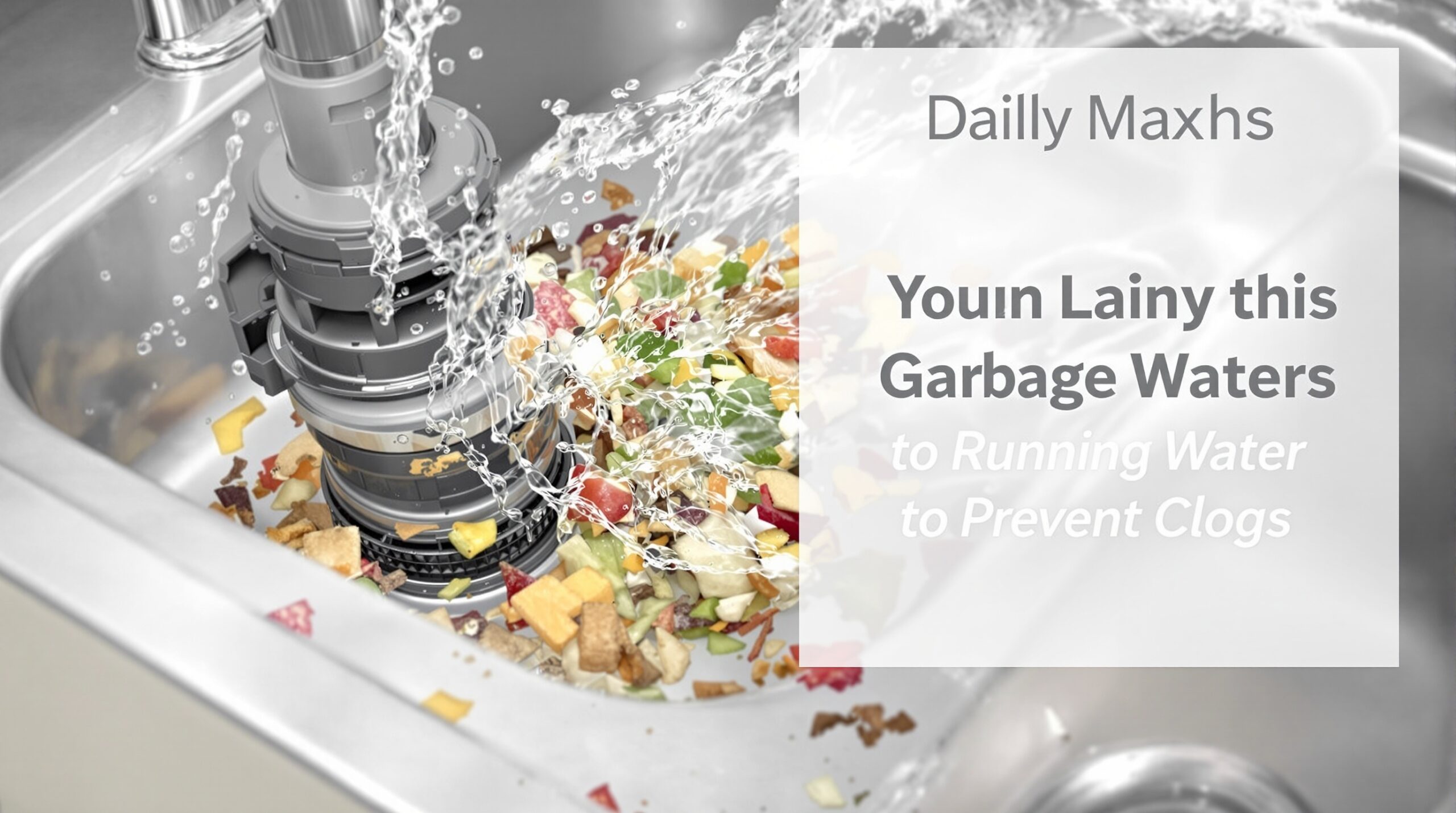
Myth 1: Running Water While Using the Garbage Disposal Prevents Clogs
Ah, the classic misconception that many homeowners cling to like a warm blanket in winter! The belief that running water while operating a garbage disposal will magically prevent clogs is as comforting as it is misleading. Many folks think that the steady flow of water sweeps food particles down the drain, keeping everything flowing smoothly. However, the reality is quite different and worth unraveling.
First, let’s address why this myth is so widely accepted. The humble garbage disposal, while a fantastic kitchen tool, is often misunderstood. Homeowners often hear advice like “just keep the water running” and assume that it’s a foolproof way to dodge plumbing issues. Unfortunately, the truth has quite a few twists and turns. A common oversight is that food waste can still clump together in pipes regardless of a steady water flow.
What’s really happening while you’re running water in tandem with the disposal is that you’re giving the sink an illusion of being clean. The truth is much darker—tiny bits of food can still become trapped in the bends of pipes or build up as sludge, leading to a pesky clog down the line. In fact, our plumbing specialists warn that excess water can even worsen these situations, creating a sludge mixture that is more difficult to flush through. This might sound shocking, but don’t worry—you’re not alone in this common misstep!
| Myth | Reality |
|---|---|
| Running water while using the garbage disposal prevents clogs. | Food particles can still clump and create sludge, leading to potential clogs regardless of water flow. |
| All types of food waste can go down the disposal. | Certain items like fibrous vegetables, bones, or grease should never be put in a disposal. |
| The disposal cleans itself. | Regular cleaning and maintenance are essential to keep the disposal working efficiently. |
The solution is to become more mindful about what you’re placing in that disposal. While it’s still a handy appliance for many kitchen scraps, always remember to monitor what’s going down the drain. Avoid putting hard-to-grind food into the disposal, and consider composting or disposing of tougher scraps in your trash. If you want to keep your plumbing in tip-top shape, treat your garbage disposal as a helpful assistant, not an all-purpose food crusher!
In summary, while the idea of running water to prevent clogs may sound sensible, it’s not as effective as you might hope. Take charge of your plumbing by being aware of what you dump down the sink and practicing regular upkeep of your disposal. Trust us—your pipes will thank you!
Up Next: Myth 2: Lemons Can Clean Your Garbage Disposal, Making It Smell Fresh
Many of us love the scent of lemons; they invoke an image of freshness and cleanliness that seems to seep into every corner of our kitchens. It’s no wonder that the idea of tossing a few lemon slices into the garbage disposal has morphed into a widely held belief: that lemons not only neutralize odors but also cleanse the appliance. However, let’s peel back the layers of this citrus-scented myth.
On the surface, this notion seems reasonable. After all, lemons are used in countless household cleaning products due to their natural antibacterial properties. But when it comes to your garbage disposal, simply throwing in some lemon wedges isn’t enough to keep things fresh. The truth is that while the zesty aroma of lemons may provide a temporary burst of fragrance, they do little to combat the fundamental issue causing odors—the buildup of food waste and grime within the unit and plumbing.
When you drop lemon slices down the disposal, they might grind up nicely, but unless combined with regular cleaning and proper maintenance, this will not eliminate any lingering smells. The acidity of lemons can help break down some light residue in the disposal, but it won’t clear away stubborn bits of decomposing food that have made a home in your plumbing. As those particles linger and break down, they serve as a breeding ground for bacteria, which, as you might expect, leads to odors far worse than any stale lemon scent.
Additionally, it’s easy to underestimate the importance of complete cleaning beyond a few lemon wedges. A good habit would be to occasionally run ice cubes through the disposal, which helps to dislodge gunk and keep the blades sharp. Combine this with a quarterly deep clean using a mixture of ice, vinegar, and baking soda, and you have a winning method for eliminating odors while ensuring your disposal stays in optimal condition.
So, yes, while a few lemon slices can deliver a delightful burst of fragrance and perhaps assist with light cleaning, they are far from a magical solution for maintaining a fresh and fully operational garbage disposal. If you’re serious about preventing odors and keeping your appliance running smoothly, it’s essential to dig deeper than citrus and incorporate a regular cleaning routine. Your senses—and your plumbing—will definitely benefit!
Next Up: Myth 3: A Slow Dripping Faucet is No Big Deal
As we shift our focus from the world of lemons and disposals to the realm of plumbing, it’s time to address a common yet insidious misunderstanding: the belief that a slow dripping faucet is no big deal. Many homeowners find themselves dismissing a steady drip, thinking it’s simply a minor annoyance that can be easily ignored. However, this seemingly innocuous drip can lead to more significant issues down the line.
Imagine this: each drop of water, while small and inconsequential on its own, accumulates over time. In fact, a faucet that drips just once every second can waste over 3,000 gallons of water in a year! That’s enough water to fill a swimming pool! Beyond the environmental impact, this continuous leakage can manifest in other troubling ways. It often signifies a deeper problem within your plumbing system, whether it’s a corroded washer, a broken O-ring, or even more extensive pipe issues that could lead to water damage—an even bigger headache for any homeowner.
Moreover, it’s not just the annoyance of the dripping sound that should raise your eyebrows. A persistent drip can increase wear and tear on your plumbing system, leading to compounded issues that may require more extensive repairs or replacements. Over time, neglected leaks can create an environment conducive to mold growth, affecting indoor air quality and posing health risks to your family.
Beyond just the physical implications, the mental burden of a dripping faucet shouldn’t be overlooked. The auditory reminder of that incessant drip can become a source of stress and distraction in your home, disrupting the tranquility of your evenings and robbing you of precious moments of peace. Who wants to listen to the rhythm of dripping water when you could be enjoying the comforting sounds of laughter or music in the background?
So, what’s the solution? The first step is awareness. Don’t let a slow drip be an afterthought. Make it a priority! If you notice a faucet leaking, determine whether it’s something you can handle yourself. A simple washer replacement might do the trick, or it may be wise to call in a professional to assess the situation more thoroughly. The aim is to nip the problem in the bud before it grows into a more complicated— and potentially costly—plumbing fiasco.
Taking action sooner rather than later not only conserves water but also saves your plumbing system from further damage. By addressing this issue, you not only foster a responsible relationship with water but also promote peace within your home. Remember, a small drip today could turn into a waterfall tomorrow; being proactive can help you keep your plumbing and your sanity intact.
Next Up: Myth 4: Flushable Wipes are Safe for Plumbing
Though they may promise convenience and cleanliness, flushable wipes have earned a notorious reputation in the plumbing realm. The crux of the problem lies in the misleading term “flushable.” Many homeowners believe that these products are designed to break down easily in water, much like toilet paper. However, the truth is far more complicated—and alarming.
When flushable wipes are introduced into your plumbing system, they tend to behave very differently than their toilet paper counterparts. Unlike toilet paper, which disintegrates and dissolves in water, most flushable wipes are made from synthetic fibers and remain intact, leading to clogs in pipes and sewer systems. Numerous wastewater treatment facilities consistently report issues stemming from flushable wipes, leading to costly backup problems and maintenance headaches.
The Problem with Flushable Wipes: A Closer Look
To illustrate the impact of flushable wipes on your plumbing, let’s take a closer look at how and why these seemingly harmless items pose problems. The table below highlights key differences between toilet paper and flushable wipes:
| Feature | Toilet Paper | Flushable Wipes |
|---|---|---|
| Material Composition | Biodegradable fibers | Plastic and synthetic fibers |
| Disintegration in Water | Dissolves quickly | Holds together, resistant to breakdown |
| Risk of Clogging the Pipes | Minimal risk | High risk |
| Environmental Impact | Lower | Higher, often ending up in landfills |
When we consider the composition of flushable wipes, it becomes apparent why they don’t play nicely with our plumbing systems. The synthetic materials used not only resist breakdown in water, but they can also combine with other debris and substances about to create hefty clogs. This can lead to laborious cleanups, plumbing repairs, and in extreme cases, backup into your home—a true nightmare scenario for any homeowner.
The myth that these wipes are safe to flush perpetuates a false sense of security, allowing us to dismiss the potential consequences. In fact, the Sewer and Water Main Initiative estimates that wipes were a contributing factor in over 90% of sewer overflows in urban areas. When thinking about convenience, it’s crucial to recognize that flushing these products can compromise an entire plumbing infrastructure, leading to messy repercussions that can affect entire neighborhoods.
So, what can you do? The answer is fairly simple: think before you flush. It’s time to let go of the misconception that flushable wipes are plumbing-friendly. Instead, opt for proper disposal methods that keep your plumbing system safe and sound. Use trash bins for wipe disposal and consider alternative hygiene options that won’t carry the same risk to your plumbing.
By taking these proactive steps, you not only protect your home’s plumbing but also contribute to the health of your community’s sewer systems. Awareness is a powerful tool. Don’t let convenience override caution; your plumbing system will thank you for it.
As we unravel these plumbing myths, prepare to dive into the next misconception: not all water heaters are created equal. Understanding the nuances of your water heater can further empower you to make informed decisions that enhance your home’s efficiency and safety.
Myth 5: All Water Heaters are Created Equal
Now that we’ve uncovered the truth behind flushable wipes, let’s shift our focus to another widespread misconception plaguing homeowners: that all water heaters are interchangeable. This notion can lead to poor choices when it comes to purchasing, maintaining, and utilizing your water heater, ultimately impacting your home’s efficiency and energy consumption.
Contrary to popular belief, water heaters come in various shapes, sizes, and types, each designed with unique features that cater to specific needs. Understanding the differences between these alternatives is vital for homeowners seeking the best performance and reliability from their systems. So let’s explore the fundamental variations in water heaters that set them apart and clarify why ‘one-size-fits-all’ simply does not apply.
The Types of Water Heaters: A Breakdown
To appreciate the diversity in water heaters, it’s essential to familiarize yourself with the three main categories:
- Tank Water Heaters: These traditional heaters utilize a large tank to store a specific volume of heated water. When you turn on the hot water tap, the heater releases pre-heated water from the tank. The advantage? You have access to hot water on demand. However, when the tank runs out, you may experience a wait for it to refill and reheat.
- Tankless (On-Demand) Water Heaters: As the name suggests, these units heat water as it flows through, eliminating the need for a storage tank. The result is a continuous supply of hot water, making them perfect for larger households. This type of heater is generally more energy-efficient, as it only consumes power when in use, but installation can involve additional considerations.
- Hybrid Water Heaters: Combining technologies, hybrid water heaters utilize a heat pump paired with a traditional heating element to generate hot water more efficiently. These heaters draw heat from the surrounding air and require minimal electricity to operate, giving them a significant edge in energy savings.
These distinct types of water heaters not only vary in function but also come with their own set of advantages, maintenance needs, and lifespans. Therefore, selecting the right one isn’t merely about finding a unit that fits in your space; it requires consideration of your household’s hot water demands, energy efficiency preferences, and long-term sustainability goals.
Your decision also has significant implications for your home’s plumbing system. For instance, a tankless heater can reduce the risk of corrosion and buildup seen in tank systems, while a poorly maintained tank heater can lead to sedimentation that affects performance. Overall, understanding the unique requirements and functions of your chosen water heater contributes to ensuring its longevity and proper integration with your plumbing system.
A crucial aspect of managing your water heater is recognizing the maintenance it requires. Regular flushing to remove sediment buildup, checking for leaks, and ensuring the unit is installed correctly can significantly impact its efficiency and lifespan. By taking proactive measures, you empower yourself to optimize the utility of your heater and prevent common problems before they escalate.
In summary, awareness is indeed the first step in debunking plumbing myths, especially regarding water heaters. Each type offers unique benefits and responsibilities that can directly influence your comfort and efficiency at home. Committing to understanding these differences equips Delaware homeowners with the necessary knowledge to maintain their systems effectively, ensuring reliable hot water when they need it most.
Keep in mind that taking these proactive steps doesn’t merely serve your own household—it contributes to the overall health of your plumbing system and the community at large. Empower yourself with knowledge and consider your options carefully before making a decision. As we wrap up this enlightening exploration of plumbing myths, remember that informed choices lead to smarter maintenance!
As we continue on this journey to debunk plumbing myths, let’s address common questions that often arise regarding plumbing maintenance in Delaware. Homeowners frequently find themselves puzzled about the best practices for maintaining their systems, such as proper disposal methods, effective leak handling, and the upkeep of water heaters. Let’s dive into these key topics, equipping you with actionable insights to keep your plumbing in optimal shape.
Proper Disposal Methods: Keeping Your Pipes Clear
One of the most frequently asked questions revolves around how to dispose of items safely and effectively. Delaware residents often wonder what can and can’t be flushed down the toilet or washed down the sink. The general rule of thumb? If it didn’t come from your body or wasn’t meant to break down naturally, it shouldn’t go in your toilet. This includes hygiene products, greasy food waste, and other household items that can lead to clogs and drainage issues.
Instead, consider environmentally friendly alternatives. For food scraps, using a compost system can effectively reduce waste while providing nutrient-rich fertilizer for gardens. For substances like cooking oil, pouring it into a sealed container and disposing of it with your household trash is the safest way to prevent plumbing disasters.
Handling Leaks: Swift Action is Key
Another common concern is how to handle leaks effectively. Homeowners often ask: “What should I do if I notice a leak?” The answer is simple: address it immediately. A small leak can quickly escalate into a much more significant problem, leading to water damage and even mold growth. Start by turning off the water supply to the affected area to minimize damage. Then, assess the situation. If it’s a minor leak from a faucet or a pipe joint, you may need just some plumbing tape or a rubber washer to fix it. However, for major leaks or if you feel uncertain, it’s wise to call in a professional plumber.
Regular inspections of your plumbing system also play a crucial role here. Check under sinks and around appliances for signs of moisture or corrosion. Early detection can save you from significant repairs down the line.
Maintaining Water Heaters: A Few Simple Steps
Now, let’s talk about water heater maintenance, which is vital for ensuring efficiency and longevity. Homeowners frequently ask how to properly care for their units. One of the best practices is flushing your water heater at least once a year to remove sediment buildup, especially for tank water heaters. This simple task can enhance performance and extend the lifespan of the heater.
Additionally, keep an eye on the temperature setting. For most households, a temperature of 120 degrees Fahrenheit is sufficient and helps save on energy costs while preventing scalding risks. It’s also a good idea to inspect the anode rod in a tank water heater every few years. This component helps prevent corrosion, and replacing it when necessary can further extend your heater’s life.
By focusing on these common plumbing maintenance queries, Delaware homeowners can take significant strides toward maintaining healthy and efficient plumbing systems. Awareness and proactive action are the cornerstones of effective maintenance. Familiarizing yourself with proper disposal methods, being vigilant about leaks, and committing to routine checks on your water heater will not only improve your home’s plumbing health but also contribute to a more sustainable community.
Remember, keeping your plumbing system in top-notch condition doesn’t have to be overwhelming. With a few simple practices and a little bit of knowledge, you can enhance your home’s water efficiency and comfort significantly. Let’s continue fostering this awareness to debunk plumbing myths together and pave the way for a healthier living environment!
When it comes to maintaining your Delaware home’s plumbing system, the journey begins with awareness. Just as we’ve exposed the myths surrounding plumbing fixtures and established the importance of understanding water heaters, it’s vital to apply this knowledge in every aspect of your plumbing maintenance. Addressing misconceptions doesn’t only enhance your awareness; it equips you with the tools necessary for proactive decision-making that ensures the longevity and performance of your plumbing system.
Awareness allows you to identify when an issue might arise before it balloons into a significant problem. For example, understanding that not all water heaters are equal leads to informed choices regarding which system suits your home best. Recognizing the maintenance needs of each type—whether tank, tankless, or hybrid—adds another layer of prevention against unexpected breakdowns. Regular maintenance—not just during a crisis but as a routine practice—ensures that your home remains running smoothly.
By staying informed about the rights and wrongs of plumbing maintenance, you’ll also develop a keen eye for potential red flags. Small problems often lead to bigger headaches if ignored. If you know the signs of wear, tear, or inefficiency, you can catch issues early, whether that’s a slow drain, unusual sounds coming from your heater, or fluctuating water temperatures. Awareness isn’t just about knowledge; it’s about vigilance and responsiveness.
Moreover, it is essential to understand that your plumbing decisions don’t end after you install a system. The world of plumbing technology is evolving, with innovations in efficiency and sustainability entering the market regularly. Keeping abreast of these developments means you can make informed upgrades to your system as needed, ensuring that you’re utilizing the best technology available to optimize your home’s plumbing longevity.
Engaging with local plumbing experts can also enhance your understanding. Don’t hesitate to ask questions during routine check-ups—this is your opportunity to learn not only about your specific system but also about broader plumbing practices. Many professionals are passionate about educating homeowners on how to keep their systems in peak condition, transforming your routine maintenance into a collaborative effort. This approach fosters a relationship where you feel empowered rather than overwhelmed by the intricacies of plumbing.
Your Delaware home deserves a plumbing system that is reliable, efficient, and tailored to your specific needs. By committing to awareness about common plumbing myths and the truths that debunk them, you are taking the first decisive step toward ensuring that your home’s plumbing remains in excellent condition. The result is a smoother running household and peace of mind knowing that you are equipped to tackle any plumbing challenge that comes your way.
So, make awareness your first line of defense. Dive into the nuances of your home’s plumbing systems, integrate regular, proactive maintenance into your routine, and advocate for your own knowledge. The journey of understanding will lead to smarter decisions, effective maintenance, and, ultimately, a home that runs like a well-oiled machine. Take those steps today, and let your newfound awareness set the foundation for a healthier, happier home.