
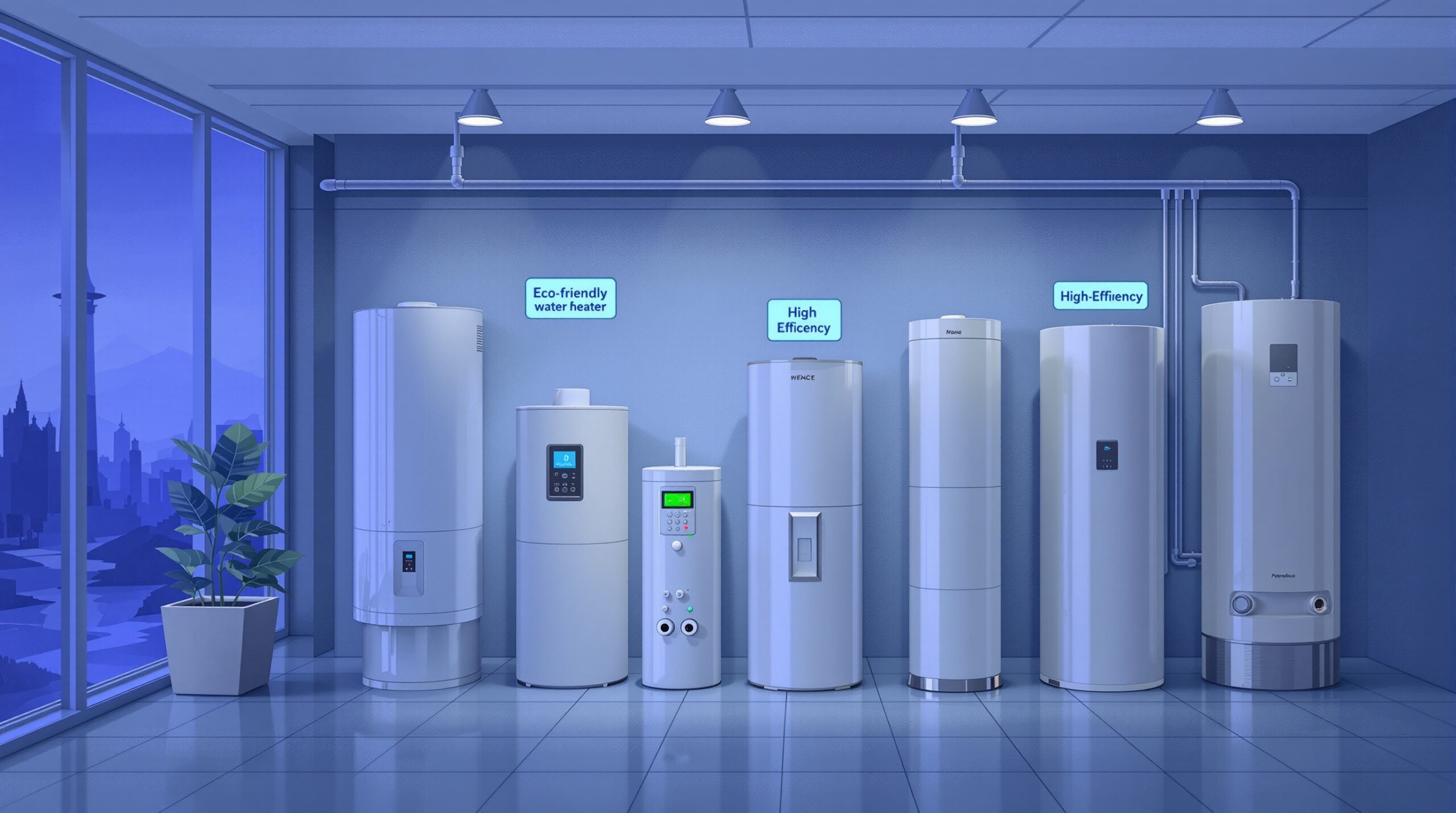
Transform Your Home with Energy-Efficient Water Heaters
Have you ever thought about how much energy your water heater uses every day? In Odessa, DE, the answer might surprise you! Energy-efficient water heaters are here to save the day—and your energy bill! These amazing devices not only heat your water but also help you cut down on energy consumption, making your home more eco-friendly.
Why Energy Efficiency Matters
Imagine waking up to a hot shower without worrying about the energy it takes to heat that water. With energy-efficient water heaters, it’s more than just a dream; it’s a reality! Not only do these heaters help create a cozy atmosphere in your home, but they also work behind the scenes to save energy, which is better for our planet. Less energy consumption means more savings for you and a healthier Earth for future generations!
Join the Energy Revolution!
As you learn about the various options available in Odessa, think of how choosing an energy-efficient water heater could transform your daily life. Summer family gatherings and winter hot baths will become even more enjoyable knowing you’re using less energy. Ready to dive in and discover the best energy-efficient water heaters for your home? Let’s explore how these amazing appliances work and why they’re the perfect addition to your house!
Understanding Energy-Efficient Water Heater Options
When it comes to choosing an energy-efficient water heater, the array of options can be overwhelming. However, understanding these options is key to making an informed decision that enhances your home’s comfort and sustainability. Energy-efficient water heaters generally fall into three categories: conventional tank water heaters, tankless water heaters, and heat pump water heaters. Each type has its unique features and advantages, empowering you to select the perfect fit for your lifestyle.
| Water Heater Type | Energy Efficiency | Performance Benefits | Ideal For |
|---|---|---|---|
| Conventional Tank | Moderate | Reliable hot water supply, lower upfront cost | Families with high hot water demand |
| Tankless | High | Endless hot water, space-saving design | Smaller households or reduced hot water needs |
| Heat Pump | Very High | Uses ambient heat to warm water, significantly lowers energy use | Homes in temperate climates looking for maximum efficiency |
Let’s delve deeper into each option, so you can determine which suits your household best:
Conventional Tank Water Heaters
These tried-and-true water heaters store a set amount of heated water in a tank, providing a reliable supply. They are known for their ability to handle fluctuating demand, making them suitable for larger families who often require hot water simultaneously. However, as they constantly heat the water in the tank for immediate use, energy consumption can sometimes be higher compared to other models. Understanding the insulation and recovery rate of the tank will help you optimize its efficiency.
Tankless Water Heaters
For those looking for a compact, high-efficiency option, tankless water heaters shine. They heat water on demand, which means they only use energy when you need hot water. This innovation not only leads to energy savings but also significantly extends the life of the unit compared to traditional heaters. Plus, their size allows for easy installation in tighter spaces—ideal for homes needing a little extra room. However, it’s essential to assess your water usage patterns to ensure a tankless model meets your household’s needs.
Heat Pump Water Heaters
Finally, heat pump water heaters utilize the principles of refrigeration to transfer heat from the air or ground to the water, making them one of the most energy-efficient options on the market. While they tend to have a higher upfront cost, their performance can lead to substantial long-term savings. Ideal for regions with moderate climates, heat pumps can be an incredible eco-friendly choice that aligns with a sustainable living ethos.
By understanding the range of energy-efficient water heater options available, you can confidently choose the unit that best fits your home’s needs. Choosing wisely can lead to lower energy consumption, improved comfort, and an overall enhanced living experience. In the next section, we’ll discuss how energy efficiency impacts your water heater’s performance, helping you maximize your home’s hot water supply while minimizing its carbon footprint.
How Energy Efficiency Impacts Your Water Heater Performance
Energy efficiency is more than just a buzzword; it profoundly influences your water heater’s performance, which in turn affects both your daily comfort and your environmental footprint. Understanding how various energy-efficient models operate allows homeowners to tap into the full potential of their systems, ensuring they enjoy uninterrupted hot water while also benefitting the planet.
At its core, energy efficiency in water heaters translates to less energy consumption for the same amount of hot water. This principle is especially vital during peak usage periods, where a traditional unit may struggle to keep up. An energy-efficient water heater will utilize advanced technology to optimize energy use, providing a steady flow of hot water without the constant strain on energy resources. For example, tankless units eliminate the wait time for heating water, offering immediate access and time savings, while also minimizing energy waste related to standby heat loss.
Performance isn’t solely about having hot water, though. It also concerns how quickly and effectively that water meets your needs. High-efficiency models often come equipped with superior insulation and faster heating elements, allowing you to reap the benefits of hot water without the prolonged wait. For larger households, understanding the recovery rate of a water heater—a measure of how quickly it can heat additional water—becomes indispensable. The performance edge gained from selecting an energy-efficient model ensures that everyone in the home gets hot water when they need it, whether it’s for showering, washing dishes or running laundry.
On the environmental front, choosing energy-efficient water heaters plays a crucial role in reducing greenhouse gas emissions. By consuming less power, these systems contribute less to the demand for energy generation, which can often come from fossil fuels. Thus, not only do you save on your energy bill, but you also participate in a broader initiative to promote sustainability. As the climate conversation becomes increasingly urgent, homeowners willing to adopt energy-efficient technologies can be part of the solution—enjoying enhanced performance while minimizing their carbon footprint.
Furthermore, the longevity of your water heater is another significant aspect influenced by energy efficiency. High-efficiency models often feature better components and advanced technology, which means they can serve you well for a longer period without the frequent repairs or replacements typical in less efficient heaters. The investment in efficiency becomes a long-term strategy for comfort, sustainability, and maintenance ease.
In summary, understanding how energy efficiency impacts your water heater’s performance allows homeowners to make informed decisions that enhance comfort, support environmental sustainability, and promote cost-saving measures over the long haul. Armed with this knowledge, you’re better positioned to navigate your options and ultimately select a system that meets your unique needs. As we shift gears in the next section, we’ll explore popular energy-efficient water heaters tailored for Odessa homes, highlighting choices that align well with the community’s demands.
Popular Energy-Efficient Water Heaters for Odessa Homes
As residents of Odessa embrace environmental sustainability and energy conservation, the demand for energy-efficient water heaters has never been higher. With an array of options available, choosing a model that fits your specific needs without compromising on performance can enhance your home’s comfort while reducing your ecological impact.
One of the standout choices for Odessa homeowners is the **heat pump water heater**. This innovative technology extracts heat from the surrounding air and uses it to warm water. Even in climates with fluctuating temperatures, heat pump units provide an efficient alternative to traditional electric heaters. With their ability to deliver three times more hot water than the energy they consume, these units effectively bolster your hot water supply without taxing your energy resources.
Another great option is the **condensing gas water heater**. These units are designed with efficiency in mind, utilizing the heat produced during combustion to pre-heat the water. This double-duty mechanism means that less energy is wasted, making them an excellent choice for those seeking a reliable hot water source while minimizing their carbon footprint. Odessa homeowners opting for condensing gas heaters encounter impressive performance, even during the hottest summer months.
For those seeking instant gratification, **tankless water heaters** have gained traction as a premier choice. Available in both electric and gas configurations, these systems heat water on demand, providing endless hot water while eliminating the energy loss associated with storage tanks. The compact size of tankless models also makes them an ideal fit for smaller spaces, a practical consideration for many Odessa residents looking to optimize their home layout.
Additionally, **solar water heaters** are becoming increasingly popular, especially in sunny Odessa. Utilizing the abundant sunlight available in the region, solar collectors harness solar energy to heat water, significantly reducing reliance on conventional power sources. Though these systems often require an upfront investment, the long-term benefits in terms of sustainability and energy independence serve as an enticing benefit for forward-thinking homeowners.
Moreover, exploring **hybrid water heaters**, which combine heat pump technology with conventional electric systems, can serve as a fantastic middle ground for those seeking enhanced efficiency without sacrificing performance. These versatile units intelligently switch between power sources based on demand, ensuring optimal efficiency throughout every season. Hybrid models perfectly blend innovation and practicality, making them a smart choice for modern Odessa homes.
Understanding your household’s hot water needs is paramount in determining which energy-efficient model is right for you. Factors such as family size, daily water consumption habits, and the available space for installation will all influence your decision. As you consider upgrading your water heater, staying informed about these popular energy-efficient options can guide you toward making a choice that aligns with both comfort and sustainability.
In the next section, we’ll delve into practical tips and solutions to maximize the efficiency of your hot water system, ensuring you get the most out of your investment while continuing to support a greener future for Odessa.
Tips and Solutions for Maximizing Efficiency in Your Hot Water System
Once you’ve selected the right energy-efficient water heater for your Odessa home, the next crucial step is to ensure that your system is operating at peak efficiency. Maximizing the performance of your hot water system not only conserves energy but also enhances your household’s overall comfort. Here are practical tips and solutions to help you achieve optimal results:
1. Regular Maintenance Checks
Just like any other appliance in your home, regular maintenance is key to ensuring your hot water system runs efficiently. Schedule annual inspections with a qualified technician to catch any issues before they escalate. During these check-ups, technicians can:
- Flush the tank to remove sediment buildup, which can significantly impact heating efficiency.
- Inspect insulation on hot water pipes to ensure minimal heat loss.
- Examine the anode rod (in traditional units) to prevent rust and corrosion.
2. Optimize Temperature Settings
Setting your water heater to the optimal temperature can dramatically impact efficiency. The U.S. Department of Energy recommends keeping your water heater’s thermostat set to 120°F (49°C). This not only reduces energy consumption but also helps prevent scalding hazards for young children and vulnerable individuals.
3. Insulate Your Water Heater
Insulating your water heater and the first few feet of hot water piping can significantly reduce heat loss. Insulation blankets are readily available and are particularly beneficial for older units. The reduction in energy loss means your heater won’t have to work as hard to maintain water temperature, promoting efficiency.
4. Use Water Wisely
Encouraging water-saving habits among family members can play a huge role in maximizing efficiency. Simple measures include:
- Repairing any leaks in faucets and fixtures promptly to prevent water waste.
- Installing low-flow showerheads and faucet aerators to reduce hot water consumption.
- Shortening showers and running only full loads in dishwashers and washing machines.
5. Invest in Smart Technology
Incorporating smart technology into your water heating system can enhance monitoring and efficiency. Consider smart thermostats that allow you to adjust settings remotely, schedule heating periods based on usage patterns, and receive alerts if your system requires attention. These devices optimize both energy consumption and convenience.
6. Leverage Local Resources
Working with local professionals can take your efficiency efforts to another level. Many Odessa-based contractors specialize in hot water system optimization and can provide tailored solutions to your home’s specific needs. Collaborating with local experts not only supports the community but also ensures you are maximizing best practices tailored to your region’s climate and resources.
Efficiency Comparison Table
| Water Heater Type | Energy Efficiency Rating | Typical Lifespan | Maintenance Frequency |
|---|---|---|---|
| Heat Pump Water Heater | 2-3 times more efficient than traditional | 10-15 years | Annual |
| Condensing Gas Water Heater | Up to 96% thermal efficiency | 12-20 years | Annual |
| Tankless Water Heater | Up to 35% more efficient | 20 years | Every 6-12 months |
| Solar Water Heater | Varies (highly efficient by design) | 15-30 years | Annual |
Implementing these tips and adopting a proactive approach can greatly enhance the efficiency of your hot water system. In doing so, you’re not only ensuring a reliable supply of hot water for your family but also contributing to a cleaner, more sustainable future for Odessa.
7. Leverage Local Resources and Professionals for Optimal Results
Maximizing the efficiency of your hot water system isn’t solely a DIY endeavor; it’s best accomplished by leveraging the local knowledge and expertise available in your community. In Odessa, a wealth of skilled professionals and resources uniquely positioned to enhance your water heating efficiency can make a substantial difference in outcomes.
Start by seeking local plumbers and HVAC specialists who understand the nuances of the region’s climate and infrastructures. These professionals bring invaluable insights gained from years of experience tailoring solutions that work best for Odessa residents. By consulting with them, you gain access to the latest in energy-efficient products and technologies that you may not be aware of.
Local professionals can also provide insights on the specific challenges associated with hot water systems in your area, such as water quality issues or seasonal demands. Their expertise can help you select the most effective maintenance schedules, troubleshoot problems before they escalate, and ultimately ensure that your system runs smoothly throughout the year.
Another significant benefit of working with local experts is the opportunity for community-based support. Many local businesses develop their services to foster relationships within the community, often offering workshops, seminars, or informational sessions focused on energy efficiency. These events can be enlightening, giving you a deeper understanding of how to operate your system efficiently and discover innovative solutions that integrate local resources.
Moreover, local utility companies often have programs or partnerships with contractors aimed at promoting energy efficiency in homes. They may provide incentives for regular maintenance, system upgrades, and even rebates for energy-efficient appliances. By collaborating with your utility provider, you can access information and support that aligns perfectly with your quest for efficiency.
Networking with fellow homeowners through local community boards or online forums can also yield impactful tips and shared experiences on hot water system optimization. Your neighbors may have already navigated similar challenges, and their firsthand accounts can provide practical advice that saves you time and effort.
Ultimately, the synergy formed by leveraging local resources and professionals fosters a more efficient hot water system tailored explicitly to your household’s needs. Not only does this approach enhance your home’s comfort and sustainability, but it also cultivates a sense of community. When you invest in expertise in your area, you ensure that your hot water system is not just operating efficiently but thriving for years to come.
Frequently Asked Questions About Energy-Efficient Water Heaters
As homeowners consider making the switch to energy-efficient water heaters, they often find themselves with a plethora of questions. Understanding the nuts and bolts of installation, lifespan, and maintenance can provide clarity and confidence in making such a pivotal choice for your home. Let’s delve into some of the most common inquiries surrounding this important upgrade.
What is the Installation Time for an Energy-Efficient Water Heater?
One of the primary concerns for homeowners making the switch is how long the installation process will take. Generally, the installation of an energy-efficient water heater can vary depending on a few factors, such as the type of system being installed and the existing infrastructure of your home. However, most installations can be completed within a few hours to a full day. Your local professional will assess your specific setup and provide a clearer timeline tailored to your circumstances. This adaptation period might feel momentarily inconvenient but will be a worthy trade-off for the long-term benefits.
What is the Expected Lifespan of Energy-Efficient Water Heaters?
Another common question pertains to how long you can expect an energy-efficient water heater to last. Generally speaking, these systems are designed for longevity, with many models lasting anywhere from 10 to 20 years, depending on maintenance and usage. This impressive lifespan makes the switch not just a current upgrade, but a lasting investment in your home’s efficiency and your family’s comfort. Regular maintenance plays a critical role in extending the lifespan of your water heater, ensuring it continues to run at peak efficiency as the years progress.
How Much Maintenance Do Energy-Efficient Water Heaters Require?
Maintenance is key to preserving the efficiency of your water heating system and avoiding unexpected issues. Most energy-efficient water heaters require minimal but essential upkeep. Regular maintenance tasks might include flushing the tank to remove sediment buildup, checking the temperature and pressure relief valve, as well as inspecting the anode rod, which protects the tank from corrosion. A yearly inspection by a professional can help keep your system in top shape, allowing it to perform efficiently over its lifespan. Remember, investing a little time in maintenance today can save you from larger concerns tomorrow.
Are Energy-Efficient Water Heaters Noisy?
Noise is another concern for many homeowners switching to an energy-efficient water heater. While newer models are designed to operate quietly, some may still produce sound during heating cycles. Users report that the sounds do not typically exceed those of traditional water heaters and are often an indicator of a functioning system. If noise becomes a nuisance, consulting with a professional can help you find solutions tailored to your specific unit.
Will I Need to Make Additional Changes to My Home?
When switching to an energy-efficient water heater, some homeowners wonder if they need to make additional changes to their home’s plumbing or electrical systems. Many new models are designed to fit into existing setups, but it’s prudent to consult a qualified professional who can evaluate your current system and recommend any necessary adjustments. These might include upgrades to wiring or plumbing if you’re opting for more advanced features. A great benefit of working with a local expert is their ability to guide you through adaptations specific to your home’s configuration.
As you consider making the transition to an energy-efficient water heater, addressing these common questions can help alleviate concerns and streamline the process. With proper knowledge, you are setting the stage for enhanced efficiency, comfort, and sustainability within your home, steering towards a greener tomorrow for Odessa.
8. Reap the Benefits of Energy Savings and a Reduced Carbon Footprint
As the world grapples with the pressing issue of climate change, taking tangible steps toward sustainability has never been more important. For residents of Odessa, one of the most impactful decisions you can make is choosing the right water heater for your home. This single decision not only influences your household’s energy consumption but also contributes significantly to your community’s overall carbon footprint. By selecting an energy-efficient water heater, you’re not just investing in immediate benefits—you’re fostering a greener, healthier tomorrow for Odessa.
Energy-efficient water heaters are designed to use less energy while providing the same level of performance, which translates to reduced energy bills over time. Imagine waking up each morning, knowing that your habits are contributing to a more sustainable environment. The right water heater can do just that by utilizing advanced technologies, such as heat pump technology or solar heating, enabling you to enjoy hot water with minimal energy expenditure.
But the benefits extend beyond immediate savings. Globally, the energy sector is a significant contributor to greenhouse gas emissions. By choosing a water heater that uses less energy, you are taking a stand against pollution. You are helping to reduce the demand for fossil fuels, thereby lessening carbon emissions that contribute to climate change. When you make the conscious decision to choose wisely, you’re playing a part in a larger movement towards environmental responsibility that Odessa can collectively champion.
Moreover, the impact of your choice ripples through the community. When neighbors invest in eco-friendly appliances, it creates a beneficial feedback loop. As more households opt for energy-efficient water heaters, the cumulative effect reduces the overall energy demand in the area. This can lead to lesser strain on local resources and utility infrastructures. In a close-knit community like Odessa, your choices carry weight; they lead to increased awareness and encourage others to follow suit, fostering a culture of sustainability.
In addition to energy savings and a reduced carbon footprint, selecting an environmentally friendly water heater often comes with advantages that enhance your home’s value. Homes equipped with energy-efficient appliances are increasingly sought after, positioning you favorably within the real estate market. This means that prioritizing sustainability not only benefits you in the here and now but also pays dividends for your home’s future.
Ultimately, the choice of the right water heater goes beyond mere functionality; it reflects your commitment to a more sustainable lifestyle. As you gather insights from local professionals and resources, think about how your decisions can shape not just your home, but the community at large. By opting for energy savings and a reduced carbon footprint, you are helping to pave the way for a greener tomorrow for Odessa—one hot shower at a time.