
Why Regular Plumbing Maintenance Matters
Hey there, Blackbird residents! Have you ever thought about how much you rely on your plumbing system every day? From your morning shower to washing the dishes after dinner, your pipes and fixtures play a vital role in your daily life. That’s why regular plumbing maintenance is so important! Not only does it help keep your home running smoothly, but it also improves the efficiency of your plumbing system.
Preventing Unexpected Problems
Imagine waking up to a leaking faucet or a clogged toilet! What a hassle! Regular maintenance can help prevent these annoying situations. By keeping an eye on your plumbing system, you catch small issues before they become big headaches. It’s like giving your home a wellness check! Plus, you get the added bonus of avoiding stressful surprises.
Saving Water and Energy
Did you know that a well-maintained plumbing system can save water and energy too? When pipes are clean and free of buildup, they work more efficiently. This not only keeps your water bills in check but also helps the environment—something we all care about! Keeping our beautiful Blackbird area clean and green starts at home.
A Healthy Home
Finally, regular plumbing maintenance helps ensure the health of your family. Issues like leaks or sewage backups can lead to mold and unpleasant smells, which aren’t just annoying but can also impact your health. Keeping your plumbing in top shape means you’re creating a safer, healthier environment for your loved ones.
So, are you ready to dive deeper into how to keep your plumbing system running smoothly for years to come? Let’s explore some easy and effective maintenance tips that every resident of Blackbird can follow!
Understanding Your Plumbing System
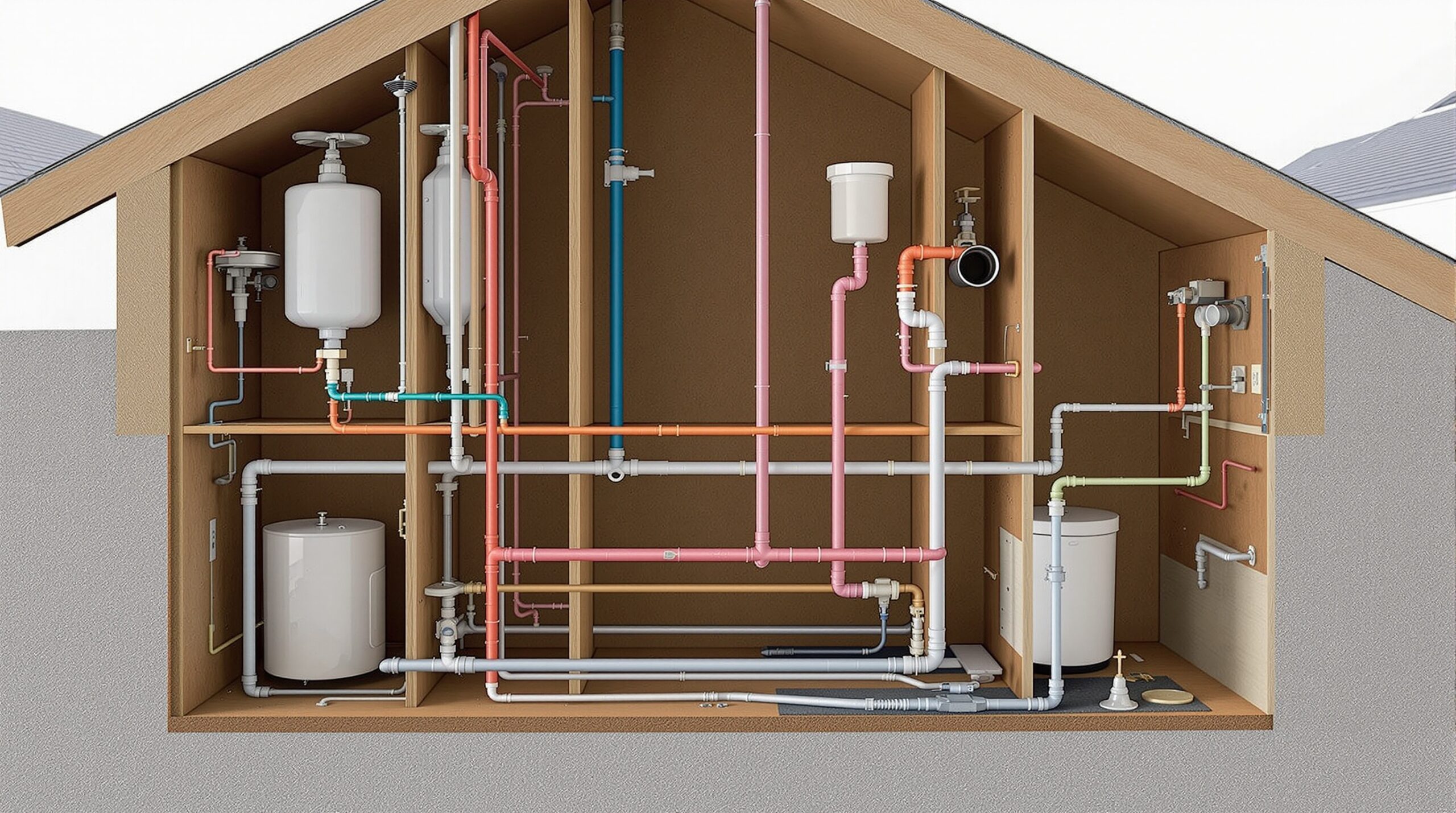
Before we delve into maintenance tips, it’s essential to familiarize ourselves with the key components of a plumbing system. Residential and commercial properties in Blackbird, DE, feature similar elements, each having a critical role in the overall function of the system. Understanding these components will help you recognize what to look for during maintenance checks and how each part contributes to the seamless operation of your plumbing. Here’s an overview:
| Component | Description | Function |
|---|---|---|
| Water Supply Pipes | Pipes that bring freshwater into your home or building. | Transport clean water for all your needs—drinking, cooking, and bathing. |
| Drainage Pipes | Pipes that carry wastewater away from your fixtures. | Remove used water and waste from your home, directing it to the sewer or septic system. |
| Faucets and Fixtures | Devices for delivering water for various uses. | Control water flow and temperature for sinks, showers, and bathtubs. |
| Water Heater | Appliance that heats water for your household needs. | Provides hot water for showers, washing dishes, and other activities. |
| Valves | Devices that control the flow of water within your system. | Shut off water supply when needed, essential during repairs or emergencies. |
| Sewage System | Pipes and connections responsible for waste disposal. | Handles the removal of sewage from your property safely. |
| Traps | Curved pipes designed to retain water. | Prevent sewer gases from entering your home by trapping a small amount of water. |
By getting to know these components, Blackbird residents can better appreciate the importance of maintaining each part. Regular inspections for signs of rust, leaks, and wear at each point in the system can be crucial. Knowledge of your specific plumbing setup empowers you to identify issues early, helping ensure you maintain a reliable and efficient plumbing system for years to come.
Scheduled Check-Ups: The Importance of Regular Inspections
Once you’ve developed a basic understanding of your plumbing system, it’s time to address the indispensable practice of scheduled check-ups. Just like routine medical examinations are essential for maintaining your health, periodic plumbing inspections ensure that your home or commercial space remains free of potentially costly issues. Consistent maintenance helps catch concerns early and prolongs the lifespan of your plumbing fixtures.
Consider this: plumbing systems endure continuous wear and tear as water flows through pipes, connections, and fixtures. Over time, the element of moisture can lead to leaks, rust, and deterioration. For example, water supply pipes can develop cracks or become corroded, drainage pipes can become clogged or sagged, and faucets can wear out unexpectedly. Each of these issues not only hampers water flow but can also lead to extensive damage if not addressed promptly.
Scheduled check-ups should encompass a thorough inspection of all plumbing components, focusing on three vital areas: leaks, rust, and wear and tear. Let’s break these down:
- Leaks: Small leaks can often go unnoticed but can lead to significant water waste and damage over time. During each check-up, inspect visible pipes, faucets, and fixtures for any signs of dripping or moisture accumulation. Don’t limit your focus to the obvious areas; check under sinks and behind appliances, and consider monitoring water bills for any unexplained spikes.
- Rust: Particularly in parts of the system that may accumulate standing water, rust can rear its ugly head. Rust not only affects aesthetics but can compromise the integrity of pipes and fixtures, leading to leaks and even full breaks. Look for reddish-brown stains and flaky residue. Catching rust early often allows for simple repairs rather than hefty replacements.
- Wear and Tear: Take a close look at the condition of all your plumbing fixtures. Faucets, drains, and valves can experience wear from regular usage, leading to malfunction. Operate your faucets and observe water flow and temperature consistency—irregularities might signal a deeper issue. Additionally, inspect valves to ensure they can open and close smoothly, as failure to do so could lead to emergency leakage situations.
Set a reminder on your calendar for these quarterly inspections. Enlist a friend or family member to help, making it a more engaging activity as you both explore the nooks of your plumbing system. As you conduct each check, ensure to document your findings and any necessary repairs, creating a plumbing log that can serve as both a record of maintenance and a tool to identify recurring issues.
By committing to these scheduled check-ups, you not only uphold the functionality of your plumbing system but also contribute to the overall health and safety of your home environment. Recognizing the importance of these inspections empowers you to take control of your plumbing, making sure it remains reliable for years to come. After all, a well-maintained plumbing system is a cornerstone of comfort within your living or working space.
Filter and Drain Cleaning: Effective Procedures for Maintaining Clear Pipes
With routine inspections in the rearview mirror, the next critical aspect of plumbing maintenance involves ensuring that your pipes remain clear and free of obstructions. Clogs can happen unexpectedly, often leading to a frustrating backup in your sinks, tubs, or toilets. However, with a little proactive effort and some household items, you can maintain the integrity of your plumbing system and prevent those pesky clogs from developing in the first place.
Let’s delve into some simple yet effective techniques to keep your filters and drains squeaky clean:
- Regularly Clean Faucet Aerators: Those little screens at the end of your faucets often accumulate mineral deposits over time, leading to reduced water flow. To clean, unscrew the aerator and soak it in a mixture of equal parts white vinegar and water for about an hour. Rinse it thoroughly before reattaching it. This tiny step can enhance water pressure significantly and keep your faucets functioning optimally.
- Perform Monthly Drain Flushes: A great preventative measure against clogs is periodically flushing your drains with hot water. Simply boil a kettle of water and pour it down your drains. This helps dissolve any greasy buildups and prevents them from solidifying. To supercharge your cleaning routine, consider adding a cup of baking soda followed by a cup of vinegar. Wait for a few minutes, then chase it all down with hot water for a deep clean that leaves your pipes refreshed.
- Use a Hair Catcher: In bathrooms, hair can quickly accumulate, leading to stubborn clogs. Invest in a hair catcher for your shower drain and regularly empty it. This simple tool can save you a lot of hassle down the line and keep your drains flowing effortlessly.
- Check and Clean Kitchen Sink Strainers: If your kitchen sink has a strainer, make it a habit to remove and clean it regularly. Food particles and grease often get trapped here, contributing to future clogs. Rinse the strainer with hot, soapy water to clear them away and ensure that your kitchen functions smoothly.
- Be Mindful of What Goes Down Your Drains: Perhaps the easiest way to maintain clear pipes is simply being conscious of what you dispose of in your sinks and toilets. Avoid flushing anything other than human waste and toilet paper, and be cautious about pouring grease or food scraps down your kitchen sink. Remember, your drains aren’t designed to handle everything!
To make drain cleaning a bit of fun, involve family members by turning it into a mini-challenge: see who can spot the most mineral buildup or who can handle cleaning the most filters. Setting a regular schedule for these activities will instill a sense of responsibility and encourage everyone to pitch in for a clean, functional plumbing system.
By adopting these straightforward procedures, you not only enhance the efficiency of your plumbing but also promote a sanitary environment throughout your home. Regular cleaning of filters and drains is an empowered step towards sustaining the longevity and reliability of your plumbing system. With proactive care, you can uncover a smoother, more efficient household that is always ready for the next flow of daily life.
- Utilize Baking Soda and Salt: Both baking soda and salt are natural cleaners that work wonders when combined. Mix half a cup of baking soda with half a cup of table salt and pour this mixture down the drain, followed by some hot water. The combination reacts to break up buildup that may lead to blockages. This eco-friendly alternative helps maintain healthy pipes without harsh chemicals.
- Perform a Visual Inspection: Every month, take a moment to visually inspect your drainage areas, including sinks, showers, and toilets. Look for any signs of discoloration or slower drainage times, which may indicate the onset of a clog. Addressing these issues early can prevent bigger headaches later on.
- Watch for Odors: Unpleasant smells can often be a telltale sign that grunge is beginning to form within your plumbing. If you notice odd odors wafting from your drains, it may be time for a thorough cleaning. Use a concoction of baking soda and vinegar as described earlier, but consider letting the mixture sit longer before rinsing it to ensure any odor-causing debris is cleared away.
- Keep a Drain Maintenance Schedule: Creating a routine for drain maintenance maximizes your plumbing’s lifespan. Consider keeping a simple table to track when each cleaning task is done. For example:
| Task | Frequency | Last Completed |
|---|---|---|
| Clean Faucet Aerators | Monthly | [Enter Date] |
| Flush Drains with Hot Water | Monthly | [Enter Date] |
| Clean Hair Catcher | Weekly | [Enter Date] |
| Inspect Kitchen Sink Strainer | Bi-Weekly | [Enter Date] |
By keeping this maintenance table handy, you transform plumbing upkeep into a manageable task rather than a daunting chore. You’ll not only stay on top of drain maintenance, but also create opportunities for family members to participate and learn about the importance of a well-functioning plumbing system.
Lastly, as you move forward with enhancing the cleanliness of your drains, embrace the power of knowledge and keep yourself informed about what can cause clogs in your specific environment. Understanding regional factors can contribute significantly to your home care strategy, setting you up for continued success in your plumbing maintenance endeavors. Stay tuned as we discuss preventive measures tailored to protect your pipes from environmental impacts specific to Blackbird, DE, ensuring your plumbing remains a robust fortress against the forces of nature.
As winter approaches, residents of Blackbird, DE, must be ever vigilant about the twin threats of freezing temperatures and the environmental challenges that can compromise the integrity of your plumbing system. Expert advice suggests several preventive measures tailored to our unique climate and geography. Here’s how to protect your pipes from freezing and other environmental impacts:
- Insulate Exposed Pipes: One of the most effective strategies for preventing pipe freeze-ups during the harsh winters is to insulate any exposed pipes. Use foam pipe insulation sleeves available at local hardware stores or even wrap pipes with old blankets during particularly cold snaps. Special attention should be paid to pipes located in unheated areas like basements, attics, and garages, as they are most susceptible to freezing.
- Maintain a Steady Thermostat: Keeping your home at a consistent temperature is crucial. Experts recommend setting your thermostat to at least 55°F, even when you’re away for an extended time. This constant warmth helps to ensure that the pipes remain above freezing. If you’re going on vacation during the winter months, consider leaving the faucet slightly dripping to allow water to flow through the pipes continuously, further reducing the chances of freezing.
- Close Off Unused Vents: As the weather turns cold, it’s common to seal up areas of the home to conserve heat. However, make sure to properly close off vents in areas that are not used or poorly insulated, like crawl spaces, to keep temperatures consistent throughout the house. Additionally, sealing any drafts from windows and doors helps reduce the overall chill in those areas that may impact your plumbing.
- Know Your Local Climate Patterns: Blackbird, DE, has its share of seasonal weather patterns, including heavy rain and snow accumulation. In preparation for heavy precipitation and freeze-thaw cycles, ensure gutters and downspouts are clear and functioning properly to direct water away from your foundation. Flooded basements can lead to significant plumbing issues that could easily be avoided with regular maintenance. Understanding these patterns empowers homeowners to take preemptive action.
- Temperature Regulation in Outdoor Faucets: Don’t overlook your outdoor hose bibs as winter approaches. Disconnect garden hoses and drain any remaining water from irrigation systems to prevent freezing and cracking. For pipes leading to outdoor faucets, it may be wise to shut off the water supply to these fixtures and drain them thoroughly to eliminate any trapped water that could freeze.
Integrating these strategies into your regular maintenance routine not only helps safeguard your plumbing system from freezing but also promotes its overall longevity. By prioritizing preventive measures that address specific environmental challenges in Blackbird, DE, you can mitigate potential issues before they arise. Remember, your plumbing system is an essential part of your home, and giving it the care it deserves ensures that it remains a reliable resource all year round.
In addition to the preventive strategies already highlighted, many residents of Blackbird have voiced common queries regarding plumbing care and the frequent issues faced in our local plumbing systems. Through understanding local challenges and taking proactive measures, homeowners can navigate these concerns with ease.
1. What should I do if my pipes freeze? If you suspect that a pipe has frozen, first turn off the water supply to minimize the risk of bursting. Next, apply heat gradually to the affected area using a hairdryer, heat tape, or a space heater—never use an open flame. As temperatures rise, keep faucets open to allow trapped water to flow out. If the pipe has remained frozen for too long, or if you have any doubts, consult a plumber for professional assistance.
2. How can I tell if I have a leak? One of the telltale signs of a leak is an unexplained increase in your water bill. Additionally, check for water stains on walls, ceilings, or floors, and listen for the sound of running water when fixtures are turned off. If you notice any damp areas or mold growth, it may be time to call in a professional plumber to conduct a thorough inspection and determine the source of the leak.
3. Are slow drains a common issue? Yes, slow drains can be a frequent problem in Blackbird, especially in older homes where tree roots may invade underground pipes or grease and debris accumulate in the plumbing system. To address slow drains, regularly clean sink traps and use a plunger or a plumbing snake for minor clogs. However, persistent slow drainage often requires expert assistance to diagnose underlying issues.
4. How often should I have my plumbing checked? It’s advisable to schedule routine plumbing inspections at least once a year, particularly before the onset of winter. Regular maintenance enables you to address minor issues before they escalate, ensuring that your plumbing system operates smoothly and efficiently year-round.
5. Is hard water a problem in Blackbird? Hard water can indeed affect many households in our area, leading to mineral deposits that can accumulate in pipes and water heaters. This buildup not only reduces efficiency but may also shorten the lifespan of your plumbing appliances. Installing a water softener can help mitigate this issue and improve water quality throughout your home.
By addressing these common queries, Blackbird residents can feel empowered to take charge of their plumbing systems. Armed with knowledge about preventative measures and solutions to frequent plumbing concerns, homeowners in this community can foster a proactive approach to plumbing care. Embracing consistent maintenance practices not only safeguards your pipes against winter’s bite but also ensures your plumbing remains a reliable ally throughout the year.
In conclusion, the techniques outlined here serve as a comprehensive guide to cultivating a robust and efficient plumbing system, especially in the face of winter’s chilling embrace. Each method, from insulating exposed pipes to understanding local climate patterns, plays a critical role in safeguarding your home from plumbing headaches. Ensuring a steady thermostat temperature and properly managing outdoor faucets are simple yet effective steps that integrate easily into your seasonal preparation routine.
The cumulative benefits of these practices cannot be overstated. They not only protect your plumbing from the perils of freezing but also extend the life of your pipes and fixtures, reducing the likelihood of unexpected breakdowns or costly repairs down the line. Regularly maintaining your plumbing system empowers you to take control, ensuring it remains reliable and functioning optimally throughout the year.
As you embrace these preventive strategies, remember that consistent maintenance is key. Take a moment to assess the current state of your plumbing and make adjustments where necessary—your future self will thank you. By adopting these practices, you contribute not only to the efficiency of your plumbing system but also to the overall comfort and safety of your home. This winter, equip yourself with the tools to combat environmental challenges and protect your plumbing with confidence; the effort you put in now will pay dividends for many winters to come.