
Common Plumbing Problems in Blackbird Homes
In the charming town of Blackbird, DE, life flows as smoothly as the gentle streams that wind through its picturesque neighborhoods. However, just like any place, homeowners and business proprietors often come face-to-face with pesky plumbing challenges. From the little drip of a faucet that seems to echo through the quiet evenings to the frustrating situation of a clogged drain that transforms a simple chore into a headache, these problems can become a source of stress.
Why Plumbing Knowledge Matters
But fear not! Understanding basic plumbing maintenance can be your secret weapon. Imagine being able to tackle simple fixes with confidence, keeping your home running smoothly without unnecessary hassles. Learning a few handy tips can empower you to maintain your plumbing system and feel like a true DIY hero!
After all, knowing how to handle these common plumbing hiccups not only makes life easier but also helps you connect with your home in a whole new way. So, if you’re ready to roll up your sleeves and dive into the world of DIY plumbing fixes, let’s explore some of the most common problems you might encounter right here in Blackbird. From leaks to blockages, you’ll be prepared to face them all like a pro!
Understanding Your Home Plumbing System
Before plunging into the specific plumbing issues, it’s vital to equip yourself with a solid grasp of how your home plumbing system functions. Picture your home as a mini metropolis, where water flows through a network of pipes, much like vehicles navigating city streets. Each component of this intricate system works in harmony to deliver water where it’s needed and remove waste efficiently.
The Anatomy of Your Plumbing System
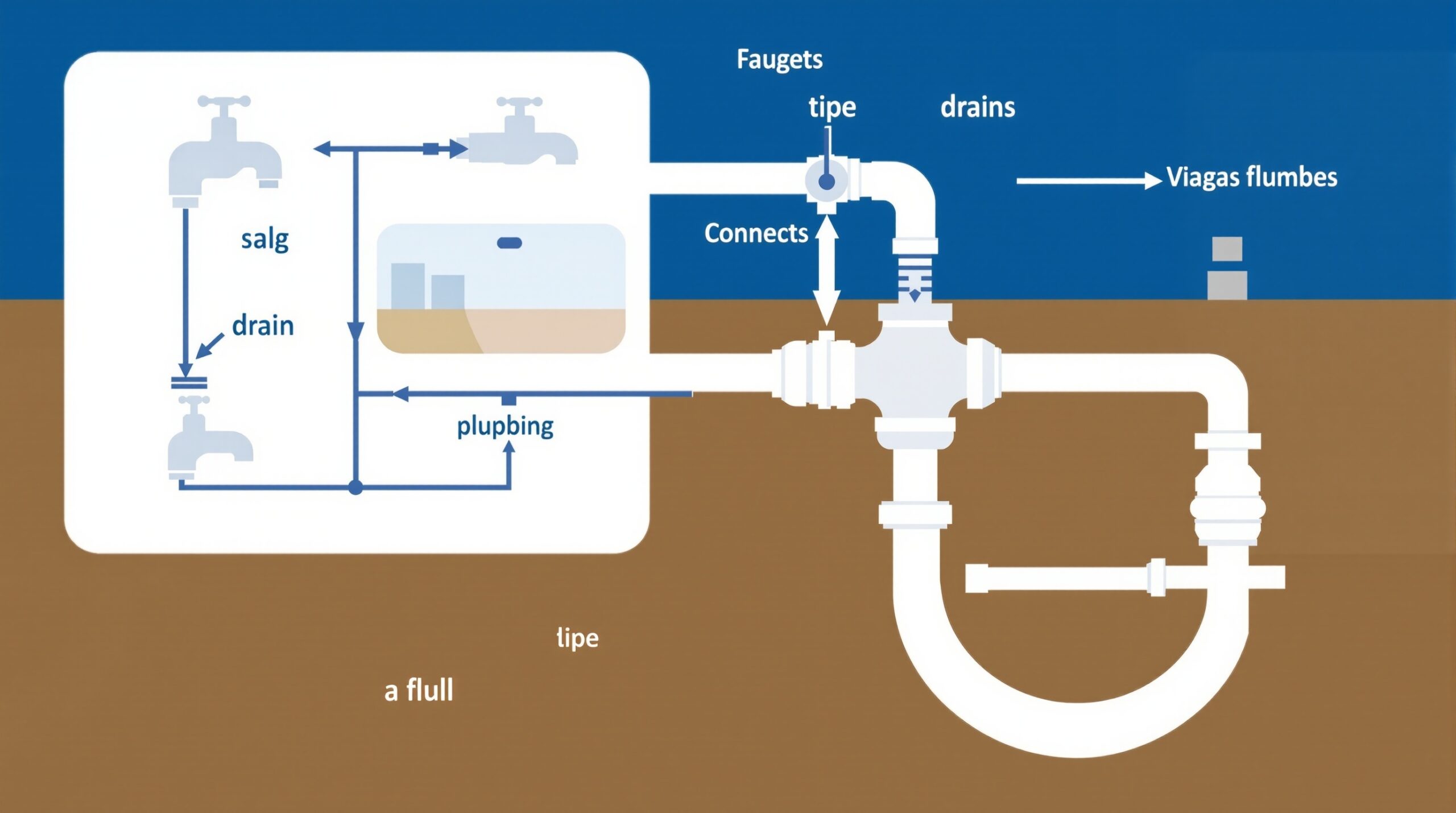
Your plumbing system can be broken down into two main components: the supply system and the drainage system. Let’s take a closer look at each of these parts:
| Component | Description | Key Features |
|---|---|---|
| Supply System | Delivers clean, potable water to faucets, showers, and appliances. | Includes pipes, valves, and fixtures designed to ensure adequate water pressure. |
| Drainage System | Responsible for removing wastewater from sinks, toilets, and baths. | Consists of pipes, traps, and vents to prevent clogs and odors. |
How Each Part Works Together
In your household plumbing network, the supply system is equipped with various valves that regulate the flow of water, which you can turn off in emergencies. To ensure smooth operation, every fixture has a drain that leads to the drainage system, where a series of sloped pipes encourage waste to flow downhill efficiently. Vents also play a crucial role by allowing air into the plumbing system to maintain proper pressure and prevent sewer gases from entering your home.
Encountering a plumbing issue? Your newfound knowledge of this interconnected system will enable you to diagnose problems more effectively. If a faucet is dripping, you might consider whether the issue originates from a faulty valve or simply a worn-out washer. Is the toilet overflowing? Understanding the basic setup allows you to assess whether it’s a blockage or a tank issue.
Proactive Steps in Home Plumbing Care
Being mindful of your plumbing setup encourages routine checks that can prevent minor issues from escalating into major headaches. Here are some proactive steps you can take:
- Regularly inspect visible pipes for signs of corrosion, leaks, or condensation.
- Know where your main shut-off valve is located and ensure it’s functioning properly.
- Educate yourself about your home’s specific layout; occasionally, upstream issues can affect the downstream flow.
- Flush out your hot water heater once a year to prevent sediment build-up.
Because knowledge is power, understanding these fundamentals equips you with the skills to detect issues early on and apply simple diagnostic techniques. This ensures that your plumbing system continues to function optimally, allowing you to enjoy the comforts of your Blackbird home without the stress of plumbing disasters. With this grounding, we can now seamlessly transition into the common plumbing problems faced by residents of Blackbird—and the quick fixes that can save the day!
Common Plumbing Problems in Blackbird Homes and Quick Fixes
Even with a basic understanding of your plumbing system, encounters with common plumbing problems are virtually inevitable over time. Homes in Blackbird, with their unique layouts and infrastructures, face specific issues that, with a little know-how, you can address swiftly. Let’s explore some of the frequent plumbing dilemmas and their quick fixes that could save you from a bigger headache later on.
1. Dripping Faucets
That incessant drip from your kitchen or bathroom faucet can be more than just an annoyance; it can symbolize a bigger problem. Typically, a dripping faucet is due to a worn-out washer or O-ring. To fix it, turn off the water supply, disassemble the faucet, and replace the affected parts. Reassemble everything securely, and enjoy a drip-free experience.
2. Slow Drains
Are your sinks taking ages to drain? This could indicate a minor clog. Begin by removing any visible debris from the drain. If the problem persists, try using a plunger or, for more stubborn clogs, a mixture of baking soda and vinegar. Pour a cup of baking soda down the drain, followed by a cup of vinegar. Let it sit for 15 minutes, then flush with hot water for a refreshed and free-flowing drain!
3. Running Toilets
A constantly running toilet isn’t just a minor inconvenience — it can be a significant source of wasted water. This problem can typically be traced back to a faulty flapper, chain, or tank float. To resolve this, remove the tank lid and check the flapper for obstructions or wear. Replace it if necessary, ensuring it creates a good seal. Adjust the chain length or float position if needed to restore proper function.
4. Clogged Showerheads
If you notice water not streaming freely from your showerhead, mineral build-up could be the issue. Fill a plastic bag with vinegar and secure it around the showerhead, allowing it to soak overnight. The acidity will help break down the mineral deposits. In the morning, simply remove and wipe clean for an invigorating shower experience.
5. Leaky Pipes
A leaky pipe might seem alarming, but a proactive approach can often curb the situation. Locate the leak and dry the area thoroughly, then wrap it with a piece of rubber or silicone tape for a temporary fix. Over time, consider replacing the damaged section of pipe entirely or consulting a professional for a more permanent solution.
6. Low Water Pressure
Experiencing low water pressure in specific areas of your home can stem from a build-up of sediment in the aerators or supply lines. Check the aerator screens on faucets and clean them to restore water flow. If the issue persists, inspect your main supply line for leaks or obstructions, and consider flushing your entire plumbing system if necessary.
By recognizing these common plumbing issues and how to tackle them quickly, you can maintain control over your home’s plumbing health. Remember, addressing these minor inconveniences through simple fixes empowers you to handle potential plumbing crises before they unfold into larger problems. With your toolbox at the ready, let’s gear up for the next part of our plumbing journey — Essential Plumbing Maintenance DIY Tips!
Essential Plumbing Maintenance DIY Tips
Preventing plumbing issues before they arise is a vital part of home ownership, especially in the charming Blackbird homes. By adopting proactive habits, you can not only extend the lifespan of your plumbing system but also safeguard your living space from unnecessary stress and repairs. Here are some essential DIY maintenance tips to keep your plumbing in top shape:
1. Regularly Inspect Your Plumbing Fixtures
Make it a habit to regularly inspect your plumbing fixtures, including faucets, sink traps, and toilets. Look for signs of wear, leaks, or corrosion. Addressing minor issues during these inspections can prevent them from becoming major problems. For instance, if you notice any water spots around fixtures, it may indicate a small leak that requires immediate attention.
2. Clear Out Vents and Drains
Over time, debris can gather in plumbing vents and drains, leading to clogs and poor airflow. To keep these areas clear, periodically use a plumbing snake or a drain auger to remove build-up from drains. You can also use a garden hose with high pressure to flush out gunk from vented areas on the roof, ensuring proper drainage flow.
3. Flush Your Water Heater
Your water heater works hard daily, so pampering it with some extra TLC goes a long way. Every six months, consider flushing the tank to remove sediment build-up that can affect efficiency. To do this, simply turn off the power or gas, attach a garden hose to the drain valve, and let the water run until it flows clear. This simple step can improve the longevity of your heater and maintain optimal performance.
4. Monitor Your Water Bill
Keeping an eye on your monthly water bill can provide insight into potential plumbing issues. Sudden spikes in usage often signal hidden leaks or other problems. By tracking your consumption, you can take early action, potentially saving yourself from extensive repairs and damage later on. Make a note to compare readings regularly, noting any unusual changes.
5. Use Drain Screens
Consider installing drain screens in sinks, showers, and bathtubs to catch hair, food particles, and other debris that can lead to clogs. Regularly cleaning these screens will ensure a smooth drainage process and significantly reduce the likelihood of blockages, making this an easy yet effective maintenance strategy.
6. Know Your Main Water Shut-Off Valve
Every homeowner should know how to locate the main water shut-off valve. In the event of a leak or bursting pipe, turning off the water supply promptly can prevent excessive damage. Make this knowledge part of your household’s emergency protocol, ensuring every family member is aware of its location and function.
7. Insulate Exposed Pipes
In colder months, pipes are at risk of freezing and bursting, especially if they are exposed. Insulate any vulnerable pipes with foam pipe insulation to protect them from extreme temperatures. This simple step not only prevents freezing but can also enhance energy efficiency, keeping your home warm during the winter months.
By integrating these maintenance tips into your home care routine, you can harness the power of prevention over reaction. With a little diligence, the plumbing system in your Blackbird home can thrive, allowing you to focus on enjoying your space without the disruption of plumbing problems. Empower yourself with these manageable tasks, and take the next proactive step in ensuring the health of your plumbing system!
Preventative Measures to Avoid Plumbing Issues
While the DIY maintenance tips we’ve explored are crucial for the upkeep of your plumbing, taking extra preventative measures can further enhance the longevity and functionality of your systems. Here, we delve into specific actions and habits that Blackbird homeowners can adopt to avert common plumbing troubles and create a more resilient home environment.
1. Educate Yourself on Plumbing Basics
Understanding the fundamentals of your plumbing system is invaluable. Familiarize yourself with how the system operates, from the main water line to the fixtures in your home. Know the common terms associated with plumbing, such as the role of traps, drain vents, and vent stacks. This knowledge will empower you to identify issues early and communicate effectively with professionals if ever needed.
2. Schedule Annual Professional Inspections
No matter how diligent you are with DIY maintenance, scheduling a professional plumbing inspection once a year is a smart move. Professionals can check areas that may be out of sight or hard to access, such as hidden pipes in walls or beneath the foundation. They can also detect early signs of deterioration, ensuring that any necessary repairs are made before small problems turn into costly disasters.
3. Be Mindful of What Goes Down the Drain
It may seem straightforward, but being intentional about what goes down your drains can save you from future headaches. Avoid flushing anything other than toilet paper down the toilet, and steer clear of pouring grease, coffee grounds, and fibrous foods down the kitchen sink. Consider keeping a small trash bin nearby to dispose of items that could clog your plumbing.
4. Check Your Sump Pump Regularly
If your home has a sump pump, make it a regular practice to test it monthly. Simply pour a bucket of water into the sump pit to ensure the pump activates and drains efficiently. Keeping your sump pump in good working condition is crucial during heavy rains, preventing unwanted flooding and water damage in your basement.
5. Maintain Proper Grading Around Your Home
The landscape around your home plays a pivotal role in your plumbing health. Ensure that the grading around your foundation directs water away from your home. Proper drainage prevents water from pooling and potentially infiltrating your pipes and basement. Make adjustments to soil grading or install drainage systems if necessary to avoid future plumbing complications.
6. Create a Plumbing Care Schedule
Staying organized can enhance your home maintenance efforts significantly. Create a plumbing care schedule that outlines when to perform specific tasks, such as drain cleaning, fixture inspections, or water heater maintenance. By keeping your plumbing care organized and routine, it becomes easier to spot potential issues and stay ahead of any required actions.
7. Use Chemical Drain Cleaners Sparingly
While chemical drain cleaners may offer a quick fix for clogs, using them frequently can lead to damage within your pipes over time. Opt for natural alternatives—such as baking soda and vinegar—for minor clogs or utilize your plumbing snake when necessary. These safer approaches not only help maintain the integrity of your pipes but also contribute to a healthier environment.
| Preventative Measure | Description | Frequency |
|---|---|---|
| Inspect Plumbing Fixtures | Check for wear, leaks, and corrosion. | Monthly |
| Professional Inspection | Annual check-up of the plumbing system. | Annually |
| Test Sump Pump | Ensure the sump pump activates and drains properly. | Monthly |
| Maintain Grading | Direct water away from the foundation. | Seasonally or after heavy rains |
| Flush Water Heater | Remove sediment build-up for efficiency. | Every 6 months |
By incorporating these preventative measures into your home care routine, you can significantly reduce the likelihood of plumbing mishaps. A proactive approach not only protects your investment but also provides peace of mind, allowing you to embrace the charm of your Blackbird home without the worry of sudden plumbing disasters. Ready to arm yourself with the best tools for your plumbing toolkit? Let’s explore what every Blackbird resident should have in their plumbing kit!
Tools Every Blackbird Resident Should Have in Their Plumbing Kit
Maintaining your home’s plumbing system doesn’t have to be daunting. With the right tools at your disposal, you can tackle minor issues confidently, saving time and worry. As a resident of Blackbird, DE, it’s essential to equip yourself with a plumbing toolkit that suits your needs. Let’s delve into the must-have tools for any effective plumbing kit!
1. Plumber’s Wrench
A plumber’s wrench, or adjustable wrench, is a staple in any plumbing toolkit. This versatile tool allows you to grip and turn nuts and bolts with ease. Whether you’re tightening fittings or loosening pipes, having a quality plumber’s wrench will come in handy for most plumbing tasks around the home.
2. Pipe Inspection Camera
A pipe inspection camera is an invaluable asset for homeowners looking to troubleshoot hidden plumbing issues. This small camera on a flexible cable can navigate through pipes, providing a clear view of blockages or damage. Being able to see the condition of your pipes enhances your understanding and helps in making informed decisions for repairs.
3. Plumber’s Snake
For those pesky clogs that household drain cleaners can’t handle, a plumber’s snake (or auger) is a must-have tool. This long, flexible tool can reach deep into your pipes to break up clogs, whether they’re in your sink, shower, or toilet. Investing in a quality plumber’s snake can save you a great deal of frustration down the line.
4. Pliers
Having a good set of pliers is essential for gripping and twisting. Slip-joint pliers are particularly useful, as their adjustable jaw allows you to manage various sizes of fixtures with ease. Keep a pair handy for all kinds of plumbing jobs, from gripping pipe fittings to holding or adjusting other tools.
5. Faucet and Showerhead Aerator Tool
Over time, aerators can become clogged with mineral deposits, leading to reduced water flow. A specialized aerator tool makes it easy to remove and clean faucet and showerhead aerators, ensuring that your fixtures are functioning at their best. Regular cleaning can enhance the efficiency and lifespan of your faucets.
6. Pipe Cutter
If you ever need to replace a section of pipe, a pipe cutter is the tool you’ll want to have. This handy tool allows for a clean, straight cut, essential for ensuring a proper fit during repairs or installations. Having a pipe cutter in your plumbing kit will enable you to approach pipe replacements with confidence.
7. Plumber’s Tape (Teflon Tape)
Plumber’s tape is essential for sealing threaded fittings and preventing leaks. A roll is compact, inexpensive, and can make a world of difference when it comes to ensuring proper sealing. Always keep a roll in your plumbing kit to use whenever you’re screwing fittings together, offering peace of mind against potential leaks.
8. Bucket
A sturdy bucket is an often-overlooked necessity for any plumbing kit. It can catch water that might spill during repair work or be used to collect debris while cleaning drains. A bucket adds a level of preparedness and prevents messes as you tackle various plumbing tasks.
9. Utility Knife
Whether it’s for slicing through tape, removing old caulk, or handling various packaging, a utility knife is a utility player in your plumbing toolkit. Keep one handy for all the versatile tasks that might come up during your plumbing maintenance. Sharp and durable, it can make tedious jobs much simpler.
10. Safety Gear
Finally, remember to include some safety gear in your plumbing toolkit. A pair of gloves will protect your hands from chemicals and sharp edges, while safety goggles can shield your eyes from debris when working in tight spaces. Safety should always be your top priority when working on plumbing tasks!
With these essential tools at your disposal, you can address common plumbing issues with confidence and efficiency. Remember, being equipped means being prepared, and a little proactive inventory can go a long way in safeguarding your Blackbird home against plumbing mishaps. Now, let’s dive into some tips for maintaining your plumbing system effectively!
FAQ Section
As a responsible homeowner in Blackbird, it’s natural to have questions about managing plumbing issues. To help you stay informed and prepared, we’ve compiled a list of frequently asked questions regarding plumbing maintenance. Let’s tackle these common inquiries to enhance your plumbing knowledge.
How often should I check my plumbing for issues?
Regular plumbing inspections can save you significant headaches down the line. Ideally, you should check your plumbing at least twice a year. Look for leaks, corrosion, and any wear and tear around fixtures and pipes. Additionally, it’s wise to inspect your plumbing after severe weather events, as fluctuating temperatures can affect your system. By maintaining a routine check-up, you can catch small issues before they become major problems.
Do I need a professional for minor leaks?
While minor leaks can often seem like an easy fix, such as a dripping faucet or a slow leak under the sink, it’s crucial to assess the situation carefully. If you have the skills and tools, you might successfully tackle these minor leaks on your own. However, if you’re unsure or the leak persists, it’s wise to seek a professional’s help to avoid further damage or escalation of the issue. Remember, addressing leaks promptly can prevent water damage and mold growth in your home.
What should I do if my drains are perpetually slow?
If you’re experiencing perpetually slow drains, don’t panic. Start by trying to clear any visible debris using a plumber’s snake or a mixture of baking soda and vinegar. If these methods don’t resolve the issue, consider using a pipe inspection camera to pinpoint the problem without invasive methods. Persistent slow drains may indicate deeper issues within your plumbing, like tree root intrusion or pipe corrosion. In such cases, it’s best to consult a plumbing professional who can conduct a thorough assessment and recommend appropriate solutions.
By keeping these FAQs in mind, you can approach your plumbing responsibilities with confidence. Remember, knowledge and proactive measures are your best allies in maintaining a functional plumbing system in your Blackbird home.
Now that you’re armed with the essential tools, it’s time to shift your focus to maintenance techniques that will keep your plumbing system in peak condition. In Blackbird, DE, where local weather and common plumbing issues may impact your system, staying ahead of potential problems is crucial. Here are some DIY plumbing maintenance tips that can help you tackle minor issues confidently and ensure that your plumbing continues to function smoothly.
1. Regularly Check for Leaks
One of the simplest yet most effective maintenance steps you can take is to regularly inspect your home for leaks. Check under sinks, around toilets, and behind appliances to catch any signs of moisture or dripping. If you spot a leak, use your plumber’s wrench to tighten fittings, or apply plumber’s tape to threaded connections. Early detection can save you from more significant issues down the road.
2. Keep Your Drains Clean
Clogs can quickly escalate from minor annoyances to major headaches. To prevent this, regularly clean your drains by pouring a mixture of baking soda and vinegar followed by warm water. This natural solution breaks down buildup and keeps your pipes flowing freely. For tougher clogs, utilize your plumber’s snake to reach deeper into the pipes. Remember, routine maintenance can help ward off nasty surprises!
3. Maintain Water Pressure
Water pressure issues can stem from a variety of factors, so keep an eye on your faucets and showerheads. If you notice a drop in pressure, it might be time to check for aerator clogs or sediment buildup. Make it a habit to clean aerators every few months with your aerator tool. This small act can significantly enhance water flow and improve your daily shower experience!
4. Flush Your Water Heater
For seamless hot water access, take the time to flush your water heater at least once a year. This helps remove sediment buildup and maintains efficiency. Refer to your manufacturer’s instructions for guidance on how to do it properly, but having a bucket on hand will help you to manage any water that flows out during the flushing process. Staying on top of this task will ensure your water heater operates smoothly throughout the year.
5. Insulate Pipes in Cold Weather
During Blackbird’s colder months, ensure your pipes are insulated to prevent freezing—a burst pipe can lead to extensive damage. Use foam pipe insulation sleeves from your local hardware store to cover vulnerable pipes, especially those in unheated areas, such as basements and attics. This proactive measure is simple and can save you countless headaches when the temperatures drop.
6. Service Your Sump Pump
If you have a sump pump, it’s essential to keep it in good working order, especially during heavy rainfalls common in Delaware. Inspect and clean the pump regularly, ensuring it’s free of debris and functioning correctly. Test it by pouring a bucket of water into the pit—the pump should activate and drain the water promptly. Regular servicing of your sump pump provides peace of mind and protects your home against water damage.
7. Know the Location of Your Main Shut-Off Valve
In case of an emergency, knowing how to quickly shut off your home’s water supply is vital. Familiarize yourself with the location of your main shut-off valve; typically, it’s situated near the water meter or where the main water line enters your home. If a significant leak occurs, being able to shut off the water quickly can prevent extensive damage. It’s a small detail that has big implications!
8. Be Mindful of What Goes Down the Drain
Practice good habits when it comes to your drains. Avoid flushing anything other than toilet paper down the toilet and be cautious about what you dispose of in your sinks. Items like grease, coffee grounds, and hair can create clogs. Educating your household about these practices can significantly reduce the frequency of plumbing issues—much easier than dealing with clogs later!
With these maintenance tips, you’re now equipped to handle minor plumbing issues that may arise and keep your home running smoothly. Remember, a little proactive care goes a long way, ensuring that your plumbing system remains reliable for years to come. By prioritizing regular maintenance, you can confidently approach even the most minor of plumbing tasks, providing peace of mind as a proud resident of Blackbird, DE!