
Why Your Water Heater Matters
As a homeowner in Warwick, DE, you know how essential hot water is for daily life. Whether it’s a hot shower after a long day, warming up your dishes, or doing laundry, we often take our water heaters for granted. But did you know that optimizing your water heater’s performance and efficiency can save you energy and make your home more comfortable?
Understanding the Lifespan
Most water heaters have a lifespan of about 10 to 15 years. However, as they age, their performance can decline. This means longer wait times for hot water and even lower pressure. Nobody enjoys waiting for that first rush of hot water, especially during a cold Warwick morning!
Spotting the Signs
So how can you tell if it’s time to replace your water heater? Well, there are some telltale signs that every homeowner should watch for. In this guide, we’ll dive into those clues, ensuring you’re not left in the chilly water when you least expect it.
Stay Ahead of the Game! By recognizing the importance of your water heater’s efficiency, you can ensure that your home runs smoothly and comfortably. Join us as we explore the signs that signal it’s time for a change, helping you keep your hot water flowing effortlessly!
Recognizing the Age and Condition of Your Water Heater
As you settle into your daily routine, it’s easy to overlook the age and condition of your water heater tucked away in the basement or utility closet. Yet, just like any appliance, water heaters come with an expiration date, and staying vigilant can spare you from surprises when you least expect them. When assessing whether your water heater is still up to the task, consider several critical facets that can help you gauge its age and performance.
The Importance of a Serial Number
Many homeowners aren’t aware that the serial number on their water heater holds a wealth of information. Typically located on a label affixed to the side of the unit, the serial number can often tell you its manufacturing date. Most brands encode the production year and month directly into this number. Here’s a simple breakdown of how to interpret the serial number:
| Brand | Format Example | Manufacturing Date |
|---|---|---|
| AO Smith | 1234567E108 | October 2018 |
| Rheem | 12345678216 | January 2016 |
| Bradford White | 12345678 | March 2015 |
By simply decoding this number, you can quickly establish whether your water heater is nearing the end of its viable lifespan. If your unit is approaching or has surpassed the 10-15 year mark, it’s high time to keep a close eye on its performance.
Physical Signs of Aging
Beyond the serial number, physical indicators offer valuable insights into your water heater’s health. Pay attention to:
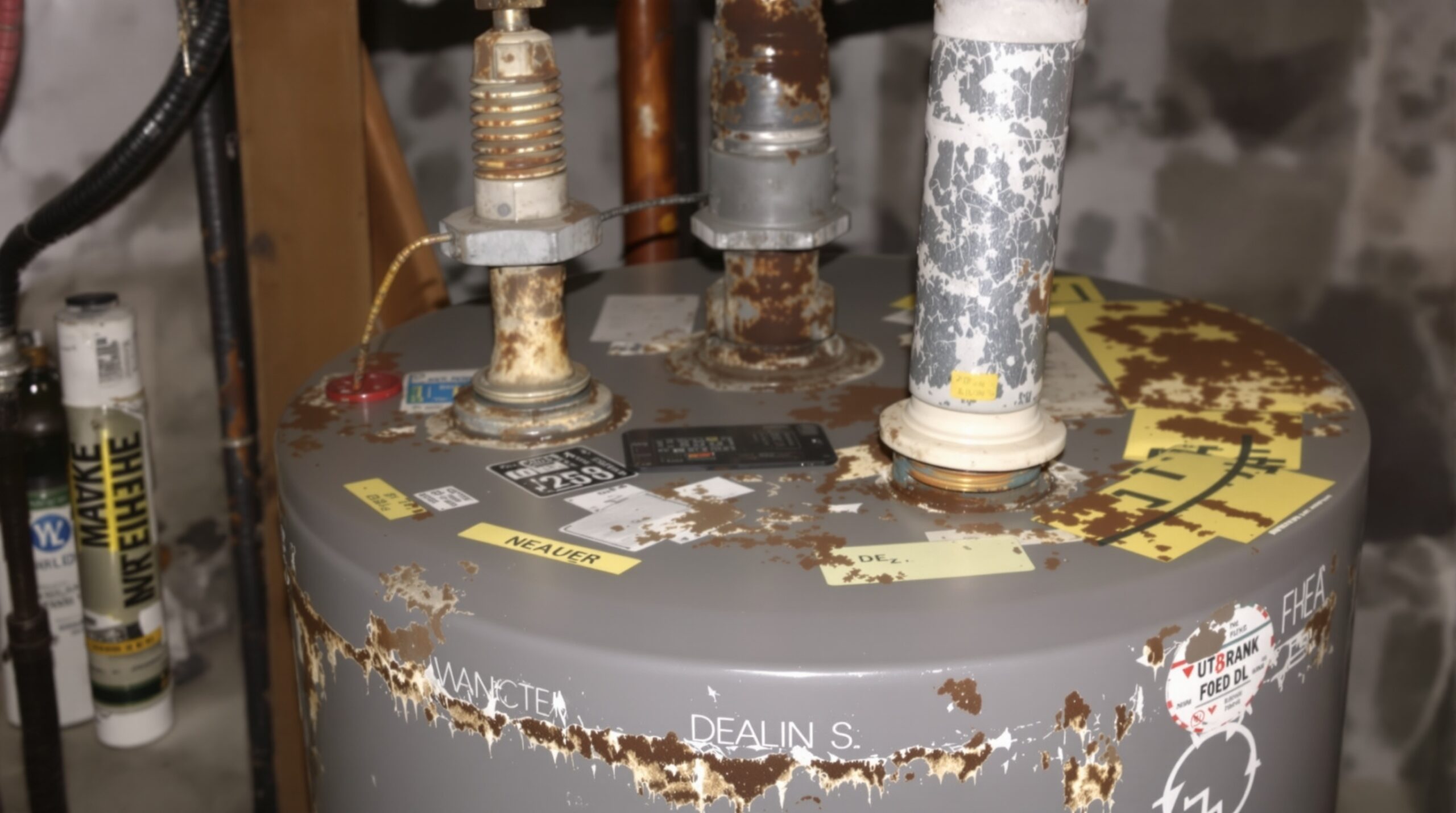
- Rust and Corrosion: Look for signs of rust on the tank or pipes. Rust can indicate that your unit is degrading internally.
- Leakage: Puddles or moisture around the base of your heater should raise an alarm. This could be a harbinger of significant issues that could necessitate replacement.
- Noisy Operation: Strange sounds—like popping, rumbling, or hissing—indicate sediment buildup inside the tank, which can compromise efficiency and may signal an aging unit.
Monitor Performance Metrics
Even if your water heater doesn’t show any physical signs of aging, it’s important to track its performance. Have you noticed a decline in hot water availability or an increase in wait times? If your same shower routine that once had you feeling fresh is now reminiscent of a cold dip, that’s a sign your water heater might need an upgrade.
Recognizing the collective signs of age and wear not only keeps you warm and comfortable but also aids in maintaining the efficiency of your home. By being proactive in understanding the condition of your water heater, you can avoid unwanted disruptions and extend the lifespan of your household’s hot water supply.
Stay alert and informed! Next, we’ll delve into another critical consideration—the frequency of repairs—as a major indicator for replacement. If your water heater seems to be in the repair shop more often than in your home, it may be time to reconsider your options.
Frequent Repairs as a Major Indicator for Replacement
Imagine this scenario: it’s early morning, and you’re bracing yourself for a hot shower to kick-start your day. As you turn the tap, you’re met with a chilling surprise—cold water! If this situation sounds familiar, you’re not alone. Frequent water heater repairs can signal a much larger problem brewing beneath the surface. As we navigate the waters of maintenance and potential replacements, understanding the impact of continual repairs is crucial for the longevity and comfort of your home.
The Repair Cycle Dilemma
Water heaters, like all appliances, are not exempt from wear and tear. However, when a unit requires multiple repairs within a short timeframe, this should serve as a flashing warning sign. It’s important to recognize that the more your water heater requires attention, the closer it gets to the end of its operational life. Frequent repairs can indicate underlying issues that simple fixes simply cannot resolve.
Consider this: each time a repair is made, it may only be addressing the symptoms of a larger problem rather than the root cause. A malfunctioning thermostat, a corroded tank, or a failing heating element can result in short-term fixes. But if those issues repeatedly resurface, it’s a clear indication that your water heater is struggling to keep up with your household demands and likely needs to be evaluated for replacement.
Common Repair Issues to Monitor
To better understand whether your water heater is on its last legs, keep an eye out for these common issues:
- Thermostat Malfunctions: If you find yourself constantly adjusting the thermostat only to end up with lukewarm water, this could be an indication of a faulty unit that can disrupt your daily routine.
- Repeated Leaks: A single leak might be a simple fix, but if leaks become a recurring theme, it’s time to evaluate the overall health of the system.
- Heating Element Failures: Constantly replacing heating elements can be a direct sign that the tank is nearing its end or improperly maintaining the heating process.
The Impact on Energy Efficiency
It’s not just the inconvenience of cold showers that makes frequent repairs concerning; they can also hint at dwindling energy efficiency. Water heaters that are frequently repaired often struggle to operate at optimal levels. This inefficiency can lead to higher energy consumption, which not only affects your comfort but may also be chipping away at the energy efficiency of your home. Essentially, frequent repairs can be an expensive pattern that not only drains your resources but also disrupts your daily routine.
When repairs become a staple of your home maintenance routine, it is time to shift your focus. Replacement options might seem daunting, but a new, energy-efficient model can end the cycle of little headaches that accumulate into significant stress. Think of it as an investment—one that assures you an uninterrupted supply of hot water, fewer repairs, and long-term efficiency.
As we lean into the next stage of investigating your options, remember that the frequency of repairs can be a pivotal factor in deciding whether it’s time to retire your old water heater. In our next section, we will explore Energy Efficiency: A Core Consideration in Water Heater Replacement, an essential topic as you consider your next steps toward a reliable hot water solution.
Energy Efficiency: A Core Consideration in Water Heater Replacement
As we plunge deeper into the importance of water heater replacements, one pivotal factor stands out: energy efficiency. In an age where sustainable living is more than just a buzzword—it’s a way of life—making energy-efficient choices is crucial not just for the environment, but for your home dynamics and comfort as well. Today’s market offers a range of cutting-edge water heaters designed to be more efficient than ever before, positioning energy efficiency as a core consideration in your replacement decision.
The Growing Importance of Energy Efficiency
The push for energy-efficient appliances has never been stronger. With rising energy costs and increasing awareness of environmental issues, choosing a water heater that conserves energy is akin to embracing a more responsible lifestyle. An energy-efficient water heater uses less fuel to heat water effectively, meaning you can enjoy that steamy shower without the burden of excessive energy consumption weighing you down. As you deliberate over your options, consider how energy efficiency can enhance your everyday life and contribute to broader environmental goals.
Modern Innovations in Water Heating Technology
Today’s water heaters are equipped with advanced technologies that set them apart from their predecessors. Think of smart thermoregulators that learn your usage habits or tankless models that provide instant hot water without the need for bulky storage. These innovations not only provide greater convenience but also significantly enhance energy savings. By evaluating the energy efficiency ratings of different models, you can identify solutions that seamlessly integrate into your routine while driving down your environmental footprint.
Long-Term Benefits Beyond Hot Water
Choosing an energy-efficient model extends beyond immediate gratification. The benefits manifest over time, contributing to a more sustainable home footprint. With lower energy consumption comes reduced greenhouse gas emissions, aligning your home with eco-friendly practices. Furthermore, many modern models incorporate advanced insulation and design, which work together to maintain temperature consistency, allowing you to enjoy hot water whenever you need it while consuming less energy.
Another consideration is the longevity of efficient water heaters. With fewer energy strains placed on modern units, they’re less likely to encounter issues that lead to frequent repairs. This robustness translates not only into fewer interruptions in your hot water supply but also into a more reliable appliance that you can count on for years to come. Ultimately, investing in energy efficiency is investing in a future where comfort and sustainability can coexist harmoniously.
As you pivot from the frequency of repairs to the technology that can revolutionize your hot water experience, it’s essential to appreciate how energy efficiency can impact your decision to replace your water heater. In our next installment, we will delve into another key aspect of your water heating system: Evaluating Water Quality and Temperature Consistency—a crucial focus as you fine-tune the details of your hot water needs and preferences.
Evaluating Water Quality and Temperature Consistency
As you consider the nuances of your water heater replacement, two elements emerge as paramount: water quality and temperature consistency. The benefits of an energy-efficient unit are only realized if the water it produces is clean and at the right temperature—that sweet spot where comfort meets hygiene. Let’s take a closer look at how you can evaluate these essential factors when selecting your new water heating system.
Understanding Water Quality
Water quality is often an overlooked aspect of home maintenance, yet it is vital for both health and comfort. Contaminants such as sediment, chlorine, and hard minerals can significantly degrade water quality, affecting not only your household’s health but also the efficiency of your water heater. Below are some key indicators to consider when evaluating the quality of your water:
| Water Quality Indicator | Significance | Suggested Action |
|---|---|---|
| pH Level | Measures acidity or alkalinity. Ideal range: 6.5 – 8.5 | Use filtration systems to balance pH. |
| Hardness (calcium and magnesium) | Can cause scale build-up in heaters, reducing efficiency. | Install a water softener if hardness is above recommended levels. |
| Chlorine Levels | High levels can affect taste and can produce harmful byproducts. | Consider a carbon filter or reverse osmosis system to reduce chlorine. |
| Presence of Sediments | Can cause corrosion and blockages in the water heater. | Schedule regular maintenance and installation of sediment filters. |
Maintaining Temperature Consistency
Temperature consistency is equally critical in regards to your water heating needs. Fluctuating water temperatures—where your shower might start hot and become lukewarm—can quickly turn an enjoyable experience into a disappointing one. New technologies have emerged to ensure that your water heater maintains a steady output. Here’s what to consider:
- Temperature Settings: Most modern water heaters allow you to easily adjust temperature settings. Aim for a safe but comfortable range of 120°F to 140°F. This balance helps prevent scalding while ensuring hot water is readily available.
- Insulation: Proper insulation of both the heater and the pipes helps minimize temperature loss. When evaluating a new heater, inquire about built-in insulation features that maintain temperature more effectively.
- Recirculation Systems: If your household frequently demands hot water, consider investing in a recirculation system that keeps hot water readily available at all taps, reducing wait times and energy waste.
Maintaining good water quality and consistent temperatures in your home is essential—one affects your health, while the other determines your comfort. As you shift your focus from understanding these aspects, it’s vital to recognize the next crucial step: taking proactive measures to maintain your water heater, ensuring its longevity and efficiency. Stay tuned as we delve into practical maintenance tips that will keep your system running optimally for years to come.
Taking Proactive Steps: Maintenance Tips for Longevity and Efficiency
As we explore the importance of maintaining your water heater, it’s essential to understand that proactive care not only sustains your unit’s performance but also enhances the comfort of your home’s hot water supply. Here are some practical tips to ensure your new system operates efficiently for years to come.
Regular Inspections
Your water heater works tirelessly behind the scenes, but like any reliable appliance, it benefits from occasional check-ups. Schedule annual inspections with a trusted technician to assess the overall health of your water heater. This assessment can uncover potential issues before they escalate into significant problems, from checking for corrosion on the tank to evaluating parts like the thermostat and heating elements.
Flushing the Tank
Over time, sediment from hard water can accumulate at the bottom of your water heater, leading to reduced efficiency and potential damage. It’s recommended to flush your heater at least once a year to remove these deposits. This process involves turning off the heater and draining the tank, allowing sediment to wash away easily. Ensure you consult your owner’s manual or a professional to carry out this process effectively.
Checking the Anode Rod
The anode rod is an often-overlooked component that plays a vital role in preventing tank corrosion. Typically made of magnesium or aluminum, it attracts corrosive elements in the water, sparing your tank from damage. Inspect the anode rod every three years and replace it if it’s more than 50% corroded. This simple step can significantly extend the lifespan of your water heater.
Temperature Checks
Regularly monitor the temperature settings of your water heater to prevent both energy waste and unsafe conditions. Checking the water temperature every few months can help ensure it remains within the recommended range of 120°F to 140°F. If you notice fluctuations, it may be indicative of a malfunctioning thermostat that needs attention.
Pipe Insulation
Keep your hot water hot and minimize energy loss by insulating the pipes connected to your water heater. Insulating these pipes helps maintain water temperature as it travels through your home, which not only improves your comfort but also increases energy efficiency. This is especially important in areas prone to colder temperatures.
Maintaining the Area Around the Heater
Lastly, ensure that the area surrounding your water heater is clean and free of obstructions. Clutter can restrict airflow and pose a fire hazard, while a well-ventilated space can contribute to optimal performance. Regular cleaning helps in spotting leaks or other issues early, preventing expensive repairs down the line.
By integrating these essential maintenance practices into your routine, you’ll not only enhance the efficiency and longevity of your water heater but also contribute to a safer and more comfortable living environment. With proactive steps, you can be proactive in protecting your investment and ensuring a steady, reliable supply of hot water for you and your family.
Answers to Common Questions: Water Heater Lifespan, Energy Efficiency, and Maintenance Scheduling
As we strive for a warmer, more efficient home, understanding the intricacies of your water heater becomes paramount. There are several frequently asked questions relating to the lifespan of water heaters, methods to improve energy efficiency, and the scheduling of regular maintenance that every homeowner should consider. These insights not only inform best practices but also enhance your home’s overall functionality and sustainability.
What is the Typical Lifespan of a Water Heater?
A well-cared-for water heater typically lasts around 8 to 12 years. However, several factors can influence this lifespan, including the type of heater, water quality, and maintenance routines. Regular inspections and timely issues addressed can significantly extend the life of your unit, while neglecting care may lead to premature failure. Residents in Warwick, DE, should keep an eye on the age of their water heater, as municipal water conditions can further impact efficiency and longevity.
How Can I Improve My Water Heater’s Energy Efficiency?
Improving the energy efficiency of your water heater can lead to substantial long-term gains in both performance and utility savings. Start by selecting the right temperature setting—keeping it at 120°F strikes a perfect balance between comfort and efficiency. Additionally, consider insulation for the heater and connected pipes to keep heat loss at bay. Periodic maintenance checks also contribute to maintaining energy efficiency, ensuring that your unit is operating at its best. It’s also worth considering the implementation of newer technologies, such as tankless water heaters or heat pump models, that can provide even greater efficiency for your household’s hot water needs.
How Often Should I Schedule Maintenance for My Water Heater?
To keep your water heater humming along properly, it’s advisable to schedule maintenance at least once a year. During this inspection, qualified technicians can check the various components, including the heating elements and thermostat, and perform necessary services such as tank flushing and anode rod replacement. Establishing a routine helps catch minor issues before they evolve into larger repairs, providing peace of mind as you enjoy a consistent supply of hot water. Homeowners can mark their calendars for a yearly appointment, ensuring it becomes a part of their home maintenance routine.
What Signs Indicate It Might Be Time for Replacement?
While routine maintenance can prolong the life of your heater, certain signs make it critical to assess whether replacement is necessary. Watch for symptoms such as inconsistent water temperature, strange noises coming from the unit, and visible rust or leakages. If your water heater is nearing a decade old and displaying any of these symptoms, consulting a professional for a thorough evaluation is wise. Early replacement not only prevents potential water damage but also opens the door to more energy-efficient technologies.
By staying informed about the lifespan of your water heater, embracing energy-saving measures, and committing to regular maintenance, residents of Warwick can ensure their household hot water systems run smoothly and efficiently. Taking the time to understand and implement these best practices will yield countless benefits, contributing to a more comfortable, sustainable, and well-maintained home environment.
Recognizing the Ripple Effect: The Importance of Timely Replacement and Energy Efficiency in Warwick, DE
After understanding how to properly maintain your water heater, it’s crucial to recognize when it’s time for an upgrade. For residents of Warwick, DE, timely water heater replacement plays a pivotal role not only in ensuring a consistent supply of hot water but also in enhancing overall energy efficiency. As appliances age, their efficiency diminishes, often leading to increased energy consumption and reliability concerns. Ignoring signs of wear and tear can lead to unexpected breakdowns, significantly disrupting your daily routine.
Moreover, by prioritizing energy-efficient upgrades, Warwick homeowners can align themselves with environmental responsibilities while enjoying the benefits of reduced utility bills. Newer models are designed with improved technologies that reduce energy consumption and environmental impact. High-efficiency water heaters can reduce heating costs and greenhouse gas emissions, contributing to a healthier planet for future generations.
Adapting to Advanced Technologies
Modern water heaters come equipped with advanced technologies such as smart thermostats and insulation enhancements that considerably improve their performance. These features not only help in maintaining optimal water temperatures but also allow for better monitoring of energy usage, giving homeowners greater control over their consumption patterns. Keeping up with these innovations ensures that residents benefit from the latest efficiencies in hot water heating systems, which is essential for adapting to Warwick’s variable climate.
Responding to Maintenance Trends
In an era where sustainability and efficiency are at the forefront, transitioning to a more energy-efficient water heater is not just a personal choice but a community initiative. Warwick residents have the power to lead by example, showing a commitment to conservation that can inspire others. You can contribute to a community-wide shift towards sustainability by improving your own home environment, setting a precedent for your neighbors and peers.
Comfort and Convenience
Cold showers and sporadic hot water supply are inconveniences that can disrupt daily life. Investing in the timely replacement of your water heater ensures fantastic comfort for family members and guests alike. It sets the stage for memorable gatherings and daily routines that rely on consistent hot water availability. This consideration boosts quality of life, serving as one of the many ways modern conveniences are essential for the fabric of our homes.
In conclusion, Warwick residents should prioritize both the timely replacement of aging water heaters and the integration of energy-efficient improvements. By doing so, you not only enhance your home’s comfort and reliability but also participate in a broader effort to promote environmental sustainability. The choice to be proactive in water heater care translates into long-term benefits by safeguarding your investment and ensuring that your home remains a sanctuary of warmth and safety for years to come.