
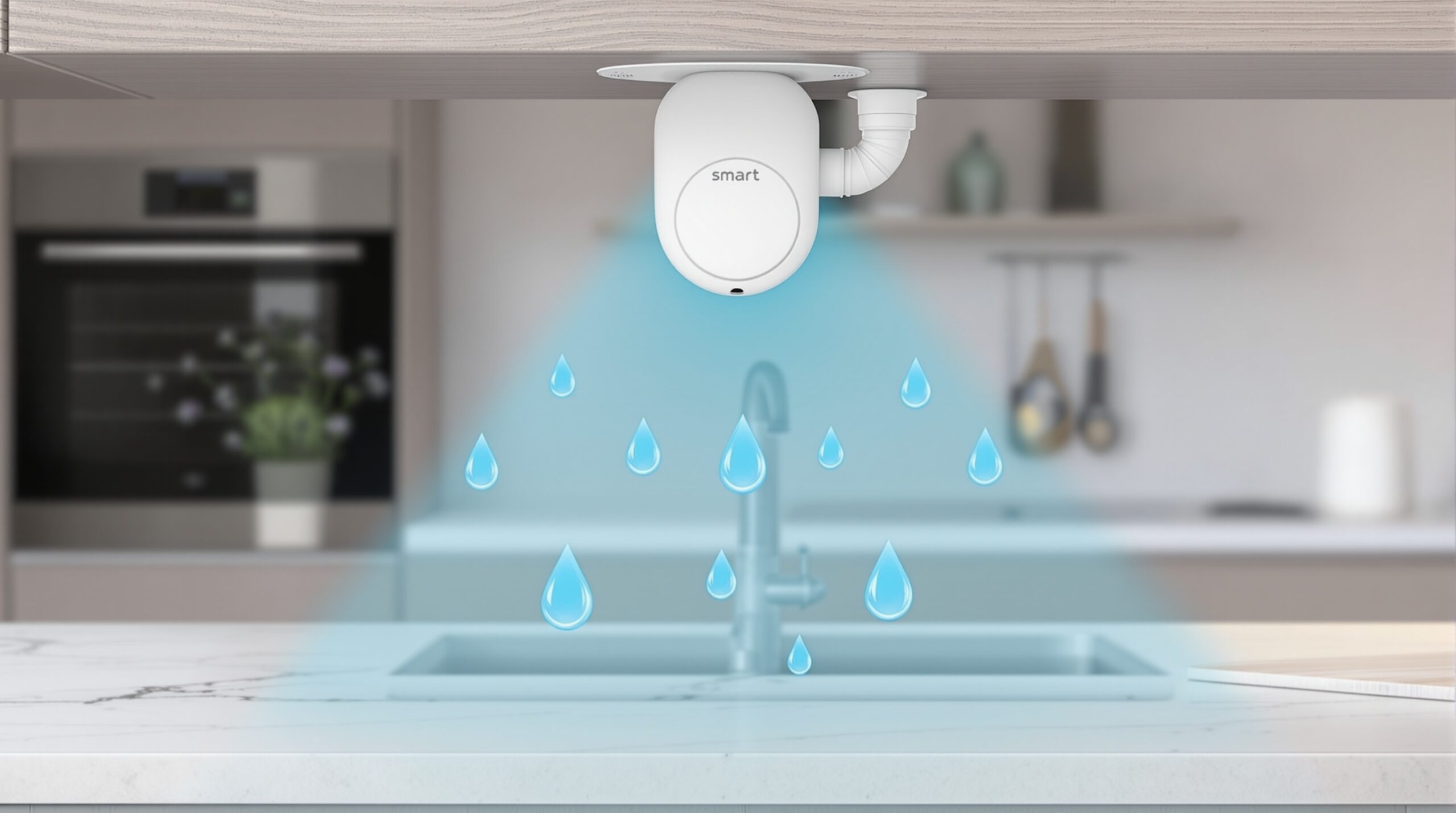
Your Home’s First Line of Defense
As a homeowner in Warwick, DE, you know how important it is to keep your property safe and sound. But have you ever thought about the hidden dangers lurking within your walls? Water leaks can happen when you least expect them, and they can cause serious damage if left unchecked. That’s why leak detection is essential for every homeowner in our beautiful town. With the latest smart technology, protecting your home has never been easier!
Why Leak Detection Matters
Imagine coming home after a long day, only to find water pooling in your basement or a damp spot on the ceiling. Not only does this lead to costly repairs, but it also puts your family’s health at risk with potential mold growth. Luckily, smart leak detectors are here to help! These gadgets can alert you the moment a leak is detected, giving you peace of mind and keeping your home safe.
In this article, we’ll explore the best smart leak detectors for residents in Warwick, DE. Say goodbye to worrying about unexpected leaks and hello to a safer, smarter home! Let’s dive in and discover how you can protect your property like a pro.
Understanding the Importance of Leak Detection
Leak detection might sound like a routine chore, but in reality, it is your first line of defense against a cascade of problems that can arise from water damage. Many homeowners underestimate the silent destruction that a small leak can trigger. Just a tiny drip from a leaky faucet or an unnoticed seepage behind a wall can escalate into a grand-scale dilemma if not caught in time. In fact, according to the Environmental Protection Agency (EPA), a leak of just one drip per second can waste over 3,000 gallons per year—enough to fill a swimming pool!
Not only does early leak detection help in conserving precious water resources, but it also plays a critical role in maintaining your property’s integrity. Water can seep into foundational structures, compromise the materials that keep your home standing strong, and create an inviting environment for harmful mold spores to flourish. Mold growth can pose serious health risks, especially for those with respiratory issues. From chronic allergies to severe illness, the implications of ignoring water leaks can ripple through your family’s well-being.
Fortunately, with the advent of smart leak detection technology, you don’t have to rely solely on your senses to protect your home. These intuitively designed sensors identify moisture levels and potential leaks, sending real-time alerts straight to your smartphone. In fact, many of these devices monitor the humidity in your home and can predict water leaks before they become a problem. By investing in leak detection, you are essentially investing in peace of mind.
| Key Benefits of Leak Detection | Details |
|---|---|
| Early Identification | Catch leaks before they turn into larger problems, saving time and effort. |
| Health Protection | Avoid mold growth that can jeopardize your family’s health. |
| Property Preservation | Safeguard the structural integrity of your home and prevent extensive damage. |
| Cost Efficiency | Prevent costly repairs and high utility bills associated with leaks. |
| Informed Monitoring | Stay in the know with high-tech notifications and real-time updates. |
Engaging with a reliable leak detection system not only shields your home from the destructive consequences of slow leaks but cultivates an atmosphere of security and vigilance. Awareness is your strongest ally in maintaining your home’s health. So why wait? It’s time to integrate smart leak detectors into your home’s safety strategy and embrace the peace of mind that comes with knowing your property is well protected.
How Smart Leak Detectors Work: An Overview
At the core of every effective smart leak detector lies a symphony of advanced sensors and technology working seamlessly together to ensure your home is safeguarded against the unseen dangers of water leaks. These devices offer a modern approach to a timeless problem, employing sophisticated technology to detect moisture before it spirals into a larger issue.
Most smart leak detectors are equipped with a combination of moisture sensors and temperature sensors. The moisture sensors specifically measure humidity levels in the air and detect water on surfaces, while the temperature sensors help identify conditions that could lead to freezing pipes. When these sensors identify unusual patterns or moisture, they spring into action, alerting you to potential leaks immediately.
Imagine being notified in real-time when a leak occurs, even when you’re miles away from home. This is where Bluetooth and Wi-Fi connectivity come into play. Many smart detectors sync with your smartphone or home automation system, harnessing the power of the Internet of Things (IoT). This connectivity allows these devices not only to send push notifications directly to your smartphone but also to integrate with other smart home gadgets, such as water shutdown systems that automatically turn off your main water supply upon detection of a leak, further minimizing damage.
But it doesn’t stop there. Advanced smart leak detectors use machine learning algorithms to establish baseline humidity levels for your home. By continuously monitoring these levels, they can predict when conditions may lead to leaks—essentially becoming proactive rather than reactive. For example, if the humidity in your basement suddenly rises after a heavy rain, the detector flags this change and alerts you to inspect the area, helping prevent possible seepage or flooding from becoming severe.
Another fascinating feature of smart leak detectors is their ability to work collectively. When strategically placed throughout your home, these devices can create a interconnected network that enhances overall monitoring capabilities. They communicate with each other, providing a comprehensive assessment of your home’s moisture levels. For instance, if one device detects a leak under the kitchen sink and sends an alert, the other detectors might flag related areas—such as the laundry room or near the water heater—for potential risk. This interconnectedness ensures that if one device senses trouble, the others can assist in monitoring it closely.
Moreover, the user-friendly applications accompanying most smart leak detectors further elevate the experience. These apps often provide detailed reports and analytics of water usage and moisture patterns, empowering homeowners to make informed decisions about their water management. With just a few taps, you can monitor any alerts, receive maintenance reminders, and even analyze data trends to identify potential risk areas in your home over time.
In a world where convenience meets technological innovation, smart leak detectors are the unsung heroes of home maintenance. They operate tirelessly 24/7, offering you peace of mind in knowing that your home is being vigilantly monitored against the hidden menace of leaks. As we navigate the complexities of home ownership, embracing these intelligent devices isn’t just a smart choice; it’s a necessary step toward safeguarding both your property and your family’s well-being.
Integrating Smart Leak Detectors into Your Home
Once you’ve equipped your home with smart leak detectors, the next crucial step is ensuring they work seamlessly within your existing home automation system. This integration can significantly enhance your water management capabilities and provide you with a robust safety net against potential water damage. Here’s a step-by-step guide to help you successfully install and integrate these smart devices into your smart home setup.
Step 1: Assess Your Needs and Choose the Right Models
Before installation, take time to assess your home and determine where the highest risk areas for leaks are—common spots include under sinks, near washing machines, and in basements. Select smart leak detectors that best meet your specific requirements, and ensure they are compatible with your home automation system. Consider features such as battery life, connectivity options (e.g., Wi-Fi or Bluetooth), and whether they work with your existing smart home devices.
Step 2: Download Companion Apps
Once you’ve selected your smart leak detectors, download the companion app associated with each device. Most brands offer user-friendly applications that provide real-time monitoring, alert notifications, and control features directly from your smartphone. Creating an account and connecting your app to the devices is usually straightforward, but be sure to follow the prompts carefully.
Step 3: Strategically Place Your Detectors
After your devices are set up in their respective apps, it’s time for placement. Position each detector in areas where water emergencies are most likely to occur, ensuring they are near potential sources of leaks. For an interconnected setup, consider placing detectors within proximity to one another to enhance communication and monitoring capabilities. Many devices allow for placement on flat surfaces, but some can also be mounted on walls or ceilings for optimal accuracy.
Step 4: Connect to Your Home Automation System
If your smart leak detectors are compatible with a broader home automation system—such as Google Home, Amazon Alexa, or SmartThings—follow the manufacturer’s guidelines to link the devices. Typically, this integration allows for added functionalities, like voice command alerts or automation routines, such as turning off your main water valve in case of a leak. This step elevates your devices from simple leak detectors to active participants in your home safety plan.
Step 5: Tailor Notifications and Automations
Once everything is connected, customize the notification settings within the companion app and your home automation platform. Determine how and when you want to be alerted—whether through push notifications, emails, or audible alarms. Some systems even allow for customized responses; for instance, if a leak is detected, you could program the system to send an alert to a trusted neighbor or automatically record a video of the affected area via security cameras.
Step 6: Regular Maintenance Checks
As with any technological equipment, your smart leak detectors will benefit from occasional maintenance. Schedule reminders in your calendar to periodically check the functionality of the sensors, change batteries as necessary, and review alert settings. Additionally, keep an eye on any firmware updates provided by the manufacturer through the app to ensure peak performance and added features.
Step 7: Analyze Water Usage Data
Many smart leak detectors offer analytics on water usage patterns over time. Take advantage of these insights as they can highlight areas where water waste may be occurring, allowing you to take proactive measures beyond just leak detection. By continually educating yourself on your water usage trends, you can take sustainable steps toward reducing consumption and enhancing your overall water management strategy.
Integrating smart leak detectors into your home’s ecosystem not only provides a layer of protection against potential water disasters but also equips you with powerful tools to maintain your home efficiently. By following these steps, you can ensure that your devices work cohesively and effectively, transforming your home into a safer and smarter environment.
Top Smart Leak Detectors for Homes in Warwick, DE
As water damage becomes an increasing concern for homeowners, investing in smart leak detectors offers peace of mind and proactive solutions. With a variety of models flooding the market, each boasting unique features, selecting the right device can feel overwhelming. To help narrow your choices, we’ve reviewed some of the top smart leak detectors available, focusing on essential characteristics like battery life, compatibility, and user-friendly interfaces.
| Product Name | Battery Life | Connectivity | User Interface | Smart Home Compatibility |
|---|---|---|---|---|
| Moen Smart Leak Detector | 2 years | Wi-Fi | Intuitive app interface | Amazon Alexa, Google Assistant |
| GROVE Smart Water Leak Detector | 1 year | Wi-Fi | Simple setup with live alerts | SmartThings, IFTTT |
| Honeywell Lyric Water Leak Detector | 3 years | Wi-Fi | User-friendly app with customizable alerts | Amazon Alexa, Apple HomeKit |
| LeakSMART Water Leak Detector | 2 years | Z-Wave | Easy-to-navigate mobile app | SmartThings, Wink |
| Aqualeak Pro Leak Detector | 3 years | Bluetooth, Wi-Fi | Rich analytics via app | Google Home, IFTTT |
Each of these smart leak detectors offers a unique blend of functionality and features tailored for the modern homeowner. For instance, the Moen Smart Leak Detector is particularly popular for its long battery life of two years and compatibility with voice-activated systems like Amazon Alexa and Google Assistant, making it an excellent choice for those looking to integrate convenience into their water safety protocols.
The GROVE Smart Water Leak Detector stands out for its simple yet effective app interface, which provides live alerts and notification options that can be customized based on the user’s preference. For a more comprehensive management approach, the Honeywell Lyric offers the longest battery life and seamless integration with Apple HomeKit and Alexa, ensuring that you remain informed and in control at all times.
Moreover, if you seek advanced features, the LeakSMART not only detects leaks with precision but also works with your existing smart home network to automate responses, such as shutting off the main water supply when a leak is detected. Meanwhile, the Aqualeak Pro caters to those interested in deeper insights, providing analytics on historical water usage alongside leak detection notifications, helping homeowners understand their water consumption better.
When selecting a smart leak detector, prioritize models that align with your home automation needs while also ensuring they provide reliable performance in safeguarding against water damage. By leveraging these advanced technologies, homeowners in Warwick, DE, can take a significant step toward minimizing water-related emergencies and achieving peace of mind.
As we reflect on enhancing home safety, it’s essential to address not just the detection of leaks but also the broader scope of water damage prevention. While investing in smart leak detection technologies is a significant first step, homeowners must also engage in proactive measures that safeguard against unexpected plumbing issues and water intrusion. Here are some practical tips for maintaining your plumbing systems, identifying high-risk areas, and taking preventative actions to avert water damage in your Warwick home.
Routine Maintenance is Key
The foundation of a sound plumbing system lies in regular maintenance. Schedule annual inspections with a professional plumber to catch small leaks before they escalate into major problems. During these inspections, the plumber can check for water stains, corrosion on pipes, and the condition of seals around fixtures such as faucets and toilets. Additionally, inspect your water heater for any signs of leaks or rust, and ensure the drain lines are clear and functioning correctly.
Identify High-Risk Areas
Every home has specific areas that are more susceptible to water damage. Basements, attics, and bathrooms often top the list due to their inherent moisture levels. Inspect these spaces regularly for mold growth, which can indicate underlying moisture problems. Furthermore, check the caulking around windows and doors to prevent rainwater from seeping in. For outdoor areas, ensure proper drainage by keeping gutters and downspouts clear of debris. Redirecting water that collects near the home’s foundation can help keep your basement dry and free from saturation.
Be Mindful of What You Flush and Drain
It’s crucial to be conscientious about your plumbing system’s capacity. The bathroom is often a hotspot for clogs that can lead to overflows and extensive damage. Avoid flushing items that don’t belong in the toilet, such as wipes or dental floss, as these can cause blockages. In kitchens, be especially wary of pouring grease down the sink; it can solidify and lead to pipe clogs. Instead, opt for proper disposal methods, ensuring that your drains remain clear and functional.
Install Water-Saving Fixtures
Not only do water-saving fixtures help conserve water, but they can also reduce the potential for leaks over time. Consider installing low-flow faucets, showerheads, and toilets that are designed for efficiency. These fixtures are less likely to develop issues compared to older models and can dramatically lower water usage, thereby minimizing the risk of excess moisture in your home.
Know Your Shut-Off Valves
Familiarizing yourself with your home’s shut-off valves can be invaluable in the event of an emergency. In case of a significant leak or burst pipe, knowing where these valves are located can help you quickly mitigate water damage. Make it a practice to test these valves regularly, ensuring they are functioning correctly and that you can easily access them when needed.
Embrace Smart Technologies Beyond Leak Detectors
While smart leak detectors are an excellent tool, consider integrating additional smart technologies that further safeguard your home. Smart thermostats can help regulate temperature and humidity levels, preventing condensation that might lead to water damage. Smart irrigation systems can optimize water use in your yard and avoid overwatering that can seep into your home’s foundation. By embracing these technologies, you create a comprehensive shield against potential water damage.
In addition to these preventative strategies, it’s vital to foster a keen awareness of water damage risks throughout the year. By taking proactive steps, identifying problem areas, and properly maintaining your plumbing systems, you can significantly reduce the risk of water damage in your home. As a Warwick homeowner, investing time in these measures will not only protect your property but also instill peace of mind knowing you’ve prepared for potential water-related issues.
FAQs About Smart Leak Detectors and Water Damage Prevention
As homeowners increasingly turn to smart technology for peace of mind, understanding how these devices operate is crucial in maximizing their benefits. Below are some frequently asked questions about smart leak detectors that can help you make the most informed decisions for your home.
1. How does a smart leak detector alert homeowners?
Smart leak detectors are equipped with sensors that detect moisture levels and unusual water activity in your home. When a leak is identified, most devices will send real-time alerts to your smartphone or smart home hub. Some advanced models may even offer audio alarms to provide immediate notification. This swift communication allows homeowners to intervene promptly, potentially preventing extensive damage.
2. Can these devices detect frozen pipes?
Yes, many smart leak detectors have the capability to alert homeowners about freezing temperatures that may pose a risk to plumbing systems. These devices monitor ambient temperature and can notify you if a drop in temperature reaches a potentially dangerous level, giving you a vital early warning to take preventative measures, such as increasing heating or insulating vulnerable pipes to prevent them from bursting.
3. Are smart leak detectors DIY-friendly or do they require professional installation?
Most smart leak detectors are designed with the consumer in mind, and many units are DIY-friendly. They typically come with easy-to-follow instructions that allow homeowners to set them up without professional assistance. However, for those who prefer a more tailored installation or have complex plumbing systems, consulting with a professional can ensure optimal placement and functionality of the device.
4. How often should I test my leak detectors to ensure they are working optimally?
It’s a good practice to test your smart leak detectors at least once a month to ensure they’re functioning correctly. Most devices come with a testing button that simulates a leak, allowing you to confirm that the alert system is working. Additionally, check the batteries as needed—many models may provide a low-battery alert, but regular checks will give you peace of mind that your system is always operational.
5. What steps should I take if my detector alerts me to a potential leak?
If you receive an alert from your smart leak detector indicating a potential leak, immediately follow these steps: first, locate the source of the leak. If safe, turn off the water supply to prevent further damage. Document the situation with photographs for insurance purposes, and then contact a professional plumber to assess and address the issue. Lastly, clean up any standing water to prevent mold growth and further property damage.
By equipping yourself with knowledge about smart leak detectors, you empower yourself to proactively prevent water damage in your home, ensuring a safer and more secure living environment.
By embracing smart leak detection technologies, Warwick, DE residents can proactively protect their homes from potential water damage and enjoy peace of mind. Start your journey towards better home protection by investing in the right solutions today.
Leveraging Smart Leak Detection for Maximum Protection
The advent of smart leak detection technologies has transformed the way homeowners tackle water damage risks. These sophisticated devices not only alert you to leaks as they happen but also monitor patterns that could signal early signs of trouble. Imagine receiving a real-time alert on your smartphone while you’re at work, notifying you of a small leak in your basement. With the ability to respond swiftly, you can arrange for immediate repairs before the issue escalates, preventing extensive damage and costly repairs down the line.
Investing in smart leak detectors that integrate seamlessly with your home automation system adds an extra layer of protection. Many of these devices can notify you of temperature changes or humidity levels that may indicate a potential leak, enabling you to catch problems before they become disasters. For those who travel often or spend long hours away from home, smart leak detectors offer unparalleled peace of mind, allowing you to monitor your property from anywhere.
Integrate with Your Home’s Ecosystem
In today’s digital age, taking advantage of interconnected systems maximizes your home’s safety. Integrating your smart leak detection system with other smart home devices—such as water valves that automatically shut off when a leak is detected—means that your home is proactive rather than reactive. When water intrusion is swiftly contained, not only are you safeguarding your physical property, but you are also preserving the integrity of your home’s environment and your family’s health.
Education is Empowerment
Alongside technology, educating yourself and your family about water damage risks is vital. Host family meetings to discuss where the shut-off valves are located and emphasize the importance of responding to alerts from your smart systems without delay. Make it a communal responsibility to check high-risk areas around the house regularly. This shared approach not only disseminates knowledge but collectively fosters a stronger safety culture in your home.
Environmentally Friendly Choices
Opting for smart leak detection technologies is not just a pragmatic decision; it’s also an ethical one. Many models now come with sustainable practices built into their design. By participating in less water waste and using resources more efficiently, you will not only protect your home but also contribute positively to your local community and the environment. In this way, investing in technology becomes a path not just to home safety, but also to greater ecological responsibility.
Begin Your Proactive Journey Today
In conclusion, embracing smart leak detection technologies is a pivotal step in the journey toward protecting your Warwick home from the devastating effects of water damage. By taking proactive measures, remaining vigilant, and leveraging technology, you empower yourself to mitigate potential risks and enjoy peace of mind. So start your home protection journey today—research your options, invest wisely, and rest easy knowing that your home is on the right path to enduring health and safety.