
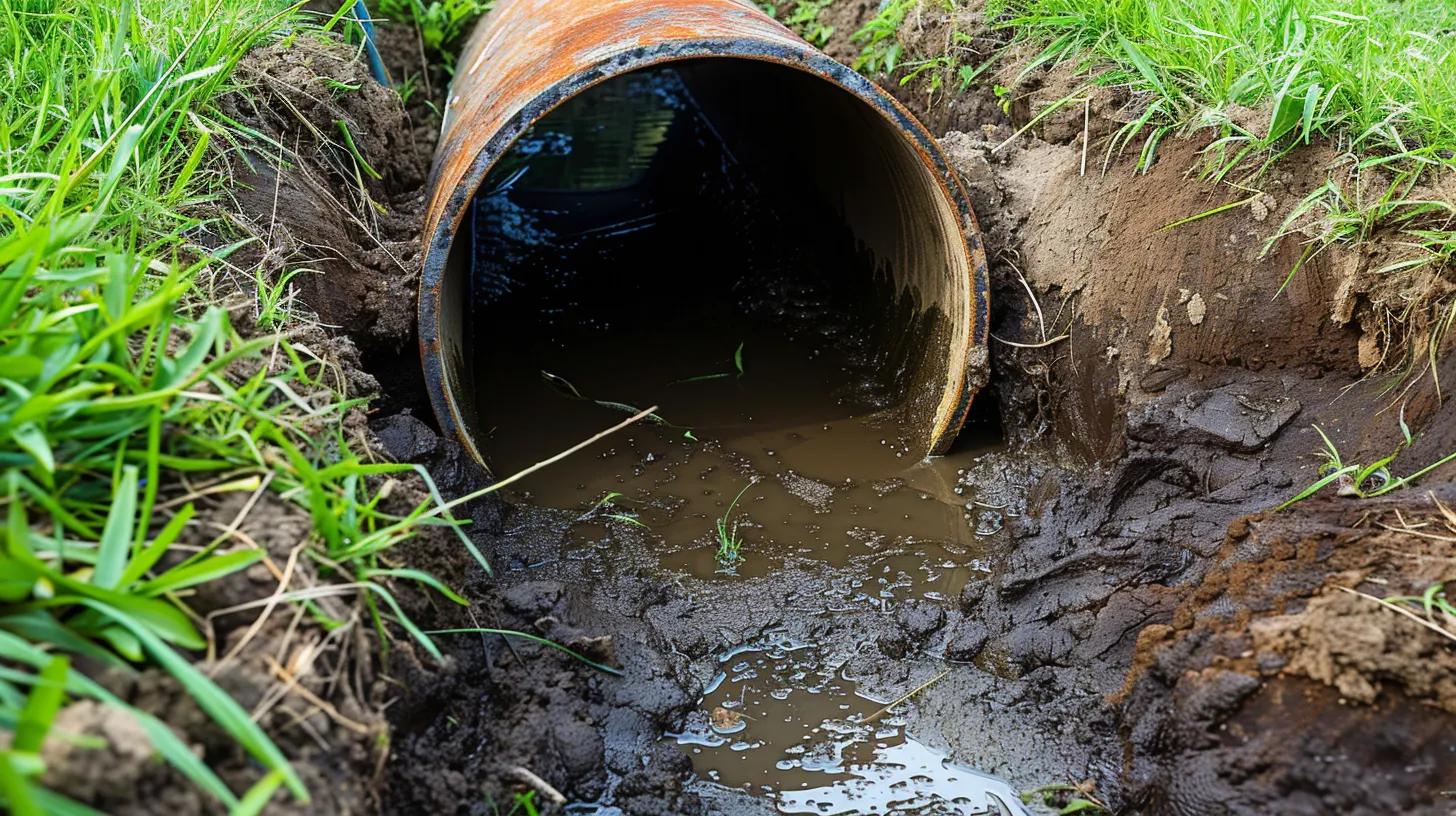
Why Choose Trenchless Sewer Repair Over Traditional Methods
Trenchless sewer repair is revolutionizing the way homeowners address plumbing issues, offering a modern solution that minimizes disruption and maximizes efficiency. This article will explore the numerous benefits of trenchless sewer repair compared to traditional methods, including reduced property damage, time savings, and cost-effectiveness. Homeowners often face the dilemma of choosing between invasive traditional repairs and the innovative trenchless approach. By understanding the advantages of trenchless technology, you can make an informed decision that best suits your needs. We will delve into the key advantages of trenchless sewer repair, the process involved, and a cost comparison with traditional methods, providing a comprehensive overview of why this method is increasingly preferred.
What Are the Key Advantages of Trenchless Sewer Repair?
Trenchless sewer repair offers several significant advantages over traditional methods, making it a preferred choice for many homeowners.
- Less Invasive Process: Trenchless methods require minimal digging, preserving your landscape and reducing the need for extensive restoration work afterward.
- Long-Term Reliability: The materials used in trenchless repairs are designed to last, often providing a longer lifespan than traditional methods.
- Cost-Effective Solution: While the initial investment may be higher, the long-term savings from reduced labor and restoration costs make trenchless repair a financially sound choice.
How Does Trenchless Repair Minimize Property Damage and Disruption?
Trenchless sewer repair minimizes property damage by utilizing advanced techniques that require only small access points. This approach avoids the extensive excavation associated with traditional methods, which can lead to significant disruption of landscaping, driveways, and other structures. The process is typically faster, allowing for repairs to be completed in a single day, which further reduces the inconvenience to homeowners. Additionally, the long-term durability of trenchless repairs means that homeowners can enjoy peace of mind knowing their sewer lines are less likely to require frequent repairs.
In What Ways Does Trenchless Sewer Repair Save Time and Reduce Costs?
Trenchless sewer repair saves time and reduces costs in several ways. First, the lack of extensive excavation means that the repair process can be completed much more quickly than traditional methods, often within a day. This efficiency translates to lower labor costs and less disruption to your daily life. Furthermore, the long-lasting nature of trenchless repairs means that homeowners are less likely to face recurring issues, leading to significant savings over time.
How Does the Trenchless Sewer Repair Process Work?
The trenchless sewer repair process involves several key steps that ensure a thorough and effective solution to plumbing issues.
- Inspection Process: A thorough inspection of the sewer line is conducted using advanced camera technology to identify the specific issues and determine the best course of action.
- Repair Execution: Depending on the problem, either pipe lining or pipe bursting methods are employed to restore the sewer line without the need for extensive digging.
- Post-Repair Assessment: After the repair is completed, a follow-up inspection ensures that the work has been done correctly and that the sewer line is functioning optimally.
What Are the Main Trenchless Pipe Repair Methods: Pipe Lining and Pipe Bursting?
The two primary methods of trenchless sewer repair are pipe lining and pipe bursting.
- Pipe Lining: This method involves inserting a flexible liner coated with resin into the existing pipe. Once in place, the liner is inflated and the resin is cured, creating a new pipe within the old one.
- Pipe Bursting: In this method, a new pipe is pulled through the old pipe, which is simultaneously broken apart. This allows for the installation of a new, durable pipe without the need for extensive excavation.
Further guidelines and research delve into the specifics of pipe bursting, ensuring its effective and safe application.
Pipe Bursting Guidelines for Trenchless Sewer Renewal
Guidelines for pipe bursting are critical to ensure effective and safe trenchless technology applications for gas, water, and sewer pipeline renewal. The document addresses the inadequacy of existing guidelines, informed by a comprehensive survey and industry expert insights, focusing on various pipe bursting systems like pneumatic and hydraulic expansion. A significant contribution is made through research on pipe bursting impacts on nearby infrastructures, emphasizing the relevance of these guidelines for contractors and designers engaged in such projects.
Guidelines for pipe bursting, RL Sterling, 2001
However, it’s also important to consider potential risks associated with pipe bursting, such as infrastructure damage and ground subsidence.
Pipe Bursting Risks: Infrastructure Damage & Subsidence
Surface heave or subsidence can cause a lot of problems on the nearby infrastructure like roads, pavements, railways, other utilities or other surface structures.
Analysis of pipe-bursting construction risks using probability-impact model, L Onsarigo, 2018
Both methods are effective and can be chosen based on the specific needs of the sewer line.
What Should Homeowners Expect During a Trenchless Sewer Repair Service?
Homeowners can expect a streamlined and efficient process during a trenchless sewer repair service. The service typically begins with a thorough inspection, followed by a clear explanation of the necessary repairs. Homeowners will appreciate the minimal disruption to their property, as the process requires only small access points. Communication is key, and reputable service providers will keep homeowners informed throughout the process, ensuring a smooth experience from start to finish.
Why Is Trenchless Sewer Repair a Better Choice Compared to Traditional Sewer Repair?
Trenchless sewer repair stands out as a superior option compared to traditional methods for several reasons.
- No Excavation Required: Unlike traditional methods that involve digging up yards and driveways, trenchless repair preserves the landscape and minimizes restoration costs.
- Faster Completion Times: The efficiency of trenchless methods means that repairs can often be completed in a fraction of the time it would take for traditional repairs.
- Environmental Benefits: Trenchless technology is more environmentally friendly, as it reduces the amount of soil disruption and waste generated during the repair process.
The advantages of trenchless methods, particularly pipe bursting, are further highlighted when directly compared to conventional open-cut techniques.
Trenchless Pipe Bursting vs. Open Cut Methods Comparison
A Comparison of Trenchless Pipe Bursting vs. Conventional Open Cut Methods for Water and Wastewater Transmission MainsAbstractOver the last 15 years, new advances in trenchless technologies have emerged across Europe and are finding their way into the United States. One of the fastest growing methods involves pipe bursting of existing pipe and replacement with new larger diameter pipe. The existing pipe is shattered into small pieces and pushed into the surrounding soil. A new pipe of like or larger size is then towed into the borehole.
A Comparison of Trenchless Pipe Bursting vs. Conventional Open Cut Methods for Water and Wastewater Transmission Mains, 2007
Further research provides a detailed cost analysis, comparing pipe bursting projects with traditional open-cut alternatives.
Pipe Bursting vs. Open-Cut: Pipeline Replacement Cost Comparison
In this paper, the cost of an actual pipe bursting project is compared with several traditional open-cut options.
Cost comparison of pipeline asset replacement: Open-cut and pipe-bursting, M Najafi, 2007
What Are the Common Drawbacks of Traditional Sewer Repair Methods?
Traditional sewer repair methods often come with several drawbacks, including:
- Excavation Damage: The extensive digging required can lead to significant damage to landscaping, driveways, and other structures.
- Longer Repair Times: Traditional methods can take several days or even weeks to complete, causing prolonged disruption to homeowners.
- Higher Overall Costs: The combination of labor, restoration, and potential damage costs can make traditional repairs significantly more expensive.
How Does Trenchless Technology Offer Sustainable and Long-Lasting Solutions?
Trenchless technology offers sustainable solutions by utilizing durable materials that are designed to withstand the test of time. The methods employed are less invasive, leading to less environmental disruption and waste. Additionally, the longevity of trenchless repairs means that homeowners can enjoy a reliable sewer system without the frequent need for repairs, contributing to a more sustainable approach to plumbing.
What Are the Typical Costs Associated with Trenchless Sewer Repair?
Understanding the costs associated with trenchless sewer repair is crucial for homeowners considering this option.
- Cost Comparison with Traditional Methods: While trenchless repairs may have a higher upfront cost, they often result in lower overall expenses due to reduced labor and restoration costs.
- Factors Influencing Pricing: Several factors can influence the price of trenchless sewer repair, including the length of the pipe, the condition of existing pipes, and the specific repair method chosen.
How Does Trenchless Sewer Repair Cost Compare to Traditional Methods?
Trenchless sewer repair typically costs more upfront than traditional methods, with prices varying based on the complexity of the job. However, the long-term savings from reduced labor and restoration costs often make trenchless repair the more economical choice over time. Homeowners can expect to pay between $60 to $200 per foot for trenchless repairs, depending on the specific circumstances.
A deeper analysis of sewer rehabilitation versus replacement further clarifies the financial considerations, including both initial capital and long-term life-cycle costs.
Sewer Rehabilitation vs. Replacement: Cost Analysis
This paper presents an evaluation of the decision making process for evaluating sewer rehabilitation versus sewer replacement. Historical data from multiple communities were used to evaluate capital cost and life cycle cost of the difference between utilizing sewer rehabilitation versus sewer replacement. A cost and benefit analysis was also performed to determine non-monetary factors which could weigh into the decision making process. Sewer rehabilitation was found to have lower initial capital costs, but life-cycle costs between the two alternatives are similar.
Evaluation of Life-Cycle Costs and Cost/Benefit Analysis in Comparing Sewer Replacement versus Sewer Rehabilitation, 2013
What Factors Influence the Price Range of Trenchless Sewer Repair Services?
Several factors can influence the price range of trenchless sewer repair services, including:
- Length of Pipe: Longer pipes will naturally incur higher costs due to the increased materials and labor required.
- Condition of Existing Pipes: If the existing pipes are severely damaged, additional work may be needed, increasing the overall cost.
- Location and Accessibility: The location of the sewer line and its accessibility can also impact pricing, as more challenging locations may require specialized equipment or techniques.
For any questions or to schedule a consultation, contact us today. We are here to help you with all your plumbing needs.
At Noble Home Services, we understand the importance of providing reliable and efficient plumbing solutions. That’s why we offer a comprehensive range of services, including trenchless sewer repair, to meet the diverse needs of our customers.