
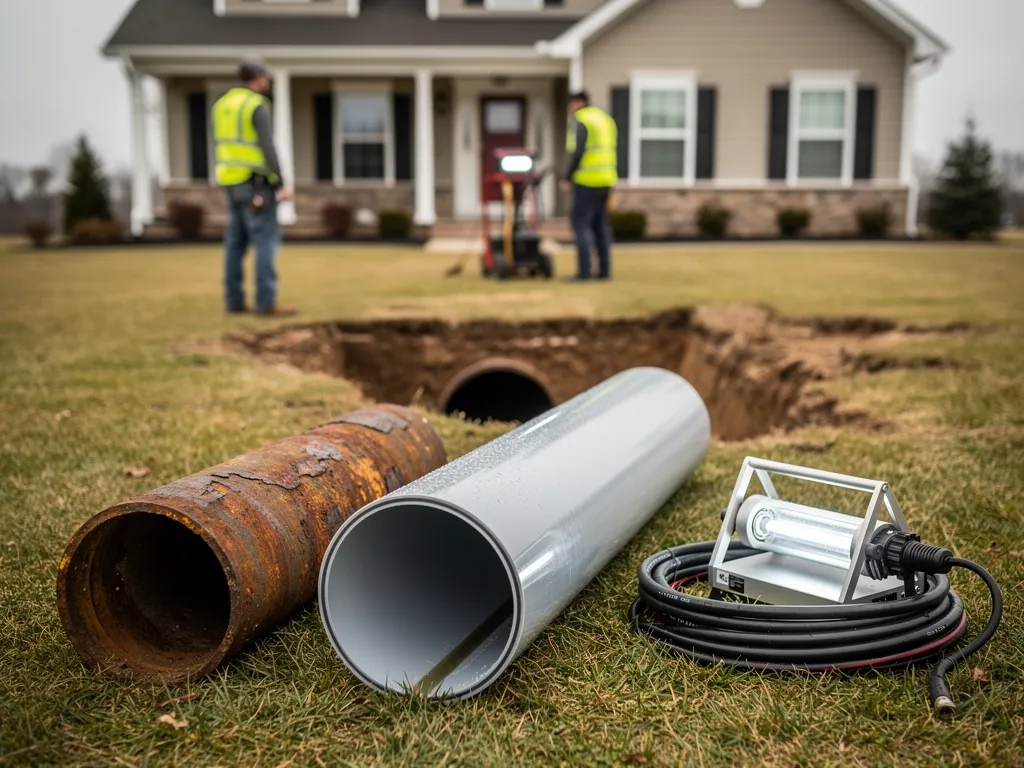
Trenchless Sewer Repair Durability: Materials, Lifespan, and Long-Term Value in Townsend, DE and New Castle County
Key Takeaways
Trenchless sewer repair in Townsend, DE isn’t just faster and less disruptive than traditional excavation – the materials behind it, including CIPP pipe lining, are engineered to outlast many of the pipe materials they’re replacing. Here’s a closer look at how trenchless repair works, what it’s made of, and what sewer pipe lining lifespan homeowners in Townsend and New Castle County can actually expect.
Key Takeaways
- Trenchless sewer repair uses either a cured resin liner or a pulled replacement pipe to fix a damaged line without a full-length trench.
- The materials matter as much as the method – a well-cured liner or modern replacement pipe is what actually determines how long the repair lasts.
- Noble Home Services uses UV-cured resin lining under its LightRay process, designed to restore structural integrity and last decades.
- Seamless construction is what gives trenchless repairs an edge over aging pipe joints prone to root intrusion and cracking.
- Trenchless methods also mean less disruption, faster completion, and lower total project cost compared to traditional excavation – covered in full in our companion guide on trenchless repair benefits.
- Not every pipe qualifies for trenchless repair, which is why an inspection always comes before a recommendation.
What Is Trenchless Sewer Repair and Why Does Durability Matter Most?
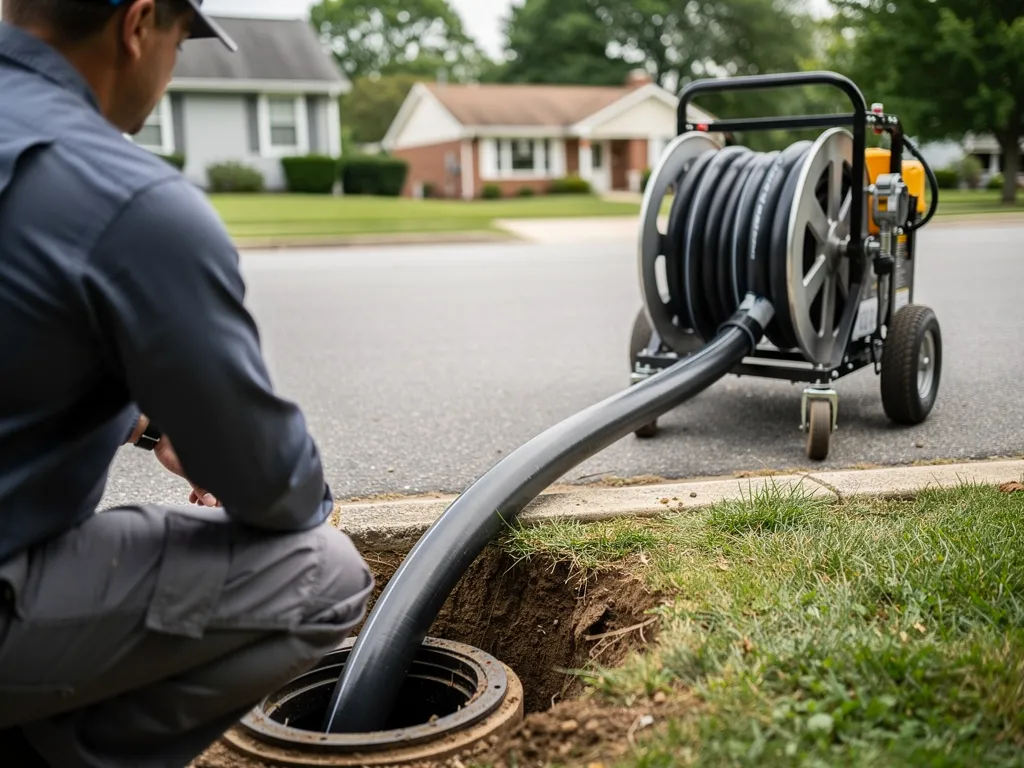
Trenchless sewer repair fixes a damaged pipe from the inside – through a cured liner or a pulled replacement pipe – rather than digging up and replacing it outright. The materials used in that repair are what ultimately determine whether it’s a short-term fix or a solution built to outlast the original pipe by decades.
What Are the Main Techniques Used in Trenchless Sewer Repair?
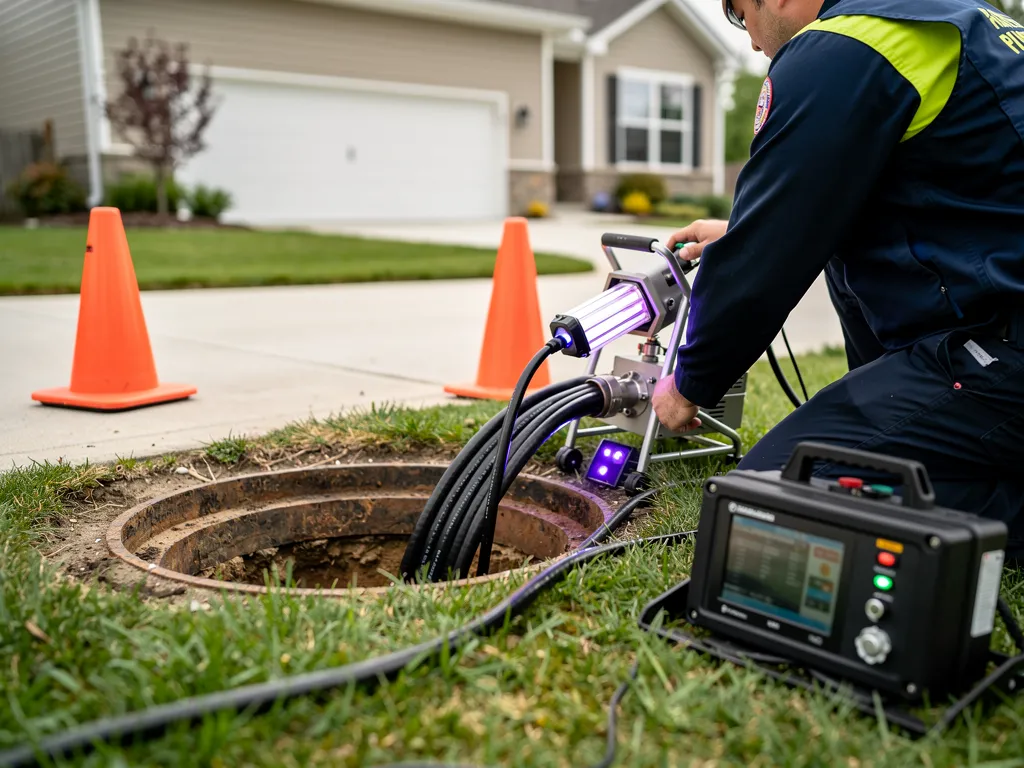
Two techniques make up most trenchless sewer repair work: cured-in-place pipe (CIPP) lining and pipe bursting. Noble Home Services uses CIPP lining under its LightRay process, curing the liner in place with ultraviolet light to form a new pipe within the old one.
How Do Materials Like Resin Liners and HDPE Pipe Compare in Strength and Longevity?
CIPP liners are typically saturated with a resin – commonly epoxy, vinyl ester, or polyester depending on the provider – that cures into a rigid, seamless pipe wall once installed. Pipe bursting, a different trenchless technique used elsewhere in the industry, pulls a new pipe (often high-density polyethylene, or HDPE) through the path of the old one; HDPE is valued for its flexibility and resistance to corrosion and root intrusion.
How Does Trenchless Repair Compare to Traditional Methods on Disruption, Cost, and Speed?
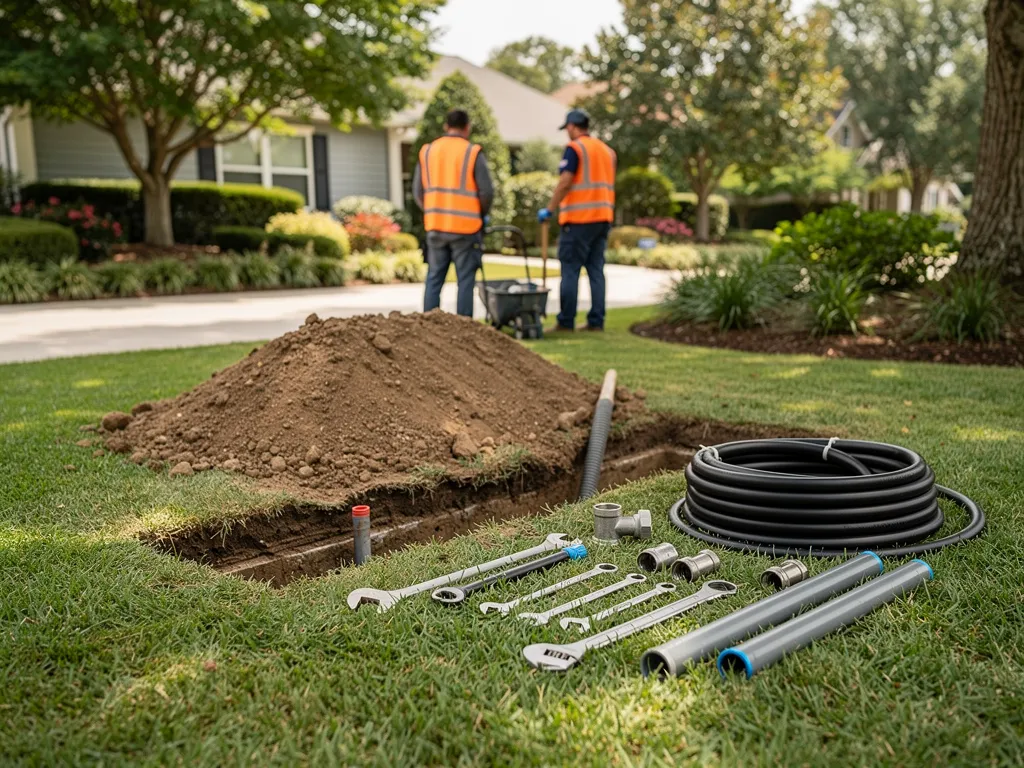
Trenchless repair generally means less digging, a shorter project timeline, and a lower total cost once you factor in restoration – we cover this comparison in full in our companion guide on the benefits of trenchless sewer repair. The short version: most trenchless repairs are completed within a single day, and because they work through small access points, landscaping and hardscaping are largely preserved.
What Types of Landscaping and Property Damage Does Trenchless Repair Prevent?
Mature trees, established gardens, driveways, and patios typically stay untouched with trenchless repair, since the work happens through the pipe itself rather than a trench dug alongside it. That matters most for homeowners who’ve invested time and money into their landscaping and don’t want a sewer repair undoing it.
How Does Faster Project Completion Reduce Overall Costs?
Shorter timelines mean less labor time, less equipment rental, and less restoration work afterward – all of which add up when comparing the true total cost of trenchless repair against a traditional excavation project.
Traditional Excavation vs. Trenchless Repair
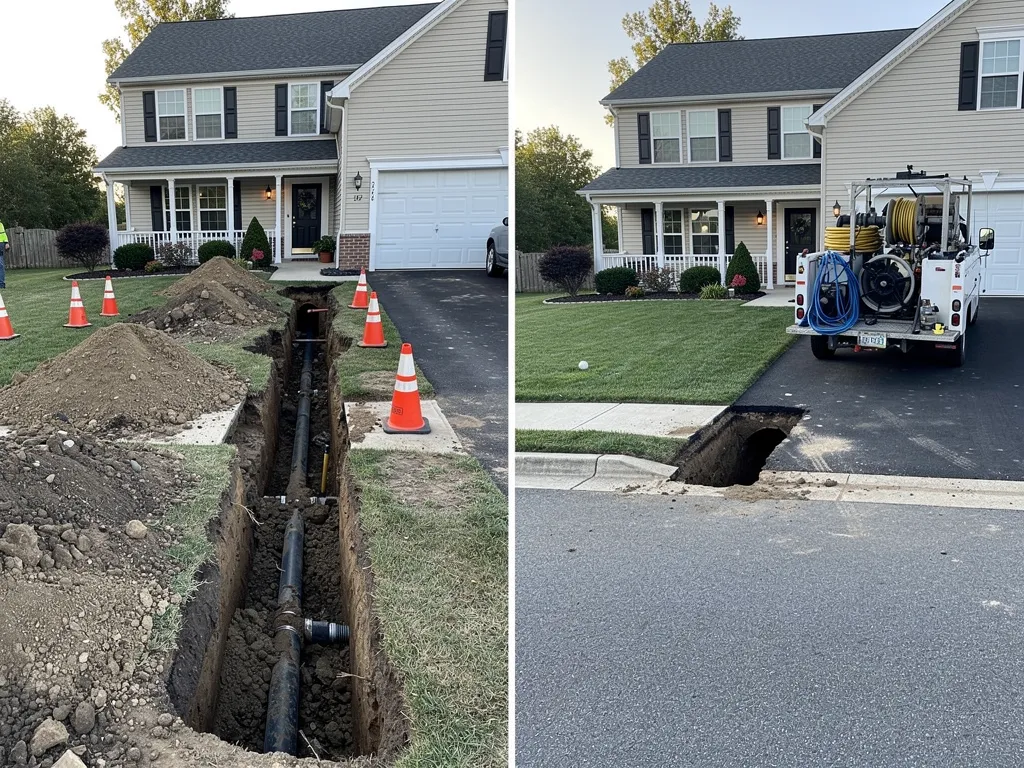
Here’s how the two approaches stack up side by side:
What Makes Trenchless Sewer Repair More Durable and Long-Lasting?
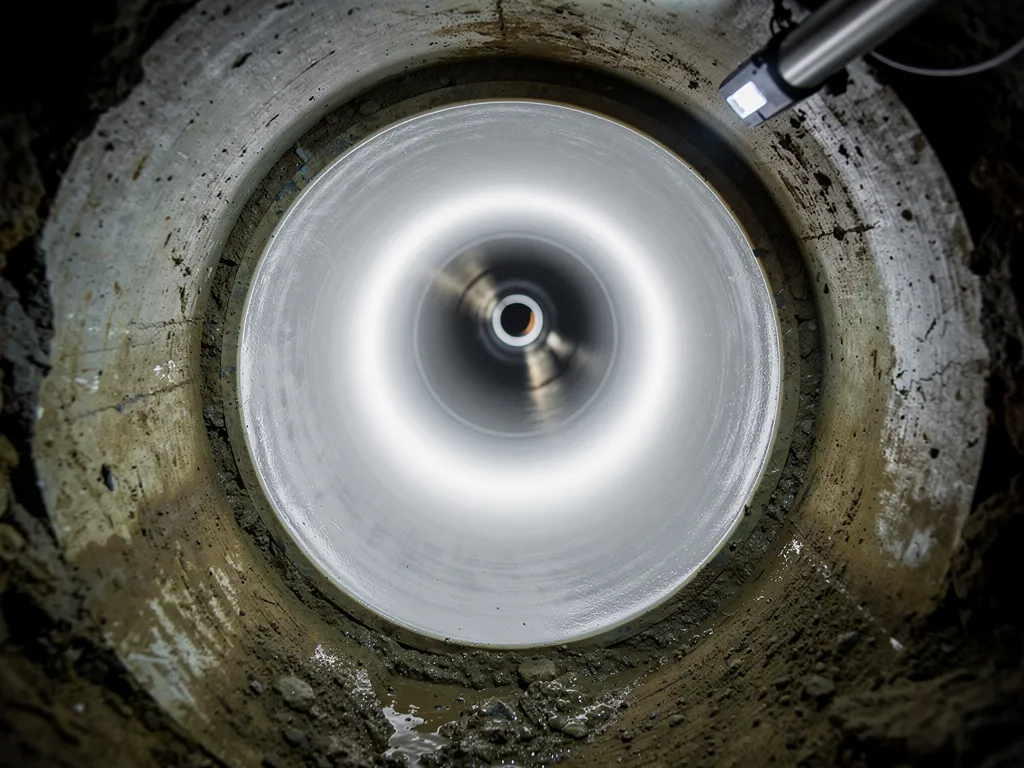
How Do Materials Like Epoxy Resin and HDPE Improve Pipe Strength?
A properly cured resin liner forms a rigid, seamless structure that doesn’t rely on the strength of the original pipe once fully set – it becomes, functionally, a new pipe. HDPE pipe used in pipe bursting offers similar durability advantages: it resists the corrosion and joint failure that eventually catches up with older pipe materials like galvanized steel or clay.
What Is the Expected Lifespan of Trenchless Repairs Compared to Traditional Pipes?
Many providers and manufacturers across the industry describe properly installed CIPP liners as capable of lasting 50 years or more. Noble Home Services describes its own UV-cured LightRay liners as designed to last decades once properly installed – a meaningful upgrade over aging materials like galvanized steel or Orangeburg pipe, which were never built to last this long in the first place.
Is Trenchless Sewer Repair Sustainable and Suitable for Every Property?
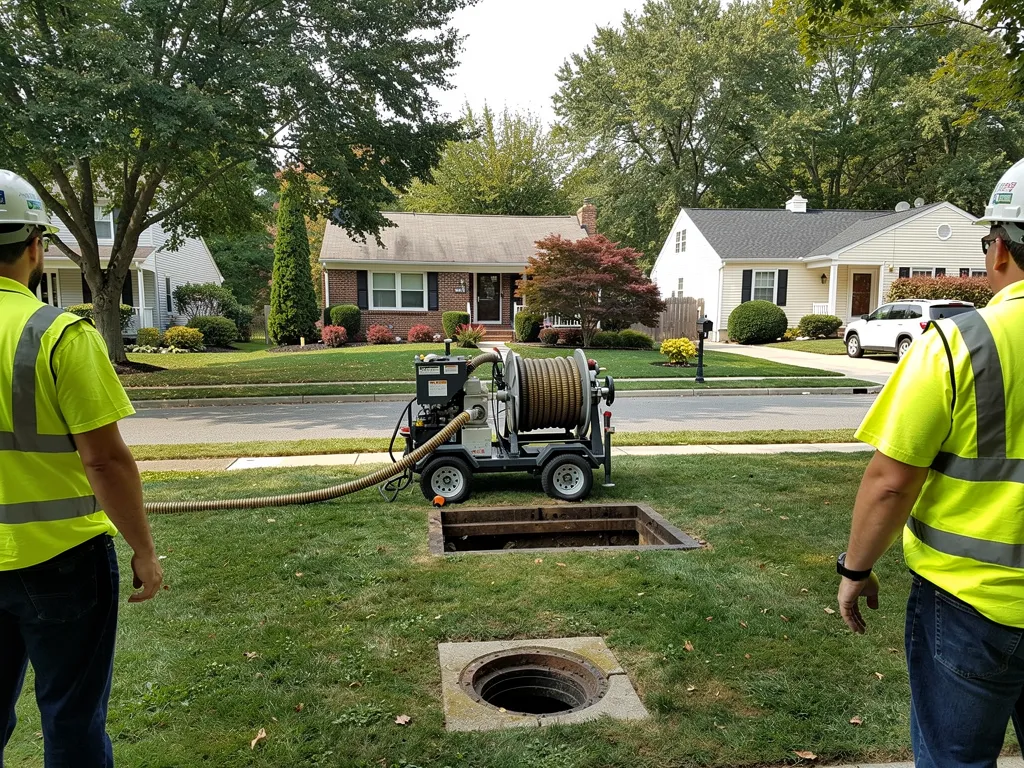
How Does Trenchless Repair Reduce Soil Disturbance and Waste Generation?
Because trenchless methods avoid a full-length trench, they generally involve less excavation equipment, less soil disturbance, and less debris than traditional replacement. For properties with mature landscaping or nearby utilities, that reduced footprint also lowers the risk of accidental damage during the repair.
Can Trenchless Repair Be Used for All Types and Sizes of Sewer Pipes?
Trenchless repair works well across a range of pipe diameters and materials, but it isn’t universal – a pipe has to be structurally sound enough to support a liner or guide a new pipe through. That’s why an inspection always comes before any recommendation, rather than assuming trenchless is automatically the right fit.
Frequently Asked Questions
What are the potential drawbacks or limitations of trenchless sewer repair? Severely collapsed, misaligned, or extremely damaged pipes may not qualify for trenchless repair and could still require traditional excavation. It also requires specialized equipment and training, so not every plumbing company offers it.
How do I know if my pipe material affects whether trenchless repair will last? The liner or replacement pipe matters more than the original material once the repair is complete, but a technician will still assess your existing pipe’s condition to confirm it can properly support the trenchless method.
Does a longer-lasting liner cost more upfront? Material and installation quality can affect upfront cost, but a well-installed liner designed to last decades is generally a better long-term value than a cheaper repair that needs to be redone sooner.
Is HDPE pipe bursting available from Noble Home Services? Noble Home Services’ confirmed trenchless offering is CIPP lining under its LightRay process – ask directly if your situation calls for a different method.
How can I find out if my specific sewer line qualifies for trenchless repair? An inspection is the only reliable way to know – Noble Home Services evaluates the pipe’s condition first and gives homeowners a clear recommendation before any work begins.
Wondering how long a trenchless repair would actually hold up in your home? Noble Home Services uses UV-cured LightRay lining technology, designed to last decades, throughout Townsend and New Castle County – call (302) 218-2943 to schedule an inspection and find out if your pipe qualifies.