
Plumbing Problems: A Common Headache
If you’re a homeowner in Townsend, DE, you probably know that plumbing issues can pop up when you least expect them. One moment you’re enjoying a hot shower, and the next, you discover a dripping faucet that’s driving you crazy. Or maybe you’ve faced the not-so-fun surprise of a clogged drain during a busy evening. Yikes! It’s moments like these that can turn a peaceful home into a day filled with frustration.
Be Prepared!
Don’t worry—you’re not alone! Thankfully, learning some basic plumbing maintenance tips can help you tackle these headaches before they spiral out of control. By equipping yourself with a few simple DIY tricks, you’ll be able to keep your plumbing running smoothly and make your home a comfortable place to live. Imagine fixing that stubborn leak, or clearing that pesky clog all on your own! It’s not only satisfying, but it can also save you time and stress in the long run.
So let’s roll up our sleeves and dive into some of the top plumbing maintenance tips every homeowner in Townsend should know. With a little knowledge and effort, you’ll be well on your way to becoming a DIY plumbing pro!
Understanding Your Home’s Plumbing System
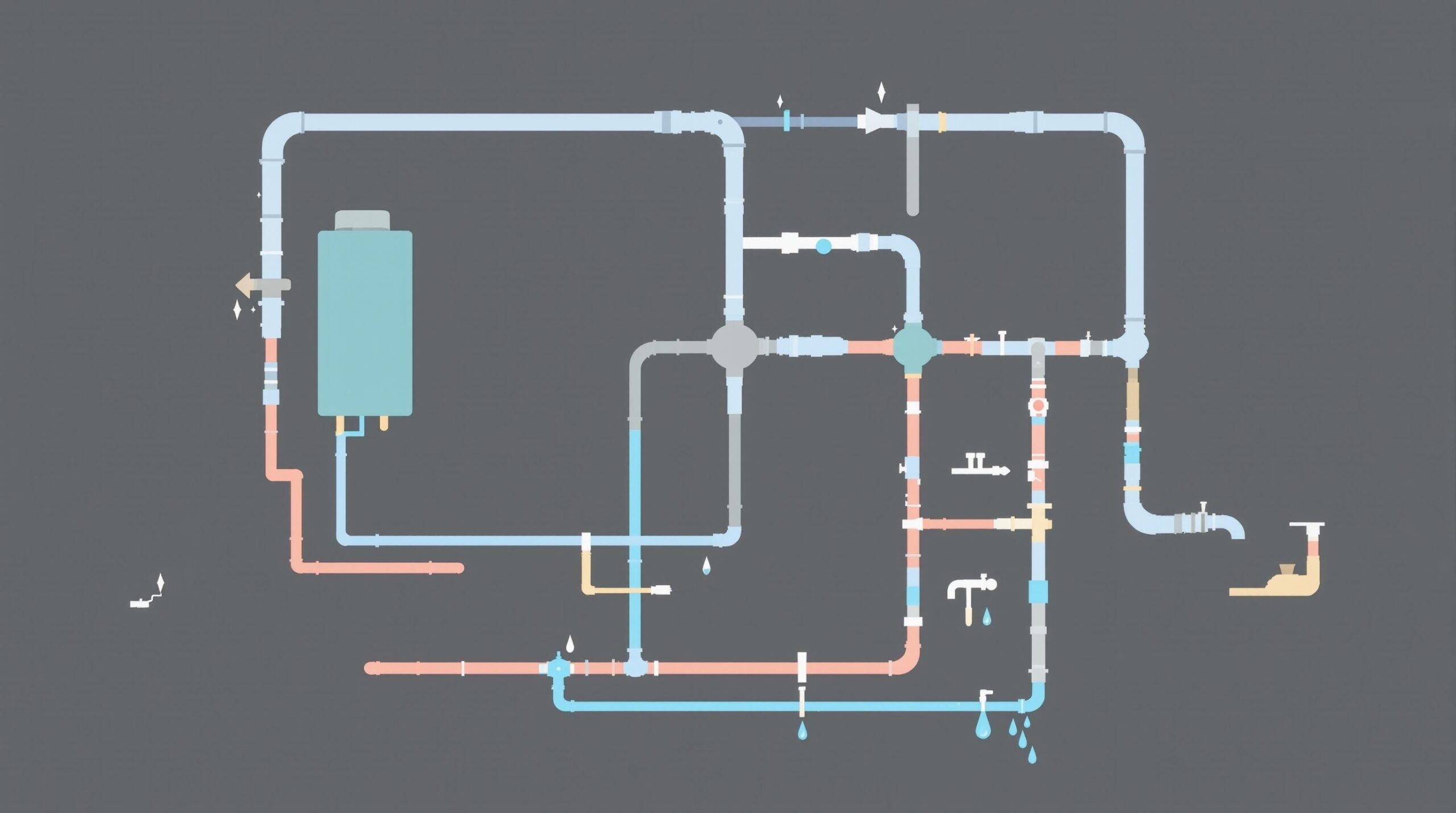
Before we delve into practical maintenance tips, let’s take a moment to understand how your home’s plumbing system works. Many homeowners have a basic idea, but grasping the fundamentals can pave the way for successful prevention and repair efforts. Your plumbing system is essentially the network that transports water to and from your home. This network includes pipes, fixtures, fittings, drains, and valves, all working together to ensure that fresh water is delivered to you when needed, while also safely removing wastewater.
At the heart of this intricate system are two primary components: the supply system and the drainage system. The supply system brings fresh water from the public water supply or a private well into your home through a series of pipes. Meanwhile, the drainage system carries used water and waste away from your home and into the sewer system or a septic tank. Understanding the dynamics of these systems will not only help you tackle problems effectively but also allow you to take preventive measures that promote longevity and efficiency.
Here’s a snapshot of the key components of your plumbing system:
| Component | Function |
|---|---|
| Supply Pipes | Transport clean water into your home. |
| Drain Pipes | Carry wastewater away from your home. |
| Fixtures (sinks, toilets, showers) | Points of use for water; where water is accessed and wastewater is expelled. |
| Valves | Control water flow throughout the system; important for repairs and emergencies. |
| Drains | Ensure wastewater moves away from fixtures and into the drainage system. |
By recognizing these key elements and their functions, you can better respond to issues as they arise. If a faucet is dripping, for example, you can pinpoint whether the problem is in the fixture itself or if there’s a broader issue within the piping system. Additionally, familiarity with the layout of your plumbing can make you a proactive homeowner—allowing you to conduct routine checks that can catch issues before they escalate.
Next, let’s explore how to perform routine checks and preventive maintenance that will empower you to keep your plumbing system in prime condition. With the right knowledge and a commitment to ongoing upkeep, you’ll be on your way to a healthier, more efficient home plumbing system.
Routine Checks and Preventive Maintenance
Just like any other system in your home, regular maintenance is the linchpin in ensuring that your plumbing operates smoothly and efficiently. Neglecting your plumbing can lead to inconvenient mishaps, costly repairs, and, in some cases, even potential health hazards. Taking the time for routine checks can help you catch minor issues before they evolve into major headaches. Here are vital maintenance practices to incorporate into your home care routine.
1. Inspect for Leaks
Leak detection should be one of the first items on your routine maintenance checklist. Begin in areas that are notorious for leaks, such as under sinks, around toilets, and near the water heater. Look for water stains, mold growth, or damp spots, which are telltale signs of a leak. Many leaks can originate from loose fittings or worn-out washers, which you can easily tighten or replace.
2. Flush Your Water Heater
Your water heater plays a crucial role in your plumbing system, yet it is often overlooked. Sediment buildup can reduce efficiency and shorten the unit’s lifespan. To combat this, it’s beneficial to flush your water heater at least once a year. Simply turn off the power or gas, connect a hose to the drainage valve, and let the cold water push out any sediment. This simple task can lead to improved performance and extended durability.
3. Clear Drains Regularly
Clogged drains can disrupt your plumbing flow and may indicate more significant issues down the road. To maintain a clear drainage system, periodically use a plunger or drain snake to address any buildup. For a more preventive approach, consider pouring a mixture of baking soda and vinegar down the drain every couple of months, followed by hot water. This natural cleaner helps dissolve potential clogs while being gentle on your pipes.
4. Examine Your Toilets
Toilets are often the unsung heroes of our plumbing systems, yet they require attention to run efficiently. Test your toilet for leaks by adding a few drops of food coloring to the tank and waiting for 30 minutes. If the color seeps into the bowl, you have a leak that needs addressing. Additionally, inspect the flapper valve and flush handle, ensuring they are in good working condition.
5. Monitor Water Pressure
High water pressure can strain your plumbing system, leading to leaks and bursts. Install a water pressure gauge on your outdoor spigot to monitor levels. Ideally, home water pressure should be between 40 and 60 psi. If you find that it’s too high, consider contacting a plumber to adjust the pressure-reducing valve.
6. Protect Your Pipes in Winter
Winter actions are crucial for those living in colder climates. Insulate exposed pipes in unheated areas, like your garage and basement, to prevent freezing. Additionally, during extremely cold spells, let your faucets drip to keep water flowing, reducing the risk of bursts.
By integrating these routine checks into your lifestyle, you become an empowered homeowner—one who can prevent plumbing catastrophes before they occur. This dedication to regular maintenance not only enhances the longevity of your plumbing system but will also contribute to a healthier home environment. In our next section, we’ll delve into some common DIY plumbing fixes that every homeowner should know, giving you the tools to tackle minor issues with confidence.
Common DIY Plumbing Fixes for Homeowners
Equipped with a fundamental understanding of routine checks, you’re now ready to tackle some of the most common plumbing issues that can arise within your home. While many might call a professional at the first sign of trouble, many plumbing fixes can be straightforward enough for a motivated homeowner to handle. With the right tools and a bit of know-how, you can address minor leaks, clogs, and repairs without breaking a sweat. Here are some common DIY plumbing fixes that every homeowner should have in their toolbox.
1. Fixing a Dripping Faucet
A dripping faucet not only annoys the household but can also waste gallons of water over time. To fix it, start by shutting off the water supply and plugging the drain to prevent small parts from falling in. Remove the faucet handle—usually held in place by a screw hidden under a decorative cap or behind the handle itself. Replace the washer or O-ring, which often wear out and create leaks. Reassemble your faucet and turn the water back on. You’ll be amazed at the difference this simple fix can make!
2. Unclogging Drains
Clogs happen to the best of us. Before reaching for harsh chemical drain cleaners, try using a plunger or a plumber’s snake. If you encounter a stubborn clog that won’t budge, you can create a natural drain cleaner by pouring a cup of baking soda down the drain followed by a cup of vinegar. Let it sit for about 30 minutes, rinse with hot water, and see if that clears up the blockage. Regular maintenance, like the baking soda and vinegar treatment, can help keep future buildups at bay.
3. Toilets That Won’t Flush
A toilet that refuses to flush can be frustrating. First, check to see if the tank is filling up properly. If not, you might have a problem with the flapper or the fill valve. Often, simply adjusting the chain on the flapper or cleaning the valve can do the trick. If the flushing mechanism is jammed, removing the tank lid and performing a quick inspection can help you identify what’s preventing the flush. Once diagnosed, replace any worn parts to restore functionality.
4. Repairing Running Toilets
If your toilet runs continuously, this could indicate a worn flapper or an improperly adjusted float. Start by removing the tank lid and inspecting the flapper. If it appears worn or doesn’t seal properly, replace it. Next, adjust the float arm to ensure that it’s at the right height to prevent the tank from overfilling. This simple repair can save water and keep your toilet functioning optimally.
5. Fixing Leaky Pex or PVC Pipes
Leaky pipes can lead to larger issues if not addressed quickly. For minor leaks on Pex or PVC pipes, using a coupling may suffice. Simply cut the pipe at the leak, attach the coupling, and secure it. When working with PVC, apply solvent cement to both the pipe and the fitting for a secure seal. For Pex pipes, use a crimp ring or clamp for a quick and effective fix.
6. Replacing Showerheads
A drippy or low-flow showerhead can be easily replaced in just a few minutes. First, unscrew the old head by turning it counter-clockwise. Clean any debris from the pipe’s threads and wrap it with plumber’s tape before attaching the new showerhead. This quick upgrade can provide better water efficiency and transform your shower experience in no time.
With these common DIY fixes under your belt, you’ll find that many plumbing challenges can be met with confidence and a little creativity. Being proactive with minor repairs not only empowers you but it also fosters a sense of self-sufficiency in homeownership. As you dive into these projects, remember that having the right tools and a willingness to learn are the secrets to successful DIY plumbing. In our next section, we will discuss handling seasonal changes and how to keep your plumbing in top shape year-round.
Handling Seasonal Changes
With each season comes a unique set of challenges for homeowners, particularly when it comes to plumbing. From the harsh freeze of winter to the humid heat of summer, your plumbing system can experience wear and tear if not properly maintained. Understanding how seasonal changes impact your plumbing can make a considerable difference in preventing major issues down the line. Here’s what you need to know to keep your plumbing system in top shape all year round.
Winter Preparations
When temperatures drop, your pipes risk freezing, which can lead to cracks and leaks. To avoid this, take the following precautions:
- Insulate exposed pipes, especially those in unheated areas such as basements, attics, and crawl spaces.
- Keep cabinet doors open beneath sinks to allow warm air to circulate around plumbing.
- Let faucets drip slightly during extreme cold spells to prevent water from freezing in the pipes.
Spring Maintenance
Spring thawing often leads to an increase in water flow, which can reveal hidden plumbing issues emerging from winter. Conduct these checks:
- Inspect for leaks, especially after the snow melts.
- Clear gutters and downspouts to prevent overflow, which can affect your home’s foundation and drainage systems.
- Consider hydro-jetting to clear any residual debris from sewer lines that might have built up over winter.
Summer Readiness
Summer months can lead to increased water consumption, particularly with outdoor activities. To keep your plumbing in peak condition:
- Check your irrigation systems for leaks or clogs, ensuring that your garden receives the right amount of water without wastage.
- Inspect your washing machine hoses and connections for cracks that can worsen under high temperatures.
- Test your sump pump if you live in a flood-prone area, as summer storms can bring unexpected rainfall.
Fall Precautions
The fall season is often a busy time for homeowners preparing for winter. Here are some essential tasks:
- Drain and store outdoor hoses and sprinkler systems to prevent freezing.
- Inspect your water heater for any signs of rust or corrosion as you prepare to use it more in colder months.
- Schedule a plumbing inspection to catch any issues before winter sets in.
| Season | Key Plumbing Tasks |
|---|---|
| Winter | Insulate pipes, open cabinet doors, let faucets drip |
| Spring | Inspect for leaks, clear gutters, consider hydro-jetting |
| Summer | Check irrigation systems, inspect washing machine hoses, test sump pump |
| Fall | Drain outdoor hoses, inspect water heater, schedule plumbing inspection |
By proactively managing seasonal changes, you can extend the life of your plumbing system while avoiding inconvenient and costly repairs. Remember, an ounce of prevention is worth a pound of cure—stay one step ahead with thoughtful consideration for each season’s impact on your plumbing!
Effective Clog Prevention Strategies
As we transition from dealing with seasonal changes to the everyday realities of plumbing maintenance, understanding the importance of clog prevention becomes paramount. Clogs are not just an inconvenience; they can lead to significant damage and complicated repairs if not addressed promptly. Fortunately, there are several effective strategies you can implement to ward off clogs and maintain a smooth-running plumbing system all year long.
Regular Drain Cleaning
One of the most straightforward yet powerful methods to prevent clogs is regular drain cleaning. Make it a habit to flush your drains with a mixture of hot water and vinegar monthly. This will help dissolve grease and buildup without the harsh effects of commercial cleaners. Follow this by rinsing with cold water to clear any remaining debris.
Be Mindful of What Goes Down the Drain
The kitchen and bathroom are hotspots for potential clogs, so being mindful of what you dispose of is crucial. In the kitchen, always use a strainer in the sink to catch food particles, and avoid putting fibrous vegetables, oils, or pastas down the disposal or drain. In the bathroom, only flush toilet paper and human waste—never feminine products, wipes, or other items that can cause blockages.
Utilize Hot Water Regularly
Incorporate routine flushing of your drains with hot water, especially after using oils or fats in cooking. Hot water helps keep grease in a liquid state, allowing it to flow smoothly through the pipes rather than congealing and causing problems down the line.
Check Your Gutters and Downspouts
While not directly part of your plumbing system, clogged gutters and downspouts can lead to bigger plumbing issues by causing water to overflow and seep into your foundation or basement. During heavy rains, ensure water is directed away from your home’s base and that gutters are clear to prevent standing water issues that can affect your entire plumbing system.
Invest in Hair Traps
For those who struggle with hair clogs in the bathroom, consider investing in hair traps for your shower or bath. These devices capture hair before it can enter the drain, significantly reducing the likelihood of clogs. Regularly clean out these traps to ensure they remain effective.
Schedule Professional Inspections
Lastly, while DIY strategies can go a long way, don’t underestimate the value of professional maintenance. Scheduling annual plumbing inspections can help catch early signs of potential clogs or other plumbing issues before they escalate into a bigger headache. Certified plumbers have tools and techniques that can provide thorough cleaning and inspection beyond what is feasible for a homeowner.
By embracing these clog prevention strategies, homeowners in Townsend, DE, can enjoy a more efficient and reliable plumbing system year-round. Staying proactive is key—by learning to maintain your plumbing system better, you can minimize unexpected repairs and extend its longevity.
Proactive Plumbing Maintenance: The Key to Longevity
Taking a proactive approach to plumbing maintenance in Townsend, DE can minimize unexpected repairs and prolong the life of your system. By following the DIY tips provided and regularly monitoring your plumbing, you ensure efficiency and reliability year-round.
How Often Should I Inspect My Plumbing?
Simple Signs of a Plumbing Problem
Awareness is your first line of defense. Some easy-to-spot signs that indicate plumbing issues include:
- Unusual sounds, such as gurgling or bubbling, from your drains.
- Water stains or damp spots on walls or ceilings, suggesting leaks behind walls.
- Reduced water pressure when using faucets or showers, pointing to possible blockages.
- An unexpected spike in your water bill might indicate unseen leaks.
- Dry spots around your lawn could mean a hidden leak or plumbing issue beneath the surface.
Paying attention to these signs can help you tackle issues before they escalate.
Can I Use Over-the-Counter Drain Cleaners Regularly?
While over-the-counter drain cleaners may seem like a quick fix for stubborn clogs, frequent use can be detrimental to your plumbing. Many of these products contain harsh chemicals that can wear down pipes over time, leading to more serious issues. Instead, consider using safer, natural alternatives like baking soda and vinegar, or scheduling a professional cleaning before resorting to these chemical solutions. Consistently relying on drain cleaners may mask underlying problems that require more comprehensive solutions.
Maintaining Water Pressure in Your Home
Consistent water pressure is essential for comfortable living. If you notice fluctuations in water pressure, start by checking your faucet aerators and showerheads for mineral build-up. Regular cleaning can significantly improve flow. Also, ensure your home’s main shut-off valve is fully open and monitor for leaks in your pipes, which can contribute to low pressure. If the problem persists, consulting a professional plumber can identify and remedy hidden issues.
What to Do in a Plumbing Emergency in Townsend, DE
No one anticipates a plumbing emergency, but knowing how to react can save you from extensive damage. In the case of a significant leak or burst pipe, the first step is to locate and shut off your home’s main water supply to limit water damage. Check your property for any additional signs of malfunction, like overflowing toilets or backup sewage. Always have the contact information of a reliable local plumber handy to address emergencies swiftly. In Townsend, DE, there are several trusted professionals available to provide prompt assistance and mitigate any plumbing crisis.
Ultimately, maintaining your plumbing system should be a top priority. By incorporating regular inspections, remaining vigilant for signs of trouble, and taking swift action during emergencies, you can preserve the functionality of your plumbing year-round, ensuring peace of mind for you and your family.
Proactive Plumbing Maintenance: Your Key to Longevity
Taking a proactive approach to plumbing maintenance is not just a best practice; it’s essential for any homeowner who values both their time and peace of mind. In Townsend, DE, where seasonal shifts can bring unexpected plumbing challenges, establishing a routine for regular maintenance will help shield your home from unforeseen repair bills and stress. By keeping your plumbing system in check, you can ensure that it remains efficient and reliable all year long.
The Importance of Routine Monitoring
Regular monitoring of your plumbing system can be thought of as a health check for your home. Just like you would schedule annual physicals or regular check-ups for your car, your plumbing deserves the same level of attention. Identify any potential issues before they turn into emergencies. Start by visual inspections around your home—look for signs of leaks, water stains, or dampness, especially around pipes, water heaters, and fixtures. A small drip today can lead to a bigger problem tomorrow, so staying vigilant is crucial.
Embrace DIY Maintenance Tasks
Incorporate some simple yet effective DIY maintenance tasks to your routine. Beyond the clog prevention techniques discussed earlier, consider checking your faucet aerators and showerheads for mineral buildup. This not only improves water flow but also maximizes your home’s energy efficiency. Replacing worn washers and seals can also help prevent leaks and ensure smooth operation. Remember, minor adjustments can lead to significant improvements.
Maintain Your Water Heater
Your water heater plays a vital role in your plumbing system, so it deserves special attention. Regularly flushing your water heater helps eliminate sediment buildup that can reduce efficiency and lifespan. Aim to flush it out at least once a year to keep it operating smoothly. Pay attention to the settings on your water heater, ensuring that they are set to the optimal temperature—generally around 120 degrees Fahrenheit—to maximize efficiency and safety.
Clear Out the Unexpected
Don’t forget about the little things that can have considerable impacts, such as air vents and sump pumps. Ensure that vents are clear of debris, which can hinder airflow and lead to plumbing issues. For basements prone to flooding, test your sump pump regularly to ensure it’s functioning properly. This could be the difference between a routine rainstorm and a costly flood.
Engage in Seasonal Maintenance
Lastly, adapt your maintenance approach to the changing seasons. As temperatures drop in Townsend, take the time to insulate exposed pipes to prevent freezing and bursting. In spring, inspect your exterior plumbing for any damage that may have occurred during the winter months. Staying ahead of seasonal changes can help extend the life of your plumbing system while helping you avoid sudden surprises.
In summary, the benefits of taking a proactive approach to plumbing maintenance in Townsend, DE cannot be overstated. By implementing these DIY tips and regularly monitoring your plumbing, you will not only minimize unexpected repairs but also enhance the durability of your system. With a little time and effort, your plumbing can serve you reliably for years to come, leaving you free to focus on the more enjoyable aspects of homeownership.