
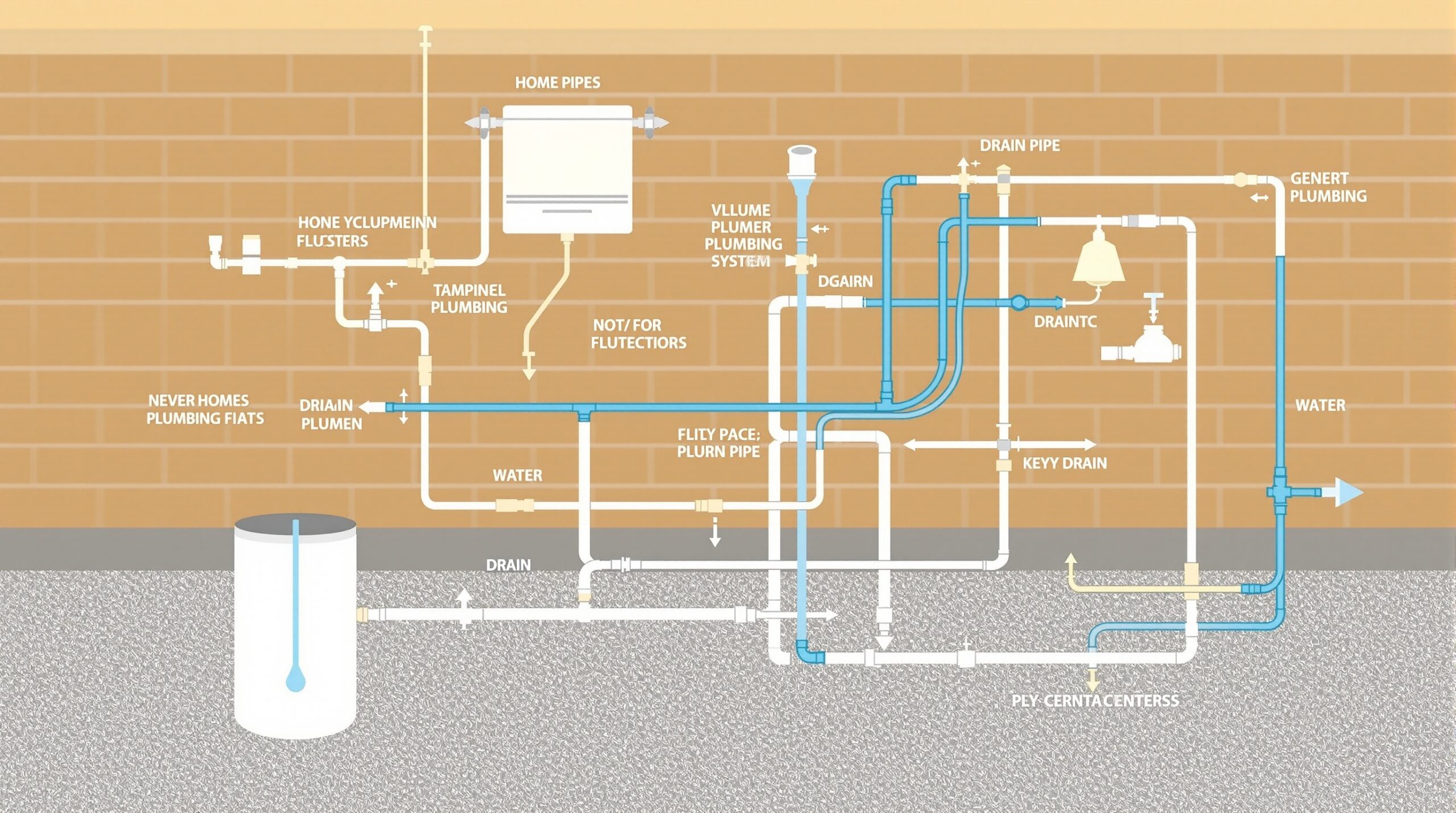
Your Plumbing: The Lifeline of Your Home
Imagine turning on the tap in your kitchen and hearing nothing but silence. Or picture your shower sputtering instead of delivering a refreshing flow of water. Plumbers might seem like the unsung heroes of our homes, but as a homeowner in Warwick, DE, it’s vital to realize that a little know-how about plumbing maintenance can go a long way.
Why Plumbing Maintenance Matters
Just like keeping the oil changed in your car or making sure your garden is watered, your plumbing system needs attention, too! Regular maintenance helps avoid unexpected disasters like leaky pipes or a clogged drain that can disrupt your daily life. By being proactive, you can save yourself a lot of headaches down the road! And the best part? Many of these maintenance tasks are simple enough for you to do yourself.
Your DIY Plumbing Checklist
This guide is here to help you discover the essentials of plumbing maintenance and equip you with handy DIY tips specifically tailored for your home in Warwick. Are you ready to roll up your sleeves and dive into some plumbing care? From checking for leaks to understanding what to do during freezes, you’ll be well on your way to ensuring your plumbing system runs smoothly for years to come.
Let’s get started! Who knew being a homeowner could be this rewarding?
Understanding Your Home’s Plumbing System: An Overview
Your plumbing system is much more than a series of pipes and drains; it’s a complex network designed to deliver water where you need it and remove waste efficiently. Here’s a deeper look at the versatile components that make your home’s plumbing system work seamlessly behind the scenes.
The Main Components of Your Plumbing System
At first glance, it might seem that plumbing is all about pipes, but it encompasses much more. Understanding the various components can empower you to make more informed decisions about maintenance and repairs. Here’s a rundown of the key components of a typical home plumbing system:
| Component | Function |
|---|---|
| Water Supply Lines | Deliver fresh water to faucets, toilets, and appliances. |
| Drainage Pipes | Transport wastewater from sinks, showers, and toilets to the sewer line. |
| Fixtures | Devices like sinks, toilets, showers, and bathtubs that utilize water. |
| Valves | Controls the flow of water within the system, allowing for isolation during repairs. |
| Pumps | Assist in moving water to higher elevations, essential for homes with basements. |
| Water Heater | Heats water for use in showers, cleaning, and cooking. |
| Traps | Prevents sewer gases from entering your home while allowing wastewater to pass through. |
How Does Water Flow in Your Home?
Imagine your home’s plumbing as a well-orchestrated symphony. Water enters through the main supply line, which connects to the municipal water supply or a private well. From there, it travels to various fixtures via the water supply lines. Once used, wastewater is channeled through the drainage pipes to your home’s main sewer line, ultimately leading to treatment facilities or a septic system.
Common Plumbing Issues You Might Encounter
Understanding how your plumbing system operates also means being aware of the typical problems that can arise. These can include:
- Leaky Faucets: A common nuisance that can waste water over time.
- Low Water Pressure: Often caused by clogs or pressure regulator issues.
- Drain Clogs: Can result from debris buildup, hair, or grease.
- Running Toilets: Often due to faulty flappers or fill valves.
By gaining insight into the make-up of your plumbing system, you’ll not only be better equipped to handle regular maintenance but also more prepared should a plumbing issue arise. After all, knowing how everything works together is the key to keeping the lifeline of your home flowing smoothly.
Now that you’ve got a grasp on your plumbing system, let’s dive into some practical tips to keep your plumbing in prime condition.
Routine Maintenance Tips to Keep Your Plumbing in Prime Condition
Your home’s plumbing system is a silent workhorse, tirelessly performing its duties day in and day out. To ensure it continues to operate smoothly and efficiently, implementing a routine maintenance schedule is essential. Just as you wouldn’t ignore the oil change in your car, your plumbing deserves regular attention.
Regular Inspections
Start by inspecting various components of your plumbing system on a regular basis. Look for signs of wear and tear on pipes, particularly at joints or connections. Pay close attention to fixtures and appliances, ensuring there are no visible leaks. A keen eye can catch small issues before they evolve into major problems.
Keep It Clear
One of the leading causes of plumbing problems is blockages. To prevent clogs, be mindful of what goes down your drains. Use drain covers to catch hair and debris in sinks and showers. Additionally, treat your drains to a regular cleaning with a mixture of hot water and vinegar. This natural solution can help dissolve buildup without harsh chemicals.
Check Your Water Pressure
Low water pressure can signal underlying plumbing issues. Use a water pressure gauge to monitor your home’s water pressure. Ideally, it should range between 40-60 PSI. If it dips below this range, consider checking for clogs or connecting with a plumber to investigate further.
Flush Your Water Heater
Your water heater deserves special attention on a yearly basis. Flushing it helps remove sediment buildup that can affect its efficiency. Simply turn off the power/gas supply, connect a hose to the drain valve, and allow the water to flow out until it runs clear. This maintenance task enhances the longevity of your unit.
Check for Leaks
Minor leaks can result in considerable water loss over time, so it’s vital to locate and address them promptly. Run your taps and toilets while observing, and listen for any unusual sounds, like hissing or dripping. If you find a leak, consider tightening connections or replacing the washer or seal causing the problem. For more stubborn leaks, you might need to enlist professional help.
Beware of Soap Scum
Soap scum can build up in pipes over time, leading to slow drainage. Combat this by using biodegradable soaps and regularly cleaning your fixtures to minimize residue accumulation. Consider scheduling an annual deep clean for your plumbing to thoroughly remove soap scum and hard water deposits.
Monitor the Temperature
Maintaining the right temperature in your plumbing pipes is also crucial, especially in colder climates. If you’re heading into winter, insulate exposed pipes in unheated spaces like attics or basements. This simple preventive measure can save you from burst pipes and the subsequent damage that results.
Know Your Valves
Familiarize yourself with the location and operation of your shut-off valves, both for the entire house and for individual fixtures. In the event of an emergency, knowing how to quickly cut off the water supply can prevent disastrous flooding or even more severe damage.
By incorporating these routine maintenance tips into your home care regimen, you can enjoy a well-functioning plumbing system and potentially avoid costly, disruptive repairs down the line. After all, a little diligence today can save you plenty of headaches tomorrow. Now that you’ve empowered your plumbing knowledge, let’s explore common plumbing problems and effective DIY solutions next.
Common Plumbing Problems and DIY Solutions
Even with diligent maintenance, plumbing issues can still arise. Understanding these common problems, along with effective DIY remedies, can empower you to tackle minor disasters before they turn into catastrophes. Ready to roll up your sleeves? Let’s dive into the most frequent plumbing dilemmas and practical solutions that you can try at home.
Clogged Drains
One of the most prevalent plumbing hassles, clogged drains can disrupt your day-to-day routine. Whether it’s the kitchen sink, shower, or toilet, blockages often stem from a buildup of hair, grease, food particles, or soap scum. To handle minor clogs, start with a plunger—sometimes, a good old-fashioned plunge can do wonders. If plunging doesn’t work, try a mixture of baking soda and vinegar. Pour half a cup of baking soda down the drain, followed by half a cup of vinegar. Let it fizz for about 30 minutes, then flush the drain with hot water. This natural remedy can help break down the obstruction without harmful chemicals.
Running Toilets
A running toilet can be both annoying and wasteful. Often, the issue arises from a leaky flapper valve or an improperly adjusted float. Start by removing the tank lid and inspecting the components. If the flapper seems worn or stiff, a quick replacement can solve the problem. Additionally, adjust the float to ensure that the water level is adequately set—if it’s too high, it can cause continuous overflowing. A little fine-tuning here can restore tranquility to your bathroom.
Low Water Pressure
Experiencing low water pressure can be frustrating, particularly when trying to enjoy a shower or fill a pot. First, check if the issue affects just one fixture or the entire house. For individual fixtures, unscrew the aerator from the faucet and clean it of any buildup, then reassemble it. If the problem persists throughout your home, check for possible leaks or clogs in your plumbing system, or consider flushing your water heater as sediment buildup might be affecting your pressure.
Leaky Faucets
The sound of a dripping faucet can drive anyone mad, and beyond that, it can waste significant amounts of water. Luckily, repairing a leaky faucet can often be a straightforward DIY project. Begin by turning off the water supply and removing the faucet handle. Depending on the type of faucet, replace worn-out washers or cartridge seals. Reassemble the faucet, turn the water back on, and voilà—your faucet will be drip-free in no time!
Faulty Garbage Disposals
Garbage disposals can quickly become clogged or jammed due to food waste accumulation. If yours is making a humming sound but not grinding, it may just need a little reset. Look for a reset button on the bottom of the disposal unit and press it. If that doesn’t work, use an Allen wrench to manually rotate the blades. For persistent clogs, try grinding ice cubes or citrus peels to help dislodge debris and clean the unit. Remember, always run water while the disposal is operating to keep it clear.
Water Heater Issues
If you find yourself taking cold showers or noticing rusty hot water, there may be an issue with your water heater. Start by checking the thermostat settings; ensure they are set appropriately. If the problem lies with sediment buildup, periodic flushing (as discussed in the maintenance section) is necessary. Additionally, inspect the anode rod inside the heater; if it’s corroded, replacing it can prolong the lifespan of your water heater.
By becoming familiar with these common plumbing problems and their corresponding DIY solutions, you can tackle minor repairs with confidence and ease. However, it’s crucial to recognize your limits—if the situation escalates or you encounter any complexities, don’t hesitate to reach out for professional help. In the next section, we’ll guide you through the signs that indicate when it’s time to call in a plumbing expert.
Signs You May Need Professional Help: When to Call a Plumber
While self-repair can be an empowering journey, there are times when it’s essential to recognize that the best course of action is to call in a professional. Ignoring persistent plumbing issues could lead to bigger problems down the line. So, how do you know when it’s time to set aside your toolbox and reach for the phone? Here are some red flags to watch for that signal it’s time to consult a plumbing expert.
Recurring Clogs
If you find yourself battling the same clogged drain time and again, it may be a sign of a deeper issue within your plumbing system rather than just a temporary blockage. Frequent clogs can indicate that there is a significant obstruction, such as tree roots infiltrating your pipes or a build-up of grease far down in your plumbing. Don’t let these issues snowball; a professional plumber can identify the source and propose the necessary remedies.
Visible Leaks or Water Damage
Water pooling around your fixtures, damp spots on walls, or a musty odor in your home can indicate hidden leaks. Such problems not only compromise your plumbing system but can also lead to dangerous mold growth and structural concerns. If you notice any signs of water damage, it’s advisable to call a plumber who can conduct a thorough investigation and fix the leaks promptly—saving you potential headaches in the future.
Unusual Noises
Sometimes, your plumbing system might communicate with you through sounds. Banging, gurgling, or hissing noises from the pipes may indicate issues like water hammer, air in the pipes, or drainage problems. While you might be tempted to ignore these noises, it’s best to address them sooner rather than later. A qualified plumber can diagnose the problem and ensure your system operates smoothly.
Multiple Fixtures Acting Up
If multiple fixtures in your home exhibit issues simultaneously, it could signify a larger plumbing problem. Your home’s plumbing system is interconnected; thus, a failure in one area can affect others. For instance, if you encounter low water pressure throughout your house or multiple drains are backed up, it indicates a systemic issue. A plumber can provide a comprehensive solution that addresses the root cause rather than just the symptoms.
Changes in Water Quality
Whether you’ve noticed discoloration in your water, a funky odor, or even a strange taste, these aren’t trivial issues. Deteriorating water quality may point to contamination or damage in your plumbing system. If your once-clear water is now murky or has an unusual smell, calling a professional is crucial—they can test your water and ensure it’s safe for your family.
Age of Plumbing System
If your plumbing system has aged significantly, it’s wise to be proactive. Old pipes can be prone to leaks, corrosion, and a multitude of issues that might not be immediately visible. An inspection by a professional plumber can help you assess the condition of your system and determine if updates or replacements are necessary.
| Sign of Trouble | Possible Issue | Recommended Action |
|---|---|---|
| Recurring Clogs | Deeper blockage or tree roots | Call a plumber to investigate the drainage system |
| Visible Leaks | Hidden leaks or water damage | Seek professional help for inspection and repair |
| Unusual Noises | Water hammer or drainage issues | Consult a plumber for diagnosis |
| Multiple Fixtures Acting Up | Systemic plumbing problem | Contact a professional for a thorough examination |
| Changes in Water Quality | Contamination or pipe deterioration | Call in experts for water testing and plumbing assessment |
| Age of Plumbing System | Potential wear and tear | Schedule an inspection with a licensed plumber |
Understanding these signs is crucial in maintaining a healthy and functional plumbing system in your home. Remember, while DIY solutions are a wonderful way to enhance your homeownership skills, knowing when to bring in the professionals can save you time and prevent costly damages. Keep your home running smoothly by addressing plumbing issues head-on—the key to a happy home lies in the little things, and plumbing is no exception. With this knowledge at hand, you’ll be ready to meet your needs head-on and ensure your home is well looked after.
Seasonal Plumbing Tips for Warwick, DE Homeowners
As the seasons change in Warwick, Delaware, so do the plumbing needs of your home. With each season comes unique challenges that can impact the efficiency and longevity of your plumbing system. Understanding how seasonal changes affect your plumbing can help you keep everything running smoothly and prevent any surprises down the line. Here are some essential seasonal plumbing tips for homeowners in Warwick.
Spring: Time for a Check-Up
With winter behind us, spring is a great time to give your plumbing system a thorough check-up. After the freezing temperatures, ensure that your pipes have survived the chill without damage. Check for any leaks, especially in crawl spaces and basements, where moisture can cause significant long-term issues.
Moreover, inspect your outdoor plumbing fixtures, such as hose bibs and sprinkler systems. Ensure they’re ready for the upcoming growing season, and consider draining any unused outdoor plumbing to avoid rust and buildup. Cleaning gutters and downspouts is also crucial to prevent rainwater damage that can lead to plumbing issues inside the home.
Summer: Stay Ahead of the Heat
As temperatures rise, so does water usage. July and August can put your plumbing system under pressure, from increased showers to more frequent lawn watering. It’s critical to monitor your water usage and ensure all fixtures are working efficiently. Take the time to check for any hidden leaks that may be wasting water. Consider installing low-flow fixtures or irrigation systems to manage your summer water consumption better, promoting sustainability as well.
Fall: Prepare for the Freeze
As the leaves begin to fall and temperatures start to dip again, it’s essential to prepare your plumbing system for the impending winter months. Drain and winterize outdoor hoses and sprinkler systems to prevent damage from freezing temperatures. This is also an excellent time to inspect your water heater and consider flushing it to remove sediment buildup, enhancing its efficiency as demand for hot water increases during cooler months. Additionally, ensure your home is well-insulated, paying special attention to pipes in unheated areas to prevent freezing.
Winter: Protect Against the Cold
Winter can be testing for your plumbing, especially in regions like Warwick where temperatures can plummet. Periodically check for signs of pipe freezing, such as insufficient water flow or unusual noises in the pipes. To protect your plumbing, keep garage doors closed if there are water supply lines there, and allow warm air to circulate around any exposed pipes. You can also insulate pipes in unheated areas with foam sleeves or rags if necessary. If a freeze does occur, don’t despair—slowly thawing frozen pipes with warm air can often prevent them from bursting.
By understanding how different seasons impact your plumbing and taking preventive steps, you can enjoy a more resilient plumbing system year-round. Proactive maintenance ensures your home remains safe and functional, paving the way for a comfortable living space free from plumbing woes. Embrace each season with confidence, knowing that a little foresight can go a long way toward maintaining the heart of your home. Remember, seasonal attention to your plumbing can make all the difference in ensuring a smoothly running system, safeguarding your home’s comfort through every twist and turn of the year.
Common Plumbing Concerns: How to Stay Ahead of the Game
Maintaining your home’s plumbing system doesn’t need to be an overwhelming task. Navigating common plumbing concerns can keep your system running smoothly while also preventing more significant issues down the road. Here, we’ll explore essential topics such as how often homeowners should inspect their plumbing, effective methods for unclogging drains, and tips for preventing pipes from freezing during the frigid winter months.
How Often Should Homeowners Inspect Their Plumbing?
A proactive approach to plumbing maintenance can save you from unexpected emergencies. It’s advisable to conduct a comprehensive inspection of your plumbing system at least once a year. During this annual check-up, closely examine visible pipes, fixtures, and appliances for any signs of wear and tear. Additionally, consider performing inspections during seasonal transitions when your plumbing is transitioning from one demand cycle to another. This means examining both indoor and outdoor plumbing, especially before and after winter, to ensure everything is in tip-top shape.
Effective Ways to Unclog a Drain
Clogged drains can be a major hassle, but with a few straightforward techniques, you can tackle minor blockages without calling in the pros. Start with a plunger—its suction can work wonders on most clogs. If that doesn’t do the trick, try pouring a mixture of baking soda and vinegar down the drain followed by boiling water. This combination can break down buildup within the pipes. For stubborn clogs, a plumbing snake is an excellent tool that can reach deep into the drain to dislodge obstructions. Remember, chemical drain cleaners are best avoided as they can damage your pipes over time. Regular maintenance, such as using strainers and avoiding pouring grease or food down the sink, can help prevent future clogs.
Tips for Preventing Frozen Pipes
Frozen pipes are a significant concern in winter and can lead to serious damage if not addressed promptly. To protect your plumbing from freezing, start by insulating exposed pipes in unheated areas like basements and crawl spaces. You can use foam pipe insulation or even old rags as a makeshift insulator. During cold snaps, let faucets drip slightly to keep water flowing through the pipes, reducing the likelihood of them freezing. Additionally, open cabinet doors under sinks to allow warm air to circulate around the plumbing. Finally, sealing cracks and gaps in walls and foundations can prevent cold air from reaching your pipes, offering an extra layer of protection against frigid temperatures.
By regularly inspecting your plumbing, knowing how to effectively unclog drains, and preparing your pipes for winter, homeowners in Warwick can ensure their plumbing systems are resilient and efficient year-round. These practical, proactive measures can help maintain a well-functioning plumbing system, safeguarding your home from the unexpected challenges that can disrupt your daily routine.
Simple Solutions for Everyday Plumbing Issues
While seasonal shifts certainly bring specific plumbing challenges, it’s vital to remember that everyday maintenance can greatly reduce the burden of unexpected issues. Every Warwick homeowner can take proactive steps to ensure a well-functioning plumbing system without feeling overwhelmed. Here are some simple solutions for common plumbing problems that can save you from headaches down the road.
Routine Inspections: Your First Line of Defense
Conducting routine inspections around your home can be a game-changer. Set aside a few minutes each month to check under sinks for leaks, observe water flow from faucets, and ensure there are no visible cracks in your main pipes. Look for signs such as water stains on walls or ceilings, which can indicate hidden leaks. Regular inspections will not only enhance your plumbing’s lifespan but also give you peace of mind.
Clog Prevention: A Quick Checklist
Clogs are an all-too-common headache for many homeowners. To keep your drains flowing freely, implement a few simple practices. Make it a habit to use drain strainers in sinks and showers to catch hair, soap scum, and food particles that can lead to blockages. Running hot water down kitchen sinks after each use can help dissolve grease build-up, while being mindful of what you flush down toilets can prevent unwanted backups. A monthly baking soda and vinegar flush may give your drains a refreshing cleanse without harsh chemicals.
Mindful Water Usage: The Importance of Awareness
Being mindful of water usage is another critical aspect of maintaining your plumbing system. Avoid using your garbage disposal for non-food items, and always ensure that your washing machine and dishwasher are fully loaded before operating them. Small changes in habits can result in fewer clogs and longer-lasting appliances. Moreover, pay attention to water pressure; excessively high pressure can lead to leaks. If you suspect your home has high water pressure, investing in a pressure regulator could save you future plumbing troubles.
Appliance Maintenance: Essential Upkeep
Don’t neglect the essential appliances connected to your plumbing system. Check your washing machine hoses for signs of wear and replace them if needed; these hoses can burst and cause significant damage if overlooked. Likewise, regularly clean your dishwasher filter to prevent blockages and unpleasant odors. Ensure that your water heater is properly maintained by checking temperature settings; keeping the thermostat at 120 degrees Fahrenheit is optimal for energy efficiency and safety.
Emergency Preparedness: Be Ready for Anything
Finally, consider equipping yourself with basic knowledge for potential plumbing emergencies. Familiarize yourself with the location of your main water shut-off valve and how to operate it. Having a basic plumbing toolkit with items like a plunger, a pipe wrench, and Teflon tape can empower you to address minor issues before they escalate. Plus, identify local plumbers who offer emergency services; knowing who to contact can save crucial time if a plumbing disaster strikes.
Ultimately, home plumbing maintenance doesn’t have to be daunting. By integrating these practical tips and solutions into your routine, you can ensure a well-functioning plumbing system while sidestepping costly disruptions. Remember, proactive care today equals major savings tomorrow. With a little effort and organization, you can confidently tackle any plumbing challenge that comes your way and safeguard the comfort of your home, season after season.