
Don’t Let Small Leaks Turn into Big Problems!
Hey there, Warwick homeowners! Have you ever noticed a tiny drip from your faucet or a little spot on the ceiling that seems harmless? We get it—sometimes, they might seem like just minor annoyances that don’t deserve much thought. But here’s a thought: what if those small leaks are actually warning signs of something much bigger?
Why Small Leaks Matter
Ignoring those insignificant issues can lead to immense damage. Just like not checking your backpack before heading out to school can lead to forgetting your lunch, overlooking a simple leak can lead to problems that turn your cozy home into a big worry.
In this article, we’re diving deep to explore why even the smallest leaks deserve your attention. From the damp smell that makes you wrinkle your nose to the hidden mold growing behind walls, these sneaky leaks can create a chain reaction of headaches that could have been easily avoided. So, let’s uncover the hidden dangers of these little drips and how catching them early can save you a whole lot of trouble down the road!
Ready to learn more? Keep reading to find out how to spot leaks and why addressing them promptly is key to keeping your Warwick home healthy and happy!
Understanding the Causes and Risks of Leaks
Understanding the origin of small leaks can help homeowners be proactive in their approach to home maintenance. Leaks can stem from various sources, ranging from poor installation and age-related wear to environmental factors like temperature fluctuations and humidity. They don’t just appear out of nowhere; they often build up over time until that minor drip becomes a full-blown geyser. Let’s break down some common causes of these pesky leaks:
| Common Causes of Leaks | Potential Risks |
|---|---|
| Worn-out seals and gaskets | Water damage, mold growth |
| Corroded pipes | Structural damage, costly repairs |
| Loose connections | Increased water bills, water wastage |
| Improperly installed fixtures | Foundation issues, long-term damage |
| Temperature changes | Cracks in plumbing, sudden burst pipes |
Now, you might be wondering where these leaks commonly hide around your Warwick home. The truth is, leaks can occur in both obvious and less conspicuous locales. Here are some common hotspots where you might find leaks lurking:
- Bathrooms: Check under sinks, around toilets, and inside shower enclosures. These areas see a lot of water flow and are prime spots for leaks.
- Kitchens: Inspect under the sink and around appliances such as dishwashers and refrigerators. Even a minor leak can turn into a serious issue if left unchecked.
- Basements and Crawl Spaces: These can be breeding grounds for moisture, especially if there’s poor drainage or moisture seepage from outside.
- Roof and Gutters: Look for leaks around chimneys, skylights, and roof vents. Clogged gutters can also lead to water damage if not regularly maintained.
- Exterior Foundation: Watch for cracks or gaps that may permit water infiltration, leading to dampness or mold.
So, why should you address these leaks instead of brushing them aside? Ignoring small leaks can lead to far-reaching consequences. Over time, consistent moisture can contribute to mold growth, which poses significant health risks. It can also weaken structural components of your home, leading to extensive repairs that are far more involved than fixing a simple drip. Moreover, leaks can significantly inflate your water bill and encourage pest infestations, making your home less safe and comfortable.
As you can see, recognizing leaks early presents the best opportunity to mitigate risks. Understanding the diverse origins of leaks, their common hotspots, and the potential long-term risks can empower you to maintain a healthy and happy home. By staying vigilant and proactive, you can protect your Warwick residence from unnecessary headaches in the future.
Proactive Leak Detection Methods
Being proactive in leak detection is akin to having a trusty map guiding you through the intricate maze of home maintenance. Early identification of leaks allows homeowners to address issues before they escalate, saving time, energy, and potential headaches down the road. Here are some effective techniques for spotting leaks, ranging from the simplest solutions to advanced technological tools:
Simple Visual Inspections
Nothing beats the classic approach of a visual inspection. Regularly examining your home, both inside and outside, can yield invaluable insights. Look for signs of discoloration, bubbling paint, or warped drywall, which may indicate hidden moisture. Under sinks, behind appliances, and around plumbing fixtures are critical areas to inspect closely. A keen eye can often catch early warning signs, allowing for prompt interventions.
Moisture Meters
For those seeking a more precise method, moisture meters come into play. These handheld devices can detect moisture levels in various materials like wood, drywall, and concrete. By taking readings, you can identify specific areas that are retaining excess water and pinpoint leaks before they become a larger issue. A moisture meter is particularly beneficial in areas prone to leaks and can help assess whether proper drying techniques are applied after a spill or appliance malfunction.
Thermal Cameras
For the tech-savvy homeowner or those looking for a cutting-edge solution, thermal imaging cameras are revolutionary tools in the fight against leaks. These devices detect temperature variations in surfaces, allowing you to visualize where water might be hiding, especially behind walls and beneath floors. Cold spots can signal water intrusion, making thermal cameras invaluable for identifying leaks that are otherwise undetectable to the naked eye. This non-invasive technique minimizes the need for disruptive investigations while providing a comprehensive overview of your home’s moisture levels.
Listening Devices
Sometimes, all it takes is a good ear to detect the pestering sound of running water. Specialized listening devices can amplify faint sounds of leaks, making it easier to identify the source, even in hard-to-reach areas. While this may seem less common, plumbers and professionals often employ this technique to locate leaks within walls or underground systems. If you suspect a hidden leak but can’t see or feel any moisture, consider enlisting a professional equipped with these tools.
Smart Home Monitoring Systems
In today’s smart home era, various monitoring systems can track your water usage in real-time. By connecting to your plumbing, these systems provide alerts for unusual changes in water flow that may indicate a hidden leak. Integrating smart technology not only keeps you informed about your home’s water use but often connects to mobile apps, allowing you to engage with your home maintenance from anywhere.
Engaging in these proactive leak detection methods fosters a vigilant approach to home maintenance. With the right combination of simple inspections, modern tools, and keen observation, you can unearth potential leaks before they turn into disasters. Stay one step ahead and preserve the integrity of your home by adopting these techniques into your routine. After all, prevention is the key to a peaceful, well-protected home environment.
Setting Up an Effective Water Damage Prevention Plan
Creating a comprehensive water damage prevention plan is essential in ensuring the longevity and stability of your home. It’s not just about safeguarding your property; it’s about preserving your peace of mind. An effective plan should integrate regular maintenance, immediate leak repair, and a swift response to unforeseen water damage scenarios. Here’s a step-by-step guide to assembling a robust strategy that can keep your home safe from the ravages of water damage.
Regular Maintenance Routines
Establishing a routine maintenance schedule is the cornerstone of any water damage prevention plan. This entails regular checks of all plumbing fixtures, appliances, and exterior drainage systems. Make it a habit to inspect your home’s gutters and downspouts at least twice a year, cleaning out debris to ensure proper water flow. Periodically check your washing machine hoses, under-sink plumbing, and even the caulking around your bathtubs and sinks. Consistent upkeep will help detect small issues before they evolve into substantial problems.
Immediate Leak Repair
When you spot a leak, don’t let it linger! The quicker you address leaks, the less potential damage they can cause. Dedicate time to not only repair minor leaks you identify during inspections but also to investigate any sudden increases in water bills or unexpected damp spots. Consider keeping an emergency toolkit on hand that includes a wrench, plumber’s tape, and sealants for a quick fix when the unexpected strikes. The idea is to act first and ask questions later—every minute of delay can lead to exacerbated damage.
Response Plan for Unforeseen Water Damage
No matter how attentive you are, some water damage incidents may still catch you off guard. This is where having a well-thought-out response plan is vital. Outline steps you would take in the event of water damage, including shut-off valve locations, emergency contacts, and a list of restoration companies you trust. Additionally, designate an area in your home for storing emergency supplies: towels, buckets, a wet/dry vacuum, and mold prevention products can all be invaluable in minimizing damage and restoring your home to normal quickly.
Educating Household Members
Your prevention plan isn’t just effective if it’s kept a secret. Educate everyone in your household about where to find shut-off valves and how to respond to leaks or flooding. Conduct occasional drills to ensure everyone knows the protocol for different scenarios, from a small leak to a significant appliance failure. This shared knowledge not only fosters a sense of accountability but also empowers everyone to contribute actively to maintaining the home’s integrity.
Review and Adjust the Plan
A water damage prevention plan is not a “set it and forget it” endeavor. Take time to review your plan regularly, especially after any significant weather events or changes in the household, such as new appliances or plumbing renovations. Make adjustments based on what has or hasn’t worked in the past, learning from any incidents to bolster your defensive measures. This dynamic approach ensures your home remains well-protected in a changing environment.
With these strategies in place, you’ll pave the way for a proactive and consistent approach to water damage prevention. By engaging in regular maintenance, responding promptly to leaks, and being prepared for emergencies, you can defend your home against unforeseen water damage scenarios. Remember, the goal isn’t just to react—it’s to anticipate, prepare, and protect your haven from the inevitable wear and tear of time and nature.
The Role of Professional Leak Detection Services
Even with the most diligent water damage prevention plan, sometimes the smallest leaks can slip through the cracks, causing significant problems over time. This is where the expertise of professional leak detection services becomes invaluable. Relying solely on self-assessments or surface inspections can easily result in missed leaks hidden behind walls, underground, or within poorly insulated piping systems. Professional leak detection services not only help to identify these hidden issues before they escalate but also provide tailored solutions to ensure your home remains safe, dry, and intact.
Specialized Equipment for Precise Detection
What sets professional leak detection services apart is their access to advanced technology and equipment. From thermal imaging cameras that pinpoint temperature variations to acoustic leak detection methods that allow technicians to hear leaks in pipes buried deep within walls, these professionals have the tools needed to find the source of moisture with pinpoint accuracy. These technologies can save you time, reduce the hassle of guesswork, and provide clarity regarding the extent of the problem, enabling you to act swiftly and effectively.
Expertise and Experience
Beyond the tools, it’s the expertise and vast experience that professional leak detection specialists bring to the table that makes all the difference. Trained technicians have seen it all—from pinhole leaks in copper piping to extensive underground breaches. They understand common problem areas specific to your region and can identify the telltale signs of a leak that a layperson might overlook. Their knowledge allows them not only to detect leaks but also to offer practical solutions and preventative measures to keep your home safe long-term.
The Importance of Early Detection
The principle of “an ounce of prevention is worth a pound of cure” holds true when it comes to leak detection. A minor leak can potentially lead to mold growth, structural damage, and a host of other expensive and time-consuming repairs. By engaging with a professional leak detection service at the first sign of trouble, you can bypass the stress of managing a full-blown water damage crisis. Quick identification and resolution can save you from extensive restoration costs and lengthy interruptions to your daily life.
Table: Key Advantages of Professional Leak Detection Services
| Benefit | Description |
|---|---|
| Accuracy | Advanced technological tools ensure precise identification of leaks that are difficult to detect visually. |
| Time-saving | Professional services eliminate the guesswork, leading to quicker detection and repair times. |
| Preventative Insight | Technicians can provide personalized recommendations for maintaining your home’s integrity and preventing future leaks. |
| Mold Abatement | Early detection helps mitigate the risk of mold growth associated with prolonged leaks and moisture accumulation. |
| Insurance Support | Professional assessments can help streamline insurance claims, providing documentation of the leak and repairs needed. |
Investing in regular assessments and consulting with leak detection professionals serves as an added layer of protection for your home. With their specialized tools and expertise, they can swiftly identify hidden leaks that your routine checks may miss, ensuring the ongoing health and safety of your living environment. In tandem with your water damage prevention plan, enlisting professional help keeps water damage at bay and protects the cherished spaces where you create lasting memories.
Simple and Sustainable Water Conservation Tips
With the growing emphasis on environmental awareness and sustainable living, homeowners in Warwick, DE, are increasingly recognizing the importance of minimizing water usage. Not only does reducing water consumption help the planet, but it also significantly impacts utility bills and homeowner plumbing systems. By adopting some simple and sustainable water conservation practices, you can lessen the strain on your plumbing, reducing the risk of leaks and costly repairs. Here are several effective strategies to consider:
1. Tighten Up Your Fixtures
Start with the basics—check for drips and leaks in faucets and showerheads. A small leak can waste gallons of water daily, straining your plumbing system. Tightening fittings or replacing worn washers can be a quick fix. Additionally, consider installing low-flow fixtures, which are designed to decrease water flow without sacrificing performance, resulting in decreased usage over time.
2. Mindful Watering Practices
For homeowners with yards and gardens, employing mindful watering practices can yield both ecological and economic benefits. Water your garden early in the morning or late in the evening to reduce evaporation loss, and use mulch to retain soil moisture. Implementing drip irrigation systems ensures that your plants receive water directly at their roots, reducing waste and promoting healthier growth.
3. Limit Shower Time
One of the easiest ways to conserve water at home is by limiting shower time. Try setting a timer for five to seven minutes to encourage quicker showers. Not only will you save water, but you might also cut down on your energy usage associated with heating water, further relieving stress on your plumbing system.
4. Full Loads Only
When using your dishwasher or washing machine, always run full loads. This practice maximizes efficiency and minimizes water waste. Additionally, consider the energy-efficient options available for these appliances, as they often use significantly less water than older models while still providing excellent cleaning results.
5. Capture & Reuse
Another creative way to conserve water is to capture and reuse. For instance, collect rainwater in barrels for watering plants or rinsing outdoor tools. You can also reuse water from cooking vegetables (after it has cooled) for your garden. These small adjustments not only save water but can also prevent unnecessary wear and tear on your plumbing system.
6. Opt for a Broom, Not a Hose
When it comes to cleaning driveways and patios, opt for a broom instead of a hose. This simple choice can save gallons of water while still achieving that clean, polished look. Furthermore, consider incorporating more eco-friendly cleaning solutions that require less water for rinsing.
The Cumulative Impact
By implementing these sustainable practices, you not only adjust your daily habits but also contribute to a larger communal effort toward water conservation. The beauty of these techniques lies in their simplicity; small changes can accumulate and create significant effects over time. A commitment to mindful water use not only safeguards your home’s plumbing systems but extends the life of your fixtures, reducing strain and the risk of leaks.
Ultimately, adopting efficient water practices equips you to protect your Warwick property. By remaining vigilant about your water usage and enlisting professional services for leak detection, you enhance your chances of preserving your investment and ensuring a safe and dry living environment. Remember, every drop counts in the journey toward a more sustainable future. Take action today to cultivate habits that contribute to both personal savings and environmental stewardship.
Protecting Your Warwick, DE Property Starts with Vigilance Against Hidden Leaks
The quiet threat of hidden leaks can lurk within the walls of any home, often going unnoticed until they have already caused significant damage. Protecting your property in Warwick, DE, begins with an acute awareness of the subtle signs that indicate a hidden plumbing issue. Daily habits and regular inspections are crucial in ensuring that your home remains a sanctuary, free from the complications that come with water damage.
To effectively combat the risk of the unseen, it’s important to familiarize yourself with some of the warning signs that may indicate a leak is developing within your plumbing system. A mysterious spike in your water bill can catch your attention; after all, your consumption habits haven’t changed, yet your bill has skyrocketed. Coupled with this, damp patches on walls or ceilings can be an alarming indicator that water is seeping where it shouldn’t be. If you notice a persistent mildew smell, consider it a call-to-action. The musty odor often indicates not only moisture accumulation but a possible breach in your plumbing.
While it may be easy to overlook a droplet here and a damp patch there, integrating a simple routine of checks can greatly improve your chances of catching leaks before they escalate. Consider conducting visual inspections of your home monthly, focusing particularly on areas prone to leaks, such as under sinks, behind toilets, and around appliances. Moreover, a thorough yearly inspection will allow you to look for signs of corrosion, wear, or fragile fittings that may be heading for failure.
If you do discover signs of leaks, or simply want the reassurance that your plumbing system is in good standing, enlisting professional leak detection services can be invaluable. While these experts are adept at locating current issues, they can also provide insights into maintaining the overall health of your plumbing to ward off future leaks. They can suggest regular maintenance tips, from the positioning of hoses to the importance of maintaining appropriate water pressure. These recommendations are often simple adjustments that can make all the difference in extending the life of your plumbing system.
As you take steps to protect your property, remember that you have the power to effect change, both in your daily water usage and in your home’s infrastructure. By embedding vigilance into your routine, you safeguard your Warwick home from the potentially destructive outcomes of hidden leaks. The costs tied to repairs can be substantial, but your proactive approach can lead to peace of mind, knowing your investment is well-protected against the silent threats of water damage.
While conserving water is essential, protecting your Warwick property starts with being vigilant about small leaks that can create havoc if left unattended. Even tiny drips can result in substantial damage, leading to mold growth, wood rot, and costly repairs. To keep your home safe and dry, proactive leak detection should be a priority for every homeowner. Here are some effective methods to enhance your vigilance and ensure that small problems don’t turn into major issues.
1. Regular Inspection Routine
Make it a habit to conduct thorough inspections of your home at regular intervals. This includes checking under sinks, around water heaters, and in basements or crawl spaces. Pay close attention to areas often overlooked, such as behind appliances and fixtures. Establishing a routine for these inspections not only helps you catch leaks early but also fosters an overall habit of vigilance in property maintenance.
2. Invest in Smart Technology
In today’s tech-savvy world, harnessing smart technology can revolutionize how you monitor your home. Leak detection systems equipped with sensors can alert you immediately if moisture is detected in vulnerable areas. These devices can often connect to your smartphone, allowing real-time monitoring even when you’re not home. By investing in such technology, you take a proactive approach to identifying potential leaks before they escalate.
3. Professional Leak Detection Services
While DIY inspections are valuable, enlisting professional leak detection services can elevate your vigilance to the next level. Licensed technicians have specialized equipment and expertise that can pinpoint hidden leaks in walls, ceilings, and underground. These professionals offer invaluable peace of mind, ensuring that no leak goes unnoticed. A professional assessment can be a proactive approach that saves you from future headaches.
4. Know Your Home’s Plumbing Layout
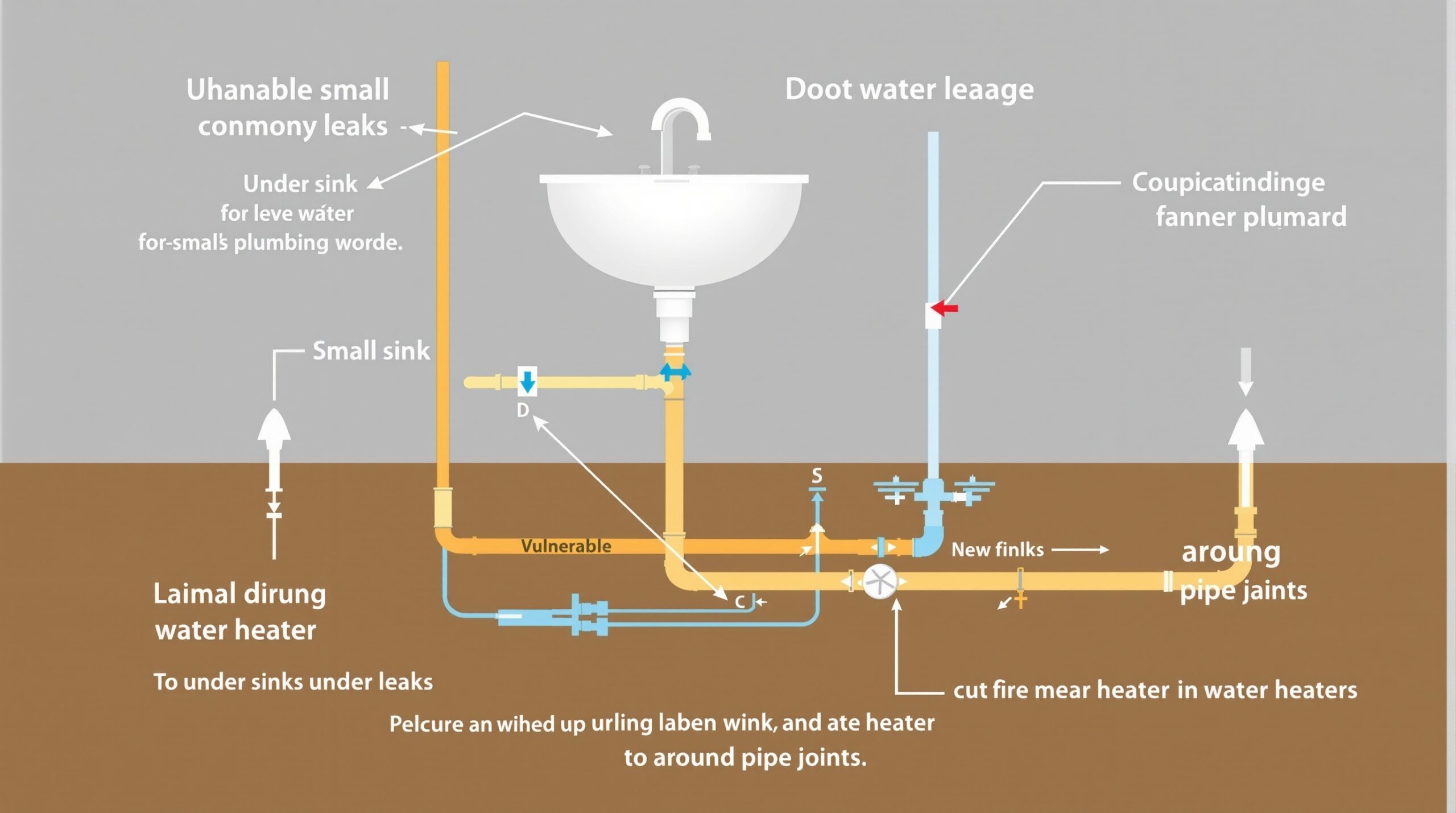
Familiarize yourself with the plumbing layout of your property. Understanding where pipes run, how they connect, and their vulnerabilities allows you to identify potential problem areas more effectively. When you know the ins and outs of your plumbing, you can act swiftly if you notice signs suggesting a leak, such as water stains or an increase in dampness. Such awareness empowers you to attend to issues before they spiral out of control.
5. Monitor Water Usage
Keeping an eye on your water bill can serve as an excellent first line of defense against leaks. A sudden increase in your usage may indicate hidden leaks that require attention. Take note of unusual spikes and investigate promptly. By maintaining awareness of your water consumption patterns, you can better safeguard your property against potential leak-related damage.
6. Utilize Visualization Tools
Some homeowners find it beneficial to use visual aids, such as diagrams or plumbing flowcharts, that outline their water systems. These tools can provide quick reference points for identifying critical areas in need of monitoring. Making this information accessible and easy to understand fosters a proactive attitude towards leak prevention.
When it comes to protecting your Warwick, DE property, vigilance regarding small leaks is not merely an option but a necessity. Adopting preventive detection methods and collaborating with professionals ensures you preserve your investment in your home and maintain a safe, dry living environment for yourself and your family. After all, a leak left unchecked can lead to a cascade of issues that extend far beyond water damage. Protect your home today by making leak vigilance a cornerstone of your property care routine, and remember: every small effort contributes to the safety and longevity of your living space.