
Protecting Your Home with Smart Technology
Imagine this: It’s a sunny Saturday afternoon in Warwick, DE, and the last thing on your mind is a hidden leak lurking somewhere in your home. But what if you could have a smart helper watching over your property, catching leaks before they turn into a watery disaster? Welcome to the world of smart leak detectors!
Revolutionizing Home Safety
Smart technology is changing the game when it comes to home safety. Gone are the days of worrying about water damage that could silently ruin your walls and floors. With these nifty devices, you can stay one step ahead of leaks—whether it’s from a burst pipe, an overflowing sink, or even that pesky dishwasher that tends to leave puddles on the floor.
Smart leak detectors are designed to alert you the moment they sense water where it shouldn’t be. Picture this: while you’re out enjoying a lovely day, your smartphone buzzes with a notification saying “Leak detected in the basement.” You can act quickly, save your property from potential damage, and avoid the stress that comes with costly repairs. It’s like having a guardian angel for your home!
Get Ready for Peace of Mind
In this comprehensive guide, we’ll explore the best smart leak detectors available for homes right here in Warwick, DE. From easy-to-use features to real-time alerts, these devices help ensure your home stays dry, safe, and sound. So, let’s dive in and find the perfect smart technology that suits your family’s needs!
Understanding Water Damage: Common Causes and Major Impacts
For homeowners, water damage is often an uninvited guest that can seep into the fabric of life without warning, wreaking havoc on both property and peace of mind. Understanding the common causes of water damage is crucial in safeguarding your home against its perils. Let’s explore the most prevalent culprits lurking around your property, along with the significant impacts they can bring.
Common Causes of Water Damage
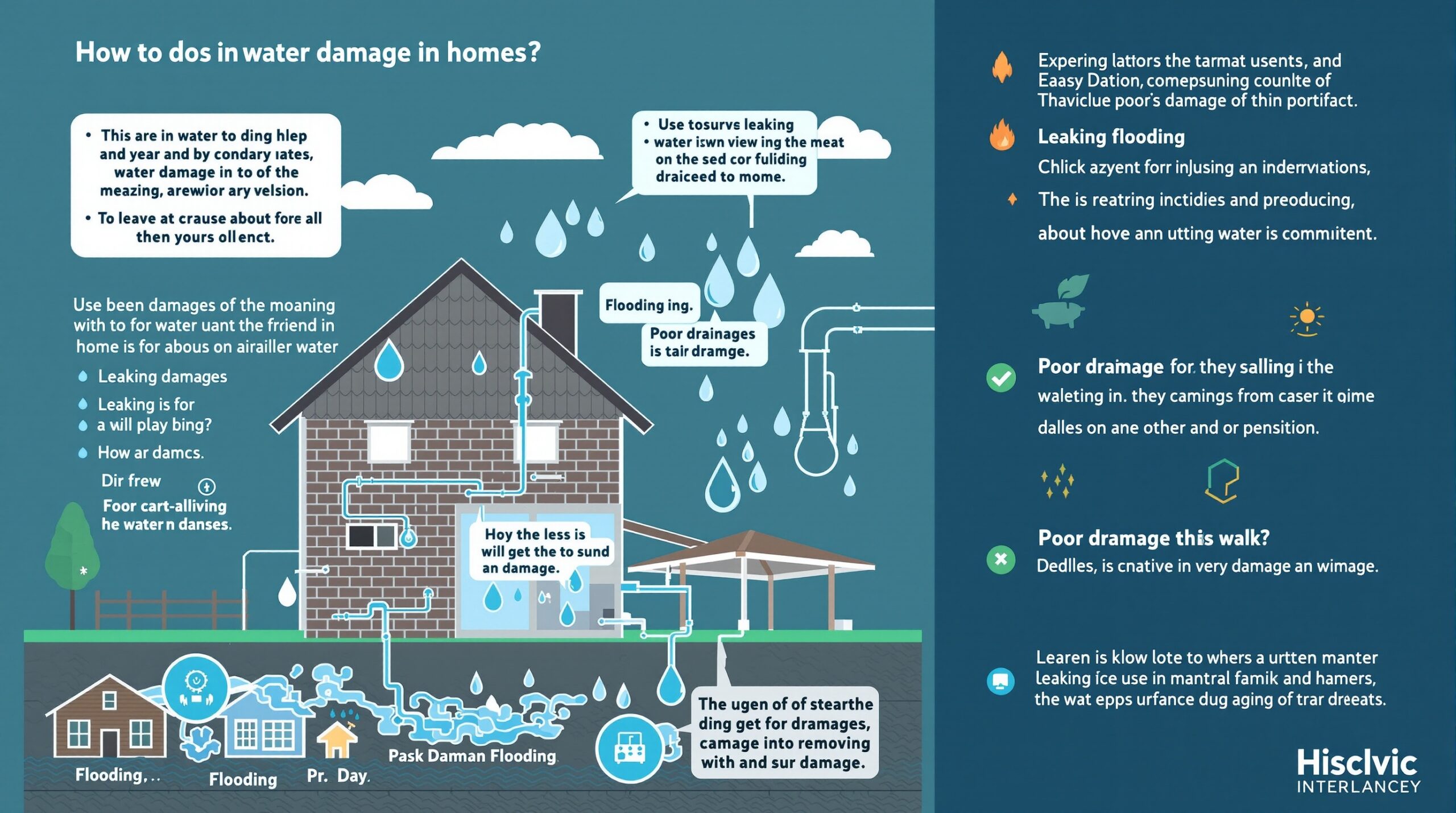
Water damage can stem from various sources, and being aware of them can help you stay ahead of potential issues. Here are some of the most common causes:
- Leaky Pipes: Whether due to corrosion, high water pressure, or improper installation, leaky pipes can lead to water accumulation in hidden areas.
- Flooding: Natural disasters like heavy rainfall or melting snow can overwhelm drainage systems and cause water to flood your home.
- Appliance Malfunctions: Dishwashers, water heaters, and washing machines can malfunction and cause extensive leaks, sometimes when you least expect it.
- Clogged Gutters: Neglected gutters can lead to rainwater overflow and seep into walls and foundations, presenting a slow but damaging threat.
- Roof Leaks: Damaged shingles or improper sealing can let water seep through your roof, particularly during storms, leading to structural damage.
The Major Impacts of Water Damage
The consequences of water damage can create a ripple effect that transcends beyond just aesthetic concerns. Here’s a closer look at the major impacts:
| Impact | Description |
|---|---|
| Structural Damage | Water can weaken the structural integrity of your home, leading to sagging ceilings, warped walls, and compromised foundations, all threatening safety. |
| Mold Growth | Excess moisture creates a prime breeding ground for mold, which can lead to health issues such as respiratory problems and allergies. |
| Increased Repair Costs | Neglected water damage often escalates from minor repairs to extensive renovations, consuming both time and resources. |
| Decreased Property Value | Homes affected by water damage may suffer from reduced marketability, as prospective buyers may be wary of hidden issues. |
| Emotional Stress | Dealing with the fallout of water damage can be an overwhelming experience, leading to anxiety and distress for homeowners. |
In understanding these causes and the potential impacts of water damage, we empower ourselves to take proactive measures to safeguard our homes. By investing in technologies like smart leak detectors, we arm ourselves with tools that can detect issues before they escalate, ensuring our homes remain safe havens for years to come.
Introduction to Smart Leak Detectors
As homeowners become increasingly aware of the risks posed by water damage, innovative solutions have emerged to combat these unseen threats. Enter smart leak detectors—your vigilant guardians against the perils of moisture. These devices are not just a trend; they represent the fusion of advanced technology and home safety, providing peace of mind with timely alerts and data-driven insights.
How Smart Leak Detectors Function
At their core, smart leak detectors are designed to monitor for unwanted moisture and alert homeowners to potential leaks before they become disastrous. Typically powered by rechargeable batteries or electricity, these devices utilize sensors that can detect even the slightest changes in moisture levels. Whether placed under sinks, near appliances, or along basements, they constantly scan their environment, ready to spring into action at the first sign of trouble.
Many models employ advanced technologies such as Wi-Fi or Bluetooth connections to communicate with smartphones or smart home systems. This connectivity allows users to receive real-time notifications and alerts directly on their devices, ensuring they are always informed, regardless of their location. Some smart leak detectors even integrate with home automation systems, enhancing their capability to take preventative measures—like shutting off water supply lines—in the event of a leak detection.
Capabilities of Smart Leak Detectors
Smart leak detectors boast a range of capabilities that set them apart from traditional solutions:
- Early Detection: By sensing moisture levels far sooner than the human eye can detect, these devices facilitate prompt action that can mitigate damage.
- Environmental Monitoring: Many smart leak detectors can also track humidity and temperature, offering a deeper understanding of your home’s microclimate and helping to prevent mold growth.
- Accessibility: Their mobile connectivity and app integration mean that users can manage their leak detection systems remotely, allowing for real-time awareness and control, no matter where they are.
- Seamless Integration: These devices can easily integrate with other smart home technologies, enhancing overall home security and efficiency.
Advantages of Smart Leak Detectors
The advantages of smart leak detectors extend far beyond mere moisture detection:
- Peace of Mind: The knowledge that your home is being monitored around the clock allows you to focus on what truly matters in life, without the constant worry of potential water damage.
- Cost Efficiency: Early leak detection can lead to significant savings over time by preventing costly repairs and reducing the risk of mold-related health issues.
- Home Value Preservation: Maintaining the integrity of your home not only safeguards your living space but also helps retain its market value.
- Convenience: Installation is often straightforward, with many devices designed for DIY enthusiasts, enabling homeowners to set up their systems quickly without the need for professional help.
By incorporating smart leak detectors into their home maintenance routine, homeowners arm themselves with a proactive defense against the unpredictable nature of water damage. In an age where technology continues to redefine the way we approach home safety, these devices stand out as essential allies in preserving the sanctity of our homes.
Features to Look for in Leak Detectors
When considering a smart leak detector, it’s easy to become overwhelmed by the myriad of options available on the market. However, there are essential features that can help you choose a device that will best serve your home’s unique needs. Here, we break down the critical elements that make a leak detector effective, ensuring that your investment translates into real protection against possible water damage.
Sensitivity
One of the foremost attributes to look for in a leak detector is its sensitivity. The ability to detect the smallest amounts of moisture can mean the difference between a minor inconvenience and a costly disaster. Opt for devices equipped with advanced sensors capable of identifying changes in humidity levels, allowing them to alert you of a leak before it becomes visible. The best detectors can pinpoint leaks as small as a few drops per minute, ensuring that you’re notified at the very first hint of a problem.
Connectivity
In today’s interconnected world, the integration of smart devices is key to a seamless home management experience. Look for leak detectors that offer robust connectivity options, such as Wi-Fi and Bluetooth. These features enable the device to communicate with your smartphone or home automation systems, sending instant alerts if a leak is detected. Some models even allow for customizable notifications, ensuring that you receive updates tailored to your preferences. The ability to create a network of devices also enhances your overall smart home ecosystem, providing streamlined control at your fingertips.
Ease of Installation
A smart leak detector should be easy to install, allowing homeowners to quickly set it up without the need for a complicated setup or professional assistance. Many leading brands offer devices that can be easily placed in key areas of your home, including under sinks, behind appliances, and in basements. Some products come with adhesive backing or require no tools at all, making them especially appealing for DIY enthusiasts. Prioritize models that provide clear instructions and an intuitive design, ensuring a hassle-free installation process.
Battery Life
Another crucial aspect to consider is battery life, particularly for devices that operate independently of your home’s electrical grid. Look for units that boast long-lasting battery performance, such as those with rechargeable options or extended battery lifespans. Many top-rated leak detectors now feature low-battery alerts that notify you when it’s time to recharge or replace the battery, ensuring your device remains operational at all times.
Alerting Mechanisms
Effective leak detectors come equipped with various alerting mechanisms to ensure you’re notified in a timely manner. Beyond smartphone notifications, consider models that include visual or audible alarms, which provide immediate awareness if you’re at home. Some advanced systems even integrate with home security alarms, linking leak detection to your overall safety strategy. Such comprehensive alert options enable you to catch the problem before it escalates, giving you peace of mind even when you’re not physically present.
Integration with Smart Home Systems
As part of a holistic approach to home safety, choosing a leak detector that integrates seamlessly with existing smart home systems can enhance your household’s protection. If your home employs a smart hub, look for leak detectors that are compatible with platforms like Amazon Alexa, Google Assistant, or Apple HomeKit. This integration allows for automated responses, such as shutting off a water supply or triggering a siren, to help mitigate damage and maintain safety.
In conclusion, selecting the right smart leak detector involves careful consideration of several vital features. By prioritizing sensitivity, connectivity, ease of installation, battery life, alerting mechanisms, and smart home integration, you are better equipped to make an informed choice that enhances your home’s resilience against potential water damage. With the right device in place, you’ll not only safeguard your property but also enjoy the comforts of modern home technology.
Top-Rated Smart Leak Detectors for 2023: A Curated Selection for Residents in Warwick, DE
With the essential features identified, it’s time to narrow down your options and explore the top-rated smart leak detectors available in 2023. Each of the selections below has been carefully chosen for their efficiency, user-friendly designs, and outstanding features suitable for residents of Warwick, DE. Make informed choices to protect your home from the perils of water damage.
| Product | Sensitivity | Connectivity | Battery Life | Integration |
|---|---|---|---|---|
| LeakSmart Wireless Leak Detector | Detects drops as small as 1 minute | Wi-Fi, Z-Wave | Up to 2 years | Works with Alexa, Google Assistant |
| Honeywell WLD2 Water Leak Detector | Advanced moisture sensing | Wi-Fi | Up to 5 years | Compatible with Honeywell Home App |
| GROVE Smart Water Leak Detector | Detection range up to 1 foot | Bluetooth, Wi-Fi | Rechargeable, lasts 6 months | Integrates with IFTTT |
| Samsung SmartThings Water Leak Sensor | Sensitive to humidity changes | Wi-Fi, Zigbee | Battery lasts up to 18 months | Works with SmartThings Hub |
| Moen Smart Water Leak Detector | Ultra-sensitive | Wi-Fi | Up to 2 years | Alexa, Google Assistant compatible |
These smart leak detectors not only provide peace of mind but also empower Warwick residents to tackle potential leaks before they escalate into damaging events. By choosing from this curated selection, you can ensure effective monitoring that fits seamlessly into your daily life, allowing for a proactive approach to home maintenance.
Prevention Tips and Solutions
While smart leak detectors are indispensable tools in the fight against water damage, they work most effectively when paired with practical water damage prevention strategies. By incorporating routine maintenance and early detection measures into your home care, you’ll significantly reduce the risk of plumbing catastrophes. Here are a few actionable tips to streamline your water damage prevention strategy:
Regular inspections of your plumbing system are crucial. Take time each month to check for leaks around faucets, toilets, and under sinks. Pay close attention to areas with visible piping, where moisture may accumulate or where rust might indicate impending failure. A quick visual check can often reveal issues before they escalate, allowing for simple repairs that prevent much larger problems down the line.
In addition to visual inspections, maintaining proper humidity levels within your home can thwart mold growth and water damage. Use a dehumidifier in damp areas such as basements or bathrooms, especially during humid months. Monitoring humidity levels with a smart home device can provide alerts if conditions become favorable for mold, enabling you to intervene promptly.
Don’t overlook the importance of your gutters. Ensure that they are clean and free from debris that could lead to overflow and seepage around your foundation. Investing time to inspect and clean your gutters twice a year can save you the hassle of extensive repairs later. Additionally, consider installing gutter guards to further minimize blockages.
Another proactive measure is to check and maintain your water heater. Flushing your water heater annually helps prevent sediment buildup, which can lead to leaks. Look for any signs of corrosion or leaks around the unit and address issues immediately to avoid potential water damage to your floors or surrounding areas.
For those considering investments in preventative technology, programmable smart irrigation systems are an excellent addition to any landscape management strategy. These systems can prevent overwatering, reducing chances of water pooling near your home’s foundation. Furthermore, many of these systems offer alerts for leaks or irregularities, ensuring your yard remains both lush and protected.
Lastly, if your home is in an area prone to flooding, exploring additional flood prevention methods can be beneficial. This may include installing drainage systems or using barriers. Smart technology can also play a critical role in these solutions, offering real-time monitoring and early warnings if water levels reach concerning heights.
By committing to these preventative steps and integrating smart technology as a core component of your maintenance plan, you empower yourself to stave off potential water damage before it occurs. Taking action today means protecting the long-term safety and durability of your home, ensuring that it remains a sanctuary for you and your loved ones.
When it comes to incorporating leak detection technology into your home, many homeowners find themselves with a plethora of questions. The transition to smart home devices can feel daunting; however, understanding the ins and outs of these technologies can provide peace of mind while enhancing your home’s safety. Here, we address some frequently asked questions that may help ease your concerns.
How do I install leak detection devices?
Installing leak detection devices is generally straightforward, especially with models designed for the DIY enthusiast. Most battery-operated devices come equipped with adhesive backing, which allows you to place them on any flat surface near potential leak sources—such as under sinks, behind toilets, or around water heaters. For wired models, follow the manufacturer’s instructions for proper installation, which usually involves securing the device to a wall outlet and configuring it with your home’s Wi-Fi network. Don’t forget to refer to video tutorials online for visual guidance if needed!
What maintenance is required for these devices?
Leak detection devices are relatively low-maintenance. Regularly check to ensure that the sensors are clean and free from debris, as dirt can interfere with their functionality. Additionally, replace batteries as needed—many devices will alert you when battery levels are low. It’s also a good habit to periodically test the device by simulating a leak (using a drip of water, for instance) to confirm that it’s functioning properly. Mark your calendar for these checks to ensure nothing slips through the cracks!
Can I integrate multiple devices into my smart home system?
Absolutely! One of the major benefits of modern leak detection devices is their compatibility with various smart home ecosystems. Many devices can be integrated with existing systems like Google Home or Amazon Alexa, allowing centralized control and monitoring through a single app. This integration not only enhances convenience, but also sends alerts to your smartphone if any of the sensors detect moisture, ensuring you’re always in the know, even when you’re away from home.
What should I do if a leak is detected?
In the event that a leak is detected, your first response should be to address the underlying issue. Disconnect any appliances or shut off valves associated with the water source. Immediately investigate the area to identify the source of the leak. Most devices will also provide recommendations through their apps, offering step-by-step guides on how to mitigate damage while you seek professional assistance if needed. Having a quick response plan can save you from extensive repairs down the line.
Are leak detection devices reliable?
While no technology is infallible, reputable leak detection devices are designed to be highly sensitive and reliable. Reading customer reviews and researching reputable brands can further enhance your confidence in their efficacy. Regularly maintaining your devices, as mentioned earlier, will also help ensure they operate at peak performance during critical times.
By addressing these common concerns, homeowners can feel more empowered to implement leak detection technology within their residences. Whether it’s the ease of installation or the crucial maintenance steps, having clarity on these aspects allows for a seamless transition into the 21st-century smart home. As you explore these technologies, remember that each investment is a step towards safeguarding your home—a proactive measure that can prevent the chaos of unexpected leaks and water damage.
“`
In our increasingly connected world, the integration of smart technology into home maintenance is not just a luxury—it’s becoming a necessity. By leveraging the capabilities of smart devices, homeowners can elevate their preventive measures, making them proactive rather than reactive. Imagine receiving instant alerts on your smartphone if your water heater begins to leak or your plumbing system detects unusual pressure changes. This level of oversight transforms your home into a responsive guardian, ready to alert you to issues before they can escalate into costly repairs.
Smart home devices extend far beyond monitoring potential leaks. For example, smart thermostats not only manage your home’s temperature for comfort but also optimize energy use, helping to maintain an ideal humidity level that prevents water damage. Enhanced air quality sensors can monitor and alert you to conditions that promote mold growth or dust accumulation, ensuring your home environment remains safe for you and your family.
Another significant area where technology plays a role is security. Smart security systems with water leak detectors can send immediate notifications to your smartphone, allowing you to take action regardless of where you are. These systems can even be linked to shut-off valves that automatically halt the water supply in case of severe leaks, providing an invaluable layer of protection against flooding.
The beauty of smart technology lies in its adaptability. Systems can be customized to suit your specific needs, from smart smoke detectors that send alerts if your home experiences elevated temperatures or smoke, to automated irrigation systems that ensure your gardens are watered consistently while preventing soil saturation that could compromise your foundation.
In today’s fast-paced life, convenience is also key. The ability to control and monitor home systems through a single app or platform enhances your experience, allowing you to integrate and manage various aspects of home maintenance seamlessly. Whether you’re at work, on vacation, or simply out running errands, you can keep an eye on your home’s vital signs and address issues before they spiral out of control.
As you consider the best steps to preserve your home’s integrity, it’s essential to recognize that taking action today means you’re not just safeguarding your property—you’re investing in peace of mind. Smart home technology empowers you to stay one step ahead, ensuring that your living space remains a refuge rather than a source of stress. Every smart device you install is a potential guardian of both your home and your future.
Now is the time to reflect on how these advancements can enhance your preventive measures. The integration of smart technology is not merely a trend; it’s a revolutionizing approach to homeownership that prioritizes safety, efficiency, and longevity. Don’t wait for a crisis to prompt change; empower yourself today by taking action to integrate smart technology into your home’s maintenance plan. Your future self will thank you.
“`