
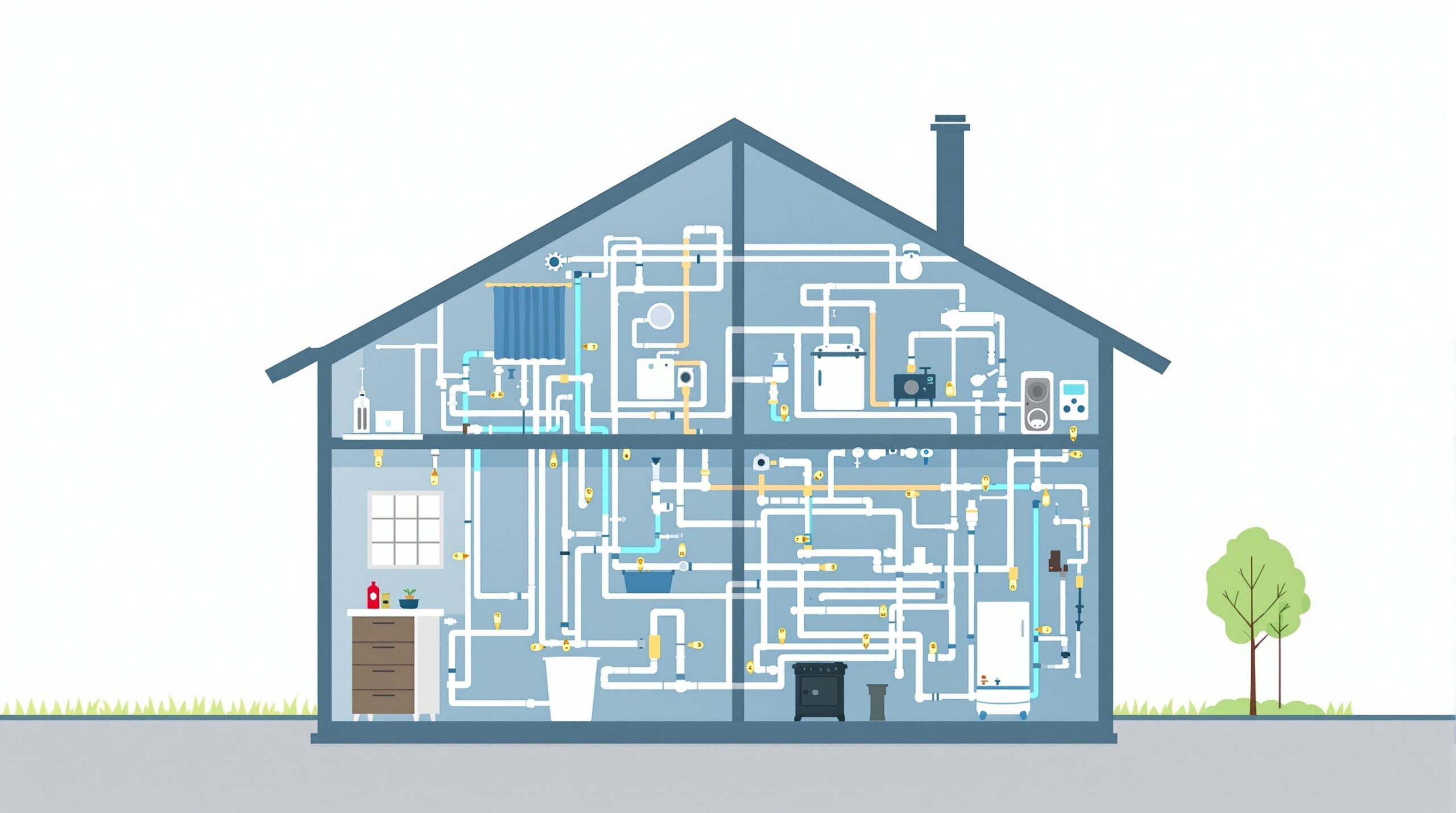
Keeping Your Plumbing in Tip-Top Shape
Imagine this: it’s a sunny Saturday afternoon in Blackbird, DE, and you’re relaxing at home, the smell of delicious cookies fills the air. Suddenly, you hear a strange gurgling noise coming from the bathroom. You shake it off as nothing, but deep down, you know that sound is a sign that your plumbing might not be as happy as you are.
Plumbing is the backbone of your home and business facilities. Without it, life would get pretty messy, and let’s face it, nobody enjoys dealing with a sudden leak or a clogged drain. That’s why it’s important to understand how to maintain your plumbing system! Think of your plumbing as the circulatory system of your house, carrying water where it needs to go and making sure there are no blockages along the way.
Why Plumbing Maintenance Matters
Understanding how to care for your plumbing not only makes your life easier but also helps prevent future headaches. Imagine avoiding that dreaded emergency call you might have to make at 2 AM when the sink starts overflowing! Regular maintenance is like giving your plumbing a check-up, ensuring it runs smoothly and efficiently all year round.
So, whether you’re a seasoned DIY enthusiast or just starting out, this guide is here to provide you with essential tips and tricks to keep your plumbing in great shape. Let’s dive into the world of plumbing maintenance and empower you to take charge of one of the most critical systems in your home!
Understanding Your Plumbing System
When you think about your home, it’s easy to focus on the aesthetic aspects: the cozy living room, the stylish kitchen, or the tranquil backyard. However, the invisible yet vital components of your home, like the plumbing system, deserve just as much attention. Getting acquainted with your plumbing system is akin to learning how to drive before hitting the road; it’s essential for navigating the bends and curves that life throws your way.
Your plumbing system consists of several key components that work in harmony, from the basic pipes that transport water to the intricate fixtures that allow you to access this precious resource. Let’s break down these fundamental elements:
| Component | Function |
|---|---|
| Pipes | These are the arteries of your plumbing system, carrying both fresh water and wastewater throughout your home. |
| Valves | Acting as traffic signals, valves control the flow of water in your plumbing system, allowing you to turn it on or off as needed. |
| Fixtures | These include sinks, faucets, toilets, and showers—everything you use daily that connects to the plumbing network. |
| Drainage Systems | These components ensure that wastewater is safely removed from your home, keeping your living environment healthy and clean. |
| Water Heater | This device heats water for your home’s needs, from bathing to washing dishes. |
By familiarizing yourself with these components, you not only become a more responsible homeowner but also empower yourself with the knowledge needed to identify potential issues before they escalate. For instance, knowing the location of shut-off valves can save you valuable time and prevent extensive damage in the event of a leak. And when your plumbing system begins to hiccup—like those pesky gurgling noises—you won’t be left scrambling for answers.
Understanding how these components function together is just as vital. For example, you may be surprised to learn that a seemingly harmless hair strand can lead to a clogged drain, affecting water flow throughout the entire system. Maintaining awareness of how these parts interact will help you take proactive steps toward keeping your plumbing system functioning smoothly.
Engaging with your plumbing system doesn’t have to be a daunting task! Start by conducting simple walkthroughs and inspections at regular intervals. As we move forward in this article, we will explore essential preventive maintenance tips that will further equip you to keep your plumbing in tip-top shape. You’re just steps away from becoming the go-to expert on your home’s plumbing system!
Preventive Maintenance Tips
Just as a well-tended garden flourishes, a little TLC goes a long way in nurturing your plumbing system. Embracing preventive maintenance is your best defense against unexpected headaches, costly repairs, and inconvenient disruptions. By incorporating straightforward practices into your routine, you can ensure your plumbing operates seamlessly. Here’s how to get started:
1. Regular Inspection of Pipes
Keep a vigilant eye on your pipes! A visual inspection can reveal early signs of wear, corrosion, or leaks. Check under sinks, behind appliances, and in basements for any moisture or discoloration. You don’t need a plumber’s expertise to spot a small leak—a simple flashlight can illuminate potential trouble spots. If you see any droplets or dampness, it’s time to take action before the situation escalates.
2. Clear Drains and Keep Them Clean
Drains are often the unsung heroes of your plumbing system, working tirelessly to prevent clogs and backups. To keep them in optimal condition, adopt a routine of clearing away debris. Regularly use a drain strainer to catch hair, soap residue, and food particles before they make their way down the drain. Additionally, flushing your drains with a mixture of baking soda and vinegar every few months can help break down buildup while also deodorizing your plumbing.
3. Test Fixtures Regularly
Your faucets and showerheads might be perfect for providing comfort, but they also need occasional attention. Check for leaks by examining the areas where they connect to pipes and inspecting any seals. If you notice dripping, replacing washers or O-rings can often remedy the issue without major plumbing work. Ensure that handles turn smoothly and water pressure remains consistent—if things seem amiss, it could indicate a deeper problem.
4. Mind the Water Heater
Your water heater is an essential, yet often forgotten, aspect of your plumbing system. To keep it performing at its best, inspect the temperature settings and ensure they’re set to a safe level, typically around 120 degrees Fahrenheit. Flushing your water heater once a year helps remove sediment buildup, improving efficiency and extending its lifespan. Keeping an eye on the area around the heater for leaks is also a smart practice—spotting a small puddle early can prevent larger headaches down the line.
5. Know Your Shut-Off Valves
In an emergency, knowing where your shut-off valves are located can save you from extensive water damage. Take some time to label and familiarize yourself with the main shut-off valve and individual valves for appliances like your washing machine or dishwasher. Regularly test these valves by turning them off and on to ensure they operate smoothly—this simple act can be a lifesaver in urgent situations.
By integrating these preventive maintenance tips into your routine, you not only safeguard your home but also gain peace of mind. These little actions, from inspecting pipes to minding your fixtures, are the cornerstones of a healthy plumbing system that runs efficiently. As you build awareness and practice these steps, you’ll be well on your way to becoming an empowered homeowner, ready to tackle any plumbing challenge that may come your way!
DIY Tips for Common Plumbing Issues
Now that you’re armed with preventive maintenance insights, it’s time to roll up your sleeves and take on common plumbing challenges head-on. Many minor issues can be resolved with just a few simple tools and a bit of know-how. Here are some practical DIY solutions to get you started:
1. Fixing Minor Leaks
Minor leaks can often be remedied with a little guidance. First, identify the source of the leak—whether it’s a dripping faucet, a leaky pipe, or a connection gone rogue. For faucets, replacing a worn-out washer or O-ring can do wonders. Simply turn off the water supply, disassemble the faucet using a screwdriver, and replace the necessary parts. For leaky pipes, a temporary solution is to wrap some plumber’s tape around the leaking spot. While this isn’t a permanent fix, it can slow down the leak until you’re ready to switch out the damaged pipe or joint.
2. Unclogging Slow Drains
Slow drains can disrupt your daily routine but tackling them doesn’t have to be a hassle. Start with a simple plunger—often, a few strong plunges can dislodge debris clogs. If that doesn’t work, try a natural approach: pour half a cup of baking soda followed by half a cup of vinegar down the drain. Let it fizz for 15 minutes, then chase with boiling water to clear away gunk. If your drain remains sluggish, a plumbing snake or a bent wire hanger can help to dislodge tougher blockages.
3. Resolving Running Toilets
A running toilet can be incredibly annoying, but fixing it is often within your grasp. First, remove the tank lid and check the flapper valve—the rubber seal at the bottom of the tank. If it appears worn or damaged, replacing it is an easy fix. Just detach the old flapper from the chain and connect a new one. If the toilet continues to run, ensure the float is set correctly; it should sit at the right water level. Adjust the float arm until the water level is just below the overflow tube, and voilà—your toilet should stop its incessant running!
4. Checking Toilet Tank Components
Toilet troubles don’t stop at running water. If you’re facing frequent flushes or weak flushes, it might be time for a check-up on your toilet’s internal parts. Inspect the fill valve and trip lever; these components are crucial for proper functioning. Take a moment to wiggle the trip lever to ensure it’s not stuck. Similarly, a clogged fill valve may be restricting water flow; a simple cleaning often does the trick.
5. Utilizing Simple Tools Effectively
Equipping yourself with basic plumbing tools can help tackle everyday plumbing issues with confidence. Invest in a sturdy plunger, a set of adjustable wrenches, a plumbing snake, and screwdrivers. These tools are versatile and can be applied to various plumbing scenarios, from tightening loose fittings to removing clogs. Learning to use these tools efficiently will empower you to resolve minor plumbing headaches without needing to call in a professional.
Don’t let common plumbing issues frustrate you. With these DIY tips, you can address leaks, unclog drains, and fix running toilets confidently. Remember, a little bit of knowledge and a few essential tools can transform you into your own plumbing hero, providing peace of mind and keeping your home running smoothly!
Maintaining Outdoor Plumbing
When it comes to plumbing maintenance, outdoor systems often get overshadowed by their indoor counterparts. However, neglecting outdoor plumbing can lead to a host of issues, especially as seasons change. Garden hoses, sprinkler systems, and outdoor taps are crucial components that require regular checks to ensure they function optimally. If you want to keep your outdoor plumbing in check and ready to face whatever Mother Nature throws your way, here’s how to maintain it effectively.
Checking Garden Hoses
Your garden hose is your gateway to a lush, vibrant outdoor space. However, wear and tear can leave your hose cracked or leaking. At the start of each season, inspect your hose for any signs of damage. Look for:
| Potential Damage | Signs | Solution |
|---|---|---|
| Cracks | Visible splits in the rubber or plastic | Replace the hose if there are multiple cracks; otherwise, patch with duct tape. |
| Kinks | Hose twists that prevent water flow | Make sure to store the hose properly to avoid kinking. |
| Leaks | Water pooling at connection points | Check and replace washers at the ends or consider a hose end connector. |
Maintaining Sprinkler Systems
Your sprinkler system is another outdoor feature that benefits from regular upkeep. Check for any broken or clogged sprinkler heads before the watering season begins. Grass or debris can block water flow, leading to uneven watering. Run your system and observe:
- Are all the sprinkler heads functioning?
- Is the coverage uniform across the area?
- Are there wet spots indicating leaks?
If you notice any issues, clean or replace the sprinkler heads as needed. Don’t forget to adjust spray patterns to ensure you’re not wasting water on sidewalks or driveways!
Inspecting Outdoor Taps
Outdoor taps are often exposed to harsh weather conditions, leading to corrosion or freezing damages. During fall and spring, check your outdoor taps for signs of wear. Look for:
- Rust or corrosion around the faucet base
- Leaks when the tap is off
- Difficulty in turning the faucet on or off
If you notice any concerns, it may be time to replace the washer or the entire faucet itself to ensure proper functionality.
Preparing for Seasonal Changes
Seasons impact outdoor plumbing greatly, and being proactive can save you from headaches later. Before winter sets in, for instance, be sure to:
- Drain and store garden hoses indoors to prevent freezing.
- Schedule your sprinkler system to be blown out to remove water that could freeze and expand.
- Check for insulation on your outdoor pipes to protect against freezing temperatures.
As spring approaches, it’s wise to reconnect your water supply and check all outdoor plumbing components for wear or damage so that your watering systems are ready for use.
Maintaining outdoor plumbing isn’t just a matter of convenience; it’s crucial to keeping your home running smoothly and your garden thriving. By regularly inspecting garden hoses, sprinkler systems, and outdoor taps, you can avoid more significant issues down the road.
Stay ahead of any potential plumbing problems by always keeping an eye on your outdoor systems. With a little effort and attention to detail, you can enjoy a beautiful home and garden without the looming fear of surprise plumbing issues!
Routine Checks and Signs of Trouble
Maintaining a vigilant eye on your plumbing system is vital for preventing minor issues from escalating into major, disruptive problems. Routine checks are your first line of defense, and certain signs can alert you to potential trouble before it becomes a costly headache. From unusual noises to fluctuating water pressure and unexpected spikes in your water bill, being able to recognize these warning signals could save you time, effort, and stress in the long run.
Listening for Unusual Noises
One of the easiest ways to stay ahead of plumbing issues is by tuning in to the sounds that your pipes make. Gurgling, banging, or dripping noises can indicate underlying problems that require attention. For instance, gurgling sounds may point to blockages in your drainage system, while banging pipes—often called “water hammer”—could be a sign of loose fittings or air trapped in your plumbing. If these noises become frequent or worsen over time, it’s wise to investigate further or consult a plumbing professional.
Monitoring Water Pressure
Changes in water pressure can signal something is amiss within your plumbing system. If you notice water from your taps running much weaker than usual, it’s time to investigate. Low pressure might indicate a leak somewhere in the system, which can lead to prolonged water wastage and potential damage to your property. Conversely, excessively high water pressure can strain your pipes and appliances, leading to ruptures or leaks. Consider investing in a pressure gauge to monitor levels consistently and ensure they remain within a healthy range.
Tracking Your Water Bills
Your monthly water bill can serve as a vital diagnostic tool for your plumbing system’s health. An unexpected increase could signify a hidden leak, whether in your walls, under your foundation, or even from outdoor sources like hose connections or sprinkler systems. If your bill suddenly spikes without a reasonable explanation, it’s crucial to investigate further—check your fixtures, monitor for dripping faucets, and inspect areas where water may be leaking. Catching these issues early can prevent more extensive damage and the potential for future inconveniences.
Implementing regular checks for these signs—unusual noises, changes in water pressure, and spikes in your water bill—can dramatically decrease the likelihood of emergency plumbing repairs. By recognizing these indicators early, you empower yourself to take proactive steps, whether that means tightening fittings, replacing worn-out hoses, or consulting a professional about more complex issues. Ultimately, staying alert to the nuances of your plumbing system safeguards not just your wallet, but also your home and peace of mind.
Remember, the key to a reliable plumbing system is vigilance and proactive maintenance. By incorporating these routine checks into your home care regimen, you set the stage for a smooth, hassle-free plumbing experience, allowing you to focus more on enjoying your home and less on unexpected repairs.
FAQ Section
As you embark on your journey of maintaining your plumbing system, questions are bound to arise. We’ve compiled a helpful FAQ section to address some of the most common plumbing concerns. This knowledge not only empowers you to address minor issues but also enhances your understanding of your home’s infrastructure, making it easier to plan for maintenance and repairs.
1. What should I do if I notice a leak?
If you discover a leak, the first step is to locate the source. This often involves checking under sinks, behind appliances, or along exposed pipework. Once you’ve identified the leak, promptly turn off the water supply to prevent further damage. If the leak appears small and manageable, grab some basic tools—like a wrench or plumber’s tape—and see if you can tackle the fix yourself. However, if the leak is significant or you’re unsure how to proceed, it’s best to consult a professional plumber to ensure a proper and lasting repair.
2. How often should I check my plumbing?
3. How can I prevent frozen pipes in winter?
Winter can pose significant risks for plumbing, with frozen pipes being one of the most common issues homeowners face. To safeguard against this, start by insulating pipes, especially those located in unheated areas like basements, attics, or exterior walls. Consider using foam insulation sleeves or heat tape for vulnerable pipes. Additionally, maintaining a consistent indoor temperature is crucial, especially during those biting cold snaps. Allowing faucets to drip slightly during extreme temperatures can also help prevent freezing by keeping water flowing. With these strategies in place, you can enjoy a worry-free winter season without the fear of ice-blocked pipes.
By addressing these frequently asked questions, you arm yourself with practical advice and knowledge to keep your plumbing system running smoothly. Being informed sets the foundation for effective maintenance, ensuring your plumbing can withstand the test of time and seasonal changes. As you continue to nurture your home’s plumbing health, remember that the right steps lead to a hassle-free experience—elevating the quality of life in your cherished living spaces.
Proactive Maintenance Techniques
In the bustling community of Blackbird, DE, where the charm of small-town living meets the demands of modern life, ensuring a well-maintained plumbing system should be at the forefront of every resident’s home care strategy. Proactive maintenance can fend off disruptions, and employing a few straightforward techniques can keep your plumbing system in prime condition year-round. Here are some essential measures to incorporate into your regular routine.
Regular Drain Cleaning
Over time, debris builds up in your drains, leading to clogs that can result in slow drainage or, worse yet, backups. Combat these pesky issues by performing regular drain cleanings. Simple solutions like pouring a mixture of baking soda and vinegar down your drains can break down buildup and keep water flowing freely. For more stubborn clogs, a gentle plumbing snake can work wonders without causing damage to your pipes. Establishing a quarterly drain cleaning schedule not only enhances your home’s hygiene but also prolongs the life of your plumbing systems.
Winterize Your Plumbing
Living in Delaware means experiencing seasonal temperature fluctuations, which can pose significant risks to your plumbing system, especially during harsh winters. To prevent pipes from freezing, it’s crucial to winterize your plumbing. Begin by insulating exposed pipes in unheated spaces such as basements and attics. Allowing faucets to drip on especially cold nights can also provide relief from freezing, as running water is less likely to freeze than stagnant water. Take these preventive measures seriously; they ensure your plumbing operates smoothly even when temperatures plummet.
Check and Replace Fixtures
Over time, fixtures such as faucets and showerheads can become worn or corroded, leading to leaks and inefficiencies in your plumbing system. Make it a habit to regularly inspect these components, and when necessary, replace them. Not only does this improve water flow and efficiency, but it also adds a fresh touch to your home’s aesthetic. Opt for water-saving fixtures; they not only contribute to a more sustainable environment but can also help you avoid unexpected issues caused by outdated plumbing hardware.
Know Your Shutoff Valve
An often overlooked component of home plumbing is the shutoff valve, which can be a true lifesaver in the event of a plumbing emergency. Familiarize yourself with its location in your home and how to operate it. In case of a burst pipe or severe leak, knowing where to shut off the water supply can mitigate extensive damage and save you from a more significant crisis. Make a point to test your shutoff valve periodically to ensure it functions properly and is not stuck due to disuse.
By implementing these proactive maintenance techniques, residents of Blackbird can further stave off the inconveniences that come with unexpected plumbing issues. From drainage cleanings to winterizing your pipes, a bit of diligence can go a long way. Each step taken not only bolsters the resilience of your plumbing system but also enhances your overall peace of mind, allowing you to focus on what truly matters—enjoying all that life in Blackbird has to offer. So start your journey toward a hassle-free plumbing experience today, and watch as a little bit of proactive care transforms your home into a well-oiled machine.