
Welcome to Blackbird, DE!
If you’ve just set your roots in the peaceful town of Blackbird, Delaware, congrats! There’s so much to love about this quaint little spot, from its charming homes to its friendly community. However, before you completely unpack your boxes and start painting the walls, there’s one vital thing you absolutely need to check—your plumbing system.
Why Plumbing Matters
Reliable plumbing is not just a luxury; it’s a necessity. Think about it: nothing can throw a wrench into your new home excitement faster than a leaky faucet or a clogged drain. An overall healthy plumbing system can save you from future headaches and keep everything running smoothly.
A well-maintained plumbing system doesn’t just make life easier; it plays a huge role in your home’s condition. It’s like the unsung hero of comfort in your daily life, ensuring that your showers are warm, your dishes are clean, and your toilets are flushing without a fuss. This is why we’ve created a plumbing inspection checklist tailored just for you and your new abode, perfect for those unique homes nestled in Blackbird’s beautiful landscape.
What to Look For
In the following sections, we’ll walk you through essential items to inspect, making your journey into new homeownership as smooth as possible. Our checklist will not only help you spot any plumbing problems early but also give you peace of mind, allowing you to truly enjoy all that Blackbird has to offer.
Let’s dive in and ensure your new home is ready for all the cozy moments ahead!
Inspect the Water Supply System
Now that we’ve established the importance of a solid plumbing infrastructure for your new home, the first order of business is to inspect the water supply system. Sound intimidating? Not at all! Think of it as a little adventure in home maintenance, helping you uncover how the heart of your plumbing system functions.
Start your inspection by closely examining the water supply lines leading into your home. These essential conduits are responsible for delivering fresh water for your daily needs, from showering to cooking. Check for signs of corrosion or leaks in the pipes that run from the main line throughout your home. Look for discoloration or damp spots on the walls or flooring—these can be tell-tale signs that moisture is escaping where it shouldn’t be.
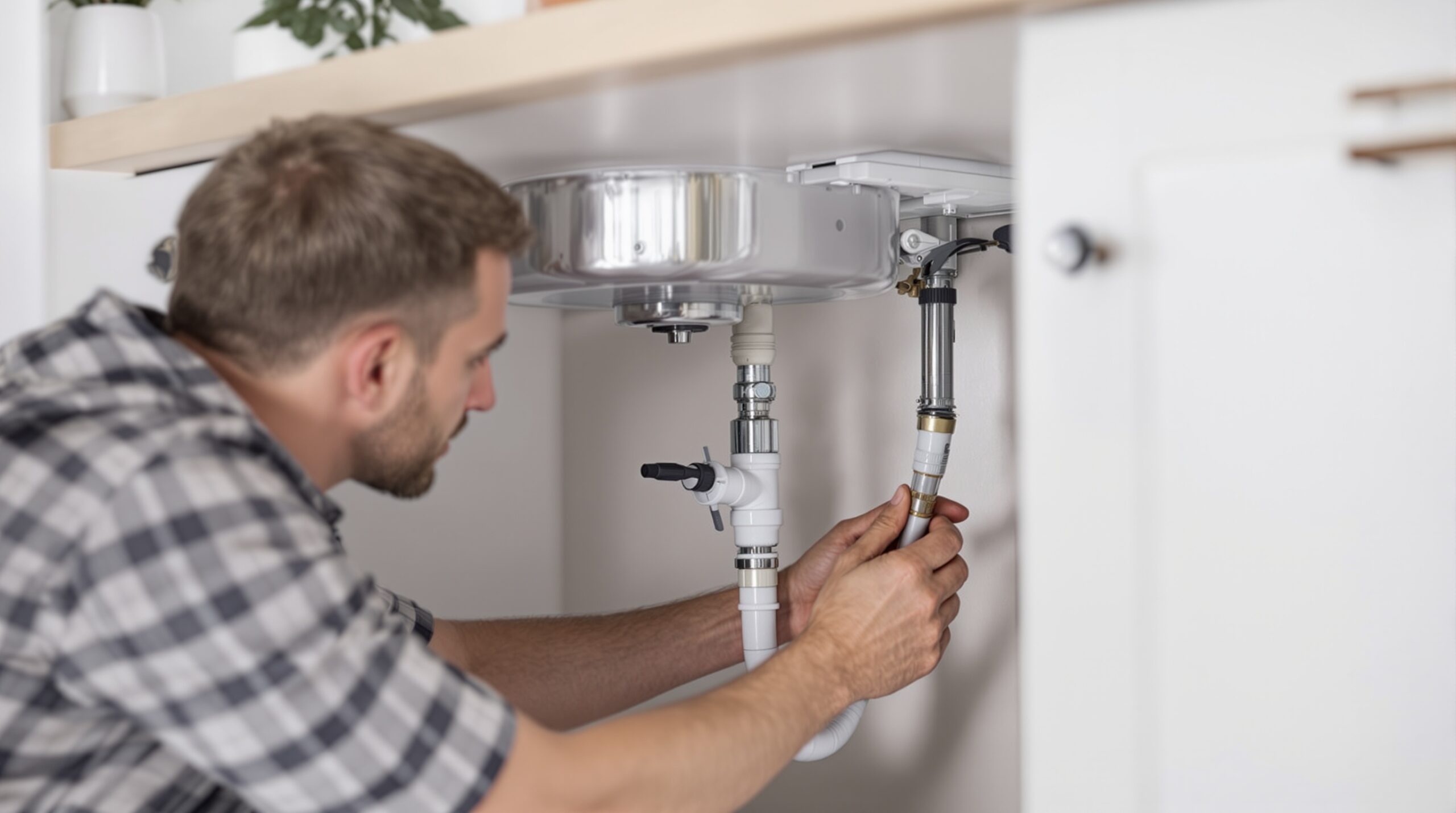
Pay special attention to connections at critical points, such as sinks, washing machines, and water heaters. These areas are often prone to leaks due to frequent use and pressure changes. A small drip now can lead to significant problems later, so be vigilant! If you notice any signs of water accumulation around these fixtures, it’s important to address them promptly.
Next, test the water pressure at various points in your home. Low water pressure can be a red flag, indicating potential blockages or malfunctions in the system. You can easily check the pressure by turning on multiple faucets simultaneously. If you notice a significant drop, it may suggest that there are issues that need attention—perhaps a clogged pipe or even a larger problem with the main supply line.
Below is a handy checklist for your water supply inspection:
| Inspection Area | What to Look For | Action Steps |
|---|---|---|
| Supply Lines | Corrosion, leaks, damp spots | Repair or replace affected pipes |
| Sinks | Leaks at connections, water pressure | Tighten connections, check for clogs |
| Washing Machines | Hoses for wear and tear, loose connections | Inspect hoses; replace if necessary |
| Water Heaters | Signs of leakage, unusual sounds | Service or replace the water heater |
| Faucets | Low pressure, drips | Check aerators, replace washers |
Taking the time to conduct this comprehensive inspection will not only safeguard your home against future plumbing issues, but it will also give you that much-deserved peace of mind as you settle into life in Blackbird. When you know your water supply system is in good shape, you’re free to focus on more enjoyable aspects of homeownership—like enjoying the tranquil surroundings and friendly community that makes this area so special.
Examine the Drainage Systems
Now that you’ve taken the essential step of inspecting the water supply system, it’s time to turn your attention to another critical component of your home’s plumbing: the drainage systems. Much like a well-oiled machine, your drainage system plays a pivotal role in maintaining a comfortable and healthy living environment. While it may not be as glamorous as checking for leaks, ensuring your drains are in top working condition is vital for preventing unpleasant surprises down the line.
Begin your drainage inspection by paying close attention to all drains in the house, especially those in high-traffic areas like the kitchen and bathrooms. Slow-draining sinks, shower floors that seem to hold water longer than they should, and any signs of standing water in unexpected places can signal potential blockages that need addressing. Standing water not only creates a nuisance, but it also harbors bacteria and can contribute to foul odors in your home.
While you’re checking each drain, attentively listen for any unpleasant smells. If you catch a whiff reminiscent of sewage or something off, this may indicate improper venting or clogs deeper down the line that warrant further investigation. An effective way to gauge the overall health of your system is to test all the drains simultaneously: turn on the kitchen sink, bathroom faucet, and shower at the same time and observe how the water flows. A significant decrease in flow or a backup can be a red flag indicating a larger issue, such as a blockage in the main sewer line.
Pay special attention to those tricky little nooks where hair, food particles, and other debris tend to accumulate. If you notice that any of your drains have a consistent slow-down or unpleasant odors, it’s time to consider a deeper clean. Using a drain snake or a natural enzyme-based cleaner can help break down the build-up that might not be visible from the surface, allowing for smoother drainage and fresher air in your home.
The checklist below can guide you through a thorough examination of your drainage systems:
| Inspection Area | What to Look For | Action Steps |
|---|---|---|
| Kitchen Sink | Slow drainage, food debris buildup | Clear the trap; consider a deeper clean |
| Bathroom Sinks | Standing water, rust, foul odors | Clean drains and inspect for blockages |
| Shower Drains | Slow drainage, hair accumulation | Remove hair; use a drain snake or cleaner |
| Toilets | Flushing issues, lingering noises | Ensure proper seals; check for clogs |
| Outdoor Drains | Debris blockage, drainage issues | Clear any visible debris; ensure proper flow |
By investing some time into examining your drainage systems, you’re not only protecting your home from potential plumbing catastrophes but also creating a more enjoyable living environment. After all, who wants to deal with a stubbornly clogged drain or an unpleasant odor when there’s so much else to appreciate about your new home? Tackle these inspections with diligence, and you’ll set the stage for a worry-free home life, ready to embrace all the joys—and challenges—of homeownership.
Check the Bathroom Fixtures and Features
With the drainage systems thoroughly inspected, it’s crucial to shift your focus to one of the most used and frequently overlooked areas in your home: the bathroom. Though traditionally viewed as a space for cleanliness and refreshment, the bathroom can quickly turn into a scene of despair if plumbing issues are left unchecked. Not only do these problems create stress, but they can also lead to bigger headaches down the road. So, before you kick back and enjoy your new space, invest some time in checking those bathroom fixtures and features to ensure they are functioning perfectly.
Start by turning on every tap in your bathroom—yes, every single one! Watch closely for leaks or drips that can easily go unnoticed. Even a small leak can transform into significant water wastage over time, contributing to higher utility bills and potential damage to surrounding structures. Keep an eye out for rust around fixtures, especially in areas where water usage is high. Rust can not only detract from the aesthetic appeal of your bathroom but also compromise the functionality of your plumbing.
Next, redirect your attention to the toilets: the unsung heroes of bathroom comfort. Listen for lingering water noises post-flush; these sounds can often signal a malfunctioning flapper valve or other mechanical issues that require immediate attention. An efficiently flushing toilet is crucial for both hygiene and peace of mind, so don’t overlook this fundamental feature. Additionally, inspect the toilet seals for any cracks or signs of rot, which could indicate leaks lurking beneath the surface.
Don’t forget the showers and bathtubs during your inspection. The seals and caulking around these fixtures act as a shield against water damage and mold growth. A quick visual check can reveal any cracks or missing caulk that might allow water seepage. Look for signs of mold, which can not only compromise your home’s structure but also create potential health hazards for your family. If you find mold or mildew, it’s critical to take prompt action by removing the affected areas and applying fresh caulk or sealing as needed.
A practical step to further ensure everything is operating as intended is to perform a functionality test. For faucets, let the water run for several minutes to check for any fluctuations in pressure or temperature. Does the water come out clear and strong, or do you notice a lack of consistent flow? Take note of these details, as irregularities can indicate deeper plumbing issues that need attention.
Here’s a checklist to guide you through examining your bathroom fixtures effectively:
| Fixture | What to Look For | Action Steps |
|---|---|---|
| Faucets | Leaks, rust, inconsistent flow | Inspect for leaks; replace washers if needed |
| Toilets | Flushing issues, lingering sounds, cracked seals | Check seal integrity; fix or replace faulty components |
| Showers/Bathtubs | Mold, seal integrity, water pooling | Inspect caulking; replace if necessary |
| Drainage | Slow drainage, unpleasant odors | Clear visible blockages; consider a deeper clean |
By dedicating some time to inspect your bathroom fixtures and features, you’re not just validating their performance; you’re preserving the integrity and comfort of your sanctuary. A well-maintained bathroom enhances the daily rituals of personal care and relaxation, making your home a genuine retreat. So roll up your sleeves and delve into this essential aspect of home maintenance—you’ll be grateful for the peace of mind it provides as you enjoy the comforts of your new abode.
Assess the Water Heater’s Condition
Having ensured your bathroom fixtures and features are in prime condition, it’s time to dive into another critical area of your home: the water heater. Often overlooked until there’s a problem, your water heater is a backbone of daily comfort, impacting everything from morning showers to dishwashing. Regular assessment is essential to remedy potential issues before they escalate into unwelcome surprises.
Start by inspecting the heater for any visible signs of wear. Look for rust, which can indicate age or damage, as well as any leaks that might suggest a failing unit. A quick glance at the tank’s exterior can reveal a lot—bubbles or corrosion may signal that it’s working overtime or nearing the end of its lifespan. Remember, most water heaters have a lifespan of around 8-12 years, so determining the age of your unit is crucial. If your water heater is nearing this range, you should prepare for a comprehensive maintenance plan or consider a replacement.
Sound matters, too. As you stand near the water heater, listen closely. Do you hear unusual noises—gurgling, popping, or hissing? These could be signals of sediment build-up or issues with the heating element that require immediate attention. Sediments can settle at the bottom of the tank, causing inefficiencies and pushing the heater to work harder than necessary. Regularly flushing the tank can help reduce this build-up and prolong the life of your unit.
As part of your assessment, don’t forget to check the temperature setting on your water heater. The ideal temperature is generally set at 120 degrees Fahrenheit to ensure optimal performance without risking scalding. If it’s too high, it can lead to increased energy consumption and safety hazards. If you need to make adjustments, consult your water heater’s manual for guidance.
Here’s a checklist to help you evaluate your water heater effectively:
| Inspection Aspect | Signs of Trouble | Recommended Action |
|---|---|---|
| Exterior Condition | Rust, leaks, bubbles | Inspect for damage; consider replacement if severe |
| Age | Over 8-12 years | Prepare for maintenance or replacement |
| Unusual Sounds | Gurgling/popping | Flush the tank; inspect heating elements |
| Temperature Setting | Too hot or cold | Adjust to 120°F for efficiency |
By assessing your water heater’s condition, you’re proactively safeguarding against future inconveniences and ensuring the comfort of your home. It’s a small investment of your time that pays off by preventing larger, more disruptive headaches. With your water heater in check, you’re now ready to transition to another critical aspect of home maintenance that often gets overlooked: your outdoor plumbing and sump pumps.
Investigate Outdoor Plumbing and Sump Pumps
As you make strides in your home maintenance journey, don’t overlook the importance of outdoor plumbing and sump pumps. Just as crucial as your indoor water systems, these elements play a vital role in your home’s overall integrity and functionality, especially in areas like Blackbird, DE, where seasonal weather fluctuations can impact drainage and flooding risks. Taking the time to inspect these components can save you from future mishaps and ensure smooth sailing through the elements.
Begin your outdoor plumbing assessment by examining hose bibs, the spigots that provide water access to your garden and yard areas. Check for any leaks or visible signs of damage, as even a small leak can contribute significantly to water loss over time. Look closely for water pooling nearby or damp spots, which could signal a problem that extends beyond the faucet itself. Ensuring these fixtures are in good shape will not only enhance your outdoor watering capabilities but also help prevent potential damage to the surrounding landscaping.
Next, turn your attention to the outdoor drainage systems, an often underestimated aspect of home maintenance. Evaluate the condition of gutters, downspouts, and drainage trenches, ensuring that they are free of debris and functioning properly. Clogged gutters can direct water toward your foundation, leading to erosion or moisture issues in the basement. When heavy rains hit, having effective drainage is indispensable for maintaining the structural integrity of your home. Make it a habit to clear out any leaves, twigs, or dirt that may accumulate throughout the year.
For homes with basements, the real star of the outdoor plumbing investigation is the sump pump. This crucial device works tirelessly to keep water from flooding your basement during heavy downpours or snowmelt. It’s essential to ensure it’s in top working order before storm season arrives. Check the discharge pipe to clear any blockages and test the pump itself by pouring water into the pit. The pump should activate automatically and efficiently remove the water. If it fails to start, consult a professional to pinpoint and rectify the issue before it becomes a more serious problem.
Creating a successful outdoor plumbing maintenance routine not only reassures your home’s defenses against water damage but also enhances the enjoyment of your outdoor spaces. With hose bibs functioning optimally, clean drainage systems, and a reliable sump pump, you equip your home to handle seasonal shifts with grace.
In conclusion, an in-depth inspection of your outdoor plumbing and sump pumps is an invaluable part of ensuring your home remains a safe and welcoming refuge amidst the ever-changing weather patterns. By dedicating attention to these vital components, you’ll not only preserve the comfort and utility of your living environment but also approach future home maintenance or purchase decisions with newfound confidence.
FAQs
As a prospective homebuyer or a current homeowner in Blackbird, DE, you may have questions regarding plumbing inspections. Understanding the importance of this process can empower you to make informed decisions about your home. Let’s dive into some frequently asked questions to clarify the ins and outs of plumbing inspections.
Why is a plumbing inspection necessary for homebuyers?
Ensuring peace of mind is a primary reason for conducting a plumbing inspection. Homebuyers want to confirm that all plumbing features are operating as expected, giving them critical insight into potential issues that could arise post-purchase. An inspection identifies any lurking plumbing problems, from minor leaks to major system failures, helping you avoid the shock of costly repairs down the line. For a homebuyer, being aware of the plumbing’s condition equips you to make educated decisions and negotiate terms effectively. Ultimately, an informed home purchase leads to a smoother transition into your new space.
How often should the plumbing be checked?
Routine maintenance is key to a well-functioning plumbing system. It’s advisable to check your plumbing system every 1-2 years to catch minor issues before they escalate into major concerns. Additionally, if you’re considering a real estate transaction, a plumbing inspection should be a priority. It’s an essential step that not only reveals the state of the plumbing but also acts as a protective measure against surprises, reinforcing your confidence in the quality of your new home.
What are the most common plumbing issues in older homes in Blackbird, DE?
Older homes often come with their share of plumbing challenges. In Blackbird, DE, homeowners frequently encounter pipe corrosion, especially in homes that haven’t seen significant upgrades. Outdated water heaters can also be a concern, as they may be less efficient and more prone to failure. Slow drainage is another common complaint among older homes, often a sign of clogs or deteriorated piping. Being aware of these potential issues allows prospective buyers to approach their new home thoughtfully while enabling current homeowners to prioritize necessary maintenance to keep their plumbing systems in good shape.
By addressing these frequently asked questions, we aim to elevate your understanding of the plumbing inspection process and underscore its importance on your home-ownership journey. Whether you’re a first-time buyer or a seasoned homeowner, these insights can serve as your guiding light in making informed decisions that keep your plumbing in top-notch condition, ultimately enhancing your home’s comfort and functionality.
The Importance of a Comprehensive Plumbing Inspection
When navigating the complexities of purchasing a home in Blackbird, DE, it’s easy to become enamored with the charm of a property at first sight. However, placing your trust solely in surface aesthetics and the seller’s word can lead to unforeseen setbacks down the road, especially when it comes to the crucial aspects of plumbing. A thorough inspection serves as your safeguard against unexpected challenges, shedding light on latent issues that might otherwise remain hidden until it’s too late.
For prospective homebuyers, the prospect of a plumbing inspection can feel daunting, yet it is a vital step towards securing a sound investment. Understanding the potential ramifications of overlooked plumbing issues—from leaky pipes and corroded fixtures to improperly functioning sump pumps—will arm you with the knowledge you’ll need to make informed decisions. Engaging a professional inspector experienced in plumbing will uncover these issues with a trained eye, ensuring that you won’t find yourself blindsided by a costly repair shortly after you take ownership of your new home.
But fear not; you can take proactive steps even before a formal inspection by conducting a preliminary self-check. Start by familiarizing yourself with the plumbing layout, including vital shut-off valves and access points. A simple walkthrough can reveal much about the condition of the plumbing system. Check under sinks, behind toilets, and in closets—look for signs of moisture, mold, or corrosion that could indicate a leak or potential failure. Pay attention to water pressure and temperature consistency; fluctuations can be a telltale sign of underlying issues requiring further investigation.
Don’t shy away from inquiring about the age and maintenance history of crucial plumbing components during your conversations with the seller. Understanding the lifespan of major systems, such as water heaters, drains, and sewer lines, could provide you with insights into their current condition and future reliability. That knowledge can ultimately guide your decision on whether to proceed with a purchase or negotiate repairs or contingencies.
Armed with these tips, you’ll approach your home purchase with renewed confidence. The objective isn’t just to avoid headaches post-purchase; it’s about ensuring that your new space is a sanctuary where you can enjoy the comforts of home without the looming worry of plumbing mishaps. By prioritizing a plumbing inspection—whether professional or a DIY assessment—you are not merely checking a box on your home-buying checklist; you are investing in your peace of mind and the long-term happiness that comes with owning a solid, reliable home.
In closing, whether you enlist a professional or take the initiative to perform an initial evaluation, leaning into the plumbing inspection process is an essential part of your home-buying journey in Blackbird, DE. By safeguarding your investment through this important step, you’ll be one step closer to finding the perfect home, equipped with the knowledge and security that comes from being an informed buyer.