
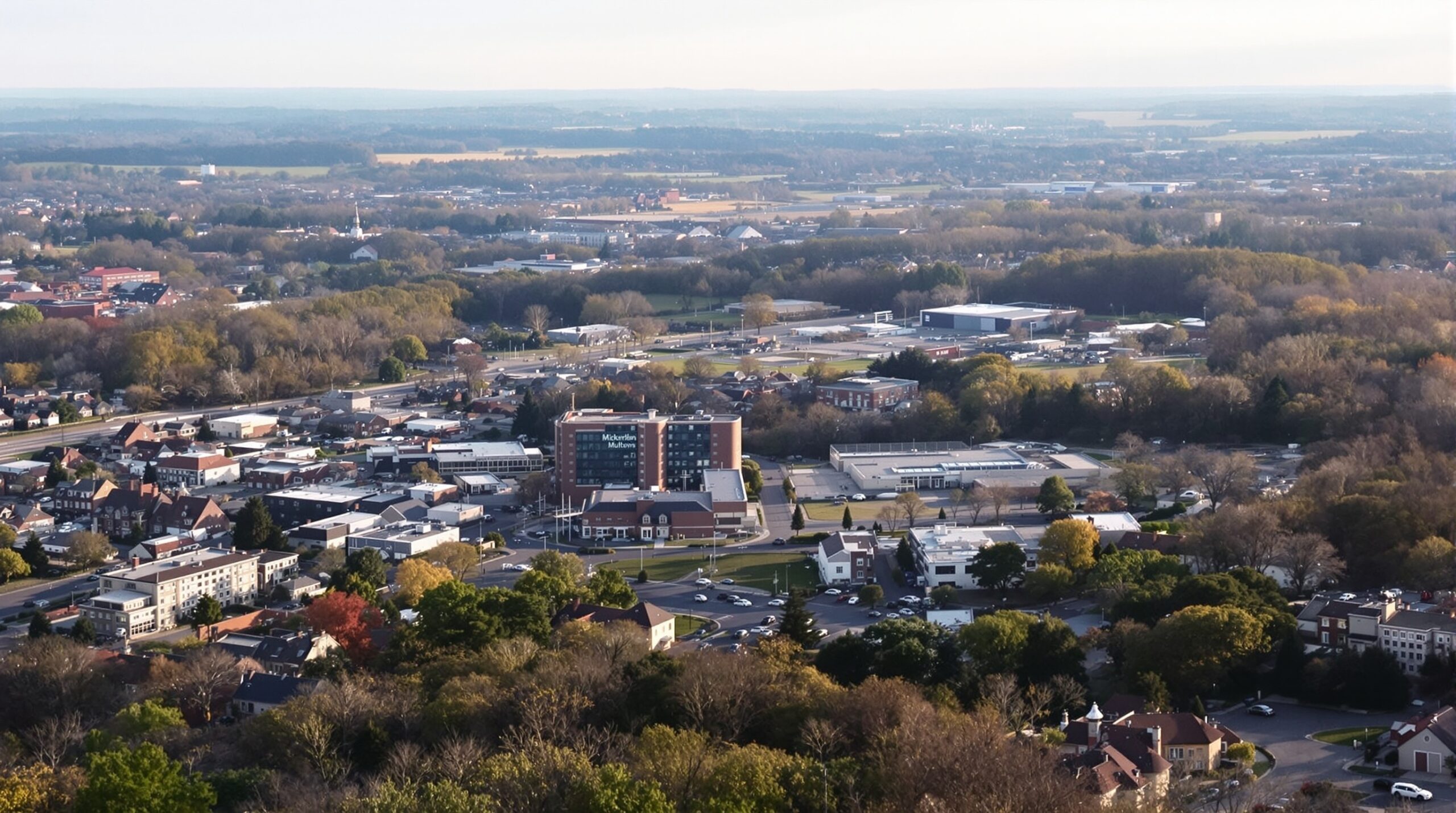
Welcome to Middletown!
Hey there, Middletown residents! As you stroll through our friendly neighborhoods, it’s hard not to notice the bright smiles and welcoming atmosphere that make our community truly special. However, nestled within these happy faces lies an important topic that affects all of us: water quality. Clean and safe water is essential for everything we do, from enjoying a refreshing glass at breakfast to watering our beautiful gardens in the summer sun.
Why Water Quality Matters
You might wonder, “Why should I care about water quality?” The truth is, the quality of our water directly impacts our health, our environment, and even the various activities we love to do. Poor water quality can lead to problems that affect our daily lives, whether we’re cooking dinner, bathing the kids, or simply taking a moment to relax with a cup of tea.
Your Partner in Clean Water
This guide is designed just for you! We’ll tackle common challenges you might face with water quality in Middletown and unlock practical solutions to keep our water supply pure and safe. With a little teamwork and knowledge, we can ensure that the water flowing through our taps is as refreshing as a spring breeze!
So, grab a seat, maybe a glass of water, and let’s dive into how we can all play a part in maintaining the purity of one of our most vital resources: water!
Understanding Middletown’s Water Quality Challenges
While we appreciate the beauty and charm of Middletown, we must also recognize the challenges we face regarding water quality. Our water supply, sourced primarily from local rivers and aquifers, is subject to a range of environmental factors and human activities that can complicate its quality. Let’s explore some of the key issues that affect our water and, subsequently, our lives.
Natural Influences on Water Quality
Middletown’s unique geology and climate play a crucial role in determining the composition of our water. The limestone and clay-rich soil that characterizes our region can contribute to certain natural minerals leaching into our water supply, leading to various challenges. Additionally, seasonal changes can severely impact water quality. For example, heavy rains can lead to runoff, carrying pollutants into our water sources.
Human Impact on Water Sources
While nature has its influence, we must also consider the human factor. Agricultural practices—such as the use of fertilizers and pesticides—can lead to nutrient runoff, resulting in algal blooms that compromise water quality. Furthermore, urban development can increase impervious surfaces like roads and parking lots, which disrupt natural drainage patterns, leading to more contaminants entering our waterways.
Proactive Measures for Awareness
Understanding these challenges is the first step toward remediation. Here’s a snapshot of some key water quality indicators to keep in mind:
| Water Quality Indicator | Potential Issues | Recommended Actions |
|---|---|---|
| pH Levels | Acidic or alkaline water can affect taste and plumbing. | Regular testing and neutralization methods. |
| Hardness | High mineral content can cause scale buildup. | Installing water softeners if necessary. |
| Nitrates | Excess levels can be harmful, especially to infants. | Monitor and reduce fertilizer use in nearby agriculture. |
| Heavy Metals | Lead and copper can leach from aging pipes. | Use filters and routinely check plumbing infrastructure. |
As residents of Middletown, we are in this together. By understanding the challenges posed by our environment and our choices, we can better advocate for and protect our water quality. In the next section, we will dig deeper into two common water quality issues that many of us encounter: hard water and sediment. Together, we will uncover practical tips and tricks to address these concerns—stay tuned!
Common Water Quality Issues: Hard Water and Sediment
As we dive deeper into the challenge of maintaining water quality in Middletown, two prevalent issues stand out: hard water and sediment. Understanding these problems is essential for homeowners and business owners alike, as they can have significant implications for both daily living and long-term property maintenance.
Hard Water: A Hidden Challenge
Hard water, characterized by elevated levels of calcium and magnesium, is more than just an inconvenience; it can lead to a host of problems in your home. The presence of these minerals is often a result of natural geological processes, but the impact can be felt in many ways. If you’ve ever noticed a white, chalky buildup around your faucets or in your appliances, you’ve encountered the effects of hard water firsthand. This residue isn’t just unsightly; over time, it can decrease the efficiency of water heaters, dishwashers, and other household appliances, ultimately leading to premature wear and tear.
For those with hard water, everyday tasks can become more challenging. Clothes may come out of the washing machine feeling stiff or looking dull, and the lathering of soap can take on a frustratingly poor performance. With hard water, you might also experience dry skin and hair after bathing—a reminder that what flows through your taps can directly affect your wellbeing.
Sediment: The Silent Intruder
Meanwhile, sediment in our water supply is another issue that requires our attention. Sediment refers to tiny particles—such as sand, silt, and clay—that can enter our water systems through runoff or disturbances in the land. While sediment itself may not pose a direct health risk, it can cloud your water, creating an unappealing appearance and possibly harboring bacteria and other contaminants.
Excessive sediment can also cause problems within plumbing systems. Over time, these particles can build up and lead to clogged pipes, decreased water pressure, and even damage to essential fixtures. Homeowners may find themselves dealing with premature wear on water heaters and filters, which can result in unexpected maintenance needs.
Taking Action: Practical Tips to Manage Hard Water and Sediment
Both hard water and sediment may seem daunting, but there are effective measures you can take to mitigate their effects. For hard water, consider investing in a water softener system, which can significantly reduce mineral content, improve the quality of your daily water use, and increase the lifespan of your appliances. Regular upkeep, including descaling fixtures and maintaining appliances, can also help manage buildup and ensure optimal performance.
As for sediment issues, consider installing sediment filters that can capture particulates before they enter your home’s plumbing system. Routine maintenance and inspections of both your plumbing and local water sources can help identify sediment buildup early, allowing for timely interventions.
By paying attention to these common water quality issues and taking proactive steps, residents and business owners in Middletown can enhance their water experience and safeguard the integrity of their homes and health. In the following sections, we will delve deeper into effective solutions tailored to meet the unique needs of our community.
Effective Solutions for Homeowners and Business Owners
When it comes to addressing water quality issues like hard water and sediment, homeowners and business owners alike are looking for effective solutions tailored to their specific needs. Understanding the nuances of your plumbing systems and investing in the right technologies can be transformative, not only improving water quality but also enhancing overall quality of life.
Water Softeners: A Key Investment
One powerful tool for combatting hard water is the installation of a water softener. This system works by exchanging the calcium and magnesium ions in hard water for sodium ions, effectively reducing mineral content. As a result, homeowners can enjoy numerous benefits: appliances operate more efficiently, soap lathers better, and skin and hair feel softer after use. Furthermore, water softeners can lead to less environmental impact due to the decreased need for harsh cleaning products, aligning well with the growing trend towards eco-conscious living.
Holistic Water Filtration Systems
To effectively tackle sediment issues, comprehensive water filtration systems can be extremely beneficial. These systems not only filter out sediment but also improve taste and remove potential contaminants. Two common types include whole-home filters that treat water at the point of entry, ensuring every tap in the house dispenses clean water, and under-sink systems that deliver purified water directly for drinking and cooking. By ensuring your water is free from sediment and other undesirable substances, you can enhance both the safety and enjoyment of every drop.
Regular Maintenance and Monitoring
While installing filtration and softening systems is a great first step, regular maintenance is crucial for optimal performance. Homeowners should routinely check their systems for signs of wear and ensure that filters are replaced as recommended. For business owners, conducting a consistent review of water quality can help prevent costly disruptions to daily operations. Simple measures—like keeping an eye on water pressure and observing any changes in water taste or clarity—can alert homeowners to potential issues before they escalate.
Community Engagement: Advocate for Quality Water
In addition to personal solutions, community engagement is vital. Homeowners and business owners can unite to advocate for improved local water infrastructure and resources to address broader water quality concerns within Middletown. Engaging local governments and environmental organizations can amplify voices, fostering collaborations to ensure that the community’s water quality meets health and safety standards. Whether it’s participating in local meetings, supporting clean water initiatives, or simply spreading awareness, collective efforts can lead to meaningful change.
By implementing these effective solutions, residents and business owners can significantly improve their water quality issues, leading to enhanced health, well-being, and property longevity. As we continue to explore the critical role plumbing systems play in maintaining water integrity, it’s essential to remember that informed decisions today will pave the way for a healthier tomorrow.
The Role of Plumbing Systems in Water Quality
The plumbing systems within our homes and businesses are the silent guardians of water integrity, determining not only the quality of the water we consume but also impacting our health and daily life. While many focus on the source of their water—be it municipal or well water—it is equally crucial to examine how the plumbing infrastructure affects that water by the time it reaches our taps. Inadequate plumbing can lead to contamination, mineral buildup, and insufficient water treatment, which can undermine even the cleanest water source. Understanding and optimizing plumbing systems can therefore play a pivotal role in ensuring sustained water quality.
Understanding Common Plumbing Issues
Several problems can afflict plumbing systems, many of which directly impact water quality. For instance, old pipes made of lead or galvanized steel can leach harmful substances into the water. Even modern materials can be compromised by corrosion, mineral build-up, or sediment accumulation. Moreover, stagnant water in pipes may allow bacteria to thrive, resulting in further contamination risks. Regular inspections and targeted treatments such as cleaning and disinfecting plumbing systems can help mitigate these risks and ensure that the water retaining quality remains high.
The Plumbing-Quality Connection: A Quick Overview
| Plumbing Issue | Impact on Water Quality | Recommended Solutions |
|---|---|---|
| Corroded Pipes | Increased levels of lead and other contaminants | Regular pipe inspections, corrosion-resistant piping |
| Hard Water | Mineral buildup, scaling in appliances | Water softeners and regular maintenance |
| Stagnant Water | Potential bacteria growth, foul tastes or odors | Periodic flushing and circulation of the plumbing system |
| Leakages | Contamination from surrounding materials | Immediate repairs and installation of leak detection systems |
The Importance of Water Quality Testing
To truly understand the status of your water quality, regular testing is non-negotiable. Reliable water testing can reveal contaminants and help identify issues stemming from plumbing systems that may not be immediately visible. Homeowners and business owners should not wait for symptoms to appear— proactive water analysis allows for early intervention and can uncover problems before they escalate into costly repairs or health issues. A variety of kits and professional services are available for comprehensive water testing, allowing for a thorough assessment tailored to specific needs.
Educating Residents about Plumbing Care
Awareness is an essential aspect of maintaining quality plumbing and optimal water quality. Home and business owners can benefit enormously from understanding their plumbing systems better. Hosting community workshops led by local experts can empower residents with information on best practices related to plumbing maintenance, signs of potential issues, and the importance of regular inspections. An informed community is an engaged community, more likely to take initiative in advocating for improvements to both their plumbing systems and overarching water quality initiatives.
As we forge ahead, it becomes increasingly clear that maintaining a focus on the interrelation between plumbing systems and water quality is crucial. By being proactive about plumbing maintenance and staying educated about potential issues, we can not only ensure safe and clean water in our daily lives but also contribute to a healthier environment for all. Moving forward, we will delve into preventive measures and treatment options that can further enhance water quality in households and establishments alike.
Preventive Measures and Treatment Options for Clean Water
Ensuring water quality in Middletown is vital for the well-being of its residents. With a deeper understanding of plumbing systems and their connection to water purity, it’s essential to implement practical preventive measures and treatment options that can enhance the safety and cleanliness of our water supply. These strategies not only target plumbing issues but also empower individuals and communities to take a proactive approach to their water health.
Implementing Regular Maintenance
Routine maintenance of plumbing systems is an indispensable step toward securing clean water. Scheduled inspections can uncover potential problems before they escalate. Homeowners and property managers should establish a regular maintenance plan that encompasses checking for leaks, evaluating water pressure, and assessing the overall condition of plumbing fixtures. Keeping records of maintenance activities can also help track changes over time and identify any persistent issues that may require specialized attention.
Utilizing Water Filtration Systems
Water filtration systems act as a first line of defense in enhancing water quality. These systems can significantly reduce contaminants, including bacteria, heavy metals, and chemicals, by utilizing various filtration methods such as activated carbon, reverse osmosis, and ultraviolet light. Depending on the specific contaminants present in local water supplies, residents can select a filtration system that best suits their needs, providing an added layer of safety and filtration tailored to their circumstances.
Embracing Smart Water Technology
Advancements in technology have opened new avenues for maintaining water quality, making it easier than ever to monitor and manage plumbing systems. Smart water management systems are designed to track water usage, detect leaks in real-time, and alert homeowners to potential issues before they worsen. By utilizing modern technology, residents can gain valuable insights about their water systems, enabling them to make informed decisions regarding maintenance and potential upgrades.
Engaging with Community Water Initiatives
Improving water quality extends beyond individual efforts; community initiatives can play a significant role in promoting cleaner water on a larger scale. Residents can get involved in local water quality programs, volunteer for cleanup efforts, and support initiatives aimed at improving municipal water treatment facilities. Collaborating with neighborhood associations to host educational workshops can also raise awareness about the importance of water conservation and quality, fostering a community-centric approach to clean water advocacy.
Promoting Public Education and Awareness
Knowledge is power when it comes to preserving water quality. By informing residents about the common contaminants affecting their water and the signs of plumbing issues, individuals can take swift action before health risks arise. Resources such as pamphlets, online tutorials, and community seminars can serve to educate residents about proper plumbing care, effective water treatment options, and the critical nature of regular monitoring. Armed with information, residents can make a positive impact on their water systems, creating a culture of transparency and proactive care.
As we forge ahead, it becomes increasingly clear that maintaining clean and safe water requires a collective effort and an unwavering commitment to preventive practices and education. By understanding the specific challenges our water systems face and implementing the measures discussed, we can enjoy cleaner and safer water in Middletown, ensuring the well-being of all its residents. Stay informed, stay proactive, and keep your water systems in top condition—because clean water is not just a luxury; it’s a fundamental right for every community.
Ensuring Clean Water for a Healthier Middletown
Water quality in Middletown is more than just a local concern—it’s an essential part of public health and community prosperity. As residents, we are all interconnected, relying on the same water resources for our daily needs, from drinking and cooking to bathing and cleaning. By understanding the specific challenges we face regarding water quality and implementing effective strategies, we can create a brighter future with safe water for everyone.
As we address the topic of clean water, it’s imperative to recognize that while hard water may not pose immediate health risks, it can lead to a number of inconveniences and long-term plumbing issues. The signs of hard water—such as soap scum on fixtures, dry and flaky skin, or streaky dishes—demand our attention and action. The good news is that detecting these indicators early can lead to effective solutions that positively impact our households and the entire community.
Testing your water quality bi-annually should be a routine part of home management. If you find recurring problems such as those linked to hard water, more frequent testing may be warranted. Staying vigilant offers a chance not only to identify issues quickly but also to ensure that any emerging contaminants or changes in water composition are addressed promptly.
Moreover, fostering a culture of regular plumbing maintenance is crucial. Homeowners should prioritize checkups that can preemptively address sediment buildup and ensure efficient water flow. Engaging professionals to maintain and optimize plumbing systems not only protects your health but enhances the efficiency of water usage in your home.
The Role of Community in Water Quality
To further ensure clean water, community involvement is invaluable. When residents come together to support initiatives aimed at improving local water standards, it creates a ripple effect of positive change. Neighborhood collaborations can lead to larger water quality programs that encourage responsible practices among all residents. Educational workshops on water conservation and quality can empower individuals with the knowledge and tools needed to advocate for their water health, creating a unified front against any challenges we face.
Public education plays a vital role in these efforts, advocating for awareness, understanding, and action. As we share information about the importance of maintaining our water infrastructure, recognizing issues like hard water, and understanding our treatment options, we collectively cultivate a community that values and protects its vital water resources. From pamphlets distributed at community centers to engaging social media platforms, every opportunity to educate counts.
In conclusion, ensuring clean, safe water in Middletown is not solely the responsibility of local authorities or municipal systems; it’s a collaborative commitment that invites every resident to engage actively. By continuously educating ourselves, participating in community initiatives, and maintaining our plumbing systems, we can create a healthier, safer environment for all. Together, we can make a lasting difference, transforming challenges into solutions and ensuring that the water we share is as pure as it should be. Clean water is not a privilege; it is a right that we can all work to preserve.
“`
Empowering Residents to Safeguard Water Quality
The collective responsibility to ensure water quality in Middletown lies in the hands of its residents. Each individual plays a vital role in the health of our local water systems, making proactive engagement not just beneficial, but essential. Therefore, understanding the means by which you can contribute to cleaner, safer water is fundamental for both personal and community well-being.
Understanding Your Water Source
Every drop of water we consume originates from a specific source—whether it’s groundwater, rivers, or lakes—and understanding the unique characteristics and challenges of these sources can empower residents. Familiarize yourself with the local watershed and the factors that could affect water quality, such as agricultural runoff or industrial discharges. Engaging with local water agencies or environmental organizations can provide valuable insights into the state of your community’s water supply and the measures being taken to protect it.
Advocating for Sustainable Practices
Beyond individual efforts, advocacy is a powerful tool in the fight for clean water. Residents can champion policies that promote sustainable water management practices, such as the reduction of chemical fertilizers and pesticides in agriculture, which can contaminate local streams and aquifers. Participate in town meetings, engage with policymakers, and foster dialogues within your community about the value of protecting our water sources. Together, informed citizens can drive legislative efforts aimed at enhancing water quality standards.
Being Mindful of Water Usage
Every resident’s water usage has a direct impact on overall water quality and availability. Simple changes in daily habits, such as reducing water waste, being mindful of what goes down the drain, and advocating for water-efficient appliances, can help diminish strain on local water sources and treatment facilities. Consider fostering conversations around water conservation in your community, illustrating how small changes can culminate into significant positive outcomes for Middletown’s water quality.
Building a Network of Support and Resources
Connect with like-minded community members who are equally passionate about water quality. Whether it’s forming or joining a local environmental club or participating in online forums regarding water safety, building a network allows for the sharing of resources, knowledge, and updates on water quality initiatives. Together, you can collaborate on projects, share best practices, and keep each other informed about local developments that might affect water quality.
Encouraging Youth Engagement
Inspiring the next generation to care about water quality is crucial for long-term sustainability. Encourage youth participation in school programs focused on water conservation, science fairs with environmental themes, or community service opportunities related to water quality improvement. By instilling a sense of stewardship in young minds, we lay the groundwork for future advocates who will continue the work necessary to protect and enhance Middletown’s water systems.
Remember, ensuring the quality of our water is an ongoing journey that calls for vigilance, collaboration, and education. Each resident has the power to make a difference through their actions and advocacy. By embracing a proactive stance, utilizing available resources, and engaging with your community, you can help foster an environment where clean and safe water is the norm. Let’s unite for the cause of water quality in Middletown; together, we can ensure that every drop is not only safe but a testament to our commitment to health and sustainability.
“`