
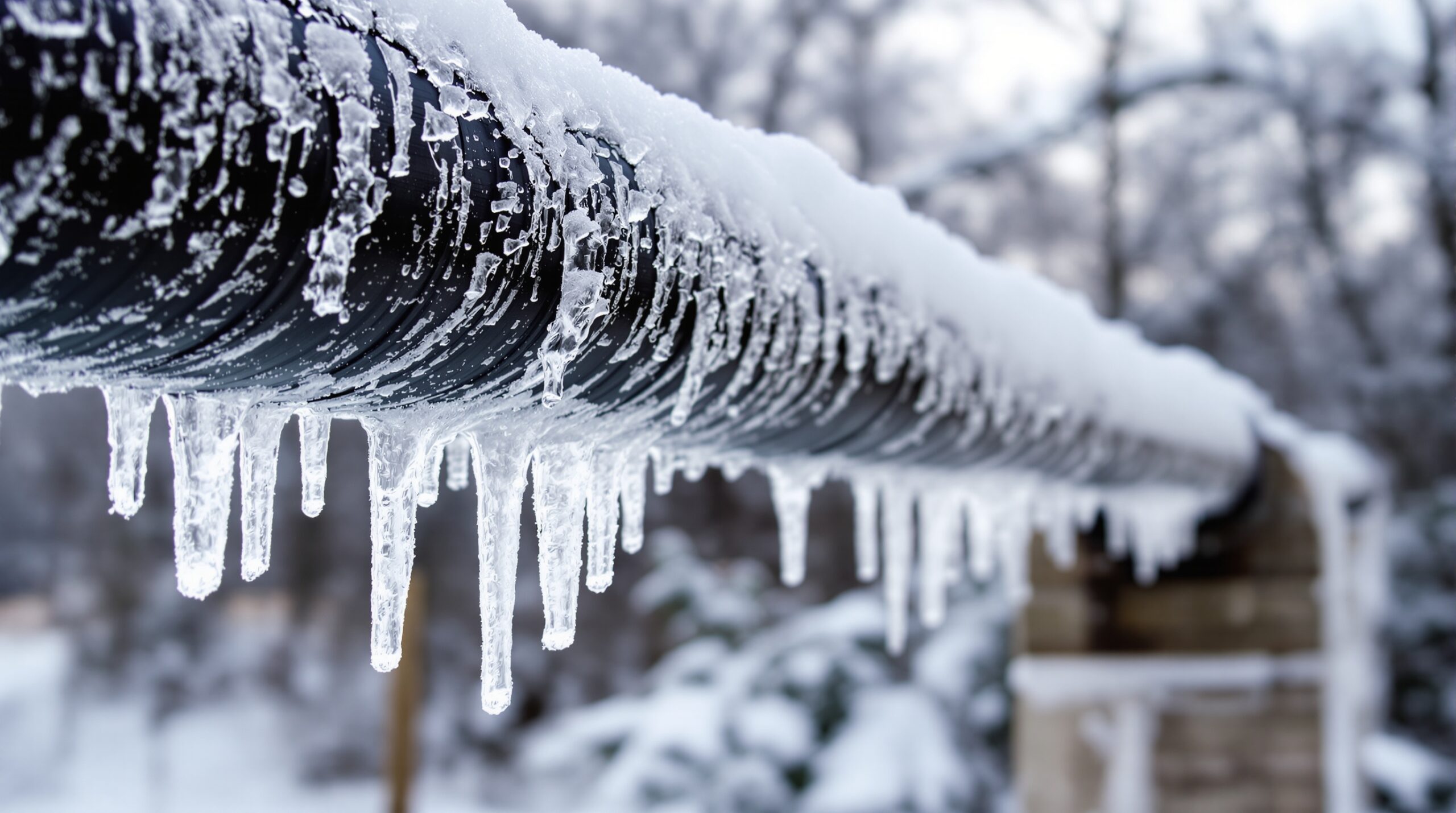
Stay Cozy: Protect Your Pipes This Winter
Every winter, residents of Odessa, Delaware brace themselves for the chilling reality of potentially frozen pipes. As temperatures drop, the water inside your plumbing can freeze, causing serious damage that can lead to unpleasant surprises when spring arrives. Nobody wants a flooded home on top of icy roads and snow! But don’t worry; you don’t have to let the cold take control of your plumbing.
Your Plumbing, Your Responsibility
In this guide, we’ll walk you through some simple yet effective ways to keep your plumbing systems safe and sound against the frigid winter chill. By taking a few preventive steps, you can make sure your pipes stay warm and cozy all season long. From simple insulation techniques to proactive measures that can be done in just a few minutes, we’ve got you covered!
Whether you’ve lived in Odessa your entire life or you’re new to the area, winter is a force to be reckoned with. It’s time to turn your attention to your pipes. Let’s dig in and make sure you have the tools and knowledge to shield your plumbing from freezing, so you can relax and focus on enjoying the winter wonderland that surrounds you without a worry in the world!
Understanding the Risks
While winter brings with it a picturesque drape of white snow and crisp frosty mornings, it also ushers a host of challenges—primarily for your plumbing system. In Odessa, DE, with its unpredictable sub-zero temperatures, the risk of frozen pipes escalates, leaving homeowners vulnerable to significant damage.
Frozen pipes can lead to considerable inconvenience, but they come bearing a darker risk: they can burst. When the water inside your plumbing freezes, it expands, exerting pressure on the pipe walls. This pressure can lead to cracks or complete breaks, resulting in water leakage that can wreak havoc in your home. The aftermath? A costly cleanup and repairs, along with potential insurance headaches that no homeowner wants to face. Armed with this knowledge, it becomes paramount to understand the various conditions that can precipitate these plumbing disasters.
Key Factors Contributing to Frozen Pipes
As winter settles in, Odessa residents should be aware of several factors that can increase the likelihood of experiencing pipe freezing:
| Factor | Description | Impact on Frozen Pipes |
|---|---|---|
| Sub-zero Temperatures | Prolonged exposure to extreme cold can lead to immediate freezes in unprotected pipes. | High |
| Wind Chill | Cold winds can lower the effective temperature, even if the thermometer reads above freezing. | Moderate |
| Seasonal Temperature Drops | Sudden changes in temperatures, especially if they dip drastically overnight. | High |
| Insufficient Insulation | Pipes located in exterior walls or unheated areas are particularly vulnerable. | Very High |
As illustrated in the table above, the risk factors are interconnected; a single point of vulnerability can cripple your plumbing system. This is especially true in areas where pipes are in poorly insulated spaces. As you navigate the cold months ahead, consider these threats and take appropriate precautions to safeguard your plumbing.
In Odessa, addressing this risk doesn’t have to be cumbersome. Simple steps taken now can ensure that your plumbing remains intact regardless of the harsh weather outside. As we venture into the next sections, we will explore essential strategies to protect your exposed and outdoor pipes, making your home a fortress against winter’s icy grip.
Insulating Outdoor and Exposed Pipes
As the sun dips below the horizon earlier and early twilight envelops Odessa, now is the moment to focus on a crucial yet often overlooked aspect of home maintenance: insulating outdoor and exposed pipes. The change in seasons not only transforms the landscape but also invites homeowners to take proactive measures to protect their plumbing. The goal is simple yet vital: maintain a consistent temperature for your pipes to stave off the winter chill that threatens to freeze them into unwelcome disruptions.
Imagine your plumbing as a well-coordinated team, where each member plays a critical role in ensuring your home runs smoothly. Unfortunately, the players on the outside—those sitting in unheated areas like garages, attics, and uninsulated exterior walls—are often the most vulnerable. By insulating these exposed pipes, you create a barrier that guards against the biting cold, helping to stabilize their temperature and significantly reduce the risks of freezing.
Pipe insulation comes in several options, each designed to provide protection while being easy to install. Foam sleeves, insulated tape, or pre-slit pipe insulation can be seamlessly applied around your pipes, creating an effective cushion against frigid air. The application of this insulation is a straightforward DIY task, providing a great opportunity for family engagement. Children can participate by handing you materials while you explain the importance of each step, turning an otherwise mundane chore into a family project.
Furthermore, don’t overlook those unheated spaces in your home. A corner of the basement or a less frequented garage can be prime real estate for frostbite on your plumbing. Ensure any exposed pipes in these areas are thoroughly insulated. This little effort will go a long way in maintaining their temperature and ensuring they remain functional even during the coldest snaps.
Moreover, keep in mind that caulking gaps and cracks around windows and doors leading to unheated areas can further bolster your efforts. Every little detail matters when it comes to fortifying your home against winter’s chill. By combining insulation with sealing off drafty entry points, you can create a much more stable environment for your indoor plumbing.
Implementing insulation on outdoor and exposed pipes isn’t just about survival; it’s about preserving peace of mind throughout the winter months. With a bit of foresight, you can proactively reduce the risk of frozen pipes that can lead to bursts and leaks. In doing so, you’ll not only protect your property but also enhance the overall comfort of your home, allowing your family to enjoy winter’s beauty without the looming worry of plumbing disasters. Prepare your home to hold its own against frosty winds and snowdrifts, thus empowering you to embrace the season fully.
Keeping Interior Temperatures Consistent
As you implement these essential insulation measures, don’t forget the critical role your indoor environment plays in the overall protection of your home. Even if your travel plans take you away from home, it is vital to maintain a stable indoor temperature—ideally at or above 55°F. Keeping this baseline ensures not only your comfort upon your return but also the health of your plumbing systems. Just as you wouldn’t leave a beloved pet outside in freezing temperatures, your home requires a nurturing environment to thrive amidst the harsh winter climate.
Think of your home as a cozy cocoon, enveloping your plumbing with warmth. By setting your thermostat to a minimum of 55°F, you significantly mitigate the risk of freezing pipes. This temperature maintains a safe haven for critical areas like walls and cabinets that house plumbing. The warmth permeates these spaces, ensuring that the closest pipes enjoy a layer of protection against the frigid world outside. Moreover, if you anticipate being away for an extended period, consider asking a trusted neighbor or friend to periodically check in and adjust the thermostat, creating an added layer of vigilance during your absence.
In addition to maintaining a steady temperature, you can enhance your home’s defenses by keeping cabinet doors open under sinks. This simple yet effective strategy allows warmer ambient air to circulate freely around your exposed plumbing, providing an extra layer of insulation. Imagine warmth engulfing those vulnerable pipes, keeping them snug even when the temperatures plummet outside. It’s a small adjustment that can yield significant results, giving you peace of mind that everything is still functioning smoothly while you’re away or enjoying the holiday festivities.
As you prepare your home for winter, remember that each action you take, no matter how small, contributes to a more robust and resilient living environment. By balancing a consistent indoor temperature with strategic cabinet positioning, you empower your home to endure the coldest months without fear of bursts or leaks. You’ve gone to the trouble of insulating exposed pipes and sealing drafts; now, let’s ensure that the heart of your home—the warmth of your indoor spaces—works in harmony with these efforts. Together, you can create a winter haven that embraces the joys of the season without the anxiety of plumbing disasters lurking in the shadows.
Proper Winterization of Outdoor Hoses and Faucets
As you secure the warmth and comfort of your indoor spaces, it’s equally essential to turn your attention outdoors, specifically to your garden hoses and faucets. The transition from autumn to winter can bring with it a plethora of challenges for homeowners, particularly when unprepared. An often overlooked yet crucial step in winterizing your home is ensuring that your outdoor plumbing systems are protected from the bitter chill. Let’s walk through the critical measures you need to take for the proper winterization of outdoor hoses and faucets to avoid costly plumbing emergencies.
First and foremost, detach your garden hoses from outdoor faucets. This step not only prevents any trapped water in the hoses from freezing and expanding—potentially leading to cracks and leaks—but it also alleviates strain on the faucet itself. As mundane as it may sound, this simple act can save you a significant headache when spring arrives.
After disconnecting the hoses, the next crucial task is to shut off the water supply to outdoor faucets. Most homes come equipped with a shut-off valve located near your main water line. By turning off this valve for the winter months, you significantly reduce the risk of pipes freezing and bursting, which can lead to devastating water damage inside your home. Once the water supply is turned off, your next step is to drain any remaining water from the faucets. Simply open the faucet and allow any trapped water to flow out freely. This process not only clears the line but eliminates the risk of standing water freezing and causing blockages or pipe bursts.
To further help you navigate these essential outdoor winterization tasks, we’ve compiled a handy table of essential steps for winterizing outdoor hoses and faucets:
| Step | Description |
|---|---|
| Detach Garden Hoses | Remove all hoses from outdoor faucets to prevent freezing and damage. |
| Shut Off Water Supply | Locate and turn off the outdoor faucet’s shut-off valve to stop water flow. |
| Drain Remaining Water | Open outdoor faucets to allow any trapped water to drain completely. |
| Insulate Exposed Pipes | Wrap exposed pipes with insulation to add a layer of protection against extreme temperatures. |
| Store Hoses Inside | Keep hoses stored in a shed or garage to protect them from freezing conditions. |
By diligently following these simple steps, you can equip your home to stand resilient against winter’s onslaught. Imagine a scenario where spring arrives, and instead of facing expensive repairs, you find everything in perfect working order. Proper winterization creates that reality. Just as you nurture the warmth inside your home, giving the same attention to your outdoor plumbing can ensure that it, too, survives the winter months intact.
Taking these proactive measures fosters not only a sense of preparation but also peace of mind as you enjoy the season ahead. As the snow begins to blanket the landscape, you can cozy up inside, confident that your home is prepared for whatever winter may throw its way. After all, every season sets a stage, and it’s up to us to create an inviting atmosphere, not just indoors but outdoors as well.
Identifying and Responding to Warning Signs
As winter settles in and temperatures begin to plummet, the likelihood of plumbing issues increases, particularly when it comes to frozen pipes. Early detection is crucial in preventing minor problems from escalating into major emergencies. It’s essential to familiarize yourself with the tell-tale signs that indicate your plumbing might be under stress from the cold. Look out for reduced water flow from taps, as this could signify ice buildup within the pipes. An unusual smell—especially a musty or wet odor—may indicate that a pipe is leaking or has already burst, posing a risk to your home’s structure and health.
If you find yourself in the midst of a bitter cold snap and you suspect that a pipe is starting to freeze, don’t panic. One of the simplest yet most effective responses to alleviate pressure in your plumbing is to let a small drip of water run from your faucets. This minimal trickle helps to keep water moving through the pipes, reducing the chances of it solidifying and causing a blockage or worst-case scenario—a burst pipe. It’s a low-cost yet effective method to stave off problems and provides you with a level of defense against the wrath of winter.
Another key aspect of prevention is regular monitoring. If you notice that your water pressure is inconsistent or suddenly drops, investigate further. A gradual decrease can be a signal that ice is forming, obstructing the flow of water. Additionally, if your faucets or showerheads start to make strange noises, such as gurgling or unusual banging, this may indicate trapped air or, again, frozen pipes. Taking these warning signs seriously and responding promptly can save you from the chilly aftermath of significant plumbing repairs.
In freezing conditions, it’s also wise to inspect the exterior walls of your home for any cracks or drafts, as these can expose pipes to the cold. Wrapping these vulnerable areas with insulation or even fabric can work wonders in preventing cold air from infiltrating and affecting your plumbing. For those particularly chill-prone spots, installing heating cables or tape can also provide that extra layer of warmth to keep the necessary pipes flowing.
Finally, never underestimate the power of education. Knowing the layout of your plumbing system, including where pipes are most susceptible to freezing, empowers you as a homeowner. Being aware of these factors enhances your ability to respond quickly and execute preventive measures. If you live in particularly cold regions, consider setting aside a few minutes monthly to check on your plumbing, ensuring that you catch potential problems before they escalate. Remember, being proactive rather than reactive will afford you the peace of mind to enjoy the winter season in warmth and comfort.
As winter envelops Odessa in its chilly embrace, the prospect of frozen pipes doesn’t have to send shivers down your spine. With some forethought and practical strategies, you can fortify your plumbing system and navigate through the season without stress. First, let’s tackle potential scenarios that can arise when pipes freeze, beginning with what to do if you find yourself facing this dreaded occurrence.
Should you suspect that a pipe has succumbed to the icy grip of winter, your first course of action is to remain calm and assess the situation. It’s critical to start thawing the affected pipe as soon as possible to avert any catastrophic failures. Use a hairdryer or a space heater to slowly warm the pipe, focusing on the area closest to the faucet. Gradually working your way towards the frozen section ensures that you don’t risk further damage by thawing it too quickly. Remember, patience is key; take your time and let the warmth do its magic. If it doesn’t thaw after a reasonable amount of time, don’t hesitate to call a professional plumber who can safely handle the situation.
Now, you might wonder if all this effort really matters in a mild winter. While it may seem unnecessary to insulate pipes during warmer months, it’s wise to take a proactive approach. Weather can be unpredictable, and temperatures can dip unexpectedly even during the mildest winters. Insulating your pipes can shield them from sudden cold snaps and creates a robust barrier against frost. Additionally, encasing vulnerable areas in insulation can provide lasting protection that requires minimal upkeep as the seasons change.
Another effective preventative measure is understanding the power of a dripping tap. Leaving your faucets slightly open, allowing a slow but steady drip of water to flow, acts as a buffer against the buildup of ice inside your pipes. This continuous movement alleviates pressure that could build in frozen areas, significantly reducing the risk of a rupture. It’s a straightforward yet impactful way to defend your plumbing against the harsh winter chill and ensure that you don’t awaken to the unwelcome surprise of a burst pipe.
Investing time in these preventive tactics not only safeguards your plumbing system; it also grants you peace of mind through the colder months. By staying vigilant and following these practices, you can relish the tranquility of your home during winter. So, embrace these strategies, Odessa residents; winter doesn’t have to unsettle your plumbing or your peace of mind. Prepare today, and enjoy a warm, worry-free winter ahead!
Proactive Strategies for Winter Preparedness
As you navigate through the winter months in Odessa, it’s imperative to take proactive measures to protect one of your home’s most critical systems: your plumbing. The good news is that with a little foresight and organization, you can smooth over the potential stressors that winter can bring. By implementing these strategies, you will not only secure your peace of mind but also ensure a warm, water-friendly winter for you and your family.
One key strategy is to winterize your plumbing system before the cold weather truly sets in. Start by identifying the areas in your home that are most susceptible to freezing temperatures, particularly those near exterior walls or in unconditioned spaces like basements and attics. Insulating these pipes with foam sleeves or specialized insulation products can provide the necessary defense against frigid air. It’s about creating a barrier that safeguards the water inside your pipes, which translates into fewer interruptions during the chilly season.
Another smart move is to familiarize yourself with your home’s heating system and ensure it’s functioning optimally. When your home is adequately heated, it contributes to keeping the plumbing warm, especially those areas where pipes might be exposed to colder outside temperatures. Setting your thermostat to a consistent temperature, even when you’re away, helps maintain a balance that discourages ice formation in your pipes. Remember, sudden temperature changes can be just as risky as very low temperatures themselves.
Add some routine checks to your calendar! Schedule regular plumbing inspections before winter arrives. A professional can spot potential problems that may not be visible to the untrained eye. They can assess pipe conditions and even offer suggestions for additional winterization tactics tailored specifically for your home. And don’t forget to keep an eye on your outdoor spigots. If they have not been properly winterized, they could cause big headaches during a freeze. Drain any outdoor taps and store hoses in a dry place to prevent water from sitting in the lines, which can freeze and expand, leading to cracks.
Consider implementing a warm-water strategy, too! During those particularly cold nights, allowing warm water to flow through your pipes, even at an ambient temperature, can help mitigate freezing risks. While that small drip can prevent freezing at the point of use, thinking about your plumbing as a whole will lead to a more comprehensive approach to avoiding colossal plumbing issues down the road.
It’s also good practice to keep your cabinets open under sinks, especially those located against exterior walls. This simple action allows warm air from the home to circulate around the plumbing. Adding a small space heater in these areas—while always monitoring it for safety—can provide extra warmth as needed. A little bit of thoughtful prevention goes a long way in creating a cozy, stress-free environment.
Lastly, don’t forget about your neighbors! The winter season can be more easily navigated when the community looks out for one another. Share your winter maintenance tips or even check in on each other’s properties, especially during those notoriously frigid nights. Building a sense of camaraderie will not only foster a friendly neighborhood but can also lead to collective emergency preparedness, improving everyone’s situation.
In summary, winter doesn’t have to be a stress-laden season for residents of Odessa. By being proactive and implementing a few strategic measures, you can effectively safeguard your home’s plumbing system against the unforgiving cold. Embrace these approaches and revel in the warmth, nostalgia, and joy of winter, knowing that you have taken the necessary steps to enjoy a snug and secure home.