
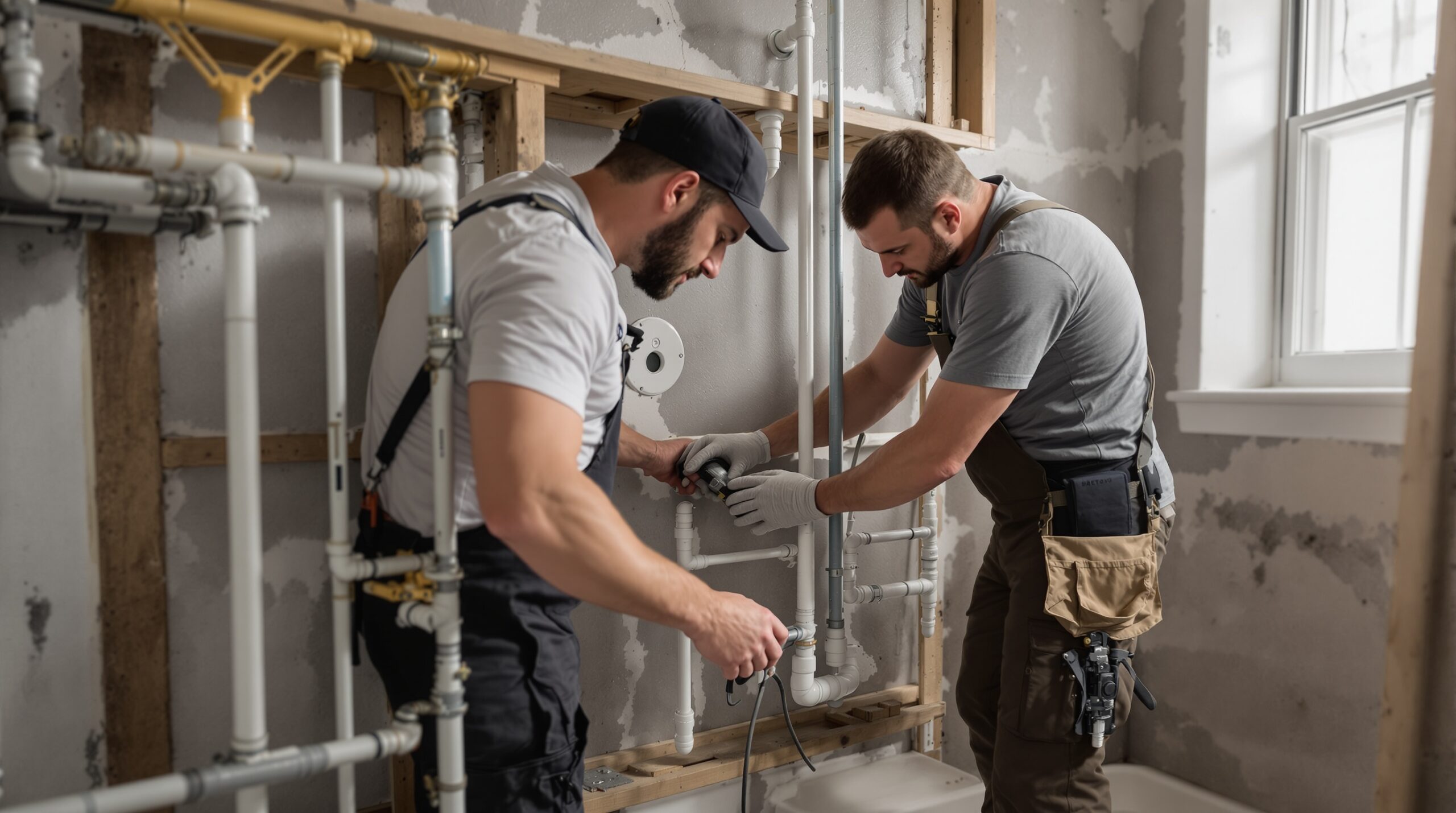
Embarking on Your Bathroom Journey
Taking the plunge into a bathroom remodel can be a thrilling journey, bursting with possibilities! Imagine stepping into a fresh, beautifully designed space that not only looks amazing but also works better for your daily needs. You’re likely dreaming about elegant tiles, sleek fixtures, and that perfect lighting that will make your bathroom feel like a personal retreat.
Don’t Overlook the Plumbing!
But amidst the excitement, there’s one vital part of the renovation process that often gets overlooked: the plumbing. Trust us, skipping over this important detail can lead to headaches later on. Whether it’s the thrill of swapping out your old sink for a stunning double vanity, or the anticipation of a luxurious rain shower head, understanding the plumbing underpinnings is essential.
Take It From Us: Proper planning around bathroom remodeling plumbing is like laying a solid foundation for your dream space. It ensures everything flows smoothly—not just water but also your whole renovation experience. So, let’s dive into the essential plumbing considerations you need to keep in mind as you prepare for your exciting transformation. Are you ready to design the bathroom of your dreams?
Understanding the Layout
Before you leap into choosing tiles and fixtures, it’s crucial to assess your existing plumbing system and layout comprehensively. Understanding what you currently have is the first step toward realizing your dream bathroom without unnecessary complications. The layout of your plumbing can dictate what changes are possible—helping you avoid major rerouting that could disrupt your entire project.
Here’s the good news: keeping your new design as close to the existing plumbing setup as possible can significantly streamline the renovation. Maintaining the location of sinks, showers, and toilets not only saves valuable time but also helps to create a smooth workflow for your remodeling team. You get the benefits of a fantastic new design while minimizing any extensive, and often intrusive, plumbing work.
So how do you assess your layout effectively? Start by asking yourself a few key questions:
- What is the current plumbing configuration? Are the pipes easily accessible and in good condition?
- Are there any current plumbing issues, such as leaks or slow drainage, that need to be addressed before moving forward?
- What fixtures do you want to include in your new bathroom and how do they align with the existing plumbing layout?
- Are there any building codes or regulations in your area that may affect plumbing placements?
To help you visualize the impact of these decisions, consider the following table which outlines a few key aspects to compare when assessing your current plumbing layout against your dream design:
| Aspect | Current Layout | Proposed Changes |
|---|---|---|
| Sink Location | Standard single vanity on the left | Double vanity on the left or center |
| Shower Position | Walk-in shower in the corner | Elegant freestanding tub with a separate shower |
| Toilet Placement | Next to the shower | Enclosed in its own nook for privacy |
| Accessibility of Pipes | Accessible but age-worn | Maintain accessibility while upgrading materials |
By meticulously planning the layout around your existing plumbing, you not only design a space that reflects your style but also create an environment where water flows freely and efficiently—literally! Consider involving a professional plumber or a seasoned contractor early in the process to help determine which proposed changes are feasible based on the existing layout. Together, you can brainstorm creative solutions that deliver the bathroom of your dreams while keeping the renovation seamless.
Next, let’s explore the importance of upgrading pipes to modern materials, ensuring that your stunning new space remains a bastion of both beauty and practical efficiency.
Pipe Upgrade Considerations
As you dive deeper into the logistics of your bathroom renovation, one crucial element often flies under the radar: the pipes that deliver water throughout your space. While the visual aspects of your dream bathroom—such as tiles, finishes, and fixtures—take center stage, it’s essential to consider the effectiveness of your plumbing system as a foundational element that can enhance not just the beauty, but also the functionality of your newly designed oasis.
Upgrading older pipes to modern, high-quality materials can save you from a cascade of headaches down the line. Aging plumbing is prone to slow drains, leaks, and out-of-sight water damage that can wreak havoc on both your property and your peace of mind. Imagine luxuriating in your beautifully finished space only to discover that a hidden leak has created unsightly and costly damage in your walls or floor. By upgrading your pipes before they become a problem, you can ensure seamless performance for years to come.
When assessing your current plumbing, take note of any signs of deterioration. Look for corrosion, rust, or abnormal wear and tear. If your pipes are slow-draining, it’s a signal that they’re not only at risk of leaks, but also that they may not be keeping up with the demands of your modern fixtures. This is especially critical if you’re considering adding items such as a rainfall showerhead, multiple sinks, or a jetted tub—all of which can significantly increase the demand on your plumbing system.
Moreover, modern materials are designed to withstand the test of time, pressure, and temperature variations, enhancing the overall longevity and resilience of your plumbing network. Imagine smooth, reliable water flow accentuated by gorgeous fixtures, free from the worry of rust and disrepair. By investing in your pipes, you’re essentially ensuring that the aesthetic beauty of your renovation is paired with practical efficiency.
Additionally, when concerning the aesthetic design of your space, consider how hidden plumbing upgrades can enhance your bathroom’s appearance. Elegant fixtures and stylish vanities are strengthened by never having to mask or worry about older infrastructure. A careful pipe upgrade seamlessly integrates into your overall renovation plan, allowing you to revel in your gorgeous bathroom without compromising on functionality.
As you prepare to embark on this transformative journey, enlisting a qualified plumbing professional can offer invaluable insights. They can help you identify the best time to perform your upgrades, ensuring that your renovations align perfectly with your improvement goals. This partnership not only optimizes your current framework but also arms you with the knowledge needed to prevent future plumbing nightmares.
In short, don’t overlook the subterranean arteries of your bathroom. Prioritizing a pipe upgrade ensures that you will enhance both the beauty and efficiency of your newly designed sanctuary, offering a space that is not just visually stunning, but beautifully functional as well.
With a solid foundation in place, let’s move on to the crucial aspect of water pressure and flow. Addressing current water pressure issues in your existing system will ensure that your new fixtures work harmoniously, delivering uninterrupted satisfaction.
Water Pressure & Flow
Once you’ve tackled the necessity of pipe upgrades, it’s time to turn your focus to another vital component of your bathroom renovation: water pressure and flow. Many homeowners overlook this element, assuming that their existing water supply is sufficient for any new fixtures they plan to install. However, a thorough assessment of your system’s water pressure and flow is not just advisable—it’s essential for achieving the seamless experience you envision in your newly redesigned space.
Your bathroom is a sanctuary, and every feature—whether it’s the invigorating blast from a rainfall showerhead or the gentle pour from a well-designed faucet—relies on adequate water pressure to deliver its intended magic. Inadequate pressure can turn your spa-like oasis into a frustrating affair, where showers feel lackluster and sinks become disappointingly sluggish. Before diving headfirst into purchasing those stunning new fixtures you’ve been eyeing, it’s crucial to evaluate your existing water pressure.
Start by measuring the water pressure in your home, preferably at multiple outlets, including your current faucets and showers. Ideally, a pressure reading between 40-60 psi (pounds per square inch) is considered optimal for residential plumbing. If you discover that your levels fall below this range, plan to address these deficiencies before installing your new fixtures. Low water pressure often stems from clogged pipes, sediment buildup, or inadequate supply lines—issues that can only intensify with age. A thorough inspection can help identify these problems before they become systemic, allowing you to upgrade and boost your water supply in tandem with other renovation efforts.
Conversely, if you find that your water pressure is overly high, this can lead to wear and tear on your plumbing system and even result in unsightly water leaks. Many modern fixtures, especially those designed for comfort and luxury, function best at specific pressure levels. This insight can also help shape your choice of fixtures—knowing your system’s capabilities can guide you towards options that will function harmoniously with your existing setup.
As you map out the intricate web of your bathroom’s water delivery system, pay careful attention to how your water flows to different fixtures. A professional plumbing assessment can illustrate whether your system supports simultaneous use, which numerous modern designs encourage. Wouldn’t it be ideal to fill your jetted tub while someone else enjoys a shower or has the sink running? Adequate flow ensures that multiple fixtures can be used together without compromising performance, creating a harmonious environment in the space.
A flow assessment serves as a preventive measure, making sure that once those gorgeous new fixtures are installed, they deliver the experience you envisioned. By identifying potential issues and resolving them in advance, you can mitigate the risk of facing future dissatisfaction or complaints—from both yourself and your guests.
In the grand scheme of your bathroom overhaul, understanding water pressure and flow is less about the pipes themselves and more about the entire user experience. It’s about enjoying every moment spent in a space that performs as beautifully as it looks. After all, the best bathrooms are those where functionality and aesthetics go hand in hand, and adequate water pressure is a key player in that delightful union.
Ventilation Essentials
Now that you’ve established a solid foundation with adequate water pressure and flow, it’s time to address another critical yet often overlooked aspect of your bathroom renovation: ventilation. Ensuring proper air circulation in this frequently humid space is not just a matter of comfort—it’s essential for preventing common issues like mold and mildew, which can wreak havoc on your health and home. A comprehensive ventilation plan is vital to creating a bathroom that remains fresh and inviting.
Bathrooms are uniquely susceptible to moisture buildup, particularly during hot showers and baths. Without adequate ventilation, this humidity can linger, leading to unpleasant odors and environments conducive to mold growth. Consequently, the importance of installing proper venting systems cannot be overstated. Well-placed vent pipes allow for efficient airflow, regulating moisture levels and maintaining a dry environment that promotes both health and longevity for your fixtures and finishes.
When formulating a ventilation strategy, focus on two primary components: exhaust fans and vent pipe placement. Installing a quality exhaust fan is crucial, not just for immediate moisture control but also for long-term protection against mold and mildew. Look for a fan with a suitable airflow rating (measured in CFM—cubic feet per minute) that matches the size of your bathroom. A good rule of thumb is to opt for a fan that offers at least 1 CFM per square foot of bathroom space. This ensures that your fan can effectively remove moisture as it builds up.
| Bathroom Size | Recommended CFM |
|---|---|
| 50 sq. ft. | 50 CFM |
| 75 sq. ft. | 75 CFM |
| 100 sq. ft. | 100 CFM |
| 125 sq. ft. | 125 CFM |
In conjunction with a capable exhaust fan, consider the strategic placement of vent pipes for all plumbing fixtures. Properly routing your vent pipes allows air to flow freely and helps regulate the pressure within your plumbing system. This step is vital not only to maintain drainage efficiency but also to ensure that your exhaust fan operates effectively. Optimal vent pipe placement discourages negative air pressure that can hinder airflow and contribute to moisture accumulation.
It’s also worth considering the positioning of windows or additional sources of natural ventilation if possible. Allowing fresh outdoor air to flow into your bathroom can significantly mitigate humidity levels and improve overall air quality, making it a more pleasant space for relaxation and rejuvenation.
Moreover, as you execute your renovation plan, remember the importance of compliance. Familiarize yourself with specific local building codes and permit requirements that govern ventilation standards in your area. Following these guidelines will not only safeguard your renovation against future complications but will also ensure that your home remains safe and comfortable for years to come. Enlisting the expertise of a professional familiar with your local regulations can streamline this process, providing peace of mind that everything aligns with legal standards.
In summary, appropriate venting is an invaluable part of your bathroom renovation. With sound ventilation and the right planning, you can create a sanctuary that feels inviting, maintains clean air, and wards off mold and mildew—ensuring that your new bathroom is as functional as it is beautiful.
As you dive deeper into the process of bathroom remodeling, it’s crucial to remember that while aesthetics and functionality are paramount, compliance with local regulations is equally important. Navigating the maze of plumbing codes and permit requirements in Delaware might seem daunting, but understanding these can save you from future headaches and costly setbacks. Familiarizing yourself with these regulations should be integral to your planning phase. Compliance ensures that your renovations not only enhance your living space but also adhere to safety and quality standards that protect your home and family.
Delaware has established a local plumbing code that outlines the legal requirements for plumbing systems, including installation and modifications during renovations. These codes are enforced to ensure the safety and health of residents, as well as to maintain the integrity of the overall infrastructure. Without proper adherence, you might face fines, forced renovations, or even the necessity to undo completed work, which can disrupt your home life and delay the completion of your project.
Thus, before picking up your toolbox or hiring a contractor, take the time to fully understand what the law mandates. This includes knowing what permits are required for your specific renovations. Some projects may necessitate a permit even for minor alterations, while larger remodels that involve moving plumbing fixtures almost always do. Permits are not just a bureaucratic hurdle— they serve to document the progress of work being done and are often needed when it comes time to sell your home, ensuring that everything has been executed legally.
To navigate this landscape more effectively, consider enlisting the help of a professional. Hiring a contractor who is well-versed in Delaware’s regulations can be invaluable. Their experience allows them to seamlessly integrate compliance into your renovation plan, avoiding potential pitfalls that could deter progress. A skilled professional will tackle the complexities of local codes, taking the burden off your shoulders and allowing you to focus on the creative aspects of your remodeling vision.
Furthermore, not only do these experts help with paperwork and oversight, but they also serve as a wealth of knowledge regarding best practices in plumbing and renovation strategies. Their insights can guide decisions that both enhance the aesthetic appeal of your bathroom and ensure its long-term viability and safety. They can also assist you in making informed choices that align with your broader renovation objectives while staying within the framework of legality.
In conclusion, while the excitement of a bathroom remodel is palpable, don’t underestimate the importance of compliance and legal adherence. By familiarizing yourself with Delaware’s plumbing codes and implementing necessary permits from the outset, you are establishing a solid groundwork for your renovation efforts. Embrace the expertise of professionals—they are not just there to help with construction but to safeguard your investment and provide peace of mind. As you continue to navigate this thrilling remodeling journey, the combination of strategic planning and adherence to legal standards will pave the way for a truly delightful transformation of your bathroom.
Embarking on your bathroom remodeling adventure requires more than just an eye for design and a vision for aesthetics; it also demands a thorough understanding of your current plumbing layout. Why is assessing your existing plumbing crucial, you may wonder? Essentially, your home’s plumbing system is the unsung hero that keeps everything running smoothly. Familiarizing yourself with the layout can help avoid complex rerouting that could lead to time-consuming setbacks and unnecessary resource expenditure. Knowing the current situation allows you to make more informed decisions, ensuring that any alterations complement the existing infrastructure rather than complicate it.
As you’re evaluating your plumbing, it might also prompt a deeper question: should you consider pipe upgrades during your remodel? The answer leans heavily towards a resounding yes. Upgrading to more durable pipes not only fortifies your plumbing against potential leaks and bursts but can also improve the overall reliability of water flow to your faucets, showers, and toilets. Imagine bathing in a luxurious, rainfall shower, knowing that you’ve invested in long-term solutions that will reduce maintenance troubles down the line. The proactive approach of assessing and upgrading your piping can save you from the frustration of unexpected issues once your beautiful new bathroom is completed.
Another critical factor to think about during your remodel is water pressure. Having the right water pressure is essential for optimal functionality of your new fixtures. Whether you’re installing a sleek new showerhead or a sophisticated jet tub, inadequate water pressure can ruin your experience, leaving you with disappointing performance. Assess your current water pressure and make any necessary adjustments before moving forward to ensure that every element of your bathroom operates efficiently and as intended. The enjoyment of a relaxing soak or an invigorating morning shower hinges not just on aesthetics, but on fluid dynamics that follow your remodel seamlessly.
In essence, integrating these plumbing considerations will significantly elevate the success of your bathroom redesign. By meticulously reviewing and optimizing your plumbing layout, embracing potential upgrades, and ensuring proper water pressure, you are laying a strong foundation for a highly functional and visually appealing bathroom. These essential steps help guarantee that each facet harmonizes with one another, creating a cohesive and enjoyable space for you and your family. As you forge ahead into this exciting remodeling journey, remember that each decision you make now plays a pivotal role in the satisfaction of your finished project. Happy remodeling!
Venturing into bathroom remodeling means stepping into an exciting realm of possibilities for your Delaware home. By prioritizing plumbing considerations from the start, you pave the way for a seamless and stress-free renovation. It’s essential to realize that the choices you make regarding plumbing will not only affect the functionality of your bathroom but also serve as the backbone of your entire design. Well-calculated plumbing decisions lay the foundation for a functional and satisfying bathroom redesign. Consider this the skeleton upon which the flesh of your aesthetic dreams will be added.
As you embark on this journey, gathering crucial insight from experts will be your best ally. Tap into the wealth of knowledge that experienced plumbers and contractors bring to the table, ensuring both the visual and invisible upgrades meet your aspirations. They can provide invaluable guidance on how the positioning of plumbing fixtures can open up new layouts, potentially transforming your idea of a dream bathroom. For instance, relocating a sink to a different wall can create space for a luxurious soaking tub, or adjusting the placement of shower fixtures can result in an exquisite spa-like retreat.
But a professional’s role goes beyond just functional modifications. Your vision for a stunning sanctuary is rife with potential choices—colors, lighting, and fixtures. Blend these with the input from plumbing experts to concoct a harmonious blend of beauty and practicality. Imagine soft ambient lighting that highlights your contemporary fixtures while ensuring the shower’s water flow is optimized for both pleasure and efficiency. This marriage of aesthetics and functionality is what transforms an ordinary bathroom into your personal oasis.
Now, let’s explore some of the exciting innovations that are taking the bathroom remodeling world by storm. Consider the growing trend of smart technology. From faucets that regulate water flow with voice commands to shower systems that incorporate heating elements for precision comfort, the world of intelligent plumbing is at your fingertips. By collaborating with professionals who are abreast of these advances, you can integrate cutting-edge technology that not only enhances your experience but also promotes sustainability. Imagine a bathroom that not only looks good but also contributes to a more resource-efficient home.
Another fascinating aspect of remodeling is the opportunity to personalize your space in ways that reflect your unique values and tastes. Your bathroom can speak volumes about your lifestyle—whether it’s a tranquil escape you seek or an invigorating space to start your day. Ensure that the plumbing decisions you make are aligned with these aspirations. From water temperature controls that cater to relaxation practices to efficient fixtures that support eco-friendly living, every detail counts in building a space that feels authentically yours.
As you dive further into your remodeling journey, don’t forget about the crucial post-renovation phase. Enjoying your transformed space is essential, but so is ensuring its longevity. A well-designed bathroom with strong plumbing foundations means it will serve you well for years to come. Encourage regular maintenance checks, even after the gleam of new finishes fades, to ensure everything remains in optimal working condition. This regular upkeep will foster peace of mind, allowing you to enjoy the fruits of your labor without impediments.
In conclusion, embarking on a bathroom remodel is not just about changing the scenery; it’s about crafting a sanctuary tailored to your lifestyle. By making plumbing a priority from the outset and seeking expert counsel, you set the stage for a renovation that is both functional and fabulously appealing. Embrace this exciting opportunity to reimagine your space, and remember—the journey may be challenging, but the rewards are limitless. Here’s to a well-planned, beautifully executed remodel, and to making your dream bathroom a vibrant reality. Happy remodeling!