
Understanding the Hidden Risks
As a homeowner in Delaware, your family’s safety is your top priority. But did you know that hidden dangers might be lurking in your own home? If your house has old plumbing, especially if it was built before the 1980s, you could have lead pipes without even realizing it. This isn’t just a minor issue — the risks are serious and can affect your loved ones’ health in ways you might not expect.
The Dangers of Lead
Lead exposure is like a thief, sneaking into your life without warning. It can quietly impact your health, especially for young children and pregnant women. Symptoms of lead poisoning can be subtle, often mistaken for other common illnesses, which makes it all the more insidious. Understanding what lead pipes are and how they can affect you is an essential first step in protecting your family.
Knowing What to Look For
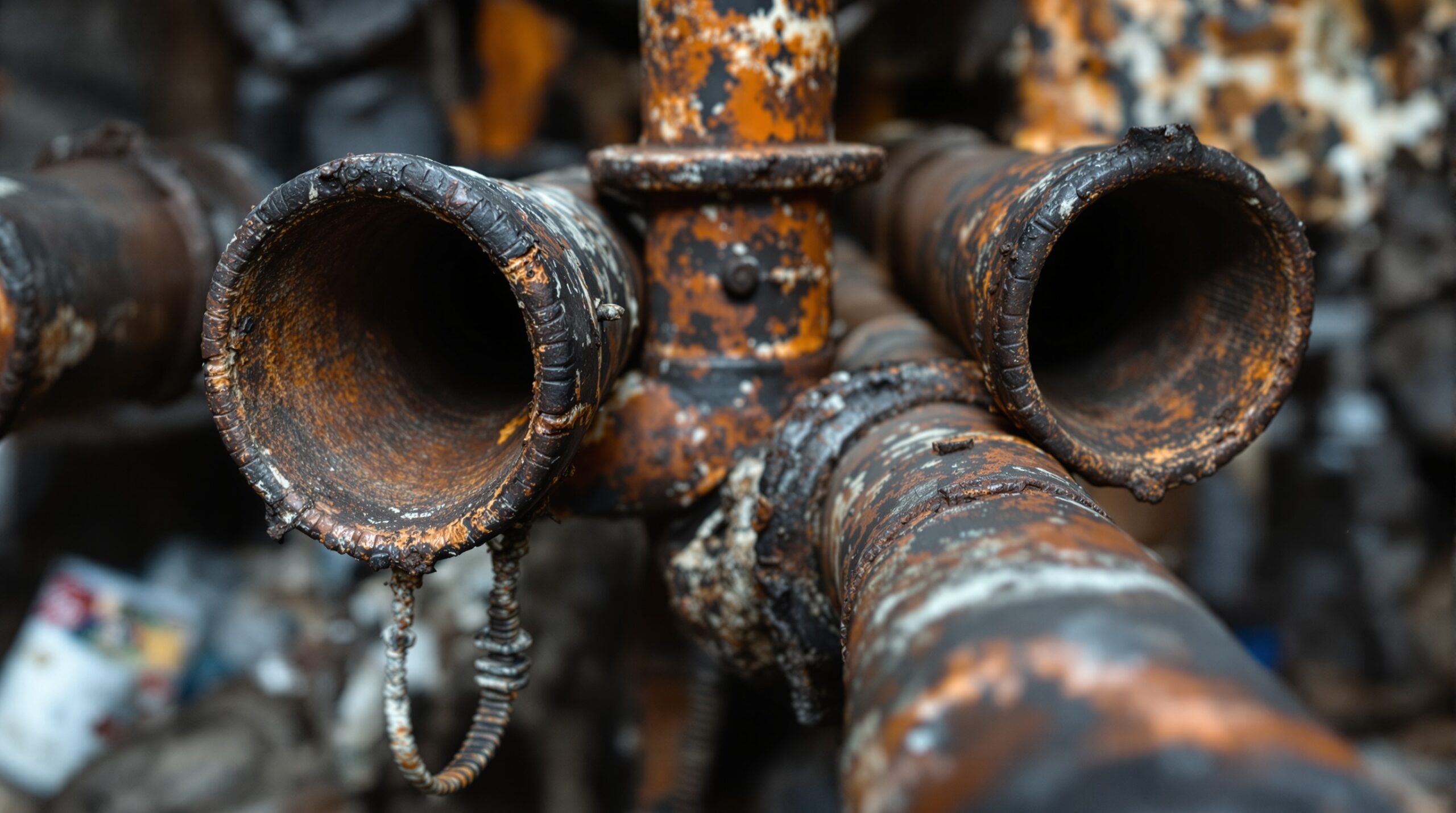
So, how do you know if your plumbing is safe? Look for signs of lead pipes in your home. These pipes are often dull gray and can be easily scratched with a key or coin. If you notice that your pipes are corroded or if your water tastes metallic, it’s time to take action. Swiftly identifying these issues is crucial in creating a safe environment for your family.
Taking Action
Once you’ve identified potential hazards, the next step is understanding how to deal with them. Replacing lead pipes safely is key to ensuring your household is healthy and protected. But don’t worry! You’re not alone in this. There are guides and experts that can help you every step of the way. Remember, being informed is being empowered, and it’s your best tool in the journey to a lead-free home.
Join us as we dive into a comprehensive guide that will equip you with all the knowledge you need to safeguard your family against these hidden dangers. Your home should be a sanctuary, free from worries and full of safety, and we’re here to help you achieve that!
Understanding the Risks of Lead Pipes
Lead pipes, once hailed for their resilience and reliability, have become a critical public health concern today. As a homeowner in Delaware, gaining a deeper understanding of the risks associated with lead pipes is not merely informative; it’s essential for the well-being of your family. The adverse effects of lead exposure, particularly in children and pregnant women, can lead to life-altering consequences. Research indicates that even low levels of lead can hinder cognitive development and result in serious neurological problems. It’s vital to take proactive steps to mitigate these risks, ensuring that your home remains a bastion of safety.
Why Lead is a Hazard
The dangers of lead go far beyond its physical presence in your plumbing. Lead, a toxic metal, can leach into drinking water, especially when the pipes corrode. This slow release occurs silently, making it appear less threatening, but the ramifications can be grave. For children, even brief exposure can lead to attention issues, learning disabilities, and a host of other developmental concerns. Pregnant women face unique risks, too; lead exposure has been linked to preterm birth, low birth weight, and developmental delays in infants. The fact that many families may not be aware of their exposure amplifies the urgency of addressing lead pipes in homes.
The Cumulative Effect of Lead Exposure
The danger of lead is compounded by the fact that its effects are cumulative. Unlike many other toxins, lead doesn’t quickly exit the body. Instead, it builds up over time, leading to higher toxicity levels. This long-term exposure can manifest in various health issues, ranging from cardiovascular problems in adults to irreversible brain damage in children. A shocking aspect of lead is that its impacts may not be immediately apparent; they often surface years later, long after the exposure has occurred. Therefore, identifying and addressing lead pipes should be a priority for any homeowner.
Steps to Mitigate Risks
The journey toward a safer home begins with education and vigilance. By conducting thorough inspections and consulting with professionals about your plumbing, you can gain critical insights into the state of your pipes. There are effective measures you can take to curtail exposure, including:
| Mitigation Strategy | Description |
|---|---|
| Water Testing | Utilize certified kits to check for lead in your drinking water. |
| Pipe Replacement | Engage professionals to safely replace lead pipes with compliant materials. |
| Replace Faucets | Upgrade fixtures to lead-free alternatives to diminish risks. |
| Flush Water | Run tap water for at least 30 seconds to clear out any lead particles. |
Raising awareness and taking proactive measures are key in creating a healthy living environment for your family. Identifying lead pipes and understanding their potential hazards allows you to act effectively, transforming your home into a safer haven. While the hidden risks of lead may seem daunting, knowledge is your ally. By seeking solutions and following recommended guidelines, you’re well on your way to reclaiming your home from the perils of lead contamination.
Identifying Lead Pipes in Your Delaware Home
Spotting lead pipes in your home requires a keen eye and a bit of curiosity. Begin your search by inspecting your plumbing in visible areas, generally found in basements, crawl spaces, or utility rooms. Lead pipes are often dull gray in appearance. Unlike their more contemporary counterparts, they possess a distinctive softness that can be easily recognized. You can put this to the test: take a key or a coin and gently scratch the surface of the pipe. If it reveals a shiny, silver hue underneath, you might be dealing with lead piping. This simple test can serve as a gatekeeper for your family’s health—one that could reveal a hidden danger lurking in plain sight.
If your home was constructed before 1986, the possibility of lead plumbing installations increases significantly. During that time, lead was still commonly used in residential plumbing systems, posing serious health risks that many families remain unaware of today. This part of your home can often be an overlooked element of safety—yet it holds immense importance in safeguarding your loved ones from hazardous exposure.
What to Look For
Many homeowners may not realize that lead pipes can often be found snaking through walls or buried beneath layers of insulation and other plumbing materials. Besides examining visible areas, take a closer look at your home’s internal plumbing layout, which can usually be accessed through maintenance panels. Remember to check connections, which could also be coated in lead solder. Look for fixtures or fittings that feel soft to the touch—the hallmark of lead’s malleable properties.
Additionally, pay attention to any signs of corrosion or discoloration around your pipes; that could indicate degradation and increased potential for lead leaching into your drinking water. The more proactive you are in identifying and examining these materials, the better positioned you’ll be to address any potential hazards that may arise.
Consulting Professionals
If your inspection uncovers suspicious materials and you suspect lead, it’s prudent to consult with a licensed plumber or a certified professional. They can provide you with a more comprehensive assessment and advise on the best steps to take. It’s essential to address these findings with urgency, as lead posed a significant risk not just to your plumbing system but directly to your family’s health.
Remember, the key to a safe home starts with knowledge and diligence. By taking the time to inspect the plumbing and identify any suspect materials, you’re actively safeguarding your living environment. The next step in this proactive approach is testing your home’s water for lead contamination, ensuring that the water flowing into your home remains pure and hygienic.
Testing Your Home’s Water for Lead Contamination
Once you’ve completed your inspection and identified any suspect lead pipes or materials in your Delaware home, the next crucial step is to test your water for lead contamination. This is not just a precaution; it’s an essential measure to protect the health of you and your family. Even minuscule amounts of lead in drinking water can pose significant health risks, especially for young children, pregnant women, and those with compromised immune systems.
The good news is that testing your water for lead is straightforward. Homeowners can either request testing kits from local health departments or hire certified plumbing safety professionals who specialize in water analysis. When opting for a home test kit, ensure it’s approved and accurate, as the quality of these kits can vary significantly.
How to Test Your Water
If you choose to conduct the test yourself, start by following the instructions closely. Generally, water samples should be collected from the tap after the water has been sitting unused for several hours, which helps identify the concentration of lead that might leach from plumbing materials. It’s important not to run the water before taking samples, as this could dilute any contaminants present.
Alternatively, engaging with a professional can yield faster and more reliable results. A certified plumber will not only test your water but can also help interpret the findings and suggest next steps based on the results. If lead is detected, it’s crucial to act swiftly to minimize exposure.
The Health Implications
Understanding the risks associated with lead exposure is key to appreciating the importance of testing your water. Lead is a toxic metal that can affect nearly every system in your body, particularly the nervous system. For children, it can hamper cognitive function and development, while adults can suffer from elevated blood pressure and other cardiovascular issues. The most pernicious aspect of lead is that it is cumulative, meaning that even small, consistent exposure can build up over time, leading to even more serious health conditions.
What Next?
Once you’ve received your test results, you can take informed actions based on the level of lead detected. If lead levels are above the EPA’s action level of 15 parts per billion, it’s imperative to take immediate measures to reduce exposure. This might involve using a water filter certified to remove lead, using bottled water for drinking and cooking, or rushing to replace any lead-containing plumbing that could be the source of the contamination. Even if your test shows lead levels within safe limits, regular testing is recommended, particularly in homes with older plumbing.
By prioritizing testing your water for lead contamination, you are taking a proactive stance in protecting your family’s health. This small yet powerful action not only enhances your home’s safety but also brings peace of mind, knowing you’re doing your part to ensure the water flowing from your taps is clean and safe for your loved ones.
Steps to Safely Replace Lead Plumbing
Replacing lead plumbing is not merely about substituting old pipes; it requires a comprehensive approach centered around safety and compliance. The primary goal is to ensure the health and well-being of your household while adhering to local regulations. Here’s a detailed look at the essential steps to follow for a safe and efficient replacement of lead plumbing in your home.
1. Hire a Certified Plumber
Your first step should be to enlist the services of a certified plumber who is experienced with Delaware’s plumbing code. A professional understanding of local regulations will ensure that the new plumbing system not only meets the necessary safety standards but also addresses any unique challenges your home may present.
2. Prepare the Area
3. Conduct a Thorough Assessment
Prior to the installation of new plumbing, a thorough assessment of the existing system is essential. This involves checking connections, valves, and any other related components to ensure that no lead-containing parts are left behind. Identifying supplementary components that may also be lead-containing, such as fixtures or fittings, allows for a comprehensive approach to eliminating sources of contamination.
4. Flush the System
One of the most critical steps following the replacement of lead pipes is thoroughly flushing the plumbing system. This process helps to eradicate any remaining lead particles, contaminants, or residues from old pipes that could have entered the water supply during the replacement process. Flushing typically entails running all water sources in the home for a substantial period, ensuring all old contaminants are expelled before the new system is actively used.
5. Test Your Water Again
After the installation and flushing, an additional water test is recommended to confirm the effectiveness of the replacement. This is pivotal to ensure that the lead levels in your water have dropped to safe levels. Engaging a professional for this testing can provide more reliable results, which will also give peace of mind that your new plumbing is lead-free.
| Step | Description |
|---|---|
| 1. Hire a Certified Plumber | Enlist a professional experienced with local plumbing codes. |
| 2. Prepare the Area | Clear obstructions around plumbing to facilitate work. |
| 3. Conduct a Thorough Assessment | Identify and document any lead-containing components. |
| 4. Flush the System | Run water to clear old contaminants from the new plumbing. |
| 5. Test Your Water Again | Ensure lead levels are safe post-replacement through testing. |
6. Monitor and Maintain
Once your lead plumbing has been replaced, regular maintenance checks become vital. Periodically monitor your water quality and remain vigilant for any changes in taste, odor, or clarity. These factors can be early indicators of plumbing issues or potential contaminants. Keeping a close eye on your water quality can help mitigate risks before they escalate.
By diligently following these steps to safely replace lead plumbing, you are taking significant strides towards creating a healthier and safer environment for you and your family. Each measure you implement—from hiring the right professionals to ensuring thorough flushing and continuous monitoring—contributes to the overall well-being of your household, fostering peace of mind in knowing your water is clean and lead-free.
Maintaining a Lead-Free Environment
As you navigate the waters of home improvement, it’s crucial to recognize that ensuring a lead-free environment doesn’t end with the replacement of your old pipes. A proactive approach to maintenance and continuous monitoring is essential for safeguarding your household against lead exposure. This ongoing commitment not only protects your family but also reinforces the effectiveness of your initial efforts in plumbing replacement.
Start by instituting regular water quality checks. The frequency can be adjusted according to factors like your water source and usage, but aim for at least once a year. During these checks, pay close attention to any alterations in tasting notes or the overall clarity of your water. A murky appearance or a shift in taste might be subtle signs that contaminants are beginning to creep back into your water supply. Addressing these changes swiftly can prevent potential health risks from escalating.
Additionally, consider the installation of a high-quality filtration system to augment your protection. While replacing lead pipes is a crucial first step, a filtration system serves as an additional barrier, ensuring that any residual contaminants are filtered out before they reach your glass. Whether you opt for a whole-home filtration unit or a point-of-use system for specific taps, this investment can significantly enhance your family’s safety, providing peace of mind with every sip of water.
Furthermore, be vigilant about the plumbing fixtures and appliances you incorporate into your home. Even new appliances can contain materials that may pose a risk of lead contamination. Investing in lead-free fixtures and components ensures a continued commitment to maintaining a pure water supply. Always ask for and verify certifications from manufacturers to guarantee the safety of these products.
It’s equally essential to keep an open line of communication with your plumbing professional. Regular maintenance checks performed by a certified plumber can help identify any emerging issues that may compromise your lead-free status. A professional can assist in assessing whether your filtration system is functioning optimally and advise on any necessary repairs or upgrades as technology advances.
In summary, protecting your family from lead exposure extends beyond the initial overhaul of your plumbing system. It encompasses a vigilant approach that involves routine water quality assessments, the installation of dependable filtration systems, and the careful selection of fixtures and appliances. By staying informed about your home’s plumbing integrity, you contribute to a safer and healthier living environment. The journey towards a safer home is continuous; consulting with professionals who understand the nuances of maintaining a lead-free environment is imperative. Equip yourself with knowledge, and take the informed actions necessary to create a wholesome haven for your family.
As you delve deeper into the realm of maintaining a lead-free household, it’s vital to arm yourself with the right information, especially regarding lead pipe safety. Knowledge is your strongest ally in this fight against contamination. Below, we address some frequently asked questions that can help you navigate this critical aspect of home maintenance.
FAQs on Lead Pipe Safety
Q1: How often should I test my water for lead?
Testing should be conducted annually, or whenever there’s a change in plumbing. It’s essential to monitor your water quality regularly in order to catch any potential lead contamination early. Don’t wait for symptoms or a noticeable change to occur; proactive testing ensures the well-being of your family.
Q2: Can I replace lead pipes myself?
Due to the complexities and health risks associated with lead pipe replacement, professional replacement is recommended. The intricacies involved in safely removing and replacing these pipes demand specific expertise to avoid disturbing contaminants or damaging your plumbing system further. Engaging with a certified plumbing professional not only secures your family’s health but also guarantees that the job is done right the first time.
Q3: What are the health risks associated with lead exposure?
Lead exposure, even in small amounts, can lead to serious health issues, particularly in young children and pregnant women. Risks include developmental delays, learning disabilities, and a host of physical health problems. Understanding the potential severity of lead exposure underscores the importance of testing and replacing lead pipes swiftly.
Q4: How can I identify if I have lead pipes?
Lead pipes are often dull gray and can be scratched to reveal a shiny, silver surface beneath. If your pipes feel soft and malleable compared to regular plumbing materials, they may contain lead. However, to ensure accurate identification, it’s always best to consult with a plumbing expert who can assess your system thoroughly.
Q5: Are there specific filtration systems recommended for removing lead?
When seeking filtration systems, look for those certified by the NSF/ANSI Standard 53, which indicates they effectively reduce lead levels in drinking water. Various systems are available, from pitcher filters to under-sink units. Understand your household needs and consult with a water specialist to choose the best option for your home.
Q6: What should I do if my water tests positive for lead?
If lead is detected in your water, it’s essential to cease using that water for drinking and cooking immediately. Consult with a professional plumber to assess and address the issue, which may involve pipe replacement or installing a filtration system. You may also want to contact your local health department for further guidance and resources.
Being well-informed is crucial in taking decisive steps toward maintaining a lead-free environment. By understanding the risks and taking proactive measures, homeowners can significantly reduce the chances of lead exposure. Remember, protecting your family starts with informed action. Equip yourself with the right knowledge, consult with experts, and commit to making informed decisions about your plumbing and water safety. Together, we can work toward creating and sustaining a healthier home.
Taking Informed Action for a Safer Home
Protecting your loved ones from lead exposure is an ongoing journey, one that begins with informed action and an unwavering commitment to maintaining a safe living environment. As a Delaware homeowner, understanding the potential risks linked to lead in water is the first step toward safeguarding your family. It’s essential to take a proactive stance—this isn’t just about the plumbing you replace or the filtration system you install; it’s about fostering continuous awareness and diligence regarding your home’s water quality and plumbing integrity.
The journey begins by familiarizing yourself with lead sources. Lead can leach into drinking water from outdated plumbing systems, including fixtures, pipes, and solder used to connect them. Knowing where these potential hazards lie in your home empowers you to address them effectively. Engage in a detailed inspection of your plumbing system and conduct thorough research on the age and safety of your fixtures, ensuring that your family is not unwittingly exposed to this harmful substance.
Furthermore, seasonal changes can impact water quality. For example, homes that sit unused for extended periods or during transitional months may experience shifts in water safety. Establishing a routine for flushing contaminated water from your pipes—especially after periods of low use—can significantly reduce harmful substances from entering your drinking water. Prior to using your faucet after an extended hiatus, run cold water for a few minutes to clear away any standing water that may have absorbed lead from your plumbing.
Another proactive measure involves integrating lead testing into your home’s maintenance schedule. Collaborate with local professionals or community organizations that specialize in lead testing. By staying ahead of the curve and opting for comprehensive assessments, you can identify any irregularities before they become pressing issues. These preventive checks can help pinpoint not just lead but also other potential contaminants that may be lurking in your water supply.
Embracing community resources is also indispensable in your pursuit of a lead-free home. Many municipalities and health departments provide valuable information and guidance on home safety strategies. Networking with other homeowners can further bolster your efforts; sharing experiences, lessons learned, and recommendations for reputable specialists helps build an informed community dedicated to combating lead exposure collectively.
Finally, don’t hesitate to consult with professionals who specialize in lead safety. Their expertise can guide you through essential maintenance practices and clarify any grey areas regarding water quality. Collaborating with a skilled plumbing professional allows you to stay informed on the latest advancements in lead mitigation techniques, helping ensure that your home remains a sanctuary safe from contaminants.
In essence, protecting your family from lead exposure is a multifaceted endeavor. It starts with informed action: being aware of the risks, maintaining your plumbing system, investing in reliable testing, and enlisting the help of qualified professionals. Make the commitment today to prioritize your family’s health by creating a proactive, vigilant approach to home safety. The peace of mind that comes from knowing you’re taking concrete steps can make all the difference in creating a safe, lead-free haven for your family.