
Why Plumbing Maintenance Matters
Imagine waking up in beautiful Tidewater, DE, and stepping into a refreshing shower, only to be greeted by a chilly drizzle instead of a warm cascade of water. Or picture cooking a delicious meal, only to find your sink is clogged with all the leftover scraps. Plumbing plays a vital role in every home, yet so many of us don’t think about it until something goes wrong.
Keep Plumbing Problems at Bay
But what if you could prevent these plumbing fiascos before they triggered chaos in your day-to-day life? With a little knowledge and a dash of effort, you can! In this guide, we’ll share simple, practical DIY tips to ensure your plumbing system stays healthy and runs smoothly.
Why not embrace these easy strategies to make plumbing care a part of your routine? By taking a proactive approach, you can enjoy peace of mind knowing you’re keeping the heart of your household – its plumbing – in top-notch shape. So let’s dive in and discover how to make your plumbing work for you!
Understanding Your Plumbing System
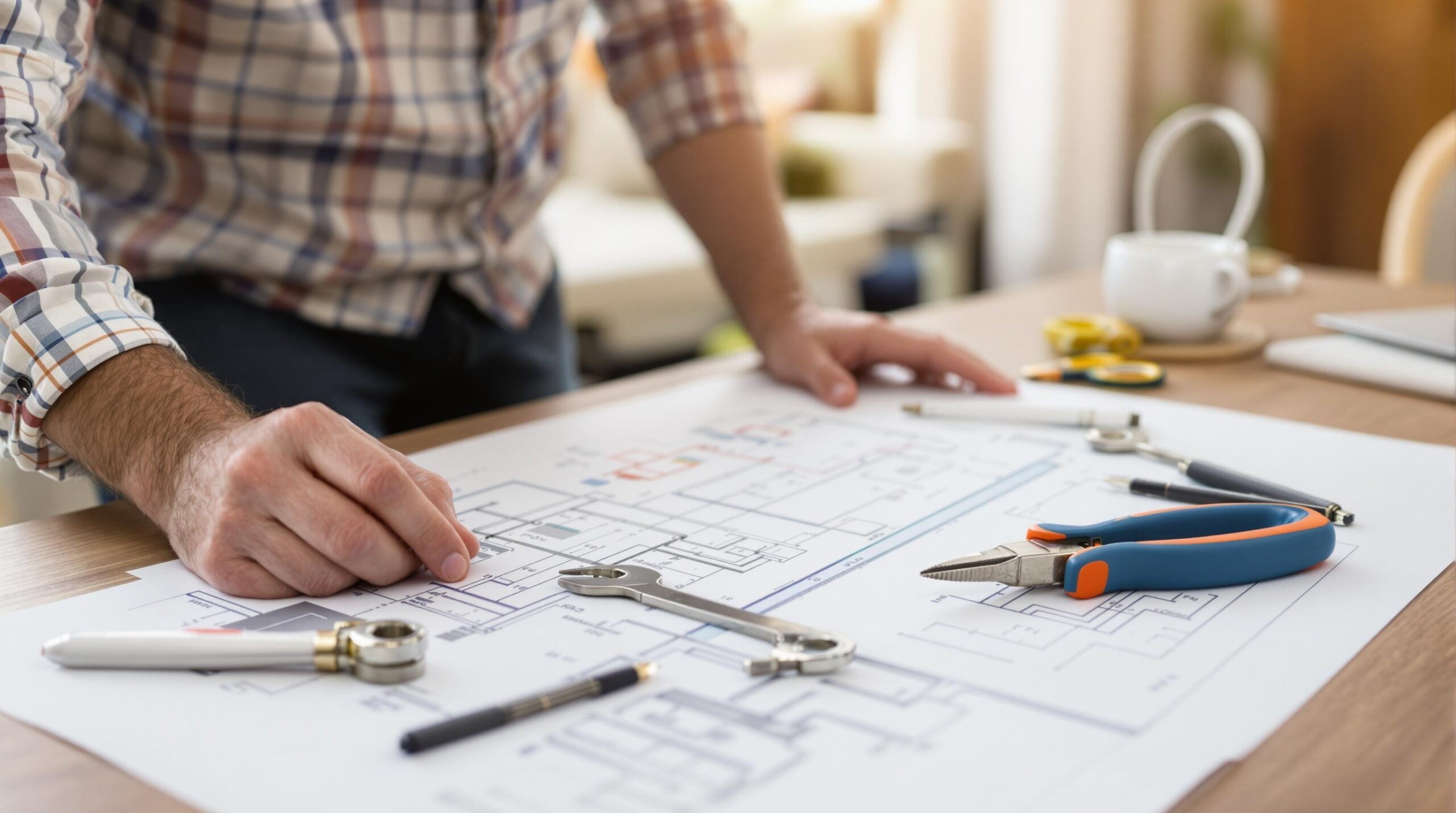
At the heart of every efficient home lies a well-functioning plumbing system. Familiarizing yourself with the various components of your plumbing setup is essential. Think of it as mapping out your home’s plumbing blueprint—a visual and cognitive guide that will pay off in leaps and bounds when it comes to caring for your living space.
Mapping Out Your Home’s Plumbing Blueprint
Your plumbing system is made up of intricate networks of pipes, valves, and fixtures that work together seamlessly. Understanding where these components reside can equip you to act swiftly in case of an emergency. Start by locating the main water shut-off valve—this is where your plumbing journey begins. When the water starts spewing unexpectedly, knowing how to turn it off can spare you from a deluge of disaster.
Next, familiarize yourself with your hot water heater. Knowing its location and specifications can aid in troubleshooting issues and performing maintenance. Take the time to sketch a basic layout of where the various fixtures, such as sinks, toilets, and drains, are positioned throughout your home. Don’t forget to note any access points for maintenance or repair work!
The Importance of Regular Inspections
Just as we visit the doctor for regular checkups, the same principle applies to your plumbing system. Scheduling periodic inspections can help you catch small issues before they escalate into costly repairs. During these inspections, pay attention to the state of your pipes, connections, and appliances. Ensure all joints are secure, verify there are no signs of leaks, and check for any unusual noises that may indicate a problem.
Creating a maintenance calendar can help you stay on track. This calendar should include inspection dates along with reminders to replace worn-out fixtures, clean drain traps, and flush your heater. With proactive checks, you can maintain peace of mind and keep your plumbing strong and reliable.
Identifying Early Warning Signs of Trouble
The key to combatting plumbing issues is to become adept at identifying early warning signs. Look for things like discolored water, slow drains, or damp spots on walls, ceilings, or floors—these could hint at deeper issues lurking beneath the surface. Other signs include increased water bills that are unexplainable by added usage or strange odors emanating from your plumbing fixtures.
Below is a helpful table that outlines common warning signs to watch for and what they might indicate:
| Warning Sign | Possible Cause |
|---|---|
| Low water pressure | Clogged pipes or leaks |
| Discoloration of water | Rusty pipes or sediment build-up |
| Puddles around fixtures | Leaking pipes or fittings |
| Frequent clogs | Improper disposal of waste or pipe damage |
| Unusual sounds | Air in pipes or a malfunctioning appliance |
By being vigilant and proactive, you can address potential problems before they spiral out of control. A watchful eye and a basic understanding of your plumbing system can significantly enhance the longevity and functionality of your home’s essential services.
Essential DIY Maintenance Tips
Just as a car requires regular maintenance for optimal performance, so does your plumbing system. Engaging in routine upkeep can save you considerable time and energy while preventing minor inconveniences from ballooning into major disruptions. Here are some essential DIY maintenance tips to keep your plumbing running smoothly.
Routine Drain Cleaning with Non-Caustic Solutions
Regularly cleaning your drains is one of the simplest ways to ward off clogs and ensure a free flow of water. Skip the harsh chemicals that can harm your pipes and the environment; instead, opt for non-caustic, eco-friendly solutions. A mixture of baking soda and vinegar can work wonders—pour half a cup of baking soda down the drain, followed by half a cup of vinegar. Let it fizz for about 30 minutes and then flush it out with hot water. This natural remedy breaks down accumulated debris without damaging your pipes, keeping your drainage system in top condition.
Flushing Your Water Heater Annually
Your water heater plays a crucial role in your plumbing ecosystem, and neglecting it can lead to sediment build-up, which reduces efficiency and shortens its lifespan. Once a year, take the time to flush your water heater. Begin by locating the drain valve at the bottom of the unit. Attach a garden hose and run it to a nearby drain or outside. Open the valve to let out hot water, followed by cold water, which will push the accumulated sediment out. This simple task ensures that your water heater operates effectively, saving energy and extending its longevity.
Inspecting and Maintaining Pipes and Fixtures
Your plumbing system is only as strong as its weakest link, which often includes pipes and fixtures suffering from leaks or corrosion. It’s essential to inspect visible areas of your plumbing regularly. Check for wet spots or water stains on walls or ceilings, which could indicate hidden leaks. Don’t forget to scrutinize the appearance of your fixtures; any signs of corrosion or wear may need immediate attention. If you spot drips from faucets or leaks under sinks, addressing these issues swiftly can prevent further water damage and waste. Tightening connections or replacing washers can be sufficient to resolve minor leaks, allowing your plumbing system to thrive.
In conclusion, performing regular maintenance on your plumbing system doesn’t just prevent headaches and emergency repairs—it sets the foundation for a well-functioning home. Embrace these essential DIY tips as part of your routine to keep your plumbing healthy and to save yourself the hassle of future plumbing challenges.
Effective Solutions for Common Plumbing Issues
Even the most diligent homeowners may find themselves facing unexpected plumbing challenges. Instead of panicking, you can arm yourself with specific strategies to tackle common issues efficiently. Here’s how to effectively deal with some of the most frequent plumbing problems that may crop up in your home.
Dealing with Faucet Drips or Slow Drains
A persistent faucet drip can be more than just an annoyance; it can lead to water waste that accumulates over time. The first step in addressing a dripping faucet is to identify the cause. Often, it’s a worn-out washer or O-ring that needs replacement. Start by turning off the water supply and disassembling the faucet. Carefully remove the broken part and replace it with a new one, ensuring a tight fit to prevent future leaks. If slow drains are your headache, try using a plunger first to dislodge any minor blockages. For tougher clogs, resorting to the baking soda and vinegar method discussed earlier can help clear the pipes naturally.
Unclogging Toilets Using Natural Methods
No one enjoys the inconvenience of a clogged toilet, but before you reach for chemical drain cleaners, consider some environmentally-friendly alternatives. Begin by using a plunger—the most effective tool for unclogging toilets. Ensure you have a good seal around the toilet bowl, and plunge with determined, rhythmic pressure. For more stubborn clogs, you can create a natural dissolving concoction: combine hot water with a cup of baking soda or vinegar. Pour the mixture into the toilet bowl and let it sit for approximately 30 minutes before flushing. This method is safe for plumbing systems and can effectively help dissolve minor blockages.
Fixing Minor Leaks Under Sinks or at Joints
Minor leaks under sinks or at plumbing joints may seem innocuous, but they can escalate into bigger problems if left unattended. Start by locating the source of the leak. Often, tightening loose connections with a wrench can resolve the issue, but if the leak persists, you may need to replace rubber seals or gaskets. Simply unscrew the affected joint, remove the old rubber components, and install the new ones before reassembling. Additionally, applying plumber’s tape to threaded fittings can create a watertight seal, further preventing leaks.
Addressing these common plumbing issues promptly can save you from more extensive repairs later on. By following these straightforward solutions, you can nurture a home that’s not only well-maintained but also equipped to handle the surprises life throws your way.
Preventive Measures for Long-term Efficiency
While it’s essential to know how to tackle immediate plumbing problems, taking proactive steps can significantly extend the life of your plumbing system, saving you time and stress down the road. Simple actions can make all the difference, allowing you to enjoy a seamless water system while preserving resources and minimizing waste. Here are some effective preventive measures you can adopt to ensure long-term efficiency:
Installing Water-Saving Fixtures
One of the most beneficial updates you can make is installing water-saving fixtures in your home. These modern devices, like low-flow faucets, showerheads, and dual-flush toilets, are designed to reduce water consumption without sacrificing performance. Not only do they help in conservation, but they also reduce wear and tear on your plumbing by decreasing the volume of water that flows through your pipes. This simple swap can prolong the life of your plumbing while also contributing positively to the environment.
Using Strainers in Sinks and Showers
Strainers are small but mighty tools that can prevent clogs in your drains. By placing them in sinks and showers, you can catch hair, food particles, and other debris before they can slip down the pipes and create blockages. Make it a habit to clean the strainers regularly to avoid buildup and ensure that your plumbing stays free-flowing. This small task takes just a few moments and can save you from the hassle of dealing with more significant issues later.
Insulating Exposed Pipes
In colder climates, exposed pipes can be at risk of freezing, which can lead to significant plumbing disasters. Insulating these pipes with foam insulation sleeves is a straightforward yet effective preventative measure that can help maintain heat in your plumbing and prevent potential bursts as temperatures drop. Insulation isn’t just beneficial for preventing freezing—it can also reduce heat loss in hot water pipes, improving overall energy efficiency.
| Preventive Measure | Description | Benefits |
|---|---|---|
| Water-Saving Fixtures | Low-flow faucets and toilets that reduce water use. | Conserves water; reduces wear on plumbing. |
| Strainers | Devices placed in sinks and showers to catch debris. | Prevents clogs; reduces future plumbing issues. |
| Insulating Pipes | Foam insulation protects exposed plumbing from freezing. | Prevents leaks; maintains energy efficiency. |
By incorporating these preventive measures into your home maintenance routine, you can ensure that your plumbing system not only functions efficiently but is also protected against common issues that lead to bigger headaches in the future. Simple actions today can lead to a lifetime of seamless plumbing, allowing you to focus on what truly matters.
While DIY solutions can be highly effective for minor plumbing issues, there are scenarios where calling in a professional is not just advisable, but essential. Understanding when to step back and let the experts handle the situation is critical for both safety and long-term efficiency. Here are a few red flags that should prompt you to make that call:
Persistent Sewer Odors or Backups
If you find yourself consistently battling foul sewer odors or frequent backups in your drains, it’s time to call a plumber. These issues are often indicative of a deeper problem, such as a damaged sewer line or a significant blockage that could lead to a plethora of additional complications. A professional plumber has the tools and expertise to diagnose the problem accurately, providing solutions that not only restore your system but ensure it operates safely. Ignoring these signs can lead to more severe sewer backups, potentially compromising your home’s health and hygiene.
Unexplained Increase in Water Bills
Suddenly noticing a spike in your water bills can be alarming and often signals a leak somewhere in your plumbing system. While small leaks can sometimes be managed through DIY methods, larger or hidden leaks can cause extensive water damage, mold growth, and even structural issues if not addressed promptly by a professional. A licensed plumber can locate and repair these leaks efficiently, helping you avoid further expenses on water bills and preventing the risk of serious damage to your home.
Water Heater Issues Beyond Simple Flushing
While regular maintenance of your water heater can often be handled by the homeowner, certain issues require the assistance of a professional. If your water heater is leaking, not heating water effectively, or making strange noises, these are signs that something is seriously amiss. Many times, it could be a problem with the heating element, pressure relief valve, or even sediment buildup that is far beyond routine flushing. A qualified plumber can diagnose and fix water heater problems safely, ensuring your home has a reliable supply of hot water without the risk of mishaps that can happen with a DIY approach.
In conclusion, while the allure of DIY plumbing repairs is strong, recognizing the right time to call a professional is imperative for maintaining a safe and efficient plumbing system in your home. When it comes to persistent sewage issues, unexplained bills, or complex water heater malfunctions, don’t hesitate to seek expert help. This approach not only enhances your plumbing’s longevity and functionality but also provides peace of mind, allowing you to focus your energy on enjoying your Tidewater home without the worries of plumbing problems hanging overhead.
Keeping Tidewater homes in top shape requires dedication and a keen eye for detail when it comes to plumbing maintenance. One essential aspect of this is regularly cleaning your drains. Aim for a monthly cleaning schedule to prevent clogs and avoid the headaches that come with unexpected backups. A simple practice of pouring boiling water down your drains and using natural cleaners like baking soda and vinegar can help keep the flow smooth and maintain optimal drainage. By staying on top of this routine, you not only prolong the life of your plumbing but also enhance your home’s overall hygiene.
Regular Drain Maintenance
To understand how often to tackle your drains, consider the daily habits that affect them—kitchen waste, hair, soap residue, and other debris can accumulate surprisingly quickly. A monthly clean acts as a preventative measure, minimizing the risk of buildup that can lead to more significant issues. Incorporating additional measures such as drain screens can act as a safeguard against hair and larger particles, reducing the need for deeper cleanings.
Understanding Water Pressure
Another vital aspect to monitor in your plumbing system is water pressure. Ideal household water pressure typically ranges from 40 to 60 psi. When the needle on your pressure gauge swings outside this range, it can spell trouble. If the pressure is significantly higher, it could cause undue stress on your pipes, leading to leaks or even bursts over time. Conversely, if the pressure is too low, you might experience weak water flow at taps and appliances, which can be equally frustrating. Installing a pressure regulator can be a wise investment to ensure consistent, safe water pressure across your home.
Identifying Hidden Leaks
One of the more stealthy plumbing issues homeowners may face are hidden leaks, particularly those lurking behind walls. If you suspect such a problem, keep an eye out for telltale signs. Watch for damp patches, unusual odors, or water stains that seem to appear out of nowhere—these can all be indicators of a leak hidden from plain sight. Early detection can mitigate more extensive damage, so if these signs emerge, it’s best to consult with a plumbing professional who has the tools and expertise to diagnose issues that aren’t immediately visible.
By incorporating these proactive maintenance tips into your routine, you can protect your Tidewater home from potential plumbing woes. Regular drain cleaning, monitoring water pressure, and being vigilant about signs of leaks can save you from the stress of emergency repairs down the line. Remember, while some plumbing tasks lend themselves to DIY solutions, certain situations may still require professional intervention. Stay proactive, and you can enjoy a worry-free plumbing system that lets you focus on the joys of homeownership rather than addressing recurring plumbing issues.
With a proactive mindset and a willingness to roll up your sleeves, homeowners can significantly improve their plumbing systems’ longevity and efficiency. Focusing on maintenance and minor repairs can save time and effort in the long run, ultimately safeguarding your home from potential plumbing disasters. To help you stay ahead of potential issues, we’ve put together some essential DIY plumbing tips tailored specifically for Tidewater homes that can keep your systems in top shape.
Routine Drain Maintenance
Start with the basics: maintaining your drains should be a priority. Regularly inspect and clean out your drains to prevent buildup that can lead to clogs. Simple methods work wonders—use a mixture of vinegar and baking soda to keep your pipes clear and free-flowing. Pouring boiling water down the drain once a week can also help dissolve grease or soap scum clinging to the pipe walls. Furthermore, installing screens over drain openings can catch debris, hair, and food particles, drastically reducing the risk of clogs.
Inspect and Replace Old Fixtures
Old fixtures can battle wear and tear, and often show signs of leaks or reduced efficiency. Take the time to inspect faucets, showerheads, and toilet mechanisms regularly. Replace worn-out washers and O-rings to prevent drips or leaks that could escalate over time. A simple faucet replacement can significantly enhance water flow and conserve resources while ensuring your plumbing system operates seamlessly. With many styles available, it’s also a chance to refresh the aesthetic of your spaces.
Sump Pump Check-Ups
Sump pumps play a vital role, especially in the Tidewater region, where heavy rains are common. Regular checks are imperative to ensure your pump operates effectively during storm season. Test your sump pump by pouring water into the basin to see if it activates correctly. Clear any debris away from the pump and ensure that discharge lines are directed away from your home’s foundation. If your sump pump shows signs of wear or malfunctioning, don’t hesitate to call in an expert to guarantee protection against flooding.
Know Your Shut-Off Valves
Familiarize yourself with your home’s shut-off valves, as knowing their location can save you valuable time in emergencies. Regularly test these valves to ensure they function correctly. Periodically turning them can keep them from seizing up. If you have any concerns about their operation, consult a professional to ensure your home can be secured quickly in case of water emergencies.
Embrace Seasonal Plumbing Care
As the weather changes, so should your plumbing maintenance routine. Prepare for winter by insulating pipes in unheated areas and letting faucets drip during extreme temperatures. For spring, consider checking hose bibs and sprinklers to ensure they survived winter. Proactive seasonal measures can prevent freezing pipes and other seasonal plumbing challenges, giving you peace of mind during the shifting months.
By implementing these practical DIY tips, Tidewater homeowners can enjoy a healthier, more efficient plumbing system. Staying ahead of minor issues through vigilance and routine care can prevent larger problems down the line, allowing you to fully enjoy the comforts of your home. Remember, diligent maintenance paired with when to seek professional help will keep everyone at home safe and sound, enjoying life without the worry of plumbing concerns.