
Welcome to Your Plumbing Adventure!
Every homeowner in Warwick, DE, knows that a smooth-running plumbing system is key to a cozy and safe home. Just think about it—when you turn on the tap for a refreshing drink or take a hot shower after a long day, you expect everything to work perfectly. But keeping those pipes and fixtures in tip-top shape takes a bit of effort and know-how.
Why Plumbing Maintenance Matters
Imagine your pipes as the veins of your home. They bring in fresh water and whisk away waste, making your daily life easier. However, just like our bodies, they need care and attention! A little bit of regular maintenance can prevent bigger problems down the road. Whether you’re a seasoned DIY pro or just starting your journey into home improvement, you’re in the right place. This guide is packed with essential tips and tricks that will help you become a plumbing whiz!
Let’s Roll Up Our Sleeves!
From checking for leaks to knowing when to call in the pros, we’ll cover everything you need to keep your plumbing flowing smoothly. So grab your tools, and let’s dive into the colorful world of plumbing maintenance!
Understanding Your Home’s Plumbing System
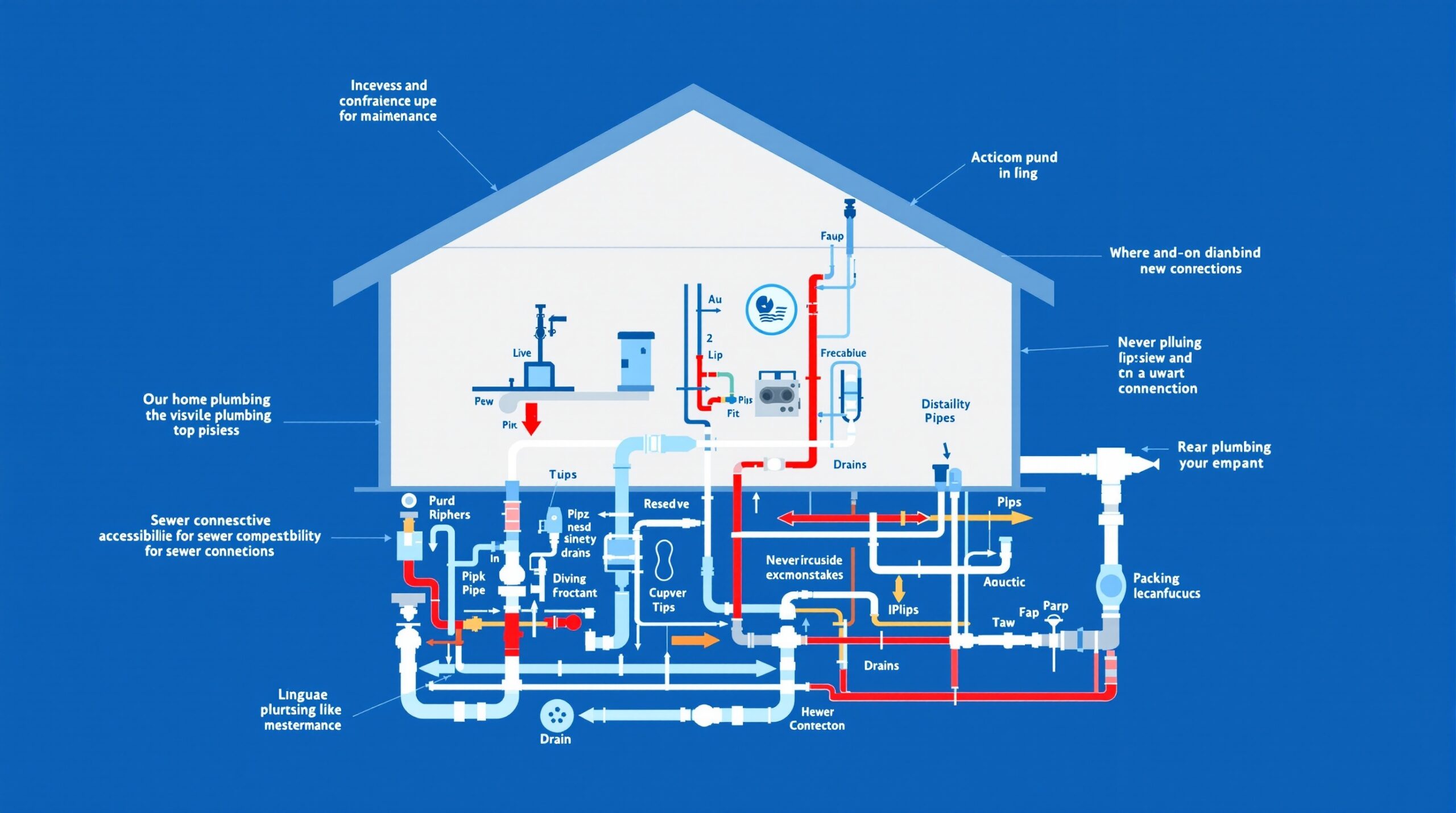
Before we delve into maintenance practices, it’s crucial to understand the fundamental components of your home’s plumbing system. Think of your plumbing as a well-orchestrated symphony: each piece plays a key role, and together, they ensure the music of your daily activities flows without a hitch. Let’s break down how water travels through your home and what potential issues to look out for.
The Journey of Water
Water enters your home through a main supply line, typically connected to a municipal water source. This supply line branches off into various pipes that lead to different areas of your home—kitchens, bathrooms, laundry rooms—and ultimately to your faucets and fixtures. Here’s a brief overview of this journey:
- Water Main: The source from which fresh water enters your home, often buried below ground.
- Supply Pipes: The network of pipes that distribute water to your home’s fixtures and appliances.
- Fixtures: Taps, showers, and appliances like dishwashers and washing machines that use water.
- Drainage System: Pipes that carry wastewater away from your home, typically leading to a sewer or septic system.
Key Plumbing Components to Familiarize Yourself With
To effectively care for your plumbing system, you’ll need to understand its key components. Here are the essentials:
| Component | Function | Common Issues |
|---|---|---|
| Pipes | Convey fresh water in and wastewater out. | Leaks, corrosion, clogs. |
| Taps/Faucets | Control the flow of water into sinks, tubs, and showers. | Dripping, low water pressure, and mineral buildup. |
| Drains | Dispose of wastewater and prevent backup. | Clogs, slow drainage, odors. |
| Valves | Regulate the flow of water; turn off water supply during repairs. | Sticking, leaks, corrosion. |
| P-traps | Prevent sewer gases from entering your home. | Clogs, leaks. |
Potential Problems to Watch For
As you familiarize yourself with these components, keep an eye out for some common plumbing issues that can occur:
- Leaks: Look for signs of moisture around pipes and fixtures, which can lead to mold or water damage.
- Corrosion: Rusty pipes can cause failures and water quality issues—especially in older homes.
- Clogs: Hair, soap scum, food particles, and foreign objects can build up in your drains, leading to slow drainage or backups.
By understanding how your plumbing system works and its key components, you’ll be better equipped to tackle any maintenance tasks that come your way. Ready to put this knowledge into action? Next, we’ll explore some essential regular maintenance practices to keep plumbing issues at bay.
Regular Maintenance Practices
Just as a musician regularly tunes an instrument to ensure a perfect performance, your plumbing system requires routine maintenance to avoid the pitfalls of neglect. Keeping your plumbing in tip-top shape isn’t just about fixing problems as they arise; it’s about being proactive and preventing issues before they disrupt your home life. Here are some essential maintenance practices every homeowner should adopt.
Checking for Leaks
Leaks are the silent villains of your plumbing system. They can go unnoticed until they cause significant damage or result in higher water bills. Make it a habit to regularly inspect areas where pipes and fixtures connect. Look under sinks, around toilets, and at hose connections for any signs of moisture or dampness. If you see drips, puddles, or water stains, it’s time to address the issue before it escalates. Even a small leak can lead to mold growth and structural issues, so don’t ignore it!
Inspecting Seals and Connections
Every connection point in your plumbing system is a potential weak spot. Gaskets and seals can wear down over time, leading to leaks and inefficiencies. Periodically check the seals around faucets, pipes, and toilets for wear and tear. If you notice cracking or deterioration, replace those seals to avoid more significant repairs later. This simple task can save you a world of trouble and ensure your fixtures function effectively.
Keeping Drains Clear of Debris
Drains are designed for the smooth passage of wastewater, but over time, they can become clogged with debris—from hair and soap scum in showers to food particles in kitchen sinks. Regularly clean your drains to minimize the chances of blockages. Use a combination of boiling water and a mixture of baking soda and vinegar to clear out any buildup. It acts as a natural cleaner and can help keep your pipes flowing freely. Additionally, consider installing drain strainers to catch debris before it enters your plumbing system.
Checking Water Pressure
Water pressure that’s too high can cause undue stress on your pipes and fixtures, leading to leaks and bursts. Use a pressure gauge to check the water pressure in your home periodically. Ideally, it should fall between 40 to 60 psi. If you find it’s consistently too high, consider installing a pressure regulator to protect your plumbing system from potential damage.
Flushing the Water Heater
Your water heater works tirelessly behind the scenes, providing hot water for showers, dishwashing, and laundry. To keep it running efficiently, a seasonal flush is essential. Sediment can build up over time, diminishing heating efficiency and potentially leading to repairs. To flush your water heater, connect a hose to the drain valve, open it, and let it flow until the water runs clear. This practice not only extends the life of your water heater but can also improve energy efficiency.
Incorporating these regular maintenance tasks into your routine can significantly reduce the likelihood of unexpected plumbing problems. Being proactive can save you time, worry, and headaches down the line. Now that you’re equipped with these essential practices, you’ll be ready to explore practical DIY solutions for common plumbing issues that may still arise in your home.
DIY Solutions for Common Problems
Despite our best efforts in regular maintenance, plumbing issues can still arise unexpectedly, much like a song that hits a sour note. Fortunately, many common plumbing problems can be resolved on your own with a bit of knowledge and the right approach. Empower yourself to take control of your home’s plumbing with these practical DIY solutions. You’ll not only save time and avoid hassle but also gain a sense of accomplishment that comes from successfully tackling these issues head-on.
Fixing a Dripping Faucet
That persistent drip, drip, drip can be more than just annoying; it can waste gallons of water each day. Before reaching for your phone to call in a professional, know that fixing a dripping faucet is often a straightforward task. First, turn off the water supply to the faucet. Then, using a wrench, unscrew the handle and remove any decorative caps. Take a look at the washer or O-ring inside, as these are usually the culprits behind the drip. If they appear worn or damaged, simply replace them to restore your faucet’s functionality, then reassemble everything in reverse order and turn the water back on. You’ll enjoy the sweet sound of silence!
Unclogging a Drain
When the water backs up in your sink or shower, it can be quite a nuisance, but don’t panic! Unclogging a drain can often be done with items you already have at home. First, try using a plunger: ensure there’s enough water in the basin to create suction, then plunge vigorously for about 30 seconds. If that doesn’t work, grab a mixture of baking soda and vinegar. Pour one cup of baking soda followed by one cup of white vinegar down the drain and seal it with a rag. After 15 minutes, flush the drain with hot water. This chemical reaction helps break down any debris causing the blockage. If these methods don’t do the trick, a plumber’s snake might be your next best bet, allowing you to dislodge tougher clogs yourself.
Dealing with a Leaky Pipe
Finding a leaky pipe can feel like a plumbing nightmare, but it’s often manageable with the right approach. Start by shutting off the water supply to the affected area. Depending on the pipe material, you can use a few different techniques to deal with the leak. For small leaks or pinholes, wrapping the area with waterproof tape or using a pipe repair clamp can provide a quick fix. In cases where the leak is more significant, consider using a rubber patch secured with hose clamps. This temporary solution can effectively manage the problem until you can replace the section of pipe entirely.
Cleaning Faucet Aerators and Showerheads
If you’re noticing a decrease in water flow, mineral buildup may be the culprit. Aerators on faucets and showerheads can become clogged over time. Unscrew the aerator or showerhead using your hand or pliers, being careful not to scratch the finish. Soak the removed components in a solution of equal parts vinegar and water for about an hour, then scrub any remaining deposits with an old toothbrush. Rinse thoroughly before reassembling. This simple task can dramatically improve water flow and efficiency.
Flushing Your Pipes
Regardless of how care-free your plumbing routine feels, sediment and mineral buildup can still occur within your pipes leading to decreased water quality and flow. To maintain your system, consider flushing your pipes occasionally. Simply turn on all faucets in your house, including outdoor spigots, and let them run for several minutes. This practice helps to clear any stagnant water and allows fresh water to flow through your pipes, improving water quality and reducing any unpleasant tastes or odors.
Tackling these common plumbing issues doesn’t have to be daunting. With a little empowerment and some handy DIY techniques, you can keep your plumbing in great shape while evading the hassle of waiting for a professional. The key is to approach each task with confidence and the right tools at your disposal. As you build your DIY skills, you’ll find even more solutions to enhance your home maintenance routine—ensuring your plumbing remains smooth and efficient!
Navigating Seasonal Changes: How Warwick, DE Seasons Impact Your Plumbing System
Just as the colors of the leaves transform in autumn and winter’s chill envelops the landscape, seasonal changes have a profound impact on the plumbing systems in Warwick, DE. Each season brings its own set of challenges and opportunities for homeowners. Understanding how these shifts can affect your plumbing is key to ensuring a smooth-running system year-round. From freezing temperatures to sweltering summer heat, let’s explore how seasonal changes can influence your plumbing and learn practical preventative steps to protect your home.
Winter: The Freeze Factor
Winter’s icy grip can spell disaster for your plumbing. As temperatures drop, water inside pipes can freeze, expand, and ultimately rupture. To ward off a potentially costly plumbing disaster during winter, take the following precautions:
- Insulate Pipes: Focus on pipes in unheated areas like basements, attics, and garages. Wrapped insulation or heat tape can be protective barriers against the cold.
- Keep the Heat On: Maintaining a consistent temperature during cold bouts can help prevent freezing. If you plan to be away, let the faucet drip slightly to keep water moving.
- Seal Air Leaks: Identify and seal off any drafts around pipes to keep the cold air at bay. This can help regulate temperatures in vulnerable areas.
Spring: Time for Thawing
As spring arrives, thawing can create its own set of plumbing challenges. The rapid transition from freeze to thaw can lead to pressure changes within pipes, increasing the likelihood of leaks. Banish worries with these tips:
- Inspect for Leaks: During the thaw, routine checks of exposed pipes can help catch any potential leaks early before they turn into bigger issues.
- Clear Gutters and Downspouts: Spring rains can stress your drainage systems. Ensure gutters are free of debris to prevent backups that could affect your foundation.
Summer: Hot Water Woes
Summer’s soaring temperatures can cause a different kind of stress on your plumbing system, particularly with increased water demand. Keep a cool head by following these practices:
- Regular Maintenance: Ensure your water heater is operating efficiently. Flushing it out can help eliminate sediment buildup caused by hard water.
- Monitor Water Usage: Long showers and lawn watering can overwhelm plumbing. Consider scheduling outdoor watering in the cooler parts of the day to reduce evaporation losses.
Fall: Preparing for the Chill
As leaves begin to fall and temperatures drop, it’s time to prep your plumbing for winter. Don’t let autumn pass you by without these crucial steps:
- Winterize Outdoor Faucets: Disconnect hoses and drain outdoor spigots to prevent them from freezing. Consider installing insulated covers to add an extra layer of protection.
- Inspect and Clean: Autumn is a good time to check for tree roots infiltrating pipes as roots start to migrate toward moisture. Regularly cleaning your sewer line may be necessary during this transition.
| Season | Potential Plumbing Issue | Preventative Measures |
|---|---|---|
| winter | Frozen pipes | Insulate pipes and keep a steady indoor temperature |
| spring | Leaks from thawing | Inspect pipes and clear gutters |
| summer | Increased water demand | Flush water heater and monitor usage |
| fall | Preparing for freezing | Winterize outdoor faucets and clean sewer lines |
By staying proactive and engaged with your plumbing system throughout the various seasons, you can protect your home and maintain the flow of daily life. Whether it’s insulating against winter’s chill or monitoring usage during the summer heat, awareness is your best ally. With these tips, you’re now ready to face each seasonal change head-on, ensuring your plumbing system remains resilient and prepared year-round. Next, let’s explore when to call in the pros and how to select reputable local plumbing services in Warwick, DE.
Collaborating with Local Services
Even with the most diligent DIY efforts, there are times when expert intervention is crucial for the longevity and efficiency of your plumbing system. Recognizing the signs that it’s time to call in a professional can save you time, money, and potential property damage. So, how do you navigate this essential aspect of home maintenance while ensuring you select the right local plumbing services in Warwick, DE? Here’s a guide to help you identify when it’s appropriate to seek professional help and how to find a reputable plumbing service.
When to Call in the Experts
While many plumbing tasks can be tackled with the right tools and knowledge, certain situations warrant a professional touch. Consider reaching out to local plumbers in these scenarios:
- Persistent Leaks: If you notice that a leak isn’t resolving despite your efforts, a professional can diagnose the underlying issue and provide a lasting solution, preventing further water damage.
- Clogged Drains: While minor clogs can often be cleared with a plunger, severe or recurring blockages may require specialized equipment and expertise to fix effectively.
- Water Pressure Issues: Noticeably low water pressure can indicate a problem deeper in your plumbing system, such as a failing pipe or hidden leaks, requiring a pro’s inspection.
- Safety Concerns: If you’re dealing with complex plumbing systems, such as gas lines or sewer backups, seeking professional assistance is not just wise; it’s essential for your safety.
- Upgrading Systems: Whether you’re considering the installation of a new water heater or repiping your home, professionals possess the skills and tools to modify your system without complications.
How to Select Reputable Local Plumbing Services
Choosing the right plumbing service is critical for ensuring the work is completed efficiently and effectively. Here are key considerations to keep in mind when searching for reputable local plumbing services in Warwick:
- Research and Reviews: Start by looking for local plumbing companies with solid reputations. Online reviews and testimonials are valuable resources. Check platforms like Google, Yelp, and local community boards to get a sense of the experiences others have had.
- Credentials and Licenses: Ensure that any plumbing service you consider is licensed and insured. This protects you and your property and assures you that you’re hiring qualified professionals.
- Experience Matters: Choose plumbing services that boast years of experience in the industry. The longer a company has been established, the more likely it is to have the expertise needed for various plumbing issues.
- Service Offerings: Some plumbing issues may require specific expertise, such as installation or repairs of certain systems. Ensure that the service you choose offers the solutions you need and check if they provide emergency services for urgent situations.
- Get Multiple Quotes: Don’t hesitate to reach out to several local plumbers for estimates. This not only gives you a sense of the market rates but also allows you to gauge their communication skills and professionalism.
Understanding the balance between DIY efforts and calling for professional help will enhance the health of your plumbing system. By recognizing when it’s time to involve experts and knowing how to select reliable local plumbing services, you ensure your home remains cozy and efficient, no matter the season. In the big picture of effective plumbing maintenance, taking advantage of local expertise complements your efforts, safeguarding your home’s integrity and enhancing your peace of mind. So, embrace these strategies and navigate your plumbing challenges with confidence!
Signs of a Plumbing Problem You Shouldn’t Ignore
Even the most well-maintained plumbing systems can develop issues over time. It’s essential to be vigilant and attentive to the warning signs that indicate trouble may be brewing beneath the surface. If you notice any of the following, it’s a cue to either address the problem yourself or call a professional promptly:
- Unusual Sounds: Pipes should be mostly silent. If you hear gurgling, banging, or whistling, it could indicate air in the pipes, loose fittings, or even blockages.
- Slow Drains: If water is taking longer to drain than usual, it may signal a clog forming. Early detection allows for easier treatment before the blockage worsens.
- Water Discoloration: Brown or rusty water could indicate pipe corrosion, while cloudy water may suggest sediment buildup. Both scenarios warrant an inspection to prevent health hazards.
- Unpleasant Odors: Foul smells emanating from drains or areas near plumbing fixtures can point toward a serious issue, like a sewage backup. Excessive odor should never be overlooked.
- Visible Signs of Damage: Water stains on walls or ceilings, damp spots, or flaking paint are sometimes signs of hidden leaks. Addressing these early can help mitigate severe structural damage.
Can I Use Chemical Drain Cleaners Safely?
The convenience of chemical drain cleaners can be tempting, but it’s crucial to approach them with caution. Many products contain harsh chemicals that can corrode pipes, especially older ones, and lead to long-term damage. Additionally, they can be harmful to the environment and pose safety risks if not used correctly. Instead of resorting to these chemicals, consider trying safer alternatives:
- Hot Water: Pouring boiling water down the drain can sometimes dissolve mild grease or soap buildups.
- Baking Soda and Vinegar: This dynamic duo can tackle clogs naturally. Pour baking soda followed by vinegar down the drain, let it sit for a while, then rinse with hot water.
- Manual Removal: For accessible clogs, using a plumber’s snake or a simple plunger can effectively clear blockages with less risk involved.
How Often Should I Inspect My Plumbing System?
Regular inspections of your plumbing system can preemptively spot issues before they escalate into costly repairs. It is advisable to conduct a thorough examination at least once a year. However, certain situations might necessitate more frequent checks, such as:
- Older Plumbing Systems: Homes with older infrastructure may require bi-annual inspections due to the increased likelihood of wear and tear.
- After Extreme Weather: Events such as heavy rain or freezing temperatures can impact your plumbing. Inspect your system after such weather events to catch any damage early.
Why Is My Water Bill Suddenly Higher?
Sudden spikes in your water bill can be alarming. If you notice this trend, don’t brush it off. Here are a few common culprits that could explain the rise:
- Undetected Leaks: Small leaks in toilets, faucets, or pipes can waste a significant amount of water over time. A simple check for discoloration around fixtures or unusual wet spots can often reveal hidden leaks.
- System Changes: If you’ve made any recent changes, such as adding new appliances or sprinkling systems, they may be contributing to the increased usage. Take stock of your household’s water habits.
- Seasonal Variations: For households with irrigation systems, summer months typically see increased water usage. Be aware of how seasonal changes may impact your consumption.
By being proactive and staying informed about your plumbing system, you’ll not only enhance the longevity of your pipes, but also improve your overall peace of mind. Regular monitoring, safe cleaning practices, timely inspections, and awareness of your water usage will lead to a more reliable and efficient plumbing system — keeping your home comfortable and functional year-round.
Simple Steps for Ongoing Plumbing Care
While knowing when to call a professional is integral to maintaining a smooth-running plumbing system, the real secret sauce to effective plumbing maintenance lies in the regular upkeep and small, proactive actions you can take on your own. Let’s break down some essential DIY plumbing maintenance tips that ensure your home in Warwick, DE, stays comfortable and problem-free.
Understand Your Plumbing System
The first step in effective plumbing care is to familiarize yourself with the layout and workings of your home’s plumbing system. Take the time to locate key components such as water supply lines, shut-off valves, and your main sewer line. Armed with this knowledge, you’ll be better equipped to monitor for issues as they arise. Consider using a simple diagram to map out these features for easy reference, and make a note of where the shut-off valves are located in case of emergencies.
Embrace Regular Inspections
Regular inspections can help you catch smaller issues before they snowball into larger, more costly repairs. Schedule a monthly check-up to look for leaks under sinks, around toilets, and in exposed piping. Additionally, flush out faucets and showerheads to prevent mineral buildup. A simple vinegar soak can help dissolve accumulated deposits, ensuring your fixtures operate efficiently. Not only does this practice safeguard your plumbing, but it also enhances water quality and flow.
Tackle Small Repairs
Many plumbing issues can be addressed with basic tools and a bit of confidence. For instance, honing your skills with a plunger or a drain snake can help you easily manage minor clogs. If you encounter a leaky faucet, don’t hesitate to take on the challenge of replacing washers or O-rings—these repairs can often be done in a matter of minutes and can save you from wasting water and incurring costs over time. Be sure to familiarize yourself with common plumbing repairs through reliable online resources or tutorials to build your confidence.
Stay Ahead of Seasonal Changes
Plumbing systems can be particularly vulnerable to seasonal shifts, especially during the cold winters in Delaware. Preparing for seasonal changes is a proactive step that can prevent unpleasant surprises. Insulate your pipes to prevent freezing during the winter months, and regularly check your sump pump in anticipation of heavy rainfall in spring. This proactive approach not only protects your plumbing but also nurtures a greater understanding of how varying weather conditions can impact your system.
Maintain Your Water Heater
Water heaters play a vital role in daily comfort, yet they often go neglected. To ensure peak performance, consider flushing your water heater annually to remove sediment buildup and enhance efficiency. This not only prolongs the life of your unit but also keeps hot water readily available, so you can enjoy those warm showers without worry. Additionally, keep an eye on the temperature setting; aiming for around 120°F strikes a balance between comfort and energy efficiency.
Empower Yourself with Knowledge
Knowledge is your greatest ally when it comes to plumbing maintenance. Equip yourself with resources—whether through reading home improvement books, engaging in DIY workshops, or subscribing to online channels specializing in home care. Empowering yourself with information transforms daunting plumbing tasks into manageable, everyday activities.
By actively participating in the maintenance of your plumbing system and knowing when to seek professional assistance, you can create a harmonious partnership between DIY efforts and expert support. Implement these practical plumbing maintenance tips and strategies today, and experience the peace of mind that comes with knowing your home’s plumbing is in good hands. A little effort goes a long way, safeguarding not only your plumbing but also your overall comfort in luxurious living right here in Warwick, DE!