
What Are the Benefits of Choosing Trenchless Sewer Repair Over Traditional Methods in Townsend, DE and New Castle County?
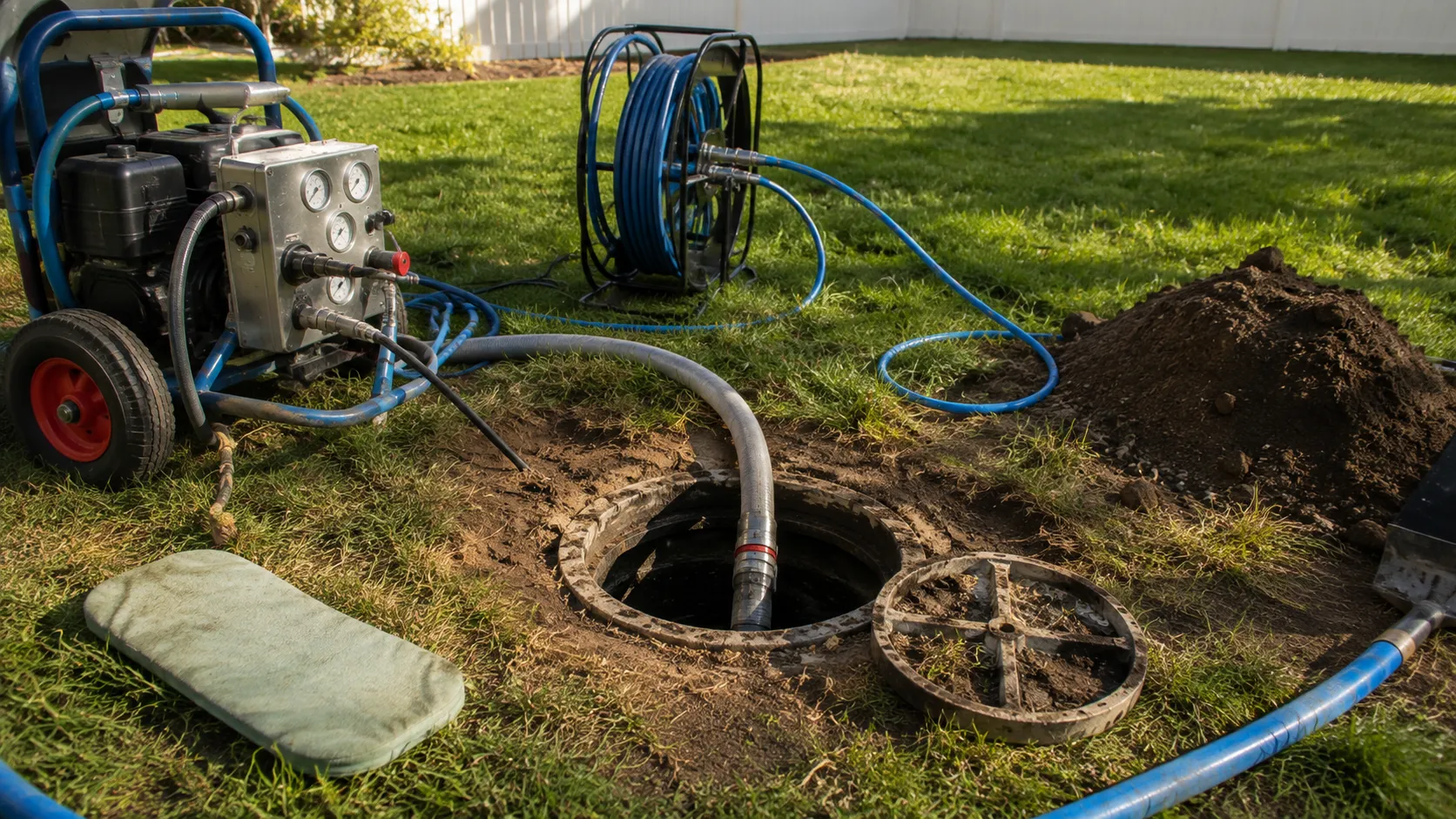
Trenchless sewer repair fixes a damaged sewer line from the inside, without digging a trench along its full length – which means less disruption, less sewer line repair cost, and less time without a working sewer line for homeowners in Townsend and New Castle County. Here’s a complete look at how trenchless repair works, the techniques involved, and how trenchless vs traditional sewer repair compares when deciding the right choice for your home.
Key Takeaways
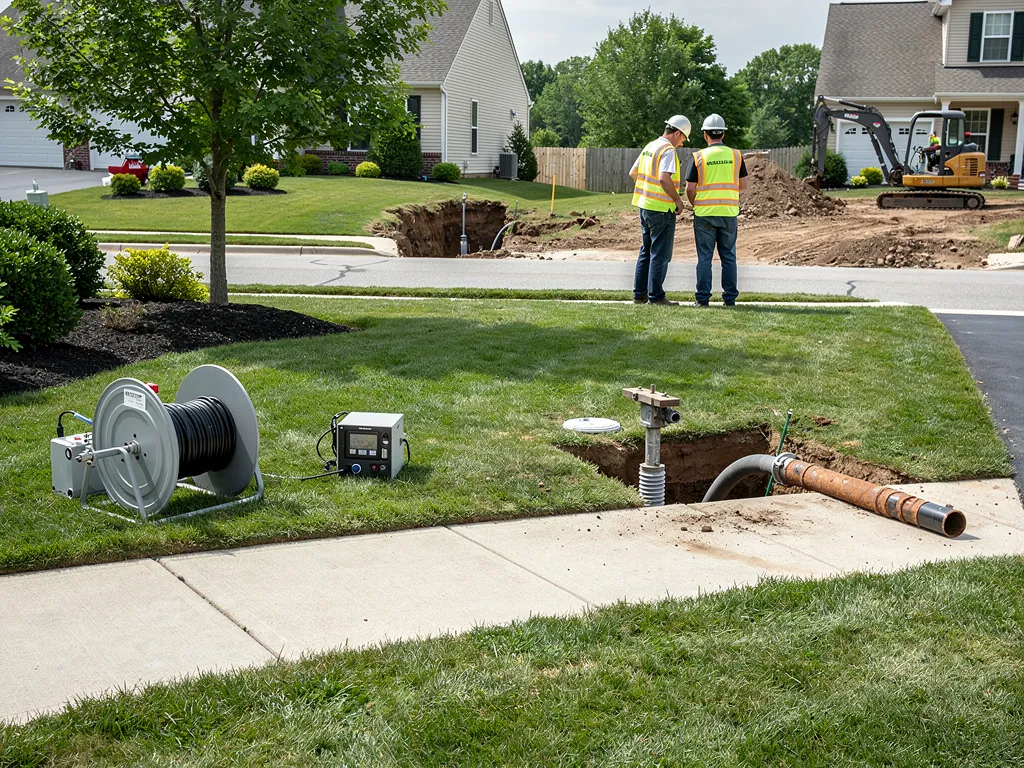
Trenchless sewer repair fixes a damaged line through small access points instead of a full-length trench, preserving landscaping and hardscaping in the process.
CIPP lining and pipe bursting are the two primary trenchless techniques, each suited to different pipe conditions.
Most trenchless repairs are completed in a single day, compared to several days or weeks for traditional excavation.
Trenchless repair isn’t right for every situation – severely collapsed or misaligned pipes may still require traditional excavation.
Total cost of ownership often favors trenchless repair once restoration costs are factored into a traditional excavation project.
Noble Home Services uses UV-cured CIPP lining technology (LightRay) for trenchless sewer repair throughout Townsend and New Castle County.
Trenchless sewer repair fixes a damaged line through small access points instead of a full-length trench, preserving landscaping and hardscaping in the process.
CIPP lining and pipe bursting are the two primary trenchless techniques, each suited to different pipe conditions.
Most trenchless repairs are completed in a single day, compared to several days or weeks for traditional excavation.
Trenchless repair isn’t right for every situation – severely collapsed or misaligned pipes may still require traditional excavation.
Total cost of ownership often favors trenchless repair once restoration costs are factored into a traditional excavation project.
Noble Home Services uses UV-cured CIPP lining technology (LightRay) for trenchless sewer repair throughout Townsend and New Castle County.
What Is Trenchless Sewer Repair and How Does It Differ From Traditional Methods?
How Does Trenchless Sewer Repair Work?
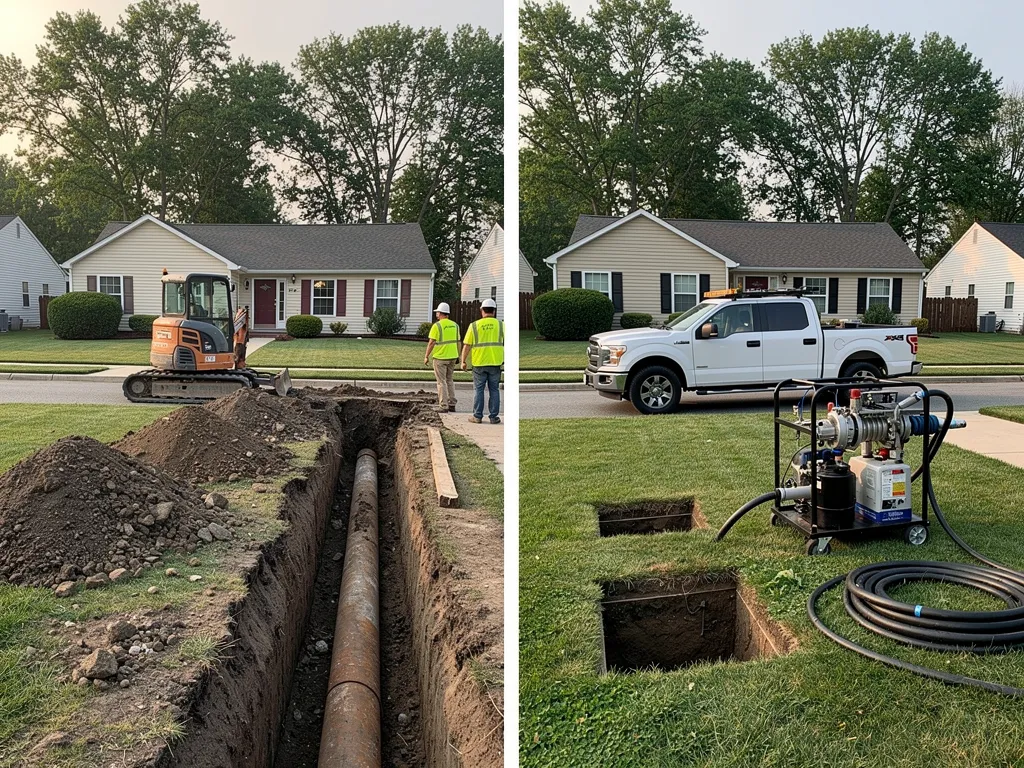
Trenchless sewer repair fixes a damaged pipe from the inside, either by installing a liner that cures into a new pipe wall or by pulling a new pipe through the path of the old one, all through small existing access points. Traditional repair, by contrast, requires digging a trench along the length of the damaged pipe to physically remove and replace it.
What Are the Key Differences Between Trenchless and Traditional Sewer Repair?
The core difference is how much of the yard, driveway, or hardscaping has to be disturbed to complete the repair. Trenchless methods generally mean less digging, a shorter timeline, and less restoration work afterward, while traditional excavation offers a more direct physical replacement when a pipe is too damaged for a liner or new pipe to be pulled through.
What Are the Top Benefits of Trenchless Sewer Repair Compared to Traditional Excavation?
How Does Trenchless Repair Minimize Disruption and Preserve Property?
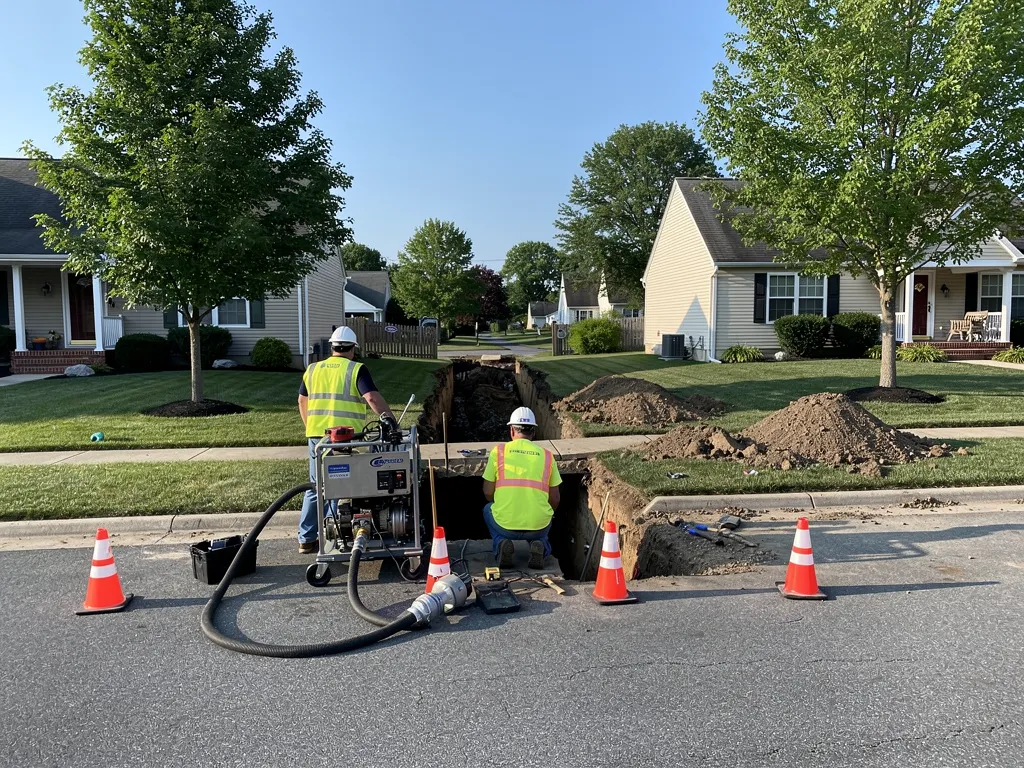
Because the repair happens through existing access points rather than a full trench, mature landscaping, driveways, and patios typically stay untouched. That’s a meaningful advantage for homeowners who don’t want a sewer repair to undo years of landscaping investment.
In What Ways Does Trenchless Sewer Repair Offer Cost Savings?
While the per-foot cost of trenchless repair can be similar to traditional excavation, the savings come from what you avoid afterward – regrading, reseeding, or repouring concrete – which can add thousands of dollars to a traditional project. When you compare full project costs rather than just the repair line item, trenchless often comes out ahead.
Why Is Trenchless Sewer Repair Faster and More Efficient?
Most trenchless repairs are completed within a single day, while traditional excavation commonly takes several days to a few weeks depending on the extent of digging and restoration required. Fewer crews and less equipment time also mean less disruption to your daily routine while the work is underway.
How Does Trenchless Technology Enhance Durability and Longevity?
A cured-in-place liner creates a seamless new pipe wall within the old one, eliminating the joints and cracks that are common points of failure – and common entry points for root intrusion – in an aging pipe. Noble Home Services describes its UV-cured LightRay liners as designed to last decades once properly installed.
What Environmental Advantages Does Trenchless Repair Provide?
Trenchless methods generally require less excavation equipment, generate less soil and landscaping disturbance, and produce less debris than a full trench dig. For properties with mature trees or established landscaping, minimizing excavation also reduces the risk of damaging root systems or nearby utilities.
What Are the Main Trenchless Sewer Repair Techniques and How Do They Work?
What Is Pipe Lining (CIPP) and How Does It Repair Sewer Pipes?
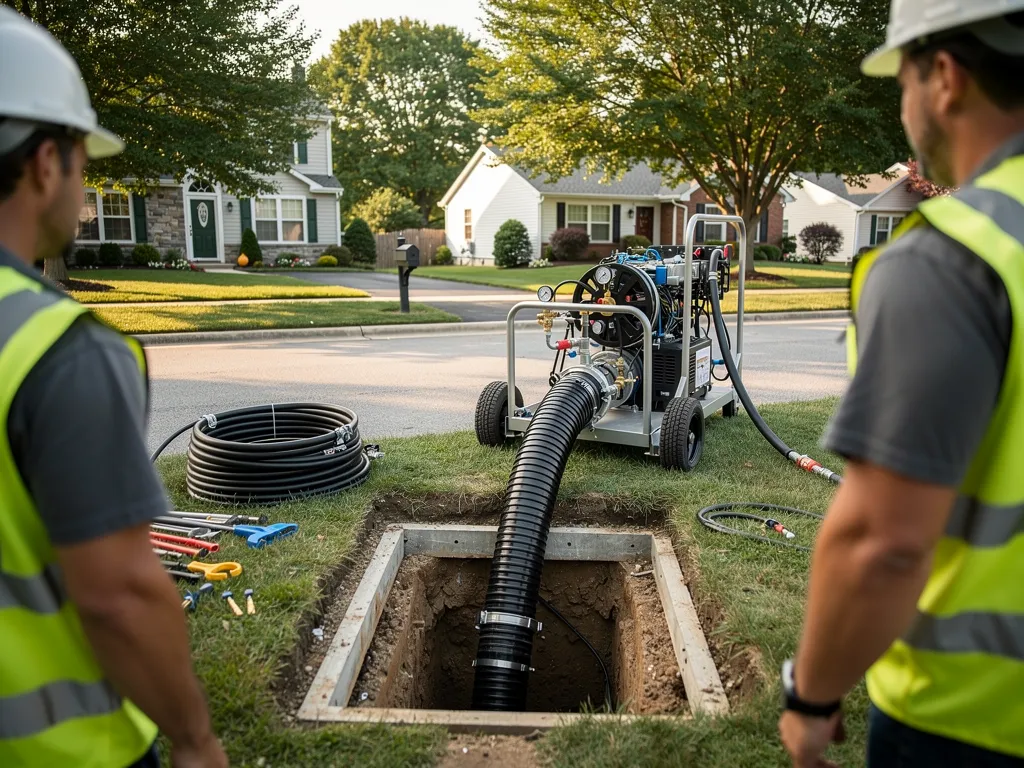
CIPP pipe lining – short for cured-in-place pipe lining – installs a resin-saturated liner inside the existing damaged pipe, which is then cured – in Noble’s case, using ultraviolet light under its LightRay process – to form a seamless new pipe within the old one. This method restores structural integrity without removing the original pipe.
How Does Pipe Bursting Replace or Repair Damaged Sewer Lines?
Pipe bursting sewer repair is a different trenchless technique used across the plumbing industry: it fractures the old pipe outward while simultaneously pulling a new pipe into place through the same path. It’s typically used when a pipe is too damaged for a liner alone to restore, though it still avoids a full-length trench.
When Should You Choose Trenchless Sewer Repair Over Traditional Methods?
What Sewer Line Problems Can Trenchless Repair Effectively Solve?
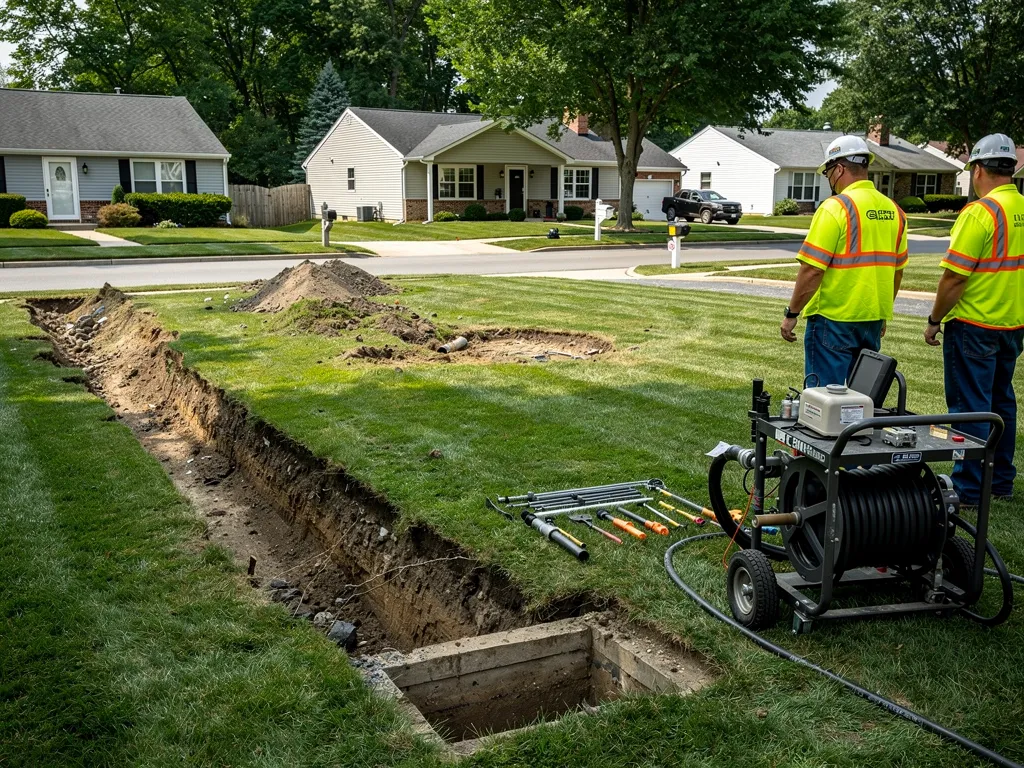
Trenchless repair generally works well for cracked, corroded, or root-intruded pipes that are still structurally sound enough to support a liner or guide a new pipe through. An inspection is the only reliable way to confirm whether a specific line qualifies.
What Are Scenarios Where Traditional Sewer Repair May Be Necessary?
Severely collapsed pipes, major misalignment, or extensive structural failure typically require traditional excavation instead, since there isn’t enough of the original pipe left to work with. Not every sewer line qualifies for trenchless repair, which is why an inspection should always come before a recommendation either way.
How Does the Cost of Trenchless Sewer Repair Compare to Traditional Sewer Repair?
What Factors Affect the Cost of Trenchless Sewer Repair?
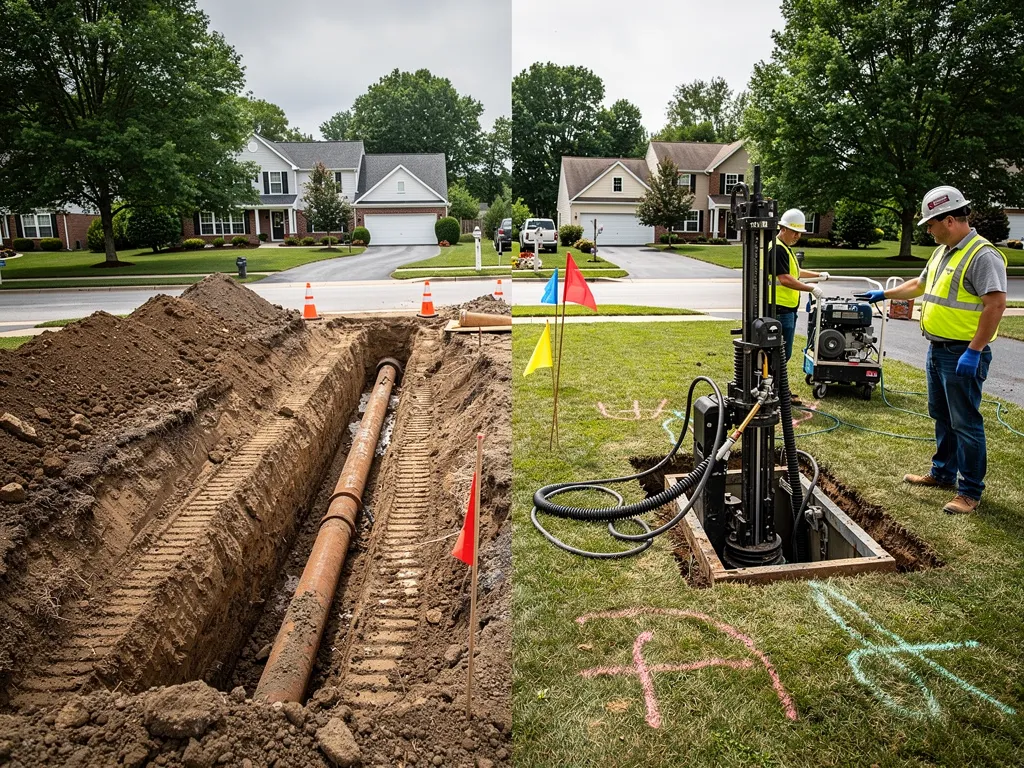
Trenchless sewer repair generally runs $80 to $250 per linear foot across the industry, with cost influenced by pipe diameter, length, damage severity, and site access. Traditional excavation often runs $50 to $250 per linear foot before restoration – a number that doesn’t reflect the full cost once landscaping or hardscaping repair is added.
How Does the Total Cost of Ownership Favor Trenchless Methods?
When you account for restoration costs, faster completion, and a seamless liner’s resistance to future root intrusion, trenchless repair often works out to a lower total cost of ownership than traditional excavation – even when the initial per-foot pricing looks similar. It’s worth asking any provider to compare full project costs, not just the repair line item, when weighing your options.
Frequently Asked Questions
How long does trenchless sewer repair typically take? Many trenchless repairs are completed within a single day once the pipe has been inspected and confirmed as a good candidate for the method.
Is trenchless sewer repair worth the investment? For pipes that qualify, trenchless repair generally offers strong long-term value once you factor in the restoration costs and disruption it helps you avoid compared to traditional excavation.
Are there any disadvantages or limitations to trenchless repair? Yes – not every damaged pipe qualifies for trenchless methods, and severely collapsed or misaligned lines may still require traditional excavation. It also requires specialized equipment and training, so not every plumbing company offers it.
Does Noble Home Services offer trenchless sewer repair in my area? Yes, Noble Home Services provides trenchless sewer repair using UV-cured CIPP lining technology throughout Townsend and New Castle County.
Is trenchless sewer repair covered by homeowners insurance? Coverage depends on your specific policy and the cause of the damage, so it’s worth checking directly with your insurance provider.
Trenchless sewer repair gives homeowners a faster, less disruptive way to fix a damaged sewer line – without sacrificing the yard to do it. Call Noble Home Services at (302) 218-2943 to schedule an inspection and find out if trenchless repair is the right fit for your home in Townsend or New Castle County.