
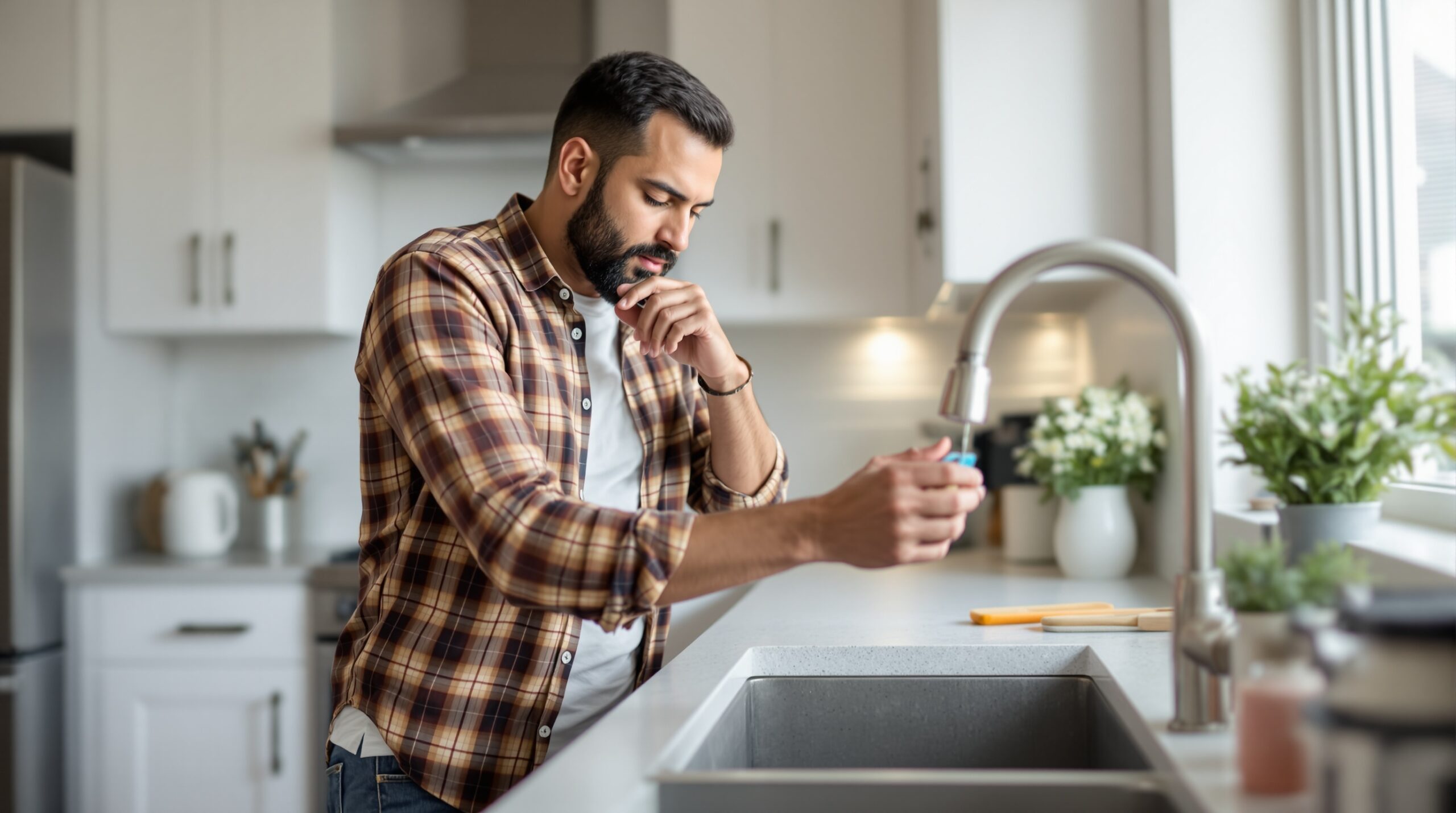
Lazy Leaks and Drippy Faucets
Imagine this: It’s a cool morning in Blackbird, DE, and as you go about your daily routine, a troublesome leak reminds you of the plumbing maintenance that’s been a long time coming. You hear that drip, drip, drip sound echoing through your kitchen or bathroom, and it’s like a tiny alarm clock, nudging you to take action. But don’t panic! It’s perfectly normal to feel a bit overwhelmed at the thought of fixing plumbing problems. Fear not! With a little effort and some basic knowledge, you can tackle many common plumbing issues right in your own home.
Embrace Your Inner Plumber
Many homeowners think they need a degree in plumbing to fix even the smallest issues, but that’s far from true. Think of it this way: every time you put together that tricky puzzle or fix your bicycle, you were practicing skills that can come in handy when confronting a leaky faucet or a stubborn toilet. You don’t need to be a pro; you just need the right tools, a bit of determination, and a can-do attitude!
This article will guide you through some of the most common plumbing problems faced by Blackbird residents and show you how you can easily fix them without calling in the experts. From stopping that annoying drip to unclogging a slow drain, we’ve got you covered with step-by-step instructions and helpful tips. So roll up those sleeves, grab your tools, and let’s turn those plumbing woes into DIY victories!
Identifying Common Plumbing Issues
Before rolling up your sleeves, it’s essential to know what you’re up against. Identifying the specific plumbing issues can often help in determining if you’re equipped to handle it or if you’d be better off calling in a pro. Let’s dive into some ailments that often plague homes, especially in our charming town of Blackbird.
Drippy Faucets: The Endless Annoyance
Ah, the drippy faucet — a classic plumbing menace! While it may seem minor, that steady drip can waste a significant amount of water over time. Often caused by worn-out washers or O-rings, this issue is relatively straightforward to resolve. If you’re noticing a slow leak, it’s time to investigate. Simply turning the faucet to check for signs of moisture around the handle or base can provide clues on where the issue lies. Stopping this drip not only saves water but also restores peace to your kitchen or bathroom.
Clogged Drains: When Your Water Stagnates
Another culprit many homeowners face is clogged drains — whether it’s the sink in your bathroom stubbornly refusing to drain or the kitchen sink that seems to hold onto water longer than desired. Hair, soap, grease, and food particles often join forces to create blockages. Before reaching for harsh chemicals, take a look under your sink and consider a quick fix with a plunger or a drain snake. You’d be amazed at how effective these simple tools can be in restoring the flow to your plumbing.
Running Toilets: A Homeowner’s Headache
One of the most sneaky plumbing problems is a running toilet. You might notice this when you hear that incessant filling sound or see water running in the bowl when no one is using the bathroom. Often triggered by a malfunctioning flapper valve or a worn-out fill valve, a running toilet can be both annoying and wasteful. A quick check of the internal tank components can reveal whether a simple adjustment or a replacement part is needed.
Low Water Pressure: The Drop in Flow
Low water pressure can feel like a serious letdown, especially during a shower or cleaning tasks. Several factors can cause this issue, including mineral buildup in faucet aerators or showerheads, leaks in pipes, or even municipal supply problems. Start by checking if the problem is local to a particular fixture or widespread throughout your home, and then you can set out to address the root cause.
Summary Table of Common Plumbing Issues and Identifying Signs
| Plumbing Issue | Common Signs | Initial Action |
|---|---|---|
| Drippy Faucet | Constant dripping sound, moisture around the base | Check washers or O-rings |
| Clogged Drains | Water backing up in sink or tub | Use a plunger or drain snake |
| Running Toilet | Continuous filling sound, water running in the bowl | Inspect tank components for issues |
| Low Water Pressure | Weak flow from faucets or shower | Check aerators and pipes for blockages |
By honing in on these common plumbing challenges, you’re taking the first step toward effective repair and maintenance. Once you’ve identified the issues at hand, the next phase involves gathering your tools and preparing for action. Stay tuned as we discuss the essential tools you’ll need for DIY plumbing success!
Tools You’ll Need for DIY Plumbing
When it comes to tackling plumbing issues at home, having the right tools on hand can make all the difference between a successful repair and a frustrating setback. Just like a chef needs their preferred knives, you’ll want to stock up on essential plumbing tools that will equip you for any task that may arise. Here’s a checklist of must-haves for your plumbing toolkit, ensuring you’re ready to fix everything from pesky leaks to stubborn clogs.
1. Adjustable Wrench
An adjustable wrench is a plumbing superhero! This versatile tool allows you to grip a variety of nuts and bolts, which means you won’t be scrambling for the right-sized wrench in the middle of a project. The wide jaw makes it perfect for tightening or loosening faucet fittings, pipe joints, and other connections.
2. Plunger
When it comes to unclogging drains, every DIY plumber needs a trusty plunger. Available in different shapes designed for sinks, toilets, and tubs, this tool effectively creates suction to dislodge stubborn clogs. Just remember, a good plunger has a solid rubber cup and a sturdy handle, ensuring it can tackle the toughest blockages.
3. Pipe Wrench
If you encounter larger pipes or fittings, a pipe wrench is your go-to tool. The serrated teeth grip onto the pipe securely, allowing you to apply torque without worrying about slippage. This is essential for tightening or loosening larger plumbing fixtures, especially in confined spaces.
4. Screwdrivers (Flathead and Phillips)
Both flathead and Phillips screwdrivers should have a permanent place in your plumbing toolkit, as they are indispensable for removing and securing screws on faucet handles, drain covers, and toilet tanks. Having a variety of sizes allows you to adapt to different hardware types easily.
5. Drain Snake
For tackling those clingy clogs that your plunger can’t budge, a drain snake is invaluable. This long, flexible tool can be inserted into pipes to dislodge or pull out hair, grease, and debris that causes blockages. Look for a model with a handle for easy maneuvering and reached into tricky spaces.
6. Teflon Tape
Also known as plumbing tape, Teflon tape is a handy little item that helps create watertight seals for threaded plumbing connections. It’s especially useful when you are working on pipe fittings to prevent leaks. Just wrap it around the threads before tightening, and you’ll appreciate the peace of mind that comes without those pesky drips.
7. Bucket and Towels
While they may not seem like traditional plumbing tools, a bucket and towels are essential for dealing with spills and messes that accompany most plumbing repairs. A bucket can catch any excess water when you’re working beneath sinks, while towels help absorb leaks and keep your workspace tidy.
8. Utility Knife
Whether you need to cut through old caulking or open packaging for repair supplies, a utility knife can come to your rescue. Its sharp blade allows for precise cuts, making it a versatile tool for various tasks you might encounter while fixing plumbing issues.
With these tools in your arsenal, you’ll be well-prepared to handle a wide variety of plumbing projects around your home. Remember, each tool has its specific purpose, so taking the time to familiarize yourself with them will not only boost your confidence but also enhance your efficiency during repairs. Now that you’re equipped with the essential tools, it’s time to move on to the next deep dive into DIY plumbing — a step-by-step guide to fixing that dripping faucet!
Step-by-Step Guide to Fixing a Dripping Faucet
There’s nothing more annoying than the incessant sound of a dripping faucet, not to mention the potential waste of water that can compound over time. If you’ve decided to tackle this pesky problem yourself, you’re in for a rewarding DIY experience! Follow these straightforward steps to bring your faucet back to proper working order.
Step 1: Gather Your Materials
Before you dive in, ensure you have all your tools ready to go. You’ll need your adjustable wrench, screwdrivers, Teflon tape, bucket, and towels, as mentioned in the previous section. This pre-planning will streamline your repair process.
Step 2: Turn Off the Water Supply
First things first—safety and cleanliness! Locate the shut-off valve under your sink and turn it clockwise to halt the water flow. If your faucet doesn’t have an individual shut-off valve, you may need to turn off the main water supply for your home. Don’t forget to open the faucet to relieve any remaining pressure and let out any excess water.
Step 3: Plug the Drain
To prevent any small parts from disappearing down the drain during your repair, use a plug or a rag to cover the drain. This simple step can save you a lot of frustration later.
Step 4: Disassemble the Faucet
Carefully remove the faucet handle by locating the screw, which is often hidden beneath a decorative cap. Use the appropriate screwdriver to loosen it, then gently lift off the handle. If it’s stubborn, wiggling it slightly or using your adjustable wrench can help. Some faucets have a screw beneath or at the back, so be sure to check all angles!
Step 5: Inspect the Parts
With the handle removed, you will see the faucet assembly. Look for common culprits of drips like worn-out washers, O-rings, or seals. These are typically rubber components that tend to deteriorate over time, leading to leaks. Take note of their condition and feel free to take a photo for reference as you reassemble later.
Step 6: Replace the Damaged Parts
Once you identify the worn parts, it’s time to make the swap. Remove the old components gently and replace them with new ones of the same size. If you can’t find exact replacements, consider bringing the damaged parts to your local hardware store for assistance in finding suitable alternatives.
Step 7: Reassemble the Faucet
Now that you have fresh parts in place, it’s time to put everything back together. Reattach the faucet handle and securely tighten the screw. Ensure it is snug but be careful not to over-tighten, as this can strip the screws or crack the faucet body.
Step 8: Turn On the Water Supply
With the faucet fully reassembled, it’s time to turn the water supply back on. If you turned off the main water supply, remember to switch it back to the “on” position. Turn on the faucet to check for leaks and let the water flow freely. This is a critical moment—watch closely for any signs of dripping!
Step 9: Clean Up
Finally, wipe down the area around the faucet and remove any tools and towels you used during the repair. Not only will this enhance your space, but it also gives you the satisfaction of completing the job with tidiness!
Step 10: Monitor for Further Issues
In the following days, keep an eye on the faucet to ensure that the dripping has stopped. If the leak persists, or if you’re faced with new issues, it may be time to consult a professional. However, consider this project a stepping stone into the vast world of DIY plumbing!
With these steps, you’ve not only fixed a dripping faucet; you’ve empowered yourself with skills that can help you handle even more advanced plumbing tasks down the road. Now that you’ve mastered the art of faucet repairs, let’s explore another common household challenge: tackling toilet troubles, from running toilets to water flow issues.
Tackling Toilet Troubles: From Running Toilets to Water Flow Issues
Your plumbing skills are undeniably growing! After mastering the nuances of faucet repairs, you’re now ready to face what many consider the next chapter in DIY plumbing—a common household nemesis: the toilet. From mysterious running toilets that seem to never stop flushing to frustrating water flow issues, toilets can present a range of challenges. Worry not; with a few practical tips and tricks, you can restore harmony to your restroom.
Understanding the Mechanics of Your Toilet
Before we dive into troubleshooting specific issues, it’s essential to understand how a toilet operates. At its core, a toilet is a straightforward system composed of a tank, bowl, and necessary components—most notably the flapper valve, fill valve, and flapper chain. Familiarity with these parts can make diagnosing and fixing problems much easier. Below is a quick table summarizing these crucial components:
| Component | Function |
|---|---|
| Flapper Valve | Controls the flow of water from the tank to the bowl during a flush. |
| Fill Valve | Regulates the refill of the tank after a flush. |
| Flapper Chain | Connects the flush handle to the flapper valve and lifts it during a flush. |
| Overflow Tube | Prevents overfilling of the tank by directing excess water to the bowl. |
Common Toilet Issues and Simple Fixes
1. Running Toilet
A running toilet can waste a significant amount of water and become quite irritating. Most commonly, this issue is linked to a faulty flapper valve. To fix it, simply lift the lid off the tank, check if the flapper is sealing properly, and make adjustments or replace it if necessary.
2. Weak Flush
If your toilet isn’t flushing as effectively as it used to, this can often be attributed to a clogged rim jets or a blocked trap. Start by checking the jets, which are located under the toilet bowl rim. Use a wire hanger or toilet brush to clear any obstructions. If that doesn’t remedy the issue, you might need to use a toilet auger to reach deeper clogs.
3. Toilet Won’t Fill
If the tank isn’t filling up after a flush, the fill valve might be to blame. Ensure the water supply is turned on, then inspect the fill valve for any blockages or adjustments needed. If it appears damaged, consider replacing it for improved performance.
4. Leaking Toilet
A pool of water around the base of your toilet can signify a leak. Start by checking the wax seal, which might need replacement if compromised. Additionally, inspect the mounting bolts for tightness and ensure the tank isn’t cracked.
Preventive Maintenance Tips to Extend the Life of Your Plumbing System
Now that you’re equipped with the tools to rectify common toilet issues, let’s delve into some preventive maintenance strategies that will keep your plumbing system running smoothly. Consistent upkeep can save you time, effort, and even further complications down the line. Here are a few proactive measures to consider:
- Regular Inspections: Make it a habit to routinely inspect your toilet and plumbing fixtures for leaks, corrosion, or wear. Early detection can lead to straightforward repairs.
- Flushing Practices: Avoid flushing anything besides human waste and toilet paper down the toilet. Over time, non-flushable items can accumulate and cause clogs.
- Water Quality: Monitor your water quality. Hard water can lead to mineral buildup in plumbing fixtures, which may impact performance. If necessary, consider a water softener.
- Professional Check-ups: Schedule a regular plumbing check-up with a professional to spot potential problems before they escalate.
By adhering to these preventive measures and familiarizing yourself with your toilet’s inner workings, you can bolster your DIY plumbing skills while ensuring your system remains in tip-top shape. As you conquer toilet troubles, you’ll find that each experience strengthens your confidence and expertise—readying you for bigger plumbing projects on the horizon!
Regular plumbing maintenance empowers you to save on water usage, prevent costly repairs, and, most importantly, maintain peace of mind in your Blackbird, DE home. Armed with these DIY tips, ensure your home’s plumbing runs smoothly year-round. The heart of preventive maintenance lies in understanding the components of your plumbing system and implementing simple practices that can lead to long-lasting benefits.
Maintain Your Drains
The lifeblood of your plumbing system flows through your drains, making drain maintenance critical. Start with a monthly cleaning using a mixture of baking soda and vinegar followed by hot water to break down grease and debris. This natural method effectively prevents buildup without introducing harsh chemicals to your plumbing. It’s also a good idea to install mesh screens over the drain openings in sinks and tubs to catch hair and large particles before they can cause clogs.
Inspect and Protect Pipes
Pipes are the conduits of your plumbing system, and ensuring their integrity is essential. Take the time every few months to visually inspect exposed pipes for signs of corrosion or leaks. Pay special attention to areas where pipes transition from hot to cold, as they are more susceptible to issues. Additionally, consider insulating exposed pipes in colder areas of your home to prevent freezing and bursting during frigid temperatures.
Monitor Water Pressure
Proper water pressure is not only vital for effective flushing and draining but also for the longevity of your plumbing fixtures. High water pressure can stress pipes and lead to leaks. Use a pressure gauge to check your home’s water pressure, which should ideally be between 40-60 psi. If your readings are consistently higher, you may need a pressure-reducing valve installed to protect your plumbing system.
Be Mindful of Appliances
Your washing machine and dishwasher can significantly impact your plumbing. Regularly inspect hoses and connections for wear and tear, looking for frays, cracks, or bulging. It’s wise to replace rubber hoses every five years and check for any signs of leaks or moisture around the appliances. Keeping an eye on these often-overlooked areas can save you from unexpected plumbing catastrophes.
Flush Your Water Heater
Your water heater is another integral component of your plumbing system that requires attention. Sediment can build up over time, leading to inefficiency and even damage. Set a schedule to flush your water heater at least once a year to remove any sediment that may have accumulated. This simple task not only enhances performance but also extends the lifespan of your appliance, ensuring you have hot water when you need it.
Embrace Smart Technology
As technology advances, incorporating smart devices into your plumbing maintenance routine becomes easier than ever. Consider investing in leak detectors that alert you immediately to potential problems. Smart water monitors can track usage and detect unusual patterns, giving you insight into your plumbing health. Utilizing technology empowers you to stay ahead of potential issues before they become significant headaches.
By integrating these preventive maintenance tips into your regular home care routine, you can significantly extend the life of your plumbing system. With a proactive approach, you not only safeguard your home from unexpected plumbing dilemmas but also champion a sustainable lifestyle that supports water conservation. As you continue to enhance your DIY skills, remember that a little knowledge and maintenance go a long way in ensuring your plumbing system remains a reliable ally in your home for years to come.
One of the most pressing questions homeowners often grapple with is: How frequently should I check my plumbing for leaks? It’s essential to make inspections a routine part of your home maintenance schedule. Ideally, you should conduct a thorough plumbing inspection at least twice a year. Keep an eye out for unusual water stains on walls or ceilings, damp spots on the floor, or a sudden spike in your water bill—these can be telltale signs of leaks lurking behind the scenes. Additionally, consider checking under sinks and around toilets during each seasonal change, as fluctuating temperatures can exacerbate existing issues.
Identifying the Signs of Pipe Blockage
Understanding the symptoms of a blocked pipe can help you take swift action before the problem worsens. Common indicators include slow draining water, gurgling noises from drains, or unpleasant odors emanating from sinks or toilets. If you notice water backing up in one fixture when using another (like when you flush the toilet and the bathtub fills), chances are you have a blockage that requires immediate attention. Regularly monitoring the flow in your drains can help you catch these issues early, allowing for solutions that are simpler and potentially more effective than waiting for a backup to occur.
The Impact of DIY Plumbing on Your Home Insurance
While tackling minor plumbing tasks can be empowering, it’s crucial to consider how your DIY efforts might affect your home insurance. Many insurance policies may contain clauses that require homeowners to use licensed professionals for specific tasks to qualify for coverage. If a DIY repair leads to a major issue, such as water damage or mold, your claim could be denied if the insurance company determines you acted outside of your policy’s guidelines. To avoid any potential pitfalls, always document your work and, where applicable, consult with your insurance provider before undertaking major plumbing projects. This proactive approach will help you weigh risks and rewards effectively, ensuring that your DIY endeavors enhance rather than jeopardize your home security.
By maintaining routine checks, staying vigilant for signs of blockage, and understanding the influence of DIY work on your insurance, you are setting the stage for a well-functioning plumbing system. Adopting a proactive mindset in your approach to plumbing will not only safeguard your comfort but also help you proactively address issues before they escalate. With diligence and dedication, your plumbing can remain a seamless part of your home, providing you peace of mind and functional efficiency.
Regular plumbing maintenance empowers you to save on water usage, prevent costly repairs, and, most importantly, maintain peace of mind in your Blackbird, DE home. Armed with these DIY tips, ensure your home’s plumbing runs smoothly year-round. The heart of preventive maintenance lies in understanding the components of your plumbing system and implementing simple practices that can lead to long-lasting benefits.
Maintain Your Drains
The lifeblood of your plumbing system flows through your drains, making drain maintenance critical. Start with a monthly cleaning using a mixture of baking soda and vinegar followed by hot water to break down grease and debris. This natural method effectively prevents buildup without introducing harsh chemicals to your plumbing. It’s also a good idea to install mesh screens over the drain openings in sinks and tubs to catch hair and large particles before they can cause clogs.
Inspect and Protect Pipes
Pipes are the conduits of your plumbing system, and ensuring their integrity is essential. Take the time every few months to visually inspect exposed pipes for signs of corrosion or leaks. Pay special attention to areas where pipes transition from hot to cold, as they are more susceptible to issues. Additionally, consider insulating exposed pipes in colder areas of your home to prevent freezing and bursting during frigid temperatures.
Monitor Water Pressure
Proper water pressure is not only vital for effective flushing and draining but also for the longevity of your plumbing fixtures. High water pressure can stress pipes and lead to leaks. Use a pressure gauge to check your home’s water pressure, which should ideally be between 40-60 psi. If your readings are consistently higher, you may need a pressure-reducing valve installed to protect your plumbing system.
Be Mindful of Appliances
Your washing machine and dishwasher can significantly impact your plumbing. Regularly inspect hoses and connections for wear and tear, looking for frays, cracks, or bulging. It’s wise to replace rubber hoses every five years and check for any signs of leaks or moisture around the appliances. Keeping an eye on these often-overlooked areas can save you from unexpected plumbing catastrophes.
Flush Your Water Heater
Your water heater is another integral component of your plumbing system that requires attention. Sediment can build up over time, leading to inefficiency and even damage. Set a schedule to flush your water heater at least once a year to remove any sediment that may have accumulated. This simple task not only enhances performance but also extends the lifespan of your appliance, ensuring you have hot water when you need it.
Embrace Smart Technology
As technology advances, incorporating smart devices into your plumbing maintenance routine becomes easier than ever. Consider investing in leak detectors that alert you immediately to potential problems. Smart water monitors can track usage and detect unusual patterns, giving you insight into your plumbing health. Utilizing technology empowers you to stay ahead of potential issues before they become significant headaches.
By integrating these preventive maintenance tips into your regular home care routine, you can significantly extend the life of your plumbing system. With a proactive approach, you not only safeguard your home from unexpected plumbing dilemmas but also champion a sustainable lifestyle that supports water conservation. As you continue to enhance your DIY skills, remember that a little knowledge and maintenance go a long way in ensuring your plumbing system remains a reliable ally in your home for years to come.
In a world that demands our attention on so many fronts, taking the time to care for your plumbing system pays dividends beyond just peace of mind. Imagine hosting family gatherings or simply enjoying a quiet evening at home, knowing that the plumbing works harmoniously in the background, silently sustaining your routine. So seize the opportunity to make these small, yet impactful changes to your plumbing maintenance plan. A little effort today can lead to profound results as you nurture your sanctuary here in Blackbird.