
Addressing Common Plumbing Problems in Odessa, DE
Hey there, Odessa homeowners! Let’s face it—plumbing issues are as common as that friendly neighbor you wave to every morning. Whether it’s the annoying drip-drip-drip of a leaky faucet, or the inconvenient blockage that turns your shower into a small pool, these pesky problems can really throw a wrench in your daily routine.
Why DIY Plumbing?
But guess what? You don’t have to summon a plumber every time something goes awry! With a sprinkle of confidence and a dash of determination, you can take matters into your own hands. Imagine the pride you’ll feel when you fix that pesky sink or resolve that sneaky leak—all by yourself!
This guide is here to be your trusty sidekick! We’ll walk you through essential plumbing maintenance and share some savvy DIY tips that will keep your home running smoothly. So grab your tools, roll up your sleeves, and let’s dive into the world of DIY plumbing fixes!
Empower Yourself!
Remember, you’re not alone in this journey. Many folks right here in Odessa face the same plumbing hurdles. With the right advice and a bit of practice, you, too, can be the hero of your own home. Let’s get started!
Understanding Your Plumbing System
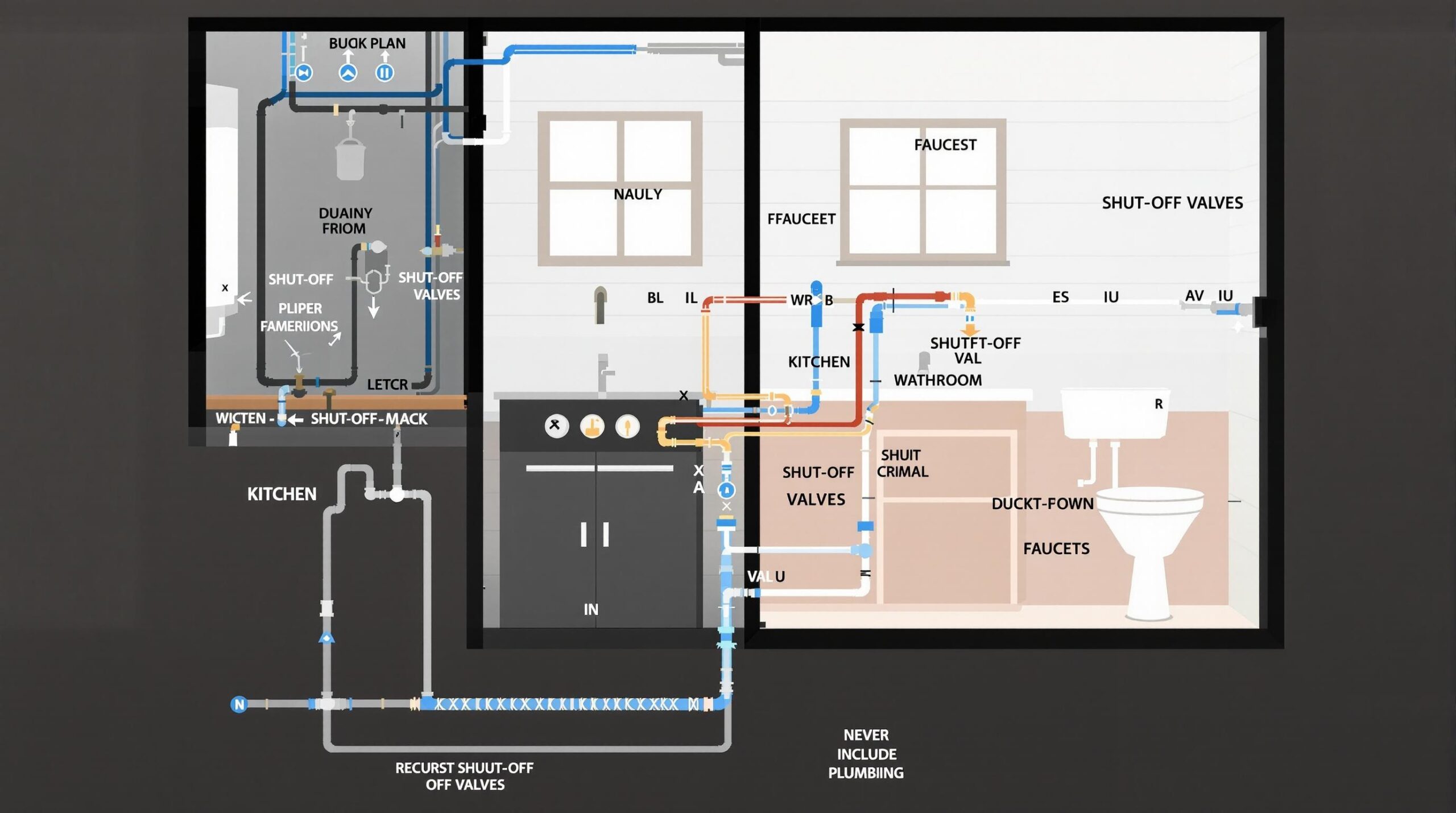
Before you roll up your sleeves and dive headfirst into the world of DIY plumbing, it’s crucial to get acquainted with the basic components of your home’s plumbing system. Think of it as knowing the ins and outs of a treasure map before setting off on your adventure! Familiarizing yourself with essential parts like shut-off valves, pipes, and faucets empowers you to navigate through hiccups and address issues like a pro—without getting into deep waters.
Essential Components of Your Plumbing System
Understanding the key elements of your plumbing system is not just a smart move; it’s a foundational step that will help you tackle issues confidently. Let’s break down the major components:
| Component | Description |
|---|---|
| Shut-Off Valves | Located under sinks, behind toilets, or near your water heater; these valves allow you to isolate water supply to specific fixtures in emergencies or during repairs. |
| Pipes | The veins of your plumbing system. They transport water throughout your home, coming in various sizes and materials, connecting everything from your main water supply to individual fixtures. |
| Faucets | The friendly interface that grants you access to fresh water. Knowing how to access and repair faucets can save you from a world of frustration when leaks or clogs occur. |
| Drainage System | Your home’s drainage channels waste away; understanding how they work will help you maintain a clean and efficient plumbing system. |
| Water Heater | Provides hot water for your bath, dishes, and laundry. Familiarity with the controls and maintenance can enhance safety and efficiency. |
By knowing the functionality of each part, you gain control and can troubleshoot effectively when issues arise. For example, if you spot a leak, knowing where the shut-off valve is located may save you from extensive water damage, allowing you to turn off the supply swiftly while you assess the situation.
The Importance of Regular Maintenance
Regular maintenance is crucial for extending the life of your plumbing system. Make it a habit to inspect fixtures and valves regularly, looking for signs of wear and tear, such as rust or corrosion. A small issue can quickly spiral into a costly problem if left unchecked. Scheduling these routine checks will equip you to tackle minor repairs proactively—keeping your plumbing system in tip-top shape!
As we prepare to delve into our first DIY project, fixing leaky faucets, remember that understanding your plumbing helps you approach repairs with confidence. Like any skilled handyman or handywoman, the more you know about your tools and the layout of your plumbing landscape, the more adept you’ll be in addressing and circumventing problems. So, let’s turn our attention to one of the most common nuisances faced by homeowners: leaky faucets.
Fixing Leaky Faucets
A leaky faucet can be more than just a frustrating drip—it’s a pesky little problem that, if left untreated, can escalate into a much larger issue. The sound of water steadily dripping into the sink might be a familiar yet annoying melody in your household, often signaling a need for attention. The good news is that fixing a leaky faucet is not only doable for most homeowners, but it can also save you from potential water damage and costly repairs down the line.
So, how do you tackle this common household conundrum? First, identify the type of faucet you have, as the repair methods will vary. There are several types of faucets, such as compression, cartridge, ball, and ceramic disk, each with its mechanism. With your tools at the ready and your nerves steeled, let’s proceed step by step!
Gather Your Tools
Before you start, make sure you have a few essential tools on hand:
- Adjustable wrench
- Screwdriver (flathead and Phillips)
- Replacement washers or cartridges
- Plumber’s grease
- Towel or cloth (to catch any drips)
Step-by-Step Guide to Repairing a Leaky Faucet
To begin your plumbing adventure, follow these easy steps to restore your faucet back to its working condition:
- Turn Off the Water Supply: Locate the shut-off valves under the sink and turn them off. This is the first and most critical step in preventing any unwanted indoor waterfalls while you work.
- Plug the Drain: Use a cloth or a drain plug to prevent small parts from falling into the drain as you disassemble the faucet.
- Remove the Faucet Handle: Depending on the type of faucet, carefully remove the handle by loosening the screw that holds it in place. If you’re dealing with a compression faucet, you may need to unscrew the packing nut to access the inner components.
- Inspect and Replace Washers or Cartridges: Once you have access to the inner workings of the faucet, check for worn-out washers or cartridges. Replace these components with new ones that are designed for your specific faucet type. A faulty washer is often the culprit in leaks, while cartridge faucets may simply need a cartridge replacement.
- Reassemble the Faucet: After replacing the necessary parts, reassemble the faucet in reverse order. Make sure each component is tightened securely, but avoid overtightening which could cause damage.
- Turn on the Water Supply: With everything in place, turn on the shut-off valves slowly, checking for leaks as you go. If the faucet is still dripping, you may need to disassemble and double-check your work.
Congratulations! With a little elbow grease and persistence, you’ve tackled a common plumbing issue that plagues many households. Not only have you eliminated that pesky drip, but you’ve also strengthened your confidence in handling future DIY plumbing repairs.
Keeping your plumbing system healthy should be an ongoing commitment—checking for leaks and maintaining faucets can save you from dealing with larger plumbing issues. Now that you have your leaky faucet fixed, it’s time to focus on another common plumber’s headache: clogged drains. Let’s explore effective strategies for dealing with clogs in your kitchen and bathroom!
Dealing with Clogged Drains
Clogged drains are like uninvited guests at a dinner party; they can appear out of nowhere and ruin an otherwise pleasant experience. Kitchen and bathroom sinks often bear the brunt of debris build-up—from food scraps to soap scum, hair, and toothpaste residue. Thankfully, addressing clogged drains doesn’t have to be an overwhelming task. With the right methods and a bit of know-how, you can restore your drains to their flowing glory.
Using a Plumber’s Snake
When the usual methods of plunging don’t yield results, it’s time to bring out the big guns—a plumber’s snake. This handy tool, also known as a drain auger, is designed to navigate through the twists and turns of your plumbing pipes, effectively breaking up clogs that are stubborn or deep-rooted. Here’s how to master its use:
- Insert the Snake: Carefully insert the snake into the drain until you feel resistance. This indicates that you’ve reached the clog.
- Break Up the Clog: Turn the handle of the snake clockwise while gently pushing forward. This will help the snake grip the clog and enable you to break it apart.
- Retrieve the Debris: Once you’ve defeated the clog, slowly pull the snake back out, taking care to pull out any debris it has snagged along the way. A plastic bag or bucket can be handy to dispose of this waste.
- Flush the Drain: Finally, run hot water through the drain for a few minutes to ensure any remaining particles wash away, leaving your drain free-flowing.
Natural Homemade Solutions
For those who prefer a more eco-friendly approach, natural homemade solutions can be surprisingly effective. Here are two tried-and-true combinations that can work wonders on minor clogs:
- Baking Soda and Vinegar: Pour a cup of baking soda down the drain, followed by a cup of vinegar. The chemical reaction will cause fizzing and bubbling, which can help dislodge debris. Let it sit for 30 minutes, flush with hot water, and marvel at how effective this kitchen duo can be!
- Salt and Boiling Water: Pouring a cup of salt down the drain followed by two cups of boiling water can help dissolve grease build-up and other small clogs. This method is particularly useful for kitchen sinks that may suffer from grease accumulation.
Investing in a Drain Trap
While tackling existing clogs is important, prevention is the best strategy for long-term care. Installing a drain trap (or hair catcher) is a simple yet effective way to prevent debris from entering your pipes in the first place. These devices easily fit over the drain and catch hair, food scraps, and other objects that could lead to a blockage. Regular cleaning of the trap will ensure that your drains remain free-flowing.
By implementing these effective methods, you can confidently face clogged drains head-on. The key to maintaining healthy plumbing lies not only in solving issues as they arise but also in taking proactive steps to prevent them from becoming a recurring challenge. Now that you’ve got clogged drains under control, let’s turn our attention to another common household hiccup: managing toilet issues!
Managing Toilet Issues
A malfunctioning toilet is never fun. Whether it’s a persistent running sound that resembles a leaky faucet or a weak flush that leaves you questioning its capabilities, toilet troubles can disrupt the peace of your household. Fortunately, becoming familiar with the components inside your toilet tank can empower you to tackle these common issues head-on, using straightforward solutions.
Understanding Your Toilet Tank
Before diving into troubleshooting, it’s essential to know your toilet tank’s anatomy. The two main components that often cause operational issues are the float and the flapper. The float controls the water level in the tank, while the flapper is responsible for sealing the tank’s water until it’s time to flush. Let’s explore how adjusting or repairing these elements can bring your toilet back to life.
Adjusting the Float
One of the primary reasons for a toilet running constantly is an improperly adjusted float. Here’s how to tweak it:
- Locate the Float: Open the tank lid and look for the float mechanism. It may be a ball float or a cylindrical float, depending on your toilet model.
- Adjust the Float Height: For a ball float, you can usually bend the arm gently downwards to lower the float. For cylindrical floats, there should be a clip or an adjustment rod. Raise or lower it until the water level is about an inch below the overflow tube.
- Test the Flush: After adjusting the float, flush the toilet to see if the water stops running when the tank refills.
Fixing the Flapper
If your toilet is still acting up, the flapper might be the culprit. A worn or misaligned flapper can lead to water seeping into the bowl continuously. Here’s how to ensure it’s functioning correctly:
- Inspect the Flapper: Check the condition of the flapper for any signs of wear, such as cracks or warping.
- Adjust or Replace: If it’s misaligned, reposition it so that it sits snugly over the flush valve. If it’s damaged, replacing the flapper is quick and inexpensive.
- Test Again: After adjustments or replacement, give the toilet a flush to confirm the problem is resolved.
Dealing with Stubborn Blockages
Even the best-behaved toilets can sometimes succumb to stubborn clogs. Before you summon your friendly plunger, take a moment to use some bathroom etiquette:
- Limit Non-Flushables: Be proactive by educating household members about what should and shouldn’t go down the toilet.
- The Powerful Plunger: When faced with a blockage, a good plunger is your best friend. Ensure you have a flange plunger, which is designed specifically for toilets.
Steps to Unclogging a Toilet
Here’s an easy-step process for using your plunger effectively:
- Cover the Drain: Ensure the rubber part of the plunger is fully covering the drain.
- Push Down and Up: Vigorously push down and pull up without breaking the seal. Perform this motion for about 10-15 seconds.
- Check for Results: After plunging, if the water drains, you’ve successfully cleared the clog!
Common Toilet Problems and Their Solutions
| Problem | Possible Cause | Solution |
|---|---|---|
| Toilet runs constantly | Imprecise float adjustment | Adjust float height |
| Weak flush | Flapper not sealing properly | Replace or realign flapper |
| Frequent clogs | Non-flushable items | Educate and monitor flushing practices; use a plunger as needed |
By understanding the inner workings of your toilet and using the steps outlined above, you can effectively manage and resolve a range of toilet issues. Remember, a little prevention goes a long way. As you become adept at handling these minor hiccups, you’re also paving the way for smoother plumbing experiences ahead. With toilet troubles on the decline, let’s now look into how preventative maintenance practices can keep your plumbing running smoothly!
Preventative Maintenance Practices
The best way to avoid plumbing failures is through preventative maintenance. Regular inspections and simple maintenance tasks can help you sidestep costly repairs and keep your plumbing system in tip-top shape.
Inspecting Pipes for Signs of Wear
Start by taking a systematic approach to inspecting your pipes. Look for any clues that indicate wear and tear, such as leaks, corrosion, or moisture spots on walls and ceilings. Don’t forget to check the connections, as these are common trouble spots. Pay particular attention to the areas underneath sinks and behind toilets, where small leaks can often go unnoticed. By catching these issues early, you can save yourself from larger, more expensive problems down the road.
Cleaning Out Sediment Build-Up
Your hot water heater can accumulate sediment over time, affecting its efficiency and longevity. Regularly flushing out your water heater can remove this build-up and ensure it operates smoothly. Here’s a simple step-by-step process:
- Turn Off Power or Gas: Ensure the heater is off to avoid any safety hazards.
- Attach a Hose: Connect a garden hose to the drain valve at the bottom of the tank.
- Drain the Tank: Open the valve and let the water run until it’s clear.
- Close the Valve: Once finished, close the valve and remove the hose.
Perform this task at least once a year, and you’ll not only enhance the water heater’s lifespan but also your home’s overall efficiency.
Maintaining Your Gutters
Don’t underestimate the importance of gutters in your home’s plumbing ecosystem. Clogged gutters can lead to drainage complications that affect your foundation and interior plumbing. Clear leaves, twigs, and debris from your gutters regularly, especially before the rainy season. A good partnership with a pair of sturdy gloves and a sturdy ladder will help you keep a watchful eye on your gutter health. This small effort can prevent water from pooling around your home, which can lead to soil erosion and foundation issues.
The Role of Sump Pumps
If your home has a basement or crawl space, a sump pump is a vital defense against flooding. Ensure your sump pump is functioning properly by testing it regularly. Simply pour a bucket of water into the sump pit to see if the pump activates and removes the water efficiently. Consider cleaning the sump pit to prevent debris from obstructing its mechanism. This proactive step is crucial because, in times of heavy rain, you’ll want your sump pump in perfect working order to protect your home from potential flooding.
Testing Water Pressure
Regular testing of your home’s water pressure is also an important maintenance practice. High water pressure can lead to leaks and pipe damage, while low pressure can affect your daily routines. You can easily check your water pressure with a gauge attached to a hose bib. Ideal pressure ranges typically fall between 40 and 60 psi. If you find your water pressure is outside this range, it may be time to consult a plumbing professional for adjustments.
Embracing a Routine
Incorporating these simple preventative maintenance practices into your routine not only enhances the longevity of your plumbing system but also fosters more reliable performance. Dive into each task with a proactive mindset, and enlist family members to contribute, turning maintenance into a family activity. Celebrate the victory of keeping your home plumbing efficient and dependable—because a little bit of care today can lead to a worry-free tomorrow.
As you embrace these practices, you’ll find that plumbing maintenance doesn’t need to be daunting. By taking charge and using these DIY tips, you’re not only saving an emergency call to the plumber but also extending the life of your plumbing system. Keep these tips in your homeowner toolkit and reap the benefits of a smoothly running household. Embrace the DIY spirit and ensure your home’s plumbing system stays robust and reliable. Apply these practical DIY fixes today to ensure your home’s plumbing system runs smoothly and efficiently.
How Often Should I Inspect My Plumbing for Potential Issues?
It can be easy to overlook the plumbing tucked away behind walls or beneath floors, but regular inspections are your best defense against unforeseen problems. Aim to inspect your plumbing at least every three months for early signs of wear and tear. This proactive schedule allows you to catch any potential issues before they spiral into inconvenient—or worse, damaging—emergencies. Look out for drips and changes in water pressure, and don’t hesitate to dig deeper if you suspect something is amiss. A little diligence now can save you from substantial headaches later.
Essential Homeowner Tools for Plumbing Repairs
Equipping yourself with essential tools stands as the cornerstone of every DIY homeowner’s maintenance strategy. Having the right tools on hand ensures you can tackle minor plumbing challenges effectively. Make sure you own a reliable plunger—your first line of defense against stubborn clogs. A good wrench is pivotal for tightening and loosening fixtures, while plumber’s tape comes in handy for sealing joints and preventing leaks. If you encounter deeper clogs, a heavy-duty auger will be invaluable in dislodging obstructions from pipes. Consider keeping these tools organized and easily accessible; this can help you address any minor issues before they escalate into larger systemic problems.
Going Green: Eco-Friendly Ways to Clear Clogs
In an age where sustainability is paramount, finding eco-friendly solutions for plumbing issues is more important than ever. For a natural alternative to harsh chemical drain cleaners, try a simple mixture of vinegar and baking soda. When poured down your drain, this powerful duo creates a foaming action that works to dissolve minor clogs effectively. Once the initial fizz settles down, follow it up with a generous pour of hot water to flush the system. This not only clears grease and debris but also keeps your plumbing free from chemical residues that can harm the environment. By incorporating this green approach, you preserve both your pipe health and the planet.
As you embrace these practices, remember that consistent maintenance need not be overwhelming. By proactively inspecting your plumbing, equipping yourself with the right tools, and choosing eco-friendly solutions, you can foster a robust and reliable plumbing system. Each small step you take not only enhances the integrity of your home but also contributes to a culture of care and responsibility. Whether it’s a casual check-up or performing simple repairs, maintaining your plumbing can ultimately transform from a daunting task into a rewarding experience, ensuring that your home runs smoothly for years to come.
Now that you have armfuls of knowledge on preventative maintenance, let’s dive deeper into some specific DIY measures that will keep your plumbing in excellent condition. There’s something refreshing about being hands-on with your home, and taking the initiative with these straightforward tasks can empower you like never before. A well-maintained plumbing system not only serves your house but also contributes to a healthier living environment, making your home a sanctuary of comfort.
Regularly Check and Clean Faucet Aerators
Faucet aerators, the small mesh devices at the end of your faucets, deserve your attention, as they can become clogged with mineral deposits over time. A simple inspection and cleaning regime can boost your water flow. To clean them:
- Unscrew the Aerator: Gently twist off the aerator using your hand or a pair of pliers, taking care not to scratch the finish.
- Soak in Vinegar: Place the aerator in a bowl of vinegar for about 30 minutes to dissolve the buildup.
- Scrub and Rinse: Use a soft brush to scrub away any lingering debris, rinse it well, and then reattach it.
Not only will this restore your faucet’s flow efficiency, but it can also save you from unnecessary headaches in the long run.
Tackling Toilet Troubles
Is your toilet running, ghost flushing, or leaking? These issues, while disruptive, are often easy to fix with some strategic DIY intervention. Start by checking the flapper valve inside the tank—it’s typically the culprit behind phantom flushes. Here’s how you can handle it:
- Inspect the Flapper: Look for signs of wear; if it appears warped or damaged, it’s time to replace it.
- Adjust Chain Length: Ensure the chain connecting the flapper is neither too tight (preventing it from sealing) nor too loose (causing it to stick).
A little attention here goes a long way—that small fix could save you water and keep your water bill in check.
Don’t Ignore the Dishwasher
Your dishwasher is another critical player in your household plumbing system. To keep it running smoothly:
- Check the Filter: Most dishwashers have a filter that can clog with food particles and debris. Consult your manual to locate it, then remove, rinse, and replace.
- Inspect Hoses for kinks or leaks: Periodically check the hoses connected to your dishwasher for any signs of wear or obstructions that could lead to bigger plumbing troubles.
Taking care of your dishwasher ensures it operates effectively, which means cleaner dishes and less strain on your plumbing system.
The Power of Simple Tools
A good DIY plumbing toolkit is essential for taking charge of your home maintenance. Consider stocking it with:
- A pipe wrench for turning and gripping pipes
- A plunger for clogs
- A basin wrench for those tight spaces
- Teflon tape for seals
- Cleaning brushes for aerators and drains
Equipped with these handy tools and a commitment to routine checks, you can tackle most minor plumbing issues before they escalate into major problems.
So go forth and embrace your DIY spirit! You have the knowledge and resources to maintain your plumbing with confidence. By incorporating these simple yet effective measures into the rhythm of your home, you will foster an environment of reliability and peace. Celebrate each small victory, knowing that your proactive efforts make a world of difference in ensuring a smoothly running household. Today is the perfect day to give those pipes some love—who knows, you might just discover a newfound passion for plumbing maintenance!