
Embracing Green Innovations in Townsend
In the quaint yet rapidly evolving community of Townsend, Delaware, eco-friendly plumbing has become more than just a trend—it’s a heartfelt commitment to sustainability. Imagine walking through tree-lined streets where neighbors wave hello and the scent of fresh-cut grass fills the air. Here, people care deeply about their homes and the planet. With an increasing number of residents looking to green their homes and businesses, innovative plumbing practices are taking center stage in this charming town.
A Shift Towards Sustainability
From bustling family homes to cozy cafes, Townsend is buzzing with excitement as its residents embrace their role in protecting the environment. Imagine a gardener using rain barrels to collect water, or a café owner serving delicious coffee while ensuring they use systems that save gallons of water every day. These eco-friendly plumbing innovations are not just smart; they reflect a greater mission to preserve the natural beauty of Townsend.
As we delve into the wonderful world of green plumbing solutions, we’ll explore how these practices are transforming the way residents live and work. Whether it’s installing energy-saving fixtures or creating systems that recycle water, the spirit of Townsend shines bright in every eco-conscious effort.
Smart Water Management Systems: The Foundation for Efficiency
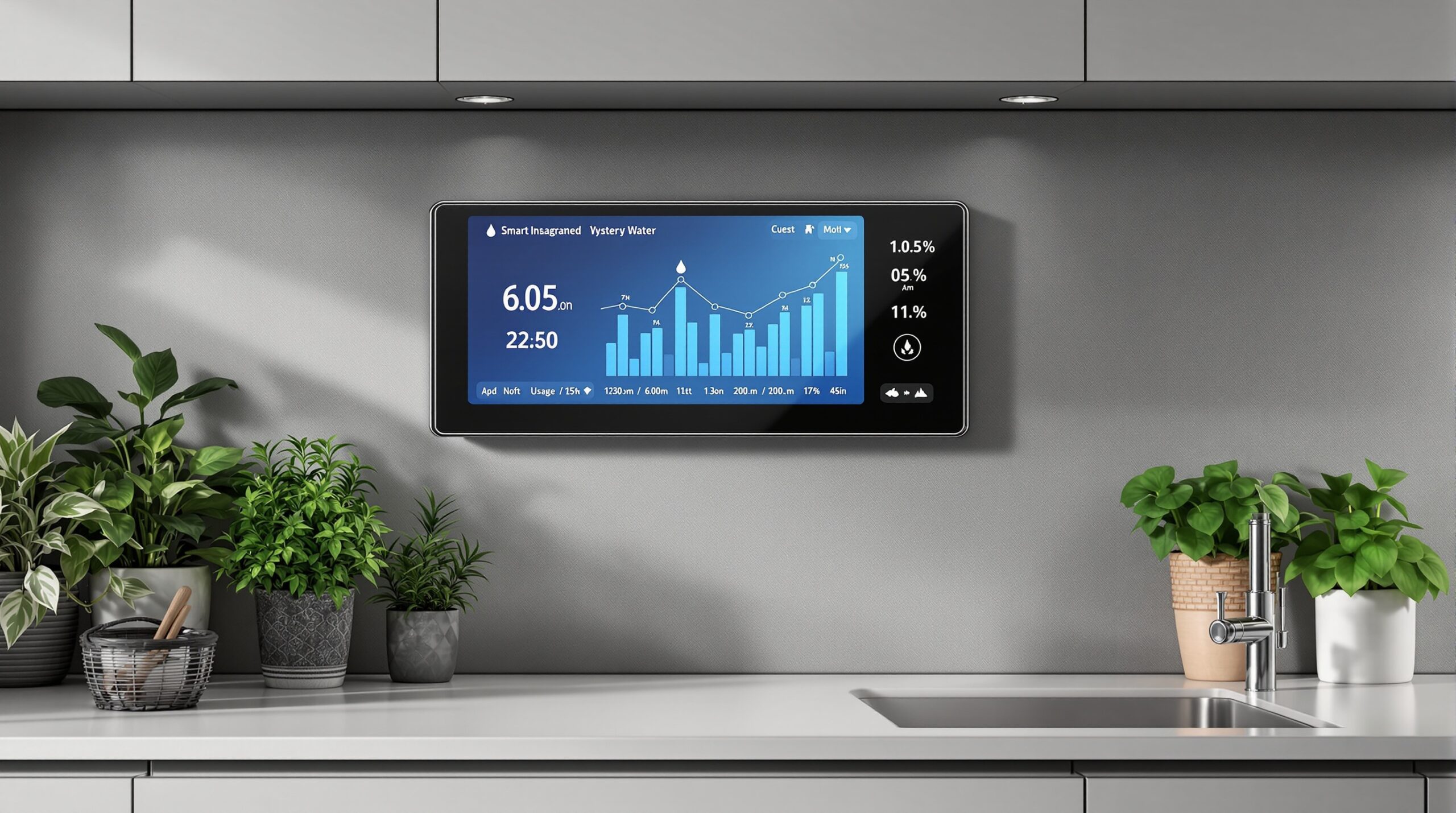
As the commitment to sustainability deepens in Townsend, the integration of smart water management systems becomes a focal point for households striving for optimal water usage. These cutting-edge technologies provide residents with the power to monitor their water consumption in real-time, creating an intelligent network that adapts to the unique needs of each home.
What does this innovation look like? Imagine a system embedded with state-of-the-art sensors, connected to your smartphone, allowing you to track your water use anywhere, anytime. With user-friendly interfaces and customizable alerts, these systems empower homeowners to adjust their habits on the fly, ensuring that every drop counts. By analyzing patterns and providing insights, these systems help foster a household environment that prioritizes efficiency without sacrificing comfort.
These smart systems come equipped with several impressive features, including:
| Feature | Description |
|---|---|
| Real-Time Monitoring | Receive instant updates on water usage, helping identify leaks and waste before they escalate. |
| Adaptive Usage Alerts | Customize notifications based on your family’s water habits to promote conservation. |
| Data Analytics | Access detailed reports on water consumption trends, empowering informed decisions for reducing waste. |
| Remote Control | Manage your home’s water systems remotely, adjusting settings or shutting off water in emergencies from anywhere. |
Moreover, these systems contribute to a broader narrative of communal responsibility in Townsend. As neighbors connect through their shared commitment to the environment, discussions around water management and conservation strategies become commonplace. New families are welcomed with the promise of reducing their environmental footprint, while seasoned residents can share their experiences and insights, turning water conservation into a community effort.
With smart water management systems in place, Townsend isn’t just a town embracing green practices; it’s pioneering the movement. The landscape is changing, and each household plays a significant role in shaping a sustainable future for generations to come. Stay tuned as we transition our focus to another practical solution: the power of low-flow fixtures—small changes that make a big splash in water conservation.
Low-Flow Fixtures: Small Changes, Big Impact
In the eco-conscious community of Townsend, the quest for sustainability takes many forms—and one of the most impactful changes is the adoption of low-flow fixtures. These innovative components, including faucets, showerheads, and toilets, represent a small yet mighty shift in how families manage their water consumption. By prioritizing efficiency without compromising on comfort, low-flow fixtures are quietly revolutionizing households across the region.
Low-flow fixtures are designed to maintain adequate water pressure while drastically reducing the volume of water used. For example, low-flow showerheads limit water flow to about two gallons per minute, compared to standard models that often exceed five gallons. This technological wizardry ensures that you enjoy a satisfying shower experience while saving thousands of gallons of water annually. Similarly, low-flow faucets strike the perfect balance, providing a strong stream for daily tasks such as washing hands or rinsing dishes while consuming significantly less water.
Toilets have undergone a remarkable transformation as well. Today’s low-flow models utilize a dual-flush system, allowing users to select between a lighter flush for liquid waste and a stronger flush for solid waste. This design not only minimizes water usage but also encourages mindful habits that can substantially decrease the overall household water footprint.
The impact of these fixtures extends beyond individual homes. As residents embrace low-flow technologies, the collective water savings ripple through the entire community. With families across Townsend recognizing the power of these seemingly minor installations, water consumption statistics begin to shift—meaningfully conserving precious resources for future generations.
Consider the potential of an entire neighborhood adopting low-flow fixtures. Each household, through this simple yet effective change, contributes to improved water quality in local ecosystems and reduced strains on municipal water systems. The cumulative effect is profound; Townsend is setting an inspiring example of how small changes can yield big results in environmental sustainability.
The beauty of low-flow fixtures lies not only in their efficiency but also in their accessibility. With straightforward installation processes, local homeowners can upgrade their plumbing without extensive renovations. Community workshops and local contractors are eager to provide support, ensuring that residents have the knowledge and resources to make these vital changes.
As the journey toward sustainable water management continues, low-flow fixtures stand out as a beacon of hope—illustrating that embracing eco-friendly practices does not require drastic sacrifices. In Townsend, these small changes create a massive impact, transforming water use into a conscientious act that champions both comfort and conservation. The message is clear: every drop matters, and it begins with the decisions made within our own homes. With this foundational shift underway, stay tuned as we delve into another remarkable initiative ongoing in our community: the innovative embrace of greywater systems—recycling household water for a greener future.
Greywater Systems: Recycling Household Water
In the vibrant tapestry of Townsend’s commitment to sustainability, greywater systems are emerging as a powerful player in the quest for efficient water use. These ingenious installations, which recycle water from everyday household activities—such as washing dishes, showering, and laundry—represent a creative solution that resonates with the community’s eco-conscious ethos. By capturing this previously wasted resource, residents are not only making strides toward environmental stewardship but also cultivating a culture of innovation and resourcefulness.
The concept of greywater reuse is both simple and impactful. Greywater systems gather water that would typically flow down the drain, filter it to remove impurities, and redirect it for irrigation or landscaping purposes. This process not only reduces the demand on municipal water supplies but also alleviates the burden on sewage treatment facilities, effectively turning a wasted resource into a lifeline for gardens and lawns. For many Townsend residents, the allure of lush gardens and thriving landscapes is now achievable without the hefty water bills that often accompany traditional irrigation methods.
As families across Townsend take the plunge into adopting greywater systems, stories of transformation abound. Homeowners are sharing their experiences of lush, vibrant gardens nourished by recycled water. Imagine a flourishing vegetable patch thriving on water sourced from yesterday’s showers—an inspiring illustration of how sustainability can become commonplace. In a sense, greywater systems are more than just a water-saving measure; they represent a shift in mindset, encouraging residents to think critically about their water usage and its broader environmental impact.
Moreover, the installation of greywater systems often promotes a deeper connection among community members. Workshops and informational sessions have sprung up around the topic, leading many neighbors to collaborate on DIY projects and share tips on maximizing the efficiency of their personal systems. This collective journey not only strengthens community bonds but also fosters an environment of shared responsibility and awareness, as each participant contributes to a greener, more sustainable hometown.
Greywater recycling extends beyond individual homes—it has the potential to reshape collective water management strategies within Townsend. By decreasing reliance on virgin water sources and minimizing the strain on local aquifers, greywater systems align with broader environmental goals while ensuring that future generations inherit a thriving and balanced ecosystem. Through collective participation, residents are wielding greywater systems as a tool of empowerment, illustrating that sustainable living is both practical and attainable.
Tankless Water Heaters: On-Demand Comfort
As Townsend continues to set the bar for innovative sustainability practices, residents are increasingly turning to tankless water heaters, a home upgrade that redefines comfort while prioritizing energy efficiency. Gone are the days of bulky storage tanks that endlessly cycle through the heating process. Instead, these sleek units provide hot water on demand, revolutionizing the way families experience their daily routines.
Tankless water heaters work by using high-powered burners to heat water directly as it flows through the unit, eliminating the need for a storage tank. This means that households can enjoy uninterrupted access to hot water without the fear of running out during peak usage times, whether that’s during family showers or after a long day at work when everyone is ready for a hot meal. The convenience and comfort that these on-demand systems provide is a game changer, allowing families to relax and enjoy their homes without the worry of water supply constraints.
One major advantage of transitioning to tankless systems is the profound impact on energy consumption. Traditional water heaters consume energy 24/7, maintaining hot water even when it is not needed. In contrast, tankless systems heat water only as needed, significantly reducing energy use and helping families lower their carbon footprints. This shift not only saves on energy costs but aligns perfectly with Townsend’s ethos of responsibility towards the environment.
| Feature | Traditional Water Heater | Tankless Water Heater |
|---|---|---|
| Hot Water Supply | Limited (depends on tank size) | Unlimited on-demand |
| Energy Efficiency | Less efficient (constant heating) | Highly efficient (heats water only when needed) |
| Space Requirement | Bulkier due to tank | Compact and space-saving |
| Longevity | Typically lasts 10-15 years | Can last 20 years or more |
The community spirit of Townsend shines as homeowners share their tankless experiences, gathering in workshops and forums to discuss the benefits and challenges of their new systems. This not only fosters a sense of unity but also provides a knowledge-sharing platform where residents can learn from one another. It’s not just about being eco-friendly; it’s about embracing a lifestyle that prioritizes modern efficiency while enhancing overall quality of life.
Additionally, the move towards tankless water heaters serves as an education tool, encouraging families to consider their energy consumption habits more carefully. With the push for sustainable living, residents are increasingly aware of how everyday choices—like upgrading to energy-efficient appliances—play a critical role in environmental impact.
As we see the trend of tankless water heaters taking root in Townsend, it becomes evident that this upgrade represents more than just comfort and convenience. It highlights a community committed to embracing innovative solutions that prioritize sustainability without compromising lifestyle. With greywater systems harnessing recycled water efficiently and tankless water heaters offering comfort on demand, Townsend is setting a compelling example for other communities seeking to tread lightly on the planet.
With the foundation of resourcefulness well established, we now turn our attention to another sustainable practice gaining traction among Townsend residents: rainwater harvesting. This practice, designed to harness one of nature’s most vital gifts, offers a new frontier in environmentally responsible water management.
Rainwater harvesting is rapidly transforming the landscape of sustainable living in Townsend. As climate concerns loom large and awareness around resource conservation grows, more homeowners are embracing this ingenious solution to manage rainwater runoff effectively. But what does this practice entail, and how can it benefit our local environment?
At its core, rainwater harvesting involves collecting and storing rainwater from roofs, paving, and other surfaces for later use. This captured rainwater serves numerous purposes, particularly for non-potable uses such as irrigation, toilet flushing, and even washing clothes. By diverting rainwater and utilizing it within households, residents can significantly reduce their dependence on municipal water systems and help mitigate the overwhelming burden of stormwater runoff, which can lead to urban flooding and water pollution.
The beauty of rainwater harvesting lies not just in its practical applications but also in its contribution to local conservation efforts. With every drop collected and reused, Townsend homeowners are actively participating in a larger movement aimed at sustaining our vital water sources. This interconnectedness fosters a sense of responsibility and stewardship of the environment, encouraging residents to think critically about their water consumption habits and overall environmental footprint.
One of the most compelling aspects of rainwater harvesting is its adaptability. Homeowners can customize their systems based on the specific needs of their landscape and daily life. Simple systems may consist of barrels placed strategically beneath downspouts, allowing for easy collection and access. More complex configurations can include filtration systems and underground cisterns designed to store larger volumes of harvested rainwater. Regardless of the approach taken, the end goal remains the same: harnessing nature’s bounty efficiently and effectively.
Education plays a vital role in the successful adoption of rainwater harvesting. Town meetings, community workshops, and even online forums have sprung up, providing an invaluable space for residents to share experiences and practical advice. Such platforms encourage the development of a culture of sharing and collaboration, enabling families to learn from one another while building on Townsend’s eco-positive ethos. As neighbors gather to discuss their systems, they weave a fabric of community that unites them in their commitment to environmental sustainability.
Moreover, the benefits of rainwater harvesting reach far beyond individual households. By decreasing the amount of surface runoff, residents help to reduce pollutants entering local waterways, contributing to cleaner rivers, streams, and habitats for wildlife. This is crucial as aquatic ecosystems face increasing pressure from urbanization and climate change. By taking proactive measures, Townsend homeowners not only safeguard their own backyards but also protect the broader ecological landscape that their community relies on.
As rainwater harvesting joins the ranks of eco-friendly plumbing solutions, it mirrors the journey of the tankless water heaters previously explored. Both practices represent Townsend’s commitment to modern, sustainable living, with each choice a step towards creating a more responsible, interconnected community. Residents are called upon to consult with local experts and explore how they can integrate rainwater harvesting into their homes, turning their own roof spaces into a testament to environmental stewardship.
In the ongoing quest for greener lifestyles, Townsend stands as a beacon of innovation and sustainability. With eco-friendly plumbing solutions becoming staples within homes and businesses, the conversation only continues to grow. Rainwater harvesting is just one of many ways residents can contribute to this collective effort, ensuring that the community thrives in harmony with the environment. It’s not just about adopting new practices; it’s about fostering a culture of awareness, responsibility, and connection to our natural world. Together, let us welcome these innovations and rethink how we interact with our most precious resources.
As Townsend continues to embrace greener lifestyles, eco-friendly plumbing solutions are rapidly becoming staples in homes and businesses alike. Among these innovations, smart water management systems stand out for their ability to track and reduce water usage, making them an invaluable asset in the community’s quest for sustainability. By offering real-time data, these advanced systems empower residents to monitor their water consumption patterns, identify leaks, and implement targeted strategies for conservation. The result? A significant reduction in overall water waste, reinforcing both the economic and environmental benefits of responsible water usage.
Many homeowners find themselves asking whether adopting low-flow fixtures affects water pressure. The good news is that modern low-flow fixtures are ingeniously designed to maintain adequate pressure while using less water. With advancements in technology, these fixtures optimize flow rates, ensuring that households do not sacrifice comfort for conservation. Families can enjoy powerful showers, efficient faucets, and reliable toilets without compromising on performance. Not only do these fixtures enhance the eco-friendly appeal of a home, but they also contribute to a significant rethinking of how we utilize water daily.
A growing interest in greywater reuse has also taken root within the community as residents seek sustainable alternatives for irrigation. However, it is essential to approach greywater usage with a clear understanding of safety guidelines. While greywater can be ideal for irrigating annuals and non-edible plants, following local regulations becomes paramount, particularly when it comes to using it for edible crops. By carefully navigating these guidelines, Townsend residents can embrace greywater reuse without compromising health or safety, further establishing their commitment to sustainable living practices.
Another innovative solution that complements Townsend’s eco-friendly plumbing initiatives is the tankless water heater, which heats water on demand, rather than relying on a storage tank. This means that homes can enjoy a continual supply of hot water without the energy losses associated with maintaining a reservoir of heated water. The efficiency of tankless systems reflects a broader commitment to resource conservation, as they reduce overall energy consumption while delivering convenience and reliability to homeowners.
As the conversation around eco-friendly plumbing continues to evolve, so too does the community’s ingenuity and resilience in adopting more sustainable practices. By prioritizing smart water solutions and innovative technologies, Townsend residents are setting a remarkable example for others and demonstrating the power of collective action in addressing environmental challenges. It is not just about embracing new technologies; it’s about fostering an enduring culture of ecological responsibility that resonates throughout the community and beyond.
“`
As Townsend continues to embrace greener lifestyles, eco-friendly plumbing solutions are rapidly becoming staples in homes and businesses alike. Enter the modern age of smart water management systems—tools and technologies designed not only to conserve water but to empower residents with knowledge about their consumption patterns. These systems provide real-time data on water usage, offering insights that encourage mindfulness and efficient resource Allocation. By integrating smart water meters, residents can track their consumption habits, identify leaks before they become costly issues, and reduce overall waste. This informed approach further amplifies Townsend’s commitment to environmental responsibility, allowing individuals to make conscious adjustments in their daily lives.
Additionally, low-impact fixtures are gaining traction as a crucial component of eco-friendly plumbing in Townsend. From faucets to showerheads, these innovative designs use advanced aeration technologies to deliver a satisfying water flow while reducing overall water consumption. Not only do these fixtures enhance the user experience, but they also align with the broader mission of contributing to sustainable living practices within the community. As more families and businesses invest in low-flow options, the collective impact on water conservation becomes significant, demonstrating that even small changes can lead to monumental outcomes.
Innovative water reuse systems are also making waves in Townsend, offering yet another dimension of eco-conscious living. Greywater recycling systems, which collect wastewater from sinks, showers, and laundry for reuse in irrigation or toilet flushing, are becoming increasingly popular. By redirecting this often-overlooked resource, residents can drastically reduce their dependence on freshwater supplies without sacrificing comfort or convenience. Moreover, the implementation of such systems can create a ripple effect, inspiring neighboring households to consider their own opportunities for water reuse, thus enhancing community-wide ecological responsibility.
As Townsend’s focus on sustainability continues to grow, it’s essential for residents to consult with local experts who can provide tailored advice on integrating these eco-friendly plumbing solutions into their homes. Plumbers and water management specialists, equipped with knowledge of the community’s unique needs and regulations, can help households transition their plumbing systems into pillars of eco-conscious living. From planning and installation to ongoing maintenance and education, these partnerships not only ensure effective solutions but foster a spirit of collaboration rooted in the desire to enhance the local environment.
In conclusion, the journey towards a more sustainable Townsend is marked by the adoption of innovative plumbing solutions that redefine our relationship with water. As rainwater harvesting, smart water management, low-impact fixtures, and water reuse systems proliferate, they reshape not only homes but also the very fabric of our community. Together, we can establish a powerful narrative of ecological responsibility and environmental stewardship in Townsend. Let us embrace these changes and inspire one another to elevate our hopes for a greener future—one drop at a time.
“`