
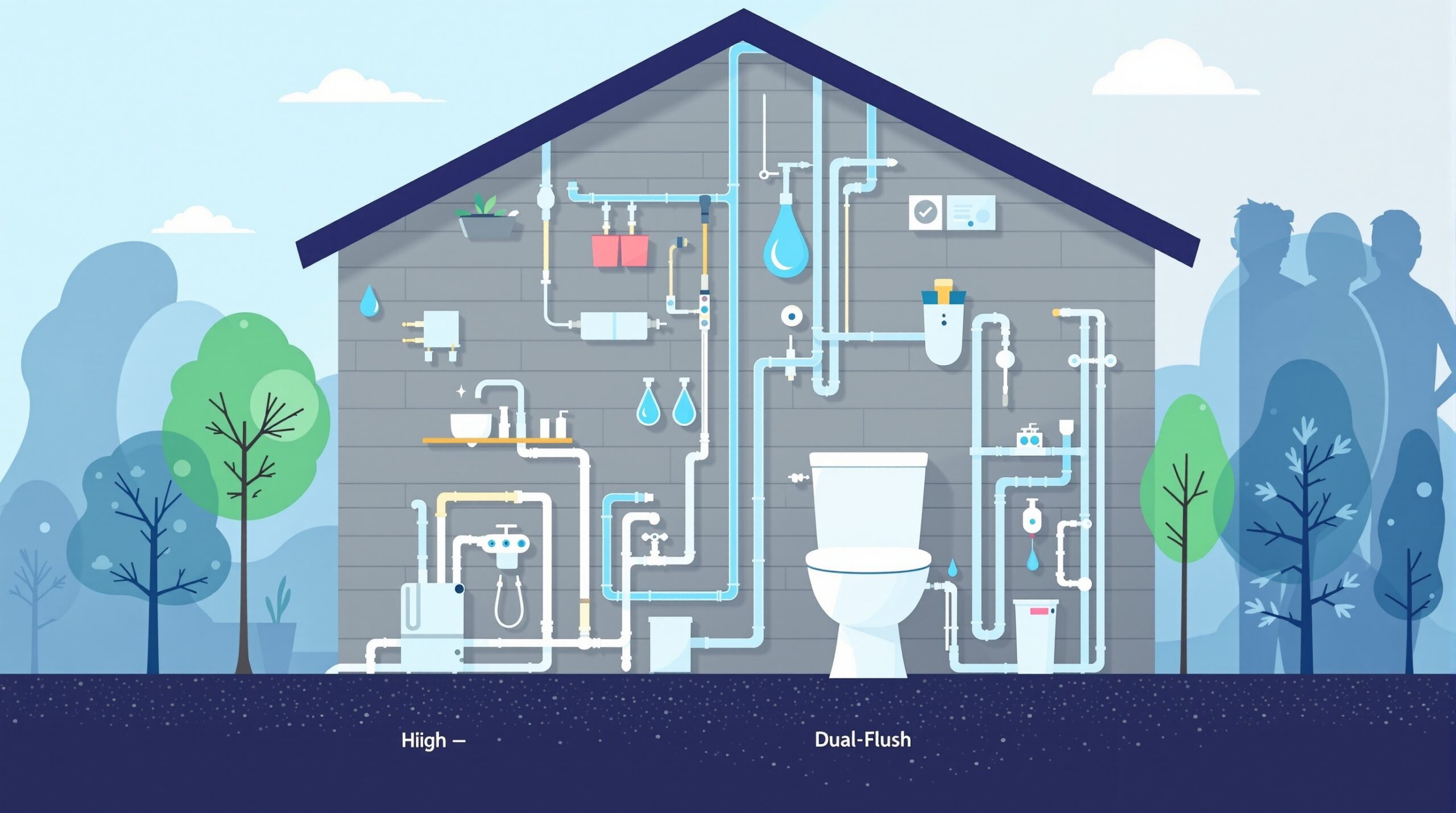
Embracing Green Change in Middletown
In the heart of Delaware, Middletown is a gem that shines not just for its historical charm and friendly community, but also for the progressive mindsets of its residents. More and more people here are taking a step towards a brighter future by making green choices in their homes. Have you ever thought about how your plumbing system could contribute to a healthier planet?
Make a Difference, One Pipe at a Time
From cozy colonial houses to modern new builds, every home in Middletown has the potential to be more eco-friendly. Imagine transforming your plumbing into a system that not only conserves water but also promotes sustainability! It’s easier than you might think. By adopting a few simple upgrades, you can make a big impact on the environment without sacrificing comfort or style.
Join the Movement!
In this exciting exploration, we’ll dive into some of the most effective eco-friendly plumbing upgrades that Middletown homeowners can implement. Whether you’re a DIY enthusiast or prefer to call in the experts, there are options available for everyone. Join us as we inspire you to embrace green living—because every small change counts! Together, we can turn your home into an eco-friendly haven while protecting the beautiful community we all love.
Understanding Eco-Friendly Plumbing
As the movement toward sustainability grows, an often-overlooked aspect of eco-conscious living is found within our own homes: plumbing. Eco-friendly plumbing embodies the concept of being responsible stewards of our most precious resource—water. By understanding and implementing eco-friendly plumbing practices, Middletown homeowners can significantly reduce water wastage and energy consumption. So, what does eco-friendly plumbing truly mean, and why is it significant for a town like Middletown?
At its core, eco-friendly plumbing is about smart design and effective use of technology to streamline the water flow and energy needed for heating and disposal. It involves choosing systems and appliances that maximize efficiency while minimizing environmental impact. As we delve into this idea, let’s unpack some basic strategies you can adopt right away.
Strategies for an Eco-Friendly Plumbing System
| Strategy | Description | Benefits |
|---|---|---|
| Low-Flow Fixtures | Installing showerheads and faucets that use less water without sacrificing performance. | Reduces water usage and enhances comfort. |
| Smart Irrigation | Utilizing technology to optimize watering schedules and ensure plants receive only the water they need. | Conserves water while promoting healthy landscaping. |
| Insulated Pipes | Insulating hot water pipes to retain heat and reduce energy usage when heating water. | Enhances energy efficiency and lowers heating costs. |
| Greywater Recycling | Systems that repurpose water from sinks and showers for irrigation or toilet flushing. | Reduces fresh water consumption and manages waste effectively. |
Implementing these practices may seem like a daunting task, but each small change can lead to significant environmental impacts. Whether you’re upgrading existing plumbing or planning a remodel, remember that a focus on eco-friendly solutions will not only contribute to the health of the planet but enrich the quality of life for you and your family.
Beyond just water savings, eco-friendly plumbing can promote a more sustainable lifestyle while easing the burden on local water supplies. With the scenic landscapes and beautiful waterways in and around Middletown, protecting our water resources has become more critical than ever. By understanding and actively participating in eco-friendly plumbing initiatives, residents can take pride in their contributions to a greener, healthier community.
Key Benefits for Middletown Homeowners
Taking the plunge into eco-friendly plumbing solutions is not merely an investment in your home; it offers a wealth of benefits for both the environment and your everyday life as a Middletown resident. By adopting these green practices, homeowners can enjoy a harmonious relationship with nature, while also enhancing their personal well-being and property value. So, what are the key advantages of integrating eco-friendly plumbing into your Middletown home?
Environmental Stewardship
First and foremost, eco-friendly plumbing significantly contributes to water conservation efforts. With Middletown being home to picturesque lakes and rivers, preserving these vital water resources is essential. By utilizing low-flow fixtures, efficient irrigation systems, and greywater recycling, homeowners are directly helping to mitigate water scarcity and reduce the strain on municipal water supplies. Every drop saved means less invasive water extraction from local lakes and aquifers, which ultimately benefits the entire ecosystem.
Energy Savings and Efficiency
In addition to water conservation, eco-friendly plumbing practices lead to a notable reduction in energy consumption. Insulating hot water pipes and opting for energy-efficient water heaters not only ensure that your home remains comfortably warm, but they also help lower your overall energy footprint. As energy-efficient systems become the norm, homeowners in Middletown not only make an impact on their immediate environment but also contribute towards a broader movement of reducing greenhouse gas emissions.
Enhanced Home Comfort and Health
Eco-friendly plumbing does not compromise on comfort. In fact, many of the innovations available today lead to enhanced home convenience. Low-flow showerheads and faucet aerators maintain water pressure while significantly reducing water output, allowing Middletown residents to enjoy luxurious baths and showers without the eco-guilt. Moreover, adopting greywater systems can help sustain lush gardens, creating a serene outdoor environment and fostering a deeper connection to nature without jeopardizing water usage.
Community Pride and Education
For many homeowners, installing eco-friendly plumbing solutions is not just a personal decision; it’s a community challenge. By leading the way in sustainable practices, Middletown residents can inspire their neighbors to do the same. Increased awareness around the importance of water conservation and eco-friendly living cultivates a community ethos centered on sustainability and pride in local natural resources. This collective effort bonds residents and enhances the overall quality of life within Middletown.
Long-Term Property Value
Finally, eco-friendly plumbing not only benefits the homeowner’s immediate lifestyle but also represents a strategic long-term investment. Homes that prioritize sustainable practices are likely to attract eco-conscious buyers in the future, thus increasing property values. Embracing these solutions now positions homeowners at a distinct advantage in the real estate market down the road.
In conclusion, the advantages of eco-friendly plumbing for Middletown homeowners are numerous and impactful. Not only do these solutions advocate for environmental conservation and energy efficiency, but they also elevate everyday living experience, foster community values, and ultimately contribute to increasing property value. As the movement for sustainability gains momentum, residents are encouraged to take the initiative and transform their homes into havens of eco-friendly practices. The journey toward a greener future begins at home, and every small effort adds up to monumental outcomes.
Innovative Water-Saving Fixtures
When it comes to reducing water usage, innovative fixtures have emerged as a cornerstone of eco-friendly plumbing solutions. With advances in technology and design, these fixtures not only minimize water consumption but also enhance the quality of your daily life. Let’s dive deeper into some of the most impactful water-saving innovations available today: low-flow toilets, faucet aerators, and energy-efficient water heaters.
Low-Flow Toilets: A Modern Necessity
Low-flow toilets are a game-changer in the quest for water conservation. Traditional toilets can use over 3.5 gallons of water per flush, but modern low-flow options only require 1.6 gallons or less, significantly curbing water waste. What’s more, many newer models incorporate dual-flush technology that allows users to choose between a light flush for liquid waste and a full flush for solid waste. This combination not only preserves precious water but also ensures the toilet performs effectively with every use. In Middletown, adopting low-flow toilets is not just an opportunity to save water; it’s an essential step toward responsible living that reflects a commitment to environmental stewardship.
Faucet Aerators: A Streamlined Solution
Faucet aerators are small, yet mighty fixtures that can make a substantial difference in your home’s water consumption. These devices attach to the end of your faucets, mixing air with water to create a steady stream while reducing the flow rate. This means you can enjoy the same pressure without wasting excessive amounts of water. On average, a faucet aerator can save users about 1.5 gallons of water per minute. For families in Middletown, a simple installation of aerators can lead to remarkable reductions in water usage, all while allowing homeowners to maintain their comfort and convenience.
Energy-Efficient Water Heaters: Comfort Meets Conservation
Water heating accounts for a significant portion of energy bills, but energy-efficient water heaters provide a sustainable alternative that benefits both the environment and your wallet. These systems include options such as tankless or on-demand heaters that heat water only as needed, reducing energy waste. Additionally, heat pump water heaters utilize electricity to transfer heat rather than generating it directly, offering a highly efficient solution that can cut down on energy consumption. By selecting an energy-efficient water heater, Middletown residents can enjoy hot showers and clean dishes without the environmental guilt associated with excessive energy use.
Embracing innovative water-saving fixtures is not only a personal choice but also a communal responsibility. Middletown homeowners can truly make a difference by integrating these technologies into their plumbing systems. As the community continues to strive toward sustainability, the use of low-flow toilets, faucet aerators, and energy-efficient water heaters will not only conserve water but also promote a healthier, more responsible lifestyle. Every small action contributes to a monumental shift in preserving our natural resources, showcasing how wise choices in our homes ripple out into the larger community.
Rainwater Harvesting Systems
As homeowners increasingly seek sustainable alternatives, rainwater harvesting systems emerge as a fabulous addition to eco-friendly initiatives. Collecting and utilizing rainwater not only lessens the demand on municipal water sources but also provides an independent water supply for various domestic purposes. Let’s explore the benefits of integrating rainwater harvesting systems into your home and how they can transform the way you think about water usage.
The Basics of Rainwater Harvesting
At its core, rainwater harvesting involves the collection, storage, and use of rainwater for non-potable purposes. This method can catch rainwater from rooftops, gutters, and other surfaces, channeling it into storage tanks or cisterns. Homeowners can then use this precious resource for irrigation, flushing toilets, washing clothes, or even washing cars. With rainwater harvesting systems, every drop counts, enabling families to lessen their reliance on treated water for everyday tasks.
Environmental Benefits
By harvesting rainwater, homeowners can actively contribute to environmental conservation. Reducing stormwater runoff not only helps to prevent flooding but also minimizes the burden on local sewage and drainage systems. Cleaner water entering tributaries and rivers enhances aquatic ecosystems and increases the area’s biodiversity. Furthermore, rainwater is naturally soft; it contains fewer chemicals than treated water, making it an excellent choice for gardens and lawns, as well as other non-potable applications.
How Rainwater Harvesting Works
The installation of a rainwater harvesting system typically includes several key components:
- Catchment Area: The surface area where rainfall is collected, often roofs, which directs water toward gutters.
- Storage Tank: A cistern or tank where collected rainwater is stored for future use.
- Filtration System: Ensures that the water collected is free from debris and contaminants before use.
- Distribution System: Pipes that transport the harvested rainwater to various points of use in the home.
While installation may require an initial effort, the long-term benefits of sustainable water resource management will prove invaluable, particularly in areas prone to drought.
Comparing Water Sources: A Snapshot
| Water Source | Environmental Impact | Usage | Benefits |
|---|---|---|---|
| Municipal Water Supply | High demand on resources; contributes to pollution | Drinking, cooking, cleaning | Reliable supply, treated quality |
| Rainwater Harvesting | Reduces runoff, conserves primary resources | Irrigation, flush toilets, general cleaning | Cost-effective, reduces dependency on municipal supply |
| Groundwater | Depletion; may lead to land subsidence | Irrigation, drinking water | Natural source, local availability |
In Middletown, the adoption of rainwater harvesting systems will not only enhance individual sustainability practices but also bolster collective community efforts toward water conservation. When homeowners embrace this eco-friendly solution, they truly embody a commitment to preserving precious resources for future generations.
Regular Maintenance for Efficiency
As rainwater harvesting systems become a staple in the eco-conscious community, the importance of regular maintenance for plumbing systems cannot be overstated. Just like any other mechanical system in your home, your plumbing requires attention to ensure longevity and efficiency. By dedicating a bit of time and effort into routine checks and preventative maintenance, you can maximize the potential of your rainwater harvesting system while promoting an eco-friendly lifestyle.
One of the key elements of maintaining your plumbing is to routinely inspect the entire system, including catchment areas, storage tanks, and filtration systems. A simple visual check can help you identify any debris that may have collected on rooftops or along gutters—common culprits that can disrupt the flow of harvested rainwater. Neglecting these areas can lead to blockages, which may not only hinder water collection but also create breeding grounds for pests or promote water contamination.
Additionally, regular cleaning of your storage tank is vital to ensure that the harvested rainwater remains free of contaminants. Introducing periodic maintenance schedules allows you to flush your system and replace filters, keeping your groundwater refreshing and suitable for non-potable applications. Maintaining a pristine environment around your collection system not only further enhances the quality of the collected rainwater but also instills peace of mind that you’re safeguarding your household’s health.
It’s also essential to routinely check for leaks or wear in the distribution system that channels harvested water to its designated uses. Much like with any plumbing layout, leaks can lead to significant waste, which counteracts the principles of conservation that rainwater harvesting espouses. Be proactive in addressing minor issues before they develop into costly repairs or more significant water waste challenges.
Perhaps one of the most compelling reasons for keeping your plumbing maintained is the boon to efficiency. An optimized rainwater harvesting system that flows seamlessly ensures that your home’s water usage remains green and sustainable. Each drop counts, and by enhancing the efficiency of your plumbing system, you will cultivate less reliance on municipal water, reducing your overall environmental footprint.
Regular maintenance practices also foster high-performance plumbing dynamics. Homeowners who stay engaged with their plumbing system, understanding its unique needs and nuances, can effectively troubleshoot potential issues, ultimately leading to a robust setup that thrives through the seasons. In this regard, maintenance becomes more than just a chore; it transforms into a lifestyle choice that reinforces your commitment to environmental stewardship.
The ripple effect of upkeep echoes throughout your community. By sharing insights and experiences with your neighbors, you inspire collective awareness about the significance of maintaining not only personal rainwater harvesting systems but also the broader plumbing infrastructure. Together, as a community of eco-conscious citizens, you contribute to a healthier ecosystem that benefits everyone.
As you consider stepping into the world of eco-friendly plumbing upgrades, let the importance of regular maintenance serve as a central tenet in your sustainable practices. By ensuring your rainwater harvesting system continues to operate efficiently, you’ll not only bolster your home’s eco-friendly credentials but also foster a commitment to preserving valuable resources for the future of Middletown. Stay informed, stay engaged, and relish the journey toward a greener tomorrow.
As you consider stepping into the world of eco-friendly plumbing upgrades, it’s essential to first understand what eco-friendly plumbing truly entails. At its core, eco-friendly plumbing is designed to minimize the environmental impact of your home’s water and energy usage while promoting sustainability within your community. This not only involves the installation of efficient fixtures and appliances but also encompasses the entire plumbing system, ensuring that every drop of water is used responsibly.
One of the hallmarks of eco-friendly plumbing is reducing water waste. Low-flow faucets, showerheads, and toilets are prime examples of fixtures that can be easily integrated into your existing system, helping you conserve more water without compromising comfort. Combining these upgrades with greywater recycling systems can further enhance water conservation efforts, allowing you to safely reuse water from sinks, showers, or laundry for irrigation. The aim here isn’t just to save water, but to create a more efficient cycle that aligns with nature’s flow.
Lighting also plays a significant role in eco-friendly plumbing solutions. Opting for energy-efficient lighting in plumbing areas reduces electricity consumption, contributing to a smaller carbon footprint. Additionally, considering innovative technology, such as smart home automation, can give you control over water usage and energy consumption, creating an adaptive and responsive plumbing environment that meets the demands of modern life while respecting the planet.
While the allure of DIY projects can empower homeowners to seek out eco-friendly changes, determining when to enlist the expertise of professionals is equally important. Simple upgrades such as installing water-saving devices can be tackled yourself, but when venturing into more intricate setups—like retrofitting an entire plumbing system to accommodate rainwater harvesting—it’s wise to engage a qualified plumber. This ensures both compliance with Middletown regulations and the optimal performance of your upgrades, safeguarding your home’s plumbing health while promoting sustainability.
For those passionate about making their homes eco-friendlier, evaluating the current plumbing system is an essential first step. Conducting a water audit allows you to assess how much water your household uses, pinpointing areas where waste may be occurring. This audit can be performed on your own, but consulting with a local plumbing expert can provide an in-depth analysis of potential inefficiencies and specific recommendations for improvement. Knowledge is power, and understanding where you stand can motivate you toward substantial changes.
In this journey, community matters. As you make strides toward eco-friendly plumbing, consider sharing your experiences with neighbors and friends. Collectively embracing sustainable practices can amplify your efforts and inspire others to join the movement toward a greener Middletown. Eco-friendly plumbing isn’t just about individual action; it’s a shared responsibility that fosters community collaboration and environmental stewardship, shaping a healthier ecosystem for generations to come.
So, as you embark on this transformative path toward eco-friendly plumbing upgrades, let each step resonate with purpose. From small, thoughtful changes to larger, community-driven initiatives, your efforts lay the groundwork for a sustainable future that transcends your household. Stay informed, remain engaged, and relish the journey toward a greener tomorrow—because every action counts, and together, we can make a significant impact.
Embrace the Journey Toward Sustainability
As you embark on the transformative journey of creating a greener home, remember that every step you take contributes to a larger movement toward sustainability. The decisions you make regarding eco-friendly plumbing upgrades will shape not only your immediate surroundings but also the environment of Middletown for generations to come. By being proactive and mindful about your plumbing, you’re not just endorsing a trend; you’re actively participating in a revolution that prioritizes conservation and responsibility.
One of the most fulfilling aspects of embracing eco-friendly plumbing practices is the personal connection it cultivates with your home and its water systems. Rather than viewing plumbing merely as an invisible network of pipes, approach it as a living system that requires your attention and care. This mindset shift lays the groundwork for a profound appreciation of the natural resources sustaining your home. With mindful engagement, you’ll find yourself celebrating each shower, each dish you wash, and every drop of water poured, honoring the effort you’re making toward sustainability.
Moreover, as an eco-conscious homeowner, consider the ripple effect your commitment will have on your local community. When your neighbors witness your dedication to eco-friendly practices, you provide them with insight and inspiration to follow suit. Hosting workshops or informal neighborly gatherings can ignite discussions about sustainability initiatives, such as rainwater harvesting or greywater reuse. Your home can become a beacon of innovation, showcasing what’s possible when one household takes the initiative to safeguard our precious water resources.
Incorporating eco-friendly plumbing upgrades also opens the door to discovering new technologies and approaches. Researching advancements within the green plumbing sector can unearth exciting products designed to enhance water efficiency and conservation. Staying informed about products that align with your sustainable vision is an engaging journey that empowers you to make educated decisions. It enables you to customize your plumbing system, ensuring that it reflects your values and supports your commitment to the planet.
Additionally, engaging with local environmental organizations can amplify your impact. These groups often provide valuable resources, expert insights, and community support, helping you stay informed and motivated in your efforts. Participating in local initiatives or volunteering for clean-up days fosters a sense of belonging, as you align with others who share your passion for ecology. Together, you can create a powerful narrative about the importance of water conservation that resonates across Middletown.
As you consider stepping into the world of eco-friendly plumbing upgrades, let this guide serve as a stepping stone toward a sustainable future for your Middletown home. The journey may require some effort, but the rewards are countless—both for your household and the planet. Stay informed, stay engaged, and relish every moment of this fulfilling pursuit. Your dedication not only crafts a greener tomorrow for yourself but also resonates through your community, inspiring a collective commitment to sustainability and stewardship. Join the movement, and let your actions illuminate the path toward a brighter, more sustainable future.