
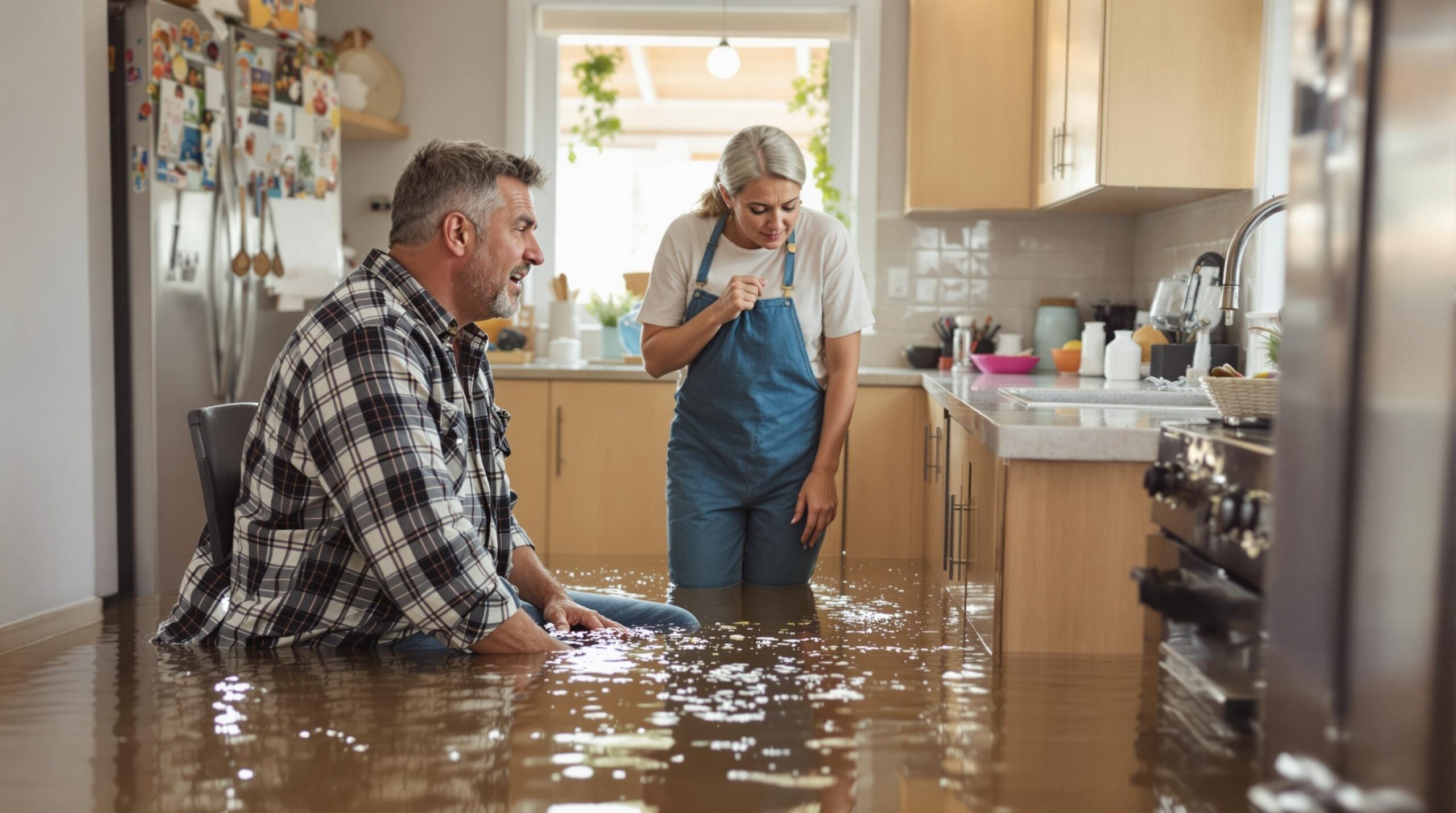
When Disaster Strikes
Imagine waking up one morning in Blackbird, DE, and as you step out of bed, you hear a strange gurgling noise coming from the bathroom. It doesn’t take long for you to realize the sound is coming from an overflowing sink, and before you know it, water is spilling onto the floor like an uninvited guest. Panic sets in, but don’t worry! When disaster strikes in the form of a plumbing emergency, taking swift and informed action is key.
What You Need to Know
Knowing how to react quickly and calmly can make all the difference in preventing further damage to your home. For many people, plumbing emergencies can feel overwhelming and confusing. After all, what do you do first? Should you call a professional, or can you handle it yourself? In this article, we are here to help you navigate these sticky situations with ease.
From recognizing the severity of the problem to understanding the immediate steps you should take, we’ve got you covered. This comprehensive guide will walk you through what to do in a plumbing crisis, ensuring that you remain composed even when chaos reigns. Remember, swift action can save both time and trouble down the road!
So, put on your thinking cap, and let’s dive into the world of emergency plumbing in Blackbird, DE. You’ll be ready to tackle any plumbing surprise that comes your way!
Identifying Common Plumbing Emergencies
When it comes to plumbing, not all issues are created equal. While some problems might be a mere nuisance, others can escalate into full-blown emergencies that threaten to wreak havoc on your home. Identifying the difference can save you time, money, and a huge headache. So, what exactly qualifies as a plumbing emergency? Let’s break down some of the most frequent culprits that every homeowner in Blackbird, DE, should be on the lookout for.
| Emergency Type | Description | Potential Cause | Initial Response |
|---|---|---|---|
| Overflowing Toilet | Water rising dangerously close to the rim or spilling over. | Clogged drain or faulty flapper valve. | Shut off the water supply immediately. |
| Leaking Pipes | Water dripping from pipes, often leading to visible water damage. | Corrosion, extreme temperature changes, or poor installation. | Turn off the main water supply and contain the leak if possible. |
| Water Heater Malfunction | Sudden lack of hot water or leaking around the water heater. | Cracked tank, sediment build-up, or faulty thermostat. | Turn off the power supply and shut off the cold water line. |
| Backed-Up Sewer Line | Multiple drains in the home refusing to clear, often accompanied by foul odors. | Clogs from debris, tree roots, or pipe damage. | Avoid using any water and contact a professional immediately. |
| Burst Pipe | Sudden rupture that causes significant flooding in the area. | Frozen pipes, high water pressure, or old pipe material. | Shut off the main water supply and evacuate the area if necessary. |
By recognizing these common plumbing emergencies, you can act swiftly to mitigate damage and maintain control over your home environment. It’s important to remain vigilant; sometimes, small warning signs could indicate impending trouble. Keep an eye out for minor leaks, changes in water flow, or strange sounds from your plumbing system, and don’t hesitate to address them before they escalate.
In the next section, we will explore the first crucial steps you should take in the event of a plumbing emergency. Armed with this knowledge, you’ll be well-prepared to tackle any unexpected plumbing situation that arises in your home!
First Steps: How to Respond Quickly and Effectively
When the unexpected strikes and you find yourself facing a plumbing emergency, knowing your first steps can be the difference between manageable repairs and costly damages. Anxiety often accompanies these moments, but a calm and collected response is critical. Here, we’ll outline a straightforward action plan that prioritizes safety and damage control.
1. Stay Calm and Assess the Situation
Your initial reaction may be panic, but taking a moment to breathe can help you focus. Look over the situation—determine the source of the problem and the extent of the damage. Is water overflowing, or is it a pipe that’s dripping? Identifying the exact issue will allow you to take appropriate action.
2. Turn Off the Water Supply
In most plumbing emergencies, the first effective step is to turn off the water supply to prevent the situation from worsening. This could mean shutting off the specific fixture’s valve or locating the main water shutoff valve for your property. Familiarizing yourself with the location of these valves long before an emergency occurs can save valuable time.
3. Contain Any Leaks
If you’re dealing with a leak or an overflowing toilet, your next move should be to contain the water. Use buckets, towels, or any available containers to catch or soak up the water. The goal here is to protect your floors and belongings from water damage while you work on a solution.
4. Avoid Further Use of Water
As soon as a plumbing emergency strikes, stop using water throughout your home. This includes turning off all faucets, appliances, and fixtures that use water. Using plumbing during an emergency can exacerbate the issue, leading to more significant problems down the line.
5. Call a Professional
While there are some minor plumbing issues you might feel comfortable tackling on your own, most emergencies require professional intervention. Don’t hesitate to call a licensed plumber. Provide them with as much detail as possible regarding the situation—this crucial information will help them prepare for the service call effectively.
6. Document the Damage
Take photographs or make notes on the damage as it unfolds. Documentation can be useful for insurance claims or to track the issue if it turns into a recurring problem. Having this information at hand will streamline necessary follow-ups and repairs.
7. Plan for Post-Emergency Recovery
Once the emergency has been managed, begin thinking about the ways you can recover from the situation. This might entail calling in a water damage restoration company if needed or assessing structural damage. It’s also an opportunity to review your plumbing systems for vulnerabilities, ensuring that similar emergencies do not reoccur.
In sum, responding quickly and effectively to plumbing emergencies can significantly reduce the stress associated with them. By staying calm, acting decisively, and contacting professionals, you can minimize damage and set the stage for necessary repairs. And remember, once the immediate crisis is resolved, you’ll want to consider long-term strategies for preventing future plumbing emergencies!
Long-Term Solutions: Preventing Future Emergencies
The aftermath of a plumbing emergency can often feel overwhelming, but it’s essential to shift your focus toward prevention. Understanding how to bolster your plumbing system and take proactive measures can significantly lower the risk of future crises. Here are some effective long-term solutions to consider, ensuring your home remains a sanctuary amidst the unpredictability of household issues.
1. Regular Maintenance Checks
One of the most effective ways to prevent future plumbing emergencies is through regular maintenance checks. Scheduling periodic inspections with a licensed plumber can help identify potential issues before they escalate into full-blown emergencies. These checks might include examining pipes, checking water pressure, and inspecting fixtures for wear and tear. A little attention can go a long way in safeguarding your plumbing system.
2. Upgrade Aging Plumbing
If your home has older plumbing, investing in upgrades can mitigate many risks. Outdated materials, such as galvanized pipes, can corrode and lead to leaks over time. Replacing them with modern, durable materials can enhance the longevity and reliability of your plumbing system. Discuss options with a plumbing professional who can recommend sustainable solutions suitable for your home.
3. Educate Yourself and Household Members
Knowledge is a powerful tool in plumbing prevention. Take the time to educate yourself and your family about your home’s plumbing system. Familiarize everyone with the locations of shut-off valves and main water supply lines. Understanding how to report issues and recognize early signs of trouble—such as unusual sounds or irregular water flow—can make a significant difference in addressing problems quickly.
4. Mind Your Plumbing Habits
Simple changes in your plumbing habits can contribute to the longevity of your system. Be cautious about what you flush down the toilet and pour down the drain. Avoid using harsh chemicals that can damage pipes, and instead opt for eco-friendly alternatives when cleaning. Additionally, let water run for a moment before using it to reduce sediment buildup in pipes, especially in older homes.
5. Insulate Pipes in Vulnerable Areas
In colder climates or homes with unheated spaces, protecting your pipes from freezing temperatures is crucial. Insulate pipes located in attics, basements, or exterior walls with foam or heat tape. Proper insulation not only prolongs the life of your plumbing but also prevents the costly damage that follows a burst pipe.
6. Install Water Leak Detectors
Investing in water leak detectors is a proactive step in minimizing the impact of plumbing emergencies. These devices can alert you to leaks instantly, allowing for quicker response times that can prevent extensive damage. Placing them near high-risk areas such as water heaters, under sinks, and behind appliances offers additional peace of mind.
7. Create an Emergency Plan
Lastly, an emergency plan tailored to your plumbing needs is invaluable. Involve all household members by outlining steps to take in case of a plumbing crisis, including documenting responsibilities and contact information for local plumbing services. Having a plan in place ensures everyone knows what to do, turning panic into preparedness.
By implementing these long-term solutions, you’re not just reacting to problems as they arise but actively working to create a resilient plumbing system. With the right preventive measures in place, you can transform your home into a fortress against future plumbing emergencies, striking a balance between peace of mind and practicality. As you prepare for potential issues to arise, keep in mind that some aspects of emergency plumbing services, particularly in Blackbird, DE, can offer you further support, ensuring you’re back on track with minimal disruption.
What to Expect from Emergency Plumbing Services in Blackbird, DE
When the unexpected strikes and your plumbing system fails, turning to emergency plumbing services in Blackbird, DE, becomes paramount. Understanding what to expect can ease the tension of such crises and help you navigate the situation with confidence. Emergency plumbers are on call to provide swift solutions, and their expertise guarantees that your urgent plumbing problems are addressed effectively.
1. Rapid Response Times
One of the most critical aspects of emergency plumbing services is their ability to respond quickly. Most providers understand that plumbing issues often require immediate attention to prevent extensive damage. Expect a technician to arrive at your location promptly, equipped with the right tools and knowledge to tackle your plumbing emergency efficiently.
2. Comprehensive Assessments
Once on-site, professional plumbers will conduct a thorough assessment of the situation. This initial inspection will help determine the cause of the problem—whether it’s a burst pipe, a severe leak, or a blocked drain. By identifying the root of the issue, they can provide you with both immediate remedies and long-term solutions to prevent recurrence.
3. Expertise in Various Plumbing Issues
Emergency plumbing services offer a wide range of expertise. From fixing leaks and unclogging drains to addressing more complex issues like sewage backups, these professionals are trained to handle diverse plumbing challenges. Their comprehensive knowledge means you can trust them to restore functionality to your plumbing system, knowing they have seen it all.
4. Use of Advanced Technology
Modern emergency plumbers utilize state-of-the-art technology to diagnose and repair issues effectively. Expect to see tools such as video inspection cameras, which allow plumbers to view the inside of pipes and identify blockages without invasive measures. This level of insight can lead to more targeted solutions, less disruption, and quicker resolutions.
5. Safety and Compliance
Emergency plumbing professionals prioritize your safety and adhere to local codes and regulations. In Blackbird, DE, this means that any repairs or installations will be in compliance with state plumbing laws, ensuring the highest safety standards are met. This commitment helps protect you from potential hazards and ensures your plumbing system functions properly.
6. Temporary Solutions for Immediate Relief
In many cases, emergency plumbers provide temporary solutions to buy you time until permanent repairs can be conducted. This may involve installing temporary fittings to stop leaks or providing advice on ways to manage the situation until further work can be done. Their goal is to minimize damage and restore peace of mind as quickly as possible.
7. Post-Emergency Guidance
Once the immediate crisis is managed, emergency plumbing services often offer valuable advice tailored to your specific situation. Expect your plumber to provide insights on how to prevent similar emergencies in the future, guiding you on effective maintenance tips and long-term strategies. This knowledge empowers you to take control of your plumbing system moving forward.
| Emergency Service Feature | Description |
|---|---|
| Rapid Response | Quick arrival times to address emergencies effectively. |
| Comprehensive Assessment | Thorough inspection to pinpoint the source of plumbing issues. |
| Expertise | Diverse skills to handle a range of plumbing emergencies. |
| Advanced Technology | Use of modern tools like video cameras for accurate diagnosis. |
| Safety Compliance | Adherence to local plumbing codes to ensure safety. |
| Temporary Solutions | Immediate fixes to alleviate damage until permanent solutions are applied. |
| Post-Emergency Guidance | Advice on future prevention and maintenance strategies. |
Emergency plumbing services in Blackbird, DE, serve as a lifeline in challenging situations, providing essential support during crises. With a clear understanding of what to expect, you’re better equipped to handle plumbing emergencies when they arise. Remember, while these professionals facilitate immediate solutions, being proactive and following the preventive measures outlined earlier will diminish the likelihood of needing their assistance in the future. As you gather this knowledge, consider also developing your own set of do-it-yourself quick fixes that can help buy you time until help arrives.
Do-It-Yourself Quick Fixes to Buy Time Until Help Arrives
While waiting for professional plumbing help can be a tense experience, there are several do-it-yourself (DIY) quick fixes that can help you manage minor plumbing emergencies. With a few basic tools and a little know-how, you can potentially mitigate damage and maintain some level of functionality until the experts arrive. Here are some handy tips for Blackbird residents facing common plumbing issues.
1. Managing Minor Leaks
If you discover a small leak, the first step is to turn off the water supply to the affected fixture or area. Once that’s done, you can use waterproof tape or a rubber patch (like a piece cut from an old hose) to temporarily seal the leak. Wrap the tape tightly around the leaky area. While this won’t be a permanent solution, it can significantly slow down or stop the leak until a plumber can make more comprehensive repairs.
2. Clogged Drains
When faced with a clogged drain, the first line of defense is often the trusty plunger. Ensure you have a good seal around the drain and give a few strong thrusts; this may dislodge minor clogs effectively. If plunging doesn’t work, try a mixture of baking soda and vinegar. Pour half a cup of baking soda down the drain, followed by half a cup of vinegar. Let it sit for about 30 minutes, then flush with hot water. This natural solution can help break down grease and debris.
3. Overflowing Toilets
In the event of an overflowing toilet, don’t panic! First, turn off the water supply by locating the valve behind the toilet and twisting it clockwise. If you can, use a plunger to clear the blockage. If water continues to rise, you can create a temporary barrier by placing towels or old clothes around the base to absorb any spillover. Keep the area clear and wait for the professional to arrive.
4. Low Water Pressure
Experiencing low water pressure can be frustrating, especially if you’re dealing with a plumbing emergency. First, check all your faucets; sometimes, a cartridge or aerator might be clogged with debris. Remove the aerator and clean it with vinegar to dissolve mineral buildup. If that doesn’t help, check your water main valve to ensure it’s fully open. You might be able to optimize your water flow until you can enlist a plumber’s help.
5. Hot Water Issues
If hot water becomes unavailable and you suspect a malfunctioning water heater, start by checking the thermostat setting. Sometimes, a simple adjustment can rectify the issue. If the heater trips the circuit breaker, reset it and wait a few minutes to see if hot water returns. If trouble persists, keep in mind that a steady supply of cold water is still usable—for flushing toilets or cleaning—until professional assistance arrives.
6. Open Lines of Communication
While it’s crucial to implement these quick fixes, it’s equally essential to communicate effectively with the emergency plumber once they arrive. Note what measures you’ve taken and any changes you’ve observed, as this can guide the plumber in diagnosing and resolving the issue more efficiently. Being prepared with information can lead to quicker repairs.
Employing these DIY quick fixes enables Blackbird residents to take control during plumbing emergencies, reducing panic while waiting for expert assistance. While these remedies can mitigate immediate issues, remember that they are not substitutes for professional plumbing solutions. Keeping an open line of communication and maintaining access to a reliable plumbing service will ensure that you can address both the symptoms and the root causes of any plumbing crisis effectively.
Preparing for Plumbing Emergencies in Blackbird
Knowing how to handle a plumbing emergency can make all the difference. With this guide, Blackbird residents are equipped to manage urgent situations, ensuring peace of mind and swift resolutions. Emergencies may strike unexpectedly, so understanding common issues, knowing when to call for help, and having a preventative plan are crucial steps every homeowner should take.
1. Common Plumbing Emergencies in Blackbird
In Blackbird, certain plumbing emergencies are more prevalent due to factors such as weather conditions, local infrastructure, and the types of homes in the area. The most common issues include:
- Frozen Pipes: Harsh winters can lead to water freezing in pipes, resulting in bursts when the pressure builds.
- Sewage Backups: Blockages in the sewage system can cause waste to back up into your home, creating unsanitary conditions.
- Leaky Faucets: A persistent drip can often go unnoticed until it becomes a larger leak, potentially leading to water damage.
- Water Heater Failures: Problems with hot water heaters can disrupt daily routines and lead to cold showers.
2. When to Contact a Plumber
Deciding when to call a plumber can sometimes be confusing. Here are a few indicators that your issue requires professional intervention:
- If you experience severe water leaks that can’t be controlled.
- When drains are clogged despite your best efforts using plunger or DIY solutions.
- If multiple faucets are losing pressure simultaneously, indicating a larger problem with your plumbing system.
- When your toilet won’t flush properly and you suspect a blockage deeper in the system.
3. Maintaining Your Plumbing System to Prevent Emergencies
Preventing plumbing emergencies is often easier than managing them. Here are some maintenance tips for Blackbird residents:
- Regular Inspections: Schedule yearly inspections with a plumber to catch potential issues early.
- Clean Gutters and Downspouts: Ensure that rainwater flows away from your home’s foundation to prevent flooding and water damage.
- Know Your System: Familiarize yourself with your plumbing system layout—knowing where shut-off valves are located can save time during an emergency.
- Use Drain Strainers: Prevent foreign objects from clogging your pipes by using strainer covers on drains.
4. Quick Fixes You Can Perform Yourself
While you may not have the expertise of a plumber, there are several minor fixes you can try if the situation permits:
- Using Pipe Insulation: In winter, insulating pipes can help prevent freezes.
- Adjusting Your Faucet Aerators: Regular cleaning can improve water flow and fix pressure problems.
- Checking for Loose Connections: Tightening fittings under sinks can stop leaks before they escalate.
5. Essentials for Plumbing Emergencies
Being prepared is key in plumbing emergencies. Consider keeping the following items on hand:
- Plunger: A basic tool for tackling clogged sinks and toilets.
- Pipe Wrench: Useful for tightening or loosening fittings.
- Duct Tape: A temporary solution to stop leaks until they can be professionally fixed.
- Waterproof Tarp: To cover floors or other surfaces in case of overflow or leaks.
- Emergency Contact List: A notepad or digital file with the contact information of your local plumbing service.
Equipped with this knowledge, Blackbird residents can confidently navigate plumbing emergencies. By being proactive in prevention, knowing the right time to call a professional, and having essential tools at your fingertips, you can enhance your home’s resilience against unexpected plumbing crises. Remember, while DIY solutions can help, never hesitate to seek professional assistance when the situation calls for it. Your plumbing system is a critical aspect of your home, and safeguarding it means ensuring your peace of mind.
“`
Being Proactive: The Importance of Emergency Preparedness
In the throes of a plumbing emergency, having a well-tailored plan of action can make all the difference. Beyond the immediate DIY fixes, Blackbird residents should prioritize preparedness to mitigate stress when disaster strikes. This involves not only understanding how to address common issues but also knowing the right steps to take while awaiting professional help.
Creating a Plumbing Emergency Kit
One of the best strategies to ensure peace of mind in the face of plumbing emergencies is to assemble a dedicated plumbing emergency kit. This kit should contain essential items such as a plunger, a variety of wrenches, tape (both duct and plumber’s tape), a bucket, old towels, and a flashlight. Having these tools readily available means you’ll be equipped to handle minor issues immediately and can focus less on scrambling to find what you need.
Documenting Your Home’s Plumbing Layout
Another valuable step is to familiarize yourself with your home’s plumbing layout. Know the locations of your main water shut-off valve and individual valves for appliances. Keeping a diagram in your emergency kit or recorded on your phone can save precious time during a crisis. This knowledge allows you to act swiftly, minimizing water damage and making your home safer while you await help.
Keeping Contact Information Handy
One cannot overstate the importance of having reliable contacts available in case of plumbing emergencies. Compile a list of trusted local plumbing services and keep their numbers saved in your phone, along with a physical copy in your emergency kit. This proactive approach ensures that when the unexpected happens, you won’t waste time searching for contact information or asking neighbors for recommendations while dealing with a flooding bathroom.
Educating Family Members
In homes with multiple occupants, every family member should be informed about the basics of plumbing emergencies. Hold a brief family discussion to talk about what each person should do if an emergency arises—who to call, where the emergency kit is kept, and how to shut off the water supply to different areas of the house. A little knowledge-sharing can empower everyone to act calmly and effectively, making the challenges of a plumbing emergency a shared responsibility.
Developing a Mindset of Prevention
Finally, it’s worth mentioning that being proactive is the cornerstone of plumbing health. Regular maintenance and inspection can prevent a significant number of emergencies from happening in the first place. Consider scheduling annual plumbing check-ups or periodically inspecting your pipes and fixtures for signs of wear. With this approach, you’re not just waiting for a crisis—you’re actively working to prevent one, allowing you and your family to enjoy your home with confidence.
Knowing how to handle a plumbing emergency will undoubtedly empower Blackbird residents to respond effectively when crises occur. By creating an emergency kit, documenting plumbing layouts, maintaining reliable contacts, educating others, and fostering a culture of prevention, homeowners can face plumbing issues head-on. Always remember: peace of mind comes from preparedness, and securing a trusted local plumbing service ensures swift resolutions whenever the need arises.
“`