
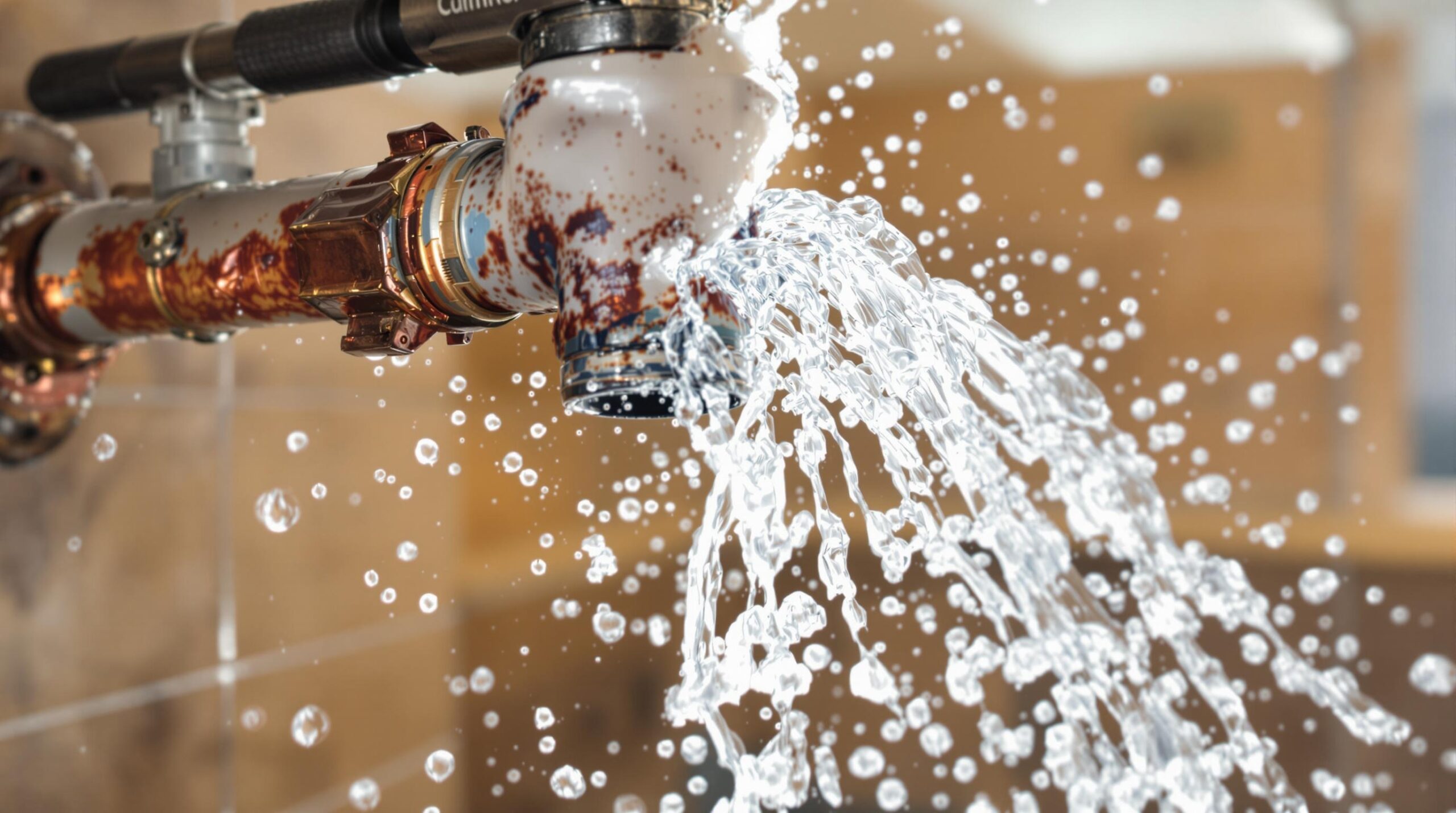
Understanding Plumbing Emergencies in Odessa, DE
Imagine waking up in the middle of the night to the sound of dripping water. You stumble into the bathroom only to find a small lake forming around your toilet! Panic sets in as you realize it’s not just a leak—it’s an emergency. For residents of Odessa, DE, being able to identify plumbing emergencies quickly can save you from a world of trouble.
Why Recognizing Plumbing Problems is Key
Plumbing issues can escalate faster than you can say “Oh no!” What might seem like a minor drip could be a sign of a much bigger problem just waiting to happen. That’s why it’s crucial to understand what qualifies as a plumbing emergency. Is your sink gurgling ominously? Is there a mysterious puddle forming under your kitchen cabinets? These can be important clues that something could go seriously wrong if not addressed promptly.
Every moment counts when water is involved! Recognizing these signs early on not only helps you avoid extensive damage to your home but also reduces the stress and chaos that often accompanies plumbing disasters.
The Importance of Quick Action
Once you’ve identified a potential emergency, acting fast is vital. A small issue can quickly morph into a costly disaster if left unchecked. In the following sections, we’ll walk you through the most common plumbing emergencies in Odessa, how to recognize them, and what to do when they strike. So keep your wits about you, and let’s dive into what makes a plumbing problem truly an emergency!
Common Emergency Plumbing Issues
Plumbing emergencies can strike at any time, often leaving homeowners in distress. Understanding the most typical plumbing crises can not only prepare you for potential problems but also arm you with the knowledge to act swiftly and effectively. Here are some of the most common emergencies you might encounter in Odessa, DE.
Burst Pipes
One of the more alarming plumbing issues, a burst pipe can lead to flooding in seconds. This problem often occurs due to extreme temperature changes, inadequate water pressure, or corrosion. When a pipe bursts, water can flood your home in a matter of minutes, leading to extensive water damage and potential loss of valuable belongings. It’s essential to recognize the signs early: listen for unusual noises in your walls and watch for damp spots that appear almost overnight.
Overflowing Toilets
We’ve all been there—perhaps it’s the aftermath of a plumbing mishap or simply too much toilet paper, but an overflowing toilet is never a pleasant experience. Aside from the mess it creates, it poses a serious risk of sewage contamination. If you notice your toilet bowl rising dangerously close to the rim, immediate action is required to prevent an overflow. Always keep a plunger handy, but knowing when to call in the professionals is equally critical.
Failed Water Heaters
Nothing disrupts your day quite like a water heater that stops working at the most inconvenient time. Whether it’s due to sediment buildup, electrical failure, or a malfunctioning thermostat, a faulty water heater can lead to unexpectedly chilly showers and disrupted routines. Look for telltale signs like unusual noises, leaks around the base, or inconsistent water temperatures. Staying vigilant could save you from a sudden shock—both literally and figuratively!
Table: Common Plumbing Emergencies and Their Signs
| Plumbing Issue | Common Signs |
|---|---|
| Burst Pipes | Sudden water pooling, unusual sounds from walls, drastic drops in water pressure. |
| Overflowing Toilets | Rising water level in the toilet bowl, gurgling noises, uncontrolled flushing. |
| Failed Water Heaters | Leaking tank, inconsistent water temperature, odd sounds coming from the unit. |
Understanding these common plumbing emergencies—burst pipes, overflowing toilets, and water heater failures—helps Odessa residents be better prepared. If you encounter any of these issues, remember that remaining calm and acting quickly is essential to minimizing damage and ensuring safety. In the next section, we will delve into the immediate actions you should take during a plumbing emergency to handle the situation effectively.
Immediate Actions to Take
When faced with a plumbing emergency, your immediate response can mean the difference between a manageable issue and a full-blown disaster. Here’s a step-by-step guide to walk you through the process calmly and effectively:
1. Stay Calm and Assess the Situation
First and foremost, take a deep breath. Panic can cloud your judgment and lead to costly mistakes. Assess your surroundings. Identify the specific plumbing issue you are facing—whether it’s a burst pipe, an overflowing toilet, or a leaking water heater. Understanding the severity of the situation will help guide your next moves.
2. Shut Off the Water Supply
To prevent further damage, your second step is to shut off the water supply. For most plumbing emergencies, locating the main water shut-off valve is crucial. This valve is typically found:
- Near the perimeter of your home, often in the basement or crawlspace.
- Outside the house, usually attached to a water meter.
Turn the valve clockwise until it stops. If the problem is isolated to a specific fixture, such as a sink or toilet, locate the dedicated shut-off valve under that fixture and turn it off instead.
3. Drain Remaining Water
Once the water supply is off, it’s important to drain any remaining water from pipes. Open faucets in affected areas to allow any trapped water to escape. This step is particularly important in the case of burst pipes, as it helps reduce pressure and minimizes further leaks or flooding.
4. Use Towels and Buckets to Contain Water
Next, gather some towels, buckets, or containers to start addressing any water that may have already spilled. Quickly blot the water rather than rubbing, which can damage flooring or carpets. If you have access to a wet/dry vacuum, now’s the time to put it to work to suck up standing water.
5. Document the Damage
If you plan on filing an insurance claim or need to consult a professional later, it’s essential to take photographs of any damage caused. Documenting the situation helps create a visual record that can assist in both repair assessments and insurance discussions.
6. Evaluate Safety Risks
Ensure that your environment is safe. Look for any electrical hazards if water is pooling near outlets or appliances. If you feel at all uncertain, switch off the electricity to the affected areas at your circuit breaker. Avoid walking in standing water until you are certain it is safe.
7. Call a Professional
With the initial chaos under control, it’s time to reach out to a qualified plumber. While certain small fixes might be within your capability, issues like burst pipes or significant overflow typically require professional expertise to ensure they are properly addressed and to avoid recurring problems. Provide the plumber with all the information you’ve gathered, including the steps you’ve taken and any observations about the issue.
By following these immediate actions, you’ll not only minimize damage but also lay the groundwork for a smoother recovery process. Preparation and knowledge are key in handling plumbing emergencies, so stay informed and ready. In the next section, we will explore effective solutions for specific plumbing emergencies that might arise!
Effective Solutions for Various Plumbing Emergencies
Once you’ve stabilized the situation, it’s crucial to have a plan for both immediate fixes and long-term prevention. Here’s a closer look at how to address specific plumbing emergencies effectively, from temporary fixes to long-term solutions that will help you avoid future issues.
Addressing a Burst Pipe
A burst pipe can feel overwhelming, but temporarily patching the leak can buy you valuable time. Use a pipe clamp or rubber patch to cover the hole until you can make a permanent repair. For long-term solutions, consider replacing any old or corrosion-prone pipes with durable materials like PEX or copper piping. Additionally, insulating pipes in colder areas of your home can prevent freezing, a common culprit of burst pipes.
Dealing with an Overflowing Toilet
To stop an overflowing toilet immediately, remove the tank lid and push down on the flapper to halt the flow of water. If the tank continues to fill, you can lift the float arm to stop the refill altogether. For a long-term fix, inspect the fill valve and flapper for wear and replace any faulty components. Regular maintenance and water-saving fixtures can greatly reduce the risk of overflowing.
Managing a Clogged Drain
Clogs can be tackled with a plunger or a plumbing snake for temporary relief. For persistent issues, consider installing a drain strainer to catch debris before it enters the pipes, and consider using enzymatic cleaners that break down organic matter without damaging your plumbing. Regularly cleaning your drains can help prevent buildup and blockages.
Handling a Leaky Faucet
A leaky faucet is often a simple fix, typically requiring replacement of the washer or O-ring inside the faucet. Turn off the water supply and disassemble the faucet to identify the worn parts. For preventive measures, you can install aerators that reduce water flow and strainers that catch particles before they cause trouble, ultimately saving you from leaks in the long run.
Responding to Water Heater Issues
If your water heater is leaking, first shut off the cold water supply and the power source. You can use a bucket to drain excess water from the heater. For long-term solutions, regular maintenance—like flushing the tank to remove sediment buildup—can significantly extend the life of your water heater. Additionally, consider upgrading to a tankless water heater, which often offers more efficiency and less risk of leaks.
Preventing Future Emergencies
While addressing an immediate plumbing problem, it’s also essential to establish a routine of preventive measures. Regularly inspect plumbing fixtures, check for signs of wear and tear, and invest in routine maintenance checks. Educating family members about how to respond to plumbing emergencies can also help ensure everyone knows the necessary steps to take, reducing panic and preventing potential damage.
Understanding and implementing these effective solutions for various plumbing emergencies can empower you to handle situations with confidence. Remember, a proactive approach not only resolves issues as they arise but also lays the groundwork for a healthy plumbing system that minimizes emergencies in the future. As you navigate these challenges, it’s also important to discern when it’s time to call in the experts for assistance.
When to Call in the Experts
While many plumbing emergencies can be tackled with a bit of DIY ingenuity, some issues truly require the skilled hands of a professional. Identifying when to seek expert help is vital; trying to navigate complex plumbing problems without the right expertise can lead to even more significant damages. Here are some essential indicators that it’s time to pick up the phone and contact a plumber in Odessa, DE:
- Persistent Problems: If a clog or leak keeps recurring despite your best efforts, it’s a sign that the issue may be rooted deeper within your plumbing system. A plumber can conduct a thorough inspection to diagnose the underlying cause and provide a lasting solution.
- Unusual Sounds or Smells: Gurgling noises, banging pipes, or foul odors are signals that something isn’t quite right. These symptoms could indicate serious obstructions, trapped air, or even sewage problems that warrant professional assessment to ensure safety and compliance.
- Flooding or Major Water Damage: If you experience severe water damage or flooding, immediate intervention is crucial. Professional plumbers have the tools and knowledge to handle emergency situations, including assessing structural damage and mitigating risks associated with water exposure.
- Persistent Low Water Pressure: If you cannot seem to resolve low water pressure despite your efforts, it may be a symptom of hidden leaks or faulty plumbing that must be addressed by an experienced professional.
- Renovation Projects: If you’re planning on updating your kitchen or bathroom, enlisting a plumber for any system modifications can ensure compliance with local codes and help avoid future mishaps. Experienced plumbers can offer advice on pipe layouts, fixture placements, and more.
- Water Heater Issues: Complicated water heater problems, such as leaks or inconsistent temperatures, typically require trained professionals to diagnose and fix. Avoid attempting repairs on your own, as mishandling can lead to safety concerns.
Choosing the Right Plumber in Odessa, DE
When it comes to selecting a plumber, you want someone who is reliable, experienced, and trustworthy. Here are some key factors to consider:
| Criteria | Importance |
|---|---|
| License and Insurance | Ensure the plumber is licensed and carries appropriate insurance to protect against any potential mishaps. |
| Experience | Look for a plumber with several years of experience in the field, particularly with the specific type of problem you’re facing. |
| Reviews and Recommendations | Check online reviews or ask for references from friends and family to gauge the quality of service you can expect. |
| Response Time | In emergencies, a fast response time can be crucial. Confirm their availability for urgent situations. |
| Warranties | Inquire about warranties on labor and parts; a good plumber often stands behind their work. |
By understanding when to call in the experts and how to choose the right plumber, you can not only solve your current plumbing crisis but also establish a relationship with a professional who can help maintain your plumbing system for years to come. With the right support, you’ll feel confident in addressing any emergency that arises, knowing you have the best people on your side to help keep your home running smoothly.
Preventative Measures to Avoid Future Issues
Just like a well-tuned engine, a properly maintained plumbing system can save you from frustrating emergencies down the line. Implementing preventative measures not only enhances the longevity of your plumbing but also grants you peace of mind, knowing that you’ve taken steps to mitigate potential problems. Here are some proactive tips to help you care for your plumbing system and establish a routine of maintenance practices:
- Regular Inspections: Schedule routine inspections of your plumbing system at least once a year. A qualified plumber can identify early warning signs of leaks, corrosion, or wear and tear that may go unnoticed. By addressing these issues promptly, you can prevent more significant problems and costly repairs in the future.
- Know Your System: Familiarize yourself with your plumbing layout, including the location of shut-off valves and main water lines. Understanding your system enables you to act quickly in an emergency, while also assisting professionals if issues arise.
- Maintain Your Drains: To keep your drains flowing freely, perform regular maintenance such as pouring boiling water down your sinks, using a mixture of vinegar and baking soda monthly, and installing screens to catch debris. Avoid tossing grease, food particles, and non-biodegradable items down your drains; these can cause clogs that disrupt your plumbing.
- Check for Leaks: Inspect faucets, toilets, and visible pipes frequently for leaks. Even small drips can lead to wasted water and increased utility bills. If you notice any signs of leakage, repair them promptly or consult a plumber for more extensive fixes.
- Winterize Your Plumbing: As temperatures drop, be proactive in protecting your plumbing from freezing pipes. Insulate exposed pipes, especially in unheated areas like basements and attics. Let faucets drip during extreme cold spells to reduce pressure build-up and prevent bursting.
- Water Quality Management: Regularly test your water quality for contaminants. If you notice a strange taste, odor, or color, this may indicate a problem with your plumbing or a need for water treatment solutions. Keeping your water supply clean can alleviate pressure on your pipes and plumbing systems.
- Educate Your Household: Teach all members of your household about responsible plumbing use. Simple practices like avoiding excessive toilet paper use and being cautious with what goes down the kitchen sink can go a long way in preventing clogs and backups.
- Stay Alert for Signs of Trouble: Pay attention to your plumbing system’s behavior. Sudden changes in water pressure, frequent backups, or signs of moisture on walls could be indicative of larger issues brewing behind the scenes. Monitoring these signals allows you to take action before minor inconveniences escalate into major emergencies.
By incorporating these preventative measures into your routine, you can not only prolong the life of your plumbing system but also safeguard your home from unwanted surprises. While no system is immune to problems, taking a proactive approach will empower you to manage your plumbing more effectively and ensure a smoother experience for you and your family.
Frequently Asked Questions
As you become more proactive about your plumbing, questions are bound to arise. Understanding your plumbing system can demystify the potential challenges you might face. Here are some frequently asked questions that will arm you with the knowledge you need to navigate plumbing issues confidently:
- What should I do if my pipe bursts in Odessa, DE?
The moment you suspect a burst pipe, immediate action is crucial. First, locate your main water valve and turn it off to prevent further water damage. Next, contact a local plumber right away—they are equipped to handle emergencies and can help you assess the situation to mitigate damage. Remember, time is of the essence when managing plumbing disasters. - How can I unclog a stubborn toilet on my own?
Don’t panic if your toilet becomes clogged. A flange plunger, designed specifically for toilets, is your best tool for the job. Ensure you create a tight seal over the drain and plunge gently to avoid damaging the toilet. If you still can’t clear the obstruction, don’t hesitate to call a plumber for professional assistance rather than forcing the issue.
Keeping these tips in mind can make a significant difference in your ability to manage plumbing issues effectively and with less stress. Whether you face a pipe burst or a malfunctioning toilet, being armed with knowledge empowers you to act decisively and appropriately.
It’s not just about reacting to problems—it’s about preventing them from becoming overwhelming situations. Your home is a sanctuary, and ensuring its plumbing operates smoothly will create a more harmonious living environment.
Final Takeaway: Be Prepared
In the world of plumbing, preparation is your strongest ally. Emergencies can strike at any time, and being caught off guard can lead to chaos and damage. Having a solid emergency preparedness plan ensures that when an unexpected plumbing problem arises, you’re ready to handle it efficiently, minimizing stress and disruption. So, what can you do to ensure you are prepared? Here’s a comprehensive guide to being equipped and ready for plumbing emergencies.
Essential Tools for Every Homeowner
First and foremost, having the right tools on hand can make all the difference when a plumbing crisis occurs. Invest in a basic plumbing toolkit that includes essential items such as:
- Adjustable Wrench: Perfect for loosening and tightening nuts and bolts.
- Plunger: A must-have for tackling clogged drains and toilets.
- Pipe Wrench: Great for gripping and turning pipe fittings.
- Tape Measure: Useful for measuring plumbing fixtures and spaces accurately.
- Plumbing Snake: Ideal for clearing deeper clogs that a plunger cannot handle.
- Bucket: To catch water during repairs and avoid spills.
- Gloves: Protect your hands while handling potentially messy plumbing issues.
These tools can empower you to address common issues such as minor leaks or clogs quickly, without having to wait for a professional. Keeping them organized in an accessible space ensures you won’t be searching in a panic when an unexpected situation arises.
Contacts You Can Count On
While DIY solutions can be helpful, it is equally important to have a reliable plumber on speed dial. When emergencies occur, time is of the essence, and knowing who to call can relieve immense pressure. Take the time to find a qualified plumber that you trust, and create a rapport. Inquire about their services, response times, and availability outside of standard business hours, as plumbing emergencies don’t always adhere to a schedule.
Additionally, don’t underestimate the significance of documenting your plumbing system. Have a list of important contact numbers, including:
- Emergency plumber
- Your water utility company
- Local building inspector
- Neighbors or trusted handyman services
Keep this list in a readily accessible location, such as on your refrigerator or in a dedicated folder with your home maintenance documents. This will help ensure that you have what you need when panic starts to set in during a household crisis.
Stay Calm and Act Quickly
Having the tools and contacts is only half the battle; knowing how to respond when an emergency strikes is equally crucial. Should a plumbing problem occur, such as a burst pipe or overflowing toilet, remember to stay calm. Panic often leads to hasty decisions that can exacerbate the situation. Here are key steps to take in various emergencies:
- For a burst pipe, immediately shut off the main water supply to prevent further damage.
- If a toilet overflows, turn off the water supply to the toilet and use your plunger to relieve the clog.
- In case of a clogged sink, try your plumbing snake before reaching for toxic chemicals that could worsen the blockage.
- Document the situation with photos if needed—this can be helpful for insurance claims.
When it comes to emergency preparedness, knowledge is just as important as the tools you gather. Make an effort to educate yourself on basic plumbing issues and repairs. Engage in DIY workshops, watch tutorial videos, or even read up on plumbing guides to empower yourself. The more you know, the better equipped you will be to tackle challenges as they arise.
Ultimately, being prepared for plumbing emergencies not only protects your home but can also save you from undue stress. Remember, it’s not about avoiding problems entirely—it’s about being ready to address them swiftly and effectively. Shift your mindset from reactive to proactive, and take control of your plumbing situation today!