
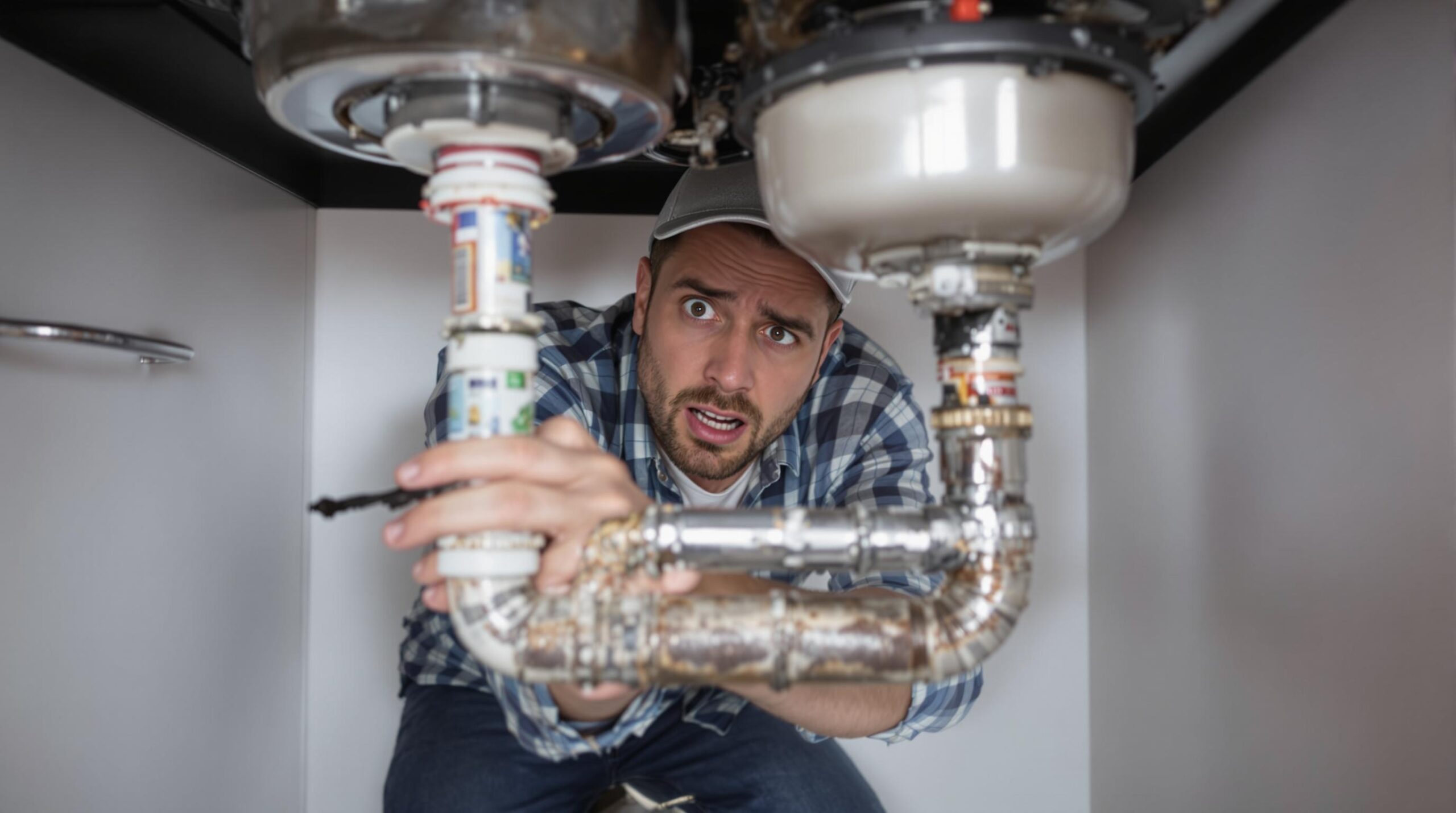
Urgent Plumbing Problems in Townsend, DE
Imagine this: you’re enjoying a quiet evening at home when suddenly, you hear an alarming gurgle followed by an unstoppable rush of water. Your kitchen begins to resemble a mini ocean, or perhaps your bathroom sink has turned into an impossible swamp of tangled hair and goo. In those frantic moments, it feels like the walls are closing in as water rises and stress levels soar.
Act Fast When Every Second Counts
These situations aren’t just inconvenient; they can lead to significant damage if not addressed promptly. Living in bustling Townsend, DE, the last thing you want is to be caught off guard by a plumbing emergency when there’s a town festival or family gathering just around the corner. Knowing what to do first can make all the difference.
This guide is here to help you through the most common emergency plumbing situations you may face. From overflowing toilets to stubborn clogs, we’ll walk you through simple yet effective solutions to manage the mayhem until a professional arrives. Get ready to become your own plumbing hero in moments that feel like a crisis!
Identifying Common Emergency Plumbing Issues
Before you can play the role of a plumbing hero, it’s crucial to recognize the common emergencies that can arise in your home. Here’s a closer look at the most frequent plumbing crises faced by residents in Townsend, DE, along with signs to watch for and preventative measures you can implement to mitigate these issues.
| Emergency Plumbing Issue | Signs to Look For | Preventative Measures |
|---|---|---|
| Overflowing Toilet | Rising water levels; gurgling sounds; slow flushing | Regularly inspect the flapper and fill valve; avoid flushing non-degradable items |
| Leaky Faucet | Constant dripping; higher water bills; water stains | Schedule routine maintenance; replace washers and O-rings as needed |
| Clogged Drains | Slow drainage; foul odors; recurring backups | Use drain screens; perform regular cleanings with hot water and vinegar |
| Ruptured Pipe | Water stains on ceilings; sudden drops in water pressure; puddles near fixtures | Inspect pipes regularly; insulate pipes in cold areas; know your water main shut-off location |
| Water Heater Issues | No hot water; strange noises; leaks around the unit | Flush the tank annually; check the anode rod; inspect connections for wear |
By familiarizing yourself with these common emergencies, not only can you save time during a crisis, but you can also take proactive steps to prevent these situations from escalating. Recognizing these issues early means you can react swiftly with appropriate measures while waiting for a professional to arrive. Trust in your knowledge, and you’ll be ready to tackle any plumbing emergency head-on, making sure your home remains a safe and comfortable space amidst potential chaos.
Immediate Steps to Take in a Plumbing Emergency
When disaster strikes and a plumbing emergency rears its head, the initial moments can be a whirlwind of panic and confusion. However, it’s essential to stay calm and composed, as your swift action can greatly mitigate damage and restore order. Here’s a step-by-step guide on what to do when faced with a plumbing crisis.
- Turn Off the Water Supply – The first and most critical step in any plumbing emergency is to stop the flow of water. Locate the main water shut-off valve for your home, which is usually found near the perimeter of the house, in the basement, or outside. If it’s a localized issue, such as a leaky faucet or overflowing toilet, turn off the specific valve for that fixture instead.
- Assess the Situation – Take a deep breath and carefully evaluate the scope of the problem. Is water gushing from a pipe? Is your toilet overflowing onto the floor? Are you facing a significant leak? Identifying the nature and severity of the issue will inform your next steps and help you communicate effectively with a plumber if needed.
- Contain the Water – If water is escaping and causing potential damage, take immediate action to contain it. Use towels, buckets, or even trash bins to catch drips and spills, and avoid further damage to your flooring and furnishings. If there are electrical outlets or appliances nearby, exercise caution and unplug them if it’s safe to do so—water and electricity do not mix!
- Document the Damage – Grab your phone and take pictures or videos of the affected areas. This documentation will be crucial for insurance claims and can be helpful for the plumbing professional you bring in to assess the situation.
- Communicate with Family Members – If you live with others, make sure to inform them of the situation. This helps prevent any accidents and allows everyone to contribute to managing the emergency. It’s also a good time to remind them of where your water shut-off valve is located.
- Contact a Professional – After taking immediate action, it’s time to call in the experts. Contact a reputable plumbing service in your area and provide them with a detailed description of the issue. Be prepared to share what steps you’ve already taken and the extent of the damage you’re dealing with.
- Implement Temporary Fixes – If you have some plumbing knowledge and the situation allows, you may be able to apply a temporary fix while you wait for the professionals. For example, you can use plumber’s tape to seal minor leaks or a plunger to address a clogged toilet. Remember, however, that while DIY fixes can be helpful, they’re not substitutes for professional repair.
- Stay Informed – As you navigate through the emergency, consider staying close to trusted online resources and guides that can provide you with expert advice based on your plumbing issue. However, avoid overwhelming yourself with information—focus on the steps you can take immediately.
By keeping a clear head and taking immediate action, you can significantly reduce the impact of a plumbing emergency. Remember, the key is not to panic—trust your instincts, follow these steps, and you’ll be well on your way to restoring calm in your home. Once the emergency is under control, it’s an excellent time to consider preparing for the future with an essential emergency plumbing toolkit. Let’s dive into what items every homeowner should have on hand to tackle any plumbing mishaps that might arise.
The Essential Emergency Plumbing Toolkit Every Home Should Have
Being prepared for a plumbing emergency doesn’t just hinge on your ability to act quickly; it also relies on having the right tools at your fingertips. An effective emergency plumbing toolkit can make all the difference, empowering you to take charge of the situation until professional help arrives. Here’s a list of essential items every homeowner should include in their emergency plumbing toolkit:
- Adjustable Wrench – This versatile tool is critical for loosening or tightening fittings and bolts on pipes and fixtures. A durable adjustable wrench will be your best friend when trying to stop leaks or replace faucet parts.
- Plumber’s Tape – Also known as Teflon tape, this item is invaluable for sealing threaded joints to prevent leaks. It’s an easy, quick fix for minor issues that can stave off a full-blown emergency.
- Plunger – A toilet plunger is a must-have for any home. It’s essential for addressing clogs in toilets and sinks. Be sure to choose a high-quality version designed specifically for toilets, as it boasts a flange that provides better suction and effectiveness.
- Pipe Wrench – If you encounter stubborn pipes that need extra leverage for turning or gripping, a pipe wrench should be in your toolkit. It’s particularly useful for larger diameter pipes and fittings.
- Channel Lock Pliers – These multi-purpose pliers are essential for gripping, twisting, or cutting wire as well as tightening or loosening plumbing fixtures. Their adjustable jaw allows them to tackle various sizes.
- Towels and Rags – Plenty of absorbent towels or rags will come in handy for mopping up spills or containing leaks. They’re low-tech but incredibly effective in managing potential water damage until a permanent fix is in place.
- Bucket – A sturdy bucket should be part of your toolkit for catching excess water or holding tools and materials during a repair. Additionally, it’s imperative for quick clean-ups of large spills.
- Gloves – To protect your hands from contaminants and sharp edges, keep a pair of heavy-duty gloves in your kit. They’ll ensure a safe handling experience when dealing with plumbing issues.
- Flashlight – In case of a plumbing emergency that occurs after dark, having a reliable flashlight can help you locate the issue without fumbling in the dark.
- Pipe Sealant or Epoxy Putty – These materials can serve as a temporary solution to stop leaks in pipes, especially in emergencies where a quick fix is necessary. Just remember that these are stopgap fixes and not permanent solutions!
By stocking this essential toolkit, you can empower yourself to respond effectively to plumbing emergencies, minimizing damage and keeping your home safe and secure. Remember, while being prepared is crucial, knowing your limits is just as important. It’s okay to reach out for professional help when you need it. Now that you’re equipped to handle minor mishaps, the focus shifts to understanding when it’s time to call in the experts, such as Townsend Plumbing Services, to handle the more significant plumbing challenges.
Knowing When to Call Townsend Plumbing Services
As homeowners, it’s essential to navigate the delicate balance between DIY repairs and knowing when to summon the expertise of professionals like Townsend Plumbing Services. While your emergency plumbing toolkit prepares you for minor mishaps, certain situations warrant a professional touch to ensure safety and efficacy in tackling the issue.
But how do you decide when it’s time to place that call? Here are some pivotal indicators that it’s time to contact the experts:
- Persistent Leaks – If you find yourself constantly battling leaks, it may point to underlying plumbing issues, such as corroded pipes or poor installation. Townsend Plumbing Services can identify the root cause of the problem and ensure it’s addressed properly.
- Multiple Clogs – If clogs seem to be occurring throughout your home rather than just in one sink or toilet, this could indicate a more significant drainage issue. Professionals possess the tools to assess and resolve blockages that are beyond standard plunging techniques.
- Low Water Pressure – Sudden drops in water pressure can stem from various issues, including damaged pipes or leaks deep within your system. Unqualified attempts to remedy this problem might exacerbate the situation, making it wise to consult with experienced plumbers.
- Unusual Noises – Rumblings, whistling, or gurgling sounds from your plumbing may signal a significant issue. Transporting a ton of water through hidden pipes should be seamless; uncharacteristic noises can indicate a need for professional examination.
- Water Damage – If you notice water stains on ceilings or walls, it’s a clear signal that something has gone awry. Ignoring such signs can lead to mold growth and structural damage. Promptly calling in the experts to investigate can save you from more extensive repairs down the line.
- Toilet Issues – If your toilet continually runs or you’re dealing with constant backups, it’s a hassle best dealt with by experienced professionals. The intricate components of a toilet system require a nuanced approach to avoid further complications.
- Difficult Repairs Beyond Your Skillset – Some plumbing tasks require specialized knowledge, tools, and experience. When in doubt about your ability to handle a repair, it’s best to put aside pride and seek help from the experts who can ensure the job is done right the first time.
When to Call Townsend Plumbing Services
| Situation | Signs You Need a Professional |
|---|---|
| Persistent Leaks | Frequent wet spots or dampness indicating an ongoing issue. |
| Multiple Clogs | Clogs occurring across various fixtures in the house. |
| Low Water Pressure | Significant water pressure drop affecting multiple faucets. |
| Unusual Noises | Sounds from pipes that are not typical during regular use. |
| Water Damage | Visible stains on walls, ceilings, or floors caused by leaks or bursts. |
| Toilet Issues | Continuous running or malfunctioning toilets that won’t flush properly. |
| Difficult Repairs | Tasks that seem to exceed your experience or tool capability. |
When facing plumbing issues, it’s vital to recognize your limits. Remember, it’s not just about fixing the symptoms; it’s about resolving the underlying problems that may lead to future complications. By understanding when to reach out to Townsend Plumbing Services, you can harnet professional expertise and ensure a resolute solution, allowing you to rest easy knowing your plumbing is in capable hands. Moving forward, while you are better equipped to manage emergencies, prevention stands as the best strategy to mitigate issues before they arise.
Tips for Preventing Future Plumbing Emergencies
As with many household maintenance issues, a proactive approach can save you from the stress of a plumbing emergency. By adopting certain habits and practices, you can contribute significantly to your plumbing system’s longevity, keeping future problems at bay. Here are some essential tips to prevent plumbing emergencies from occurring:
- Regular Inspections – Conduct routine inspections of your plumbing system throughout the year. Look for signs of wear and tear, such as rust, corrosion, or pipe deterioration. Early detection can prevent larger issues from developing and help you stay ahead of potential emergencies.
- Maintain Your Gutters and Downspouts – Ensure your gutters and downspouts are free from debris and functioning correctly. Clogged gutters can lead to water backflow and foundation issues, which may impact your plumbing system. Regular cleaning and maintenance can mitigate these risks.
- Watch What Goes Down the Drain – Be cautious about what you dispose of in your sinks, toilets, and drains. Avoid flushing items not designed for toilets, like wipes and feminine hygiene products, since they can cause major blockages. In kitchens, grease and food scraps can clump and lead to clogs; instead, scrape dishes into the trash before rinsing them.
- Know Your System – Familiarize yourself with your home’s plumbing layout, including the locations of shut-off valves and cleanouts. Being able to quickly access these components during an emergency can drastically reduce damage and response times.
- Be Aware of Water Pressure – High water pressure can strain your plumbing system, leading to leaks and burst pipes. Invest in a pressure gauge to monitor your water pressure regularly. If it exceeds 60-70 psi, consider installing a pressure-reducing valve to protect your plumbing.
- Insulate Pipes – Insulating your pipes can prevent freezing and bursting during the colder months. Pay special attention to pipes in unheated areas such as basements and garages, and add insulation sleeves or heat tape where necessary.
- Maintain Your Water Heater – Schedule regular maintenance for your water heater, including flushing it annually to remove sediment buildup. Check the temperature setting; generally, 120°F is sufficient for hot water needs while minimizing the risk of scalding.
- Keep an Eye on Your Plants – Roots from trees and shrubs can invade and obstruct pipe systems. If you notice drainage issues, evaluate your landscaping and consider consulting with a professional about plant placement and root barriers to avoid damages.
- Educate Your Family – Involve all family members in plumbing best practices. Teach children what should and should not be disposed of in the plumbing system, helping them understand the importance of looking after your home’s plumbing.
By taking these preventive measures, you empower yourself to maintain your home’s plumbing system actively. While emergencies may still occur, being proactive can significantly reduce their frequency and severity. Remember, vigilance and proper care are vital in preventing plumbing disasters, allowing for a smooth-flowing lifestyle and peace of mind.
When the winter chill sets in, the last thing anyone wants is frozen pipes. If your pipes do freeze, the first step is to gently apply heat—this can be done by wrapping them in towels soaked in warm water or using a hair dryer on a low setting. Always be careful not to use open flames, as this poses a significant risk. If you notice that water isn’t flowing through your faucets even after attempting to thaw the pipes, it’s essential to call a plumber. Waiting too long can lead to a pipe bursting, which can cause extensive and costly water damage.
In the unfortunate event of a leak, knowing how to act can save you from extensive damage to your home. As a temporary measure, a sturdy roll of duct tape can work wonders; simply wrap it tightly around the leak to reduce water flow until professional help can be summoned. Alternatively, for larger leaks, you may find a pipe clamp helpful. This method provides a bit of extra security while waiting for a plumber to arrive.
Another common plumbing issue that can cause headaches is clogged drains. To stave off this problem, preventive maintenance is key. Establish a routine of cleaning your drains regularly using a natural mixture of baking soda and boiling water. This method not only helps keep your drains clear but is also eco-friendly. Consider doing this at least once a month to keep the pipes flowing smoothly and avoid any unwanted blockages.
Emergency plumbing issues require swift and informed action. By following this guide, you can mitigate damage while ensuring the safety of your property. Stay prepared, and remember that professional Townsend plumbing services are just a call away.
When Emergency Strikes – Your Swift Response Guide
Despite our best efforts at preventive care, plumbing emergencies can occur when we least expect them. Whether it’s a sudden pipe burst from the winter chill or an unexpected backup in your kitchen sink, the key to effectively managing these crises lies in how swiftly and calmly you respond. Here’s a guide to help you act swiftly and knowledgeably when plumbing issues arise, minimizing potential damage and ensuring your home’s safety.
First and foremost, remain calm. Panic can lead to hasty decisions that may exacerbate the situation. Instead, take a deep breath and assess the problem. Is there an obvious source of the leak? Have you noticed any unusual sounds or smells coming from your plumbing? A clear grasp of what you’re dealing with will help you make informed decisions.
Next, locate the main water shut-off valve immediately. This action can prevent further flooding or water damage. In most homes, this valve is situated in the basement, crawl space, or near your water meter. Turning off the main water supply can stop the flow, giving you critical time to address the issue without escalating the damage.
If a specific fixture is affected, shut off its individual valve. This can often be found directly beneath the sink, behind the toilet, or near the appliance. Knowing how to access these valves can be the difference between a minor inconvenience and a full-blown disaster.
In cases of severe leaks or flooding, it’s crucial to move any valuables or items that could be damaged. Roll up rugs and relocate furniture if necessary, as water can quickly seep into these items, resulting in long-lasting damage. If the emergency occurs during off-hours or beyond the weekend, it’s important to know that help is just a call away – professional plumbing services can often provide emergency assistance, even outside regular business hours.
As you address the water issue, document the damage for insurance purposes. Take photos of affected areas and any visible damage, as this documentation may prove invaluable when filing a claim. Furthermore, report the incident to your insurance provider if the damage appears catastrophic; they can guide you through the next steps toward recovery.
Once the immediate crisis has been managed and the plumbing issue adequately contained, it’s advisable to consult with professional plumbers like Townsend plumbing services. These experts have the tools and knowledge needed to properly assess the situation, identify root causes, and implement long-lasting solutions. DIY interventions may resolve minor issues, but significant plumbing problems often require the expertise of licensed professionals to ensure your system is running efficiently and safely.
Remember, being prepared and informed is your best defense in navigating home plumbing hazards. By familiarizing yourself with your plumbing layout, knowing where your shut-off valves are, and maintaining regular upkeep, you’re not just safeguarding your property but also ensuring your peace of mind. Let this guide serve as your first line of defense in any plumbing emergency – because when it comes to plumbing, the best offense is a good and proactive game plan.
By staying prepared and acting swiftly, you mitigate damage, ensuring the safety and integrity of your property. When in doubt, Townsend plumbing services are just a call away, ready to provide the expertise you need in any plumbing predicament.