
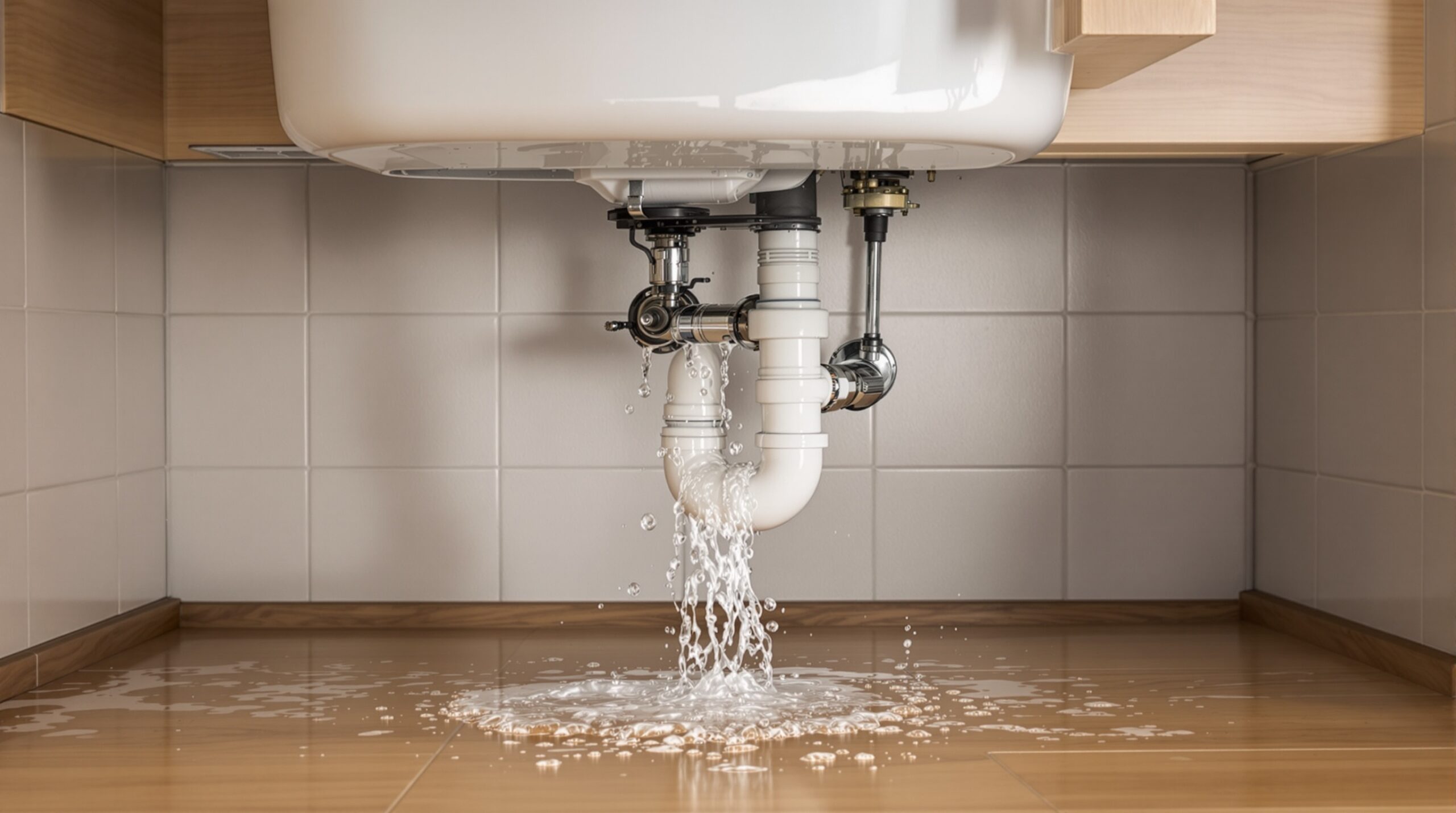
Facing Plumbing Emergencies in Warwick, DE
If you’ve ever experienced a plumbing disaster, you know how chaotic and stressful it can be. One moment, everything seems fine in your home or business, and the next, you’re dealing with a burst pipe or an overflowing toilet. In Warwick, DE, these plumbing emergencies can happen at the most unexpected times, leaving you in a panic and scrambling for solutions.
Stay Calm: Your First Step
When faced with a plumbing crisis, it’s easy to feel overwhelmed. But the first thing you should do is take a deep breath. Staying calm is crucial. Instead of letting stress take over, focus on the actions you can take to minimize the damage. Remember, you’re not alone in this; there are effective strategies to help you get through these pesky plumbing problems.
Quick Tips to Tackle Plumbing Emergencies
In the following sections, we’ll explore essential steps you can take immediately when trouble strikes. From shutting off the water supply to knowing when to call a professional, these handy tips will empower you to tackle plumbing emergencies swiftly and effectively.
Whether you’re a homeowner or a business owner in Warwick, DE, being prepared can make all the difference. Let’s dive into the world of emergency plumbing and arm you with the knowledge you need to take charge when disaster strikes!
Understanding Common Plumbing Emergencies
In every home or business, plumbing pipes run behind walls and beneath floors, silently supporting our daily lives. Unfortunately, when those pipes fail, it can lead to urgency and disarray. Understanding the most common plumbing emergencies that can occur in Warwick, DE, equips you with the foresight to prevent them or tackle them when they arise. Below, we delve into some frequent issues that catch homeowners and business owners off guard.
| Type of Emergency | Description | Signs to Look For |
|---|---|---|
| Leaking Pipes | Pipes that are worn or damaged can produce slow leaks that may worsen over time. | Wet spots on walls or ceilings, a musty smell, or water stains. |
| Clogged Drains | Blocked drains can lead to water backing up and may cause overflow. | Slow drainage, gurgling sounds, or unpleasant odors. |
| Burst Pipes | Rapid temperature changes or high pressure can cause pipes to rupture, leading to extensive damage. | Sudden signs of flooding, a loud bang, or drastic drops in water pressure. |
| Overflowing Toilet | An overflowing toilet can occur due to clogs or malfunctioning parts, creating unsanitary conditions. | Rapidly rising water level in the toilet bowl or leakage around the base. |
| Water Heater Failure | A broken water heater can result in no hot water or leaks. | Cold water in taps, puddles near the water heater, or strange noises. |
Awareness of these emergencies is the first step in mitigating their impacts. For instance, recognizing the early signs of a leak can prevent extensive water damage that leads to costly repairs down the line. Clogged drains, though they may seem minor at first, can escalate into serious issues without prompt attention. By understanding these common problems, you empower yourself to act quickly and effectively when things go awry.
As we move forward into our next section, we’ll discuss the immediate steps you need to take during these plumbing emergencies. Because with the right knowledge and a steady hand, you can take control of the situation before it spirals out of control. Let’s prepare you to tackle the unexpected!
Initial Steps to Take During a Plumbing Emergency
When a plumbing emergency strikes, the adrenaline can make it easy to panic. However, remaining calm and collected is crucial; your first actions can significantly influence the extent of the damage. Here are the essential steps you should take:
- Shut Off the Water Supply: The first order of business is to locate the main water shut-off valve and turn it off to prevent further water flow. For specific fixtures, like leaking sinks or toilets, there are usually individual shut-off valves close to the source of the leak. Ensure that all family members and household members know the location of these valves so they can act swiftly when a crisis arises.
- Assess the Situation: Take a moment to evaluate the severity of the problem. Is it a slow leak, or is there significant flooding? Identifying the source and the extent of the issue can guide your next steps and help any professionals who may need to get involved later.
- Contain the Water: Use buckets, towels, or any available containers to manage and contain the pooling water. If the water is flowing, you can also use sandbags or absorbent materials to divert it away from critical areas like electrical outlets and appliances. Quick action here can save your floors and possessions from unnecessary damage.
- Turn Off Electrical Devices: If there’s standing water, take precautions to protect yourself and your property by switching off electrical outlets and appliances in the impacted area. If water comes into contact with any electrical components, the risk of electrocution or equipment damage increases significantly.
- Contact a Professional Plumber: As soon as you have stabilized the immediate situation, it’s essential to call a licensed plumber. While you may be able to handle minor emergencies, complex issues such as burst pipes or extensive flooding require trained professionals who can deliver effective, long-lasting repairs.
Taking these steps efficiently can make all the difference when facing a plumbing emergency. While you might not be able to prevent these situations entirely, knowing how to address them promptly will help you minimize stress and damage. With your immediate response in mind, it’s also wise to consider some DIY solutions that can further mitigate the impact of plumbing problems. Let’s explore those strategies next.
DIY Solutions That Can Mitigate Damages
Once you’ve taken the crucial initial steps to address a plumbing emergency, the next phase revolves around not only stabilizing the situation but also implementing DIY solutions that can further limit damage. These techniques can be lifesavers in a pinch, providing you with immediate relief while you await professional help. Here are some practical DIY solutions to consider:
- Temporary Pipe Repairs: For small leaks or cracks in pipes, you can use plumber’s tape as a quick fix. Wrap the tape tightly around the leak, ensuring there’s a solid seal to minimize water flow. Alternatively, rubber patches secured with hose clamps can temporarily halt leaks in a pinch until a permanent solution can be orchestrated by a professional.
- Utilize Plumber’s Putty: If you encounter a dripping faucet or a leaky sink, plumber’s putty can serve as an effective stopgap. Simply apply the putty around the base of the faucet or where the sink meets the counter to create a watertight seal. This method can reduce drips until a more thorough repair can be made.
- Drain Blockage Remedies: If your drain is clogged, try using a plunger first to dislodge the obstruction. If that doesn’t work, a mixture of baking soda and vinegar can be a powerful natural remedy. Pour half a cup of baking soda followed by half a cup of vinegar down the drain. After a few minutes, flush the drain with hot water to help clear the blockage without harmful chemicals.
- Use Towels and Rags for Absorption: In situations where water is still present, towels and rags can effectively be used to absorb excess moisture. Place them on wet spots and wring them out regularly. Creating a barrier using towels can help protect furniture and floors from long-term water damage.
- Move Valuables to Safety: If flooding occurs, quickly relocate any valuables, electronics, and important documents to a safer, higher area. Wet belongings can become damaged rapidly, so proactive measures to protect cherished items can save you from future heartbreak and loss.
- Ventilation: To prevent mold from setting in, it’s vital to keep the affected area well-ventilated. Open windows and doors to get air circulating, and if possible, use fans or dehumidifiers to help dry out the space. This will help reduce humidity and create an environment less conducive to mold growth.
Implementing these DIY strategies can drastically reduce damage during a plumbing crisis, allowing you to breathe a bit easier while waiting for the professionals to arrive. They are not a permanent fix, but these immediate actions can save your home from complications down the line. Once the water is controlled and damages mitigated, it’s essential to know when to call in the experts. Let’s delve into that next.
When to Call a Professional Plumber
Understanding when to transition from DIY solutions to professional help is critical. While tackling small leaks and clogs can empower homeowners, some issues require the expertise of licensed plumbers to prevent a potentially devastating situation. Here are key indicators that it’s time to pick up the phone and call a professional:
| Indicator | Description |
|---|---|
| Persistent Leaks | If a leak continues despite your best DIY efforts, it may indicate a more significant problem within your plumbing system. Don’t allow these small leaks to evolve into larger issues—call an expert to investigate. |
| Low Water Pressure | Sudden drops in water pressure can be a sign of clogs, leaks, or even problems with municipal supply lines. A professional plumber can diagnose the root of the issue quickly and resolve it effectively. |
| Multiple Clogged Drains | When more than one drain in your home is clogged, the issue may lie deeper within your plumbing system, potentially in your main sewer line. A plumber possesses the tools and experience to address these complex situations. |
| Unpleasant Odors | Foul smells emanating from your drains can indicate a serious blockage or a problem with the sewer system. This is not something to ignore, as it can impact your health and safety—call a pro immediately. |
| Frozen Pipes | If you suspect that any of your pipes have frozen due to extreme temperatures, it’s crucial to enlist a professional to thaw and inspect them. Attempting to do this yourself could lead to ruptures and major water damage. |
| Water Quality Issues | Cloudy or discolored water is a clear red flag. Whether it’s sediment buildup or contamination, professional plumbers have the equipment to test and treat your water supply properly. |
| Severe Water Damage | If you’ve experienced significant flooding or water damage, a professional should assess and mitigate the risk of mold or structural damage to your home. |
Recognizing these indicators can save you from further complications and expenses down the line. A qualified plumber not only identifies the immediate problems but can also provide insights and strategies for preventing future plumbing crises. After addressing emergency scenarios, many homeowners benefit from investing in preventative measures that help maintain the integrity of their plumbing systems.
Preventative Measures to Avoid Future Plumbing Crises
Once the initial plumbing crisis has been resolved, many homeowners are faced with the crucial task of ensuring that such issues don’t arise again. Taking proactive measures can greatly enhance the longevity and reliability of your plumbing system. Here are some preventative strategies to consider:
- Regular Maintenance Checks: Scheduling routine inspections with a licensed plumber is essential. These check-ups allow professionals to identify potential problems before they escalate into emergencies. During these visits, plumbers can examine the condition of pipes, joints, and drains, helping to catch signs of wear and tear early.
- Drain Cleaning: While occasional clogs are inevitable, you can help prevent severe issues by investing in regular drain cleaning. Using enzyme-based cleaners or hiring a plumber to perform hydro jetting can keep drains clear and functioning optimally, minimizing the risk of significant blockages.
- Monitor Water Pressure: Keeping an eye on your home’s water pressure can alert you to problems before they worsen. If you notice sudden spikes or drops, it may be a sign of hidden issues within your system. Installing a pressure gauge can help you track fluctuations and take action when necessary.
- Know Your Plumbing System: Take the time to familiarize yourself with your home’s plumbing layout, including the locations of shut-off valves and any accessible cleanout drains. Knowing how to quickly access these components during an emergency can save you valuable time and prevent further damage.
- Insulate Pipes: In colder regions, insulating pipes can prevent freezing during harsh winters. This simple precaution can help avoid the headaches associated with burst pipes and major water damage when temperatures drop.
- Install a Water Softener: Hard water contributing to the buildup of mineral deposits within pipes can be detrimental. Installing a water softener can prevent scaling and prolong the life of your plumbing fixtures and appliances.
- Educate Family Members: Everyone in the household should understand basic plumbing etiquette. Teach family members what should and shouldn’t be flushed or poured down the drains, which can vastly reduce the occurrence of clogs.
- Invest in a Sump Pump: In areas prone to flooding or water accumulation, a sump pump can act as a safeguard against water damage. Ensure that it’s serviced regularly to maintain its effectiveness.
- Repair Visible Leaks Promptly: Don’t underestimate the significance of even the smallest leaks. Addressing them immediately prevents them from escalating into larger issues, which can wreak havoc on your plumbing system and home.
Taking these preventative measures not only helps protect your plumbing system but also contributes to the overall comfort and safety of your home. Being proactive rather than reactive ensures your property stays functional, particularly in a community like Warwick, DE, where plumbing systems can be put to the test by seasonal weather changes. The right approach can empower homeowners, making plumbing emergencies more manageable and reducing stress when unexpected issues arise.
Handling Common Plumbing Emergencies: Essential Strategies
Even the most vigilant homeowners may find themselves faced with plumbing emergencies from time to time. Understanding how to respond effectively can make all the difference, whether it’s an overflowing toilet or frozen pipes. Here, we’ll address some common queries to help you navigate these situations with confidence.
What Should I Do If My Toilet Overflows?
An overflowing toilet can create a chaotic and unpleasant situation, but knowing how to act quickly can minimize damage and stress. Here’s a step-by-step guide to handle the situation:
- Shut Off the Water Supply: The first action should always be to stop the water flow. Locate the shut-off valve behind your toilet and turn it clockwise until it’s fully closed. This simple step can prevent further overflow and potential water damage.
- Clear the Area: Safely remove any items from the bathroom floor that could get wet. If necessary, use towels or old rags to absorb any spilling water.
- Assess the Cause of the Overflow: Usually, a toilet overflows due to a clog or a malfunctioning flapper valve. If you suspect a clog, don’t flush the toilet again. Instead, try to dislodge the blockage using a plunger. Ensure you have a good seal with the toilet bowl for effective suction.
- Use a Wet/Dry Vacuum: If you have access to a wet/dry vacuum, this can be an invaluable tool for sucking up excess water from the floor, helping to prevent water damage and mold growth.
- Contact a Professional: If the toilet continues to overflow despite your efforts, or if you’ve already cleared the clog but the plumbing system is still malfunctioning, it’s time to call a plumber. They can identify deeper issues and provide an effective resolution.
How Can I Prevent Pipes from Freezing?
The risk of frozen pipes is a significant concern, particularly in regions prone to harsh winters like Warwick, DE. Taking proactive steps can safeguard your plumbing system against the damaging effects of freezing temperatures:
- Insulate Pipes: Ensure that pipes located in unheated areas, such as basements, attics, and garages, are properly insulated. Use foam pipe insulation or wrap them with insulation tape to retain heat.
- Let Faucets Drip: During periods of extreme cold, let faucets drip slightly. This small flow of water helps prevent pipes from freezing by relieving pressure and maintaining movement within the system.
- Open Cabinet Doors: If you have plumbing in cabinets under sinks, open the cabinet doors to allow warm air to circulate around the pipes. This is particularly beneficial for kitchen and bathroom sinks.
- Seal Cracks and Openings: Inspect your home for any air leaks near your pipes. Use caulk or insulation to seal cracks around windows, doors, and where pipes enter the home, reducing the risk of cold air infiltrating your space.
- Maintain Heating in Your Home: Keeping your home heated during winter months is vital. A consistent indoor temperature will help prevent pipes from dropping to freezing levels.
Being prepared for plumbing emergencies like toilet overflows and frozen pipes can empower homeowners to address issues quickly, ensuring minimal disruption to their household. Armed with the right knowledge and tools, navigating plumbing disasters becomes less daunting, ultimately keeping your property safe and functional in Warwick, DE. Remember, while these strategies are effective, don’t hesitate to reach out to a qualified plumber for assistance when needed. Your plumbing system deserves expert care to ensure long-term reliability.
Empowering Homeowners: Knowledge and Tools for Handling Plumbing Emergencies
While understanding preventative measures is vital for maintaining your plumbing system, equipping yourself with the right knowledge and tools to tackle emergencies can significantly ease the stress when crises occur. In Warwick, DE, unexpected plumbing issues can happen, whether it’s a sudden leak, a blocked drain, or a malfunctioning appliance. However, knowing how to respond effectively can transform an overwhelming situation into a manageable one.
Start by assembling a basic plumbing toolkit. This toolkit should include essential items such as a plunger for clearing clogged toilets, an adjustable wrench for tightening or loosening nuts and bolts, a pipe wrench for gripping round objects, and Teflon tape for sealing pipe threads. Additionally, consider having a flashlight handy, as plumbing emergencies can often occur in dimly lit spaces like basements or under sinks.
An equally important aspect of managing plumbing emergencies is developing a robust knowledge base. Familiarize yourself with the common signs of plumbing issues, such as damp spots on walls or ceilings, a sudden increase in your water bill, or unusual sounds coming from your plumbing system. Understanding these early warning signals will not only allow you to act quickly but will also enable you to describe the situation effectively to a plumber if professional help is needed.
In Warwick’s vibrant community, local resources are also available to support your efforts. Many homeowners may benefit from attending workshops or classes offered by local hardware stores or community centers, focusing on home maintenance skills, including plumbing basics. Engaging with your community can foster connections that provide valuable insights and assistance when you encounter obstacles.
Moreover, don’t underestimate the power of digital resources. Numerous tutorials and videos are available online, showcasing step-by-step procedures for handling various plumbing issues. Websites and forums dedicated to home improvement can also be tremendous assets, allowing homeowners to seek advice from experienced DIYers and professionals alike.
The key to navigating plumbing emergencies is maintaining a calm demeanor. Panic can lead to hasty decisions that may exacerbate the problem. Instead, take a moment to assess the situation: turn off the main water supply if necessary, and identify the source of the issue. With your toolkit and knowledge at hand, you can implement basic fixes, such as unclogging a sink or tightening a leaky faucet, which not only mitigates damage but also empowers you as a homeowner.
Finally, documenting your plumbing history can prove invaluable. Keep a record of any repairs or maintenance tasks performed, as well as the dates and services provided by professional plumbers. This documentation will aid in identifying recurring issues and can guide discussions with service professionals when necessary.
In conclusion, armed with the right knowledge and tools, handling plumbing emergencies in Warwick, DE, becomes not just manageable but a less daunting experience. By investing time in understanding your plumbing system, assembling useful tools, leveraging community and online resources, and maintaining a calm, methodical approach, you ensure the safety and functionality of your property. Ultimately, this proactive mindset fosters a sense of confidence and control, turning potential plumbing disasters into minor inconveniences that are well within your capability to solve.