
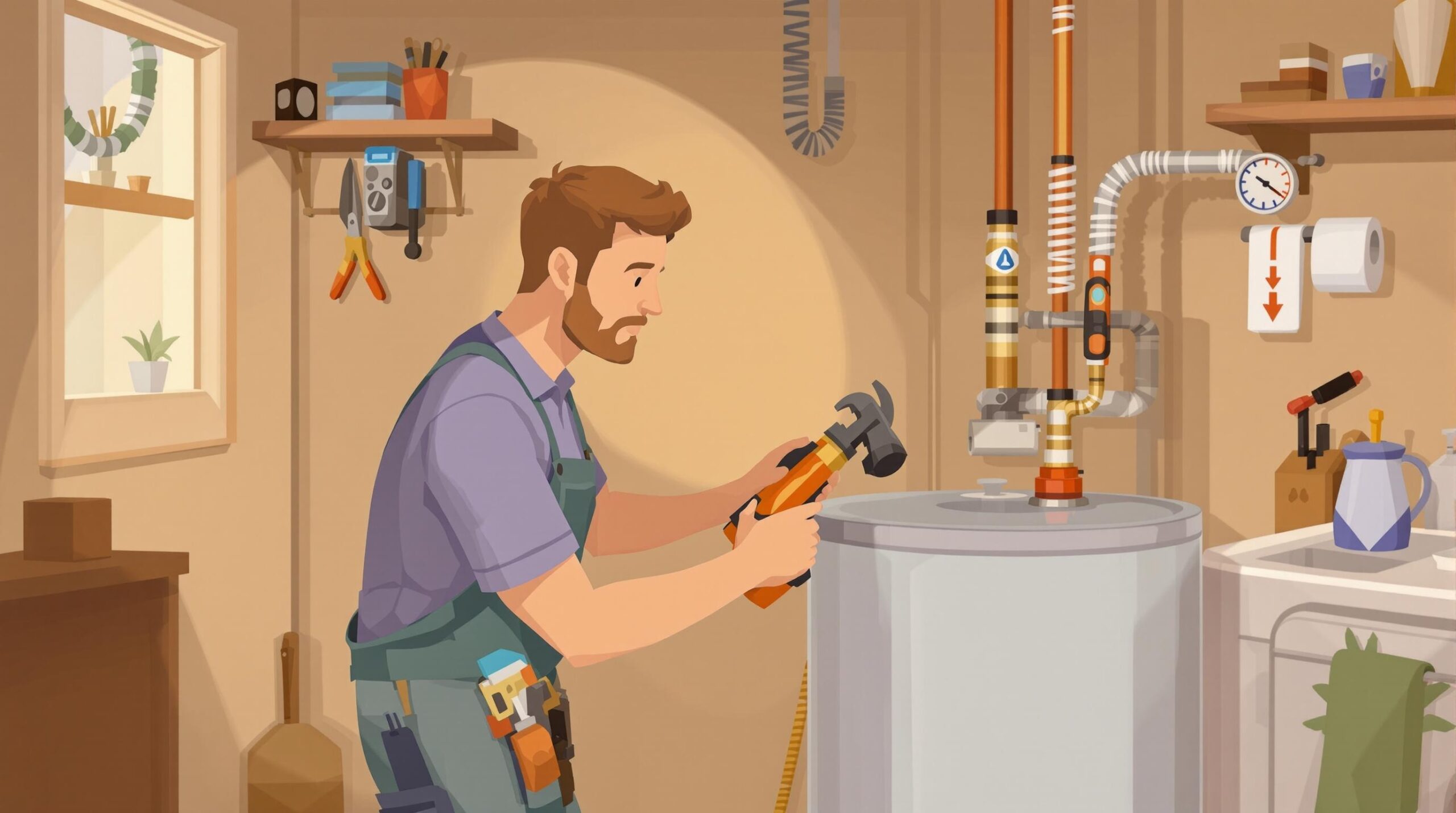
Understanding Your Water Heater’s Lifespan
Have you ever thought about how your water heater works? Many of us take this handy appliance for granted, enjoying hot showers and warm baths without a second thought. But did you know that taking care of your water heater can make it last longer and work more efficiently? In Blackbird, DE, residents are discovering that by understanding the close relationship between water heater maintenance and energy efficiency, they can not only keep their homes cozy but also make them more environmentally friendly.
The Power of Proactive Care
Imagine coming home after a long day, eagerly anticipating a warm shower. You turn on the tap, and out flows hot water, just like magic! But this magic doesn’t just happen by itself. With a little attention and care, you can ensure your water heater runs efficiently. By proactively enhancing maintenance practices, you’re protecting your comfort while doing your part for the planet. When each of us takes simple steps to care for our appliances, we contribute to a more sustainable community in Blackbird.
Your Role Matters
Every homeowner has a role to play. By practicing smart maintenance, you can boost your water heater’s lifespan, ensuring it delivers hot water when you need it most. And guess what? This isn’t just about saving an appliance; it’s about making choices that help our planet thrive. Join your fellow residents in Blackbird as you explore how a well-maintained water heater not only warms your home but also helps create a brighter future for everyone.
Routine Maintenance: The Keystone of Longevity
When it comes to sitting back and enjoying the comfort of hot water, few things beat the satisfaction of knowing that your water heater is operating at its best. But achieving this level of reliability requires more than just hoping for the best; it demands a commitment to routine maintenance. Like any mechanical system, your water heater thrives on regular care, which can significantly contribute to its longevity and efficiency.
Regular inspections are the cornerstone of water heater maintenance. Scheduling a yearly check-up allows a qualified technician to assess its condition, identify potential issues, and act before minor concerns escalate into major repairs. These inspections may reveal corrosion, sediment build-up, or any problems with electrical or gas connections, all of which could jeopardize your water heater’s performance. Think of it as a wellness check for your home’s hardworking appliance.
Flushing Out the Bad
Another critical maintenance task is flushing your water heater. Over time, minerals and sediments can accumulate at the bottom of your tank, forming a thick layer that not only affects your heater’s efficiency but also can lead to premature failure. Flushing your heater at least once a year removes this build-up, letting it operate more efficiently and extending its life. It’s like giving your water heater a refreshing cleanse—ensuring that it continues to deliver hot water on demand without unnecessary strain.
Replacing Worn Elements
Just as you replace batteries in your smoke detector or air filters in your HVAC system, the same principle applies to your water heater. Replacing worn heating elements—be they electric or gas—is essential to keep your appliance running smoothly. Elements that work harder than they should can wear out quickly, leading to inefficiency and potential breakdowns. Stay vigilant and inspect these components regularly to ensure they are functioning optimally.
The Maintenance Routine That Works
Building a maintenance routine doesn’t have to be daunting. Here’s a simple guideline to follow:
| Maintenance Task | Frequency | Benefits |
|---|---|---|
| Inspection by a professional | Annually | Identifies issues before they become major problems |
| Flushing the tank | Every 6-12 months | Removes sediment and improves efficiency |
| Replacing heating elements | As needed | Ensures consistent performance and prevents breakdowns |
| Checking the anode rod | Every 3-5 years | Prevents corrosion and extends tank life |
Incorporating these practices not only secures the continued comfort of your home but also protects the investment you’ve made in your water heater. It’s a collective effort, and when every homeowner in Blackbird takes these steps, we contribute to a sustainable and efficient community, one hot shower at a time.
Temperature and Pressure Settings: Balancing for Efficiency
As your water heater diligently works behind the scenes, maintaining optimal temperature and pressure settings is vital for its efficiency and longevity. Striking this balance not only helps your heater perform at its peak but also guards against the unnecessary wear and tear that can come from operating under stress. Understanding how temperature and pressure levels affect your water heater can lead to smarter choices that enhance performance and promote longevity.
Setting the right temperature is one of the simplest yet most effective ways to optimize your water heater’s operation. Generally, it’s recommended to set the thermostat between 120°F and 140°F. This range provides enough warmth for comfortable hot showers and efficient cleaning while preventing scalding. Exceeding this temperature can lead to a significant increase in energy consumption, as the heater works overtime to maintain higher heat, which can strain its components. Additionally, hotter water accelerates the corrosion process inside the tank and can lead to the premature failure of heating elements, necessitating costly repairs.
Next, let’s consider the equally important aspect of pressure settings. Most water heaters are designed to handle a specific pressure range, typically around 50 to 60 psi. When the pressure exceeds this threshold, it poses a risk of leaks and component failure, putting your entire unit and property at risk. A malfunctioning pressure relief valve or an improperly adjusted pressure setting can lead to excess strain, drastically shortening the lifespan of your water heater. Regularly checking the pressure and ensuring that your system is operating within the manufacturer-recommended range can help maintain peak performance and extend the life of both the tank and its components.
Moreover, understanding the relationship between temperature and pressure can further enhance efficiency. As water heats, it expands, leading to increased pressure within the tank. It’s critical to ensure that your heater’s pressure relief valve is functioning correctly, as this safety feature protects against dangerous pressure build-ups. It may be wise to implement a routine check of this valve as part of your preventive maintenance, safeguarding your investment from pressure-related failures.
Incorporating practice into your routine may seem minor, but the cumulative effect on your water heater’s health is invaluable. Setting optimal temperature and pressure levels translates into reduced energy consumption, enhanced efficiency, and a reduction in wear and tear. Your water heater may be out of sight, but with these simple adjustments, you can keep it running smoothly for years to come, ensuring hot water on demand whenever you need it most.
Insulation Enhancements: The Silent Guardian
A water heater operates tirelessly, often tucked away in a basement or utility closet, yet its efficiency heavily relies on elements that are often overlooked: insulation. Think of insulation around your heater and surrounding pipes as a silent guardian, shielding vital heat from the cold clutches of the environment. By preventing heat loss, insulation not only promotes more efficient operation but also significantly reduces the strain on your water heater, leading to less frequent replacements and ultimately extending its life.
Imagine your water heater working diligently, only to be thwarted by heat escaping through poorly insulated pipes. When hot water travels through uninsulated pipes, it loses precious degrees of warmth before it even reaches your faucet. Insulating these pipes creates a barrier that retains heat, ensuring that hot water arrives at your tap at the optimal temperature and minimizes the need for the heater to compensate for heat loss. This simple yet effective enhancement translates into less energy consumption, allowing your heater to work smarter rather than harder.
It’s not just about the pipes; the water heater itself benefits immensely from proper insulation. Insulating the heater tank minimizes heat loss, particularly during standby periods when the heater is not actively heating water. A well-insulated tank holds heat much longer, reducing the frequency with which the heating elements must kick in. This results in a more stable temperature within the tank and promotes efficient operation. Over time, effective insulation helps to prevent the premature aging of the unit by reducing the cycling of the heating elements, which can lead to wear and tear.
Moreover, insulation can play a pivotal role in reducing the risk of condensation and subsequent corrosion on the outside of the tank and pipes. By maintaining a consistent temperature, insulation helps to prevent the formation of moisture and protects the integrity of the unit. The benefits of reducing condensation extend beyond the water heater itself; they help protect the surrounding area from dampness that could lead to mold and mildew, ensuring a healthier environment.
In addition to these protective measures, insulating your heater and pipes also supports an overall reduction in greenhouse gas emissions. When water heaters operate efficiently, they consume less energy, which aligns with global sustainability efforts. Each enhancement you make to prevent heat loss contributes to a greener footprint while still enjoying the comfort of consistent hot water in your home.
Taking the time to identify areas of improvement in your water heater’s insulation is worthwhile. Whether it’s wrapping your heater with insulation blankets or applying pipe insulation sleeves, these enhancements are a proactive step toward nurturing a healthy, efficient water heater. Remember, the less heat lost to the spaces around your tank and pipes, the less strain placed on the units, translating into longevity and reliability. Your water heater may be a humble champion in the background, but by ensuring it remains well-insulated, you empower it to perform at its best while providing you with the hot water you need, when you need it.
Addressing Hard Water Challenges
While insulation is a critical consideration for water heater efficiency, another prevalent challenge homeowners face is hard water. Characterized by a high mineral content, particularly calcium and magnesium, hard water can lead to unwanted effects, such as scale buildup inside your water heater. This accumulation can significantly hinder heater efficiency, increase energy consumption, and reduce the overall lifespan of the unit. Understanding localized solutions like water softening equipment can be pivotal in mitigating these challenges.
The presence of hard water can manifest as scale, akin to the stubborn residue left behind on dishes or the white deposits that form around faucets. In water heaters, this scale forms over time, creating an insulating layer that prevents the heating elements from effectively transferring energy to the water. Consequently, the heater must work harder to achieve desired temperatures, which leads to inefficiencies and an increase in energy usage. Without intervention, this ongoing battle against scale buildup ultimately culminates in costly repairs or premature replacement of the water heater.
The first step in combating hard water is to evaluate the water quality in your area. Many municipalities provide water quality reports, or homeowners can opt for water testing kits to assess hardness levels. Once you’ve determined the severity of your hard water problem, various local solutions can enhance your water heater’s performance.
One of the most effective solutions is the installation of a water softener. These systems are designed to replace hard minerals with sodium ions, significantly reducing the mineral content in your water supply. By minimizing scale buildup, water softeners improve the efficiency of your heater and can extend its operational life. Not only do they alleviate stress on the unit, but they also provide consistent, high-quality water throughout your home, impacting everything from plumbing fixtures to appliances.
In addition to standalone water softeners, some innovative whole-home systems combine filtration and softening technologies, offering a comprehensive approach to water quality enhancement. These integrated solutions provide dual benefits: they prevent scaling while ensuring that harmful contaminants are filtered out, resulting in cleaner and softer water for all your household needs.
| Hard Water Challenges | Effects on Water Heater | Local Solutions |
|---|---|---|
| Scale Buildup | Reduces efficiency and increases energy consumption | Water softening systems |
| Reduced Heating Capacity | Heater must work harder, leading to wear and tear | Integrated whole-home systems |
| Diminished Water Quality | Affects performance of appliances and fixtures | Filtration and softening technology |
In addition to mechanical solutions, homeowners should also engage in routine maintenance practices. Regularly flushing the water heater can help remove accumulated sediment and scale, allowing the unit to operate at full capacity. Establishing a maintenance schedule not only improves the immediate efficiency of your heater but also serves as a proactive measure against future complications caused by hard water.
Addressing hard water challenges may require an initial commitment of resources, but the long-term returns—both in performance and longevity—are manifold. Armed with the right tools and knowledge, homeowners can significantly enhance their water heater’s resilience against the rigors of hard water. Investing in water softening equipment not only nurtures the appliance’s efficiency but also contributes positively to your home’s overall water quality, encouraging a more sustainable and enjoyable living environment.
Innovating with Energy-Efficient Solutions
As we continue to navigate the evolving landscape of home energy management, embracing energy-efficient solutions has become paramount, especially for vital appliances like water heaters. The good news is that technological advancements have paved the way for innovative models that not only promise substantial energy savings but also enhance the longevity of your heating systems.
The key to unlocking these benefits lies in the exploration of newer water heater technologies and smart systems. Modern water heaters are designed with cutting-edge energy-saving features that can dramatically reduce energy consumption. For instance, heat pump water heaters use ambient air to heat water more efficiently than traditional electric heaters, offering a sustainable alternative for households. These units are not just about efficiency; they also come with smart technology, allowing users to monitor and control their energy usage directly from a smartphone app. Imagine having the ability to adjust settings remotely or receive alerts when maintenance is required—all contributing to a seamless and efficient hot water experience!
Smart technology extends beyond mere convenience; it significantly optimizes energy usage. With programmable and adaptive control settings, these advanced models can learn your household’s hot water patterns, adjusting heating cycles to align with your usage—ensuring that energy is only consumed when absolutely necessary. This level of customization not only conserves energy but also minimizes wear and tear on the system, prolonging its operational lifespan.
Many new energy-efficient models also come equipped with enhanced insulation technologies that help retain heat more effectively. By minimizing heat loss, these heaters maximize operational efficiency, allowing households to enjoy a continuous hot water supply without the excess energy costs. Combined with water softeners that tackle hard water issues, the integration of this innovative technology creates a robust defense against inefficiency and corrosion, further safeguarding your investment in home comfort.
Furthermore, the environmental benefits of adopting energy-efficient systems are worth noting. By reducing your household’s energy footprint, you’re not only conserving vital resources but also contributing to a collective movement towards sustainability. Each small adjustment in your home’s energy consumption, such as switching to a high-efficiency water heater or implementing smart technology, contributes to a significant positive impact on the environment.
For residents of Blackbird, DE, embracing these advancements will result in a dual advantage: extending the lifespan of your water heaters while enhancing overall energy efficiency. By integrating innovative solutions and employing smart technologies, you not only invest in improved performance but also assist in creating a more sustainable community. Remember, continuous innovation and responsible maintenance are your allies in achieving optimal water heater performance, ensuring that your home remains comfortable and energy-efficient for years to come.
By integrating these strategies, residents of Blackbird, DE can not only extend the lifespan of their water heaters but also improve overall energy efficiency, contributing to a more sustainable and environmentally-friendly household. One of the cornerstones of maintaining an efficient water heater lies in the commitment to regular inspections. Scheduling annual checks ensures that potential issues are caught early, allowing homeowners to address them proactively. During these inspections, professionals can assess not just the heater’s functionality, but also its alignment with the latest energy efficiency standards.
Moreover, adjusting the temperature settings of your water heater plays a pivotal role in modifying its long-term performance. For optimal longevity and efficiency, setting the thermostat to a moderate level—typically around 120 degrees Fahrenheit—can reduce stress on the internal components. This small adjustment not only saves energy but also decreases the risk of overheating, which can lead to premature wear and tear. Additionally, many homeowners find that this temperature strikes the right balance, providing comfortable hot water while minimizing environmental impact.
For the more hands-on homeowners, engaging in simple DIY maintenance tasks can make a considerable difference. One of the easiest yet most effective maintenance practices is flushing the water heater to eliminate sediment buildup. Over time, mineral deposits can accumulate, affecting the efficiency and lifespan of the unit. Regularly flushing the tank helps ensure optimal performance and reinforces the longevity of your water heater. Furthermore, checking the pressure relief valve is crucial. This safety feature prevents excessive pressure buildup and ensures your system operates smoothly. A quick test—lifting the lever to release a small amount of water—can confirm that it is functioning correctly.
Incorporating a reactive approach to these maintenance practices also enhances energy efficiency. For instance, if you notice fluctuations in your hot water supply or hear strange noises during operation, these could be indicators that your system requires attention. Addressing these signs promptly not only saves hassle down the road but also keeps your water heater running optimally. Moreover, when issues are addressed before they escalate, it means less energy wasted and a lower risk of failure, reinforcing the importance of being proactive in your approach to home maintenance.
All these elements work in concert to promote an efficient energy culture within Blackbird. By combining regular inspections, temperature adjustments, and straightforward maintenance practices, residents can enjoy the dual benefits of a well-functioning water heating system while contributing to a more responsible community approach to energy consumption. As technology continues to evolve, embracing these modern advancements and human-centric practices can pave the way for a sustainable future in home energy management, ensuring that your home remains a beacon of efficiency for years to come.
“`
Emphasizing Regular Maintenance for Optimal Performance
While integrating state-of-the-art technologies is a substantial step towards achieving enhanced energy efficiency, regular maintenance remains a crucial component of water heater longevity. Much like a finely tuned automobile, water heaters require routine care to ensure they operate at peak performance. Neglecting this aspect can lead to reduced efficiency and unexpected breakdowns.
For residents of Blackbird, DE, incorporating a schedule for routine inspections and maintenance can yield significant advantages. Simple tasks such as flushing the tank annually to remove sediment buildup or checking for corrosion can vastly improve your water heater’s efficiency. Sediment accumulation can inhibit heat transfer, requiring more energy for the same output of hot water. By keeping the unit clean, you can maintain its efficiency and ensure a steady supply of hot water whenever needed.
In addition to flushing the tank, inspecting the anode rod is another crucial maintenance task. This rod, designed to combat corrosion within the tank, should be checked every few years. By ensuring that the anode rod is in good condition, you can further extend the life of your water heater, enhancing its reliability while safeguarding your investment.
Another beneficial practice is to regularly check the temperature setting on your water heater. Keeping it at a recommended 120°F strikes the right balance between comfort and energy efficiency. A higher temperature setting not only consumes more energy but can also elevate the risk of scalding. By maintaining proper temperature settings, homeowners in Blackbird can enjoy both safety and savings without sacrificing comfort.
Additionally, consider the value of professional maintenance services. Engaging with local professionals who understand the specific needs of Blackbird residents can provide an additional layer of assurance. Experienced technicians can offer insights tailored to your water heater model and local environmental factors, further enhancing your system’s efficiency and lifespan.
Finally, stay informed about advancements in water heating technology that may benefit your home. As new features and solutions emerge, evaluating your current system and considering upgrades can profoundly impact your energy efficiency journey. Creating an ongoing dialogue with local suppliers and maintenance experts will ensure you remain up-to-date with the latest innovations available in the market.
In conclusion, by combining innovative energy-efficient solutions with regular maintenance practices, residents of Blackbird can forge a path towards the sustainable management of their water heaters. This dual approach not only ensures optimal performance but also contributes positively to the broader goal of environmental conservation. Together, embracing technology and commitment to maintenance empowers you to enjoy a more efficient, reliable, and eco-friendly household.
“`