
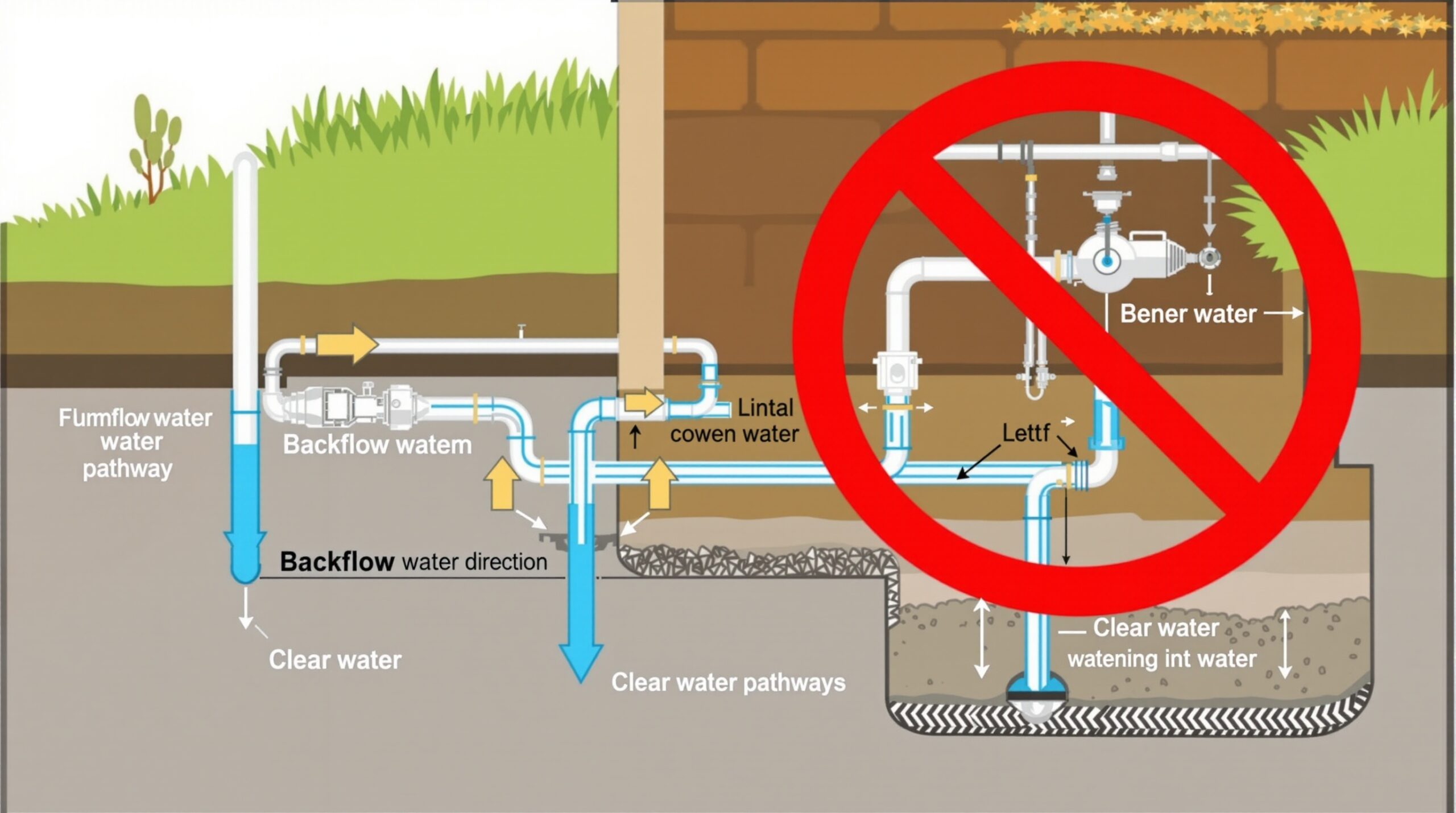
Why Backflow Prevention Matters
Imagine turning on your faucet at home to get a glass of water, only to discover that the water smells funny or tastes strange. Yikes! That could be because of something called backflow. For the folks living and working in Delaware, backflow prevention is more than just a plumbing term—it’s a crucial part of keeping our communities safe and healthy.
What is Backflow?
Backflow happens when water flows in the opposite direction than it should. This can let unsafe substances sneak into our drinking water supply, posing serious health risks. Think about it: contaminants from sewage, chemicals, or even dirt can accidentally mix with the clean water we use every day. This is where backflow prevention comes into play.
Health Risks We Can’t Ignore
Protecting our health is the number one reason why backflow prevention is so important. If backflow occurs, the safe water we rely on for drinking, cooking, and bathing can get polluted. It’s not just a plumbing problem—it’s a matter of public safety. Understanding the dangers of backflow encourages homeowners and business owners alike to take action and ensure their systems are equipped with the right prevention measures.
Taking Action for a Safe Community
In Delaware, we take pride in our homes and businesses, and part of that pride means ensuring our water supply is safe. By learning about backflow and how to prevent it, we can protect not only our own families but also our neighbors and the community at large. So let’s explore what backflow prevention is all about and why it deserves our attention!
Understanding Backflow: How It Occurs
Backflow is primarily driven by fluctuations in pressure within the plumbing system. Imagine a perfectly functioning water system; water flows smoothly from its source, through pipes, and out of your faucet. However, disruptions—such as a sudden drop in water pressure due to firefighting efforts, a burst pipe, or even the operation of large water-using appliances—can create a vacuum or siphon effect. This causes water to flow backward, pulling contaminants from drainage systems, irrigation lines, or even stagnant water sources into the clean water supply.
Let’s break this down further: when the pressure in your drinking water line drops, say from high water demand elsewhere, or during repairs, backflow can take advantage of that gap. Harmful substances, including hazardous chemicals, bacteria, and other pollutants can find their way into your home’s water supply, creating a dangerous concoction. The effects of backflow are not just immediate; prolonged contamination can lead to long-term health issues, compromising both individual well-being and community health.
Visualizing the Risks
To help you visualize the potential dangers posed by backflow, we’ve compiled a table outlining common risks associated with backflow incidents:
| Type of Contaminant | Source | Potential Health Impact |
|---|---|---|
| Sewage | Main sewers, sewer backups | Gastrointestinal illnesses, infections |
| Pesticides | Gardens, agricultural runoff | Nausea, neurological issues |
| Heavy Metals | Industrial waste, leaky pipes | Long-term health problems, toxicity |
| Dirt and Sediment | Unsealed irrigation systems, nearby construction | Water quality degradation, turbidity |
| Bacteria and Viruses | Cross-connections with unapproved supplies | Respiratory issues, infectious diseases |
This table highlights the diverse pollutants that could potentially infiltrate our water supply if backflow goes unchecked. With these risks looming, it becomes evident that understanding the dynamics of backflow isn’t merely an academic pursuit; it is crucial for safeguarding public health.
Delaware’s unique environmental conditions only amplify this need. With its varied topography and frequent storms, the state experiences more than its fair share of plumbing challenges. By recognizing the potential for backflow and implementing robust prevention measures, we protect not only ourselves but also the health and safety of our entire community. It’s time to take backflow seriously, starting with understanding how it occurs and the risks it poses to our precious water resources.
Importance of Backflow Prevention in Delaware
As we delve deeper into the significance of backflow prevention, it’s essential to recognize that Delaware’s unique geographical and climatic characteristics pose challenges that make effective water management even more critical. From the coastal plains along the Delaware Bay to the rolling hills in the northern part of the state, Delaware’s diverse landscape presents various risks to water quality. Seasonal storms, heavy rainfall, and flooding events can exacerbate vulnerabilities in the water delivery infrastructure, stressing the need for robust backflow prevention systems.
Backflow prevention devices, such as check valves and air gaps, act as crucial safeguards that not only fortify our water systems but also ensure that these systems operate at the highest standards of public health and safety. These mechanisms create a barrier against reverse flow, which can introduce harmful pollutants into the drinking water supply. In both urban centers like Wilmington and rural communities throughout Sussex County, the stakes are high. When water quality is compromised, the repercussions can ripple through entire neighborhoods, impacting families, businesses, and local ecosystems.
Moreover, the importance of backflow prevention is amplified given Delaware’s growing population and the increasing demands placed on its water resources. As more homes and industries sprout up, the potential for backflow incidents rises, necessitating a comprehensive approach to water safety. Properly implemented backflow prevention strategies maintain the integrity of our water services, particularly as infrastructure ages and faces new stresses from climate change.
The potential for contamination doesn’t just threaten individual households; it is a matter of community-wide health. Waterborne diseases can spread rapidly and create widespread outbreaks, putting a strain on local healthcare systems and emergency resources. Beyond health concerns, contaminating local water supplies can have long-lasting effects on Delaware’s natural habitats, affecting wildlife and local economies that rely on clean water sources for fishing and recreation.
By taking proactive steps to implement backflow prevention measures, Delawareans can significantly mitigate these risks. Property owners, businesses, and municipalities must work hand in hand to ensure that the necessary systems are in place and properly maintained. Whether through regular inspections or the installation of advanced prevention technology, the commitment to safeguarding public health through effective backflow prevention cannot be overstated. It is a shared responsibility that calls for collective action—from government agencies to individual citizens.
In conclusion, the critical role of backflow prevention systems cannot be overlooked as Delaware navigates its unique geographical and climatic challenges. These systems are not just technical solutions; they are essential components of a broader commitment to public health, environmental sustainability, and community resilience. As we continue to explore the intricacies of backflow prevention, it becomes increasingly apparent that regulatory compliance and adherence to established standards are vital next steps in ensuring Delaware’s water supply remains clean and safe for generations to come.
Regulatory Compliance and Standards
In Delaware, the framework of regulatory compliance and standards for backflow prevention serves as a legal and ethical compass, guiding property owners toward responsible stewardship of public health and the environment. State regulations necessitate that both residential and commercial properties adhere to specific backflow prevention protocols. These regulations are not simply bureaucratic hurdles; they are foundational elements designed to safeguard the integrity of our water systems. The careful formulation of these standards reflects an understanding of the nuanced interplay between environmental factors, infrastructure capabilities, and public health concerns unique to Delaware.
Failure to comply with backflow prevention standards can lead to dire consequences not only for health but also for legal accountability. Property owners are not only endangering their own households but also placing entire communities at risk. Non-compliance can result in enforcement actions from local authorities, including fines and mandatory corrective measures that may disrupt business operations and daily life. Moreover, legal repercussions can extend beyond immediate financial penalties; they may also open the door to liability claims arising from contaminated water supplies affecting neighbors and the broader community. The associated costs of rectifying such incidents can far exceed the investment needed for routine compliance.
By aligning operations with state regulations, property owners make a critical investment in their own peace of mind. The guidelines provided by Delaware’s Department of Natural Resources and Environmental Control (DNREC) set clear standards for backflow prevention systems, promoting best practices that uplift the entire community. Consistent adherence to these regulations not only mitigates risks associated with waterborne illnesses and contaminants but also instills public confidence in municipal water systems. Delawareans benefit from the assurance that their drinking water remains uncontaminated, thereby enriching the state’s reputation as a desirable place to live and work.
Beyond protecting human health, compliance with backflow prevention standards carries environmental implications that can shape the sustainability of Delaware’s natural resources. Clean water is intrinsically linked to the health of local ecosystems, and by maintaining high standards of water safety, property owners play a pivotal role in preserving Delaware’s biodiversity. From safeguarding fisheries in the coastal bays to supporting agriculture and recreational activities that rely on pure water sources, every step taken towards compliance resonates throughout our interconnected environment.
In this light, regulatory compliance emerges as not just a legal obligation, but a moral imperative that fosters community well-being and ecological responsibility. As Delaware navigates the challenges of urban growth, climate change, and aging infrastructure, the importance of adhering to backflow prevention standards has never been clearer. Property owners—whether individuals, businesses, or municipal entities—are urged to embrace these regulations as essential tools that contribute to the collective good.
Ultimately, the commitment to regulatory compliance in backflow prevention conversations not only prioritizes immediate safety but also lays a resilient foundation for future generations. As we transition into discussions about preventive maintenance and inspection, it becomes evident that compliance is just the beginning of a responsible approach to maintaining the integrity of our essential water systems.
Preventive Maintenance and Inspection
As we delve deeper into the intersection of safety and responsibility, it becomes clear that preventive maintenance and routine inspection of backflow prevention devices is not just a recommendation but a mandatory practice that ensures their continued effectiveness. Backflow prevention devices serve as the indispensable guardians of our public water supply, and like any critical component, they require vigilant oversight to operate at their best.
Annually scheduled inspections and maintenance by certified professionals are pivotal; these trained experts possess the technical acumen to not only test the functionality of backflow prevention devices but also to identify potential faults before they present a significant risk. Routine inspections culminate in early detection of issues, such as wear and tear or mechanical failures, that could compromise the system’s efficacy and lead to hazardous backflow events. By spotting these issues early, property owners can take timely action to repair or replace faulty components, ensuring long-lasting reliability of their backflow prevention systems.
A systematic approach to preventive maintenance considers various factors, including device age, usage patterns, and the surrounding environmental conditions. For optimal results, property owners should establish a thorough maintenance schedule that encapsulates the following key practices:
| Maintenance Task | Frequency | Purpose |
|---|---|---|
| Annual Testing by Certified Professional | Yearly | Ensure optimal performance and identify faults |
| Visual Inspection of Installation Site | Every Six Months | Detect external impacts or blockages |
| Maintenance of Supporting Infrastructure | Quarterly | Ensure all related systems are working harmoniously |
| System Functionality Check | Monthly | Verify normal operational metrics and detect alarms |
Implementing and adhering to this maintenance schedule goes beyond the technicalities; it reinforces a culture of accountability and safety within properties. Moreover, it reflects an understanding of the critical role each property plays in the broader water safety landscape of Delaware. By prioritizing maintenance and inspections, property owners are not merely fulfilling a regulatory obligation; they are embracing a proactive mindset that champions community health and environmental protection.
As we transition from understanding the importance of compliance and maintenance to implementing actionable strategies, it’s essential for property managers and owners to actively engage their residents and employees. Education on the risks associated with backflow and the proper measures for prevention is equally as critical as the technical maintenance itself. Fostering an informed community empowers individuals to recognize potential hazards and encourages prompt reporting of any anomalies that may jeopardize water safety.
In this era of interconnected environmental responsibility, preventive measures also call for innovative solutions. Monitoring devices can be installed to provide real-time data and alerts regarding system performance, facilitating quick responses to deviations that may signal impending issues. By combining regular inspections with proactive monitoring, property owners can sleep soundly knowing they have taken strides toward ensuring a dependable and safe water supply for everyone.
Ultimately, the narrative of preventive maintenance and inspection is about community fortitude—each property, each owner, and each resident plays a vital role in creating a collective shield against waterborne threats. As we advance to our next section focusing on proactive measures for homeowners and business owners, it will become evident that a community dedicated to education and readiness stands as the strongest defense against backflow incidents.
As we explore further into proactive measures for homeowners and business owners, it becomes increasingly evident that collective efforts through education and timely maintenance are essential to safeguarding our treasured water supply systems. At the heart of this initiative lies the principle that knowledge is empowerment—occupants should be well-informed about the potential dangers associated with backflow incidents. By fostering an environment of awareness, property managers can turn residents and employees into vigilant observers who understand their role in maintaining safety.
Engaging occupants through informational sessions can be a game-changer. Regular workshops or informational pamphlets that discuss the implications of backflow, the importance of prevention, and best practices can galvanize an entire community. Simple concepts, such as understanding how cross-connections can lead to backflow risks, can help occupants identify potential hazards in their environment. The more they know, the more effective they will be in partnering with property management to mitigate risks.
In addition to educational initiatives, implementing a structured maintenance schedule forms the backbone of a robust backflow prevention strategy. An integral part of this framework is not just routine checks but also the installation of monitoring devices that provide real-time feedback on system performance. These advanced technologies highlight deviations in pressure or online alarms that may indicate an issue, allowing property managers to act swiftly before a minor problem escalates into a significant threat. By integrating these high-tech solutions into existing systems, managers can achieve a proactive approach that enhances reliability and instills confidence within the community.
Proactive engagement also underscores the importance of creating a culture that prioritizes safety. It’s crucial for property managers to encourage an open dialogue about water safety, fostering an environment where residents feel comfortable reporting any anomalies, unusual smells, or changes in water quality. Residents should feel like stakeholders in the community’s health rather than mere occupants. This cultural shift not only aids in promptly addressing potential hazards but can also instill a sense of pride and responsibility among community members.
By treating water safety as a collective mission, homeowners and business owners alike contribute to a health-conscious community capable of mitigating risks before they become real threats. Regular communication about the value of backflow prevention and the methods employed to secure water safety can reinforce the narrative that proactive measures are beneficial to everyone involved.
As the quest for safe drinking water continues, it is imperative that property managers exemplify leadership in implementing proactive strategies. This means not only adhering to regulatory standards but also embracing an ethos of continuous improvement. Routine assessments should evolve, with feedback loops incorporated to refine practices over time. Moreover, collaboration with certified plumbing safety experts can introduce innovative solutions and techniques, ensuring that water systems operate at the pinnacle of safety and efficiency.
In summary, the call to action is clear: Property managers and owners must become advocates for proactive engagement and education as part of a larger effort to protect their water supply. Through education, vigilant monitoring, and a shared commitment to safety, we can build resilient communities capable of withstanding the challenges posed by backflow incidents. By acting today and integrating these measures, stakeholders not only shield their properties from imminent threats but also contribute to a healthier environment for all in Delaware.
Backflow prevention is integral to maintaining safe and reliable water supply systems in Delaware. To fully understand its significance, it is essential to delve into the concept of backflow itself. Backflow occurs when water reverses its intended flow direction, leading to a potentially hazardous situation where contaminants can infiltrate clean water supplies. Whether it’s from harmful chemicals leaking from irrigation systems or bacteria from sewer lines, backflow incidents pose serious health risks that can affect entire communities. Recognizing this danger means not only being aware but also taking adequate steps to safeguard against it.
To protect your property’s water system, implementing an effective backflow prevention strategy is paramount. Regular maintenance and inspections must be prioritized. This is where certified specialists come into play, acting as the first line of defense against potential backflow occurrences. These professionals are trained to identify vulnerabilities within your system and ensure that your prevention mechanisms are functioning as intended. Annual checks are not just a recommendation; they are necessary for compliance with Delaware regulations and serve as a proactive measure to deter backflow potential. With their expertise, property owners can gain peace of mind, knowing that their systems are operating safely and securely.
Property owners hold significant responsibility when it comes to backflow prevention. In Delaware, maintaining these systems and adhering to state regulations falls squarely on the shoulders of property owners. This means staying informed about local laws and ensuring that your backflow prevention devices meet established standards. Such accountability is crucial, considering that any oversight could lead to dire consequences, affecting not just individual properties, but the broader community as well. Being proactive about backflow prevention isn’t merely a matter of regulatory compliance; it’s about protecting the health and welfare of everyone who relies on the water system.
In essence, the call to action is clear. Homeowners and business owners in Delaware must engage actively in maintaining their backflow prevention systems. Start by consulting with certified experts in plumbing safety who can assess your systems and recommend the necessary updates. With their guidance, you can appreciate the importance of these preventive measures and understand the peace of mind they offer to your family, employees, and neighbors. Investing in your water infrastructure today safeguards the health of your community tomorrow.
Thus, as we underscore the critical nature of backflow prevention, let us remind ourselves that it is more than just a regulatory obligation—it’s a community commitment. Every property owner has the power to play a vital role in fortifying our water supply systems. By taking the initiative to educate yourself and maintain your backflow systems, you are not merely protecting your own property but participating in a collective effort to ensure the safety of Delaware’s water resources for generations to come.
Backflow prevention is not merely a regulatory obligation; it is an essential cornerstone of public health and infrastructural integrity across Delaware. When we consider the complex web of water supply systems that sustain our homes and businesses, the critical role of backflow prevention comes into sharp focus. Blocked pathways can jeopardize not only individual homes but entire communities, potentially leading to dire health risks stemming from contaminated water supplies. To understand this further, it is essential to grasp the mechanics of how backflow can infiltrate even the most seemingly isolated plumbing systems.
In Delaware, where many communities are tightly integrated, the consequences of backflow incidents can ripple outward, affecting large populations. By adhering to regulatory standards and implementing regular maintenance schedules, property owners empower themselves to shield their water systems from ambiguity and risk. Proactively addressing these potential failings transforms a reactive approach into a fortified system, committed to maintaining clean, safe water for all.
Consulting with certified plumbing safety experts paves the way for informed decision-making. These professionals bring a wealth of knowledge and experience to the table, assisting property managers and owners in understanding local regulations, suggesting appropriate preventive measures, and even facilitating compliance audits. Their insights can be invaluable, helping to identify vulnerabilities and champion best practices tailored to individual water supply systems.
Moreover, the integration of smart technologies is becoming increasingly vital in reinforcing water safety. Innovative monitoring solutions not only alert property managers to immediate concerns but also allow for data-driven decisions regarding system improvements and long-term maintenance strategies. The relentless pursuit of innovation within the plumbing landscape ensures that property owners are not left scrambling in the face of unexpected issues, as they will be equipped with the tools necessary to combat hazards effectively.
An engaged community is further empowered by transparency in water safety practices. When property managers hold regular meetings and provide accessible resources on backflow prevention, they cultivate a sense of shared responsibility among residents. The dialogue ought to extend beyond regulatory compliance to encompass the narrative of community health. For instance, success stories about diligent maintenance can encourage even greater participation, as residents witness the tangible benefits of communal vigilance.
As the stakes continue to rise in maintaining a secure water supply, the rallying cry for action is undeniable. The chance to alter the status quo lies in collective effort. By committing to backflow prevention as not just a regulatory requirement, but an integral aspect of community well-being, Delaware residents can strengthen their water infrastructure against unforeseen dangers. It is time to take decisive action—engage with certified plumbing safety experts, foster informed communities, and make strong backflow prevention a priority.
Delaware’s water sources deserve every effort to remain pure and reliable. A robust framework involving education, technology, and community collaboration will not only enhance water quality but also create a culture of safety and awareness. Today’s actions will pave the way for a healthier tomorrow, ensuring everyone can access clean water without fear of contamination. By acting now, we can safeguard our most precious resource and build a resilient, health-conscious network of communities throughout Delaware.