
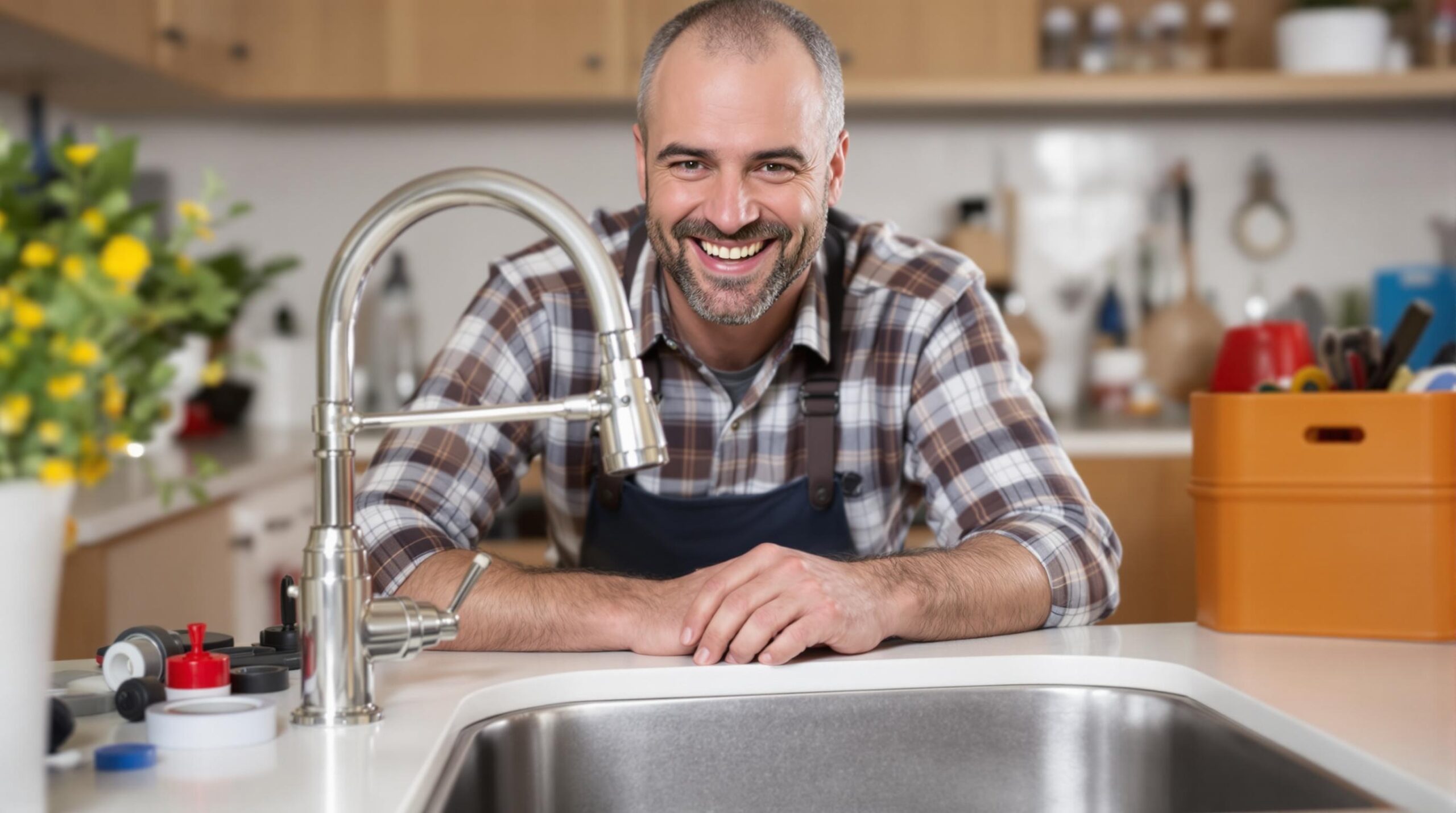
Unlock the Secrets to a Smooth-Running Home!
Hey there, Warwick homeowners! Are pesky plumbing issues cramping your style? Fear not! We are here to help! Imagine stepping into your home, knowing you can tackle a leaky faucet or a stubborn toilet on your own. Discover the key to a hassle-free home life with our comprehensive guide on DIY plumbing fixes tailored just for you!
Why DIY Plumbing?
Every homeowner knows that plumbing problems can be a real headache. Instead of waiting for a plumber to come to the rescue, wouldn’t it be great to handle those minor issues yourself? Diving into some simple DIY plumbing fixes can save you time and stress, freeing up your weekends for more fun activities in beautiful Warwick! Plus, you’ll gain a sense of accomplishment every time you fix something.
Your Go-To Guide
In this guide, we’ll walk you through some easy-to-follow solutions for common plumbing headaches. From stopping those annoying leaks to fixing a noisy toilet, we’ve got you covered! And the best part? You don’t need to be a pro to do it. With a little patience and the right instructions, you’ll soon find yourself feeling confident and ready to conquer any plumbing challenge that comes your way.
So grab your tool belt and let’s dive into the essentials that’ll keep your home running smoothly!
Understanding the Importance of Regular Plumbing Maintenance
While DIY fixes can be incredibly empowering and handy, the true cornerstone of a well-functioning plumbing system is regular maintenance. Just like an automobile requires periodic servicing to keep it running smoothly, your household plumbing also thrives on upkeep! With proper care and attention, you can prevent small issues from spiraling into major, inconvenient disasters. Think of it as a shield for your home, ensuring that you and your loved ones can enjoy a comfortable environment without the worry of sudden plumbing emergencies.
The Benefits of Regular Plumbing Maintenance
Investing time in regular plumbing maintenance goes beyond just the immediate satisfaction of a well-functioning sink or toilet. Here are some key benefits:
- Preventative Care: Regular maintenance allows you to catch issues before they escalate, thus saving you from complex repairs down the line.
- Enhanced Efficiency: A well-maintained plumbing system operates more efficiently, which can help reduce water waste and improve your home’s overall performance.
- Increased Longevity: With routine check-ups and cleaning, your plumbing fixtures and pipes will last longer, giving you peace of mind.
- Home Value: Keeping your plumbing in top shape not only enhances your living experience but could add significant value to your home when it’s time to sell.
Regular Maintenance Tips
Now that you understand why regular maintenance is essential, here are a few simple tips to keep in mind:
| Maintenance Task | Frequency | Benefits |
|---|---|---|
| Inspect and clean drains | Every 3-6 months | Prevents blockages and odors. |
| Check for leaks | Monthly | Saves water and reduces mold growth. |
| Test the pressure relief valve | Annually | Ensures safe operation of water heaters. |
| Flush the water heater | Yearly | Improves efficiency and extends lifespan. |
| Inspect exposed pipes | Monthly | Detects rust or leaks early. |
By incorporating these simple tasks into your home maintenance routine, not only will you enhance your home’s plumbing efficiency, but you’ll also safeguard yourself against unexpected plumbing crises. So, as you gather your tools for some DIY fixes, remember: a bit of regular maintenance goes a long way in ensuring your home stays a sanctuary of comfort!
In the upcoming section, we’ll dive into the top DIY solutions for common plumbing problems in Warwick homes. Get ready to feel like a plumbing pro!
Your Go-To Guide for Addressing Minor Leaks and Drips
There’s nothing quite as pesky as a minor leak or a persistent drip. While these might appear harmless at first, they can lead to water waste, mold growth, and even structural damage if not addressed promptly. Luckily, tackling these common plumbing nuisances is easier than you might think. With a few tools and a bit of know-how, you can reclaim peace and quiet in your home!
Identifying the Culprit
Before diving into solutions, it’s essential to first identify where those leaks are coming from. The most common sources include:
- Faucets: Dripping faucets often indicate worn-out washers or O-rings.
- Pipes: Look for damp spots or water pooling under sinks, which can suggest leaks in the pipes.
- Toilets: A running toilet can waste gallons each day, often due to a faulty flapper valve.
- Showers: Damaged seals or diverters can create small leaks, causing frustrating drips.
DIY Solutions for Common Leaks
Once you’ve located the source of your leak, it’s time to roll up your sleeves and get to work! Here are some effective DIY solutions for common problems:
| Issue | DIY Fix | Description |
|---|---|---|
| Dripping Faucet | Replace the Washer | Turn off the water supply, remove the faucet handle, and swap out the old washer for a new one to stop the drip. |
| Leaky Pipes | Use Pipe Sealant | Apply a suitable pipe sealant tape around the leak to prevent further dripping until a more permanent repair can be made. |
| Running Toilet | Replace the Flapper | Remove the tank lid, take out the old flapper, and install a new one to ensure the toilet stops leaking water into the bowl. |
| Shower Leak | Replace the Seal | Unscrew and remove the shower handle, then replace the worn seal to stop the dripping. |
Tips for Success
Here are some pro-tips to ensure your DIY repairs go as smoothly as possible:
- Gather Your Tools: Before starting, have all necessary tools on hand—wrenches, screwdrivers, and pliers will likely be your best friends.
- Turn Off the Water: Always turn off the water supply before making repairs to avoid unwanted flooding.
- Take Your Time: Rushing can lead to mistakes. Follow instructions carefully and don’t hesitate to consult online tutorials for guidance.
Addressing minor leaks and drips doesn’t just preserve your home’s integrity—it also empowers you as a homeowner! Armed with these insights, you can confidently tackle small plumbing issues like a pro. And who knows? You might just discover a new passion for DIY projects in the process! Stay tuned as we explore more plumbing solutions that’ll keep your Warwick home in tip-top shape.
Unclogging Drains: Silent Heroes of Plumbing Maintenance
Just when you think your plumbing woes are behind you, a slow or clogged drain can rear its ugly head. It’s often easy to ignore at first—maybe it’s just a little gurgle here or a slight delay there—but neglecting these signs can lead to bigger headaches down the road. Fortunately, unclogging drains can be another DIY task you tackle with confidence! Let’s delve into the silent heroes of plumbing maintenance and learn how to keep your drains flowing freely.
Recognizing the Signs of a Clog
Understanding when a drain is starting to clog is the first step in effective maintenance. Here are a few tell-tale signs that you may have a blockage on your hands:
- Slow Draining: If water in your sink, tub, or shower takes longer than usual to disappear, that’s a red flag.
- Gurgling Sounds: Unusual noises emanating from your drain can indicate trapped air or a developing blockage.
- Unpleasant Odors: Sewer-like smells can suggest that waste is building up somewhere in your plumbing.
- Overflowing: Water backing up during use can be a sign of a significant issue requiring immediate attention.
Effective DIY Techniques for Unclogging Drains
Once you’ve confirmed that there’s a clog, rolling up your sleeves and using some elbow grease can yield impressive results. Here are tried-and-true methods for clearing up those troublesome clogs:
| Method | Description |
|---|---|
| Boiling Water | Pouring boiling water down the drain may dissolve and dislodge minor blockages like grease or soap scum. |
| Baking Soda and Vinegar | This dynamic duo can break down clogs naturally. Pour half a cup of baking soda into the drain, followed by a cup of vinegar. Let it fizz for a few minutes, then flush with hot water. |
| Plunger | A good plunger can create enough suction to dislodge tough clogs. Cover any overflow drains, and use a steady rhythm to gently dislodge the blockage. |
| Drain Snake | A drain snake is a versatile tool that can easily reach deeper clogs. Insert it into the drain, twisting it to catch or loosen the clog for removal. |
Prevention: The Best Medicine
While addressing clogs as they arise is vital, it’s even better to prevent them altogether! Here are some practical tips to keep your drains in peak condition:
- Use Drain Screens: Installing screens in your sinks and tubs can catch hair and food particles before they enter the drain.
- Mind What Goes Down: Be mindful of flushing only human waste and toilet paper down the toilet. Avoid letting grease, coffee grounds, and fibrous food scraps go down the sink.
- Regular Maintenance: Regularly flushing your drains with hot water or performing a vinegar and baking soda routine can keep things flowing smoothly.
By following these practical steps, you’ll not only save yourself from impending clogs but also develop a more intimate relationship with your home’s plumbing. Reclaim control over your drains and pave the way for a sewer system that sees minimal drama. There’s much to learn about the intricate plumbing system in your home, so stay tuned as we continue to share more expert tips on maintaining a happy and efficient plumbing network!
The Importance of Routine Drain Check-Ups
Just as your car requires regular oil changes to run smoothly, your plumbing system benefits from consistent check-ups to ensure it operates at peak efficiency. Implementing routine inspections of your drains can identify potential issues before they escalate, saving you from frustrating surprises. Here are some proactive checks you can incorporate into your regular home maintenance:
- Monthly Visual Inspections: Take a moment each month to examine your sinks and tubs. Look for standing water, unusual build-up, or signs of leakage around plumbing fixtures. Early detection can help prevent larger problems down the line.
- Clean Your Drains: Beyond the occasional baking soda and vinegar treatment, consider using a drain cleaner specifically formulated to break down organic matter and debris. Remember to follow instructions carefully to protect your pipes.
- Know Your Main Drain Line: Familiarize yourself with where your main drain line enters your home. This will help when assessing for possible clogs or adding cleanouts should future blockages occur.
Responding to Blockages Like a Pro
When you find yourself faced with a stubborn blockage, understanding how to act swiftly can save you precious time and energy. Here’s how to respond effectively:
| Step | Description |
|---|---|
| Assess the Problem | Identify where the blockage is occurring. Is it in a single fixture or affecting multiple drains? This will help in determining the right course of action. |
| Gather Your Tools | Before diving into any repair task, ensure you have all the necessary tools at hand: a plunger, drain snake, or even a wet/dry vacuum can be incredibly helpful. |
| Maintain Patience | Clearing a tough clog can take time, especially if it’s deep within the plumbing system. Be patient and persistent without getting discouraged! |
The Connection Between Drain Maintenance and Overall Plumbing Health
Maintaining optimal drain health is integral to the overall performance of your home’s plumbing system. When drains are neglected, it can put unnecessary pressure on your pipes and lead to severe issues, including leaks and bursts. Regular drain maintenance not only ensures a smooth flow but also prolongs the life of your plumbing fixtures, from your faucets to your toilets.
As we prepare to transition into proactive tips for maintaining toilets and faucets, remember that every drop contributes to the larger picture of a well-functioning home. Keeping the silent heroes of your plumbing system in check not only preserves tranquility in your home but also reinforces your role as the proactive homeowner. Stay tuned for more insights that will empower you to embrace your home’s plumbing maintenance with confidence!
Proactive Tips for Maintaining Toilets and Faucets
When it comes to keeping your home’s plumbing in tip-top shape, the attention you give to your toilets and faucets plays a major role in ensuring a comfortable and functional living environment. By incorporating proactive maintenance practices into your routine, you can prevent issues before they arise and create a smoother, more efficient water delivery system in your home. Here are essential tips every homeowner should consider:
- Regular Cleaning: A simple weekly cleaning regime can work wonders. Use a gentle bathroom cleaner for toilets and a vinegar solution for faucets to tackle lime scale and hard water deposits. This not only enhances the appearance but also aids in preventing mineral build-up that can lead to clogs.
- Inspect and Tighten Connections: Periodically check the bolts and nuts securing your faucets and toilet. Over time, these connections can loosen, leading to leaks. A quick adjustment can dramatically prolong the life of your fixtures and save you from unscheduled maintenance.
- Test for Leaks: To save water and ensure your plumbing is functioning correctly, conduct the dye test for toilets. Simply add a few drops of food coloring to the tank and wait. If the color seeps into the bowl within 15 minutes, you have a leak that needs addressing. For faucets, look for drips or unusual water pooling; a worn-out washer may need replacement.
- Mind the Faucet Aerators: Unscrew your faucet aerators and clean them every few months. Sediments and particles can block water flow, diminishing water pressure over time. This simple step helps maintain a strong, consistent stream.
- Utilize Water-Saving Techniques: Being mindful about your water usage not only conserves a precious resource but also protects your plumbing. Consider installing low-flow faucets and toilet mechanisms that reduce water displacement without sacrificing performance.
- Know When to Call a Professional: While routine maintenance is crucial, some situations require a trained specialist’s touch. If you notice persistent leaks, strange noises, or inadequate flushing that doesn’t resolve after your upkeep efforts, don’t hesitate to seek professional assistance. Early intervention can save you from more significant complications down the road.
Integrating these proactive tips into your maintenance schedule empowers you to take charge of your plumbing health. By investing a little time and effort now, you can prevent future inconvenience and ensure your home remains a haven of functionality and comfort. As you keep your toilets and faucets in check, you’ll foster a sense of pride in your home and the knowledge that you’re doing your part to maintain its integrity and efficiency.
As you dive deeper into the world of plumbing maintenance, it’s crucial to understand various aspects that keep your system running seamlessly. Homeowners often find themselves bewildered by common queries surrounding plumbing upkeep. Here, we address some of the most frequent questions:
How Often Should I Check for Leaks?
Regular inspections for leaks can make a significant difference in your plumbing health. Aim to check for leaks at least once a month. Test toilets and faucets for leaks using the methods mentioned earlier, and don’t forget to inspect under sinks and around appliance connections. If you notice a sudden spike in your water bill, it’s a good indicator that undetected leaks may be lurking somewhere in your system, warranting immediate investigation.
What Are Signs of Plumbing Wear and Tear?
Awareness of wear and tear can help you catch issues before they escalate. Keep an eye out for the following signs:
- Water Stains: Discoloration on walls or ceilings, especially under sinks or bathrooms, can indicate a slow leak.
- Inconsistent Water Pressure: A sudden dip in water pressure may suggest a clog in the pipes, or worse, a leak.
- Squeaky or Noisy Pipes: Popping or knocking sounds could be a sign of trapped air or irregular water flow due to pipe conditions.
- Slow Draining Sinks or Tubs: Regular monitoring of drainage speed can help identify potential clogs; if your water doesn’t flow down quickly, investigate it further.
- Mold or Mildew Growth: If you’ve noticed unpleasant odors or health issues, it could be due to moisture accumulation related to plumbing problems.
When Should I Replace My Fixtures?
Every fixture will eventually show signs of aging. Keep an eye on your toilets and faucets and consider replacing them if you encounter persistent issues that maintenance can’t resolve, such as rust, cracks, or if they simply don’t function efficiently anymore. Investing in new fixtures not only improves functionality but can also enhance the aesthetics of your bathroom or kitchen.
Is Routine Maintenance Really Necessary?
Yes! Regular maintenance is essential to extending the lifespan of your plumbing system and avoiding unexpected issues. By taking a proactive approach, you can save yourself from considerable inconvenience later. Treat your plumbing with the same level of care you provide for other areas in your home, and it will serve you well over time.
By equipping yourself with knowledge about these common plumbing concerns, you will feel more empowered and ready to tackle issues as they arise. The more informed you are, the better your home can remain a comfortable, functional space. Don’t hesitate to take action—your plumbing system will thank you!
Empowering Your Plumbing Journey
Empowerment often begins with knowledge and a proactive mindset. Embracing the responsibility of home maintenance can transform the daunting task of plumbing repairs into an opportunity for growth and pride in home ownership. Warwick residents, you have the power to ensure your plumbing systems run smoothly, contributing not only to the comfort of your living space but also to its overall value. Here are some tips to inspire you to tackle plumbing issues head-on, ensuring your home remains a sanctuary of comfort and functionality:
- Educate Yourself: Start with research! Understanding how your plumbing system works—like the role of pipes, fixtures, and water flow—will deepen your appreciation for your home. Numerous online resources, workshops, and local classes are available to help you get started. Knowledge truly is power, and the more you learn, the more confident you’ll feel addressing minor issues.
- Establish a Maintenance Schedule: Make a habit of checking your plumbing systems seasonally. Set reminders in your calendar to complete tasks such as inspecting for leaks or cleaning aerators. Having a checklist ensures you won’t overlook critical upkeep, paving the way for a well-functioning plumbing system.
- Join a Community: Foster relationships with neighbors and local homeowners. Share experiences, tips, and tricks related to plumbing care. Consider creating a community group focused on shared projects—this not only builds camaraderie but also expands your understanding of practical plumbing solutions.
- Be Proactive, Not Reactive: Take pride in being proactive. Instead of waiting for a small problem to become a big issue, routinely inspect fixtures and pipes. By addressing minor concerns immediately, you’ll avoid dealing with extensive repairs later, and you’ll gain confidence in your ability to maintain your home.
- Celebrate Small Victories: Each successful fix or preventative maintenance task you complete is a reason to celebrate. Did you stop a small leak from becoming a flood? Did you successfully increase your water pressure back to normal? Recognizing and appreciating your efforts, no matter how small, will empower you to take on bigger challenges.
- Encourage Others: Share your tips and victories with friends and family. Whether it’s showing them how to conduct simple maintenance on their own fixtures or encouraging them to take the plunge and learn about plumbing, you have an opportunity to inspire others. A community invested in home upkeep cultivates a supportive environment where everyone can thrive.
By empowering yourself and your surroundings, you not only keep your home looking its best, but you also cultivate a deeper connection to the very foundation where you build your life. Embracing these tips will not only help you manage plumbing challenges effectively but will also foster a sense of ownership and pride in caring for your living space. Remember, each effort made today contributes to a happier home tomorrow. So, roll up your sleeves, tap into your inner problem solver, and take those proactive steps toward plumbing excellence. Your comfortable, functional home awaits!