
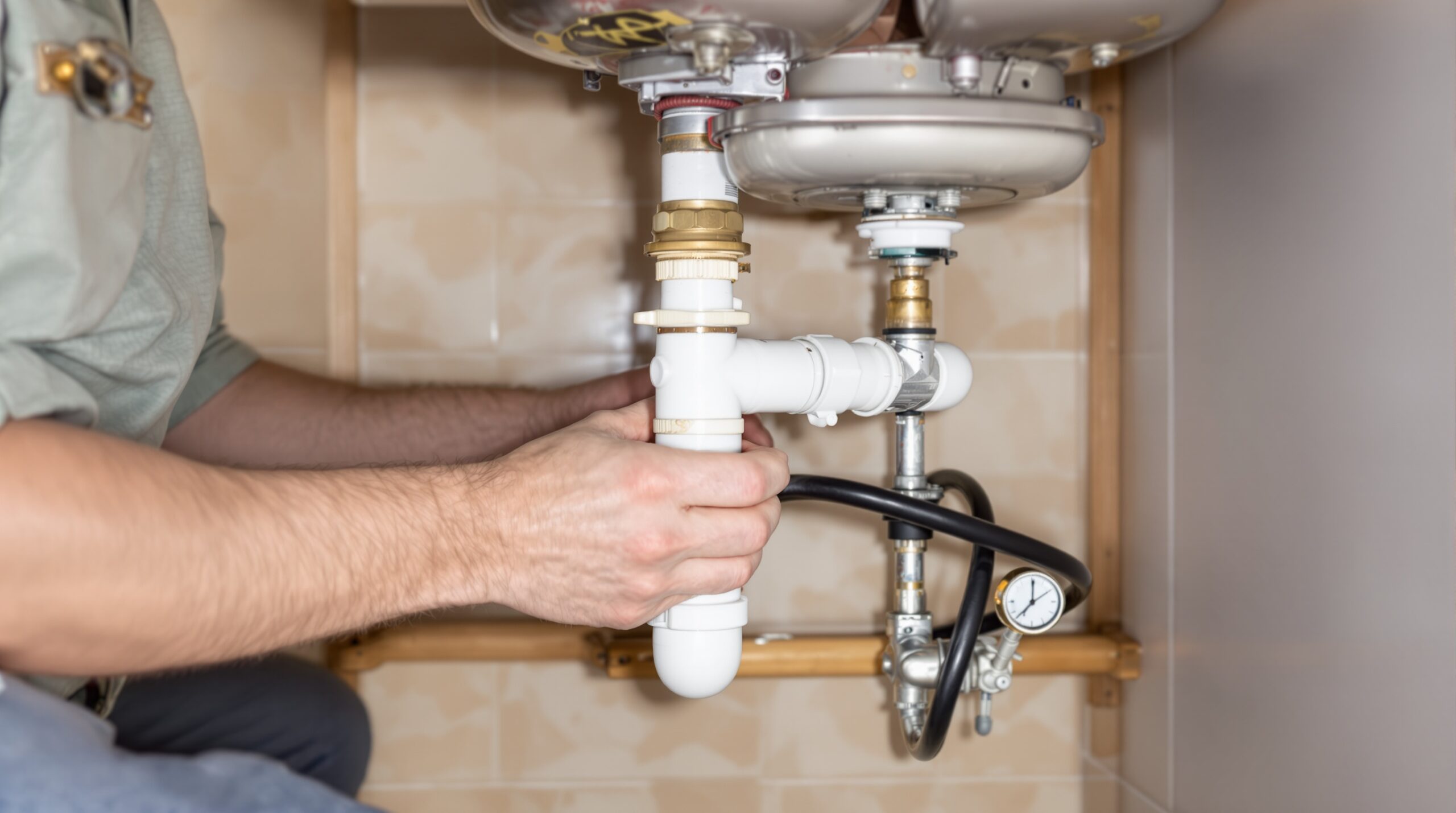
Keeping Your Plumbing in Top Shape
Every homeowner in Odessa, DE, knows just how important it is to maintain a well-functioning plumbing system. Imagine coming home after a long day to find water leaking from under the sink or a toilet that won’t flush. Yikes! Many of us, however, tend to overlook those crucial maintenance steps—until we’re neck-deep in a problem.
Don’t Wait for a Crisis!
Just like you wouldn’t ignore a warning light on your car’s dashboard, it’s crucial not to ignore the signs until it’s too late. Regular maintenance can save you from those pesky plumbing surprises and help ensure that your home runs smoothly. That’s why we’ve put together this handy guide just for you!
In the sections that follow, you’ll find a robust set of tips and simple DIY techniques to keep your plumbing in tip-top shape all year round. From checking your water pressure to unclogging those stubborn drains, we’ve got you covered! Let’s dive into the essential plumbing maintenance tips every Odessa homeowner should know.
Get ready to become a plumbing pro!
Regular Inspection Routines for Your Plumbing System
Before diving into practical DIY solutions for common plumbing issues, let’s talk about the backbone of plumbing maintenance: regular inspection routines. Much like weekly exercises for your body, taking the time to inspect your plumbing can enhance its longevity and performance, helping you to avoid sudden and costly repairs later on. So, what should you look for during these inspections? Here’s a handy checklist to guide your routine:
| Inspection Area | Recommended Frequency | Key Checks |
|---|---|---|
| Under Sinks | Monthly | Look for leaks, corrosion, and water stains on pipes and cabinetry. |
| Showerheads & Faucets | Monthly | Check for water pressure issues, leaks, and mineral buildup. |
| Toilets | Monthly | Inspect for leaks at the base and ensure proper flushing. |
| Main Water Line | Quarterly | Look for sagging or shifting, and ensure no signs of leaks in the soil. |
| Water Heater | Annually | Check for leaks, sediment buildup, and ensure the temperature is set correctly. |
| Sewer Cleanouts | Annually | Inspect for clogs or blockages; clear any debris around access points. |
Each of these areas warrants your attention, and a little diligence can go a long way. Begin your inspection under the sinks; we often overlook those hidden spaces! Look for signs of leaks and any water damage on the cabinetry. A quick look at the showerheads and faucets can help identify mineral buildup or diminished water flow, both of which can signal underlying issues. Toilets are notorious for sneaky leaks, so make sure to check for any running water, especially around the base and tank.
Don’t forget to keep an eye on your main water line, as well as your water heater. Periodic inspections can alert you to issues like sediment buildup that could affect performance or lead to future problems. Lastly, your sewer cleanouts are critical for maintaining the health of your plumbing system. Make sure they are clear of debris, ensuring smooth drainage and avoiding blockages.
Automating this inspection routine can also be helpful! Just think: setting a quarterly reminder on your phone can take the pressure off, and you might even find that assigning specific tasks to each family member can turn this maintenance into a fun, collaborative effort.
Remember, being proactive is the key to plumbing success! Regular inspections not only ensure your plumbing system runs smoothly, but they also give you peace of mind, allowing you to focus more on enjoying your home. You’re one step closer to becoming a plumbing pro—now let’s move on to practical DIY tips for resolving common plumbing issues!
Practical DIY Tips for Resolving Common Plumbing Issues
Armed with a solid foundation of regular inspections, you’re now primed to tackle common plumbing issues with practical DIY solutions. Just like a trusty toolbox, having some go-to methods can empower you to resolve minor hiccups without the need for professional intervention. Below, we explore some of the most frequently encountered plumbing problems and the straightforward DIY fixes you can implement, bolstering your confidence as a home maintenance maestro.
1. Dripping Faucets: A Constant Irritation
If your faucet has developed a persistent drip, it’s likely due to a worn-out washer or O-ring. Start by turning off the water supply under the sink and then remove the faucet handle using a screwdriver or wrench. Pull out the cartridge or stem, then replace the damaged washer or O-ring with a new one. Reassemble the faucet, turn the water supply back on, and enjoy your newfound tranquility!
2. Clogged Drains: Clear the Way
Clogs can strike out of nowhere, but often they’re the result of hair, soap residue, or food particles. Start with a simple vinegar and baking soda treatment: pour half a cup of baking soda down the drain, followed by half a cup of vinegar. Cover with a drain plug and let it sit for 30 minutes before flushing with hot water. For tougher clogs, a plunger can do wonders. Create a tight seal around the drain and plunge vigorously to break up the blockage.
3. Running Toilets: A Water-Wasting Dilemma
A running toilet can be a silent but annoying issue. Often, it’s due to a faulty flapper valve. Remove the tank lid and check the flapper; if it’s worn or not sealing properly, it’s time to replace it. Simply lift the flapper off the mounting pegs, install a new one, and reattach everything. Flushing the toilet afterward will confirm that your fix did the trick!
4. Low Water Pressure: Feeling the Pinch
If you’ve noticed a decrease in water pressure, it could be caused by mineral buildup in the aerator. Unscrew the aerator from the faucet and soak it in a solution of vinegar and water to dissolve any debris. Rinse it thoroughly, reassemble, and enjoy the refreshing boost in water flow. If the issue persists, the problem may lie deeper within your plumbing system—don’t hesitate to investigate further or call in a professional.
5. Leaky Pipes: Don’t Let it Flow
Spotting a leak in your pipes can be concerning, but you may be able to tackle the issue yourself. Start by turning off the water supply to the affected area. If the leak is small, you can use a pipe repair tape as a temporary fix. For a more lasting solution, consider using epoxy putty. Simply clean the area around the leak, knead the putty, and apply it to the damaged section. Follow the instructions for curing time before turning the water back on.
6. Water Heater Troubles: A Hot Topic
If your water heater isn’t producing hot water, first check the thermostat settings and increase them if necessary. If water leaks around the base of the unit, it might be a sign that the tank is corroding. Don’t fret; if the issue is merely sediment buildup, flushing the tank can help. Turn off the heater and connect a garden hose to the drain valve at the bottom of the tank. Open the valve and let the water drain until it runs clear, then refill the tank and turn it back on.
These practical DIY tips empower you to take charge of minor plumbing issues, saving time and providing a sense of accomplishment. Remember, while these fixes can manage common challenges, knowing when to call for professional help is just as important in maintaining the integrity of your plumbing system. Next, let’s discuss seasonal maintenance tasks to prevent future problems and keep your plumbing in tip-top shape!
Seasonal Maintenance Tasks to Prevent Future Problems
As you roll up your sleeves and dive into the world of plumbing, it’s important to remember that proactive measures are just as crucial as reactive solutions. By integrating seasonal maintenance tasks into your home routine, you can significantly reduce the risk of plumbing issues down the line. Here’s a seasonal guide to help you keep your plumbing in optimal condition throughout the year!
Spring: The Great Thaw & Inspection
With warmer weather approaching, it’s time to inspect your plumbing system for winter damage. Start by checking for any cracks or signs of wear on exposed pipes that may have been susceptible to freezing temperatures. Inspect your outdoor faucets; be sure to remove any hose attachments and check for leaks or frozen debris. This is also an excellent time to clean out your gutters to prevent excess water from pooling around your foundation, which could lead to basement leaks.
Summer: Focus on Water Usage & Efficiency
As the temperatures rise, your water usage will likely increase. Take this opportunity to check for any hidden leaks that could be costing you in lost water. Inspect your irrigation system to ensure it’s running efficiently; broken sprinkler heads or leaky hoses can waste water and drive up your utility bill. Additionally, consider running your washing machine and dishwasher only with full loads to conserve water.
Fall: Prepare for the Cold
As the leaves fall and temperatures begin to drop, it’s time to harden your plumbing against winter’s icy grip. Insulate exposed pipes with foam pipe insulation to prevent freezing. This is also the ideal time to flush your water heater, removing sediment that may have built up during the warmer months. Furthermore, check your sump pump to ensure it’s functioning properly; this is crucial for preventing water backup as winter storms approach.
Winter: Monitor and Manage
During the colder months, keep a close eye on your home’s plumbing system. If you’re going away for the holidays, consider leaving your heating on at a low temperature to prevent pipes from freezing. Maintain a consistent temperature in your home, especially in areas where plumbing is located. Running water occasionally during extreme cold can help prevent freezing. Lastly, continue to monitor for leaks or drips that can result from the freeze-thaw cycle, addressing any that arise promptly.
By integrating these seasonal maintenance tasks into your home care routine, you’ll not only bolster your plumbing system’s resilience but also enjoy peace of mind knowing you’re in control. Remember, a little attention throughout the year can save you from major headaches down the line. Now that you’ve grasped the importance of seasonal upkeep, let’s move on to understanding your plumbing system layout, which will further enhance your ability to manage and maintain this essential aspect of your home.
Understanding Your Plumbing System Layout
Every homeowner has a unique plumbing system that forms the backbone of their household’s functionality. Understanding how this intricate web of pipes, fixtures, and fittings works is not only empowering but essential for effective maintenance and troubleshooting. Each part of your plumbing system plays a role in transporting water, ensuring proper drainage, and keeping your home comfortable and safe. Let’s delve deeper into the components of your plumbing system and their layout so you can become a more informed and proactive homeowner.
Key Components of Your Plumbing System
Your plumbing system consists of several key components, each serving a specific function. Familiarizing yourself with these elements can help you quickly identify problems and take appropriate action when necessary. Here’s an overview of the major components:
| Component | Function |
|---|---|
| Water Supply Lines | Transport clean water from the main supply to faucets, showers, and appliances. |
| Sewage Drainage Pipes | Carry waste away from your fixtures to the municipal sewer system or septic tank. |
| Faucets and Fixtures | Control water flow and temperature for bathing, cooking, and cleaning. |
| Valves | Regulate water flow and can be turned off in emergencies to prevent leaks or bursts. |
| Traps | Prevent sewer gases from entering your home by retaining a small amount of water. |
| Water Heater | Heats water for your home, providing hot water for baths, showers, and laundry. |
| Sump Pump | Removes excess water from basements or crawl spaces to prevent flooding. |
Mapping Your Plumbing System
To fully appreciate how your system works, take the time to map out your plumbing layout. This can be both an educational and practical exercise. Below are steps to help you create a simple plumbing map:
- Locate the Main Water Line: This is typically found in the basement or crawl space, entering your home.
- Identify the Branch Lines: Trace the paths from the main line to different areas of the house, marking where they supply water.
- Pinpoint Fixtures and Valves: Note the locations of toilets, sinks, showers, and shut-off valves.
- Drainage System: Map out the lines that lead waste away from fixtures, ensuring you understand where the traps are located.
Having a visual layout of your plumbing system allows you to troubleshoot problems more efficiently. Suppose a leak occurs in your home. In that case, knowing where the main shut-off valve is located can save you from catastrophic water damage, as you can quickly stop the flow. Additionally, understanding your system helps in identifying which fixtures may require maintenance over time.
Your plumbing layout is also crucial for planning any renovations, as it informs you of existing constraints and enables better decision-making when adding new appliances or changing configurations. By fostering a clear understanding of your plumbing system, you’ll be equipped to recognize issues and solutions promptly, ensuring your home remains a haven of comfort.
Now that you have a solid grasp of your plumbing system layout, we can explore long-term strategies for maintaining optimal water pressure in your home, keeping everything flowing smoothly and efficiently!
Long-Term Strategies for Maintaining Optimal Water Pressure
Maintaining optimal water pressure is essential not only for comfort but also for the efficiency and longevity of your plumbing system. Homeowners often overlook the importance of consistent water pressure, but it can significantly impact the overall performance of appliances and fixtures throughout the household. Below are effective long-term strategies that can help you keep your water pressure at an ideal level.
Regular Maintenance Checks
Establish a routine for inspecting your plumbing system, including all faucets, fixtures, and appliances. Look for signs of leaks, corrosion, or sediment buildup. Regular maintenance checks allow you to identify issues before they escalate into bigger problems. This proactive approach prevents unexpected drops in water pressure caused by hidden leaks or clogged pipes. Consider setting a schedule, perhaps quarterly, to ensure that you stay on top of potential plumbing issues.
Monitor Pressure Regulator Settings
If your home has a pressure regulator installed, periodically check and adjust its settings to ensure optimal performance. The ideal water pressure for residential plumbing typically hovers around 45 to 55 psi (pounds per square inch). Overly high pressure can lead to wear and tear on your pipes and fixtures, while low pressure can diminish water flow to your faucets and showers. By maintaining the correct settings, you can avoid unnecessary repairs and maintain consistent water flow.
Flush Your Water Heater
Over time, sediment can accumulate in your water heater, reducing its efficiency and affecting water pressure. To prevent this, flush your water heater at least once a year. By removing sediment, you’ll not only enhance the water heater’s performance but also ensure that hot water flows consistently through your fixtures. This simple task can contribute to better water pressure and reduce strain on your plumbing system.
Install Pressure-Relief Valves
For added protection against water pressure spikes, consider installing pressure-relief valves in strategic locations throughout your plumbing system. These valves work as a safety measure, relieving excess pressure when it reaches unsafe levels. By incorporating these valves, you minimize the risk of over-pressurization that could cause pipe bursts or leaks, ultimately keeping your home safe and your water pressure steady.
Use Water-Saving Fixtures
Upgrading to water-efficient fixtures is an excellent way to maintain optimal water pressure while promoting conservation. Modern aerated faucets and low-flow showerheads regulate water flow without compromising performance. These fixtures provide a steady stream of water, allowing you to enjoy a powerful shower while reducing overall consumption. Implementing water-saving measures can directly influence your home’s water pressure positively, as they help ensure a consistent flow across all uses.
Inspect and Replace Aging Pipes
As your plumbing system ages, pipes can corrode, develop leaks, or become clogged with mineral deposits. Regularly inspect for any signs of wear and consider proactively replacing aging pipes. This not only enhances the overall performance of your plumbing system but also prevents sudden drops in water pressure. If you notice significant wear in your pipes, addressing the issue early on can save you from more extensive repairs in the long run.
Plant Strategically
If your home has an outdoor landscape, be mindful of where you plant trees and shrubs. Roots can infiltrate underground pipes, causing blockages that lead to decreased water pressure. Choose planting locations that are sufficiently away from any plumbing lines, particularly large root systems. This foresight can prevent unexpected root intrusions and preserve the integrity of your water flow.
By implementing these long-term strategies, you can ensure that your plumbing system operates at peak efficiency, maintaining optimal water pressure for years to come. Remember, consistent upkeep doesn’t have to be a daunting task; it’s about making small, smart decisions that contribute to the overall health of your home. Taking control today sets you up for a future where your plumbing system supports your lifestyle seamlessly, preventing disruptions and providing comfort.
Maintaining your plumbing doesn’t have to be an overwhelming task. With a few simple practices, you can create a routine that keeps your plumbing system healthy and efficient. Following the foundational strategies already discussed, consider adopting these essential tips that will further enhance your plumbing maintenance regime.
Stay Vigilant with Inspecting for Leaks
One of the easiest, yet often neglected, aspects of plumbing maintenance is the regular inspection for leaks. Aim for a thorough check of visible plumbing fixtures every few months. Look beneath sinks, around toilets, and behind appliances like dishwashers and washing machines, where pipes are often hidden. If you spot any damp patches, water stains, or unusual puddles, these could be early warning signs of a leak. And when in doubt, don’t hesitate to schedule a professional inspection annually. This proactive measure allows experienced eyes to catch issues that may not be visible to the untrained eye, ensuring your system remains leak-free.
Be Mindful of What Goes Down the Drain
While it might be convenient to think of your drains as a catch-all for household waste, some substances can wreak havoc on your plumbing. Steer clear of pouring grease, coffee grounds, and harsh chemicals down the drain. Grease can solidify and build up in pipes, leading to blockages. Coffee grounds, often perceived as harmless, can accumulate over time and create stubborn clogs. Moreover, strong chemicals can disrupt the natural balance of your pipes and result in long-term damage. Instead, consider composting food waste like coffee grounds and oils, giving your plumbing a fighting chance against slow drainage and clogs.
Know When to Call a Professional
It’s important to recognize that not all plumbing issues can be resolved with DIY methods. Make it a habit to contact a professional plumber if you experience persistent problems, such as slow drainage or mysterious water stains, or if you hear strange noises coming from your pipes. Sometimes these signs can indicate deeper issues, such as tree root intrusion or pipe corrosion, that require expert intervention. Additionally, if you’re planning to install new fixtures, enlisting a professional not only ensures the job is done correctly but also minimizes the risk of introducing new problems into your system.
Establish Smart Habits for Daily Use
Your daily habits can significantly impact the long-term health of your plumbing system. Be mindful of water usage; don’t leave faucets running unnecessarily, and opt for shorter showers when possible. Additionally, educate your household about proper waste disposal practices. By instilling these habits in all family members, you can collectively contribute to a more efficient plumbing system that lasts.
Utilize Drain Screens
Using drain screens is a simple yet effective way to catch hair, food particles, and other debris from entering your drains. This small barrier can prove to be a game-changer in preventing clogs, helping maintain clear and free-flowing pipes. Make it a routine to clean these screens regularly to ensure maximum efficiency.
By implementing these tips and committing to regular upkeep, you’ll safeguard your home against the inconveniences of plumbing mishaps. Take control today and set your home up for a future of smooth-sailing functionality. A little attention can go a long way, leading to a plumbing system that not only meets your needs but also adds to your peace of mind as a homeowner.
Embrace Proactive Plumbing Care
So, you’ve rounded out your knowledge on maintaining optimal water pressure—great job! But let’s take this a step further. The world of plumbing might seem like an endless maze of pipes and fittings, yet, when broken down into manageable tasks, maintaining your plumbing doesn’t have to be an overwhelming endeavor. It’s about creating a routine that integrates seamlessly into your lifestyle. Just as you wouldn’t let your car go without regular oil changes or tire checks, your plumbing system merits the same attention. So, let’s dive into actionable tips that will empower you to safeguard your home against plumbing pitfalls.
Commit to a Plumbing Maintenance Calendar
The first step in your journey towards plumbing mastery is establishing a reliable maintenance calendar. Like a wellness regimen for your home, creating a straightforward schedule can change the game. Mark key tasks—annual water heater flushes, quarterly inspections, and seasonal checks of outdoor plumbing—for the year ahead. Use reminders on your phone or a notebook in your kitchen. This simple but effective measure transforms plumbing care from an afterthought into an intrinsic part of your home routine.
Educate Yourself and Family Members
Knowledge is power, and that extends to your household! Take time to educate yourself and your family about basic plumbing principles. Why not host a fun family workshop where everyone pitches in? From how to check for leaks to understanding the signs of mineral buildup in faucets—it’s invaluable information that could save your home from significant problems further down the line. The more informed you all are, the more likely you’ll spot issues before they escalate.
Master The Art of DIY Fixes
When minor plumbing issues arise, having the confidence to tackle them with some DIY finesse is crucial. Equip yourself with essential tools like a plunger, wrench, and a basic toolkit. YouTube is your friend—search for how-to videos that can guide you through minor repairs, such as unclogging a drain or replacing a faucet. Not only will you save time, but you may also discover a newfound satisfaction in handling these tasks independently, contributing positively to your home’s wellness.
Utilize Smart Technology
In this digital age, consider investing in smart home technology that can streamline your plumbing maintenance. Sensors that monitor water usage and detect leaks are available and can send alerts straight to your smartphone. This proactive solution provides peace of mind, especially when you’re away from home, ensuring you’re always in the loop. It’s like having a vigilant assistant watching over your plumbing system at all times.
Engage a Professional for Annual Assessments
While engaging in DIY fixes can be empowering, don’t shy away from leveraging professional help when needed. An annual plumbing assessment by a qualified technician can reveal underlying issues that may go unnoticed. With this expert eye, you can benefit from early detection of complications, giving your plumbing system the care it needs to function smoothly. Think of it as a routine check-up for your home’s health!
Set Up a First-Aid Kit for Minor Emergencies
Being prepared for the unexpected can make all the difference! Assemble a plumbing first-aid kit with items like plumber’s tape, a pipe wrench, and drain cleaner. Keep it easily accessible so that you can address minor issues swiftly before they escalate. A simple and quick solution may sometimes be all you need to resolve a leak or a slow drain, ensuring that your life remains uninterrupted.
Celebrate Your Successes
Finally, don’t forget to celebrate your plumbing care successes! Each time you fix a leak or notice an improvement in water pressure due to your diligent upkeep, take a moment to acknowledge that achievement. Share it with your family, post a pic on social media, or even treat yourself to something nice! This fosters a positive attitude towards home maintenance—an approach that turns chores into achievements.
Ultimately, taking control of your plumbing doesn’t have to be an overwhelming task. By committing to these strategies and maintaining regular upkeep, you’re setting the stage for seamless functioning in your home. Embrace this proactive mindset today, and safeguard your living space against the inconveniences of plumbing mishaps. The future of your home is bright, smooth-sailing, and in your hands!