
Embracing the Joys and Challenges of Homeownership in Delaware
Owning a home in Delaware is like riding a thrilling roller coaster; there are exhilarating highs and some unexpected twists and turns along the way. While you’ll undoubtedly love decorating your space and enjoying cozy family gatherings, you might also face minor plumbing issues now and then. Whether it’s a leaky faucet in the kitchen or a pesky toilet that won’t flush, these challenges can feel daunting. However, with the right plumbing tools in your toolkit, you can tackle these tasks with confidence and ease!
Becoming Your Own Plumbing Hero
Imagine taking a deep breath, rolling up your sleeves, and saying, “I can handle this!” Armed with the essential plumbing tools, you can become your own DIY hero. Not only will you save time, but you’ll also gain the satisfaction of solving your own problems! Plus, having the right tools can make those minor repairs feel less like a mountain and more like a molehill.
In this article, we’ll explore the must-have plumbing tools every Delaware homeowner should have. With these tools by your side, you’ll be ready to tackle any plumbing hiccup that comes your way. So, let’s dive in and get you all set up for success!
Wrenches: The Heart of Plumbing Repairs
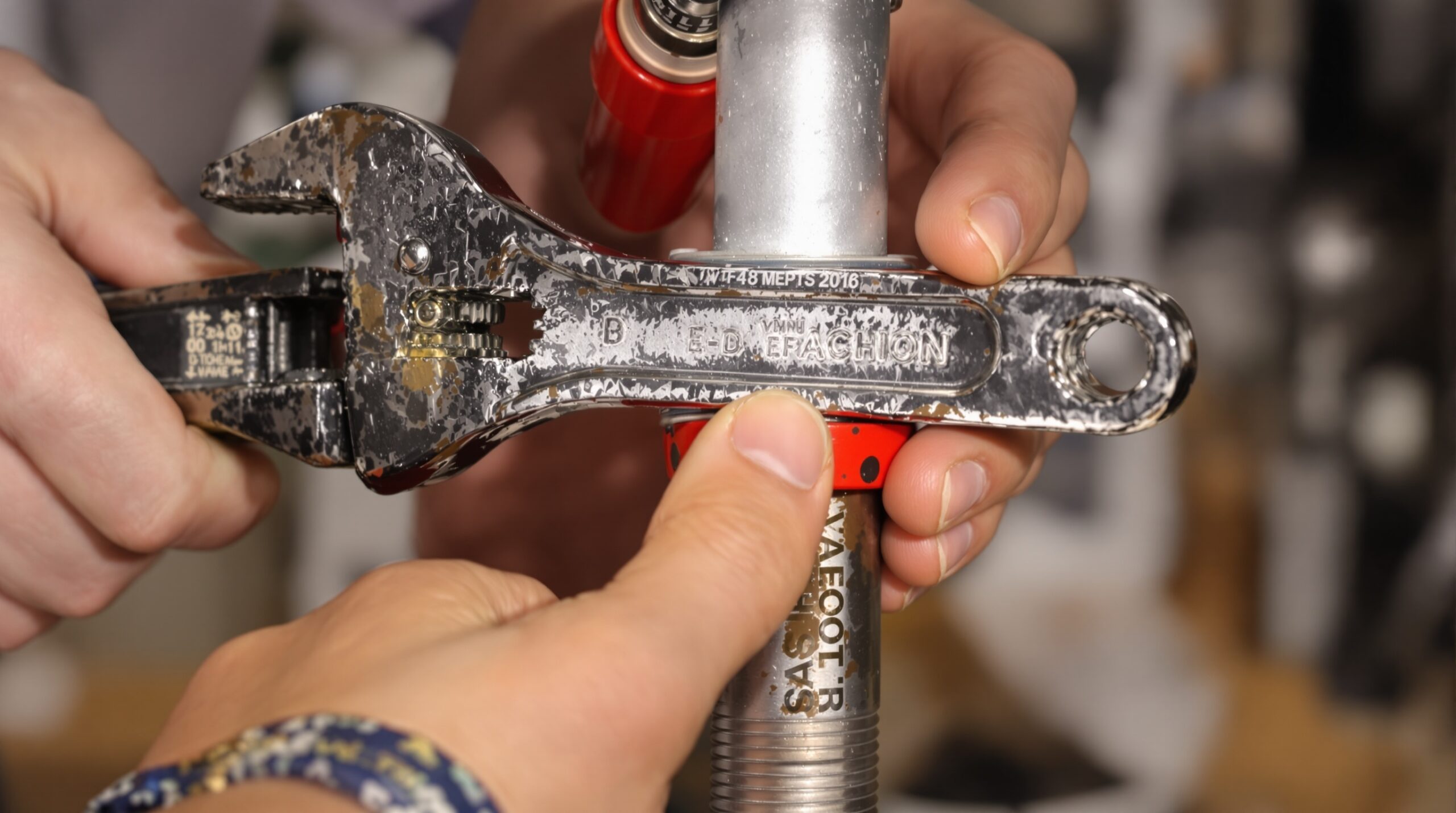
When it comes to plumbing repairs, nothing is as indispensable as a good wrench. Picture this: you’re faced with a small leak under the kitchen sink. You reach for your adjustable wrench—a nimble ally that can adapt to various plumbing fixtures, from pipes and nuts to valves and faucets. Its versatility makes it the go-to choice for many homeowners. But don’t stop there; consider adding a basin wrench to your toolkit. This specialized tool is designed for those hard-to-reach areas under sinks, enabling you to grasp and tighten fittings with ease. With the right wrenches at your disposal, you gain the confidence to transform daunting plumbing issues into mere inconveniences.
Let’s break down the importance of these essential tools in your plumbing arsenal:
| Tool | Description | Best Uses |
|---|---|---|
| Adjustable Wrench | A versatile tool that can adjust to various sizes of nuts and bolts. | Ideal for most plumbing fixtures, including pipes and faucets. |
| Basin Wrench | A long-handled wrench designed to reach tight spots under sinks. | Perfect for loosening and tightening nuts in confined spaces. |
These tools are the heart of your plumbing toolkit. With the adjustable wrench, you’ll find yourself adept at loosening stubborn fittings that seem to be fastened on too tight, and with the basin wrench, you’ll have the capability to install or replace faucets without calling in a professional. This versatility not only empowers you but also adds a sense of accomplishment to each repair completed.
So, how do you use these tools effectively? Start by ensuring your adjustable wrench is sufficiently tightened around the object you’re working on. A secure grip aids in preventing stripping or damaging the fitting. For the basin wrench, familiarity with its unique handle mechanism is key; practice using it in accessible areas first, so you feel comfortable when the time comes to tackle that difficult-to-reach faucet.
By embracing these invaluable wrenches, you’ll be well on your way to mastering plumbing repairs in your Delaware home. As a homeowner, there’s something truly gratifying about solving these problems with your own two hands. So, take the plunge, equip yourself, and become the plumbing hero of your household!
Plungers: The Unsung Heroes
When you think of plumbing tools, plungers might not be the first things that come to mind. Yet, they arguably play one of the most critical roles in your plumbing arsenal. These unassuming devices, often relegated to the back of a cupboard, deserve a place of honor in every household tool kit. The truth is, when faced with a stubborn clog, it’s the plunger that transforms from humble household item to heroic lifesaver.
The cup plunger and the flange plunger are two distinct champions, each designed with specific tasks in mind, yet united in their goal: to liberate your drains from the grip of unwanted blockages. Let’s dive deeper into the world of plungers, exploring their features, uses, and the techniques that turn them into your best friends during plumbing emergencies.
The cup plunger, with its simple rubber suction cup and straight handle, is ideal for flat surfaces such as sinks and bathtubs. It creates the perfect seal to dislodge clogs caused by hair, soap residue, or food particles. To wield this tool effectively, place it directly over the drain, ensuring a tight seal. With firm, controlled plunges—pushing down and pulling up—you create a vacuum that can force that stubborn residue right out of its hiding place. It’s a skill that, once mastered, will leave you feeling like a plumbing whiz!
Now, let’s not overlook the flange plunger, which is a true warrior when it comes to toilets. While its cup-shaped base also provides excellent suction, it features an extended flap, or flange, that helps fit securely into toilet bowls. This design is essential for tackling clogs that often occur in tightly curved pipes and fixtures. To make the most of this dynamic tool, simply position it in the toilet bowl, ensuring the flange is properly seated inside the drain. Then, with a series of vigorous thrusts, you’ll gain the upper hand over even the most stubborn clogs.
As you embark on your unclogging adventures, remember that technique is vital. For cup plungers, use a gentle rhythm to build up pressure without creating too much splash. On the other hand, flange plungers require more vigorous thrusts to create the necessary suction in the deeper toilet bowls. It’s almost an art form that demands practice, but once you get the hang of it, your confidence will soar.
Embracing the mighty plunger as one of your trusty tools not only equips you to handle minor plumbing emergencies with ease but also fosters a sense of self-sufficiency and accomplishment. Remember, every clogged drain you successfully clear adds to your prowess as a homeowner. So, with the right plungers at your side, plunge boldly into your plumbing challenges—you’re ready to conquer every clog that comes your way!
Pipe Repair Kits: Quick Solutions for Leaks
When it comes to plumbing emergencies, time is of the essence. That’s where pipe repair kits come into play, serving as your first line of defense against the dreaded leak. Whether it’s a burst pipe in your basement or a slow drip under the sink, these kits are designed to stop the flow before it escalates into a flood. Their ease of use makes them indispensable for homeowners looking for quick, effective solutions without the need for a plumbing background.
Imagine this: You’ve just returned home after a long day, only to discover a small pond forming on your kitchen floor. Panic sets in. But fear not! A pipe repair kit is within arm’s reach, equipped with everything you need to tackle the situation head-on. Most kits come with essentials like repair tape, rubber patches, and clamps—tools that empower you to take matters into your own hands.
Repair tape is often the star of the show in these kits. Made of a durable, flexible material, it adheres tightly around the damaged area, creating a waterproof seal that halts leaks in their tracks. To apply, simply clean the surface around the leak, cut a length of tape, and wrap it tightly around the leak a few times for good measure. In mere minutes, you’ve transformed a potential disaster into a manageable situation. The satisfaction and relief of handling such a crisis yourself are incomparable!
Then there are rubber patches, which are particularly effective for larger leaks or cracks in pipes. These can be secured over the damaged area with the help of pipe clamps, which cinch down tightly to hold everything in place until a professional can make a more permanent fix. These sturdy, reliable options give you peace of mind, knowing that you’ve temporarily sealed a major problem and provided yourself some time to plan the next steps.
For more complex situations, some kits include epoxy putty, a versatile option that hardens to create a tough, waterproof barrier. This is especially useful for leaks on horizontal pipes where standard tape might not hold as effectively. To use epoxy putty, simply knead the putty until it’s malleable, apply it to the leak, and allow it to set. The end result? A repair that stands the test of time, allowing you to go back to your daily routine with minimal disruption.
One of the most significant advantages of pipe repair kits is their portability. Small enough to fit in a toolbox or even a kitchen drawer, you can have one on hand for those inevitable moments that catch you off guard. While they’re not a substitute for professional plumbing work, they provide an essential stopgap solution, allowing you to manage a crisis efficiently and effectively.
So next time you find yourself faced with a plumbing leak, remember the power of a pipe repair kit. With its straightforward application and reliable materials, it takes the panic out of unpredictable situations. You don’t need to be a seasoned plumber to take charge of your home—just keep a repair kit handy, and you’ll feel ready to confront any leak that comes your way!
Plumber’s Tape: The Sealant Savior
As we transition from the urgency of immediate pipe repairs to the classic quick-fix tool found in many homes, plumber’s tape—often branded as Teflon tape—shines as the unsung hero of plumbing. While it may appear to be nothing more than a simple roll of tape, its vital role in ensuring plumbing integrity cannot be overstated. Unlike the impressive toolbox filled with complex gadgets, plumber’s tape stands out not for its complexity, but for its uncanny effectiveness in preventing leaks and maintaining a tight seal.
So, what makes plumber’s tape so invaluable? Its primary function is to create a watertight barrier on threaded pipe joints, which is essential when connecting two pieces of plumbing. When properly applied, it prevents water from seeping out and creating those ever-dreaded leaks. Additionally, it’s worth noting that the tape reduces the friction between threaded metal parts, making it easier to screw them together without damaging the threads. What may seem like a minor detail can save you from costly future repairs!
Applying plumber’s tape is an unfussy process that even the least handy among us can master. Just wrap the tape around the threads of the male fitting in a clockwise direction (that’s the direction you’ll be turning to screw it in). Aim for overlapping the tape in a snug, uniform manner—typically, two to three wraps should do the trick for most household plumbing needs. This simple act of layering a few strips can significantly reduce the risk of leaks when reconnecting water supply lines or other plumbing fixtures.
| Plumber’s Tape Benefits | Usage Tips |
|---|---|
| Creates a watertight seal | Wrap in the direction of the thread twist for secure sealing |
| Reduces friction at joints | Use 2-3 wraps for standard plumbing connections |
| Prevents corrosion on metal threads | Ensure threads are clean and dry before applying |
| Increases lifespan of fittings | Check connections periodically for signs of wear |
Beyond just plumbing, the advantages of plumber’s tape stretch into multiple domains. Have you ever struggled with the occasional squeaky faucet? A light wrap of plumber’s tape around the threads can help eliminate that annoying sound! Or when assembling new fixtures, a little tape can make a big difference in achieving a secure and leak-free seal. The tape is versatile enough to use in various household projects, reinforcing its status as a valuable addition to any toolbox.
Despite its many applications, a surprising number of DIY enthusiasts and homeowners overlook the simple, yet powerful, benefits of plumber’s tape. In a world increasingly reliant on more elaborate tools and solutions, sometimes it’s the most straightforward options that deliver the best results. Plumber’s tape may not afford you the glamour of a shiny tool belt or complex gadgetry, but it does provide peace of mind, allowing you to tackle minor plumbing tasks confidently and effectively.
In the realm of plumbing, plumber’s tape stands resolutely as the “sealant savior.” It’s lightweight, inexpensive, and surprisingly effective for a vast array of leaks and pipe issues. Whether you’re a seasoned DIY-er or a novice homeowner, stocking your toolbox with plumber’s tape will ensure that you’re ready to tackle unexpected leaks at a moment’s notice. After all, in the fight against leaks, every little bit counts—and plumber’s tape is a small but mighty ally!
Augers: Beyond the Plunger
When the standard plunger simply won’t cut it, enter the unsung hero of stubborn clogs: the auger. Armed with the capability to confront even the most tenacious blockages, augers are an essential weapon in the plumbing arsenal of every homeowner. Unlike a plunger, which relies on suction to dislodge minor obstructions, augers dive deep into your plumbing, manually breaking apart debris and restoring functionality with a deft touch.
A quick glance at the types of augers available reveals their versatility: sink augers for kitchen and bathroom drains and toilet augers specifically designed to tackle the unique challenges posed by toilets. Their distinct construction and design allow for more targeted approaches in dislodging stubborn clogs, making them irreplaceable for anyone who has ever stood helplessly by a gurgling sink or a backed-up toilet.
The secret behind the auger’s success lies in its coiled metal wire which, when manually fed into a drain, spins and burrows through stubborn blockages. This spiral design not only creates a pathway but helps break apart clogs made up of a myriad of substances—everything from hair and soap scum to tree roots and foreign objects can fall victim to the superior reach of an auger. The satisfaction of feeling the resistance give way as you clear a blockage is truly unmatched!
Utilizing an auger is straightforward, yet it requires a bit of finesse. Here’s how it typically goes: First, insert the auger’s end into the drain, and as you turn the handle, the cable extends and navigates through the piping system. When you encounter resistance, give it a gentle twist to help dislodge the obstruction. Patience is key here—you want to coax your way through the blockage rather than force it entirely, as this will help prevent pipe damage. As you pull the auger back out, you may be greeted with a nearly triumphant collection of the debris that had been causing havoc. It’s a true DIY moment!
It’s important to note that while augers are incredibly effective, they are also tools that require respect; pushing too hard can potentially damage your pipes. Engaging with an auger means tapping into a slightly more hands-on approach than relying on simpler methods. Yet, the slight learning curve is outweighed by the satisfaction of managing more complex plumbing challenges without summoning a professional. This sense of empowerment is exactly what augers provide—transforming a plumbing crisis into a manageable task.
Consider this: being equipped with an auger not only saves you the frustration of unresponsive plumbing but also fosters a deeper understanding of your home’s plumbing system. With this knowledge, you’re more prepared to handle future issues as they arise. Knowledge, after all, is power, and understanding how your plumbing functions will turn you from a passive observer to an active participant in maintaining your home.
Augers exemplify the need for preparedness in home maintenance. When you have the right tools on hand, minor plumbing headaches can be transformed from potential crises into small, solvable tasks. For Delaware homeowners, an auger is an indispensable tool, paving the way for peace of mind and efficient home management. By embracing the robust capabilities of an auger, you’re not just fixing clogs—you’re taking charge of home repairs like a true plumbing pro, equipped to tackle whatever challenge comes your way!
What If I Don’t Feel Comfortable Doing the Repairs Myself?
While it’s empowering to equip yourself with an arsenal of plumbing tools and knowledge, there may be moments when the do-it-yourself path feels less than inviting. If you’ve ever faced a plumbing issue that left you feeling uncertain or overwhelmed, it’s crucial to acknowledge those feelings. Not everyone is a natural handyman, and that’s perfectly okay! In such situations, seeking the assistance of a professional plumber can be the wisest route to take. After all, there’s no shame in recognizing your limits and opting for expert help when necessary.
When it comes to plumbing repairs, the stakes are often high. A simple misstep can lead to more significant issues, potentially escalating into costly repairs and extended disruptions. While engaging in DIY repairs can be immensely satisfying, it’s important to gauge the complexity of the task at hand. If you’re contemplating diving into a project and find yourself hesitating or feeling anxious, that might be your cue to reach out for professional assistance.
Consulting a licensed plumber not only alleviates stress but also ensures that the repair is performed correctly the first time around. Licensed professionals come equipped with the necessary experience and tools to tackle any plumbing problem effectively. They can quickly diagnose issues, provide solutions, and carry out repairs that are compliant with local codes and standards. By opting for expert help, you can save yourself a considerable amount of time and potential frustration—ultimately allowing you to focus on what matters most in your home.
Furthermore, if you are in Delaware and uncertain about where to find a reliable plumber, local online community boards and social media groups are excellent resources for recommendations. Fellow residents will often share their experiences and insights, helping you make informed choices about who to call when the plumbing woes start piling up. Additionally, many plumbing professionals provide free estimates, so you can have a clearer understanding of what needs to be done without any obligation to commit right away.
Ultimately, the aim of home maintenance, whether DIY or professional, is to create a comfortable and functional living space. So, while it’s great to take the plunge and tackle home projects, remember that you don’t have to go it alone. A skilled plumber is merely a phone call away, ready to turn your stressful repair situation back into a smoothly running home. Whether you choose to delve into DIY plumbing or enlist the help of an expert, you are sure to carve out a path toward a healthier home environment.
“`
Wrenches: The Unsung Lords of Tight Spaces
Just when you think your plumbing toolkit is complete, enter the trusty wrench—a quintessential tool that offers both simplicity and power in one compact package. Wrenches are your go-to allies for tightening and loosening nuts and bolts, making them indispensable when it comes to DIY plumbing repairs. Whether it’s replacing a leaky faucet or adjusting a fitting under your sink, a wrench can save the day and maintain your sanity.
Homeowners often underestimate the importance of wrenches, but they come in various forms tailored for specific tasks. The adjustable wrench, for instance, is known for its flexibility, allowing you to tackle various sizes of nuts and bolts with ease. Its clever design means you won’t need a full toolbox of fixed-size wrenches to manage your plumbing needs. Instead, one versatile tool can handle most scenarios, empowering you to take on more than you initially thought possible.
Here’s where the magic happens: the wrench provides leverage, allowing you to apply significant force without straining yourself. This is crucial when you find stubborn nuts that refuse to budge or when you need to tighten a connection to prevent leaks. Learning the correct grip and angle can make all the difference, transforming what could have required an emergency plumber into a straightforward home repair that you can handle on your own.
To maximize your wrench’s capabilities, keep in mind a few techniques. First, always ensure a secure fit around the bolt to minimize the risk of slipping, which can lead to frustration—and potential injury. Using both hands can offer enhanced control when dealing with particularly tight fittings. With a bit of practice, you’ll develop an instinct for the right amount of pressure without overdoing it, thus avoiding damage.
Furthermore, a well-maintained wrench can be an extension of your own strength. Regularly cleaning and lubricating your wrench will ensure its efficiency and longevity, ensuring that it’s always ready when you need it most. While a wrench may seem simple, being equipped with a properly maintained set can elevate your confidence and skill in handling plumbing issues.
Having a reliable wrench in your toolkit is not merely about fixing issues; it’s about gaining insight into your home’s systems. As you dive deeper into your plumbing, you’ll begin to recognize when something is amiss. That knowledge transforms you into an empowered homeowner, capable of diagnosing problems before they escalate into catastrophic leaks or bursts.
In summary, possessing the right plumbing tools, such as an auger and a trusty wrench, can significantly alter your experience as a homeowner. Delaware residents, by arming yourselves with these essential instruments, you’re not just preparing for unexpected situations; you’re stepping into a role that embraces home maintenance with confidence. With every successful repair, you gain not just peace of mind, but also an invaluable sense of accomplishment. So, stock your toolkit wisely, and watch as minor plumbing headaches evolve into manageable tasks that you can handle with ease!
“`