
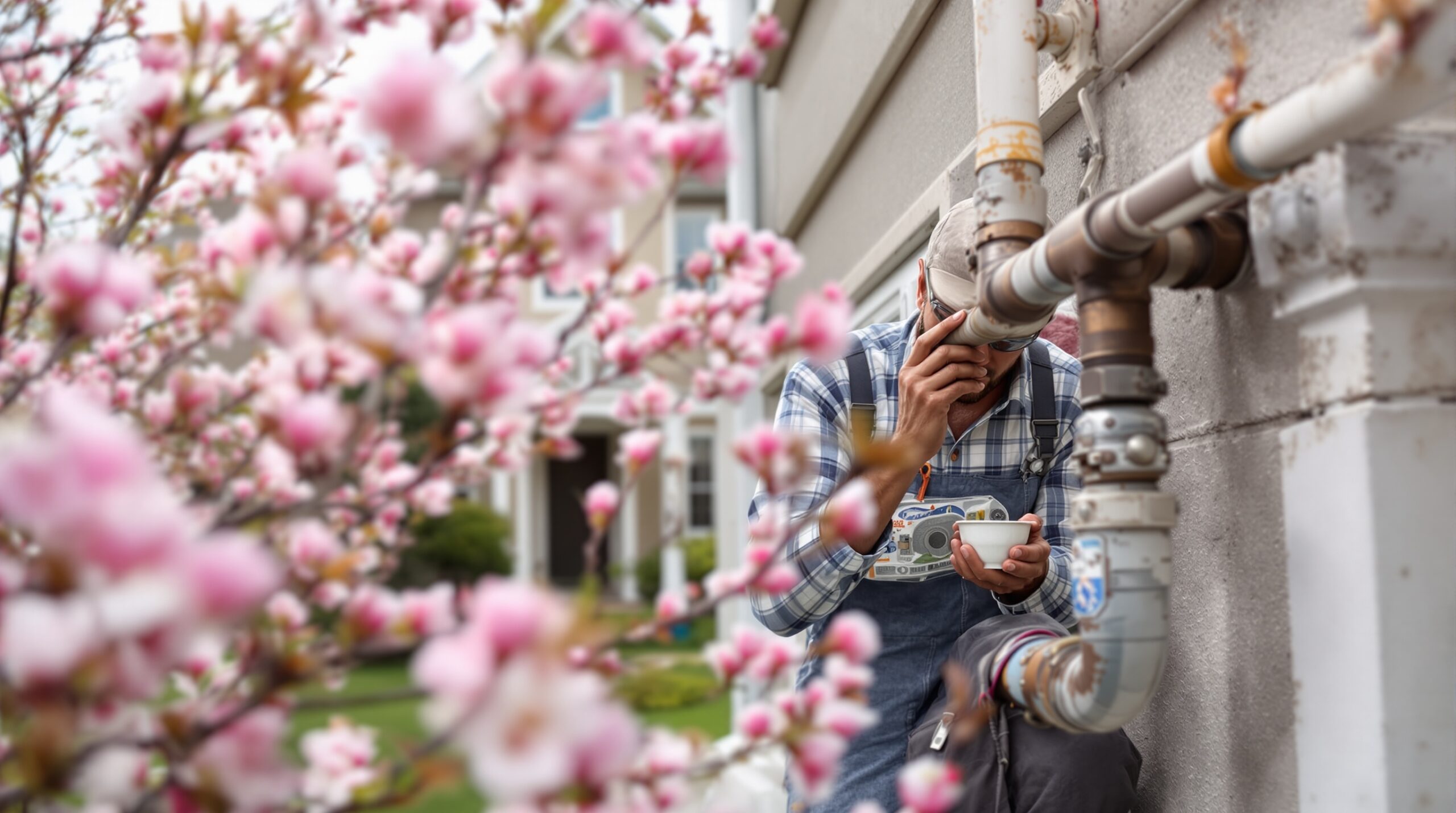
Welcome to Your Historic Home
Owning a historic home in Townsend, Delaware, is like owning a piece of living history. The charming architecture, the unique character, and the stories hidden within the walls make these homes truly special. However, with that charm comes certain challenges. One of the most important aspects to consider is plumbing. Older homes often have plumbing systems that require a little extra care and attention. Do you know how to keep your plumbing running smoothly throughout the seasons?
Why Seasonal Plumbing Care is Important
Understanding the unique charm and challenges of owning an older home means knowing that its plumbing system needs specialized care. The pipes may be antique, and the fixtures could show signs of age, making it crucial to keep them in top condition. Seasonal maintenance not only helps to avoid unexpected plumbing disasters but also ensures that your home remains efficient and reliable.
This guide will explore expert tips and preventive measures tailored specifically for Townsend’s historic homes. By following these guidelines, you can maintain the authenticity and functionality of your plumbing. So let’s dive in and discover how to keep those pipes flowing like they did in days gone by!
Spring Awakening: Preparing Your Pipes
As the snow melts and the flowers bloom, spring signifies more than just the arrival of warmer weather—it’s a time for essential maintenance, especially when it comes to the plumbing in your historic home. The harsh winter months can take a toll on pipes, leaving them vulnerable to cracks, leaks, and other damages that can lead to costly repairs if not caught early. It’s time to roll up your sleeves and get ready to assess your home’s plumbing system.
Tackling Winter Damage
First and foremost, take a moment to inspect both the interior and exterior of your plumbing system. Start in the basement and work your way up, looking for signs of frost damage. Pay special attention to:
- Visible Pipes: Check for any condensation or moisture around your pipes, which could indicate a hidden leak.
- Unusual Sounds: Listen for any strange noises, such as banging or whistling, which can signal a problem within the pipes.
- Cracks or Discoloration: After a freezing winter, look for cracks, especially in older metal pipes, which are more susceptible to damage.
If any of these issues arise, it’s wise to consult a professional plumber who understands the nuances of working with older plumbing systems.
Clear Your Gutters
Next on the spring maintenance checklist? Your gutters and downspouts. These essential components help direct water away from your foundation, preventing flooding in your basement. Here’s how to prepare them for spring rains:
- Remove debris: Clear away any leaves, twigs, or other debris that might have accumulated over the winter. Make sure the downspouts are also free from blockages.
- Test drainage: Once cleared, run water through your gutters to ensure they are draining properly. If water spills over, it might be time to realign your gutters.
- Check for damage: Inspect for rust or leaks, and repair any cracks you find to maintain their integrity.
Table: Spring Plumbing Maintenance Checklist
| Task | Frequency | Notes |
|---|---|---|
| Inspect pipes for leaks | Annually | Look for signs of moisture and unusual noises |
| Clear gutters and downspouts | Biannually | Prevent basement flooding |
| Check water pressure | Seasonally | Ensure consistent flow throughout the home |
| Test sump pump functionality | Annually | Replace if necessary |
As you dive into your spring to-do list, remember that being proactive about your plumbing will not only help preserve the unique character of your historic home but also ensure its functionality for years to come. Take charge now, and you’ll save yourself a world of hassle later. With the work you put in this spring, your beloved home will be ready to handle the upcoming summer heat with ease. Next, we’ll delve into the summer months and how you can manage your water usage effectively during this time of increased demand.
Summer Upkeep: Managing Water Usage
As the sun begins to blaze and the days extend, summer introduces not just a season of lush greenery but also a notable spike in water consumption. From tending to your flourishing garden to keeping your home cool amidst rising temperatures, water becomes an essential resource that requires mindful management. It’s vital to monitor and regulate your water usage to preserve this precious commodity while maintaining the comfort of your historic home.
Assess and Optimize Your Irrigation System
Your outdoor space may be your pride and joy, but if you’re utilizing an inefficient irrigation system, it can quickly turn into a water waster. Start by examining your irrigation setup:
- Inspect Sprinkler Heads: Check for clogs or misalignments that may lead to water being wasted or uneven coverage. Make necessary adjustments to ensure every plant is receiving adequate water.
- Evaluate Timing: Water your garden early in the morning or late in the evening when evaporation rates are lower. Consider installing a timer to automate your watering schedule for optimal efficiency.
- Utilize Drip Irrigation: Transitioning to drip irrigation for your flower beds or vegetable garden can dramatically reduce your water consumption, allowing water to reach the roots directly without unnecessary runoff.
Check Outdoor Faucets and Pipes
Your outdoor faucets and hoses may endure wear and tear during the colder months, leading to inefficiencies once summer arrives. Follow these steps to ensure they are ready for peak season:
- Inspect for Leaks: Turn on each faucet and carefully scrutinize for any leaks or drips. A small leak can waste a significant amount of water over time—pursue prompt repairs to maintain efficiency.
- Examine Hose Connections: Ensure that hoses are tightly connected to prevent any water loss during use. Consider investing in hose washers to create a tighter fit.
- Flush the System: Before the summer heat hits, run water through your outdoor plumbing for a few minutes to ensure no debris or blockages are present after winter.
Practice Water-Saving Techniques Indoors
- Shorten Showers: Aim for five-minute showers instead of long baths to significantly reduce water usage while still enjoying a refreshing cleanse.
- Full Loads Only: Run your dishwasher and washing machine only when they have full loads to maximize every drop used during operation.
- Use Water-Saving Fixtures: Install low-flow showerheads and faucet aerators to ensure water efficiency throughout your home, allowing you to enjoy both comfort and resource conservation.
Monitor Your Water Usage
As temperatures rise and demand increases, consider implementing strategies to keep track of your water consumption. Installing a smart water meter can provide real-time data on your usage patterns, allowing you to identify anomalies and adjust accordingly. Additionally, create a monthly log of your water bills to pinpoint unusual spikes that could indicate leaks or inefficiencies.
As summer unfolds its warm embrace, the responsibility of managing water usage lies in your hands. By taking proactive steps, you not only pave the way for a successfully hydrated garden and a comfortable home but also contribute to the sustainability of our environment. With the diligence you display in maintaining your water systems, you’ll transition beautifully into the autumn months.
Autumn Alert: Preparing for Cold Weather
As summer gracefully transitions to autumn, the nights grow longer, and the weather begins to cool—a clear indication that winter is on the horizon. Now is the prime time to shift gears and ensure your home is primed for the chilly months ahead. With proactive measures, you can safeguard your property against the bitter cold, ensuring cozy comfort through winter’s embrace.
Insulate Exterior Pipes and Faucets
One of the most crucial tasks is to insulate your exterior pipes and faucets. When temperatures plummet, unprotected pipes are susceptible to freezing, which can lead to disruptive and costly breaks. Start by examining all exteriors—such as outdoor spigots, hoses, and exposed plumbing—to identify vulnerable areas. Cover them with foam insulation sleeves or wrap them in thermal tape for extra protection. Don’t forget to detach and store any garden hoses, as standing water within can freeze and damage both the hose and the faucet it’s connected to.
Schedule a Professional Inspection
As your heating system gears up for increased usage, a professional inspection ensures that your boiler or heating system is functioning optimally. Schedule an assessment with a certified technician to pinpoint any inefficiencies that could affect performance and comfort. This preemptive evaluation allows for timely repairs, ensuring your heating system is ready to combat the cold without any hiccups. Take advantage of this inspection to clean or replace filters, check for proper airflow, and assess ventilation systems for maximum efficiency.
Check for Drafts and Insulate Your Home
While preparing your heating system, don’t overlook the importance of preventing cold air from seeping into your home. Begin with a thorough assessment of windows and doors for drafts. Use weather stripping or caulk to seal any gaps, effectively keeping the heat inside. Pay special attention to attics and basements where insulation might be lacking. Ensuring these areas are well insulated not only enhances comfort but also protects your heating system from overworking.
Prepare for Winter Maintenance
As you prepare your home for winter, it’s advantageous to create a seasonal maintenance checklist. This could include tasks like inspecting your roof for loose shingles, clearing gutters of leaves to prevent ice dams, and checking smoke and carbon monoxide detectors to ensure they are functioning. Preparing your yard as well—trimming back overhanging branches and uprooting dead plants—prevents winter damage that could impact your home. Keep your driveway, walkways, and porch ready for snow by setting aside essential tools like shovels and ice melt.
Embrace the Cozy Atmosphere
Finally, create a warm and inviting atmosphere as you welcome autumn. Consider replacing heavy curtains with thermal ones that provide insulation and can enhance your living space’s warmth. Wrap yourself in cozy throws and lighting scented candles to make your home feel snug as temperatures drop. These small changes can significantly enhance your comfort level during the colder months.
As autumn settles in, the excitement of the upcoming winter months doesn’t have to be overshadowed by worries of the cold. By taking proactive measures to insulate pipes, schedule inspections, seal drafts, and create a cozy ambiance, you’ll be well-equipped to embrace the season’s chill while ensuring your home remains a warm sanctuary. Transitioning your mindset from summer upkeep to winter readiness offers the perfect opportunity to appreciate the beauty of autumn, turning your attention toward making memories in the comfort of your well-prepared home.
Winter Watch: Prevent Wintertime Woes
As the crisp air takes hold and snow begins to dust the ground, the focus shifts to the reality of winter’s harsh conditions. While the sight of frosted windows and sparkling icicles can evoke joy, it’s crucial to address the potential perils that accompany this season. Among these concerns, frozen pipes pose one of the most significant risks to homeowners. To ensure peace of mind throughout winter, regularly monitor your plumbing, proactively thawing or preventing ice buildup with a few simple, yet effective, strategies.
Regularly Check for Frozen Pipes
Frozen pipes are notorious culprits of costly damage during the freezing months, often bursting when the water inside expands. Take time to survey your property, with particular attention to unheated areas such as basements, attics, and garages. Look for signs of frost or a decrease in water flow, both of which can signal trouble. If you suspect a pipe may be on the verge of freezing, lightly heating the area with space heaters or a hairdryer can often avert disaster. Knowing the signs could save you from dealing with the chaos of leaks and flooding in the midst of winter’s chill.
Cabinet Doors: A Small Adjustment for Big Protection
Another effective method to maintain warmth around your plumbing is to keep cabinet doors open beneath sinks, especially those located along exterior walls. This allows warmer air to circulate around the pipes, reducing the risk of freezing. If temperatures are expected to plummet, especially during severe cold spells, combine this method with the next precaution: dripping your faucets slightly. A slow trickle of water relieves pressure within the pipes, reducing the chances of freezing altogether. It’s a small price to pay for a big leap in wintertime security.
Dripping Faucets: The Smart Water Flow
When temperatures drop below freezing, drip your indoor faucets, particularly those that are farthest from the main water line. The gentle flow not only helps alleviate pressure in the pipes but also ensures that your water remains unfrozen. Choose to focus on faucets connected to plumbing in unheated sections of your home, as these are more susceptible to freezing. This small yet pivotal step can make all the difference, providing peace of mind that the water flow remains uninterrupted amid the winter chill.
Temperature Considerations
Understanding the susceptibility of your plumbing system based on temperature is key. Here’s a quick reference table outlining temperature thresholds and recommended actions:
| Temperature (°F) | Risk Level | Recommended Action |
|---|---|---|
| 32° and above | Low | Standard precautions |
| 20° – 32° | Moderate | Open cabinet doors, consider dripping faucets |
| Below 20° | High | Keep cabinet doors open, drip faucets, and monitor pipes |
A Vigilant Approach
Preparation doesn’t stop at individual tasks; a holistic, vigilant approach throughout the winter months is essential. If you are away for extended periods, consider leaving your thermostat set at no lower than 55°F. Alternatively, ask a trusted neighbor or friend to check in on your home regularly. Ensuring all windows and doors are sealed tight before cold snaps is equally critical, as maintaining your property’s insulation extends beyond mere heating. Every small measure you take can significantly enhance your home’s resilience against the elements.
Winter’s beauty can be captivating, but it also demands respect and preparation. By regularly checking for frozen pipes, allowing warm air to circulate, and maintaining a gentle drip during severe cold, you can effectively stave off wintertime woes. As we transition towards future discussions on caring for older homes year-round, remember: proactive maintenance today prevents greater troubles tomorrow. Embrace the season’s charm from a place of comfort and safety, knowing you’ve taken all necessary steps to protect your cherished abode.
As the seasons shift and the elements transform, homeowners in Townsend must remain vigilant about the unique demands of maintaining older properties. While winter spurs a flurry of specific protections, the tune changes as we embrace spring, summer, and autumn. Understanding that the care for these historic homes must be a year-round commitment will not only secure the integrity of your property but will also uphold its treasured character.
Year-Round Tips for Older Homes
Regardless of the season, maintaining Townsend’s older homes requires year-round attention. One fundamental element of this upkeep is regular plumbing inspections. Make it a habit to check your water pressure monthly; fluctuations could indicate underlying issues such as leaks or blockages. Unusual odors or discoloration of water should never be overlooked—these could be signs that your plumbing system is struggling and requires immediate assessment. Remember, plumbing in historic homes often utilizes old piping materials, which may be susceptible to corrosion or deterioration.
Spring Forward: Seasonal Rejuvenation
As spring sweeps in and the flowers bloom, so too should your maintenance efforts. After the harsh winter, take the time to inspect your home’s plumbing for any residual damage. This is the ideal season to clear out drains and ensure that no debris has collected during the snowmelt. Flushing your water heater is another essential task; sediment buildup can compromise performance, especially in older systems. Consider scheduling an annual inspection with a licensed plumber familiar with Townsend’s historic plumbing. They will have the expertise required to identify issues that may be invisible to the untrained eye.
Summer Prep: Don’t Ignore the Heat
When summer heat arrives, the demand for water increases. Be proactive by monitoring your home’s water usage and checking for any leaks before they lead to significant problems. This includes whispering attention to garden hoses, sprinkler systems, and outdoor faucets as they may fall victim to the relentless sun. Ensure your irrigation systems operate properly and with efficiency, because neglecting them could lead to a dry lawn or unnecessary overwatering. Furthermore, by ensuring your plumbing systems are well-maintained, you’ll be ready to combat the intense summer heat without the worry of unexpected breakdowns.
Autumn: Preparing for the Cold and Clean Slate
As the leaves turn and temperatures begin to dip, autumn becomes a pivotal time for preparations. Schedule a thorough inspection of your gutters and downspouts—clogged gutters can lead to water damage and mold growth, particularly in older homes. Trimming trees back from roofs and siding is also beneficial, preventing branches from falling and damaging your plumbing infrastructure during storms. Before the first frost hits, ensure that your outdoor faucets are properly winterized, and any hoses are drained and stored away. This preparation allows your plumbing system to transition seamlessly into the winter months.
Regular Professional Check-Ups
While seasonal tasks are crucial, don’t underestimate the importance of regular professional check-ups. Engaging a licensed plumber who understands the intricacies of Townsend’s historic plumbing systems can unveil potential issues long before they escalate into costly repairs. Set up an annual schedule for comprehensive inspections, ensuring all aspects—from pipes to fixtures—are operating smoothly. A professional’s keen eye can often detect early signs of wear and tear that you might miss, making them an invaluable ally in ongoing home maintenance.
By embracing a year-round approach to caring for older homes, Townsend residents can protect their unique properties beautifully. Each season presents its own set of challenges, but with proactive attention and periodic support, you can enjoy the distinct charm of your historic abode while safeguarding its integrity. Don’t wait for issues to arise; start planning your seasonal plumbing maintenance today and rest easy knowing your home is well taken care of.
Implementing seasonal plumbing care for Townsend’s older homes is not just about routine maintenance; it’s about fostering a lasting relationship with your property that honors its history while ensuring its functionality. Each home has its unique stories told through creaking floorboards and vintage fixtures, and embracing a proactive plumbing regimen helps safeguard these narratives against the unpredictability of time and nature.
Consider the distinct transitions of seasons as crucial reminders to engage with your plumbing system actively. With every change brings new challenges—be it the risk of freezing pipes in winter or potential leaks from heavy summer usage. But here’s the silver lining: through regular inspections and seasonal checks, you not only secure your plumbing system’s health but also affirm your commitment to your cherished abode. The more tuned in you are to your home’s specific rhythms, the better prepared you’ll be to notice and address any irregularities.
In tandem with your seasonal checks, remember that a relationship with a local plumbing professional can enhance this process significantly. Think of them as your partner in protection; a knowledgeable plumber familiar with the quirks of older homes can provide insights into seasonal vulnerabilities specific to your residence. They can help craft personalized maintenance plans tailored to your home’s distinct character and needs, ensuring each season’s transition is smooth and uninterrupted.
For instance, while you might combat freezing in the winter with insulation and strategic airflow, your plumber can suggest additional preventive measures based on your home’s layout and plumbing design. Their expertise can identify less visible areas that could become problematic as temperatures fluctuate, giving you peace of mind. Similarly, as you enjoy the summer’s rains, they can assess the integrity of your outdoor plumbing systems, knowing fully well the climate patterns and how to facilitate a flowing environment within your home.
Ultimately, the beauty of old homes in Townsend lies not just in their historic architecture but also in the lives that unfold within them. By prioritizing your plumbing care with season-specific strategies complemented by professional guidance, you embrace the lifecycle of your property in a nourishing way. This commitment protects the structure and enhances your living experience, allowing you to celebrate the charm of your home while ensuring it remains a sanctuary for years to come.
So, don’t delay any longer—start planning your seasonal plumbing maintenance today. Take the necessary steps to secure your beloved historic residence, and in turn, enjoy the continuity and comfort that come from knowing your home is in prime condition. After all, each drop of water that flows through your pipes carries with it the legacy of your home’s rich history, and it deserves to flow freely and safely for generations to come.
Implementing seasonal plumbing care isn’t just a maintenance chore—it’s a critical strategy for safeguarding the charm and character of Townsend’s older homes. Each cherished structure has a story, and as a homeowner, you hold the key to preserving that narrative. With a proactive mindset and a commitment to routine care, you can enrich your living experience. This not only protects your valuable property but also enhances your overall comfort and peace of mind as you navigate the seasons.
A Purposeful Routine: The Heartbeat of Your Home
Every seasonal adjustment plays a vital role in the harmonious operation of your plumbing system. Think of these tasks as part of a purposeful routine; they breathe vitality into your home, ensuring that the plumbing systems continue to work seamlessly 12 months a year. By routinely caring for your plumbing, you contribute to a less disruptive home environment where the unique essence of your living space shines through.
The Importance of Community Knowledge
Living in Townsend also means being part of a community that deeply values its history. Leveraging local expertise can enhance your home maintenance efforts significantly. Connecting with fellow homeowners and local plumbers can provide insights into common issues that arise in older properties, helping you stay ahead of potential plumbing problems. Sharing findings or tips can create a network of support that empowers you and your neighbors to maintain the beauty and history of your neighborhood together.
Embracing Each Season as an Opportunity
With each new season comes an opportunity for a fresh perspective on home maintenance. Spring invites rejuvenation, summer requires vigilance, autumn calls for preparations, and winter demands safeguards. Don’t view these tasks as mere obligations; embrace them as a way to celebrate your home’s history. Remember, every repair and piece of maintenance is an investment in continuity, allowing you to enjoy every nook and cranny of your beloved property.
Acting Now: Don’t Wait for Issues to Arise
Procrastination is the enemy of home maintenance—a small issue can quickly grow if left unchecked, leading to irreversible damage. Being proactive means attending to minor problems before they become daunting obstacles. Instead of waiting for the first winter chill to set in, take action now. Schedule your seasonal plumbing maintenance and reduce the stress that accompanies home repairs. You’ll appreciate the peace of mind that comes from knowing your plumbing systems are in top-notch condition and ready to handle whatever the season throws your way.
Ultimately, the character and charm of your historic property deserve regular attention. By embracing seasonal plumbing care, you don’t just protect your investment—you celebrate it. You ensure that each season is met with ease and that every day spent in your home is comfortable and enjoyable. So, seize the moment: start planning your seasonal plumbing maintenance today. Take the steps necessary to preserve both your property and its history, allowing you to create lasting memories in a home that stands the test of time.