
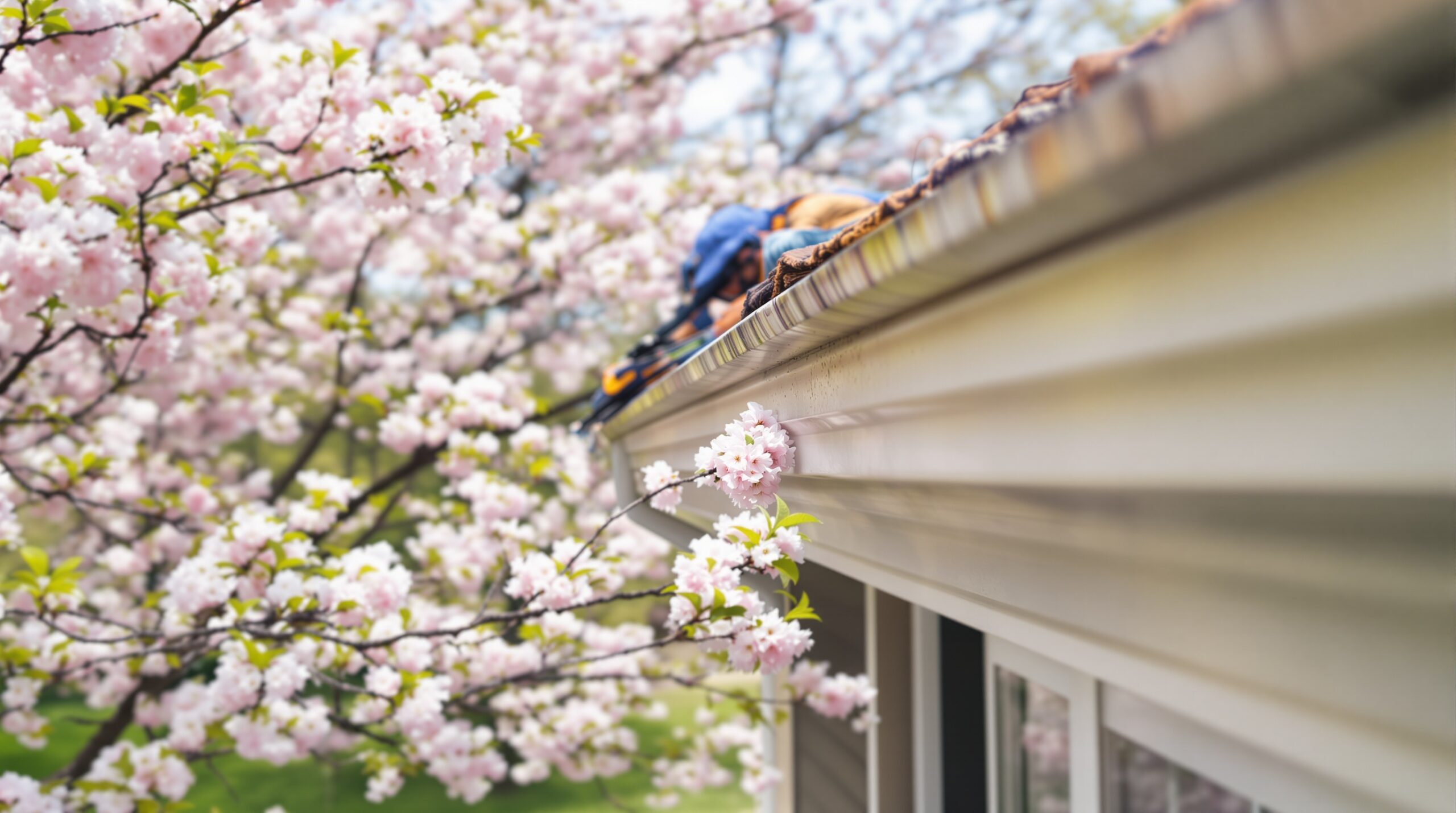
Spring is Here—Time for a Plumbing Check!
Spring is finally here! The snow has melted, the flowers are blooming, and the days are getting longer. For many Delaware homeowners, this season means opening up the windows and letting in the fresh air. It’s the perfect time to dust off those winter cobwebs, organize your garage, and maybe even give your yard a little love. But while you’re busy sprucing up your home, don’t forget one crucial area: your plumbing!
Why Your Plumbing Deserves Some TLC
The winter months can be tough on our plumbing systems. Freezing temperatures can lead to pipes bursting, and the heavy snowfall can cause unexpected issues. As the weather warms up, now’s the time to check in on your plumbing to ensure everything is running as it should. Taking a few moments to inspect and maintain your plumbing can save you from headaches down the road.
Think of it this way: a small effort today can prevent a bigger problem tomorrow. Plus, getting cozy with your plumbing system means you’ll be ready for all those spring showers, backyard barbecues, and summer entertainment nights inside! So let’s roll up our sleeves and dive into your essential spring plumbing checklist!
Inspect and Clean Gutters and Downspouts
With spring rains on the way, it’s crucial to ensure that your gutters and downspouts are in tip-top shape. These unsung heroes of your home play a vital role in redirecting water away from your house, preventing potential water damage or erosion to your foundation. Clogged gutters can lead to a slew of problems, from overflowing water that can damage your roof and siding to creating a breeding ground for pests like mosquitoes.
So before those April showers come pouring in, carve out some time to tackle this often-overlooked task on your spring to-do list. Grab a sturdy ladder, wear some gloves, and let’s get to work!
The Importance of Cleaning Your Gutters
Cleaning your gutters is not just about aesthetics; it’s about safeguarding your home. Clogs caused by leaves, twigs, and other debris can lead to:
- Water Backup: When gutters are blocked, water can seep into your roof and walls, leading to leaks and mold growth.
- Foundation Issues: Overflowing gutters can cause soil erosion or pooling water, which can jeopardize your foundation’s integrity.
- Pest Infestations: Stagnant water in clogged gutters can become a breeding ground for mosquitoes and other unwanted insects.
Steps to Clean Your Gutters
Here’s a simple guide to help you through the gutter inspection and cleaning process:
| Steps | Tools Needed | Tips |
|---|---|---|
| 1. Safety First | Sturdy ladder, safety goggles, gloves | Always have someone hold the ladder for additional stability. |
| 2. Remove Debris | Hand trowel, bucket or tarp | Start from the downspout and work your way back to avoid clogging. |
| 3. Flush with Water | Garden hose | Check for proper drainage by flushing the gutters with water. |
| 4. Ensure Downspouts Are Clear | Wire or plumber’s snake | Make sure water flows freely through the downspouts without obstruction. |
| 5. Inspect for Damage | – | Look for sagging, leaks, or rust that may need repairs. |
After you’ve completed your gutter maintenance, take a moment to pause and appreciate the clean and clear routes for rainwater away from your home. Not only will it provide peace of mind during the upcoming rainfall, but it will also contribute to the overall health and longevity of your property.
With your gutters now sparkling and free of debris, let’s move on to another critical area of your plumbing checklist: checking for leaks and drips. It’s essential to ensure that everything is functioning perfectly as we embrace this new season!
Check for Leaks and Drips
Spring is not only a time for rejuvenating your garden and refreshing your home’s exterior; it’s also the perfect opportunity to inspect the plumbing fixtures that keep everything in working order. One of the most critical aspects of home maintenance often flies under the radar—checking for leaks and drips. With freezing temperatures and potential ice buildup having come and gone, there’s a real chance that those faucets, hoses, and outdoor fixtures may have developed some sneaky leaks. Catching these issues early can save you from more significant headaches down the line.
The Need for a Thorough Inspection
Leaks can occur anywhere in your plumbing system, and their causes vary from wear and tear to improper installation or even the unpredictable nature of winter weather. Inspecting your faucets, hoses, and especially outdoor fixtures is essential—here’s why:
- Water Waste: Even a small, consistent drip can waste gallons of water over time. Not only is this bad for the environment, but it can also increase your water bill.
- Structural Issues: Leaks can lead to water damage within walls, ceilings, and floors, creating the perfect conditions for mold growth.
- Increased Repair Costs: Addressing minor leaks early means you’re less likely to face the more significant repairs that come from prolonged water damage.
Steps to Identify Leaks
Ready to uncover those pesky leaks? Follow these practical steps to conduct a thorough inspection of your plumbing system:
| Steps | Tools Needed | Tips |
|---|---|---|
| 1. Start with Indoor Faucets | Paper towels or cloth | Wipe around the faucet and check for moisture after turning it on and off. |
| 2. Inspect Hose Connections | Wrench (if needed) | Tighten any loose connections and look for wear signs on hoses. |
| 3. Check Outdoor Faucets | Paper towels or cloth | Turn on outdoor faucets after winter to check for drips or leaks at the connection points. |
| 4. Look for Water Stains | Flashlight | Shine a light on walls and ceilings for brown spots indicating hidden leaks. |
| 5. Monitor Water Meter | – | Check the water meter before and after a period of not using water to see if it changes unexpectedly. |
Being proactive about checking for leaks and drips can safeguard not only your plumbing system but your entire home. Once you’ve ensured everything is buttoned up and ready for the new season, you can breathe easy knowing you’re one step closer to having a well-maintained home.
As we transition into spring’s bountiful months, it’s essential to keep an eye on another factor that can significantly affect your plumbing health: water pressure. Testing and adjusting your water pressure will ensure the entire system runs efficiently and safely, so let’s dive into that next!
Test Water Pressure and Adjust
With the spring thaw drawing near, it’s not just the flowers that burst back to life—your plumbing needs attention too. Among the critical aspects of plumbing maintenance, testing your water pressure stands out. Your plumbing system is intricately designed to function optimally within specific pressure parameters, so it’s crucial to assess and adjust it when necessary. Too high, and you may face disastrous pipe bursts; too low, and your showers might feel more like a drizzle than a refreshing cleanse. Let’s explore why you should perform a water pressure test and how to do it effectively.
The Importance of Proper Water Pressure
Before you roll up your sleeves, it’s important to understand why water pressure matters. Your plumbing system is engineered to operate optimally at around 40 to 60 psi (pounds per square inch). Here’s how both excessively high and low water pressure can pose risks:
- High Water Pressure: When water pressure exceeds the recommended limits, it can lead to unnecessary strain on pipes, fixtures, and appliances. Think of it like driving your car too hard; at some point, something’s bound to give way. High pressure can cause leaks and even expedite the deterioration of fittings, joints, and various plumbing components.
- Low Water Pressure: On the contrary, low water pressure can be frustrating, especially when you’re trying to wash dishes or take a shower. In many cases, low pressure signifies a blockage somewhere in the plumbing system—or could even mean that your home is just not getting enough water supply. This lack of adequate pressure can hinder essential daily tasks.
How to Test Water Pressure
Now that you understand its significance, it’s time to check your water pressure. Here’s a straightforward guide to testing and adjusting your water pressure like a pro:
- Get a Water Pressure Gauge: This handy device attaches to a hose bib or faucet. Purchase one from a local hardware store if you don’t have one already.
- Attach the Gauge: Simply screw the gauge onto an exterior hose bib or a faucet that you know provides adequate flow. Make sure the faucet is turned off before attaching the gauge.
- Turn on the Faucet: Once the gauge is securely in place, turn on the faucet to get a reading. You’ll often see a needle or digital display indicating the pressure measurement in psi.
- Review the Pressure Reading: Take a note of the reading. If it falls outside the optimal range of 40 to 60 psi, it’s time to adjust.
- Adjust the Pressure Regulator: If your water pressure is too high, find the water pressure regulator typically located near the water main or the shut-off valve. Turn the adjustment screw (usually clockwise) to decrease pressure. For low pressure, you might consider gently turning it counterclockwise.
After Testing
After you’ve made adjustments, retest to ensure you’ve reached the optimal pressure level. Regular tests are key, especially after significant changes to your plumbing system or if you notice fluctuations. Remember, taking the time to get your water pressure right not only enhances your day-to-day experiences but also prolongs the life of your plumbing system.
With your water pressure now squared away, you’re setting the stage for a well-functioning plumbing system as we move into the warmer months. Don’t forget that, as spring rains arrive, this is also the perfect time to examine your sump pump to safeguard your home from potential flooding! Let’s take a closer look at that essential defense mechanism next.
Examine and Maintain Your Sump Pump
As the snow begins to melt and the rain pours down, your home’s most critical safeguard against basement flooding comes into play: the sump pump. This silent sentinel works tirelessly, collecting and directing excess water away from your foundation. Yet, just like any mechanical device, it requires regular inspection and maintenance to ensure that it performs effectively when you need it most.
The Role of Your Sump Pump
Understanding the importance of your sump pump is vital. It operates by removing water that has accumulated in a sump basin, often found in basements or crawl spaces. This process helps prevent water damage, mold growth, and structural issues in your home. Here’s why keeping your sump pump in tip-top shape is paramount:
- Prevention of Flooding: Without a functioning sump pump, heavy rains could quickly lead to overflowing basements, resulting in extensive damage.
- Protection Against Mold: Dampness encourages mold growth, which can compromise indoor air quality and create health hazards.
- Preservation of Property Value: A dry, well-maintained home is always more appealing to potential buyers.
Steps to Inspect Your Sump Pump
Now that you have a grasp of its importance, it’s crucial to roll up your sleeves and take action. Here’s how you can inspect and maintain your sump pump:
- Check the Power Supply: Ensure that the pump is plugged in and that the circuit breaker is functioning. A loss of power during a storm can lead to disastrous consequences.
- Inspect the Float Switch: This component activates the pump when water levels rise. Test it by lifting the float manually; the pump should turn on automatically. Make sure there are no obstructions that could hinder its movement.
- Clear the Discharge Line: Ensure that the discharge line isn’t blocked or frozen. Water must be able to flow freely away from your home to be effective.
- Test the Pump: Pour a bucket of water into the sump basin to see if the pump activates. It should turn on as the water level rises and turn off once the water is expelled.
- Clean the Area: Remove any debris or dirt around the sump pump. A clean basin ensures optimal performance.
Common Sump Pump Issues
Even with regular maintenance, your sump pump may face specific issues. Here are some common problems to watch out for:
| Issue | Possible Cause | Solution |
|---|---|---|
| Noisy Operation | Debris in the sump basin | Clear any obstructions |
| Constant Running | Float switch malfunction | Inspect or replace the float switch |
| Pump Not Starting | Power failure or faulty pump | Check power supply and inspect the pump for defects |
| Backflow of Water | Blocked discharge line | Clear blockages to ensure proper flow |
Post-Inspection Steps
After performing your inspection, it’s essential to document any findings or repairs you’ve made. Consider keeping a log to track your sump pump’s maintenance history, so you’ll be aware of any recurring issues. Regular testing, especially before the anticipated rainy season, can make a world of difference in how well your sump pump protects your home.
With the savvy maintenance of your sump pump in place, you can rest a little easier knowing you’ve taken proactive steps to defend your home against unwelcome water. With spring rains ahead, it’s also crucial to keep an eye on your sewer drainage system. Let’s delve into that next!
Inspect Your Sewer Drainage System
While your sump pump stands vigilant against flooding, another crucial component of your home’s plumbing infrastructure—the sewer drainage system—requires your attention too. This often-overlooked system plays a vital role in maintaining the health of your home by disposing of wastewater efficiently. However, signs of a slowed drain or unpleasant odors could indicate larger underlying issues, such as blockages or even potential backups. Ignoring these symptoms can lead to significant complications, including costly repairs and health risks. Here’s what you need to know to keep your sewer drainage system running smoothly.
Signs of Trouble
Before you make any inspections, it’s essential to familiarize yourself with the telltale indicators that something might be amiss:
- Slow Drains: If you notice that water is taking longer than usual to drain from sinks, tubs, or toilets, you might have a blockage somewhere in the system.
- Unpleasant Odors: Foul smells emanating from drains can often be a sign of stagnant wastewater or organic buildup, hinting at an obstruction.
- Gurgling Sounds: Listen closely as your plumbing may make unusual gurgling sounds when drains are cleared or when toilets are flushed, suggesting trapped air or blockages.
- Water Backups: If water starts to flow back up through drains or toilets, this is a clear signal that your sewer line may be compromised.
Steps for Inspection
Now that you’re aware of the symptoms to monitor, let’s dive into how to conduct a thorough inspection of your sewer drainage system:
- Visual Inspection: Begin with a careful visual check of exposed pipes for leaks, cracks, or any signs of corrosion. Pay attention to the junctions where pipes meet, as these are common trouble spots.
- Check Cleanouts: Locate your sewer cleanouts—these are often situated outside your home. Make sure the caps are secure and not blocked. If you unscrew a cleanout and notice water is present, there’s likely a blockage in the line.
- Clear Minor Blockages: For minor slow drains, consider using a plunger or a drain snake to address small obstructions. Sometimes, hair and soap scum tend to accumulate and create a nuisance.
- Test Water Flow: Run water in different fixtures to see if the drain clears properly. Pay close attention to the overall performance, which can give you insight into the health of your system.
- Monitor for Odors: If you detect any foul smells during inspection, it’s imperative to investigate further. This may require the expertise of a professional plumber if the source is not immediately evident.
Long-Term Maintenance
Preventive care goes a long way in keeping your sewer drainage system up and running for years to come. Implement these tips to ensure long-term health:
- Regular Cleaning: Schedule routine cleanings of your drainage system every one to two years. Professional services can remove built-up waste, grease, and other debris.
- Avoid Drain Cleaners: While tempting, many chemical drain cleaners are harsh and can corrode pipes over time. Opt for natural methods or enlist the help of a professional.
- Watch What Goes Down the Drain: Educate your family on what is safe to flush or rinse down the sink. Items like paper towels, grease, and foreign objects can wreak havoc on your sewer system.
Peace of Mind
By diligently following these spring tasks, not only will you enjoy optimal plumbing efficiency, but you’ll also extend the life of your home’s entire system. Regular inspections and preventive measures will provide peace of mind throughout the year, ensuring that your sewer drainage system operates seamlessly when the rains come. So, take control now and invest a bit of time to safeguard your home from unexpected plumbing nuisances!
Proactive Checks for Plumbing Peace of Mind
As you’re now aware, performing regular spring maintenance on your plumbing system is crucial, but what does that actually involve? The best approach combines both proactive checks and preventive measures, giving you comprehensive control over your plumbing health. Armed with these strategies, you can confidently navigate through the year, ensuring your system persists in top-notch condition, ready to meet all seasonal challenges.
Comprehensive Routine Check
Start by conducting a thorough assessment of your entire plumbing system. This includes inspecting your faucets and fixtures for leaks, which can often go unnoticed but lead to more substantial problems down the line. Don’t forget to check under sinks for moisture signs, indicating unseen leaks. Be vigilant for any changes within your home’s water pressure; fluctuating pressure may hint at underlying pipe issues, including leaks or mineral buildup.
Evaluate Your Water Heater
Transitioning into warmer months means your heating needs could shift dramatically, especially if you rely on hot water for showers and washing. Spring is the perfect time to check your water heater for any rust or sediment build-up. Flushing out your tank and checking the temperature setting is essential for not just efficiency, but also the longevity of the unit. Additionally, inspect the pressure relief valve for proper operation—a vital safety feature that should never be overlooked!
Outdoor Plumbing Precautions
As the thaw settles in and plants begin to bloom, remember to turn your attention to any outdoor plumbing features. Check hoses, sprinklers, and outdoor faucets for wear or leaks. Early detection of any issues in these systems can save you from dramatic losses as annual gardening tasks ramp up. Make sure to prepare your irrigation system for the growing season—clearing any debris and testing the system ensures everything runs smoothly when you need it most.
Stay Alert for Seasonal Changes
As we transition from chillier climates to the warmer embrace of spring, be on the lookout for conditions that may reactivate any dormant concerns. Watering lawns, increased use of baths and showers, or even just seasonal cleaning can put more strain on your plumbing system than often anticipated. Flushing your system with fresh water, monitoring for any unusual sounds, and checking for temperature changes will help catch any emerging issues early on.
Embrace Regular Maintenance
Once your plumbing checks are complete, it’s time to develop a system of ongoing maintenance practices. Write down a schedule for inspections and tasks that need to be addressed annually or bi-annually. Consider creating reminders on your phone or incorporating these tasks into your seasonal cleaning regimen. When plumbing issues arise from neglect, they can spiral into stress-inducing emergencies; therefore, staying proactive is essential.
Knowledge is Empowering
Ensuring your plumbing remains efficient and reliable isn’t solely about reactive fixes; it involves empowering yourself with knowledge and a dedicated plan of action. Educating your household about basic plumbing maintenance and proper waste disposal reinforces a culture of care and respect for your home’s conduits. This collaborative effort can prevent potential mishaps, saving time and energy.
As you relish the blossoming beauty of spring, take a few hours to equip your home with the plumbing assurance it needs. By implementing these proactive checks and recognizing your system’s necessities, not only will you enhance your home’s functionality and efficiency, but you’ll also cultivate a serene environment all year long. Embrace this initiative, and relish the freedom that comes with knowing your plumbing is in prime condition, ready to spring into action whenever needed!
Embrace Preventive Measures for Lasting Results
Spring is not just a season of renewal; it’s also an opportune time to embrace a proactive mindset towards plumbing maintenance. As you dedicate time to nurturing your garden and cleaning out your garage, don’t overlook your plumbing system—it’s just as deserving of care and attention. Embracing these simple yet effective preventive measures today translates into lasting results tomorrow, culminating in a home that runs smoothly year-round.
Master Your Plumbing Routine
Creating a routine that focuses on plumbing health is a vital step in ensuring the longevity of your home’s systems. Engaging in regular checks not only helps you identify issues early on but empowers you to take corrective action before they escalate. Set a seasonal schedule that prompts you to conduct plumbing inspections and maintenance tasks, ensuring that these important responsibilities are not easily forgotten.
- Autumn Prep: As the cooler months approach, check exposed pipes for insulation needs and ensure that your outside faucets are well protected against freezing temperatures.
- Winter Watch: During winter storms, monitor your plumbing for irregularities as icy conditions can lead to pipe bursts if left unchecked.
- Summer Check-ins: With the influx of family visits and increased water usage, consider focusing on the efficiency of your fixtures and the health of your water heater.
Consider the Big Picture
While tending to your sewer system is essential, it’s also crucial to recognize that it’s just one piece in the complex puzzle of plumbing. Plumbing efficiency is reliant on the harmonious interplay of the entire system—water supply lines, fixtures, drainage, and more. Take a step back to envision your home’s plumbing as an interconnected web; maintaining each part safeguards the integrity of the whole.
In your quest for plumbing excellence, also consider running routine checks on:
- Water Heater: Flushing your water heater once a year can prevent sediment buildup, ensuring that it operates efficiently and extends its lifespan.
- Faucets and Fixtures: Regularly inspect your faucets for leaks, and consider replacing aerobic aerators or cartridges if you notice constant dripping or less pressure.
- Showerheads: Clean or replace showerheads periodically to enhance flow and quality, as mineral buildup can significantly affect performance.
Start Harnessing the Power of Prevention
Now is the ideal time to harness the power of prevention to reduce the likelihood of future plumbing disasters. Consider partnering with a professional plumber for comprehensive annual inspections. This duo of diligence and expertise can unveil hidden issues that may go unnoticed in your own assessments. By investing in these small, proactive steps, you will become the sentinel of your plumbing systems—patrolling for potential problems and ensuring your home operates at its peak.
Enjoy the Benefits Year-Round
Ultimately, the goal of these plumbing maintenance checks extends far beyond immediate efficiency; they create a sustainable environment for your entire home. Picture this: with every preventive measure you invest in, you not only unlock the potential for uninterrupted water flow and minimized disruptions but also gain peace of mind. A well-maintained plumbing system will serve you well through every season, allowing you to focus on what truly matters—enjoying your home and making cherished memories with loved ones.
Take control now with these proactive checks and preventive measures! Your plumbing system—and your future self—will thank you for it.