
Waking Up in Delaware’s Coastal Paradise
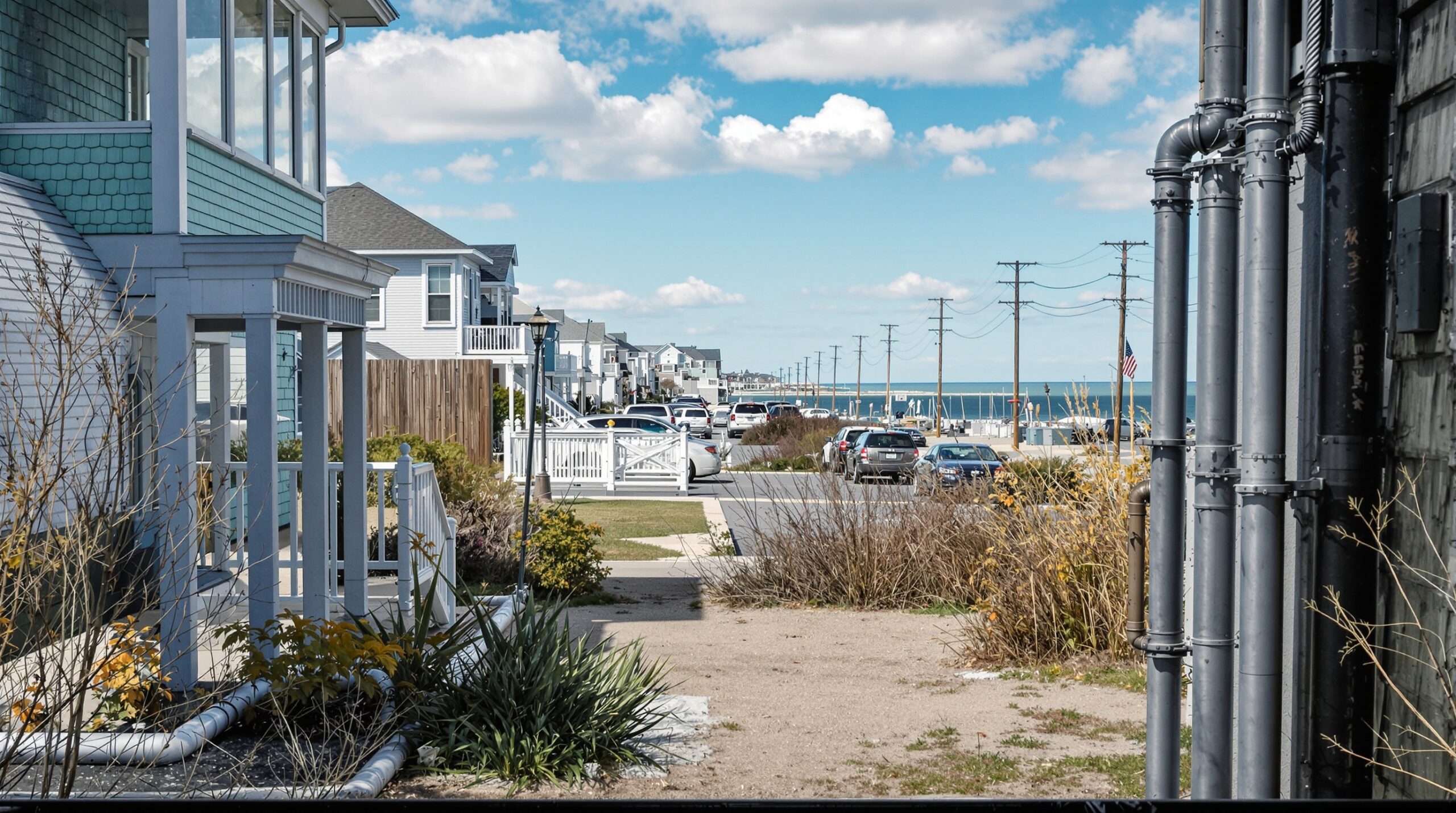
Imagine waking up on a serene Delaware morning, smelling the salty sea air and enjoying the mild coastal breeze. The sun peeks through your window, casting a warm glow across your room. You might sip your coffee on the porch, listening to the soothing sounds of waves crashing nearby. This picturesque setting is part of what makes living in Delaware so special.
Pleasant Weather, Hidden Challenges
While this idyllic environment contributes to the charm of Delaware living, it also brings hidden challenges, especially when it comes to maintaining your home’s plumbing health. The coastal climate, with its humidity and salty air, can play tricks on plumbing systems in ways you might not expect.
But what exactly does this mean for homeowners? It’s important to understand that the beautiful environment we cherish can also lead to potential plumbing issues that, if not addressed, may grow into bigger problems. Join us as we explore how living in this coastal wonderland impacts your home’s plumbing and what you can do to keep everything running smoothly.
The Battle Against Salt Air
As idyllic as it may seem, life along Delaware’s coast comes with its own set of battles, chief among them being the relentless onslaught of salt air. The coastal winds, while invigorating and refreshing, are laden with microscopic salt particles, which are whisked from the Atlantic Ocean and deposited directly onto your home and plumbing systems. This seemingly innocuous sea breeze carries with it a hidden adversary: salt, which has a detrimental impact on metal surfaces.
Exposed metal pipes and fixtures become easy targets for these salty invaders. Over time, the accumulation of salt not only promotes corrosion but can also weaken your home’s plumbing infrastructure. Imagine waking up one day to a water leak caused by a corroded pipe, something that could have been preventable with proactive measures and awareness. As these corrosive elements take their toll, the integrity of your home’s plumbing can slowly decline, leading to potential mishaps down the line.
But it’s not just your pipes that are in the line of fire. Each salty gust that sweeps through your property can also wreak havoc on faucets, showerheads, and even your water heater. Regularly assessing and maintaining these fixtures can shield them from the corrosive grasp of salt air. Below, we’ve compiled a quick reference guide to help you understand how salt air affects different plumbing elements, as well as simple yet effective maintenance tips to counteract these effects:
| Plumbing Element | Effect of Salt Air | Maintenance Tips |
|---|---|---|
| Metal Pipes | Accelerated corrosion leading to leaks | Inspect frequently; consider adding protective coatings |
| Faucets & Showerheads | Mineral buildup and surface damage | Clean regularly with vinegar; ensure proper sealing |
| Water Heaters | Corrosion of the tank and components | Check anode rods annually; flush the tank periodically |
| Outdoor Fixtures | Deterioration of finishes & moving parts | Use rust-resistant products; cover during storms |
Mitigating the impact of salt air doesn’t stop at just monitoring your pipes and fixtures. A holistic approach is required—consider incorporating protective measures such as regular inspections and routine maintenance, as well as installing outdoor equipment designed to withstand even the toughest coastal conditions. Understanding these challenges enables you to take action before they escalate, preserving the integrity of your beloved coastal home.
As you stride towards maintaining your tranquil oasis by the sea, remember that knowledge is your greatest ally against the persistent power of salt air. By taking control and implementing essential maintenance strategies, you can continue to enjoy the stunning Delaware coastline without compromising the health of your plumbing systems.
Humidity’s Persistent Presence
While salt air poses a significant threat to coastal homes, another formidable foe lurks in the environment: humidity. The constant moisture carried in by the Atlantic Ocean can create a stubborn atmosphere that is both a blessing and a curse. This omnipresent humidity tends to settle in enclosed spaces, triggering two major issues: condensation on plumbing pipes and fostering the growth of mildew. In Delaware’s coastal climate, it’s vital to understand how these factors can impact your home and what can be done to alleviate their effects.
As temperatures fluctuate, the moist air finds its way into attics, basements, and other enclosed areas, creating a perfect storm for condensation to form on metal pipes. This condensation can lead to serious implications—when water droplets accumulate on surfaces, they can cause corrosion to the metal beneath. The result? Weakened plumbing systems that may lead to leaks or even catastrophic failures if not addressed promptly. Not only does this threaten the longevity of your plumbing, but it can also compromise the safety and comfort of your living space.
But the unwanted effects of humidity don’t end with corrosion. Mold and mildew thrive in humid conditions, and their presence can be detrimental not only to your home but also to your health. The spores can disperse through the air, creating an environment rife with allergens and potential respiratory issues. Stale, musty odors can also serve as unwelcome reminders of humidity’s persistent grip. Thus, proper ventilation becomes key in the struggle against these two adversaries.
Encouraging airflow in enclosed spaces can help to mitigate the effects of humidity, preventing condensation buildup and thwarting mildew growth. Installing vents, using exhaust fans, and strategically opening windows are all simple yet effective methods to initiate air circulation. Additionally, solutions such as dehumidifiers can assist in lowering humidity levels, providing a dry and healthy environment for your plumbing systems and ensuring that your home remains a sanctuary against the elements.
Another practical approach involves employing insulation to cover exposed pipes, which can significantly reduce the chances of condensation forming. Moreover, it is essential to regularly monitor areas prone to dampness to catch any potential moisture issues before they escalate into larger problems. Taking these proactive measures will help uphold the structural integrity of your plumbing while safeguarding the overall health of your home.
Ultimately, understanding the dual challenge presented by humidity and salt air is crucial for coastal homeowners. By fostering good airflow and implementing proper maintenance routines, you can create a balanced environment that minimizes the destructive forces of both humidity and corrosion. Embracing these strategies will not only protect your plumbing but also help you enjoy your coastal haven for years to come, free from the persistent worries that come hand-in-hand with life by the shore.
Understanding Corrosion and Its Effects
As we dive deeper into the heart of the issue, it’s essential to grasp the fundamental nature of corrosion—an unyielding process that occurs naturally but can be accelerated by environmental factors such as humidity and salt air. Corrosion can be likened to a slow thief, stealthily undermining the structural integrity of plumbing systems over time. When metal pipes begin to corrode, the results can be both insidious and alarming: leaks that often go unnoticed until significant damage has already occurred, rust that compromises not only the aesthetics of your home but also its safety, and sometimes even water contamination that poses health risks to all occupants.
Recognizing the early signs of corrosion is crucial for every homeowner. These signs often present themselves in subtle ways—a slight discoloration of the metal surface, the emergence of tiny rust spots, or even moisture collecting around joins and fittings. Ignoring these indicators can lead to larger problems down the road, as corrosion has a compounding effect; once it starts, it can rapidly escalate and spread, creating a cascade of complications that threaten your plumbing system and the comfort of your home.
It is important to understand that corrosion is not instantaneous; it is a process that unfolds over time and can be influenced by various factors including temperature fluctuations and the presence of certain chemicals in the water supply. This means that homeowners must remain vigilant and educated about their plumbing systems. Regular inspections are key. Checking exposed pipes, particularly in areas vulnerable to humidity and water accumulation, can make all the difference. Implementing a schedule for these inspections encourages a proactive approach, enabling you to identify and address potential issues before they transform into costly repairs.
But home maintenance isn’t solely about inspections; it’s also about the prevention of corrosion before it has a chance to take hold. Using protective coatings on metal pipes can significantly extend their longevity and act as a barrier against moisture and other corrosive elements. These coatings create a shield, preventing direct contact between the metal and potentially damaging substances, thereby minimizing the risk of deterioration.
Additionally, let’s not underestimate the power of proper ventilation, which intertwines with our earlier discussion on humidity. Maintaining good airflow throughout your home helps create a less conducive environment for corrosion to thrive. Inadequate ventilation can trap moisture, creating an atmosphere where corrosion can flourish. Thus, by ensuring that your home benefits from optimum airflow—through the installation of vents, opening windows, or using exhaust fans—you actively contribute to the preservation of your plumbing systems.
In summary, it is imperative for homeowners to understand the intricacies of corrosion, its implications, and the protective measures that can be taken. By recognizing early signs, conducting regular inspections, applying protective coatings, and fostering proper ventilation, you can combat the detrimental effects of corrosion. Making these efforts a regular part of your home maintenance routine will not only fortify the integrity of your plumbing but also establish a solid foundation for a healthier, safer living environment. In the long run, these actions will culminate in an enduring peace of mind, allowing you to fully enjoy the comforts of your coastal haven without the lurking threat of corrosion.
Proactive Measures for Corrosion Prevention
While corrosion is indeed a natural process, the good news is that homeowners are not entirely at its mercy. With a little vigilance and some proactive measures, you can extend the life of your plumbing systems and fend off the unrelenting grasp of corrosion. Implementing regular inspections for signs of damage, utilizing protective coatings, and ensuring adequate ventilation are fundamental steps every homeowner should integrate into their routine.
Firstly, establishing a schedule for regular inspections increases your chances of catching early signs of corrosion before they escalate into more serious problems. Homeowners should consider dedicating time to assess areas that are often overlooked, including basements, crawl spaces, and other damp zones in the home. Below is a simple inspection checklist to guide homeowners looking to stay ahead of corrosion:
| Inspection Area | Signs to Look For | Recommended Action |
|---|---|---|
| Exposed Pipes | Discoloration, rust spots, or pitting | Clean surfaces and apply protective coatings |
| Fittings and Joints | Moisture accumulation, corrosion residue | Tighten fittings and check for leaks |
| Areas with Heavy Humidity | Consistent dampness or mold growth | Improve ventilation and consider dehumidifiers |
| Water Supply Lines | Unusual discoloration of water, metallic taste | Flush lines and consult a plumbing professional |
The advantages of employing protective coatings on your pipes cannot be understated. These coatings act as a formidable line of defense against corrosive elements, extending the longevity of your plumbing system. Regular application will create a durable barrier that mitigates potential damage from moisture and external pollutants. Homeowners should consult with professionals about the most suitable options available based on their specific plumbing makeup.
Furthermore, as we’ve highlighted, maintaining good ventilation transcends basic aesthetics and comfort—it’s an indispensable aspect of corrosion prevention. Home environments that suffer from stagnant air are more susceptible to humidity-related corrosion. Ensuring proper airflow by utilizing exhaust fans in bathrooms and kitchens, opening windows to allow fresh air in, and strategically placing vents throughout living spaces can significantly reduce moisture levels. This simple yet effective step can make a tremendous difference in preserving the integrity of your plumbing system.
Corrosion prevention is not just about being reactive when things go wrong; it’s about fostering a proactive mindset as a homeowner. By incorporating regular inspections, applying effective protective measures, and committing to a well-ventilated home, you create an eco-system that is hostile to corrosion. This not only safeguards the plumbing systems within your walls but enhances the overall resilience of your home as well. In cultivating these habits, you pave the way to a safer and more secure living environment, free from the lurking shadows of corrosion.
Living along Delaware’s beautiful coast comes with its unique challenges, particularly regarding plumbing maintenance. With the area’s salt-laden air, high humidity, and the occasional severe weather event, the need for homeowners to be not just diligent but also well-educated about their surroundings is crucial. In this regard, local educational resources and community workshops play an invaluable role, empowering residents to tackle the specialized issues that coastal living brings. By tapping into these community-focused resources, homeowners can significantly improve their understanding of the potential threats posed by the coastal environment and learn actionable strategies for maintaining their plumbing systems.
Delaware boasts numerous local initiatives aimed at bolstering homeowner education. Community workshops often held by neighborhood associations, local environmental agencies, or university extension offices equip residents with practical knowledge. Not only do these sessions delve into general plumbing maintenance, but they also address the distinctive challenges posed by coastal living—such as the effects of humidity and the interplay between saltwater intrusion and plumbing integrity. Attending these workshops provides a platform for homeowners to engage with experts, ask questions relevant to their specific situations, and share advice with fellow residents who face similar challenges.
Moreover, expert consultations are becoming more accessible than ever. Many local companies and nonprofit organizations are partnering with homeowners to provide in-depth assessments of plumbing systems, tailored to the Delaware coastal conditions. These consultations can identify vulnerabilities in your plumbing infrastructure that may not be noticeable during routine inspections while also giving you a more extensive understanding of how coastal challenges translate to actionable measures. Professionals can share insights from years of experience, guiding homeowners toward preventive strategies and the best practices that may help safeguard against corrosion.
Additionally, digital resources have flourished, providing handy tools for learning at your fingertips. Websites dedicated to local environmental sustainability and home maintenance offer articles, instructional videos, and even forums where homeowners can connect and share their experiences. These online platforms empower residents to gain knowledge from a diverse community, where lessons learned and practical advice circulate freely. Staying informed through reputable sources ensures you stay ahead of issues that could arise from Delaware’s unique coastal climate.
Another aspect of building a strong community is fostering connections among neighbors. Sharing your experiences and knowledge about plumbing maintenance can create a support network that is incredibly beneficial during challenging times. Informal gatherings can be an excellent opportunity for homeowners to discuss local experiences, exchange helpful tips, or even form small groups to take community-based action against corrosion threats—whether that involves organizing neighborhood inspections or pooling resources for more substantial home improvement projects.
Ultimately, navigating the complexities of coastal living does not have to be an isolating endeavor. By leveraging local educational resources, participating in community workshops, and embracing expert consultations, homeowners can equip themselves with the knowledge and tools necessary to keep their plumbing systems in excellent condition. The more informed you are, the better equipped you’ll be to tackle the unique challenges of Delaware’s coastal environment. Awareness, engagement, and proactive measures in maintaining your home infrastructure will inevitably lead to a more resilient and enduring household, allowing you to enjoy the beauty of Delaware’s coastline without the looming threat of plumbing issues. Remember, the coastal setting may present its challenges, but with the right resources and community support, homeowners can turn those challenges into opportunities for improvement and innovation.
With the relentless exposure to environmental factors that coastal living entails, homeowners must prioritize the inspection of their plumbing systems. Conducting annual inspections is essential in identifying signs of corrosion early, which can save you from more significant headaches down the line. During these annual checks, focus on accessible areas of your plumbing, particularly outdoor pipes that bear the brunt of salt air and humidity. However, for those visible pipelines—think of those that run along the exterior of your home—consider conducting inspections more frequently, perhaps biannually or even quarterly. The changing seasons can bring about varying levels of exposure to corrosive elements, making it prudent to stay one step ahead of any potential wear and tear.
The impact of salt air doesn’t stop at plumbing systems; it can also seep into your home’s internal environment. While well-ventilated indoor plumbing is less vulnerable to damage, it benefits from regular maintenance. Residual humidity can accumulate within undetected areas, heightening the risk of rust or corrosion over time. Therefore, regular checks and maintenance—such as cleaning aerators and flushing your water heater—are encouraged to maintain system efficiency and hygiene. A bit of proactive care can make a significant difference in prolonging the life of your plumbing. Consider seasonal maintenance checks that touch on both indoor and outdoor plumbing systems, ensuring you cover all bases with your inspections.
In addition to inspections, homeowners should educate themselves about the telltale signs of corrosion and wear within their plumbing systems. Discoloration, leakage, and unusual changes in water pressure can all serve as warning signals that require immediate attention. Familiarizing yourself with these indicators empowers you to act promptly, reducing the risk of extensive damage. Moreover, installing water softeners can be beneficial in areas where mineral build-up from coastal water is a concern. Softening your water can mitigate its corrosive potential, affording added protection to your piping and fixtures.
As we dive deeper into maintaining your plumbing amidst the unique coastal challenges, becoming part of a support network with your neighbors can prove invaluable. Create a neighborhood watch for plumbing issues, where everyone keeps an eye out for potential problems and shares insights on preventive measures. It can also nourish community spirit, transforming mundane maintenance chats into collaborative efforts that fortify your collective plumbing resilience. Consider organizing regular neighborhood meet-ups where residents can come together to share tips and progress updates on their plumbing status. Having a close-knit community ready to support each other can ease the burden of plumbing maintenance and foster a sense of shared responsibility.
Staying informed doesn’t end after attending workshops or expert consultations; engage with online forums and social media groups focused on home maintenance. These platforms allow you to exchange valuable insights with fellow coastal residents, offering real-time solutions and recommendations while fostering friendships along the way. Should you face specific concerns, you can always lean on the expertise of veterans in the coastal community who have weathered similar storms in the past.
In conclusion, as enticing as life by the ocean may be, the accompanying challenges are real and persistent. By committing to regular inspections, engaging with local educational initiatives, developing connections within your community, and continuously educating yourself, you become not just a homeowner but a proactive steward of your home’s plumbing. In this formidable environment, awareness coupled with action will fend off potential corrosion threats. Embrace the power of knowledge, nurture the relationships built within your community, and transform the unique challenges of Delaware’s coastline into a journey of growth and resilience—allowing the beauty of your surroundings to shine without the shadow of unseen plumbing issues looming over your joyous coastal lifestyle.
The narrative of coastal living, while picturesque and idyllic, is riddled with challenges that can take unsuspecting homeowners off guard. One such challenge is understanding how the salty embrace of the sea and the ever-shifting climate interact with plumbing systems. A proactive approach to maintenance isn’t merely wise—it’s essential. As such, it’s vital for homeowners to cultivate a genuine awareness of their plumbing conditions and the environmental factors that influence their systems. This knowledge can mean the difference between minor inconveniences and significant disruptions.
A key component of preserving your plumbing integrity in Delaware’s coastal environment is routine inspections. Homeowners are often surprised to learn that frequent, small assessments can be more impactful than infrequent, comprehensive ones. Regularly checking for leaks, corrosion, and water quality issues helps homeowners catch potential problems before they spiral out of control. Engaging with a qualified local plumber to establish a regular maintenance schedule specific to coastal challenges can yield substantial benefits. The inspection not only ensures that your system is functioning optimally but also fosters a better understanding of how environmental shifts may influence plumbing components over time.
In addition to routine checks, adapting daily practices can make a significant difference in plumbing maintenance. Implementing simple habits, such as minimizing the introduction of harsh chemicals into your system and ensuring proper filtration if drawn from wells or other sources, can go a long way toward maintaining the health of your plumbing. Educating family members, especially children, about these practices can foster a home culture centered around proactive care and respect for household systems.
The coastal geography of Delaware also invites an array of technological advancements to streamline plumbing maintenance. Smart home devices, particularly those designed to monitor water usage and detect leaks, can be lifesavers. Homeowners can now harness technology to receive alerts in real-time, mitigating the potential for extensive water damage while ensuring that the systems are functioning smoothly. Many local businesses now offer high-tech solutions tailored for the unique needs of coastal households, providing yet another resource for those determined to stay ahead of potential plumbing pitfalls.
When storms roll in, coastal residents face a renewed set of challenges. While local meteorological reports provide early warnings, ensuring your home is prepared is another matter entirely. It’s essential to have storm preparedness strategies specifically focused on your plumbing, such as checking sump pumps, securing drains and downspouts, and knowing the location of shut-off valves. Keeping emergency contact information for local plumbing services on hand during hurricane season is another proactive step to ensure that, if issues do arise, they can be addressed swiftly and efficiently.
Furthermore, engaging in conversations with neighbors can foster a supportive atmosphere that serves everyone in the community. Group discussions around the challenges of storm preparation, responses to plumbing emergencies, or shared experiences during major weather events can be illuminating and empowering. Each resident brings their unique perspectives, all of which blend to form a wealth of knowledge that protects the entire neighborhood. Building these connections not only strengthens the community spirit but also provides assurance that resources are available when needed most.
In conclusion, living along Delaware’s stunning coast is a privilege, but it requires informed vigilance regarding plumbing maintenance. By understanding the interplay between the local environment and plumbing systems, homeowners can take essential steps to safeguard their homes. Embracing a proactive maintenance mentality, participating in community engagement initiatives, and leveraging technology can significantly bolster your home’s resilience against the inherent challenges of coastal living. Remember, awareness, education, and community connections are indispensable allies in preserving not just your plumbing, but the very integrity of your beloved coastal haven. Stay proactive, stay informed, and let the beauty of Delaware’s coastline continue to be a source of joy rather than a challenge to your home’s infrastructure.