
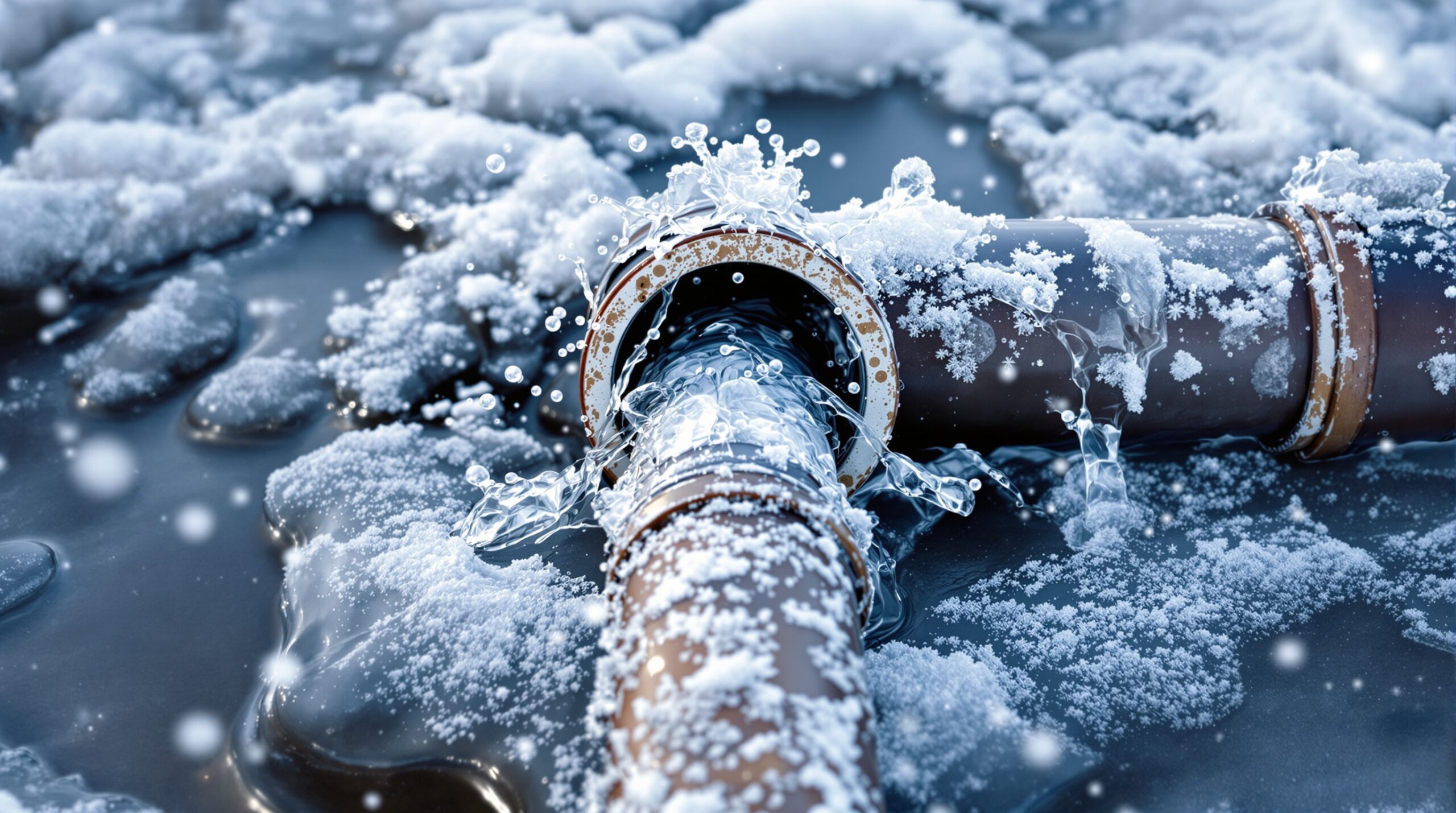
Winter Woes: The Plumbing Problems You Don’t Want
Winter in Middletown, Delaware, isn’t just about cozy fires and holiday festivities; it also brings chilly temperatures that can wreak havoc on your home’s plumbing if you’re not prepared. Picture this: you’re settling in for a night of hot cocoa and festive movies, only to find that your faucet has turned into an ice sculpture, or worse, there’s a leak in the basement! Yikes!
The Importance of Preparation
To avoid such winter nightmares, it’s crucial to take some easy steps ahead of time. You wouldn’t want to spend the holidays worrying about your pipes when you could be wrapping gifts or baking cookies. Instead, let’s make sure your plumbing system is ready to brave the cold.
In this essential guide, we’ll walk you through simple but effective ways to prepare your plumbing for winter’s frigid embrace. So grab your favorite hot drink, and let’s dive into the world of plumbing preparedness. After all, keeping your home safe and snug shouldn’t be a big chore—just a small part of your winter routine!
Get ready to tackle the cold—your plumbing will thank you!
Understanding the Risks: Why Winter Freezes are a Threat to Your Plumbing
The threat of winter freezes looms larger than a snowdrift for many homeowners, and it all boils down to the science of water. As temperatures drop, water in your pipes can become ice—an expansion that can create a ticking time bomb within your walls. When the mercury dips below freezing, the liquid inside pipes can expand by as much as 9% when it freezes, putting your plumbing at risk of bursting.
Bursts don’t just happen in pipe sections easily accessed, like under sinks or in basements; they can occur anywhere within your plumbing system. Due to the stealthy nature of the problem, many homeowners remain blissfully unaware until disaster strikes. The moment you realize that water is gushing from a burst pipe is heart-stopping, but understanding how these complications arise can help you prevent them.
The Science Behind Freezing Pipes
Why are frozen pipes a significant concern? It all comes down to the physics of water and temperature. When water freezes, it expands. In most cases, this expansion occurs in the small sections of pipes that are inadequately insulated or located in drafty areas of your home. Once the water inside those pipes turns to ice, pressure builds up. If the pressure exceeds the strength of the pipe—generally around 40% of pressure built up when frozen water is contained—it will crack or burst, leading to potentially massive flooding when the ice thaws and water flows freely.
Your home’s plumbing is intricately connected, creating an intricate web of pipes that transports water throughout the residence. A small leak from a frozen pipe can quickly escalate into a major crisis if the issue escalates unnoticed. As illustrated in the table below, the most vulnerable types of pipes are often affected by winter’s chill, following specific temperature thresholds.
| Pipe Type | Freezing Temperature Risk | Common Locations |
|---|---|---|
| Exposed copper pipes | 32°F (0°C) | Unheated garages, attics, and exterior walls |
| PVC piping | 28°F (-2°C) | Basements, crawlspaces, and outdoor supply lines |
| Pex tubing | 30°F (-1°C) | Outside walls and indoor ceilings with vents |
As winter storms shake the streets of your town, consider the hidden dangers behind your walls and under your floors. The high demand for emergency plumbing services in colder months underlines the urgency for preventive measures. Understand that the risks aren’t merely about dealing with a potential leak; they can lead to property damage, mold growth, and a strain on your family’s peace of mind.
But fear not! Understanding the potential for plumbing problems is the first step toward securing your home against winter woes. By taking the time to prepare your plumbing and safeguarding vulnerable areas now, you can dramatically reduce the likelihood of waking up to a plumbing disaster when the temperature plummets. Winter may be inevitable, but so is your proactive approach to keeping your home safe and snug!
Stay tuned as we guide you through a step-by-step process to winterize your plumbing effectively.
Step-by-Step Guide to Winterizing Your Plumbing
As the cold months roll in and temperatures begin to dip, taking proactive measures to winterize your plumbing becomes crucial. Preventing pipes from freezing requires a combination of insulation, sealing, and proper maintenance. Though the prospect of tackling these tasks may seem daunting, we’ve broken them down into manageable steps to help you protect your home and your plumbing systems throughout the winter.
1. Insulating Pipes
Your first line of defense against freezing pipes is insulation. Start by locating all exposed pipes in your home, especially those that run through unheated areas like garages, basements, or attics. Once you’ve identified vulnerable sections, use insulating materials such as foam pipe insulation, which can be easily wrapped around the pipes, or fiberglass insulation for larger areas. Pay special attention to corners and joints, where heat loss can often occur. Not only will insulation help keep the temperature of the water flowing within your pipes stable, but it will also reduce energy loss, providing added comfort and efficiency to your home.
2. Sealing Cracks
Next, examine your walls and floors for any gaps or cracks that could let frigid air seep into your home. Common culprits include areas around foundations, window frames, and doorways. Use caulk or weather-stripping to seal these openings effectively. Sealing cracks will not only maintain a stable indoor temperature but also protect interior pipes from exposure to the cold, which is essential for preventing freezing. Taking this step ensures that the warm air stays in and cold air is kept at bay, fostering a cozy living space for your family.
3. Draining Outdoor Faucets
Outdoor plumbing is particularly susceptible to winter weather, so giving special attention to outdoor faucets is a must. Begin by removing any garden hoses and storing them in a dry place, preferably indoors. Next, ensure that your outdoor faucets are properly drained. Turn off the valves supplying water to these faucets from the inside of your home, then open the outdoor faucets to let any remaining water flow out completely. This simple yet often overlooked step prevents water from freezing and expanding in the pipes leading to your outdoor spigots, reducing the risk of burst pipes and costly repairs in the spring.
Incorporating these winterization practices into your home maintenance routine is essential to provide peace of mind during the winter season. While it may take some effort upfront, the benefit of safeguarding your plumbing systems from potential freeze-related damage is well worth it. As the snowflakes begin to fall and the winter winds howl, rest assured that your home is snug and secure, allowing you to focus on more enjoyable aspects of the season. Remember, a little preparation today can save you a world of trouble tomorrow!
4. Maintaining a Steady Indoor Temperature
As winter’s chill takes hold, one of the most effective yet often overlooked strategies for preventing pipes from freezing is keeping your home’s thermostat at a consistent level. While it might be tempting to lower the heat significantly during the night or when you’re away, maintaining a steady indoor temperature—ideally no lower than 55°F (around 13°C)—can make all the difference.
Think of your home as a protective cocoon for your plumbing. When the indoor air temperature fluctuates, particularly in those rarely-used spaces like basements and attics, it can lead to cold spots that dramatically increase the risk of freezing pipes. These areas may not be part of your daily routine, but they are just as susceptible to plummeting temperatures. By ensuring that the thermostat is set consistently, you’re safeguarding every corner of your home, preventing any surprises when the weather turns severe.
Of particular importance are the forgotten nooks and crannies where plumbing resides. If the thermostat’s setting dips sharply, it can create an environment ripe for disaster in these unheated spaces. Insulation alone cannot compensate for substantial drops in temperature, especially if heated air isn’t able to circulate. Even if a pipe is insulated, if the temperature outside dips to an extreme and the indoor temperature swings down dramatically, it won’t take long before the water inside can freeze and expand, leading to cracked pipes.
In addition to temperature consistency, making sure doors to these seldom-used areas remain open can help air circulate, contributing to an overall warmer environment for your plumbing. If your basement is chilly, for example, consider leaving the door to it ajar to allow warm air to mingle with the cooler air. If your home features radiant heat or other specialized heating systems, aiding these methods with constant temperature regulation can maximize their effectiveness.
Another key point to remember: never rely solely on space heaters in isolated areas like basements or attics. While they can provide supplemental warmth in a pinch, they come with inherent risks—especially if left unattended. When it comes to protecting your plumbing, nothing beats maintaining a consistent, reliable indoor temperature through your home’s central system.
As winter sets in, arm yourself with this knowledge and establish a habit of checking your thermostat regularly. By treating your home’s heating system with care and vigilance, you can take the proactive steps necessary to protect your plumbing from freezing, ensuring your house remains a sanctuary against the harsh winter elements.
5. What to Do if Your Pipes Freeze
Despite all preventative measures, sometimes the unexpected happens, and it’s essential to know the proper steps to take if you find yourself faced with frozen pipes. Acting quickly yet cautiously is critical to avoid additional damage that can lead to costly repairs. Here’s a step-by-step guide to help you safely thaw those icy pipes.
Step 1: Identify the Frozen Pipe
The first step is to locate the frozen section of your pipe. Look for signs such as frost on the pipe, bulging in sections, or lack of water flow from faucets. Typically, pipes located in unheated areas such as basements, attics, or near exterior walls are at the highest risk.
Step 2: Turn Off the Water Supply
Once you identify the frozen pipe, it’s crucial to turn off the main water supply. This precaution prevents potential flooding if the pipe bursts while you’re attempting to thaw it. Locate the main shut-off valve, often near your water meter, and turn it off.
Step 3: Open Faucets
Next, open the faucet that the frozen pipe feeds into. This step allows the water to flow freely once it starts to thaw and helps relieve any built-up pressure in the pipe. Pressure build-up can lead to bursts, so keeping the faucet open is vital during the thawing process.
Step 4: Start Thawing the Pipe
There are several methods to thaw frozen pipes safely, and it’s important to avoid drastic measures such as using an open flame or high-heat hair dryers, which can damage the pipe. Instead, consider these safer options:
- Heat Pad or Towels: Wrap the frozen section of the pipe with a heating pad set on low. Alternatively, soak towels in hot water, wring them out, and wrap them around the pipe.
- Space Heater: A small space heater can be placed in the vicinity of the frozen pipe as long as you remain vigilant, ensuring it’s supervised while in use.
- Warm Air: Use a hair dryer on a low setting and gently pass it over the frozen area. Never apply direct heat to any one section; keep it moving to avoid damage.
- Warm Water: If accessible, you can run warm (not boiling) water over the pipe with a hose or bucket—always ensuring the water is directed evenly and gently along the surface of the pipe.
Step 5: Monitor the Thawing Process
As the pipe begins to thaw, keep a close eye on it and the surrounding area. Check that no leaks or bursts occur while the ice is melting. You might hear a popping or gurgling sound as the ice gives way, which is normal. Stay attentive and make sure that the water runs freely once thawed.
Step 6: Restore the Water Supply
Once the pipe is completely thawed and water is flowing normally through the faucet, you can turn the main water supply back on. Proceed slowly to ensure everything is functioning properly and watch for any leaks as water pressure returns to normal in the pipes.
Precautions and What Not to Do
It’s paramount to be cautious during the thawing process. Here are some critical reminders:
- Avoid Direct Flames: Never use a blowtorch or any open flame, as this can damage pipes and is a significant fire hazard.
- Don’t Force Water: Never force open a faucet while it’s still frozen; doing so can cause pipes to burst under pressure.
- Watch for Signs of Bursts: If you suspect a pipe has burst, leave the plumbing to the professionals and avoid turning on any water supplies. Call a plumber immediately.
Table: Signs of Frozen Pipes and Thawing Methods
| Signs of Frozen Pipes | Thawing Methods |
|---|---|
| Frost on the pipe | Heat Pad or Towels |
| Bulging sections of pipe | Space Heater |
| No water flow | Warm Air with Hair Dryer |
| Faucets not delivering water | Warm Water Spray |
By being prepared and understanding how to handle the unfortunate event of frozen pipes, you can protect your home from further damage and ensure a smooth transition back to normalcy. Remember, should the situation escalate beyond comfort, do not hesitate to call a licensed plumber to address the issue professionally.
The Role of Regular Plumbing Maintenance
As we brace ourselves for the winter season, there’s no better time to underscore the vital importance of routine plumbing maintenance. Just as you check your heating system for efficiency, your plumbing deserves the same level of attention. Regular plumbing checks not only ensure everything functions smoothly but also serve as a strong defense against potential emergencies like frozen pipes or unexpected leaks that can wreak havoc during the chilly months.
One of the most significant benefits of regular plumbing maintenance is the ability to identify issues before they snowball into major problems. Local plumbing professionals in Middletown, DE, understand the unique challenges that homes face in this region—such as aging pipes and inclement weather conditions. By scheduling routine inspections, these experts can pinpoint signs of wear and tear, ensuring that even minor issues, such as slow leaks or corrosion, are addressed promptly. This proactive approach minimizes the risk of those heart-stopping plumbing emergencies that always seem to arise at the worst possible times.
Moreover, engaging with local plumbing professionals fosters a partnership that extends beyond mere repairs. These experts are familiar with the specific plumbing codes and regulations pertinent to Middletown, ensuring that every maintenance service is compliant and thorough. Their insights can prove invaluable; for instance, they can recommend modifications to your plumbing setup that enhance efficiency and prevent problems exacerbated by winter weather. Prioritizing maintenance can lead to insights about insulation techniques that protect your pipes or advice on how to safely winterize outdoor faucets.
Imagine the peace of mind that comes from knowing your plumbing is in stellar condition. With regular checks, homeowners can rest easy, knowing that they’ve taken proactive measures to avert plumbing catastrophes. Additionally, professionals can educate you on seasonal considerations, advocating for winter preparations like draining sprinkler systems or inspecting crawlspaces to ensure pipes are insulated from harsh temperatures.
Another benefit of routine maintenance is cost-effectiveness over time. While it’s easy to dismiss regular checks as an additional task in an already busy schedule, consistent upkeep ultimately translates to savings. A well-maintained plumbing system operates more efficiently, reducing the likelihood of emergency repairs down the road, which are often inconvenient and disruptive.
In a nutshell, the role of regular plumbing maintenance cannot be overstated, particularly as winter approaches. Partnering with local professionals ensures not only that your system remains in optimal condition but that you also cultivate a trustworthy relationship that serves you through every season. So, as we prepare for the winter months ahead, make it a priority to secure your home from unforeseen plumbing challenges. A little attention now means a winter filled with warmth and comfort—because when it comes to plumbing, prevention is always better than a costly cure.
As the temperatures begin to plummet, one of the most pressing concerns for any homeowner is the risk of frozen pipes. Understanding how to assess your plumbing for vulnerability is crucial—not only for maintaining the integrity of your home but also for averting potentially disastrous water damage. So, how can you tell if your pipes are at risk of freezing? Start by taking a tour of your home and identifying any exposed plumbing lines, particularly those situated in unheated areas such as basements, attics, and crawl spaces. These pipes are often the most susceptible to the harsh elements. Pair that inspection with a quick evaluation of existing insulation. If you notice scant or deteriorating insulation around your pipes, it’s time to consider wrapping them with foam or using heating tape specifically designed to prevent freezing.
If you suspect that a pipe may have already succumbed to the chill and frozen solid, your immediate action should be to turn off the main water supply. This critical first step helps avert any potential flooding once the ice starts to thaw. Next, you can attempt to gently thaw the pipe using warm towels or a hairdryer—never, under any circumstance, should you use an open flame. Start warming the pipe from the faucet end to gradually encourage the ice blockage to melt. Meanwhile, don’t hesitate to reach out to a qualified plumber. Their expertise is invaluable, especially if the freezing issue persists or if you have multiple areas of concern.
Now, addressing how often you should conduct plumbing maintenance is a question with a simple yet effective answer: at least once a year. However, for added peace of mind, it’s beneficial to schedule this maintenance before winter arrives. By getting ahead of the cold, you can ensure that all pipes are inspected, insulated, and ready to withstand whatever winter throws your way. Seasonal checks enable professionals to spot potential issues early, securing your home from unexpected plumbing mishaps and giving you comprehensive data on your plumbing’s health.
Ultimately, when you combine regular maintenance with proactive assessments of your plumbing, you forge a powerful defense against the chilling realities of winter. It’s not just about surviving the cold; it’s about thriving in your warm, secure home. So, take these steps now—your plumbing will thank you, and so will your peace of mind as the snowflakes begin to fall. Remember, a well-planned approach to winter readiness enriches your home’s comfort and ensures a safe refuge against the harsh season ahead. Stay vigilant, stay warm, and enjoy the snugness of winter in Middletown with confidence!
Winter Readiness: Peace of Mind for Your Home
The transition into winter isn’t just about swapping out your summer wardrobe for cozy sweaters; it’s also a time to turn our attention to our homes, ensuring they are prepared for the inclement weather that can strike at any time. As temperatures dip and inland storms loom on the horizon, embracing proactive winter readiness offers immeasurable peace of mind. Taking the necessary steps now can help shield your home from the unexpected plumbing issues that winter can bring, ensuring that you and your family stay warm, safe, and comfortable during the colder months.
Start by understanding the critical components of your plumbing system that are most vulnerable during winter. As the temperature drops, the risk of frozen pipes increases, which can cause disastrous leaks if not addressed promptly. By insulating pipes that are exposed to cold drafts, particularly those along exterior walls, you can significantly mitigate the risk of them freezing. This simple yet effective step secures not just the functionality of your water supply but also fortifies your home against the kind of plumbing nightmares that can unfold during a burst pipe situation.
In addition to insulation, it’s wise to familiarize yourself with the location of your home’s main shut-off valve. Knowing how to quickly turn off the water supply in emergencies can save you from the chaos of a plumbing disaster. Educate yourself about your system and its quirks; is there a particular pipe that seems less reliable during winter? Keeping a close watch on any potential trouble spots can make a world of difference when the weather turns treacherous.
Moreover, never underestimate the power of seasonal plumbing checks. Engaging with local plumbing professionals for an end-of-year inspection can uncover hidden issues that may not be visible to the untrained eye. Experts can assess everything from your water heater’s condition—ensuring that hot showers remain within reach—to your sump pump’s functionality, which plays a crucial role in protecting your basement from flooding during heavy storms. This collaborative relationship with skilled technicians ensures that you’re not merely reacting to problems but are actively preventing them.
Additionally, embrace winterizing techniques that will help your systems perform at their best. For instance, disconnecting and draining outdoor hoses will prevent trapped water from freezing within the lines and causing cracks. This small act of diligence can save you from scrambling for emergency repairs when the temperatures take a plunge. Even simple practices, like letting taps drip during extreme cold spells, can alleviate pressure in your plumbing, providing extra protection and extending the life of your system.
Ultimately, winter readiness equates to a sense of tranquility that transcends the mere act of maintaining your home. Knowing you’ve taken steps to protect your plumbing not only fosters a secure environment but also enriches the quality of your winter experience. So as the snow begins to blanket Middletown, remember that your comfort stems from preparation. Make your home a sanctuary against winter’s challenges by committing to these preventive measures. Your plumbing will surely thank you, as you settle into a season filled with warmth, comfort, and the reassuring glow of peace of mind.