
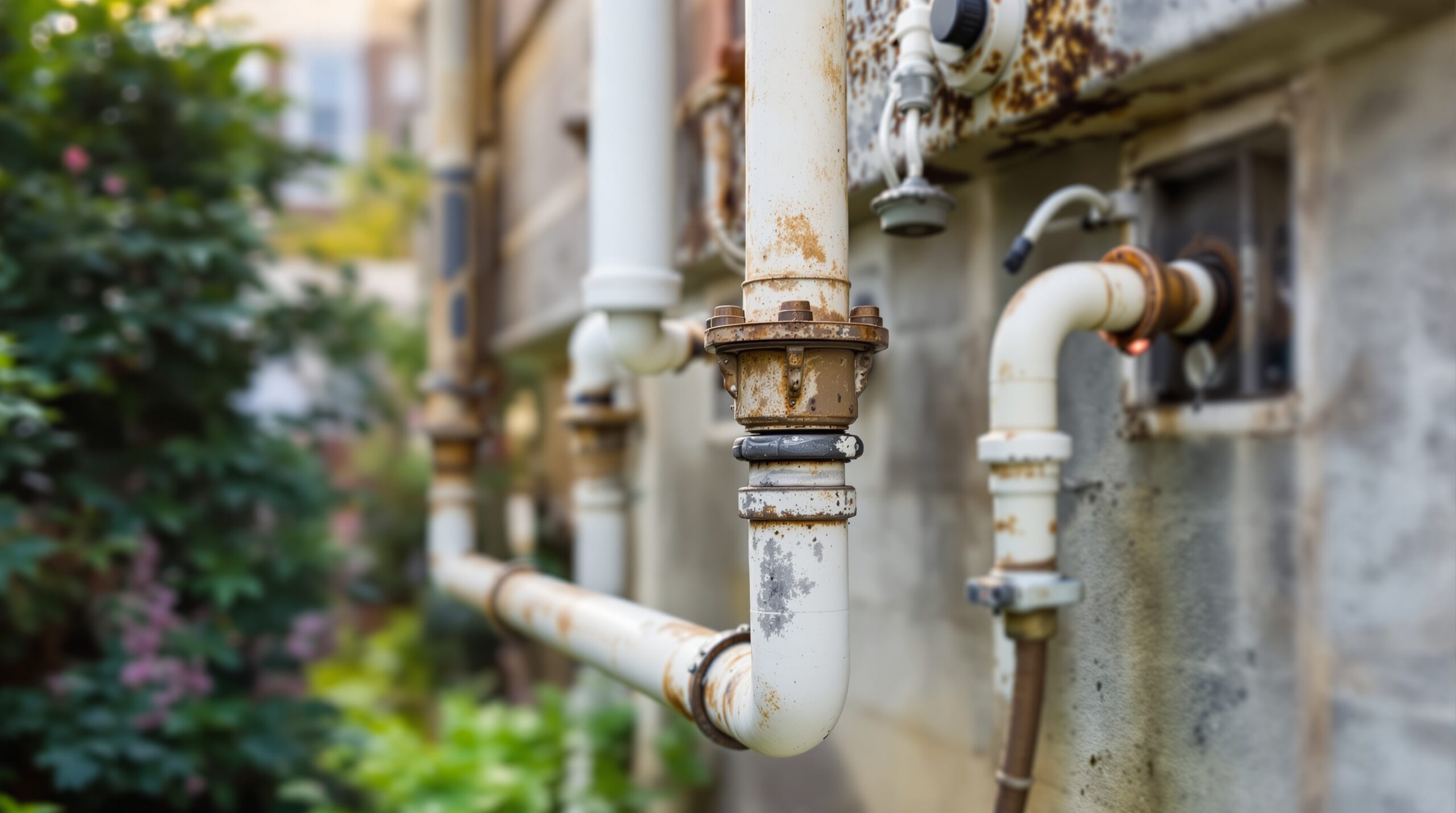
Understanding the Hidden Issues with Old Pipes
When it comes to selling your home in lovely Middletown, DE, you might think about boosting curb appeal or freshening up the interior paint. But have you ever paused to consider what’s happening behind the scenes, especially when it comes to plumbing? Old pipes can create a lot more than just a headache; they can seriously impact your real estate dreams.
Why Plumbing Matters
Imagine being a homebuyer, making your way through a charming home, envisioning cozy evenings and weekend brunches. Then, a quick peek in the basement reveals corroded pipes or, worse, leaks that threaten the perfect atmosphere. Suddenly, all those wonderful daydreams come crashing down. Buyers often notice plumbing problems right away, and it can be a deal-breaker.
Old Pipes and Your Home’s Story
Old pipes can tell a story—sometimes a scary one! They can indicate age and maintenance issues that potential buyers may not want to deal with. If the plumbing is outdated, it can raise red flags for buyers who fear costly repairs will be needed right after they move in. This worry can leave your home sitting on the market longer than you’d like.
So, whether you’re ready to sell your cozy corner in Middletown or you’re thinking about buying the perfect place, understanding the impact of plumbing issues is key. Let’s dive into how these old pipes could affect your next big move and what you can do about it!
The Importance of Plumbing for Home Sales
When it comes to the intricacies of a home sale, sellers cannot afford to overlook the significance of plumbing. Skilled buyers today are informed and meticulous; they want to ensure that the home they are investing in will not only meet their aesthetic preferences but also offer a foundation of functionality. A home’s plumbing system is pivotal in this equation, acting as the lifeblood that keeps everything running smoothly—from your showers to your laundry. As such, it can be the difference between a quick sale and a prolonged, drawn-out process fraught with doubt.
Imagine walking through a meticulously staged home only to discover a hidden plumbing concern lurking just beneath the surface. This uneasiness can profoundly affect potential buyers’ confidence, often leading them to reconsider the entire purchase once they sense plumbing issues may not be immediately visible. It’s imperative to understand that buyers are not merely purchasing a structure; they are buying a lifestyle—a promise of safety, comfort, and peace of mind.
Visual Evidence of Value
Ensuring that plumbing is in excellent condition can be a strong signal to potential buyers about how well the home has been maintained. Here’s where a visual aid can be particularly helpful—let’s break down the aspects that can genuinely elevate the perceived value of your home through a table of essential plumbing components and their positive indicators.
| Plumbing Component | Positive Indicator for Buyers | Potential Red Flag |
|---|---|---|
| Water Pressure | Consistent and strong flow | Uneven or weak pressure |
| Drainage System | Quick drainage in sinks and tubs | Slow drainage or standing water |
| Visible Pipes | Clean, well-maintained surfaces | Signs of corrosion or discoloration |
| Fixture Functionality | All faucets and toilets operate smoothly | Leaking faucets or running toilets |
This straightforward comparison highlights that small plumbing details, from water pressure to visible pipes, extend far beyond functionality—they are essential indicators of a home’s overall health. By maintaining these crucial aspects, sellers can present their homes as well-cared-for sanctuaries, inviting offers that reflect their true worth.
First Impressions and Long-Term Reflections
Beyond the immediate apprehensions that result from noticing plumbing issues, there is a significant long-term perspective to consider. Buyers envision their lives unfolding in your home, and an absence of plumbing issues allows for a seamless transition into this new chapter. Without the worry of possible plumbing disasters lurking around the corner, they can focus on creating memories rather than calculating repair costs or dealing with inconvenient emergencies.
A well-maintained plumbing system not only enhances the marketability of your property but also fosters trust with potential buyers. The more confident they are about a sound plumbing foundation, the more they will feel inclined to commit to the purchase.
In conclusion, understanding and addressing plumbing issues take on heightened relevance in the home-selling process. Sellers aiming for a swift sale and maximized returns must prioritize the unseen aspects of their homes—especially plumbing. When it comes to navigating the pain points of home selling, an effective plumbing strategy can pave the way to a smoother, more profitable transaction. Next, we will dive into the ways to identify those potential problems with aging pipes, giving you the toolset to reinforce your home’s value even further!
Identifying Potential Problems with Aging Pipes
When it comes to managing a home’s plumbing, one of the most critical, yet often overlooked, aspects is the condition of the pipes throughout the system. As time marches on, materials degrade, and wear and tear can create a myriad of issues that could quietly undermine the appeal of your property. Buyers equipped with a discerning eye will be especially vigilant when inspecting a home, so it’s vital for sellers to proactively identify and address potential problems linked to aging pipes before they become a significant barrier to a successful sale.
Aging pipes can present numerous challenges: from diminished water quality to leaks that can compromise a home’s integrity. Early intervention is key, and knowing what to look for can empower sellers to maintain their property’s worth. Here are some key indicators of aging pipes that could raise flags for potential buyers:
- Low Water Pressure: If water flow in taps feels weak or inconsistent, it might be indicative of clogs or corrosion within the pipes. This can lead not only to inconvenience but also signal underlying pipeline issues that require immediate attention.
- Unexplained Wet Spots: Puddles appearing in basements or crawl spaces, or damp walls, can indicate leaks in the pipe system. This not only raises concerns about water damage but may engage buyers in a detailed investigation that could unearth further plumbing woes.
- Discoloration of Water: Any unexpected changes in water color, particularly a rusty tint, are red flags. This may suggest corrosion inside the pipes, leading both to aesthetic concerns and questions surrounding water safety.
- Frequent Clogs: Regularly encountering clogged drains is more than just annoying; it can signal that pipes are deteriorating or obstructed. Buyers witnessing these issues might worry about the reliability of the plumbing system as a whole.
- Strange Noises: Pipes that make banging or gurgling sounds can be symptomatic of air bubbles or uneven water pressure, both of which can concern savvy buyers about the overall health of the plumbing infrastructure.
Addressing these warning signs before listing the home can substantially enhance its desirability. By being proactive in identifying potential plumbing problems, sellers not only safeguard their investment but also set a reassuring tone for buyers, showing them that this is a home that has been cared for and maintained.
Moreover, being well-informed about the current state of your pipes goes a long way in fostering a transparent selling process. If you have already identified and rectified these issues, being open about them during showings can provide an extraordinary boost of confidence to prospective buyers, assuring them that any concerns have been adequately resolved. This level of diligence speaks volumes about the property’s overall maintenance, enhancing its market appeal.
Ultimately, understanding that aging pipes can pose significant risks in the context of a home sale empowers sellers to take necessary preventive measures. A well-prepared seller, equipped with knowledge about their plumbing, can offer a seamless transition for buyers, building their trust and reinforcing the property’s value. As we transition into the next segment, we will explore in detail how plumbing issues could derail a sale, emphasizing the importance of vigilance in this critical area of homeownership.
How Plumbing Issues Could Derail a Sale
As the saying goes, “a home is only as strong as its foundation,” but when it comes to selling a property, one could argue that the plumbing system plays an equally vital role. Potential buyers, in their quest for a dream home, often view a well-functioning plumbing system as a non-negotiable component of a seamless living experience. Unfortunately, unresolved plumbing issues can act as glaring red flags, causing even the most promising offers to evaporate quickly. Understanding how plumbing problems can derail a sale is essential for sellers who wish to navigate this process successfully.
First impressions matter, and when buyers step foot into a property, they are not only envisioning their new life but also assessing its worth. A home that has persistent plumbing issues can make a negative first impression, raising doubts about the overall upkeep and quality of the property. Walkthroughs that reveal leaks, two-toned water, or weak water pressure can lead to further scrutiny and skepticism. Simultaneously, a buyer faced with visible plumbing concerns may find themselves questioning the integrity of other systems in the house, creating a ripple effect of doubt that can deter offers.
Moreover, plumbing concerns can catalyze negotiations that favor the buyer. In competitive markets, buyers may feel empowered to demand significant concessions or reduce their offer price due to the existence of plumbing problems. Sellers should be cautious, as a single plumbing issue has the potential to blindside a deal. Buyers might envision costly repairs or even extensive renovations, painting a picture of unforeseen expenses that can turn a hot lead cold in an instant.
Beyond immediate bargains and negotiations, lingering plumbing issues can lead prospective buyers to walk away entirely. In today’s market, where mortgage rates and interest can play heavily into decisions, many buyers are looking for homes that require little to no work. Unresolved plumbing problems could cause them to feel that the prospect of repairs outweighs the benefits of purchasing your property, especially if they’ve seen similar homes in better condition. What once appeared to be a dream home could instead be seen as a logistical nightmare—a clear departure from the buyer’s expectations.
Additionally, the presence of plumbing issues can lead to lost time. Having to address and repair plumbing problems can extend the timeline from listing to selling, especially if these issues arise during inspections or showings. The longer the home sits on the market, the more it may raise suspicion among buyers, prompting them to believe that there are underlying problems affecting the property’s appeal. Conversely, effective and proactive plumbing preparation can expedite the sale process significantly.
The reality is that buyers today are more informed and equipped with resources at their disposal, making them less likely to overlook potential plumbing red flags. Sensible buyers often opt for thorough inspections, where a licensed plumber may uncover issues that might not be immediately visible. The final report can either boost confidence in the sale or tank a promising offer, illustrating how past negligence could sabotage future aspirations.
However, there is an optimistic side: understanding how to avoid these pitfalls can significantly enhance your prospects as a seller. By taking proactive measures to address plumbing issues, you can effectively mitigate the risks associated with the sale process. Maintaining a healthy plumbing system not only protects your investment but ultimately creates a more favorable impression for potential buyers. As we delve into the next section, we will explore the steps you can take to prepare your home’s plumbing for the market, ensuring that you set the stage for a successful transaction and peace of mind during the selling journey.
Prepping Your Home’s Plumbing for the Market
When it comes to preparing your home for the market, tending to your plumbing might not be the first thing on your mind. Yet, an efficiently functioning plumbing system can be the difference between attracting eager buyers and losing potential offers. To set the stage for a smooth sale, sellers need to embrace a proactive approach to plumbing maintenance, ensuring that everything from the smallest drip to the water heater is in tip-top shape. Here are crucial steps to consider as you prepare your home’s plumbing system.
The Plumbing Checklist: Key Areas to Address
| Area of Focus | Action Item | Why It Matters |
|---|---|---|
| Leaks | Inspect for and repair any leaks under sinks, taps, and toilets. | Visible leaks can deter buyers and indicate underlying issues. |
| Water Pressure | Test the water pressure in the house to ensure it’s strong and consistent. | Poor water pressure can raise concerns about the plumbing system. |
| Drainage | Check for clogs and ensure that all drains and toilets are functioning properly. | Slow or ineffective drainage might hint at bigger plumbing problems. |
| Water Heater | Examine the water heater for any signs of rust or corrosion and ensure it’s functioning efficiently. | A reliable hot water supply is a crucial factor for buyers. |
| Faucets & Fixtures | Upgrade or fix any worn-out faucets and fixtures. | Modern, working fixtures create a positive impression in the home. |
| Age of Plumbing | Assess the age of pipes and consider a professional inspection if they are older than 20 years. | Older systems may lead to unexpected issues that can affect buyer confidence. |
Consider a Professional Inspection
While self-inspection is a great start, involving a professional plumber can truly elevate your preparation efforts. A certified plumber can conduct a thorough assessment of your plumbing system, identifying hidden problems that may go unnoticed. Furthermore, they can provide valuable insights on necessary repairs and perform preventative maintenance—a proactive approach that could save you headaches during the selling process.
Embracing a Clean Slate
In addition to fixing existing issues, presenting a clean, tidy plumbing environment can greatly boost your home’s appeal. Clear out debris from around sinks, take care of any unwanted odors, and ensure that all plumbing access points are easily navigable. Fresh, organized spaces showcase your home in the best light, demonstrating to potential buyers that you’ve taken immense pride in its upkeep.
Document Everything
As you complete repairs and upgrades, keep a record of all necessary plumbing work. Create a file that includes receipts, warranties, and any relevant documents. Being transparent about your home maintenance efforts assists in building trust with potential buyers, showcasing that you’ve taken the time and effort to ensure a sound environment ready for their future. Remember, confidence in your home’s plumbing can serve as a key selling point, inviting buyers to feel safe and secure in their investment.
By addressing these critical plumbing considerations before listing your home, you empower yourself to present the property in its best light while minimizing surprises during showings and inspections. These proactive steps not only promote quicker sales but also a more streamlined selling experience overall. Up next, we will provide discerning homebuyer tips for evaluating plumbing systems, ensuring buyers can make informed decisions when perusing potential homes. Stay tuned as we empower both buyers and sellers to navigate the plumbing landscape confidently.
Homebuyer Tips for Evaluating Plumbing Systems
In the journey of purchasing a home, many potential buyers often overlook a critical aspect: the plumbing system. While aesthetics and layout may steal the spotlight, it’s essential to remember that a healthy plumbing system underpins the home’s functionality. A thorough inspection of the plumbing can save you from unforeseen pitfalls after move-in day. Here are some crucial tips to ensure you’re making a savvy decision regarding plumbing when browsing potential new homes.
1. Trust Your Senses
Begin your evaluation with a sensory approach. As you tour the home, pay attention to any unusual odors, particularly in bathrooms and kitchens. A musty smell could indicate mold growth due to leaks or inadequate ventilation. Listen closely as well; your ears can alert you to hidden issues. Creaking pipes, gurgling sounds, and dripping faucets can signify problems that might not be immediately visible. Noticing these signs early can guide your inquiry further into plumbing conditions.
2. The Test of Water Pressure
Strong, consistent water pressure is often indicative of a well-functioning plumbing system. During your walkthrough, run the faucets in various locations. If the water trickles when fully turned on, this could be a sign of underlying issues, such as blockages or deteriorating pipes. Additionally, testing the water pressure in the showers can give you a glimpse into the performance of the home’s plumbing system. High water pressure can not only enhance your shower experience but also indicate a healthy plumbing network.
3. Check for Leaks
It’s essential to investigate any visible signs of leaks. Inspect under sinks, around toilets, and behind appliances such as dishwashers and washing machines. Moisture, stains, or even mildew growth in these areas can hint at ongoing leaks that require attention. To further your investigation, check the ceilings and walls below bathrooms or kitchens for water damage, which can indicate plumbing problems above. Documenting these findings can provide leverage during negotiations if plumbing repairs are needed.
4. Inspect Fixtures for Worn Out Components
Functional and aesthetically pleasing fixtures can make a positive impression. Examine faucets, showerheads, and toilets for signs of wear. Ensure that faucets operate smoothly, with no uneven flow or excessive drips. Toilets should flush efficiently and refill quietly. Consider bringing in a home inspector to assess fixtures and appliances—an expert will be able to identify unseen issues that could impact your comfort down the line.
5. Check for Proper Drainage
Good drainage is crucial for any plumbing system, and poor drainage can indicate serious problems. Run water in sinks, bathtubs, and showers, watching for any delays in drainage. Slow drains may suggest buildup, while backups could signal a bigger plumbing crisis. Pay attention to the visibility of vent pipes as well—these are essential for allowing the plumbing system to function properly. Clearing visible obstructions during inspections could save you from unpleasant surprises after moving in.
6. Inquire About the Water Heater
The water heater’s health plays a key role in daily living. Ask the seller about the age of the water heater and when it was last serviced. Referencing maintenance records can verify the unit’s upkeep. During your visit, observe for signs of rust or leaks around the tank, as these can indicate potential replacement needs. Ensure the heater is capable of meeting the demands of your household—an efficient and reliable source of hot water is fundamental for long-term satisfaction in your new home.
7. Don’t Hesitate to Request an Inspection
Even with your diligent observations, nothing replaces the insights of a professional plumber. If you feel uncertain about the plumbing condition, don’t hesitate to request a thorough inspection. A licensed expert can uncover issues that a casual eye may miss and provide you with an honest overview of the plumbing system. Being informed about any potential repairs or updates offers peace of mind in your home-buying journey.
By keeping these tips in mind while evaluating plumbing systems, you empower yourself to make informed decisions that ensure your investment is sound. Well-maintained plumbing not only enhances your living experience but also protects the value of your new home. With diligence and careful consideration, you can embark on a successful home transaction in Middletown, DE,and enjoy the peace of mind that comes from knowing your plumbing is in excellent condition. Embrace the process with confidence, and happy house hunting!
Identifying Common Plumbing Issues in Older Homes
As charming as older homes can be, they often come with their own set of unique plumbing challenges. Understanding the common signs of plumbing issues in these residences is crucial for potential buyers and current homeowners alike. Many plumbing problems can stem from outdated systems, wear and tear, or a lack of regular maintenance. By being vigilant and recognizing early warning signs, you can address these concerns before they escalate.
1. Frequent Clogs
Constantly battling clogs in sinks and toilets? This is not just an inconvenience; it could indicate deeper plumbing issues. In older homes, pipes may be a mix of various materials, leading to inconsistent drainage flow. Frequent clogs may point to pipe diameter reductions due to buildup or even damage that requires professional attention. Regularly monitoring drainage performance can help in identifying these issues early.
2. Sluggish Water Flow
3. Discoloration in Water
Are you noticing brown or rust-colored water when you turn on the taps? This discoloration could indicate rust inside the pipes, especially if your home has galvanized steel plumbing. Additionally, this condition can affect the taste and quality of your water, posing health risks. If you experience such issues, it’s crucial to investigate the plumbing system promptly.
4. Visible Signs of Water Damage
Discoloration on walls, blotchy ceilings, or damp spots can signal hidden leaks. These water stains can often go unnoticed until they lead to bigger problems, such as mold growth or structural damage. Check around window frames and doors for any signs of moisture intrusion, and don’t ignore any suspicious smells that may accompany water damage, indicating potential plumbing troubles.
5. Age of the Plumbing System
Older homes often come equipped with aging plumbing systems that may not meet today’s standards. Pay close attention to the age of your pipes; many older homes feature lead or polybutylene pipes, which can be hazardous over time. Knowing the year of installation can provide insights into the likelihood of issues and help prioritize necessary upgrades.
How Often Should Plumbing Systems Be Inspected?
For homeowners, especially those in older properties, regular inspections of the plumbing system are vital. Experts recommend having plumbing systems thoroughly evaluated every 1 to 2 years. Regular inspections can catch minor issues before they develop into major headaches, helping maintain the integrity of your home. If you’ve noticed any warning signs or if your plumbing system is particularly old, consider scheduling an inspection more frequently.
Can Plumbing Issues Affect Home Insurance Premiums?
The link between plumbing problems and home insurance premiums is significant. When evaluating risk, insurance companies consider the state of your plumbing systems. Frequent claims stemming from plumbing failures or water damage may lead to higher premiums over time. Ensuring that you address plumbing problems promptly not only keeps your home safe but can also prevent potential increases in insurance costs. Insurers often look for professionalism in home maintenance, so demonstrating that you prioritize plumbing inspections and repairs can impact your coverage rates positively.
Ultimately, understanding the signs of plumbing issues, adhering to recommended inspection schedules, and being proactive can save homeowners both before and after a sale. It’s all about fostering a better understanding of the plumbing essentials, which leads to smoother transactions and enhances overall home satisfaction.
“`
Preparing for Smooth Transactions: From Plumbing Inspections to Negotiations
As a homebuyer or seller in Middletown, DE, understanding the importance of a solid plumbing system isn’t just crucial for peace of mind; it can also be a game changer when it comes to negotiation and closing deals. Addressing plumbing concerns upfront sets a positive tone and lays the groundwork for a seamless transaction. Let’s explore how both buyers and sellers can benefit from proactive plumbing evaluations.
1. Strengthening Buyer Confidence
Buyers equipped with knowledge about the plumbing system can approach their purchase with greater assurance. Knowing that the plumbing is sound doesn’t just alleviate the stress of potential repairs; it positions the buyer to make a compelling offer. When buyers are confident in the condition of the plumbing, they can focus on the home’s overall charm and potential, rather than fretting over possible issues lurking beneath the surface. A solid plumbing inspection report can even serve as a bargaining chip, making it easier to negotiate repair requests or reductions in price if needed.
2. Building Trust with Sellers
On the flip side, sellers can significantly impact their homes’ appeal by ensuring their plumbing systems are in optimal condition before listing. Proactively addressing any issues and securing necessary inspections not only helps in securing a smoother sale but also builds trust with potential buyers. When sellers can provide documentation of recent plumbing work or inspections, it assures buyers that they’re entering the transaction with transparency, reducing the likelihood of last-minute haggling that can derail deals. Ultimately, a home that boasts a well-maintained plumbing system becomes a standout option in a competitive market.
3. Enhancing the Home Sale Process
Efficient plumbing can speed up the home sale process. House hunters are often overwhelmed by choices, and homes that show well—including fully functioning plumbing—naturally attract more attention. Whether it’s a modern bathroom or a kitchen with effective plumbing, satisfaction in these areas enhances overall home appeal. By ensuring that their plumbing works effectively, sellers can motivate buyers to act quickly, potentially leading to quicker closings. Additionally, preventive maintenance means during the sale process, there are fewer chances of discovering last-minute plumbing issues that might require negotiations or concessions.
4. Emphasizing Post-Sale Satisfaction
A successful transaction isn’t just about closing the sale. It’s about ensuring that both parties walk away satisfied. Buyers discovering plumbing issues after the sale can lead to frustration and even regrets. By addressing plumbing concerns upfront, both parties foster a sense of accomplishment and satisfaction in their dealings. For sellers, knowing they’ve provided clear documentation and a sound plumbing system enhances their reputation and can lead to smooth future transactions, as word of mouth plays a powerful role in real estate. For buyers, entering a home with assurances about the plumbing translates into immediate comfort and reduces the likelihood of unwelcome surprises post-settlement.
In summary, prioritizing plumbing inspections and maintenance as part of the home buying and selling process in Middletown, DE, not only safeguards investments but also elevates the overall experience for everyone involved. Buyers, when armed with the right knowledge, can feel empowered in their decision-making, while sellers can present a home that reflects care and conscious upkeep. By embracing the significance of plumbing, both parties can lead themselves toward successful, stress-free transactions and long-lasting satisfaction in their respective homes.
“`