
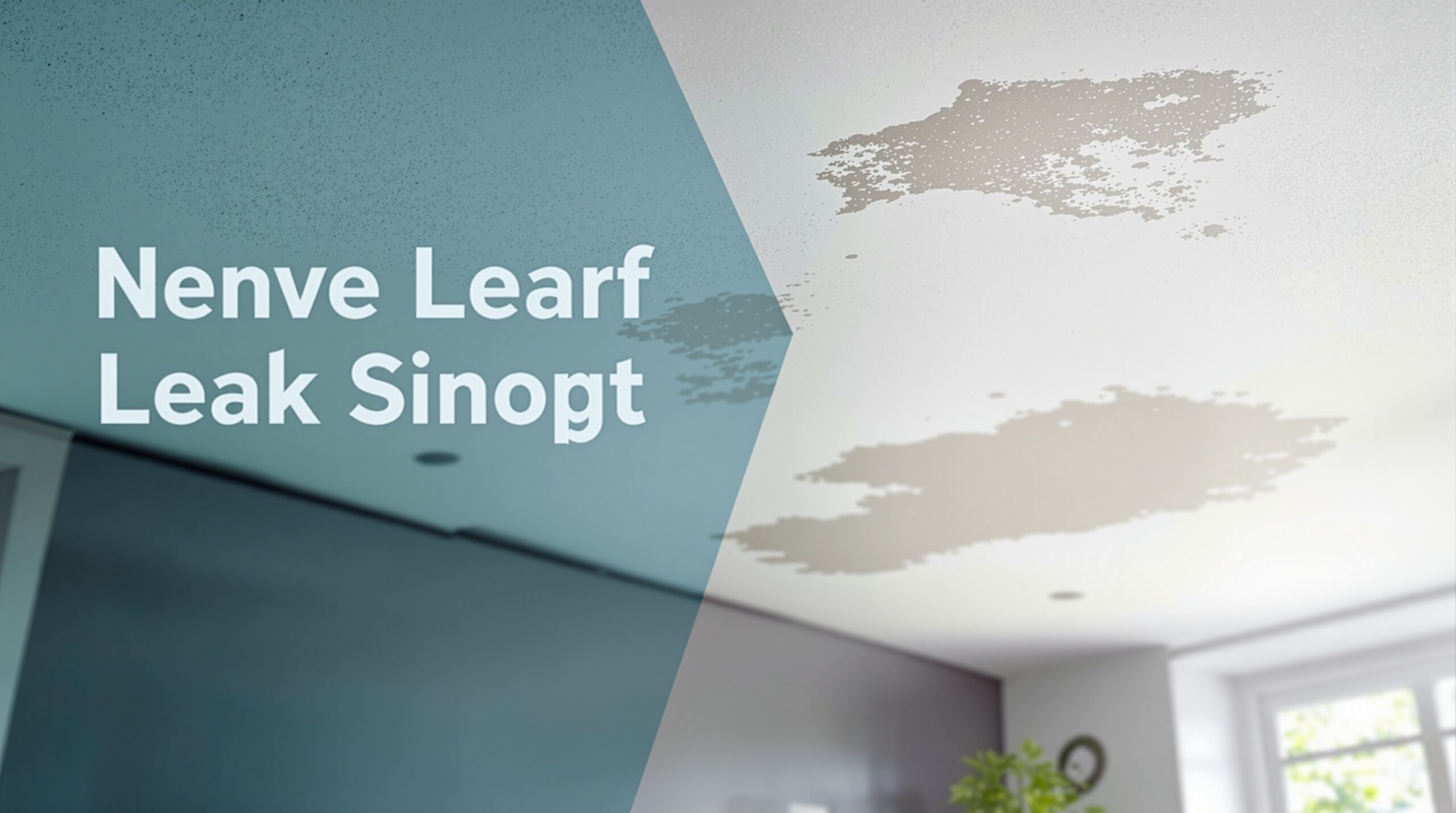
Why Leak Detection is a Homeowner’s Best Friend
Imagine waking up one morning to discover a puddle in your living room, or worse, a dark stain creeping across your ceiling. Scary, right? Hidden leaks can be sneaky little troublemakers that cause big headaches for homeowners. Detecting these leaks before they wreak havoc is crucial for protecting your home and maintaining its value.
The Sneaky Nature of Leaks
Leaks can hide in the walls, under floors, or even behind appliances, making them tough to spot. Often, you won’t notice a leak until it has caused significant damage.
Think of a small leak like a pinprick in a balloon. At first, it seems harmless, but over time, it can lead to a big mess! And just like that balloon, your home can suffer if these hidden issues go unchecked.
Becoming a Leak Detective
The best way to tackle the problem is to be proactive. Regularly checking for signs of leaks can save you from a world of trouble. By staying alert and knowing what to look for, you can catch problems early and prevent them from escalating.
Some common signs include water stains, musty odors, or sudden increases in your water bill. If you notice any of these, it’s time to put on your detective hat!
Unlocking the Benefits
Spotting a leak before it causes major damage isn’t just about saving yourself from annoying repairs—it’s also about keeping your home safe and comfortable. A little bit of effort today can save you from big headaches tomorrow. Imagine enjoying peace of mind knowing that your home is secure from those sneaky leaks!
Signs of Hidden Leaks
As a homeowner, becoming attuned to the subtle indicators of hidden leaks can save you from extensive damage down the line. Often, these signs are easily overlooked, but they can offer crucial clues that something may be amiss in your plumbing. Let’s peel back the layers and discuss the telltale signs that suggest a hidden leak could be lurking just out of sight.
| Sign | Description | Why It Matters |
|---|---|---|
| Unusual increase in water bills | If you notice a spike in your water bill without any corresponding increase in usage, this could signal a hidden leak. | It indicates that water is being wasted somewhere, potentially leading to more significant issues. |
| Mold growth | The presence of mold or mildew in areas where moisture should not be found is a strong indicator of a leak. | Mold spores can affect air quality and lead to health problems if left unchecked. |
| Damp spots | Look for damp patches on walls, ceilings, or floors, especially if they are accompanied by peeling paint or wallpaper. | Damp spots can be early signs of water damage that can lead to more serious structural issues. |
| Reduced water pressure | If your faucets or showerheads have noticeably lower water pressure, this could indicate a leak within your plumbing system. | Low pressure could mean that water is escaping before it reaches your fixtures. |
By keeping an eye out for these signs, you can act before the problem gets out of hand. Regularly inspecting your home for leaks gives you the upper hand, allowing you to ensure your plumbing remains in tip-top shape. Remember, a bit of vigilance today can prevent a waterfall of worries tomorrow!
The Consequences of Ignoring Leaks
While the signs of hidden leaks are crucial for homeowners to identify early, the ramifications of neglecting these indicators can be severe and far-reaching. Ignoring a leak might initially seem benign—just a minor inconvenience—but the repercussions can spiral into significant hazards that jeopardize both your home and health. Let’s delve into the potential damage that untreated leaks can wreak.
First and foremost, consider the structural integrity of your home. Continual exposure to moisture can compromise the very bones of your dwelling. Walls and ceilings can buckle, and flooring can warp, transforming a simple plumbing issue into an extensive renovation nightmare. Over time, wood elements can weaken, creating a perfect storm for costly repairs, not to mention added stress and disruption in your home life.
Moreover, the moisture from leaks provides an ideal breeding ground for mold and mildew, which can proliferate rapidly and create more than just unsightly stains. Mold is not just a nuisance; it poses serious health risks, particularly for those with respiratory conditions, weakened immune systems, or allergies. The air quality in your home can degrade significantly due to mold spores, leading to chronic health issues that extend far beyond mere irritants. Families could find themselves entangled in a battle with various illnesses, from persistent respiratory problems to severe allergic reactions.
Let’s not forget about water wastage. Each drop that escapes through an unnoticed leak amounts to a staggering amount of waste over time. This not only elevates your water bill but contributes to environmental concerns, particularly in areas where water scarcity is an issue. The cumulative effect of ignored leaks is a cycle of waste that goes against the trend of conservation that so many are keen to support today.
All of these consequences underscore a fundamental truth: addressing leaks promptly is far better than facing the repercussions of inaction. By ignoring the signs that leak is knocking at your door, you risk turning a minor inconvenience into an overwhelming crisis. It’s essential for homeowners to be proactive, recognizing that vigilance leads to a healthier home, a safer environment, and a more sustainable lifestyle.
DIY Leak Detection Methods: Simple Approaches and Tips for Homeowners
Once you’ve grasped the importance of addressing leaks swiftly and efficiently, the next step is becoming an empowered homeowner who can actively hunt down potential leaks before they escalate. Fortunately, several straightforward DIY leak detection methods can help you identify issues without needing to call in the professionals immediately. Here are some practical approaches that can save you time, stress, and potential damage.
One of the first places to start your leak detection journey is your water meter. This tiny device can provide a wealth of information about your household water usage. To check for hidden leaks, turn off all water sources in your home, including faucets, showerheads, and appliances, and then observe your water meter. If the dials continue to move despite everything being shut off, you might have a leak somewhere in your plumbing system. Mark the reading and check it again in a couple of hours to see if there’s any change; this could signal a slow leak that needs attention.
Another effective method centers around the use of food coloring. If you suspect a leak in your toilet—often a common culprit—add a few drops of food coloring to the toilet tank. Wait about 15-30 minutes without flushing. If the color appears in the bowl, you’ve confirmed that there’s a leak, likely caused by a faulty flapper or fill valve, allowing water to escape and waste.
Don’t overlook the visual signs in your home. Regularly inspect areas where plumbing is present, such as under sinks, behind toilets, and around appliances like dishwashers and washing machines. Look for water stains, bubbling paint, or discoloration on walls. These can be signals that moisture is creeping into places it shouldn’t be. Additionally, check the caulking in bathrooms and kitchens—cracks or gaps can foreshadow bigger problems down the line.
For more advanced detection, a simple pressure test might reveal hidden leaks. Many homeowners find success in checking the water pressure in their system. Use a pressure gauge that can typically be attached to an outdoor hose bib or washing machine outlet. This method can help you understand if your home’s water pressure is abnormally high, which can be a sign of hidden leaks within the system itself.
Utilizing your senses is another powerful approach. Pay attention to changes in sound—if you hear running water when faucets are turned off or notice a sudden increase in humidity or mildew smells, your instinct may be right. Often, auditory and olfactory cues can guide homeowners to potential problem areas that need further investigation.
Lastly, coupling your DIY detective work with a regular maintenance routine is beneficial. Schedule periodic checks throughout the year to examine your plumbing fixtures, appliances, and maintenance logs. This strategy fosters a proactive mindset, allowing you to catch minor issues before they transform into major headaches.
By adopting these DIY leak detection methods, you’re not just putting your ingenuity to the test; you’re investing in the longevity of your home. Keeping a vigilant eye on the signs of potential leaks can save you heartache and help maintain a safe, healthy living environment for you and your family. Remember, the earlier you identify a problem, the easier it is to mitigate it. Be alert, stay informed, and take charge of your home’s plumbing health.
When to Call Professionals: Navigating Leak Detection and Pipe Repair in Delaware
While DIY methods can be incredibly useful, there are instances where the expertise of professionals is not just beneficial but essential. Recognizing when to escalate your leak detection efforts and calling in experts can be a game changer, particularly in the realms of leak detection in Delaware and pipe repair in Middletown, DE. Understanding the complexities of your plumbing systems is crucial and can save you from prolonged issues and extensive damages.
First and foremost, when your initial DIY attempts have yielded inconclusive results, it’s time to consider professional help. For instance, if your water meter indicates a leak, yet your own inspections find no visible signs of one, professional leak detection services can utilize advanced tools like thermal imaging and acoustic equipment to identify leaks behind walls or underground—locations that are not accessible to the average homeowner.
Moreover, if you notice unusual changes in water pressure or experience repeated instances of wet spots that seem to magically appear and disappear, these could be indicators of a more profound problem that requires a seasoned professional. Sometimes, the source of the leak can lie deep within your plumbing system, and only trained specialists can diagnose these hidden issues accurately.
Professional services are especially critical when dealing with leaks in complex systems. For instance, older homes may have outdated plumbing setups that require experience to navigate safely. A trained technician can assess the situation, determine if your current plumbing requires updating or complete overhaul, and suggest sustainable solutions that will not only fix the current problem but also prevent future issues.
Additionally, there are moments when leaks can signal larger, more intricate problems within your home that could relate to structural integrity. If you detect water pooling in your basement or near your foundation, it’s imperative to contact professionals who can examine the situation thoroughly. They can ensure that not only the plumbing is repaired but also any potential damage to your home’s foundation is addressed.
| Signs It’s Time to Call a Professional | Description |
|---|---|
| Unresolved Water Meter Readings | If the water meter continues to register usage despite all sources being turned off. |
| Invisible Leak | Beneath floors or within walls where visible signs are absent but dampness can be sensed. |
| Persistent Wet Spots | Wet areas that appear and disappear can indicate a hidden leak. |
| Low Water Pressure | Sudden drops in water pressure without an identifiable cause may suggest a significant leak. |
| Water Pooling | Water collecting around the foundation or basement area may indicate a serious plumbing issue. |
Furthermore, professional pipe repair services in Middletown, DE, have access to the latest technologies and training that leave no stone unturned when it comes to plumbing issues. They can efficiently identify the root cause of leaks, address complex piping problems, and secure the integrity of your home’s plumbing system. Their intervention not only rectifies the immediate concern but provides a comprehensive approach that anticipates future challenges, permitting peace of mind for homeowners.
In essence, while taking the DIY route can sometimes yield positive results, knowing when to enlist the help of seasoned professionals is just as critical. By recognizing the signs that indicate a more significant issue lurking within your plumbing system, you empower yourself to act decisively. This proactive approach ensures that your home remains a safe, secure haven, free from the disruptions that plumbing leaks can cause.
As we wrap up this exploration of leak detection and the critical need for timely pipe repairs, it’s essential to underscore one key takeaway: proactive maintenance is your best defense against catastrophic damages. Homeowners often underestimate the significance of their plumbing systems, treating leaks merely as annoyances rather than acknowledging the potential havoc they can wreak on your property. Ignoring the early signs of leaks—damp spots, strange noises, or fluctuating water pressure—can lead to a cascade of problems that extend well beyond the immediate area of concern.
Preventive measures can empower you to stave off these issues before they escalate. By incorporating regular manual inspections of your plumbing systems and adopting a vigilant mindset, you create an environment that discourages leaks from developing in the first place. Here are some practical tips for homeowners to help you stay ahead of plumbing issues:
- Routine Visual Inspections: Make a habit of visually inspecting exposed pipes in your basement, under sinks, and around appliances like water heaters. Look for rust, corrosion, and any signs of moisture or water stains that may not initially attract your eye.
- Monitor Your Water Bill: Keep an eye on your water bill and be vigilant for sudden spikes in consumption. A significant increase without a clear explanation may indicate a hidden leak somewhere in your system.
- Check Water Pressure: Test your water pressure regularly. Ideally, it should fall between 40-60 psi. If you notice a have sudden drop or an unusual spike, that might signal a plumbing issue.
- Inspect Fixtures and Appliances: Don’t forget to examine fixtures such as faucets, toilets, and hoses for leaks or drips. Occasionally, tightening connections or replacing washers can avert bigger problems down the road.
In addition to regular checks, consider scheduling professional inspections at least once a year. Professionals can spot problem areas that may not be visible to the untrained eye and recommend maintenance measures to keep your plumbing healthy and functioning effectively.
In conclusion, early detection can be your home’s best ally. If you suspect a leak or notice warning signs, don’t hesitate to take immediate action. Calling expert services for leak detection and pipe repair not only addresses the problem at hand but also safeguards your investment long-term. A proactive approach equips you with the knowledge and resources to ensure your plumbing system remains reliable, allowing you to enjoy your home worry-free. After all, your peace of mind is worth it, and ensuring your plumbing system is in optimal condition is a key ingredient in maintaining a safe and secure haven for you and your loved ones.
As you prioritize proactive maintenance of your plumbing, you may find yourself asking important questions. Addressing these FAQs can help you further strengthen your strategy for leak prevention and detection, ensuring that your home remains a sanctuary rather than a source of stress.
How often should I check for leaks? While establishing a routine can depend on your specific situation, it’s wise to check for leaks at least once every season. Seasonal changes can impact your plumbing system in different ways. Additionally, keep an eye on your water bill each month for any unexpected spikes in usage, which can serve as a red flag for a potential leak. Consistently monitoring your plumbing will help you stay ahead of trouble, allowing you to catch small issues before they become more significant concerns.
What areas in my home are most susceptible to leaks? Certain areas in your home require greater attention due to their higher risk of leaks. Start with the kitchen and bathrooms—these spaces house plumbing fixtures like sinks, faucets, and toilets, which are often the first to show signs of wear. Basements and laundry rooms also warrant inspection, particularly for hot water heaters and washing machines, as these appliances are prone to leaks. Be sure to pay attention to any exposed pipes throughout your home, as poorly insulated or aging pipes can create a pathway for leaks to develop. It’s also a good idea to check outdoor faucets and irrigation systems, particularly before the winter months, as fluctuating temperatures can lead to burst pipes and leaks as well.
Being aware of these common leak-prone areas empowers homeowners to take a more proactive approach. Remember that the sooner you address any potential issues, the less likely they are to escalate into problematic situations. Don’t hesitate to reach out to professionals for assistance, especially if you notice any signs of leaks. Taking these preventive steps not only helps maintain the integrity of your plumbing system but also provides peace of mind, ensuring you can continue to enjoy your home stress-free.
“`
As you’re reminded of the critical role that early leak detection plays in safeguarding your home, it becomes clear that prompt action is not just advisable; it’s imperative. When you detect a leak, whether it’s a few drops from a fixture or a subtle increase in humidity, remember that these indicators often reveal a much larger issue beneath the surface. The damage wrought by persistent leaks can escalate swiftly, leading to structural compromise, mold growth, and costly repairs. Taking immediate action by contacting expert leak detection and pipe repair services can make all the difference.
Imagine coming home to a serene environment that feels safe and secure. This tranquility can easily be disrupted by the ramifications of a hidden leak. Once a leak becomes pronounced enough to garner attention, it has often already begun its damage to not just your home but also your peace of mind. By connecting with professionals at the first hint of water intrusion, homeowners can avoid those unsettling surprises that leaky pipes can bring. Expert services utilize technology and techniques that allow them to identify problems long before they manifest visibly, giving you a proactive edge.
Moreover, leaving repairs in the hands of the professionals not only rectifies current issues but also fortifies your entire plumbing system against future leaks. Knowledgeable technicians are equipped to offer insights that the average homeowner might overlook, recognizing patterns that lead to long-term solutions rather than temporary fixes.
Ultimately, the stakes are high. The potential for extensive damage from even minor leaks makes it vital for homeowners to take their plumbing health seriously. With a simple call to experts in leak detection and repair, you can ensure that your home is not only maintained but fortified against the unexpected. Such action transforms uncertainty into confidence, allowing you to focus on what truly matters: enjoying your home and all the moments it holds.
In the grand scheme of homeownership, investing in early leak detection is one of the most prudent decisions you can make. Don’t hesitate—act now to preserve your sanctuary and protect it from what is often the unseen churn of plumbing problems. Proactivity is your strongest ally; let it guide you to a safeguard that maintains both the integrity of your home and the comfort of those who inhabit it.
“`