
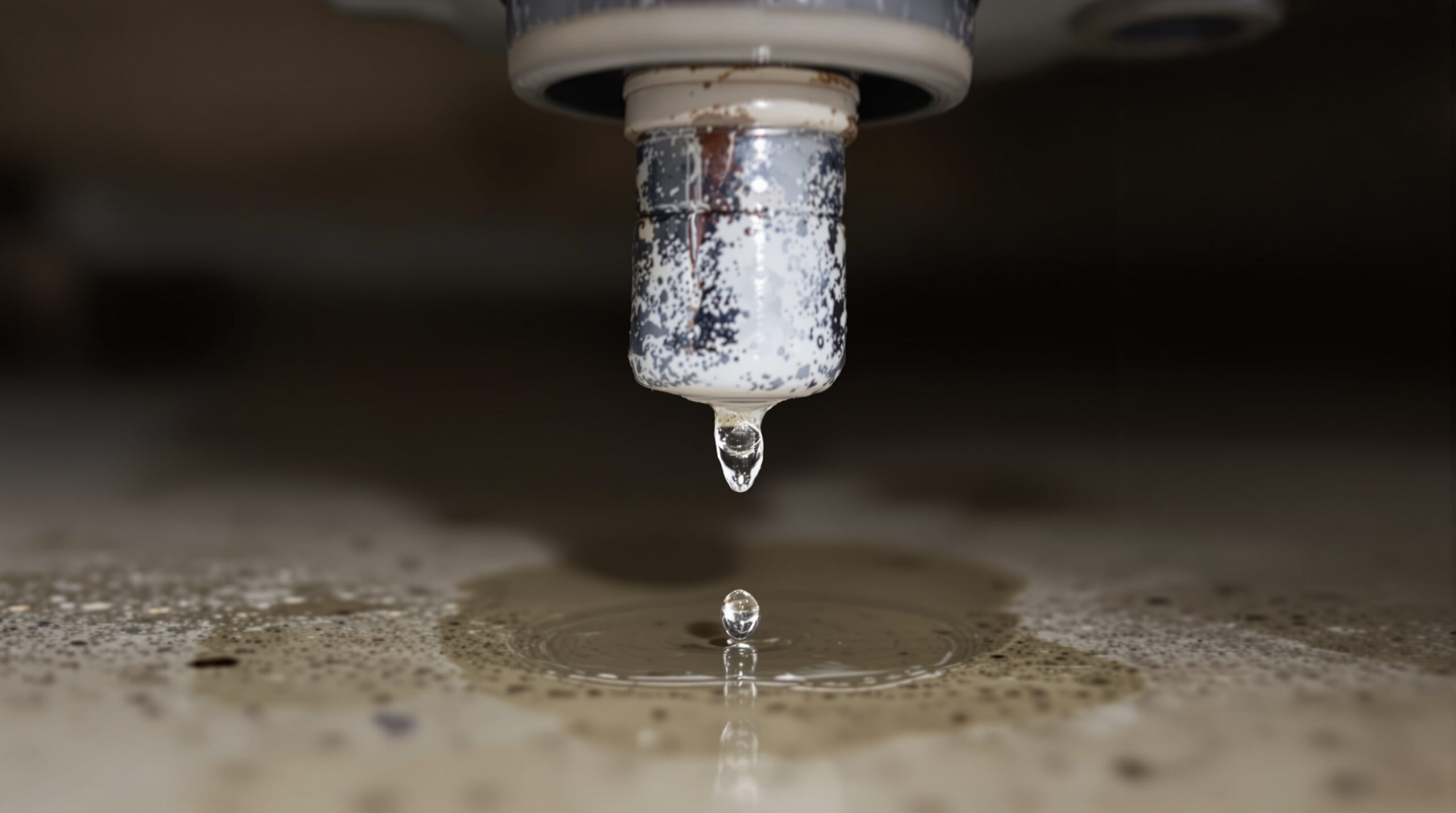
Understanding the Importance of Leak Detection in Blackbird, DE
Have you ever thought about what might be happening behind the walls of your Blackbird home? Plumbing leaks can be sneaky little villains, hiding out of sight while causing big problems. It’s like having a secret invader that can not only damage your precious home but also lead to bigger issues down the road. So, why should you care about detecting these hidden leaks? Let’s dive in!
The Silent Saboteur
Just think about it: a little drip here and there might seem harmless, but over time, that small leak can lead to mold, water damage, and even foundation issues. In a place like Blackbird, where the weather can change quickly, protecting your home is essential. You wouldn’t leave your front door wide open, so why let hidden leaks seep in where they don’t belong?
Stay Ahead of the Game
Finding leaks early means you can save yourself from a lot of stress. Imagine waking up to a soaked carpet or discovering that your floorboards have warped. Yikes! Regular leak detection can help keep your living space safe and sound, preventing those “uh-oh” moments that leave you scrambling.
In Blackbird, DE, being proactive about leak detection is key. It not only saves your home but also gives you peace of mind. Stay with us as we explore practical tips and tricks to help you spot these hidden plumbing leaks and keep your home secure and dry!
Identifying Common Signs of Hidden Plumbing Leaks
Now that we understand why leak detection is paramount, let’s shift gears and focus on how to spot those elusive signs of hidden plumbing leaks. These leaks often hide in plain sight, requiring a keen eye and a bit of detective work. No need to don a magnifying glass and trench coat, just stay observant during your daily routines. Here are some common indicators that could point to a lurking leak in your home:
| Sign | Description |
|---|---|
| Wet Spots on Walls | Discoloration or unsightly stains on walls, particularly in areas like bathroom or kitchen, can indicate plumbing leaks behind the surface. |
| Unpleasant Odors | Musty smells often signify mold growth due to prolonged moisture; don’t ignore that peculiar scent wafting from unnoticed corners. |
| Increased Water Bill | If your water bill spikes unexpectedly, it could point to a hidden leak that is draining your resources—both water and cash. |
| Sound of Running Water | Hearing water running when no taps are in use is a red flag. Listen carefully, and follow the sound to pinpoint potential leaks. |
| Mold Growth | Visible mold in damp areas, especially near plumbing fixtures, indicates water is escaping—perhaps from a hidden source. |
| Loss of Water Pressure | Noticeable changes in water pressure can suggest leaks. If your fixtures aren’t delivering the expected flow, investigating is necessary. |
Even the smallest leak can lead to significant issues such as structural damage or health hazards from mold exposure. That’s why keeping an eye out for these common signs is crucial for homeowners in Blackbird. It’s all about being proactive rather than reactive when it comes to protecting your home. By remaining vigilant, you can catch plumbing leaks before they escalate, ensuring your living environment remains both safe and sound.
As we move forward, we will equip you with the tools and techniques necessary for effective leak detection. After all, a well-prepared homeowner is a powerful ally against the invisible threat of hidden leaks.
Tools and Techniques for Effective Leak Detection
With the signs of hidden plumbing leaks outlined, it’s time to delve into the essential tools and techniques that can aid in discovering those pesky leaks before they wreak havoc on your home. The good news is that both DIY enthusiasts and seasoned professionals have access to a variety of effective methods for leak detection. Whether you’re wielding a simple tool or utilizing sophisticated technology, understanding these techniques will empower you to combat leaks like a pro.
1. The Humble Water Meter
Your first line of defense is likely already in your home: the water meter. This tool provides an easy method for leak detection without the need for high-tech gadgets. Here’s how to use it effectively:
- Turn off all water-using appliances and fixtures in your home.
- Take a reading of your water meter and jot it down.
- Wait for a couple of hours without using any water, and then check the meter again.
- If you notice any change, this indicates that there could be a leak somewhere in the system.
2. Acoustic Leak Detection
For those who crave a more advanced approach, acoustic leak detection is a highly effective technique favored by many professionals. This method relies on listening for the telltale sounds of water escaping through pipes. Here’s how it works:
- Using a specialized acoustic listening device, the technician moves around the property to identify unusual sounds indicative of leaks.
- These devices can pinpoint leaks even through walls, making them an invaluable asset in detecting plumbing problems.
3. Infrared Thermography
Infrared cameras are another high-tech option gaining popularity for leak detection. They work by capturing temperature variations on surfaces, which can indicate water presence behind walls or under floors. Here’s what you need to know:
- The camera detects cooler areas where moisture is present, revealing potential leaks.
- This method is non-invasive, meaning there’s no need to tear apart your walls, allowing for a quick assessment of the plumbing system.
4. Moisture Meters
Moisture meters are handy tools for detecting leaks with impressive accuracy. They measure the moisture content in various materials, making them essential for identifying damp sections. Here’s a quick rundown on how to utilize them:
- Probe suspicious areas, such as wall studs or flooring, with the meter.
- A higher moisture reading compared to surrounding areas could indicate a leak nearby.
5. Soap Solution Test
If you’re looking for a quick and easy DIY method, consider the soap solution test. This technique can help reveal leaks in exposed pipes and fixtures:
- Mix a small amount of dish soap with water and apply it to pipe joints and fittings.
- If you observe bubbles forming, that’s a clear cue that air is escaping and there’s likely a leak present.
6. Regular Visual Inspections
Last but certainly not least is the power of vigilance. Regularly inspect your plumbing fixtures, appliances, and any visible pipes for signs of wear, corrosion, or irregularities. Make this a part of your routine to:
- Check under sinks, behind appliances, and in areas prone to humidity.
- Keep an eye out for any drips or pooling water.
Equipped with these practical tools and techniques, homeowners can turn leak detection from a daunting task into a manageable one. Remember, early detection is critical in averting costly repairs and preserving the integrity of your home. As you adopt these methods, you’re not just protecting your property; you’re also ensuring a safe, healthy environment for your family. Now, let’s explore some water damage prevention measures that will fortify your home against leaks.
Implementing Water Damage Prevention Measures
With the fundamentals of leak detection covered, it’s time to shift focus towards proactive strategies that can prevent water damage before it occurs. While detecting a leak is crucial, the real game-changer lies in implementing measures that safeguard against leaks in the first place. Water damage can lead to a myriad of problems ranging from structural issues to mold growth, making prevention not just a choice but a necessity. Here are some effective water damage prevention measures to incorporate into your home maintenance routine.
1. Regular Maintenance of Plumbing Systems
One of the most effective ways to prevent leaks is through routine maintenance. Set a schedule to inspect your plumbing system regularly, focusing on:
- Checking joints and valves for wear and tear.
- Tightening any loosened fittings or connections.
- Flushing your water heater annually to remove sediment buildup, which can lead to corrosion.
By staying on top of maintenance, you’ll not only prolong the life of your plumbing fixtures but also minimize the risk of unexpected leaks.
2. Install Leak Detectors
Embracing technology can be a powerful ally in your quest to prevent water damage. Consider installing electronic leak detectors in critical areas such as:
- Underneath sinks
- Near water heaters
- In your basement or crawl spaces
These detectors can sound alarms at the first sign of moisture, providing you with an early warning and allowing you to address any issues before they escalate.
3. Sump Pumps and Drainage Systems
If your home is prone to flooding or water accumulation, invest in a sump pump and ensure your drainage system is functioning properly:
- Regularly check and maintain your sump pump to ensure it operates efficiently when needed.
- Check the grading of your landscape to ensure water drains away from your foundation.
A well-functioning drainage system significantly reduces the risk of water pooling around your home, thus lowering the likelihood of leaks.
4. Weatherproofing Your Home
In addition to internal measures, external weatherproofing can significantly reduce the risks associated with leaks. Some effective strategies include:
- Inspect and repair caulking around windows and doors to prevent leaks during heavy rain.
- Ensure gutters and downspouts are clear of debris, allowing for proper water flow.
- Inspect your roof and siding for cracks or peeling paint that could allow water intrusion.
By fortifying your home against the elements, you lessen the chances of weather-related water damage.
5. Educate Your Household
Education is a key component in water damage prevention. Ensure that everyone in your household is aware of:
- How to identify signs of leaks or water damage.
- The location of the main water shut-off valve in case of an emergency.
- Best practices for using appliances that consume water, such as the washing machine and dishwasher.
When everyone is informed, it empowers your household to act quickly at the first signs of a leak, significantly reducing potential damage.
6. Consider Landscaping Wisely
Lastly, pay attention to your landscaping choices. Certain plants and trees can contribute to plumbing problems when planted too close to your home:
- Be mindful of root systems that may encroach on plumbing lines and sewer systems.
- Consider using xeriscaping and drought-resistant plants to reduce the amount of necessary irrigation.
Incorporating thoughtful landscaping practices can reduce soil erosion and protect your plumbing from invasive roots.
By implementing these water damage prevention measures, you’re taking a proactive stance in protecting your home from leaks and the havoc they can cause. A little vigilance and action today can save you from potential grief tomorrow. Now that you’re equipped with these prevention strategies, let’s transition to exploring the vital role of professional leak detection services in Blackbird, DE.
The Role of Professional Leak Detection Services in Blackbird, DE
As diligent as homeowners can be in implementing preventive measures, there is only so much that DIY solutions can achieve. This is where professional leak detection services come into play, offering a layer of expertise that can be critical in identifying and mitigating water-related issues. In Blackbird, DE, these services not only provide peace of mind but also act as the first line of defense against potential water damage, ensuring your home is safe and sound.
Why Professional Services are Essential
Many homeowners might underestimate the complexity of plumbing systems and the potential challenges that come with leak detection. Even the slightest crack or fault in a pipe can lead to significant water loss and subsequent damage over time. Professional leak detection services employ advanced technology and trained specialists who can locate leaks quickly and accurately, minimizing disruption and reducing the risk of prolonged exposure to moisture.
Advanced Detection Techniques
Unlike the traditional methods of visual inspection, professionals in Blackbird, DE, utilize state-of-the-art equipment such as:
- Ultrasonic leak detectors that can hear the sound of water escaping pipes.
- Infrared cameras that identify temperature differences indicating moisture presence.
- Moisture meters that detect hidden dampness behind walls or under floors.
These innovative technologies enable professionals to pinpoint leaks without invasive procedures, preserving the integrity of your home while safeguarding the area from further damage.
Prompt Response and Remediation
When a leak is detected, swift action is vital. Delaying repair can lead to mold growth, structural damage, and a host of other complications. Professional leak detection services allow homeowners in Blackbird to access immediate assistance, helping to manage and mitigate damages. Post-detection, these services often offer remediation strategies tailored to your specific situation, ensuring that repairs are conducted smoothly and comprehensively.
Preventative Maintenance Programs
Furthermore, many leak detection companies in Blackbird offer ongoing maintenance programs designed to monitor your plumbing systems over time. Regular check-ups can help catch small issues before they develop into larger, more costly problems:
| Service | Frequency | Benefits |
|---|---|---|
| Leak Inspection | Annually | Early detection of potential leaks |
| Moisture Assessment | Biannually | Identification of hidden moisture problems |
| System Updates | As needed | Up-to-date repairs and technology integration |
This proactive approach not only addresses current issues but also lessens the likelihood of future incidents, solidifying your home’s defenses against water damage.
Building a Relationship with Local Professionals
Establishing a rapport with local leak detection experts can foster a sense of community and trust. These professionals understand the specific challenges posed by the geology and climate in Blackbird, DE, and can provide personalized advice tailored to your property. Their local expertise can be invaluable in navigating complex plumbing systems while considering regional factors that could affect water damage risk.
Ultimately, professional leak detection services play an essential role in protecting your home from water damage. By leveraging their expertise and technology, homeowners can enjoy enhanced security and peace of mind, knowing that they have a robust line of defense against leaks. As you settle on a regular maintenance plan, it’s crucial to keep these professional services at the forefront of your home care strategy—ensuring that your proactive measures achieve their maximum potential.
Regular Maintenance: A Key to Water Damage Prevention
Maintaining the health of your home’s plumbing system is not just about fixing leaks when they occur; it’s about establishing a routine of regular maintenance that can proactively prevent water damage before it starts. A commitment to preventive care not only enhances the longevity of your plumbing fixtures but also upholds the overall integrity of your living space.
Foundational Practices for Leak Prevention
To maintain a moisture-free home, it’s essential to adopt foundational leak prevention practices that every homeowner can implement. Start by regularly checking visible pipes, faucets, and connections for any signs of wear or leaks. Even a small drip can signal a larger issue lurking beneath the surface.
Next, don’t overlook the importance of monitoring water pressure. High water pressure can strain pipes and increase the risk of leaks. If your home’s pressure is too high, consider installing a pressure regulator to alleviate potential stress on your plumbing system. Additionally, keeping an eye on your water bills can signal unwanted leaks; a sudden spike may indicate a hidden plumbing problem.
Routine Inspections: Your First Line of Defense
Scheduling routine inspections is another pivotal aspect of effective maintenance. Create a checklist for seasonal checks, addressing key areas such as:
- Inspecting the roof and gutters for debris and clogs, which can lead to overflow and leaks.
- Checking basement and crawlspace areas for unexpected dampness and mold growth.
- Assessing appliance hoses, particularly for washing machines and dishwashers, for signs of wear or leaks.
By engaging in thorough inspections at least twice a year, you can catch early signs of trouble that could escalate into significant issues, thereby preserving your home’s comfort and value.
Embrace Technology for Ongoing Monitoring
In today’s tech-driven world, integrating smart home devices can significantly enhance your water damage prevention strategy. Smart leak detectors can be positioned in areas prone to water issues, such as underneath sinks or near appliances. These devices are designed to alert you immediately upon sensing moisture, giving you precious time to intervene before extensive damage occurs.
Moreover, smart water monitors can track your home’s water usage patterns, helping you identify unusual spikes that might indicate a hidden leak. By combining technology with vigilant monitoring, homeowners in Blackbird, DE, can adopt a proactive approach to leak detection, transforming how they protect their investments.
Consider Professional Services for Long-Term Safety
While personal diligence is essential, routine professional maintenance should not be overlooked. Teams of leak detection specialists equipped with cutting-edge technologies offer invaluable services, ensuring comprehensive assessments. Partnering with professionals for annual inspections can complement your DIY efforts, allowing for an exhaustive evaluation of your plumbing system.
Engaging these services not only provides an expert opinion but also facilitates ongoing maintenance plans that keep your systems in optimal condition. If small issues are caught early, they can be repaired before they turn into costly water damage scenarios.
Creating a Water Damage Prevention Mindset
Finally, fostering a mindset of water damage prevention among your household can significantly enhance your efforts. Encourage family members to participate in routine checks and educate them on the signs of potential leaks, empowering everyone to take part in this crucial mission. By making water damage prevention a family priority, not only will you enhance vigilance, but you will also cultivate a home environment that values care and responsibility.
In conclusion, regular maintenance is an essential strategy for preventing water damage. By implementing foundational practices, scheduling routine inspections, embracing technology, and collaborating with professionals, homeowners in Blackbird, DE, can significantly reduce their risk of leaks and enjoy a safer, more secure living space. Remember, the investments you make in maintaining your plumbing system today can save you from the stress and cost of extensive repairs tomorrow.
How Often Should I Inspect My Home for Leaks?
To ensure a leak-free home, consistency is vital. Conducting inspections at least twice a year is recommended—once in the spring and once in the fall. These seasonal inspections allow you to assess your plumbing system and catch potential problems before they worsen. However, if your home is subjected to extreme weather conditions, or if you have older plumbing, consider increasing the frequency of your checks. Additionally, how often you use your plumbing fixtures can influence your inspection schedule; more usage may warrant more regular evaluations.
Are DIY Leak Detection Methods Reliable?
While professional assessments are invaluable, many DIY leak detection methods can be remarkably effective when executed properly. Homeowners can often detect leaks themselves through simple techniques such as checking their water meter for unexplained usage, inspecting appliances for puddles, and even employing food coloring in toilet tanks to identify silent leaks. However, these methods may not catch hidden or deep-seated leaks, which require specialized equipment. It’s crucial to remember that while DIY approaches empower homeowners, they should complement—not replace—professional services, especially in the face of persistent or unusual moisture problems.
What Should I Do If I Suspect a Hidden Leak?
If you suspect a hidden leak, the first step is to remain calm and methodically assess your surroundings. Check for the telltale signs of water damage, such as discoloration on walls or ceilings, damp spots, or an uncharacteristic increase in humidity. After identifying potential areas of concern, monitor your water meter; if it continues to run despite no faucets being turned on, this could signal a significant underlying leak. Following this, it’s advisable to enlist the services of a professional leak detection expert. Equipped with advanced tools, they can locate the source of the leak without causing unnecessary disruption to your home. Taking swift action when you suspect a leak will help minimize water damage, protecting your home’s structure and your peace of mind.
Secure Your Home: The Best Practices for Leak Detection and Water Damage Prevention
As we navigate through the intricacies of maintaining a leak-free home, it’s crucial to focus on the interconnected practices that not only safeguard your property but also enhance its overall livability. Preventing water damage is not just a matter of quick fixes; it is about creating a comprehensive plan that involves vigilance, education, technology, and proactive strategies.
Develop a Water Watch Program
Implementing a “Water Watch Program” in your household can be a game-changer in leak detection and prevention. This initiative can include designated family members being responsible for specific areas of the home, ensuring that everyone is engaged in monitoring potential leak sources. Create a shared calendar for assessments and teach each member how to perform basic checks effectively. For instance, encourage them to look for discoloration on walls, damp patches, or unusual water stains on ceilings after heavy rain. This shared responsibility not only keeps you informed of any potential issues but teaches everyone the importance of being vigilant.
Educate Yourself and Your Family
Equipping yourself and your family with knowledge about common sources of leaks and their warning signs is integral to a successful prevention plan. Consider holding an educational family meeting where you discuss the importance of these checks and review the areas of the home that require attention, such as:
- Toilet tanks, which can develop silent leaks often unnoticed.
- Under-sink areas where plumbing connections can loosen over time.
- Outdoor faucets and hoses that may freeze or corrode.
Knowledge is power, and when everyone is in the loop, you’re more likely to catch potential leaks early. Regular workshops or even simple discussions can foster a culture of readiness and alertness among family members.
Utilize Apps for Water Monitoring
Taking advantage of innovation, numerous apps can help you monitor water usage within your home. These applications can facilitate tracking your daily consumption patterns and alert you to anomalies indicative of leaks. Many smart water management systems also offer a detailed overview of water flow, allowing you to receive notifications directly to your smartphone. With such tools at your disposal, staying on top of your home’s water health has never been easier, enabling swift action at the first sign of trouble.
Emergency Preparedness Training
Being prepared for a worst-case scenario should also be part of your water damage prevention strategy. Conduct regular emergency drills that teach family members how to respond should a leak occur. Knowing where the main water shut-off valve is located and how to turn it off can minimize damage significantly during unforeseen leaks. Include handling procedures for basic tools and materials required to address minor leaks, so everyone feels equipped to manage issues when they arise.
Personalize Your Action Plan
Each home is different, and what works for one may not necessarily work for another. Assess your home’s unique needs based on plumbing age, layout, and water-using appliances, and craft a personalized leak detection and prevention action plan. Document your findings and keep a record of whether any areas require more frequent checks. Tailoring your approach enhances your responsiveness to potential threats and reinforces the importance of proactive care.
In closing, securing your home against leak-related disasters involves more than just routine maintenance; it necessitates a holistic approach that encompasses education, monitoring, and preparedness. By fostering a collective responsibility, leveraging smart technology, and personalizing your prevention strategies, you can create a living environment that is genuinely protected against the unforeseen challenges of water damage. Your home deserves the utmost care, and by taking these measures, you provide it with a solid foundation for long-term security and peace of mind.