
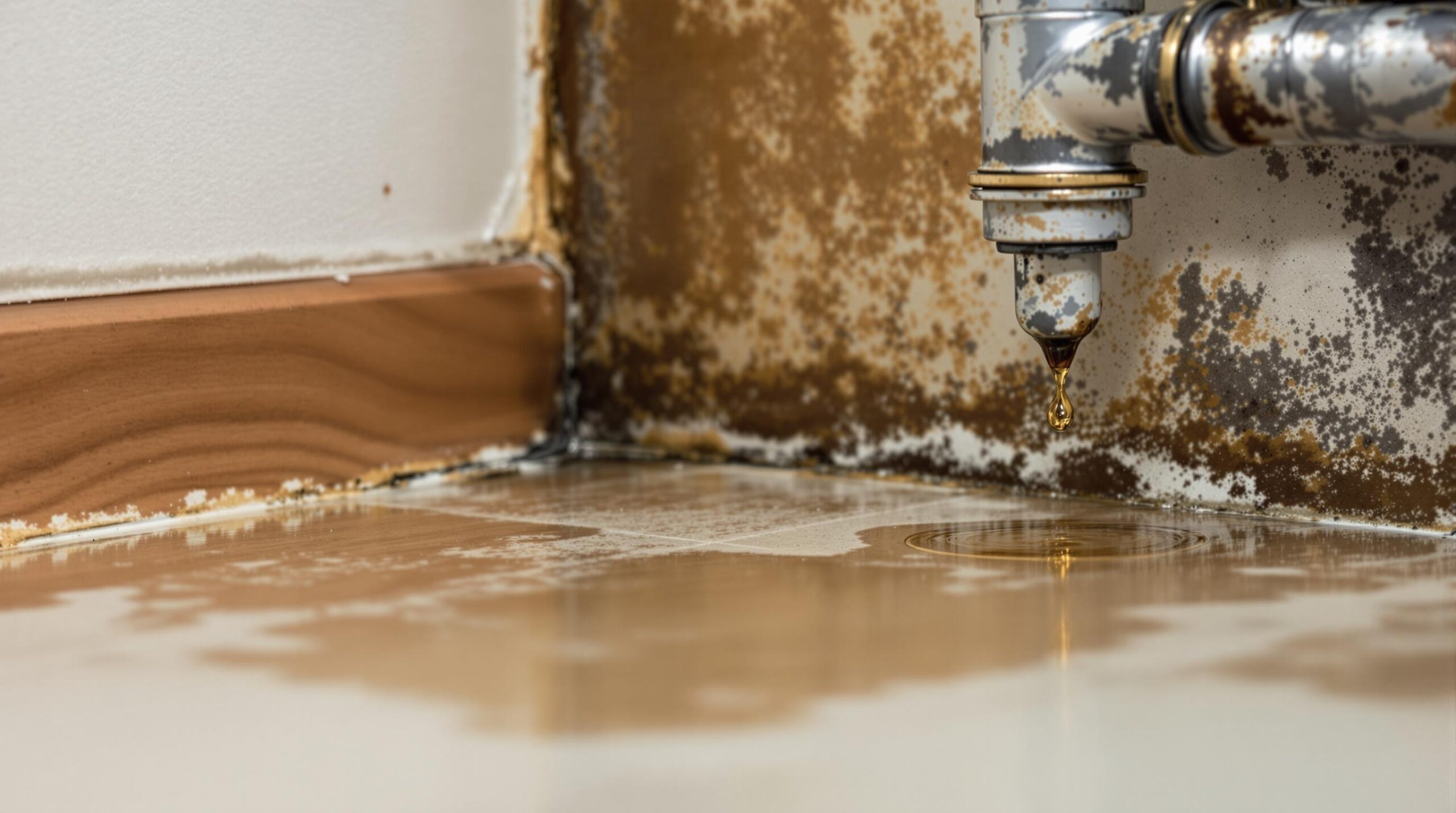
Understanding the Importance of Leak Detection in Townsend, DE
Picture this: You’ve just settled into your beautiful home in the charming town of Townsend, DE. The sun is shining, the birds are chirping, and everything seems perfect. But wait! What if there’s a hidden plumbing leak lurking behind your walls or under your floors? Sounds a bit spooky, right? Unfortunately, plumbing leaks can happen to anyone, and they often go unnoticed until it’s too late.
Why Should You Care?
Detecting leaks early can save you from a whole lot of trouble down the line. Think of it this way: a small drip now could turn into a big problem later. No one wants to deal with the messy consequences of water damage, mold growth, or a disrupted home life. Understanding where and how to look for these sneaky leaks is key to keeping your home safe and sound.
In this complete guide, we’re here to arm you with easy and practical tips to sniff out those hidden plumbing issues. Whether you’re a veteran homeowner or a newcomer, it’ll help you stay ahead of the game and protect your cozy abode in our lovely little town.
Get ready to become a leak detective—because finding these water woes now can help keep your Townsend home happy and healthy for years to come!
Common Sources of Hidden Plumbing Leaks
Now that we’ve outlined the importance of early leak detection, let’s dive into the common sources of hidden plumbing leaks. Understanding where these leaks typically originate will help you proactively check for potential issues, ensuring your Townsend home remains a safe sanctuary.
One of the primary culprits of hidden leaks is aging pipes. Over time, even the sturdiest plumbing systems can succumb to wear and tear. Rust, corrosion, and deterioration are often subtle at first but can lead to significant leaks if left unchecked. Remember, just because you can’t see a problem doesn’t mean it’s not there.
Faulty appliances also rank high on the list of hidden leak sources. Washing machines, dishwashers, and refrigerators equipped with ice makers are notorious for developing leaks that can go unnoticed until they’ve caused water damage. Regular inspections of hoses and connections can be a simple yet effective measure to prevent surprises.
Another common source is inadequately sealed fixtures. Think about those areas where pipes connect to sinks, bathtubs, and toilets. If seals are cracked or compromised, even the tiniest amount of water can leak over time, trickling into unseen areas and creating the perfect environment for mold and damage.
To help you visualize these common sources, we’ve put together a handy table summarizing these leak culprits:
| Source of Leak | Description | Prevention Tips |
|---|---|---|
| Aging Pipes | Worn out, corroded, or rusted pipes that can develop leaks over time. | Inspect pipes regularly; consider repiping if they are older than 50 years. |
| Faulty Appliances | Common household appliances like washing machines and dishwashers can have unnoticed leaks. | Check hoses for signs of wear and replace as necessary; keep an eye on waterlines. |
| Inadequately Sealed Fixtures | Sinks, tubs, and toilets can have cracked seals leading to slow leaks. | Regularly inspect sealants and caulking; ensure proper installation. |
By familiarizing yourself with these potential sources of hidden plumbing leaks, you’ll be better equipped to monitor your home and potentially catch issues before they escalate. Remember, a little proactive maintenance can go a long way toward preserving the integrity of your home in Townsend, DE.
Signs of Hidden Leaks to Watch For
Even the most diligent homeowner can overlook the subtle signs of hidden leaks until they escalate into a major headache. Often, it’s the invisible indicators that serve as the first warning. So, how can you tell if there’s a sneaky leak hiding in your home waiting to cause damage? Here are some crucial signs to keep an eye on:
- Unexpected Spikes in Water Bills: One of the most telling signs of a hidden leak is an unanticipated increase in your water bill. If you notice a sharp uptick in your usage without any changes in your habits—like more frequent showers or additional laundry—you might have a leak lurking somewhere in your plumbing system.
- The Sound of Running Water: Have you ever heard the unmistakable sound of running water when your taps are turned off? This peculiar noise is often an alerted beacon that water is flowing somewhere it shouldn’t be. Investigating this sound can lead you to a leak that might otherwise go unnoticed.
- Inexplicable Damp or Musty Smells: If you detect a stale, musty scent wafting through your house, it could be a warning signal of hidden leaks. Water escaping from pipes can contribute to dampness, encouraging mold growth—which not only poses health risks but can also lead to significantly more damage if not addressed promptly.
- Stains or Discoloration on Walls or Ceilings: Keep an eye out for unsightly brown patches on the walls or ceilings. These stains can indicate water damage resulting from leaks above, signaling that something is amiss within your plumbing system. Over time, even small moisture infiltration can lead to bigger problems.
- Peeling Paint or Wallpaper: Similar to stains, paint or wallpaper that is peeling or bubbling can also be a sign of water infiltration. If you notice this, it’s prudent to investigate the underlying causes to prevent further structural damage.
- Wet or Soft Spots on Floors: If certain areas of your flooring feel soft or wet to the touch, take immediate action. This can indicate a more serious leak beneath the surface, potentially affecting your flooring material and leading to costly repairs if not addressed early.
Recognizing these signs early on is essential for effective leak management. Proactive vigilance can save you not only your home but can also bolster your peace of mind. If you notice any of these red flags, don’t delay in investigating further. The sooner you unearth a hidden leak, the easier it will be to prevent extensive damage.
Once you’ve recognized the signs of hidden leaks, the next imperative step is to deploy methods for professional leak detection. Relying on advanced techniques ensures you tackle potential issues before they snowball into disastrous repairs. Experts in leak detection come armed with a variety of sophisticated tools designed to pinpoint the source of a leak with remarkable accuracy.
One prominent tool in the leak detection arsenal is thermal imaging. This technology allows professionals to visualize temperature changes in walls, ceilings, and floors. A hidden leak will often create an area that is markedly cooler or warmer than its surroundings, making it easier to localize the issue. The precision of thermal imaging means that professionals can quickly hone in on problem areas without invasive probing, preserving the integrity of your home.
Another invaluable asset is acoustic leak detection. Here, trained specialists use highly sensitive microphones to listen for the sound of water escaping from pipes. Natural water flow sounds rely on distinctive frequencies, and by isolating these noises, professionals can accurately identify leaks that may be otherwise undetectable. The non-invasive nature of this technique makes it an excellent choice for preserving the structure of your home while solving leak issues.
Camera inspections further augment the effectiveness of professional leak detection. Utilizing fiber optic cameras, specialists can directly visualize the internal conditions of plumbing systems. These cameras can navigate through pipes, providing a clear view of blockages, corrosion, or fractures that could lead to leaks. Having real-time visuals adds an additional layer of certainty to the diagnosis, ensuring that the right solutions are implemented with confidence.
Partnering with a local leak detection specialist not only saves you time but also enhances the efficiency of the leak identification process. Their expertise in reading the signs—whether they come from hidden water stains or suspicious odors—combined with their access to advanced technology, significantly improves the likelihood of identifying and rectifying the issue swiftly.
Taking a proactive stance on leak detection can safeguard not only your home’s integrity but also your peace of mind. By utilizing professional methods, homeowners can address leaks effectively, ensuring their living spaces remain comfortable and secure. With a little investment in expert technology, you’ll find yourself equipped to keep leaks at bay and protect your sanctuary.
Once you’ve addressed the initial discovery and mitigation of leaks, the focus shifts to a vital aspect of home maintenance that cannot be overlooked—water damage prevention. This proactive approach is all about vigilance and regular upkeep. Preventative maintenance is your strongest ally in safeguarding your home against the debilitating effects of unwanted dampness.
Here are some crucial water damage prevention tips that can be seamlessly integrated into your home maintenance routine:
| Prevention Tips | Description |
|---|---|
| Regular Pipe Inspections | Inspect your pipes routinely for signs of wear, corrosion, or any potential leaks. Pay close attention to joints and connections, which are often the weakest points. |
| Maintain Appliance Hoses | Check the hoses connected to your washing machine, dishwasher, and refrigerator for cracks or bulges. Replace these hoses every three to five years to minimize the risk of failure. |
| Gutter Maintenance | Ensure gutters are clean and free of debris to allow proper drainage. Clogged gutters can lead to water spilling over and pooling around the foundation, leading to water damage. |
| Install Water Detection Devices | Invest in water detection devices in areas prone to leakage, such as basements or behind appliances. These devices can alert you to the presence of water before significant damage occurs. |
| Seal Windows and Doors | Regularly inspect and maintain seals around windows and doors. Signs of wear or gaps can invite moisture, so replace caulking or weather stripping as necessary. |
| Monitor Humidity Levels | Keep indoor humidity levels in check using dehumidifiers or air conditioning, especially in areas susceptible to mold growth, like bathrooms and kitchens. |
Implementing these strategies is a straightforward way to bolster your home’s defenses against water damage. Regular inspections of your plumbing systems combined with appliance maintenance can significantly reduce your risk. Additionally, instituting measures like water detection devices can serve as an early warning system, alerting you to issues before they escalate.
Creating a consistent routine around these preventative measures not only brings you peace of mind but also protects your investment in your home. A little effort can go a long way in ensuring you enjoy a dry and comfortable living environment for years to come. Remember, the key to protecting your home from water damage lies in thorough and timely preventive maintenance practices.
When it comes to maintaining the integrity of your home, collaborating with specialized services in Townsend, DE, can be a game-changer. The benefits of enlisting local leak detection and water damage prevention experts extend beyond just immediate interventions; it’s also about building trustworthy relationships that provide ongoing protection for your property.
Townsend is home to a variety of highly regarded specialists who offer tailored solutions for a range of water-related issues. Their expertise means they can identify potential threats that may elude an untrained eye. Take the time to research your local options; a simple online search or referral from a neighbor can connect you with professionals equipped with the latest technology for effective leak detection and remediation.
Establishing a rapport with these local service providers means that your home is never vulnerable for long. Many companies offer routine inspections and maintenance plans, which not only enhance your peace of mind but also create a proactive approach to home care that addresses issues before they escalate. Consider scheduling regular check-ins and consultations; this will keep you ahead of the curve when it comes to water damage prevention.
Furthermore, local experts bring their understanding of Townsend’s unique geographic and climatic conditions into play. They can advise you on the specific water damage risks associated with your environment, whether it be seasonal weather patterns or nearby water sources. This localized knowledge is invaluable in implementing a personalized prevention strategy tailored to your home’s particular needs.
Before selecting a service provider, it’s beneficial to inquire about their qualifications and customer testimonials. Ensuring that your choice is a licensed, insured professional gives you an added layer of security. Additionally, establishing open lines of communication with these experts can yield lifelong partnerships; inquiring about their recommendations and implementing their feedback will foster an ongoing dialogue about how to best protect your home.
Remember, the key to effective prevention lies not just in addressing existing problems, but in fostering a culture of diligence and care around your home. By committing to a collaborative relationship with specialized services in Townsend, you are investing in both the longevity of your property and the comfort of your daily life.
Your home is your sanctuary, and with the right team by your side, you can ensure it remains a safe and sound place for years to come. Take the initiative today; reach out to local professionals, learn from them, and make water damage prevention a priority in your home maintenance routine.
As you embark on your journey to safeguard your home against water damage, it’s essential to equip yourself with knowledge—the kind that empowers you to act swiftly and effectively. In this segment, we’ll dive deeper into some frequently asked questions that often arise when homeowners consider leak detection and prevention.
What should I do if I suspect a leak in my home? If you begin to notice unexpected water stains on your walls or ceilings, or if you detect musty odors that hint at hidden moisture, it’s crucial to conduct an initial inspection. Start by checking areas prone to leaks, such as under sinks, around appliances, and in the basement. If your investigation leaves you feeling uncertain, don’t hesitate to reach out to a local professional—they can provide a thorough evaluation and help you pinpoint the source of the leak more accurately.
How often should I inspect for leaks? The general consensus is to carry out inspections every six months, though an annual check can suffice for newer properties. For older homes, however, more frequent evaluations may be prudent. Keeping a schedule for these inspections helps you stay ahead of potential issues and allows you to catch leaks before they lead to costly damage. Remember, regular maintenance not only preserves the integrity of your home but can also play a massive role in maintaining its value.
Are there DIY solutions to finding leaks? Absolutely! Simple techniques like performing dye tests can be incredibly helpful. By adding a few drops of food coloring to your toilet tank, you can quickly determine if water is leaking into the bowl. Additionally, closely monitoring your water bills can alert you to any unusual spikes that might indicate an unreported leak somewhere in your home. However, while DIY solutions can be effective for early detection, relying on professional methods often yields more reliable results, especially when deeper, hidden issues are at play.
Incorporating these strategies into your home maintenance routine ensures you’re not just reacting to problems as they arise but rather taking preventive measures against future challenges. By becoming proactive in your approach, you’ll significantly reduce the likelihood of water damage and the associated headaches that come with it.
Ultimately, when you remain vigilant and educated about leak detection and prevention, you not only protect your physical home but also safeguard your emotional investment. The peace of mind that comes from knowing you’ve taken every measure to protect your sanctuary is invaluable. So, mark those calendars, equip yourself with essential knowledge, and remain engaged with your local professionals to create a fortified bastion against water damage.
Additionally, understanding the signs of potential water damage can empower you in your journey to protect your home. Familiarize yourself with the telltale indicators of leaks and moisture buildup that can often go unnoticed until it’s too late. For instance, be vigilant about checking for discoloration on walls or ceilings, sagging drywall, or even the unwelcome appearance of mold. These could signal a larger problem lurking beneath the surface, one that, if left unchecked, could compromise the very foundation of your dwelling.
Moreover, it’s essential to stay informed about seasonal changes and their implications on your home’s water integrity. Heavy rainfall, snowmelt, or even unexpected downpours can introduce risks that may not be apparent in drier months. Seasonal checks after heavy storms and annual maintenance routines can mitigate these risks. During these inspections, look over gutters and downspouts, ensuring that they are clear of debris and functioning optimally to divert water away from your home.
Homeowners in Townsend also need to be proactive in understanding the systems within their property. Knowledge of your plumbing layout, along with the locations of shutoff valves, can prove invaluable during emergencies. Educating yourself on these crucial elements means you’ll be better equipped to respond swiftly should a leak be detected, minimizing water exposure and potential damage.
Incorporating smart technologies can also revolutionize your approach to leak detection and prevention. Smart water leak detectors provide real-time alerts straight to your smartphone, notifying you at the first signs of trouble. This technology not only enhances your monitoring capabilities but also allows for swift action, whether you’re at home or away. By adopting innovative tools, you can take charge of your home’s safety and fortify your defenses against water damage.
Community engagement plays a pivotal role in enhancing neighborhood vigilance. Participating in local homeowner associations or online community groups can be an effective way to share experiences, tips, and recommendations for reliable leak detection services. Staying plugged into local discussions creates a communal approach to combating water damage, empowering each resident to look out for potential hazards not just within their homes but throughout the neighborhood.
Ultimately, the goal is to foster a resilient home environment where you and your family can thrive without the looming worry of water damage. By investing time and effort into preventive measures, engaging with qualified professionals, and leveraging technology, you can create a robust defense against this silent enemy. With a proactive mindset and a commitment to ongoing maintenance, your home will remain a haven for years to come, giving you the peace and comfort you deserve.